If you keep finding droppings in the pantry, the fix that actually works is a good snap or electronic trap set in numbers, not a single trap and a wish. The short answer: seal the gaps mice are using first, then set six to a dozen traps tight against the walls where they run, and pick electronic if you want no-touch disposal or a classic wooden snap if you want the cheapest reliable kill. For our own garage we keep a box of wooden snaps and one electronic unit on hand, nothing fancier. Most lists rank a plug-in repeller or a glue board near the top; both are the picks to skip, and the comparison below shows why a trap is only as good as the hole you close behind it.
A good snap or electronic trap is the most effective and humane DIY mouse weapon, but no trap clears an infestation while the entry points feeding it stay open; set many at once along the walls, choose electronic for no-touch disposal or a classic snap for value.
- Do first (free): Find and seal the gaps mice enter through, and clear the food and clutter drawing them in.
- Best for the common case: Six to a dozen snap or electronic traps set flush against walls where they travel.
- Skip: Glue boards and ultrasonic plug-in repellers; one is inhumane and less effective, the other does not work.
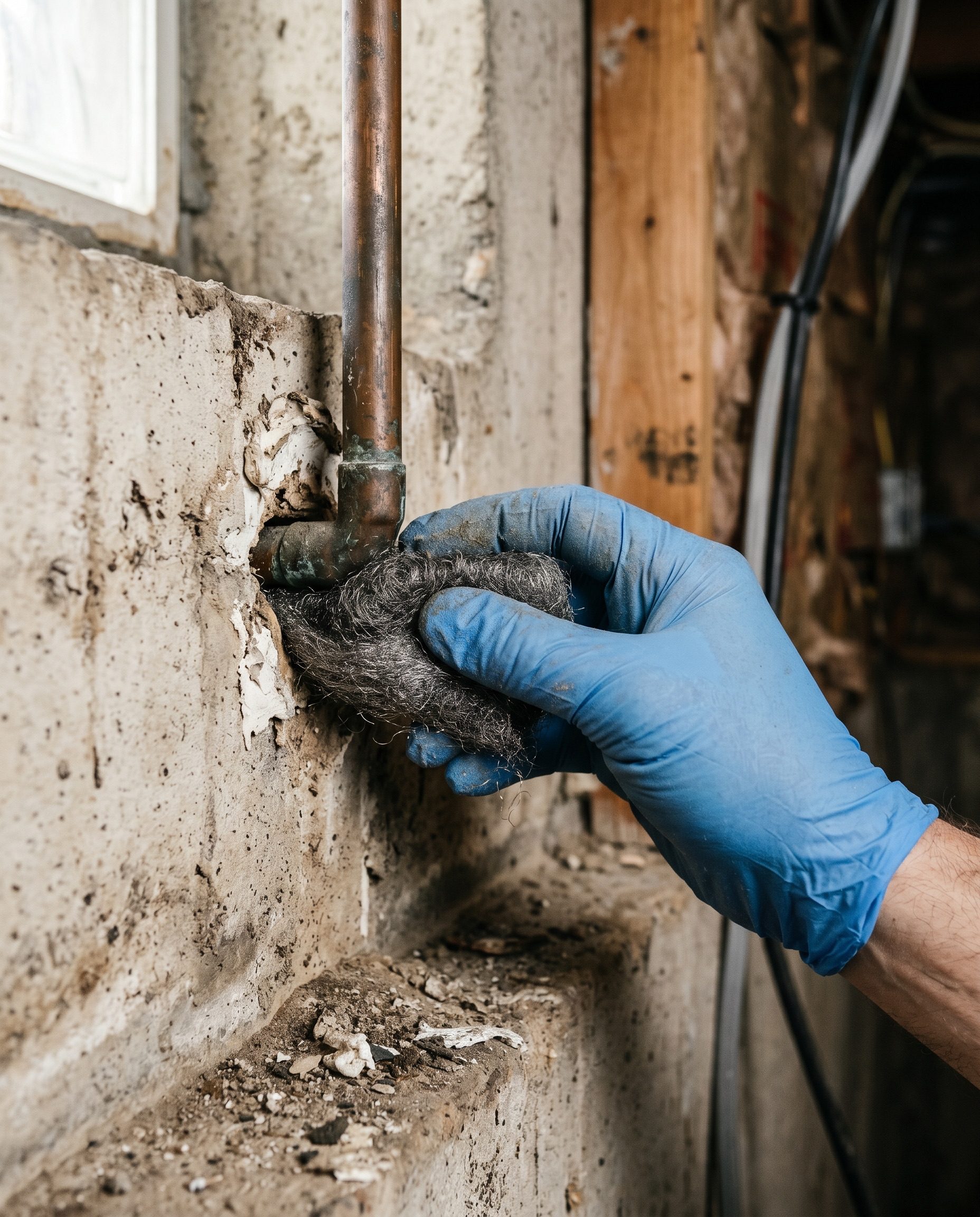
Seal the gaps before you set a trap
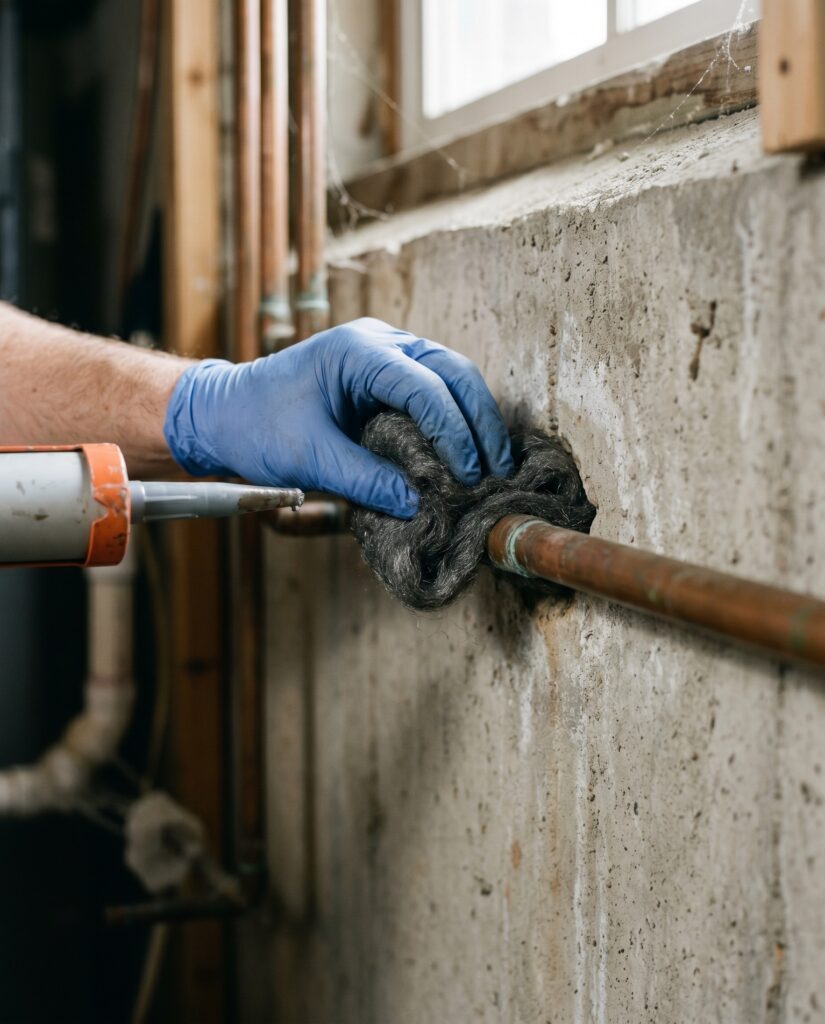
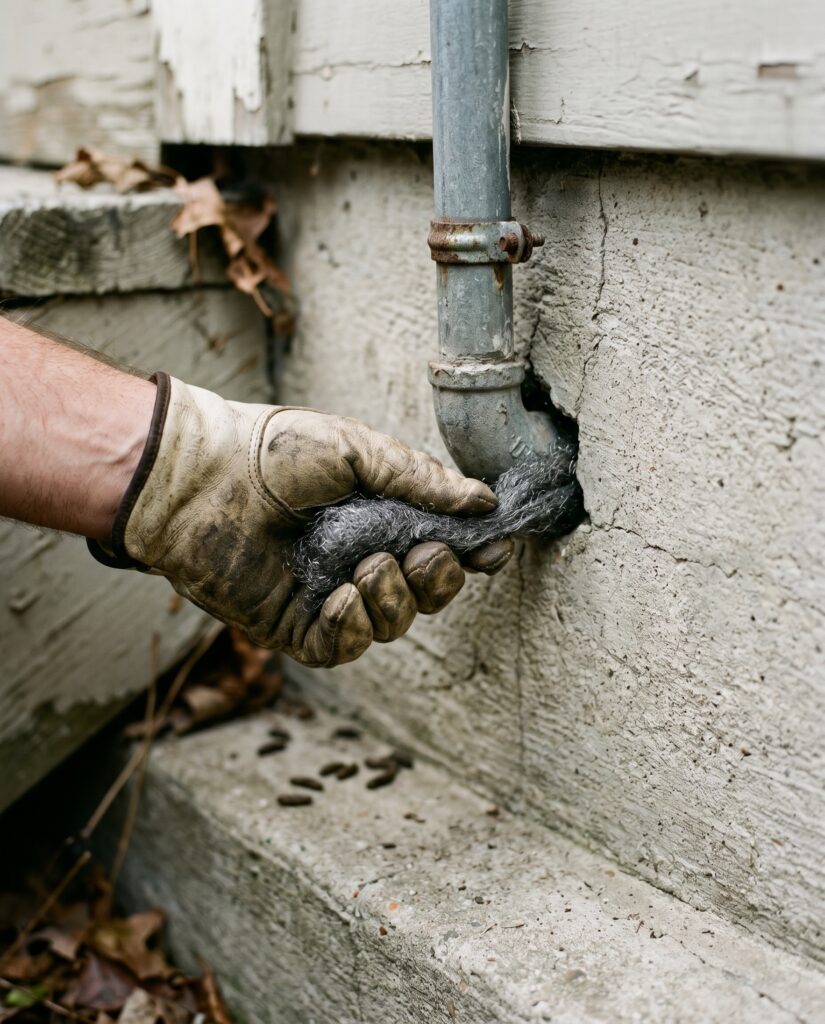
The cheapest part of this fight costs nothing and is the part most people skip: shut the door the mice are walking through. A house mouse squeezes through a gap the width of a pencil, so a few open entry points will refill your home faster than any trap empties it. The UC IPM Pest Notes on the house mouse puts exclusion and sanitation ahead of every control method for exactly this reason. Walk the perimeter and the utility lines, stuff coarse steel wool into finger-width holes around pipes and wiring, and back it with caulk or hardware cloth so it stays put. Our walkthrough on how to get rid of mice lays out the sealing order room by room.
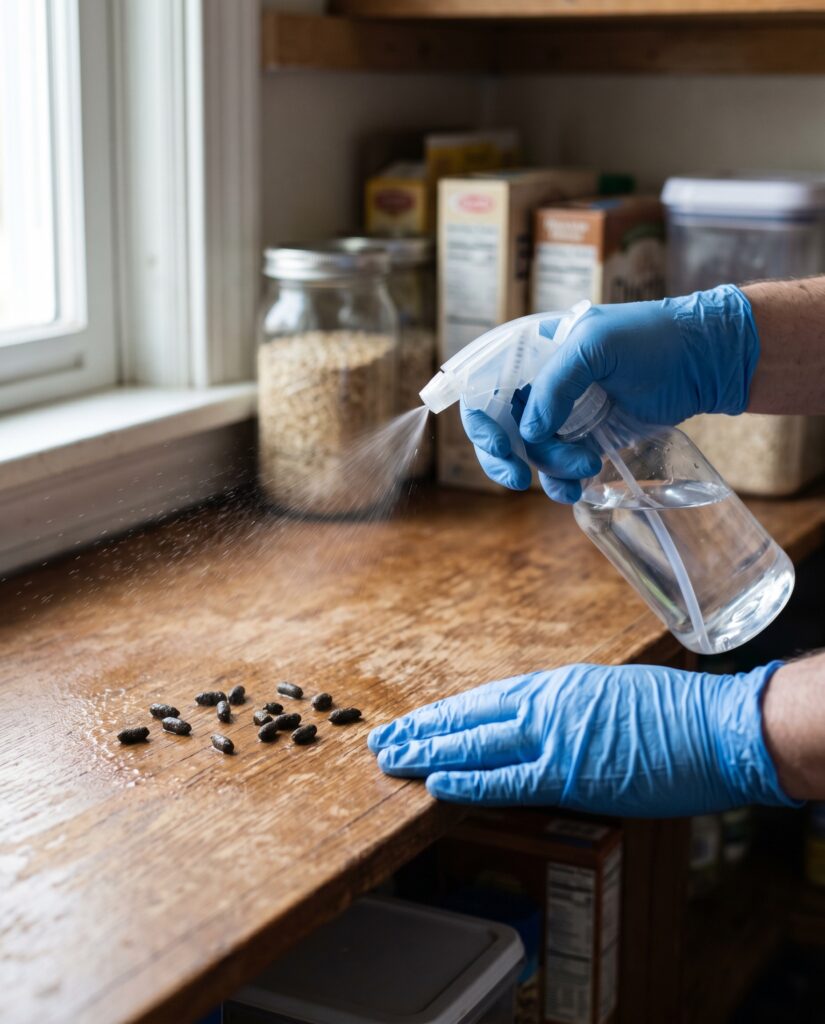
Then take away the reasons they came. Get food into sealed containers, clean up crumbs and pet food at night, and clear the cardboard and clutter that gives them cover. Sealing and sanitation do work no trap can match, because they cut the population’s food and shelter at the source. Knowing the signs of mice in the house, the rice-grain droppings, the gnaw marks, the greasy rub lines along baseboards, tells you where they travel so you can place traps where it counts. A trap is worth setting once the prep is done, not as a substitute for it.
Why glue boards and repellers waste your money
Here is the part the “top trap” lists usually get wrong. Glue boards and ultrasonic plug-ins still rank near the top of many roundups, and both deserve a hard pass for different reasons. A glue board is inhumane and less effective than a snap, trapping the mouse alive to die slowly while quick learners simply walk around a board they have seen a cage-mate stuck to. A snap or electronic trap delivers a fast kill, which is both kinder and more reliable, so there is no situation where a glue board is the better tool indoors.
Ultrasonic repellers fail for a simpler reason: they do not do the job. The same UC IPM guidance on house mice notes that ultrasonic devices have not been shown to drive mice out or keep them away, and any startle effect fades within days as the mice habituate. A plug-in that mice learn to ignore is not pest control, it is a night light with a fan. Mice are also naturally wary of new objects, the neophobia the UC IPM Pest Notes on rats describe in their close cousins, which is why a few new traps may sit untouched for a day or two before the catches start. That is normal. Flood the runways with traps and wait them out rather than reaching for a gadget.
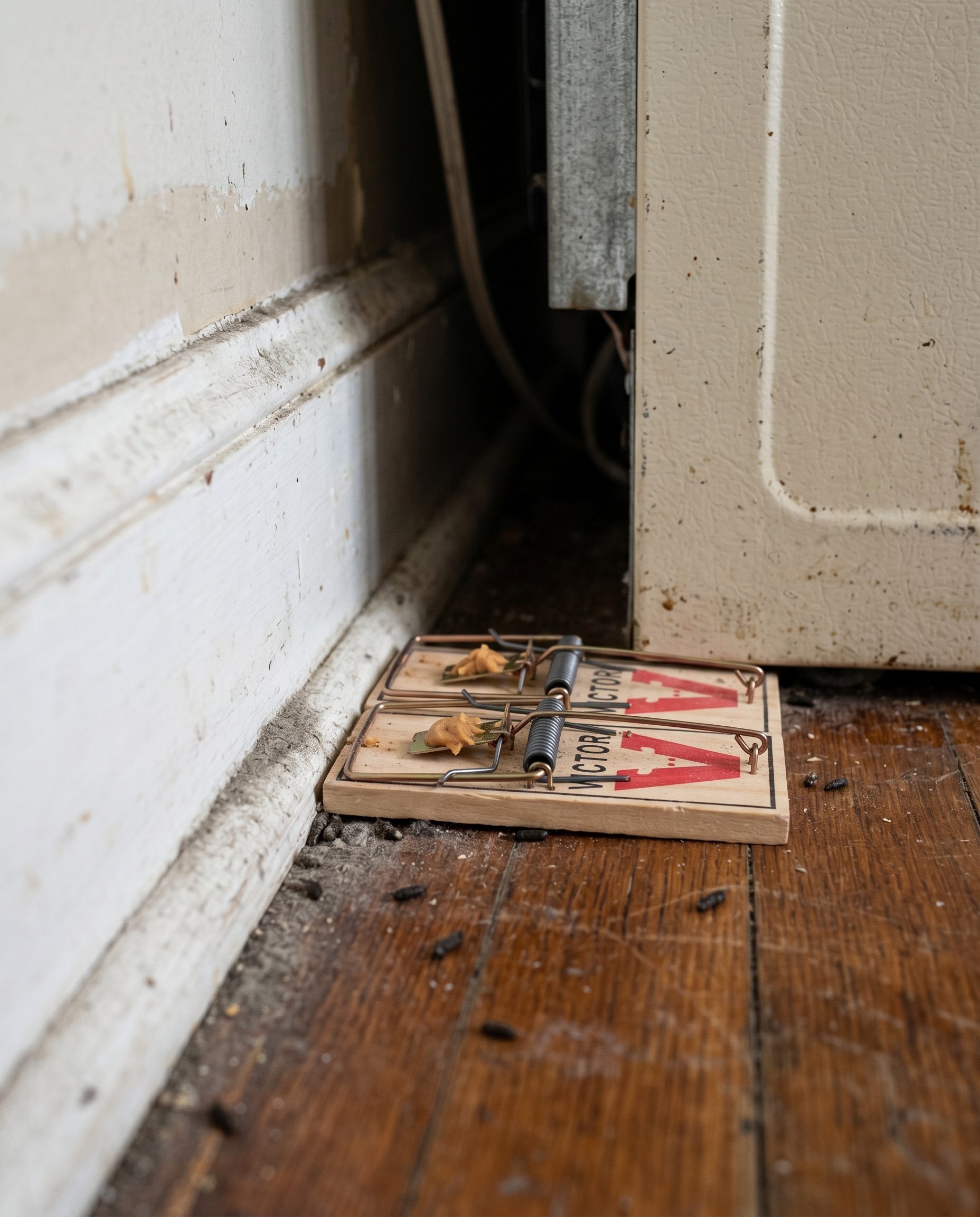
Snap vs electronic vs bait
Once the gaps are sealed, the choice between trap types is short, and it comes down to how you want to handle the catch and how many mice you are fighting. The point is to match the tool to your situation and your stomach, not to buy the loudest box on the shelf.
| Type | Best for | Watch-out |
|---|---|---|
| Classic snap trap | Cheap, reusable, set many at once | You see and handle the kill; keep fingers clear when setting |
| Electronic trap | No-touch disposal for the squeamish | Costs more per unit; needs batteries; fewer per dollar |
| Poison bait station | Last resort where trapping cannot keep up | Secondary poisoning of pets and wildlife; locked stations only |
For most homes a snap or an electronic trap clears the problem, and which one you pick is personal. A wooden snap is the value play: a few dollars each, reusable, and cheap enough to set a dozen at once, which is what actually shortens the job. An electronic trap costs more but kills with a quick high-voltage jolt and lets you tip the catch into the trash without touching it, which is the right call if seeing the snap turns your stomach. Poison bait sits at the bottom of the list on purpose. The EPA’s rodenticide safety guidance warns that poisoned mice carry the toxicant into the pets, owls, and other wildlife that eat them, so bait is a last resort, never the default. If you do reach that point, our guide to the best mouse and rat poison bait stations covers using only locked, tamper-resistant stations, and the EPA restricts the most hazardous second-generation rodenticides for consumer use for the same reason.
Where and how to set them
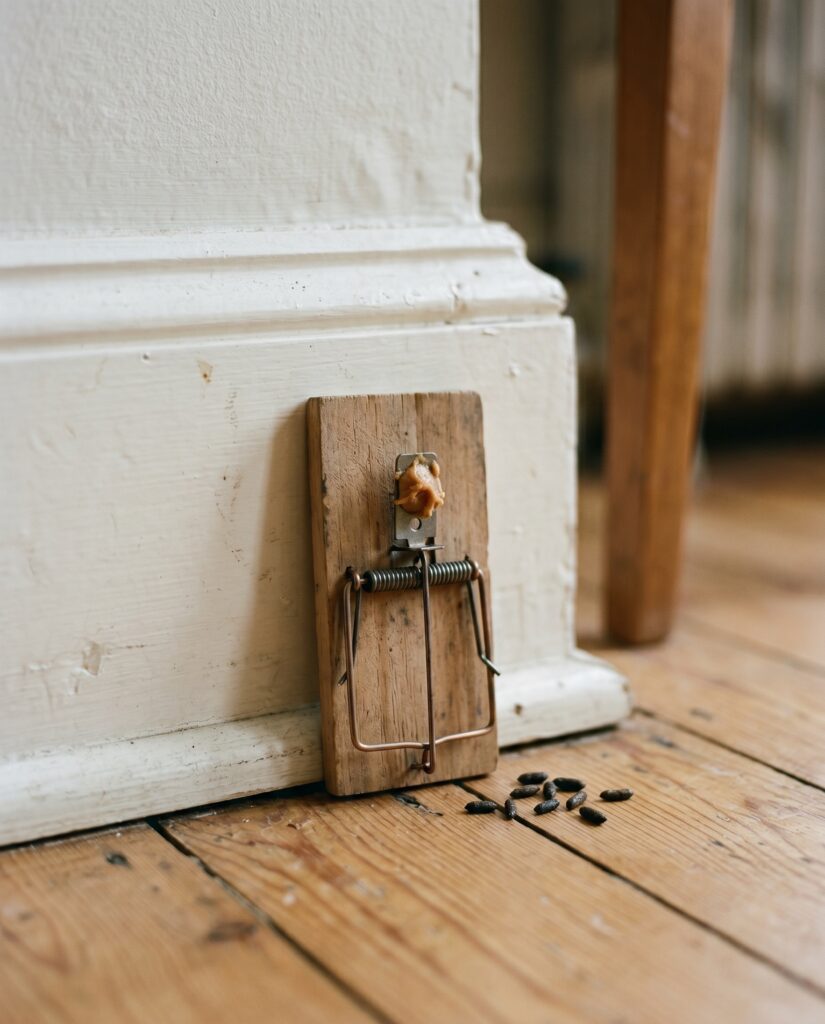
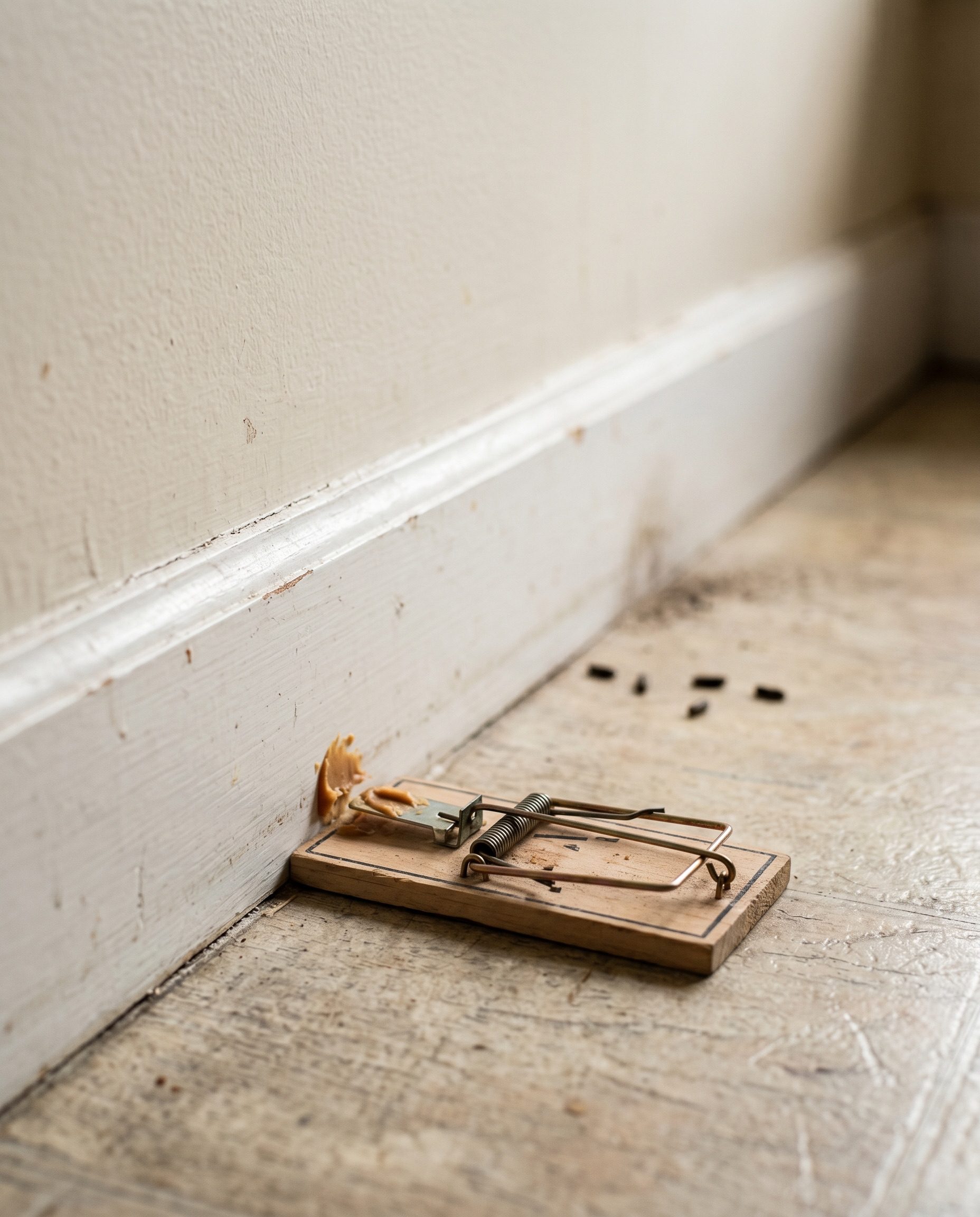
Placement is what separates a productive night from an empty trap. Mice run along walls and rarely cross open floor, so set traps flush against the baseboard with the trigger end toward the wall, so a mouse hits the bait pedal as it travels its route. Space them close, every two to three feet in an active area, and use far more than feels necessary: a dozen traps in a small kitchen is not overkill, it is how you catch a litter before it breeds again. Set them along the rub lines, behind appliances, under sinks, and in the back corners of cabinets where you found droppings.
Bait small and bait sticky. A pea-sized dab of peanut butter worked into the pedal beats a loose chunk a mouse can steal, and you want the trap to fire when it tugs. Leave the traps set and check them daily, clearing catches with gloves and resetting in the same productive spots, because a runway that produced one mouse usually produces more. The EPA’s safe pest-control principles frame this kind of trapping-and-exclusion approach as the front line, with chemicals held back for when mechanical control cannot keep up. Keep traps where children and pets cannot reach them, tucked behind appliances or inside a covered trap box, and wear gloves when handling any trap or catch to keep your scent off and your hands clean.
The picks
Cards come after the analysis on purpose, because the job decides which trap you buy. These three cover the cheapest reliable kill, no-touch electronic disposal, and a safe one-press snap, and all are common, widely available mouse traps.
InsectoGuide is reader-supported. As an Amazon Associate we earn from qualifying purchases at no extra cost to you.
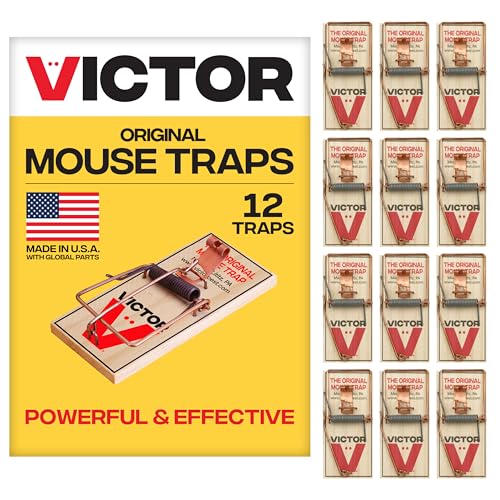
The cheap, reusable snap to set by the dozen along active walls.
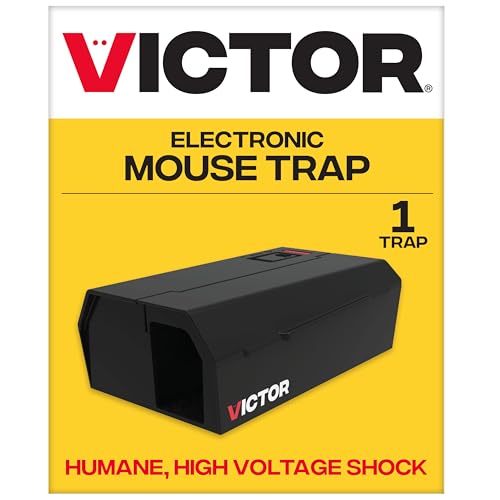
The no-touch option if seeing the snap turns your stomach.
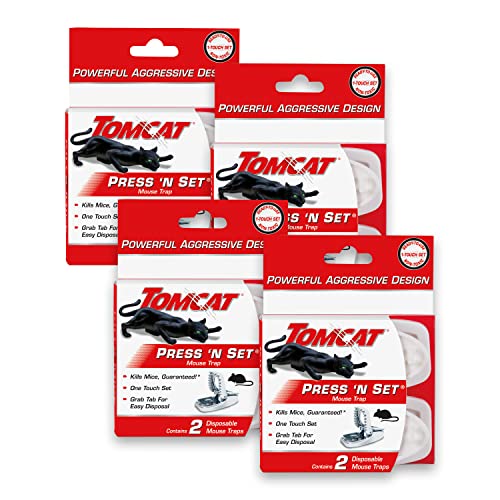
The fingers-clear snap for nervous setters covering several runs.
Common questions
Do snap traps or electronic traps work better?
Both kill quickly and reliably, so the choice is about handling, not effectiveness. A wooden snap is cheaper and lets you set more for the same money, while an electronic trap costs more but gives you no-touch disposal. For most homes the snap wins on value; the electronic wins if you would rather not see the catch.
How many mouse traps should I set?
Far more than feels necessary. Six to a dozen in an active room is reasonable, set every two to three feet along the walls where you see droppings. Mice breed fast, so a handful of traps catches the population faster than one or two ever will.
Do ultrasonic repellers get rid of mice?
No. UC IPM’s guidance notes ultrasonic devices have not been shown to drive mice out or keep them away, and any effect fades within days as they habituate. They do not seal a single gap or catch a single mouse, so put your money into traps and exclusion instead.
Are glue boards a good option?
No. A glue board is both inhumane, trapping the mouse to die slowly, and less effective than a snap, since wary mice learn to avoid it. A quick-kill snap or electronic trap is the better and kinder tool in every indoor situation.
When should I use poison instead of traps?
Treat poison as a last resort, not a starting point. The EPA warns that poisoned mice carry the toxicant into pets, owls, and other wildlife, and the most hazardous rodenticides are restricted for consumers. If trapping cannot keep up, use only locked, tamper-resistant bait stations, and consider a licensed professional for a heavy or recurring infestation.
Final verdict
There is no magic mouse trap, only the right type set the right way after you close the door behind it. Start free by sealing the pencil-width gaps and clearing the food and clutter, then flood the runways with traps set flush against the walls. A classic wooden snap is the value pick you can set by the dozen, and an electronic trap is the no-touch choice when handling the catch is the dealbreaker. Skip glue boards and ultrasonic repellers, the first because it is inhumane and less effective, the second because it simply does not work. Keep poison as a last resort in locked stations only, and remember the trap is one tool inside the job, never the whole answer while a single hole stays open.