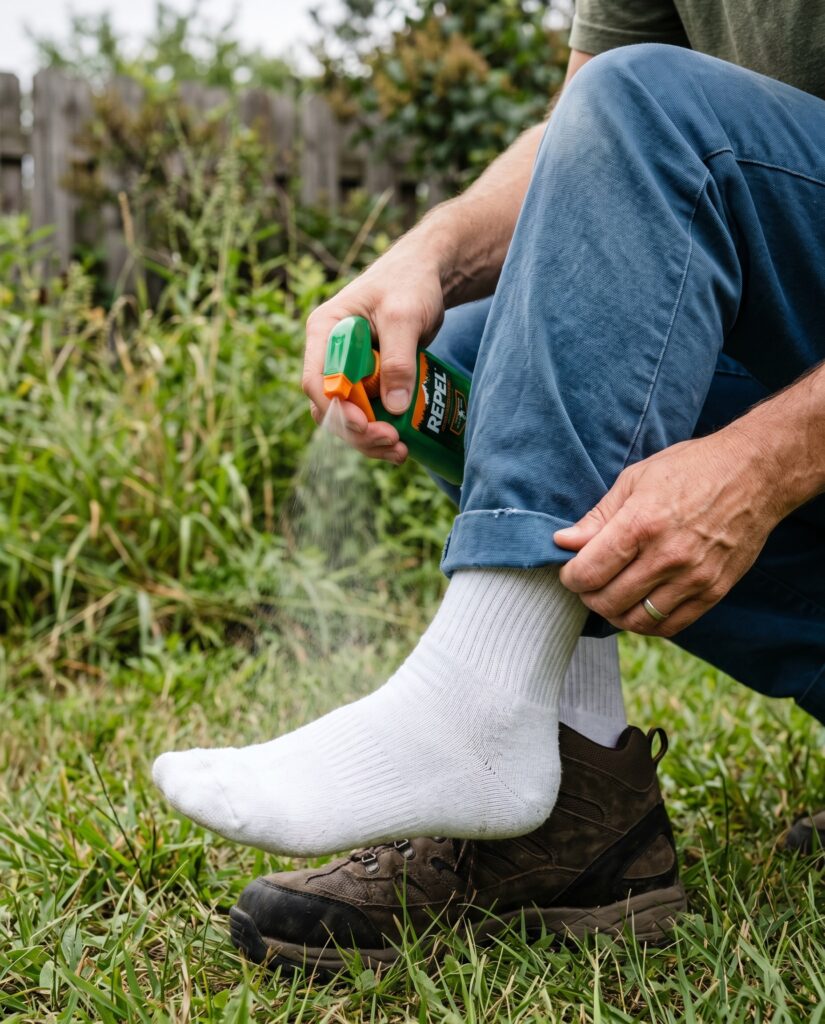
If chiggers keep finding your ankles, the fix is not one magic spray but a pairing you set up before you walk into tall grass. Chiggers climb aboard from weeds and grass tips and board where your clothing meets skin, so the repellents that work go on first and concentrate low: socks, cuffs, and waistband. The short answer: put an EPA-registered skin repellent like picaridin or DEET on exposed skin, treat your clothes and shoes with permethrin, and let the clothing do the heavy lifting because these mites crawl up from the ground. For our own summer yard work we keep a picaridin spray by the door and a permethrin-treated pair of socks and pants ready to go. Most lists hunt for a “chigger-only” product; there isn’t one worth chasing, and the comparison below explains why the active ingredient and the treated clothing decide it.
There is no chigger-only spray; pair an EPA-registered skin repellent (picaridin or DEET) with permethrin-treated clothing, and load it onto socks, cuffs, and the waistband where chiggers board from the ground.
- Do first (free): Tuck pants into socks, stay on mowed paths, and wash with soap and water soon after you come in.
- Best for the common case: A picaridin or DEET skin repellent plus permethrin on socks, shoes, and pant legs.
- Skip: Nail polish and “suffocation” tricks on bites; the itch is an allergic reaction, not a buried bug.
What to do before you spray
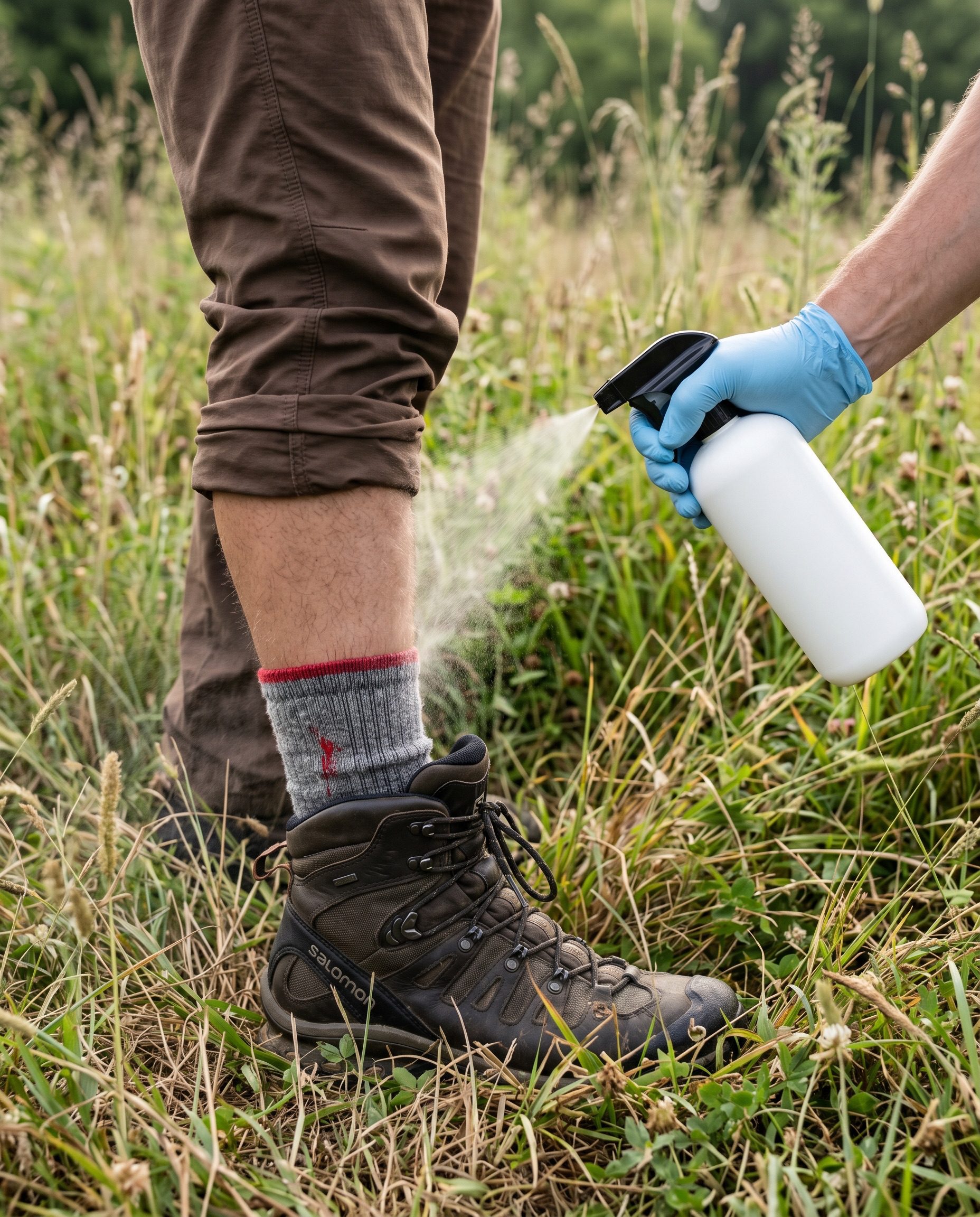
The cheapest defense costs nothing and matters as much as any bottle: keep the mites from reaching skin in the first place. Tuck your pant legs into your socks, wear long sleeves, and stick to mowed paths instead of brushing through weeds, because chiggers wait on grass tips and grab whatever passes. When you come back in, take a soapy shower soon and wash the clothes you wore in hot water, which knocks off any larvae still hitching a ride. The University of Florida’s chigger guidance describes how these larval harvest mites cluster where clothing fits snugly, which is exactly why the ankles and waistband are the lines to defend.
A repellent earns its place once you have done that. Apply it before you head out, not after the first bite, because chiggers attach within minutes of climbing aboard. If your problem is the yard itself, the longer fix is habitat work, and our guide to getting rid of chiggers in your yard covers mowing, clearing weeds, and cutting back the brushy edges where they thrive.
Why there is no chigger-only spray
Here is the part the “best chigger killer” lists skip. No product is registered specifically and only for chiggers, so chasing a chigger-branded bottle is the wrong question. Choose by the active ingredient and how long it lasts instead. The EPA’s insect repellent guidance points you to registered actives like picaridin, DEET, and oil of lemon eucalyptus, and the EPA search tool lets you match a product to how many hours you need. A repellent that lists chiggers on the label is fine, but it works because of the active inside, not because of the word on the front.
The bigger reason a skin spray alone falls short is direction of travel. Chiggers come up from the ground, so the surface you most need protected is your clothing, not your forearms. That is why permethrin matters more than any skin product here: it treats the fabric the mites have to cross. The CDC’s guidance on preventing bites is blunt that permethrin goes on clothing and gear, never on skin, and that treated clothes plus a skin repellent is the combination to use. Treat your socks, shoes, and pant legs, and the mites meet the chemistry before they ever reach you. Our roundup of permethrin clothing sprays covers how to apply and dry it correctly.

Skin repellent vs treated clothing
Once you know it is a two-part job, the choice between the parts is simple: skin repellent covers the gaps, permethrin covers the route. Decide by where the exposure is and how long you will be out, and remember the clothing layer is the one most people leave off.
| Layer | Best for | Watch-out |
|---|---|---|
| Picaridin or DEET on skin | Exposed ankles, lower legs, and arms | Reapply per the label; clothing still needs treating |
| Permethrin on clothing | Socks, shoes, and pant legs the mites climb | Clothing and gear only, never skin; let it dry first |
| Tucking in and washing up | Every outing, before any spray | Habit, not a one-time fix |
Why not just douse your legs in DEET and call it done? Because a skin spray protects the skin it touches, but chiggers boarding through your sock and pant fabric never meet it. The Iowa State Extension’s chigger page recommends repellent paired with the right clothing for exactly this reason, treating the ground-up climb as the real path of attack. A picaridin spray handles the bare skin; permethrin-treated clothing handles the route the mites actually take. Skip one of the two and you leave the bigger door open. If you want to understand where they wait and breed, our explainer on the chigger life cycle and where they live lays it out.
How to apply it right
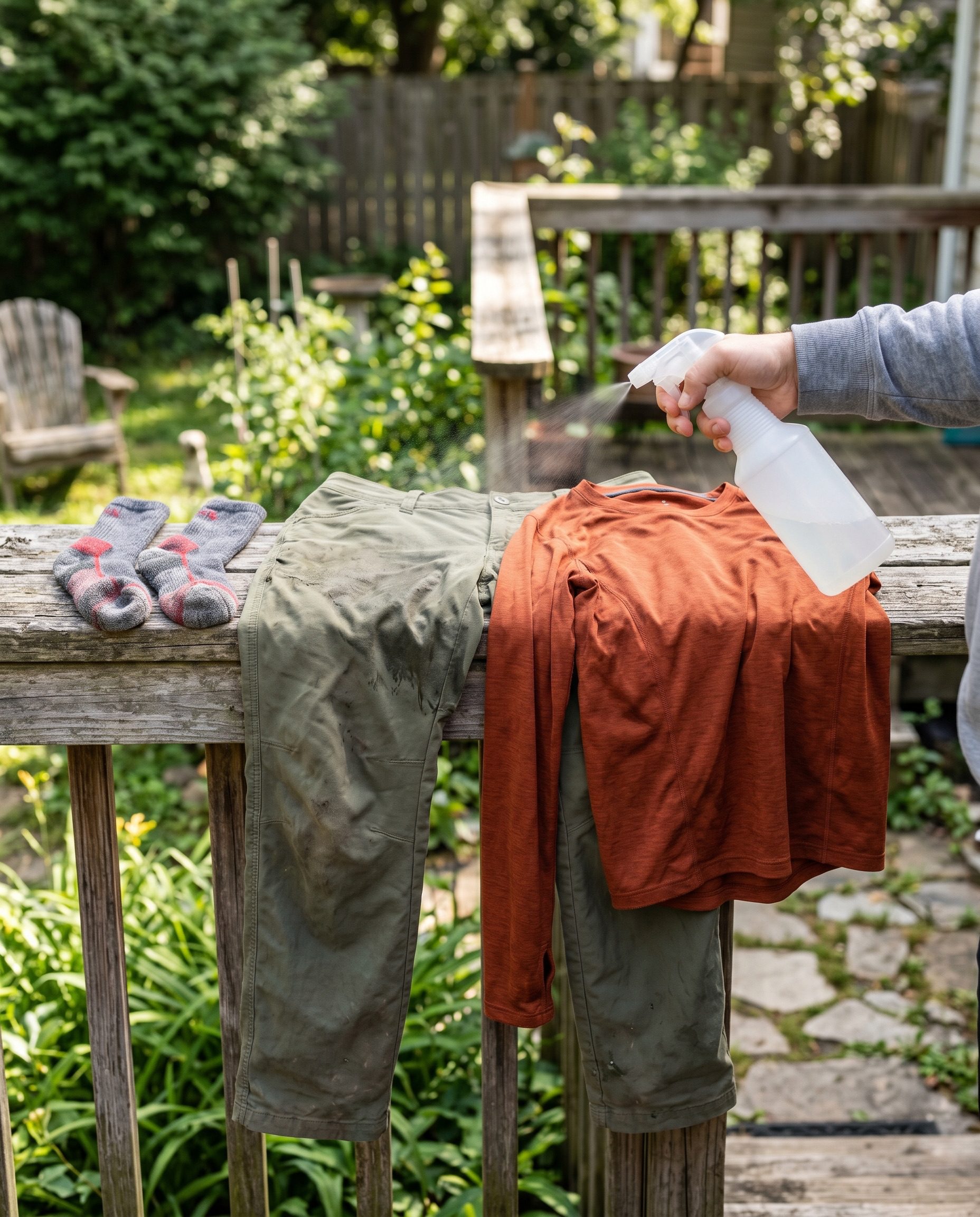
Put the repellent on before you walk into grass, and aim low. For skin, cover the exposed ankles, lower legs, and any gap where clothing rides up, following the product label for how much and how often to reapply. For clothing, spray the permethrin onto socks, shoe tops, and pant legs laid flat outdoors, and let them dry completely before you wear them, because under federal law the product label is the law and it spells out the drying step for a reason. The EPA’s repellent guidance is the place to confirm an active and read the use directions before you buy.
Treat these as the registered pesticides they are. Keep children and pets off freshly sprayed clothing until it is fully dry, do not apply skin repellent to a child’s hands or near the eyes and mouth, and store everything out of reach. One caution that catches people: wet permethrin is toxic to cats, so dry treated clothing well away from where a cat can rub or lick it, and if anyone is exposed and feeling unwell, contact a doctor or your local poison control center. The myth-busting part matters too, since chiggers do not burrow or lay eggs in you. The Missouri Department of Conservation’s chigger field guide confirms the larval mite attaches, feeds through a tube for a few hours, then drops off, which is why the days-long itch is an allergic reaction, not a live bug. Nail polish and “suffocation” tricks do nothing; wash with soap and water soon after exposure and treat the itch like any other irritation.
The picks
Cards come after the analysis on purpose, because the active ingredient and the clothing treatment decide which one fits your day. These three cover a DEET-free chigger-aimed spray, a picaridin option, and a high-DEET formula for heavy chigger country, and all are common, widely available repellents.
InsectoGuide is reader-supported. As an Amazon Associate we earn from qualifying purchases at no extra cost to you.
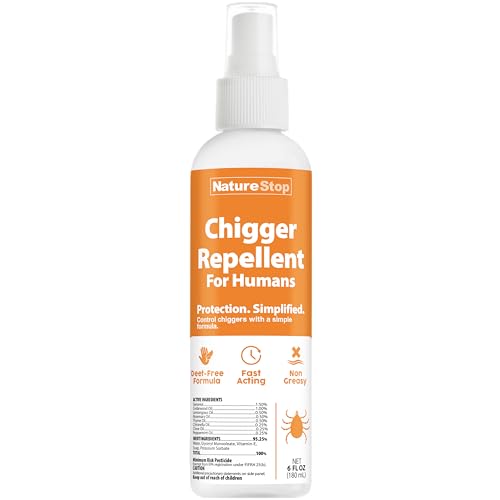
A DEET-free skin spray for the ankles, socks, and waistband where chiggers board.
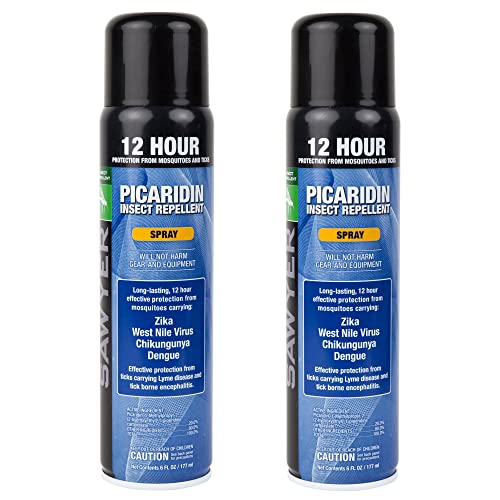
A non-greasy 20% picaridin spray for bare skin without the plasticky DEET feel.
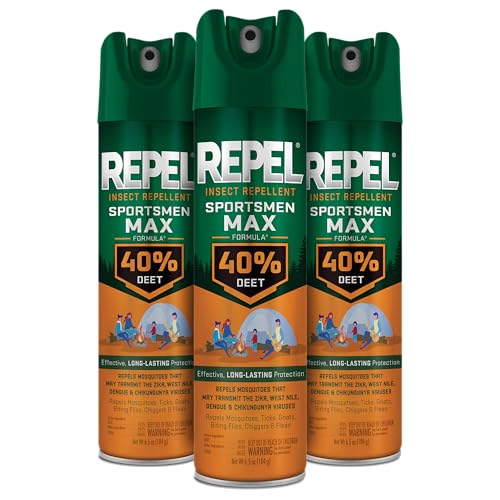
A 40% DEET aerosol for long hikes through heavy chigger country.
Common questions
Do chiggers burrow under your skin?
No. The Missouri Department of Conservation notes chiggers do not burrow; the larval mite attaches at the surface, feeds through a tube for a few hours, then drops off. The itch that lingers for days is your body reacting to that feeding tube, not a bug still living in you.
Does nail polish on a bite help?
No. Because nothing is buried in the skin, smothering the spot with nail polish or other “suffocation” tricks does nothing. Wash with soap and water soon after exposure, and treat the itch like any other irritation while it settles.
What active ingredient should I look for?
Pick an EPA-registered active and match it to your time outdoors. The EPA’s repellent guidance covers picaridin, DEET, and oil of lemon eucalyptus, and its search tool tells you how many hours each product protects. There is no chigger-only chemistry; choose by the active and how long it lasts.
Why do I need permethrin if I already use a skin spray?
Because chiggers climb up from the ground, so they cross your clothing before they reach skin. The CDC recommends permethrin on clothing and gear, never on skin, paired with a skin repellent, so the mites meet the treated fabric on the way up.
Is permethrin safe around pets?
Treat clothing only, never skin, and let it dry fully before wearing. Wet permethrin is toxic to cats, so dry treated items where a cat cannot reach them, and keep all repellents stored out of reach of children and pets.
Final verdict
There is no single best chigger repellent, and any list naming one bottle is skipping the part that matters: chiggers board from the ground, so you protect the route, not just the skin. Start free by tucking pants into socks, staying on mowed paths, and washing up soon after you come in. Then pair an EPA-registered skin repellent, picaridin or DEET, with permethrin treated onto your socks, shoes, and pant legs, and load both where the mites climb aboard. Skip the nail polish tricks and the hunt for a chigger-only spray; choose by the active ingredient and how long it lasts, and let the treated clothing do the heaviest lifting, because that is the door these ground-up biters actually use.