n
n
n
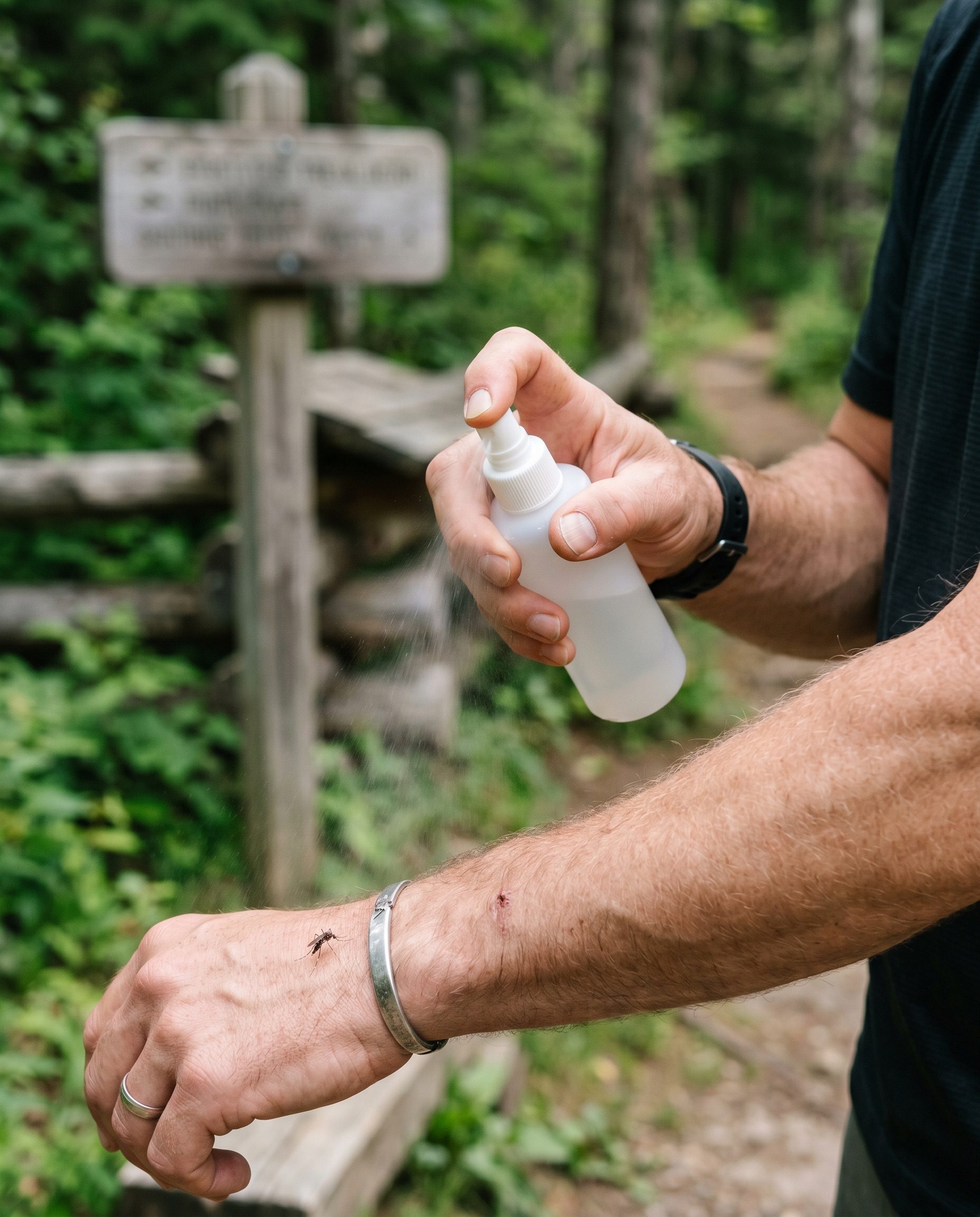
The best insect repellent is not a brand, it is an EPA-registered active ingredient applied to all of your exposed skin, and for most people that means picaridin or DEET, with oil of lemon eucalyptus as the solid plant-based choice. What sets how long you stay protected is the active and its concentration, not the label or the price. The short answer: pick a registered active, cover the skin you are leaving bare, and reapply on the schedule the label gives you. In our own gear bag we keep a 20 percent picaridin pump for everyday use and a can of permethrin for clothing before tick season. Most roundups crown one “best bug spray”; the real decision is the active, the concentration, and what you put on your clothes, and the comparison below sorts it out.
nn
n
Pick an EPA-registered active and cover all exposed skin: picaridin or DEET for most people, oil of lemon eucalyptus as the plant-based option, with the concentration setting your protection time, then pair it with permethrin-treated clothing for ticks and chiggers.
n
- n
- Do first (free): Cover bare skin, dump standing water around the yard, and dress in long sleeves where the biting is worst.
- Best for the common case: A picaridin or DEET skin repellent at a concentration matched to how long you will be out.
- Skip: Ultrasonic and clip-on “repeller” gadgets and bug zappers; independent testing and public-health guidance do not back them for personal protection.
n
n
n
n
nn
nn
What to do first
nn
Before you spend a dollar, do the free part, because no spray fixes a yard that breeds the bugs in the first place. Walk the property and tip out anything holding water, since mosquitoes track carbon dioxide and scent to find you but breed in standing water you can drain in an afternoon. The CDC’s mosquito-prevention guidance pairs personal repellent with source reduction for exactly this reason: emptying buckets, planters, and clogged gutters cuts the population that repellent then has to hold off. Long sleeves and pants where the biting is heaviest do real work too, at no cost.
nn
Then read the can before you buy it. The number that matters is the active ingredient and its concentration, because that sets your protection window. A higher concentration of DEET or picaridin lasts longer, it is not “stronger” in the sense of working better minute to minute. The EPA’s guidance on choosing an insect repellent lets you search registered products by how long you need coverage, which is the honest way to shop. Buy a product once you know how long you will be outside and which active suits your skin, not because of a loud front label.
nn
Why the gadgets do not protect you
nn
Here is the part most “best repellent” lists quietly skip. The plug-in ultrasonic units, the wearable clip-on fans, and the patio bug zappers all sell the idea that you can repel bites without putting anything on your skin, and that idea does not hold up. Ultrasonic and clip-on repellers are not supported by independent testing or extension and public-health guidance, and a wristband or sticker leaves the rest of your skin fully exposed even on its best day. The protection a repellent gives is local to the treated skin, so a device clipped to your belt is doing nothing for your ankles.
nn
Bug zappers are the other money pit. Mosquitoes are drawn to carbon dioxide, heat, and body scent, not to ultraviolet light, so the glowing patio unit mostly electrocutes moths and beneficial insects while the mosquitoes ignore it and bite you. A zapper has a narrow honest use as a nuisance-flyer catcher near a porch, but it does not control mosquitoes and it is not personal protection. The thing that actually stops a bite is a registered active on your skin, reinforced by what you wear, and that is where your money should go.
nn
nn
Picaridin vs DEET vs OLE
nn
Once you accept that the active is the decision, the choice between the three proven options is short. Decide by how long you are out, whether you mind a greasy feel, and whether you want a plant-based formula. The point is to match the active and concentration to your day, not to grab the highest number on the shelf.
nn
| Active | Best for | Watch-out |
|---|---|---|
| Picaridin | Everyday use; non-greasy, low odor, gear-safe | Reapply on the label schedule; concentration sets duration |
| DEET | Long days in heavy mosquito and tick country | Can feel greasy and may affect some plastics; follow the label |
| Oil of lemon eucalyptus | People who want an EPA-registered plant-based active | Shorter window; not for children under three; reapply more often |
nn
Why not just buy the strongest DEET and be done? Because picaridin gives most people comparable protection without the greasy feel or the effect DEET can have on some synthetics, which is why it has become the everyday default. Oil of lemon eucalyptus is the one plant-based option that is actually EPA-registered, so it earns a place where the others do not, though its window is shorter and it is not labeled for the youngest children. None of the three protects skin you leave uncovered, and none of them does anything for what crawls up under your clothes. For the no-see-ums that laugh off a light application, our roundup of the best no-see-um repellents covers the actives that hold up against them.
nn
How to apply it and treat your clothes
nn
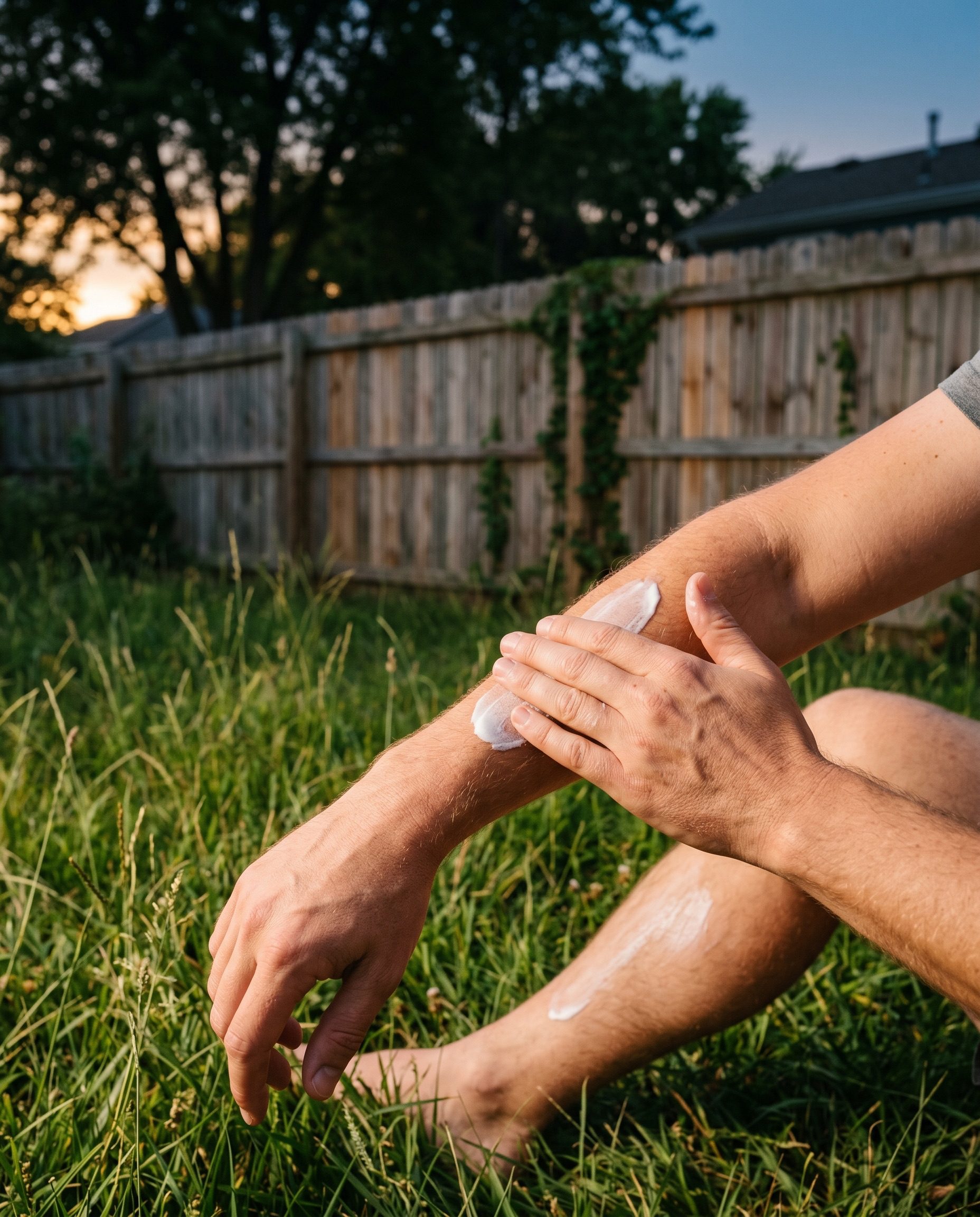
Apply repellent to all exposed skin, not in dabs. Spray or rub it on in a thin, even layer over every bit of skin you are leaving bare, smooth it over rather than leaving gaps, and reapply on the schedule the label gives you, because under federal law the product label is the law and it tells you the real reapplication interval. Keep it out of eyes and off cut skin, wash it off when you come back inside, and apply sunscreen first and repellent second when you need both. The EPA’s safe pest control principles come down to the same rule: use a registered product exactly as the label directs.
If that is where this is heading, things on skin you cannot see covers causes that are not insects at all.
nn
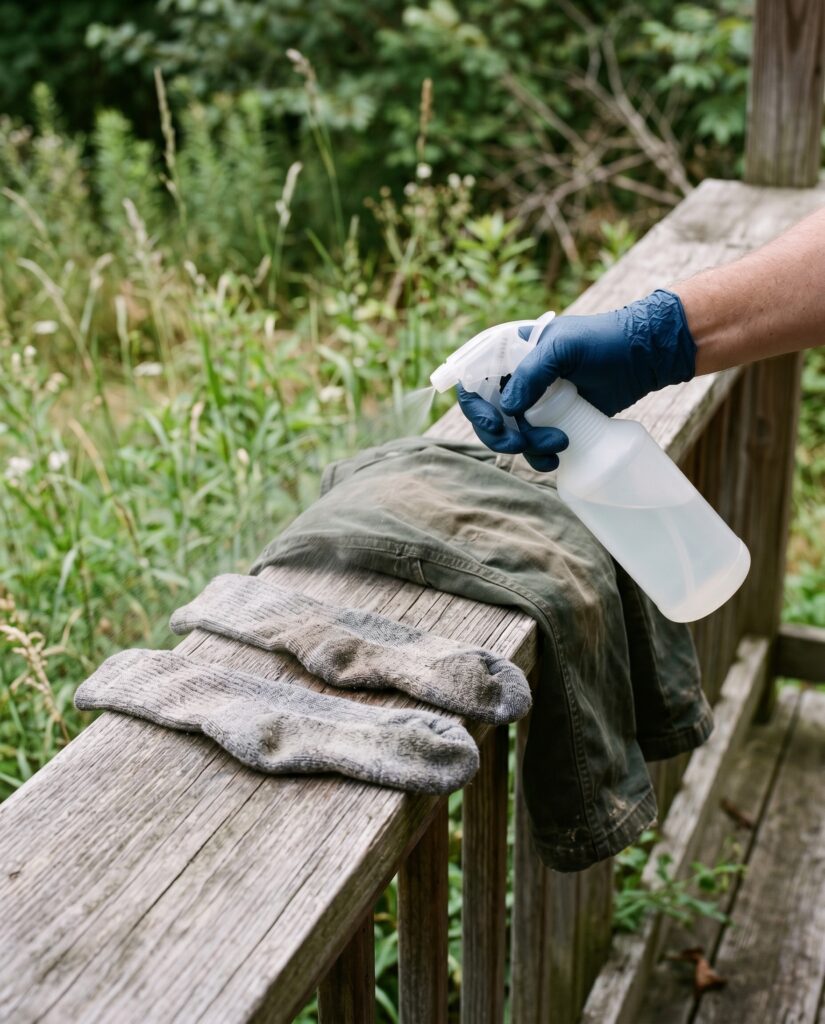
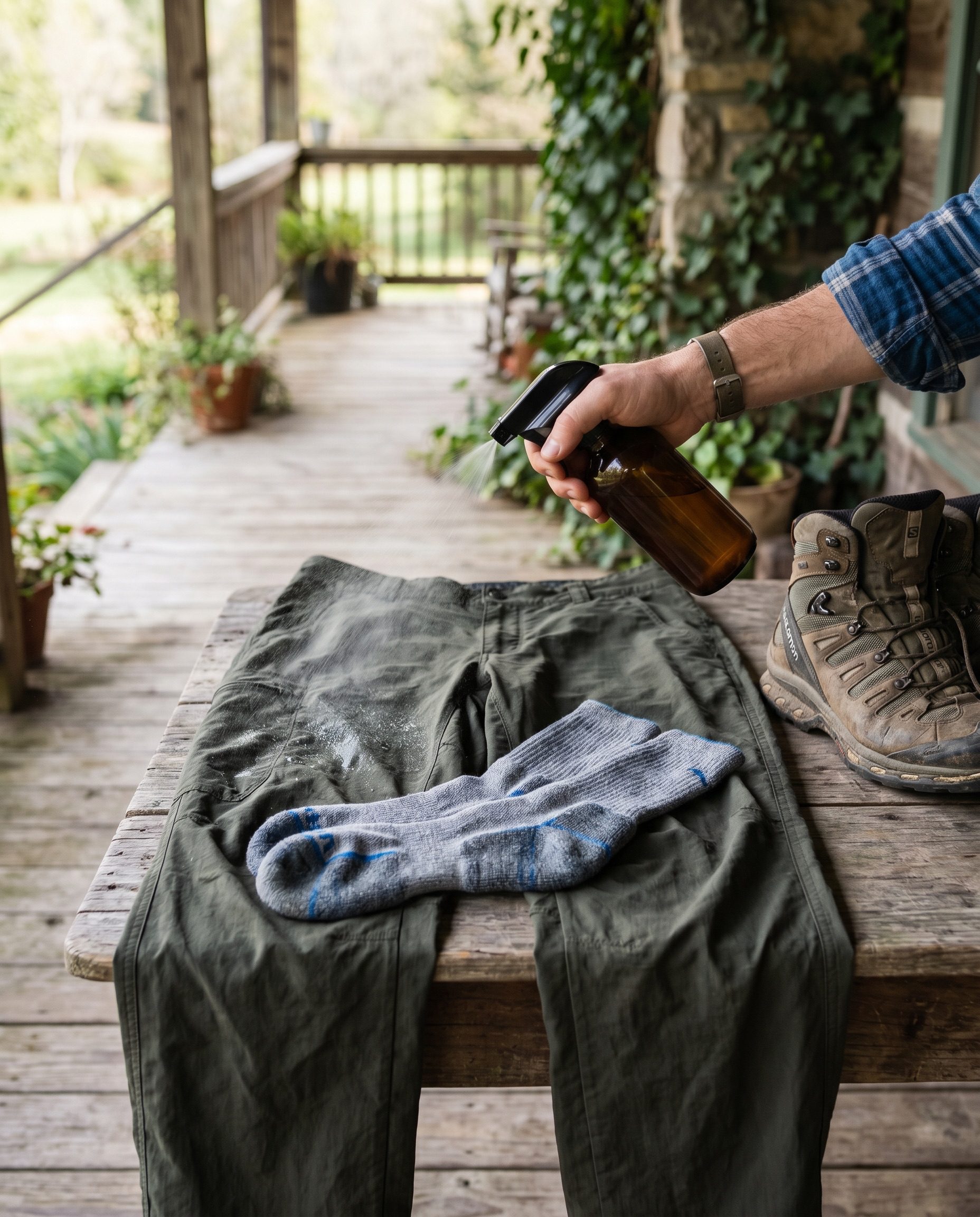
The piece skin repellent cannot do is stop ticks and chiggers, which crawl up under clothing to find skin you never treated. That is where permethrin earns its keep. Permethrin goes on clothing and gear, never on skin, and it both repels and kills ticks that cross the fabric. The CDC’s tick-prevention guidance is direct that permethrin is for treating clothes, boots, and gear, while skin gets a registered repellent, the two working as a pair. Treat pants, socks, and shoes ahead of time and let them dry fully before wearing. Our guide to the best permethrin clothing sprays walks through doing it safely, and for the worst chigger ground our best chigger repellents roundup covers the ankle-up problem specifically.
nn
nn
The picks
nn
Cards come after the analysis on purpose, because the active decides which one you reach for. These three cover the everyday non-greasy pick, the long-day classic, and the plant-based option, and all are common, widely available repellents.
nn
InsectoGuide is reader-supported. As an Amazon Associate we earn from qualifying purchases at no extra cost to you.
nn
n 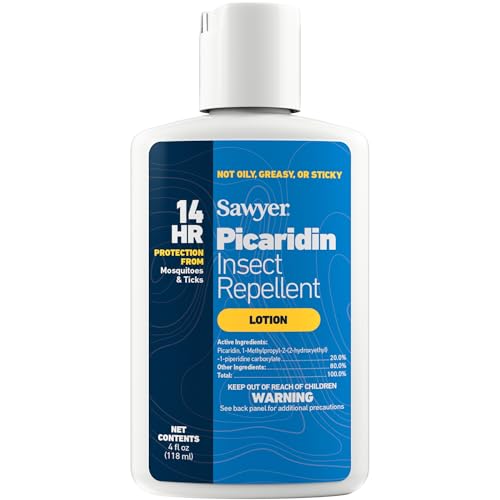 n
n
n
n
The everyday non-greasy pick for mosquitoes and ticks.
n
n
nn
n 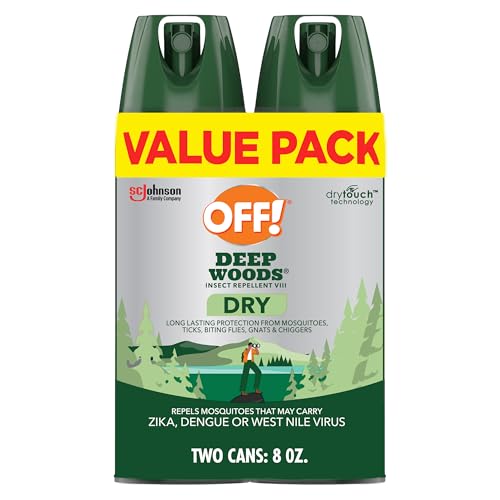 n
n
n
n
The long-day classic for heavy mosquito and tick country.
n
n
nn
n 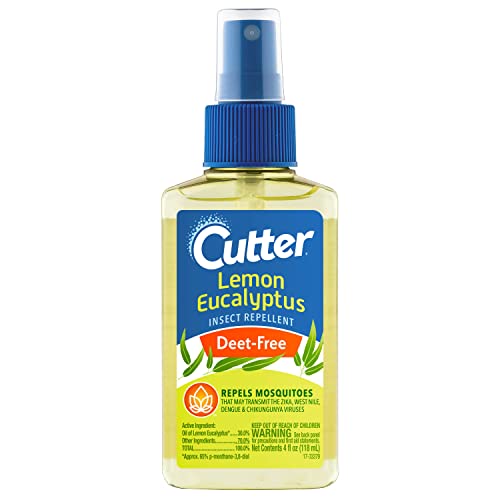 n
n
n
n
The plant-based pick for people who skip DEET.
n
n
nn
Common questions
nnWhich is better, picaridin or DEET?n
For most people they are close, and picaridin wins on feel, since it is non-greasy and gentler on plastics and synthetic gear. DEET still has the edge for long days in heavy mosquito and tick country. Both are EPA-registered, so pick the active you will actually reapply on schedule.
nnDoes the concentration mean a stronger repellent?n
No. A higher concentration of DEET or picaridin lasts longer, it does not work harder minute to minute. The EPA lets you choose a product by how long you need protection, which is the right way to read the number on the can rather than treating it as a power rating.
nnDo ultrasonic repellers or zappers protect me from bites?n
No. Ultrasonic and clip-on repellers are not backed by independent testing or public-health guidance, and zappers mostly kill harmless insects while mosquitoes ignore the light. Put a registered active on your skin instead, and use a zapper only as a nuisance-flyer catcher if at all.
nnWhat about ticks and chiggers?n
Skin repellent stops bites on contact, but ticks and chiggers crawl up under clothing to reach untreated skin. Treat your clothes with permethrin, which the CDC says goes on clothing and gear, not skin, and keep a registered repellent on the skin you leave bare.
nnIs oil of lemon eucalyptus safe for kids?n
It is an EPA-registered botanical, but the label specifically says not to use it on children under three years old. For younger kids, use a picaridin or DEET product at a concentration the label clears for their age, and always follow the directions on the bottle.
nn
Final verdict
nn
There is no single best insect repellent brand, only the right EPA-registered active applied the right way. Start free by dumping standing water and covering bare skin, then choose your active: picaridin for everyday non-greasy use, DEET for long days in heavy bug country, and oil of lemon eucalyptus as the plant-based option, with the concentration setting how long you are covered. Skip the ultrasonic repellers and patio zappers, which do not protect you from bites. Cover all your exposed skin and pair it with permethrin-treated clothing for ticks and chiggers, because the spray on your skin and the treatment on your clothes are two halves of the same job.
nn