\
\
\
Bites that show up only on your ankles almost always come from something that lives or hunts near the ground. Fleas from a pet or carpet, chiggers picked up in grass, and tiny biting midges are the realistic shortlist, and each leaves a slightly different pattern. No single welt proves the culprit, so the pattern plus a quick home check does the real identifying.
\
- \
- Most likely indoors: Fleas, which bite low on the leg and leave small grouped welts, often with a tiny darker center point.
- Most likely outdoors: Chiggers at the sock line after grass or brush, with itching that peaks hours later, or biting midges near water at dawn and dusk.
- The red flag: Spreading redness, warmth, pus, or fever means a possible infection, so see a clinician rather than waiting it out.
\
\
\
\
\
\
 \
\
\
Readers working through this usually open Why Some Bug Bites Swell So Large (and When to Worry) next.
Why biters go for your ankles
\
\
If the bites stop at your sock line, that is not a coincidence; it is geography. Most of the small biters that plague people either wait at ground level or fly weakly and low, so your ankles are simply the first skin they reach. A flea in the carpet can jump only so high, which is why it lands on shoes, socks, and lower legs. A chigger waits on a grass blade and climbs upward until something tight, usually a sock cuff, stops it. Neither has any reason to hike up to your shoulders.\
\
Scent plays a part too. Blood-feeding insects home in on the carbon dioxide you exhale along with warmth and skin odor, and near the ground on a still day that scent trail lingers where air mixes least. Feet and ankles also carry strong skin-odor cues of their own, which is one reason some mosquitoes seem to favor them even when the rest of you is available. Add the plain fact that ankles are the least covered, least watched part of most summer outfits, and the pattern stops looking mysterious.\
\
Access explains the other half. During the day your ankles are often the only bare skin below the knee, and at grass height they pass within reach of everything waiting there. That combination of low position, easy access, and strong scent is why a location-only pattern is genuinely informative, even though a single bite never is.\
\
Reading the pattern honestly
\
\
Before naming names, one honest caveat: you cannot reliably identify a biter from the look of a bite alone. The University of Kentucky’s mystery-bites guidance is blunt that bug bites are difficult to diagnose, even for physicians, because different insects can produce nearly identical welts and the same insect produces different reactions in different people. What this article describes are patterns and likelihoods, not a diagnosis, and the goal is to point your detective work at the right evidence.\
\
That said, location narrows things fast. The same Kentucky guidance notes that fleas generally bite low on the leg, while bed bugs take any skin left exposed during sleep. So an ankles-only pattern argues for the ground-level suspects and against several famous ones. Our insect bite identification chart covers the full lineup if your bites are not staying politely below the sock line.\
\
Timing is the second clue worth writing down. Bites that appear after you walked through tall grass point one way, bites that accumulate at home while the cat naps on the rug point another, and bites that show up overnight deserve a bed inspection before you blame your ankles’ daytime schedule. Where you were when the itching started is often more diagnostic than the welt itself.\
\
Fleas: the indoor suspect with a pet connection
\
\
Fleas top the list whenever ankle bites accumulate indoors, especially in a home with a dog or cat, and sometimes in a home that recently lost one, since hungry fleas keep emerging from carpet for weeks. Flea eggs fall off the pet and develop wherever it rests, and the University of Kentucky’s flea guidance describes how eggs drop into carpeting, beneath furniture cushions, and wherever the pet sleeps, with larvae hiding deep in the carpet pile. Adults then jump onto the nearest warm ankle that walks past.\
\
The bite itself is a small, itchy red bump, and clinicians describe classic flea bites as red papules that often show a tiny darker center point, frequently in groups of two or three. They favor the ankles and lower shins, right where a jumping insect from floor level would land. If that sounds like your pattern, our guide to flea bites on humans goes deeper on both the look and the fix.\
\
The home flea check, step by step
\
\
The nice thing about fleas is that you can test for them tonight without buying anything. Work through these steps:\
\
Check the pet first. Part the fur at the rump and belly and look for fast-moving brown insects or for flea dirt, the dark pepper-like specks of digested blood that fleas leave behind. Comb onto a white paper towel; specks that smear reddish when dampened are flea dirt, not soil.\
\
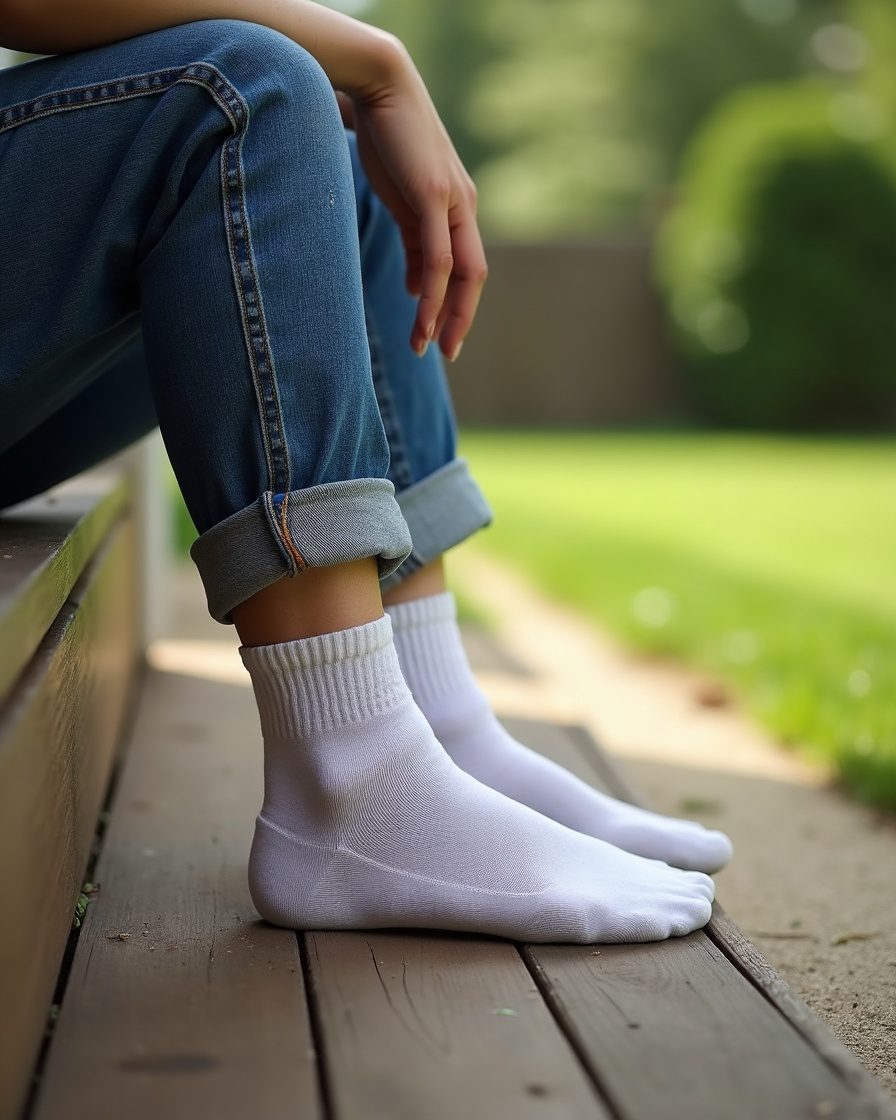
Do the white sock test. Pull white athletic socks up high and walk slowly through the carpeted rooms and anywhere the pet lounges. Kentucky’s flea publication recommends exactly this, because adult fleas show up clearly against white fabric. Give it several minutes per room and check the socks under good light.\
\
Inspect the pet’s territory. Look at bedding seams, the carpet beside favorite nap spots, and under sofa cushions. You are looking for adult fleas, flea dirt, or the salt-like eggs.\
\
If you find evidence, the response is mechanical before it is chemical: vacuum thoroughly and repeatedly with attention to pet rest areas, wash pet bedding hot, and talk to your veterinarian about an on-pet treatment, since untreated pets re-seed the carpet indefinitely. Follow the label on any product you use, on the pet or in the home.\
\
 \
\
\
Chiggers: the sock-line specialist from tall grass
\
\
If the bites arrived after time in grass, weeds, or brushy edges, chiggers move to the top of the list. These nearly invisible larval mites wait on low vegetation, climb aboard, and travel upward until clothing presses against skin. The University of Florida’s chigger publication notes that they prefer to attach where clothing fits tightly, which in practice means the sock line first, then waistbands and other snug spots, and that itching typically starts four to eight hours after they attach.\
\
That delay is the tell. Flea bites and midge bites announce themselves quickly; chigger bites blindside you that evening, as intense itching at welts arranged in a rough band exactly where your socks ended. The mites do not burrow into skin and are almost always gone by the time you itch, so treatment is about calming the reaction. A prompt shower with soap after outdoor exposure removes any still wandering, and our walkthrough on how to treat chigger bites covers the rest.\
\
No-see-ums and other low fliers
\
\
The third regular is the biting midge, better known as the no-see-um. These gnats are small enough to pass through window screens, weak fliers that tend to work low and close, and most active around dawn and dusk near water, marsh, or damp soil. The bite is a small red welt with a burning, sharp itch that feels outsized for an insect you never saw. Because they attack whatever low skin is exposed, ankles collect the damage when you stand outside in the evening in low shoes.\
\
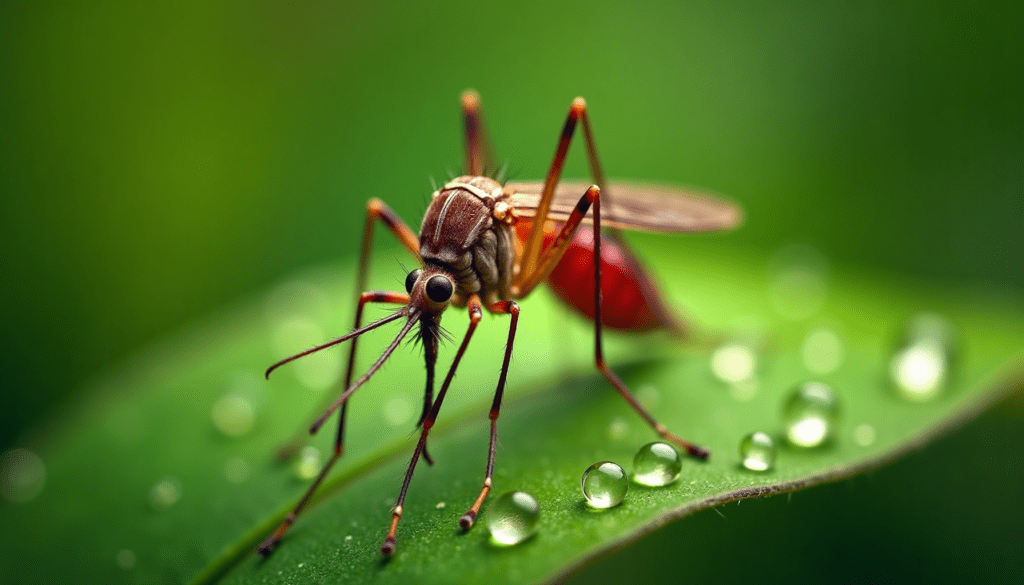
Some mosquitoes complete the low-flying picture. A few common species feed preferentially around the feet and ankles, guided by skin odor, so a scatter of classic puffy mosquito welts at ankle height after an evening outdoors is nothing exotic. The practical defense is the same for both: cover the ankles, and use an EPA-registered repellent such as DEET, picaridin, or oil of lemon eucalyptus applied per the label to skin that stays exposed. The itch care later in this article applies to midge bites just as well.\
\
Here is the shortlist side by side:\
\
| Suspect | Typical ankle pattern | Setting | Distinguishing mark |
|---|---|---|---|
| Fleas | Small grouped bumps on ankles and shins, often twos and threes | Indoors, pets or recent pets, carpet | Tiny darker center point; pet scratching too |
| Chiggers | Band of intensely itchy welts at the sock line | Tall grass, weeds, brushy edges | Itch starts hours after exposure |
| Biting midges | Scattered small burning welts on exposed lower legs | Outdoors near water, dawn and dusk | Sharp sting from an insect you barely see |
| Ankle-biting mosquitoes | A few classic puffy welts | Outdoors, evenings | Standard mosquito welt, just low |
\
\
What ankle-only bites usually are not
\
\
Ruling out matters as much as ruling in. Bed bugs are the most common wrong guess. They feed at night on whatever skin the blanket leaves uncovered, and Kentucky’s bed bug guidance is clear that they bite the face, neck, shoulders, arms, and legs alike, not the ankles specifically. Bites confined to your ankles while your arms sleep exposed argue against bed bugs; dark spotting along mattress seams argues for them. If you are torn, our comparison of bed bug bites vs flea bites and mosquito bites lines the three up directly.\
\
The second wrong guess is assuming a bug at all. The Kentucky mystery-bites publication catalogs an entire cast of non-insect causes of bite-like bumps: irritation from cardboard, fabric, or insulation fibers that settle on skin, reactions to detergents and skin products, and medical conditions from eczema to shingles that produce itchy bumps with no biter anywhere. Sock elastic itself can leave an itchy irritated band right where chiggers would bite. When no pattern fits and no evidence turns up after honest searching, a dermatologist is a better next stop than a pesticide.\
\
 \
\
\
Calming ankle bites without making them worse
\
\
Whatever bit you, the self-care is nearly identical, because you are treating your skin’s reaction rather than the insect. MedlinePlus’s first-aid guidance is to wash the area with soap and water and apply a cold compress in short intervals to bring the swelling down. From there, an over-the-counter hydrocortisone cream or calamine calms individual welts, and an oral antihistamine can take the edge off widespread itching. Follow the product label for every one of these; no cream or tablet works better above its labeled use.\
\
The real enemy at the ankle is your own scratching. Broken skin at sock level lives in a warm, damp, rubbed environment all day, which is exactly what a bacterial infection likes, and clinical references list secondary infection from scratching as the most common complication of ordinary bites. Keep nails short, consider covering the itchiest welts, and lean on the anti-itch options instead of your fingernails. Our insect bite first aid guide walks the routine in order.\
\
To be plain about the limits here: this is information, not medical advice, and no article can tell you from a photo or a description exactly what bit you. Patterns shift the odds; they do not settle them.\
\
See a clinician if
\
\
Most ankle bites fade within days to a couple of weeks. Get medical care promptly if you notice any of the following, and read our rundown of infected bite signs if you are unsure what you are looking at:\
\
- \
- Spreading redness or warmth around a bite, or a red streak moving up the leg
- Pus or crusting at a scratched-open bite
- Fever or chills alongside the bites
- Swelling that keeps growing after the first day or two
- Bites that keep multiplying for weeks with no culprit found despite a careful search
\
\
\
\
\
\
\
Treat any sign of a severe allergic reaction as an emergency: trouble breathing, wheezing, swelling of the face, lips, or throat, dizziness, or widespread hives call for emergency care right away, and anyone with a history of severe reactions should carry their prescribed epinephrine and use it as directed.\
\
The bottom line
\
\
Bites that stay on your ankles are a location clue, and the location points down. Indoors, run the home flea check before anything else, because fleas jumping from carpet height are the classic cause and the white sock test costs nothing. After grass or brush, suspect chiggers at the sock line, with their signature hours-late itch. Outdoors near water at dusk, think biting midges and low-feeding mosquitoes, and let an EPA-registered repellent plus longer socks close the door. Keep bed bugs and non-insect causes on the maybe list rather than assuming, since the bite alone cannot name its maker. Calm the itch with washing, cold, and label-dose OTC relief, protect the skin from your own scratching, and bring in a clinician the moment redness spreads, pus appears, or a fever joins the party.\
\
This article is for information only and is not medical advice.\