Attic noise identifies itself by timing, weight, and evidence. Light scratching at night with rice-sized droppings means mice, which you can handle yourself. Heavy daytime scampering means squirrels, and chirping or squeaks at dusk mean birds or bats; all of those go to a licensed wildlife professional, never a bag of poison.
- Night noise: Faint scratching after dark is almost always mice. Confirm with droppings and gnaw marks, then trap and seal.
- Day noise: Loud scampering around dawn and dusk points to squirrels, and that is a wildlife control job.
- The one rule: Never seal an opening until every animal is out. A sealed-in animal dies in your walls or chews a new hole.
Every attic noise gets described the same way: “something is moving around up there.” But the animals are more specific than that. A mouse cannot sound like a squirrel, because a squirrel weighs twenty times more, and a bat cannot sound like a bird, because it works the night shift. The species announces itself through timing, weight, and evidence, and those three signals tell you whether the fix is a trap, a caulk gun, or a licensed wildlife professional. This is the decision tree I walk homeowners through every fall, when cooling nights push everything with fur, feathers, or wings toward the warm void above your ceiling.
The 60-second sound test
Before you climb a ladder, stand under the noise and ask two questions: what time is it, and how heavy does it sound? Nocturnal and light points one direction; daytime and heavy points somewhere else entirely, and the difference decides who does the work.
| What you hear | When you hear it | Most likely culprit | Who handles it |
|---|---|---|---|
| Faint scratching, skittering, gnawing | Night, especially the first hours after dark | Mice | You: traps plus sealing |
| Loud scampering, rolling, thumps | Daytime, heaviest at dawn and dusk | Squirrels | Licensed wildlife control |
| Chirping, flapping, cooing near vents | Daylight, loudest in the morning | Birds | Licensed wildlife control |
| High-pitched squeaks, rustling, crawling sounds | Dusk and just before dawn | Bats | Licensed wildlife control only |
| Steady buzzing or crackling in a wall or roofline | Warm daylight hours | Wasps or hornets | You if small and reachable; a pro if inside the structure |
| Sluggish buzzing at windows | Sunny winter and fall afternoons | Cluster flies or lady beetles | You: vacuum and seal |
The sound test gets you a strong hypothesis; the flashlight inspection below confirms it.
Mice: light scratching at night and rice-sized droppings
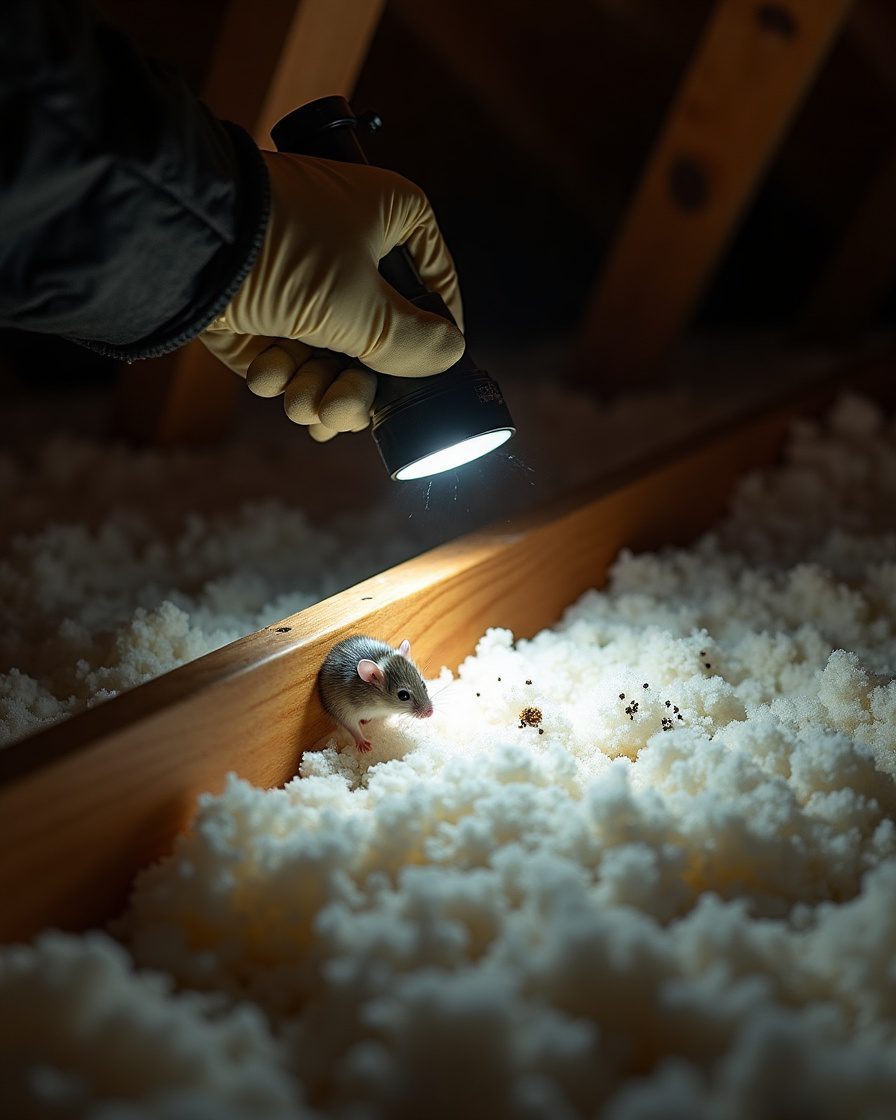
Mice are the most common attic tenant and the one you can genuinely evict yourself. The sound signature is faint and busy: light scratching, skittering across the ceiling, sometimes a soft repetitive gnawing on wood or wiring. It happens at night because, as the UC IPM Pest Note on house mice explains, mice are most active after dark.
The confirming evidence is unmistakable. Mouse droppings are dark, rod shaped, about a quarter inch long, the size of a grain of rice, scattered along travel routes rather than piled in one place. Nests are loose balls of shredded material; UC IPM describes finely shredded paper or other fibrous material, which in an attic usually means insulation pulled apart and mounded in a corner. Add fresh gnaw marks on wood or wire insulation and the identification is closed.
Control is trapping first: snap traps along the walls where droppings concentrate, checked daily. UC IPM calls trapping the preferred method inside homes when numbers are modest, for a practical reason: a trapped mouse is removed, while a poisoned mouse dies somewhere you cannot reach. If you consider bait, know the constraints. EPA’s rodenticide guidance covers bait station requirements built to keep children, pets, and wildlife away from the bait, and UC IPM notes evidence that some rodenticides pass through the food chain when predators eat poisoned mice. Where owls and neighborhood cats are the cleanup crew, traps are the more contained tool. Our walkthrough on how to get rid of mice covers placement and numbers.
One cleanup rule matters more than the rest: never dry-sweep or vacuum droppings, which stirs dried rodent waste into the air. Ventilate the space, soak droppings and nesting material with a disinfectant solution, wipe up with paper towels while gloved, and bag everything for the trash.
Squirrels: daytime scampering is a wildlife control call
If the noise makes you look at the ceiling, it is not a mouse. Squirrels sound like exactly what they are: a half-pound animal running, jumping, and rolling nuts across your ceiling in daylight, heaviest around dawn and late afternoon. Fall is their peak season for moving in, as they cache food and scout warm nesting cavities before winter.
Here is where the decision tree forks hard: squirrels are not a do-it-yourself project. They are wildlife, protected by state regulations in many places, and the standard fix is a one-way exclusion door over the entry hole, followed by permanent sealing. Fitting that door while babies are still inside creates a desperate animal that will chew straight through wood and shingles to reach its young. A licensed wildlife control operator checks for a nest before excluding and carries the insurance for roof work. Your job is identification, not eviction.
Birds and bats: dawn chirps, dusk squeaks, and the law
Birds announce themselves honestly: chirping, cooing, and wing flutter near a gable vent or soffit gap, loudest in the morning, with nesting material bristling from the opening and droppings streaking the siding below. Bats are the opposite shift. You hear high-pitched squeaks and papery rustling at dusk and just before dawn, and the confirming evidence is droppings piled directly under the roost point rather than scattered along travel routes. Bat droppings also crumble to a shiny dust of insect fragments when crushed, which rodent droppings do not.
Both of these route straight to a licensed wildlife professional, and not just for convenience. Most native birds, their nests, and their eggs are protected under federal law while active, and bats carry legal protections in many states because their colonies raise flightless pups in early summer; an exclusion at the wrong time seals those young inside your attic. There is also a health dimension: bats can carry rabies, so never handle a bat bare-handed, and if anyone wakes in a room with a bat or has any direct contact, contact your doctor or local health department promptly. Law, timing, and health risk together are why this branch of the tree has no do-it-yourself option.
Wasps, cluster flies, and lady beetles: the insect invaders
Not everything overhead has fur. A steady buzzing or faint crackling from a roofline, soffit, or attic wall during warm daylight hours suggests a wasp or hornet nest, and colonies reach their maximum size in late summer and fall, exactly when homeowners start hearing them. A small, exposed paper nest under an eave is a manageable job done at night with a labeled product. A colony inside the attic structure is not, because a badly treated indoor nest drives agitated wasps down into living spaces; that one goes to a professional.
Then there are the harmless freeloaders. In early fall, cluster flies, Asian lady beetles, and similar overwintering insects slip into attics and wall voids to wait out the winter. The University of Kentucky’s Asian lady beetle ENTfact describes beetles migrating to buildings from September through November, clustering on the sunlit southwest side, and working into soffits, attics, and wall voids, where they sit dormant until warm days send them buzzing sluggishly at your windows. They do not breed indoors and do not damage the structure. Kentucky is blunt that indoor foggers and sprays are not recommended; a vacuum is the whole treatment, since swatting stains surfaces. Our guide to identifying ladybug types and look-alikes sorts the orange invader from natives, and our overview of winter-invading bugs covers the rest of the cast.
The attic inspection: what a flashlight will tell you
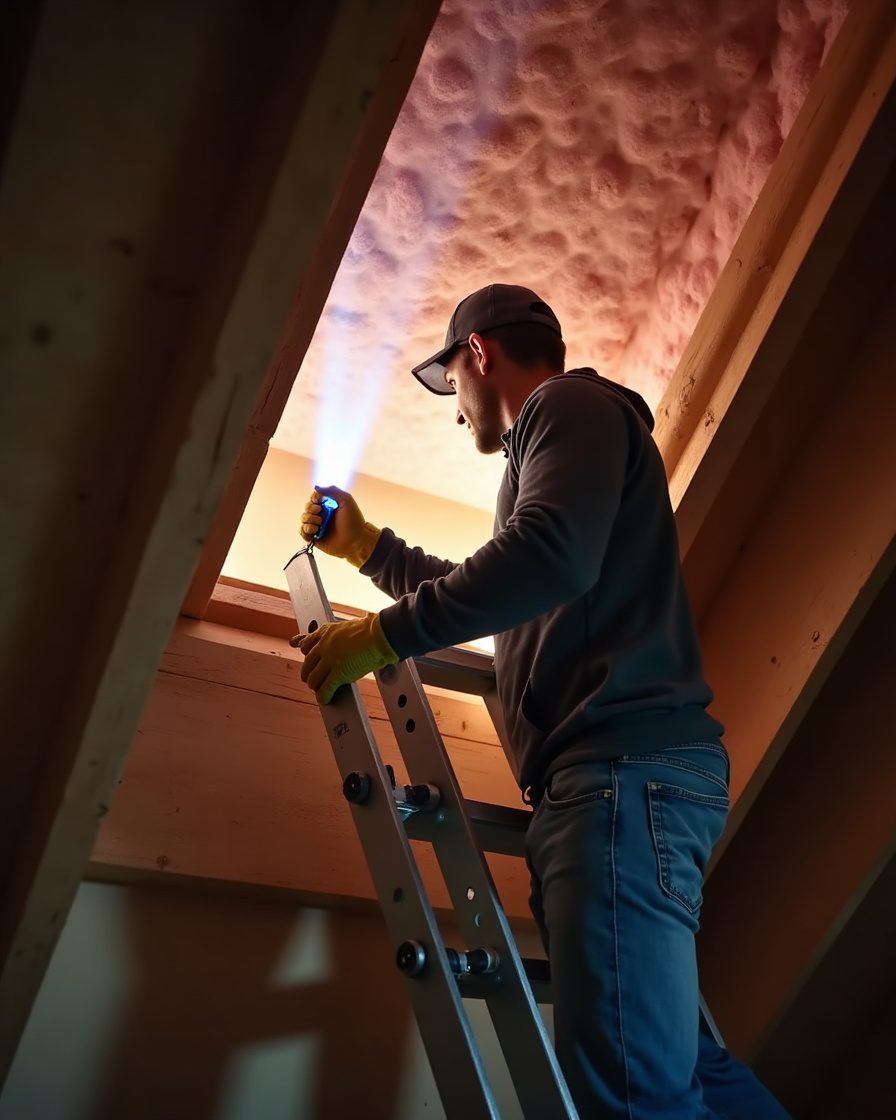
Once the sound test gives you a suspect, a fifteen-minute look confirms it. Go up in daylight with a bright flashlight, gloves, and a dust mask, step only on joists or boards, and work the perimeter first, because animals live along edges. The checklist:
- Droppings: Rice-sized and scattered means mice. Larger and blunt means rats or squirrels. Piled beneath one spot and crumbly means bats. Whitewash streaks mean birds.
- Nesting material: A fist-sized ball of shredded insulation is a mouse. A bushel of leaves and twigs in an eave corner is a squirrel. Woven grass at a vent is a bird.
- Insulation damage: Tunnels and shallow trenches are rodent highways. Broad flattened areas suggest something larger denning.
- Gnawing: Check wiring and framing. Fresh gnaw marks are light against aged wood, and chewed wiring is a fire risk worth an electrician’s look.
- Light leaks: Turn off the flashlight and look for daylight. Every point of light is a candidate entry hole, and a pencil-width gap already admits a mouse.
- Odor: Sharp ammonia points to an established rodent population or bat roost; a dead-animal smell means something already sealed itself in.
Photograph what you find; if the evidence says wildlife, the photos make the professional’s quote faster and more accurate.
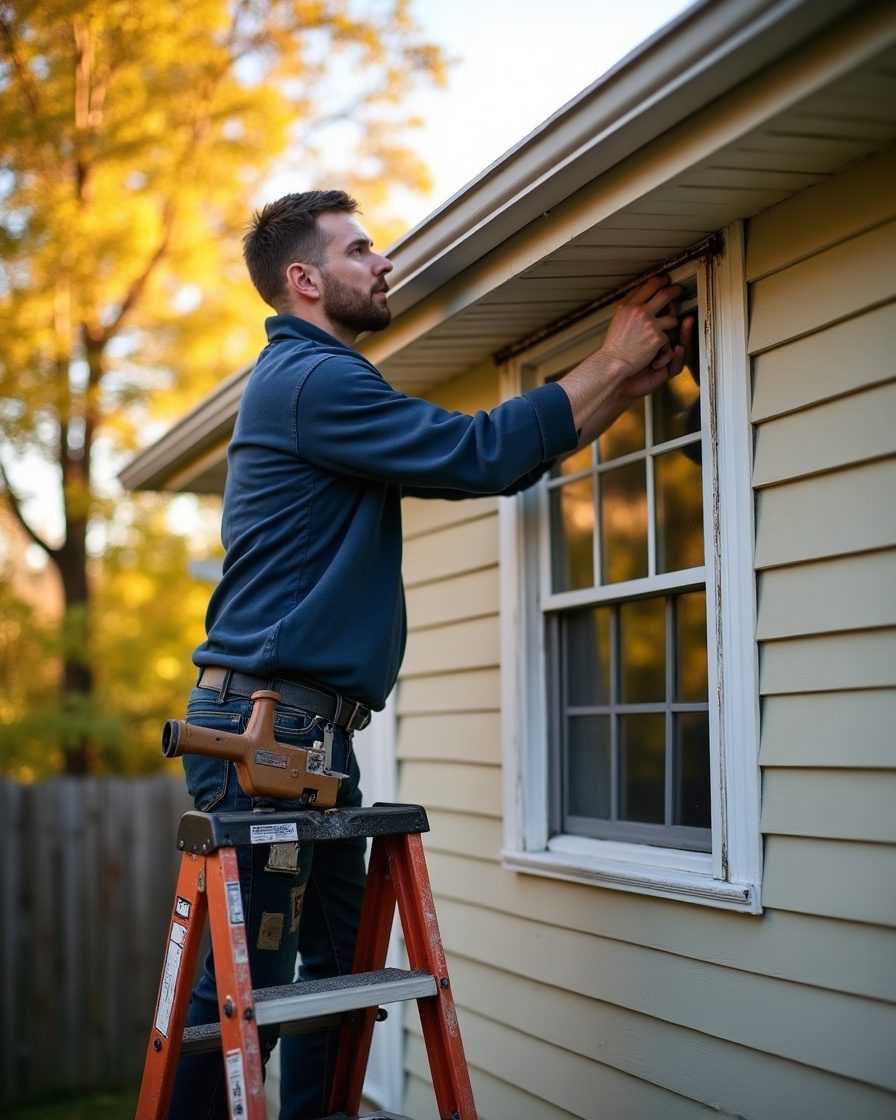
Exclusion after eviction: seal it, and never seal an animal inside
Whatever the species, the permanent fix is the same: close the openings. The University of Kentucky’s pest-proofing guide is the best single roadmap, and its numbers are humbling: insects slip through gaps of one sixteenth of an inch, a pencil-diameter opening admits mice, and half an inch admits rats. For attics it recommends quarter-inch hardware cloth over attic, roof, and crawl space vents, a chimney cap against wildlife, and attention to where pipes, cables, and wires pass through the structure. Use materials that resist teeth, steel wool or copper mesh sealed over with caulk or cement, because UC IPM warns that foam and wood are gnawable and mice go straight through them.
Timing matters twice over. Seal in late spring through early fall; Kentucky’s lady beetle guidance says to close openings before adults begin flying to buildings in September. And sequence matters absolutely: eviction first, exclusion second. Confirm the attic is empty, or that a one-way door has done its work, before the last hole closes, because sealing a live animal inside trades a noise problem for a dead animal in a wall void or a fresh hole through your fascia. The framing throughout is prevention first, and EPA’s consumer pest control guidance makes the same point: ask whether you need a chemical at all, and read the label when you do. Our guides on pest-proofing your home against fall invaders and mouse-proofing your house break the sealing job into a weekend.
Common questions
How do I tell mice from squirrels without seeing them?
Clock and weight. Mice work at night and sound like faint scratching; squirrels work in daylight and sound like running and thumping. Droppings settle it: rice-sized pellets along edges are mice, while larger blunt droppings and leaf-and-twig nesting mean squirrels.
Can I just put poison in the attic for whatever is up there?
No. If it is a squirrel, bird, or bat, poisoning is illegal or dangerous or both. If it is mice, bait still risks a carcass dying out of reach and secondary poisoning of owls and pets that eat poisoned rodents. Traps for mice, licensed wildlife control for everything larger, and any bait only as the label and EPA bait station rules direct.
What do the droppings tell me exactly?
Size, placement, and texture. Quarter-inch rod-shaped pellets along travel routes are mice. Piles under a single roost point, crumbling to shiny insect fragments, are bats. Streaked whitewash is birds. Whatever you find, clean with the wet method, never a dry sweep or vacuum.
Is a bat in the attic dangerous?
The colony overhead is mostly a droppings and odor problem, but any direct contact is a medical question because bats can carry rabies. Never touch a bat bare-handed, and after any possible contact, reach your doctor or local health department promptly. Eviction belongs to a licensed professional.
When is the best time to seal the attic?
Late spring through early fall, after confirming the attic is empty. That beats the September-to-November window when lady beetles, cluster flies, and mice push in. Seal with steel wool, copper mesh, hardware cloth, and caulk rather than foam alone, since rodents chew through soft materials.
Final verdict
Attic identification is three questions asked in order. When is the noise happening: night means mice, day means squirrels or birds, dusk means bats. How heavy is it: skittering versus scampering separates a one-ounce rodent from a half-pound one. What did it leave behind: droppings, nesting material, and gnaw marks each point to one culprit. Mice you handle yourself with traps, wet-method cleanup, and metal-backed sealing. Squirrels, birds, and bats go to a licensed wildlife professional, because law, nesting seasons, and rabies risk all live on that branch. Cluster flies and lady beetles get a vacuum and better caulking. And the rule that outranks every other: the animal leaves first, the sealant goes on second.