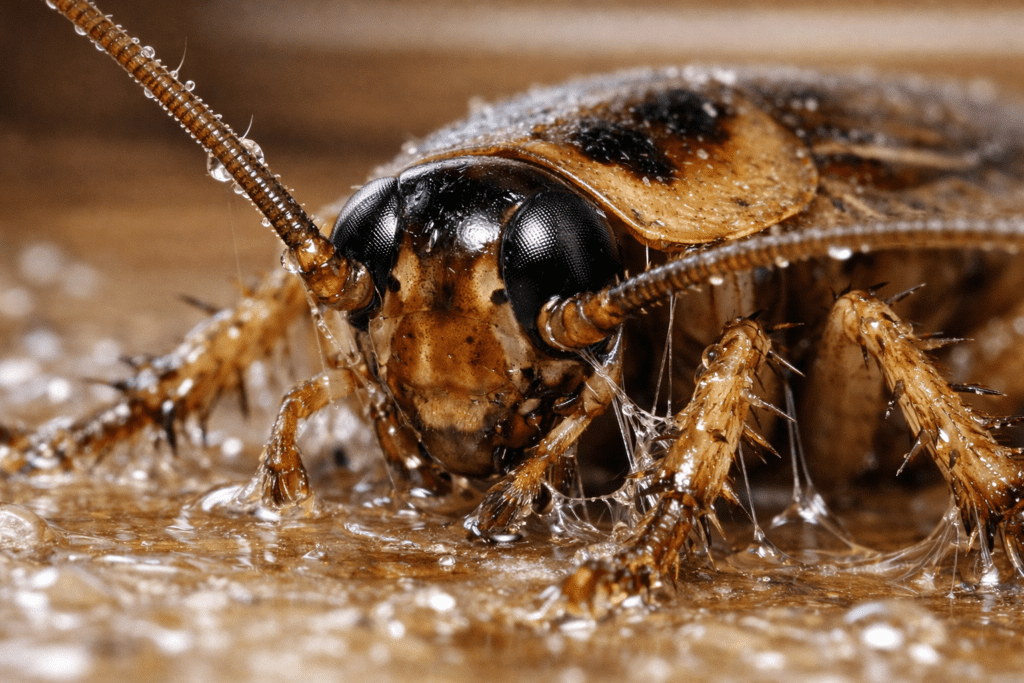
Cockroaches do not lay eggs you can count. They produce an ootheca: a hard capsule roughly the size and shape of a grain of rice, brown to dark reddish, with a visible ridge along one edge. Finding one is a stronger signal than finding an adult, because a capsule means reproduction on the premises rather than something that wandered up a drain.
- A capsule, not a cluster: 6 to 10 mm, hard, ridged along one side.
- German cockroaches carry it until nearly hatching, so a dropped one is usually close to hatching.
- Where you find it is where they live: behind the fridge, under the sink, in drawer corners.
Most insect eggs are hard to recognise. This one is genuinely distinctive, and knowing it is worth more than knowing what the adult looks like, because it answers a question a sighting cannot: is this a population or a visitor.
What the capsule looks like
An ootheca is a purse-shaped case holding between roughly sixteen and fifty eggs depending on species. It is six to ten millimetres long, hard, and brown to dark reddish. Along one edge there is a ridge or seam, which is the line the capsule splits along when the nymphs emerge.
An empty one looks the same but is split open and lighter. Both are worth noting: a hatched capsule means the nymphs are already somewhere in the room.
Under a phone camera the surface is smooth and slightly segmented, unlike a seed, which is the most common misidentification. A rice grain is softer, paler and lacks the ridge.
The species difference that matters
German cockroaches carry the capsule attached to the abdomen until it is nearly ready to hatch, then drop it in a sheltered spot. That is why the capsules you find are usually close to hatching and why the population grows so quickly.
Kentucky is direct that German cockroaches are the species most likely to infest homes and apartments, and this reproductive habit is a large part of why.
American and oriental cockroaches deposit the capsule early and often glue it to a surface, sometimes camouflaged with debris. These are larger outdoor species that come in through drains and gaps, so a capsule from one is less likely to mean an established indoor population, though it still means something is breeding nearby.
Our German versus American guide covers the distinction, which changes the approach substantially, and the species guide covers the rest.
Where to look
Capsules are placed where the nymphs will emerge into shelter and food, which is the same short list as everything else cockroach-related:
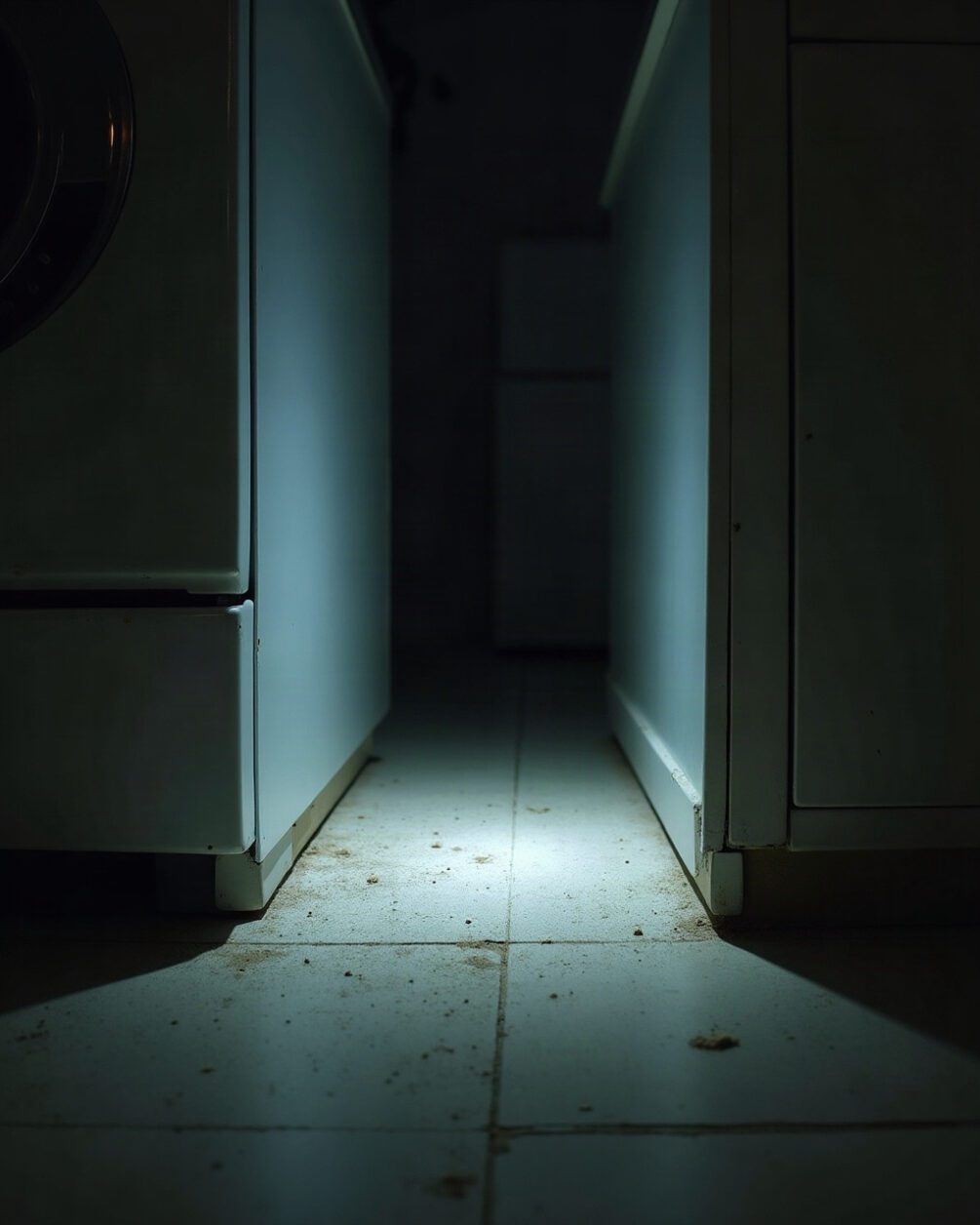
Behind and under the fridge, in the motor housing and around the drip tray. Our guide to that gap covers why it is the best habitat in a kitchen.
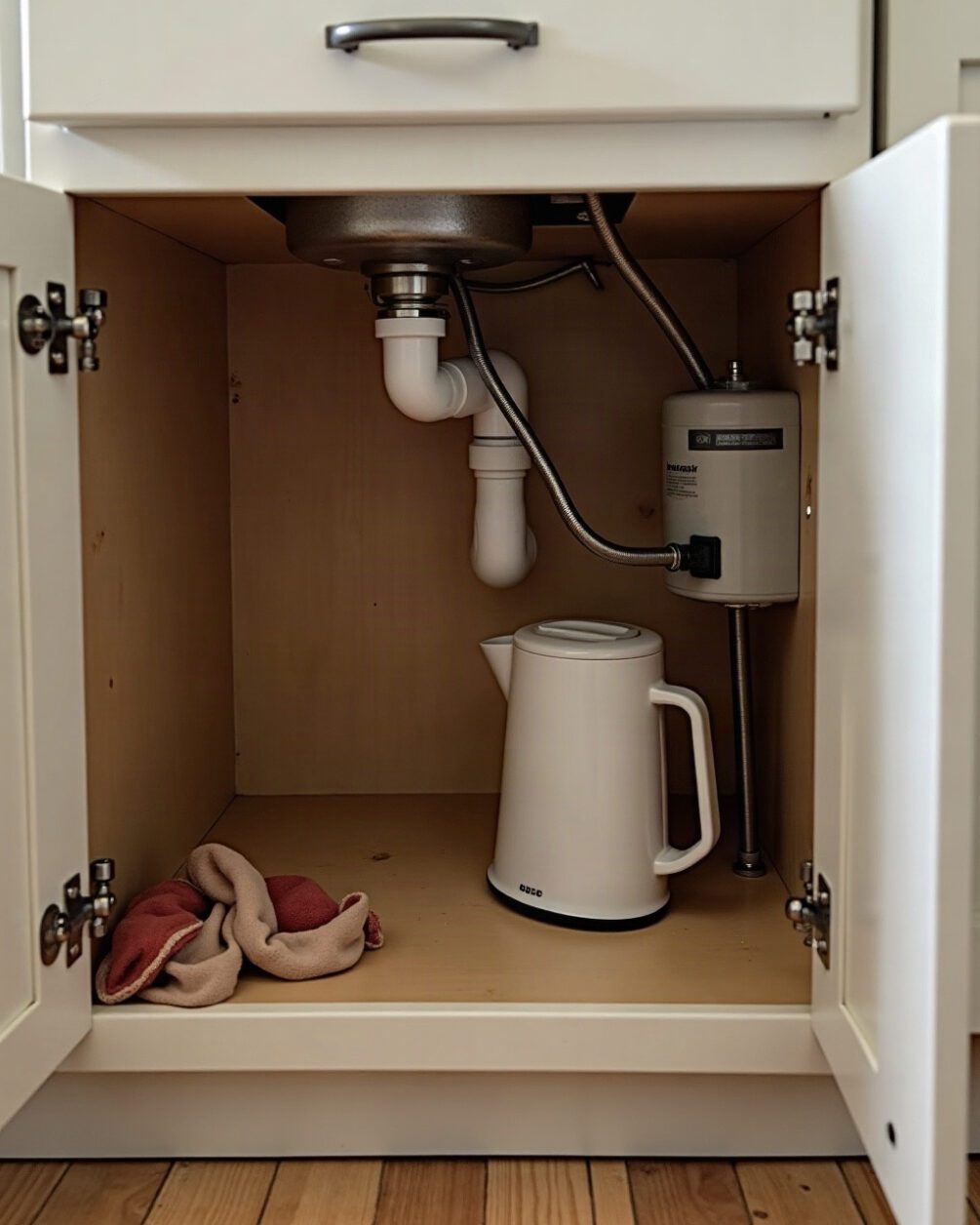
Under the sink, around the waste trap and in the back corners. Our under-sink guide covers it.
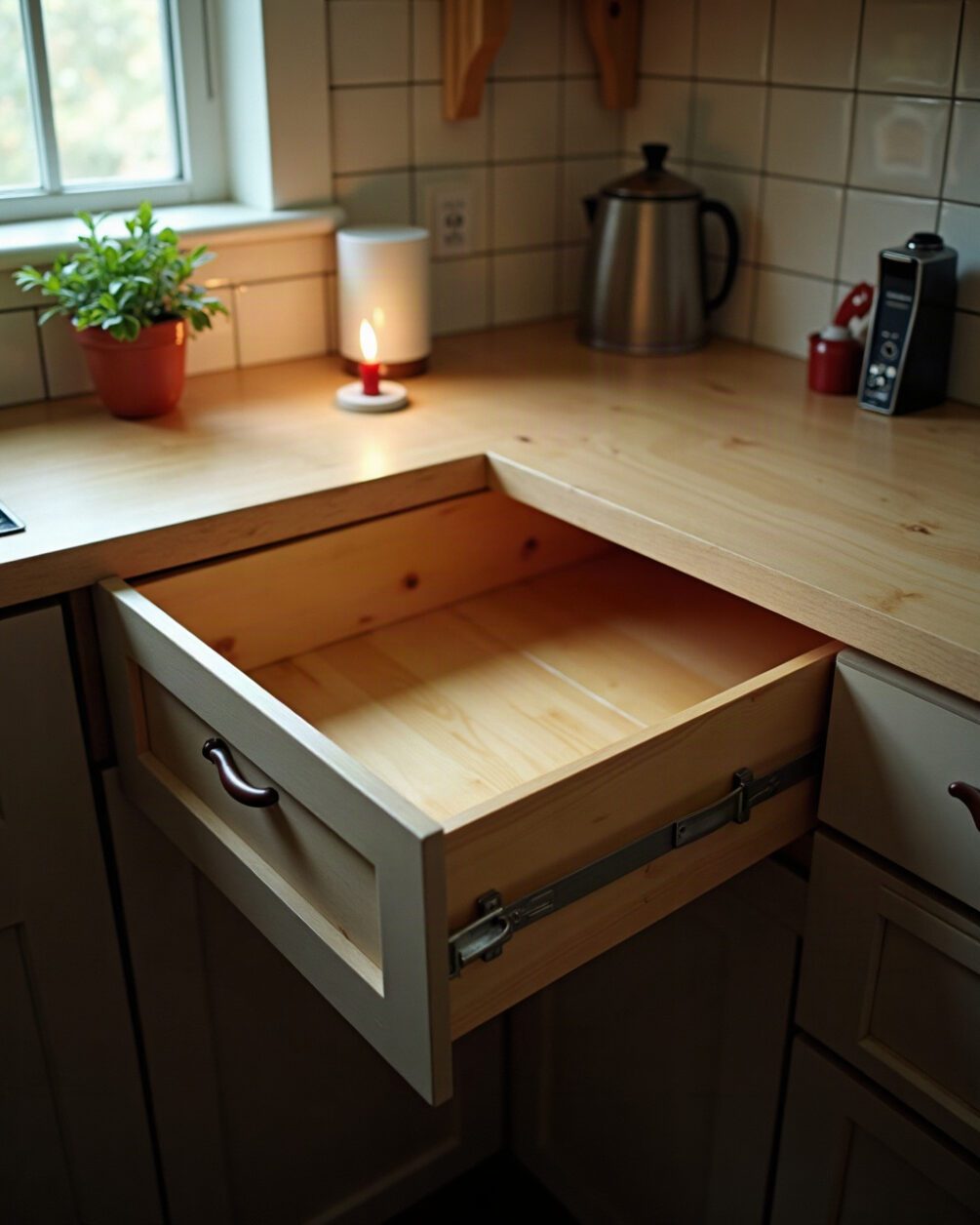
Drawer corners and runners, particularly cutlery drawers that are rarely emptied.
Behind and under a dishwasher or washing machine, where warmth and moisture combine.
Cardboard, which is both shelter and, in a warehouse or a delivery, how they arrived.
UC IPM notes that cockroaches shelter in cracks and crevices during the day, and the capsules are placed in the same crevices.
What else you will find alongside
An ootheca rarely appears alone. Look for the rest of the evidence, which together tells you the size of the problem:
Droppings, fine dark specks like ground pepper, accumulating in corners. Our guide to reading specks separates them from mouse droppings, which matter differently.
Shed skins, pale and papery, in the same crevices.
A musty, oily smell in an enclosed cupboard, which people often notice before anything else.
Nymphs, which look nothing like the adult: small, brown, wingless and fast. Our baby cockroach guide shows the stages.
Why capsules resist treatment
This explains a pattern people find maddening. The ootheca is a hard protective case, and it shields the eggs inside from most sprays and from many baits, which act on the feeding stages.
So a treatment can kill every mobile cockroach in a kitchen and be followed two to four weeks later by a fresh generation hatching from capsules that were never affected. That is not a failed treatment. It is the life cycle.
The practical consequences: treatment has to be sustained rather than single, physical removal of capsules matters, and vacuuming crevices is genuinely useful because it takes the capsules away rather than trying to kill through them. Our guides to German cockroaches and getting rid of them permanently cover the sequence.
Common questions
Is it a seed or a capsule?
Check for the ridge along one edge and the hardness. A rice grain crushes; an ootheca resists. Photographing it on white paper in macro mode settles it.
Should I keep it?
Bag it and bin it outside rather than leaving it. If you want it identified, tape it to white paper with the date and where you found it.
How many roaches come out of one?
Depending on species, roughly sixteen to fifty. That is the reason a capsule matters more than a sighting.
Final verdict
Look for a hard brown capsule the size of a rice grain with a ridge along one edge, not for eggs. Finding one means breeding rather than a visitor, and where you found it names the harbourage: behind the fridge, under the sink, in a drawer corner. Expect a second generation two to four weeks after any treatment, because the capsule protects what is inside it, and plan for that rather than concluding the treatment failed.