If crickets keep turning up by the door and along the baseboards, the best cricket killer spray is a perimeter barrier, because it lays a treated band exactly where they cross: the foundation, the door thresholds, and the ground-level gaps they squeeze through. That intercepts them at the entry instead of leaving you chasing them around the house, and an indoor spot spray cleans up the few already inside. The catch is that spraying alone is a losing game if the yard stays cricket-friendly. Cut the tall grass and dim the outdoor lights that draw them to the wall, and the barrier finally keeps up. For our own garage door we keep a perimeter spray and a couple of glue boards, nothing fancier. Most lists hand you a can and call it done; the part below is the reason the can keeps failing without it.
Spray a perimeter barrier along the foundation, thresholds, and ground-level gaps where crickets cross, use an indoor spot spray for the ones inside, and pair both with cutting tall grass and dimming outdoor lights or they keep coming back.
- Do first (free): Mow the grass back from the wall, swap the porch bulb for yellow, and seal door gaps so fewer crickets reach the house.
- Best for the common case: A labeled perimeter spray on the foundation line and around doors, plus a spot spray indoors.
- Skip: Indoor fogging; it misses the cracks crickets hide in and ignores the yard that keeps sending more.
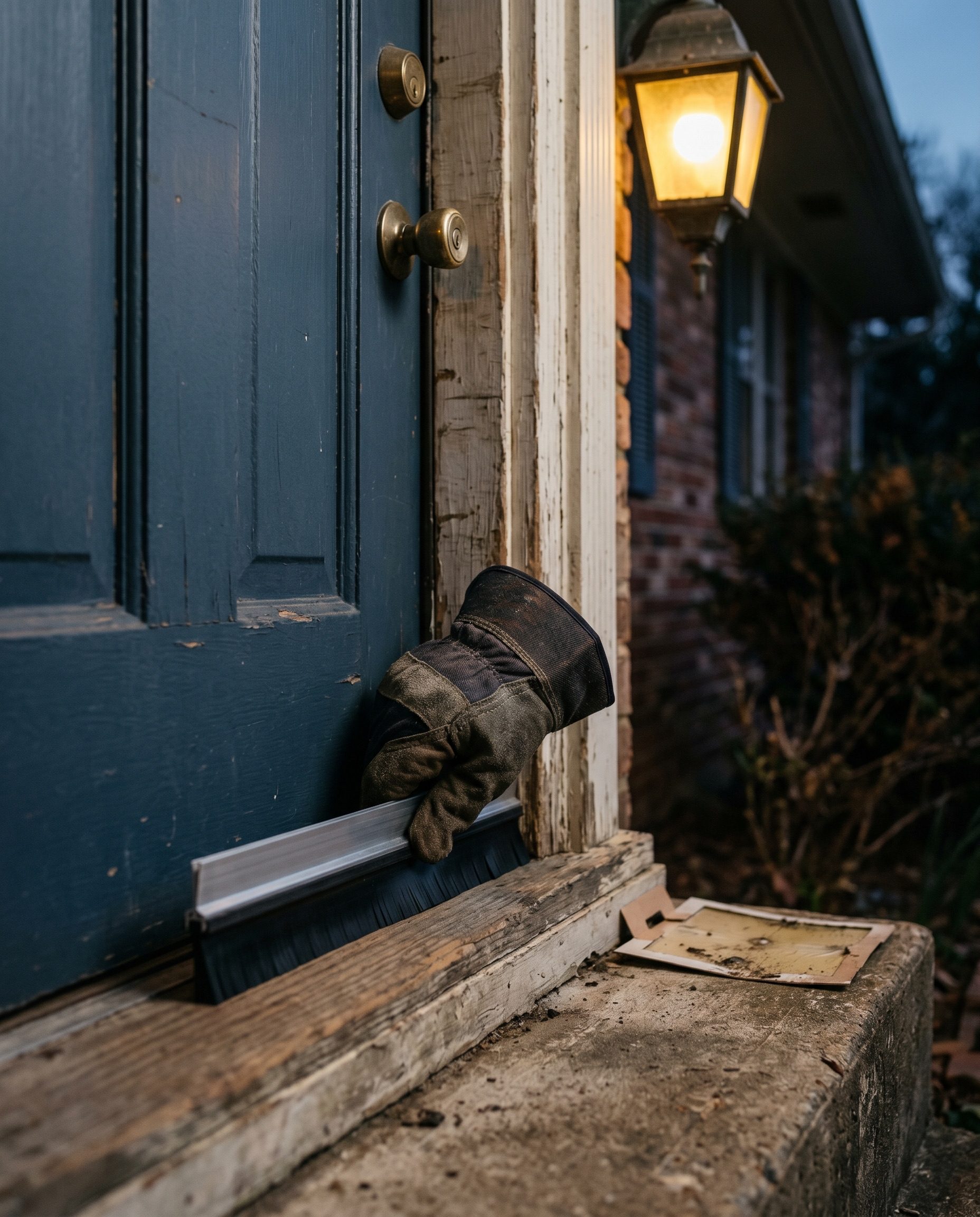
What to do first
Before any can comes off the shelf, take the free steps, because a spray on a cricket-friendly yard is half wasted. Mow the grass and trim the weeds back from the foundation, clear leaf piles and mulch heaped against the wall, and move firewood away from the house, since that damp clutter is the harborage crickets sit in by day. Then deal with the lights. Field crickets and house crickets are drawn to bright white outdoor bulbs at night and pile up at the wall right where they find a way in, which the Iowa State guidance on field crickets spells out as a core reason they wander indoors. Switch porch and entry fixtures to yellow bug bulbs or aim a fixture down so it is not washing the wall.
Seal the openings while you are out there. Fit a tight door sweep, caulk foundation cracks, and screen weep holes and pipe gaps, the exclusion-first approach the University of Minnesota’s cricket page puts ahead of any chemical. A product is worth buying once the grass is cut, the lights are handled, and the gaps are closed, not as a stand-in for any of it. Our full walkthrough on getting rid of crickets in the house lays out that order step by step.
Why indoor fogging fails on crickets
Here is the part most “top killer” lists skip. A fogger or an indoor blanket-spray feels thorough, but crickets do not sit out in the open waiting for it. They tuck into baseboard cracks, behind appliances, and down in damp basements, so the mist drifts over surfaces and never reaches them. Worse, fogging does nothing about the steady supply marching in from the yard each night, so you are treating symptoms while the source keeps refilling the room. The EPA’s safe pest control guidance makes the same case in general terms: target the pest and its entry points, lean on exclusion and sanitation first, and treat broadcast chemical use as a last resort, not the opening move.
This is the case for a barrier over a bomb. A perimeter spray meets crickets at the exact line they have to cross, so it works with the bug’s behavior instead of against it. Most cricket trouble is a nuisance anyway, the chirping males and the odd chewed page or fabric corner, not a health threat; the Missouri Department of Conservation’s house cricket profile notes they are harmless and that only the males chirp, going quiet the moment you disturb them. If you are seeing crickets in numbers month after month despite honest effort, that points to a moisture or harborage problem outside, and that is when a call to a licensed pest professional to find the source earns its keep.
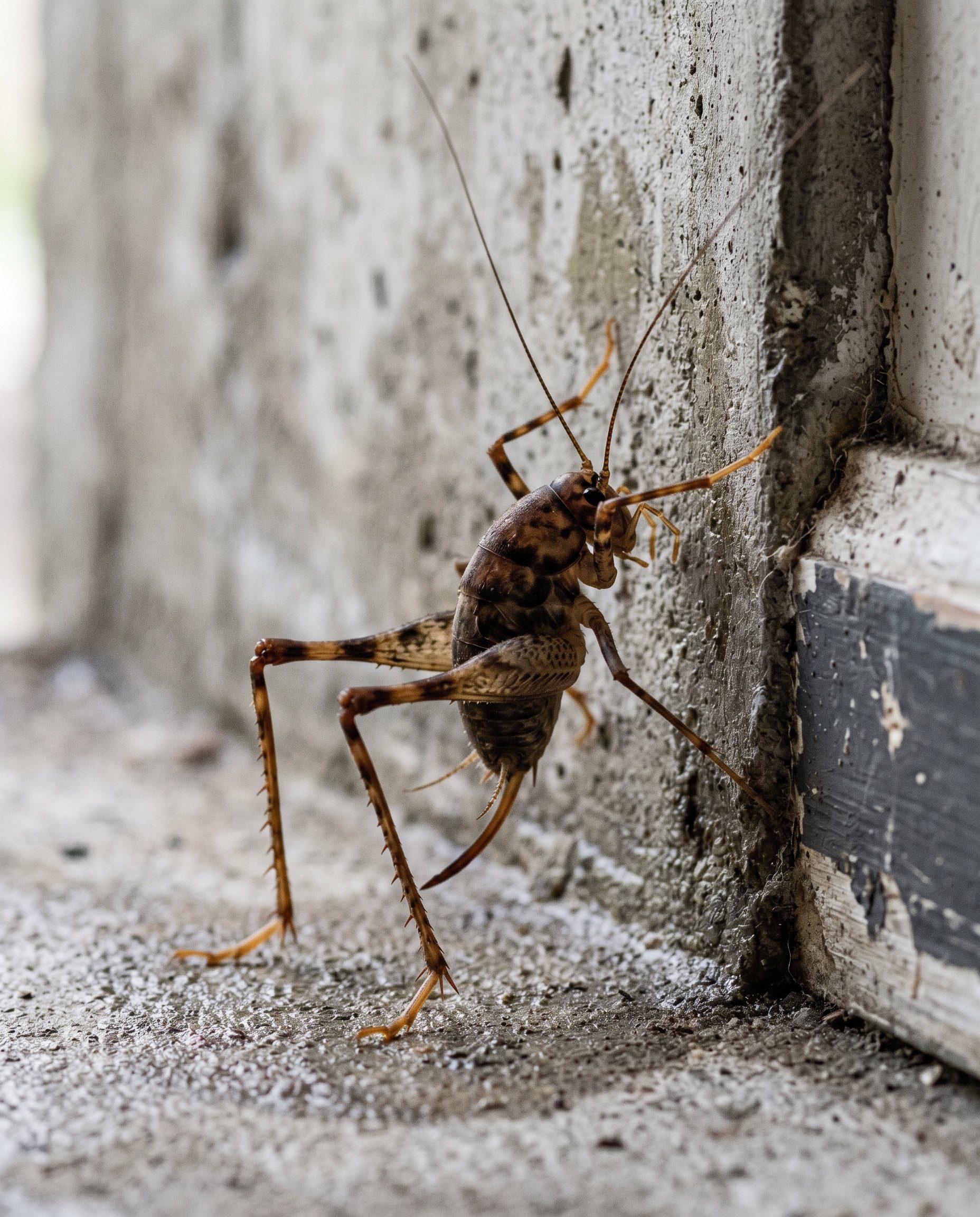
Perimeter vs indoor spot sprays
Once the yard work is done, the spray choice is short. Decide by where the crickets are: crossing in from outside, or already loose indoors. Match the form to that, not to the loudest claim on the can.
| Spray type | Best for | Watch-out |
|---|---|---|
| Perimeter barrier spray | The foundation line, doorways, and ground-level gaps crickets cross | Reapply as the label directs; only handles crickets now, not the yard or lights |
| Indoor spot spray | The few crickets already inside, along baseboards and corners | Spot-treat cracks, not the open room; keep off until dry |
| Glue boards (no spray) | Monitoring and catching wanderers in corners | No residual; replace when full or dusty |
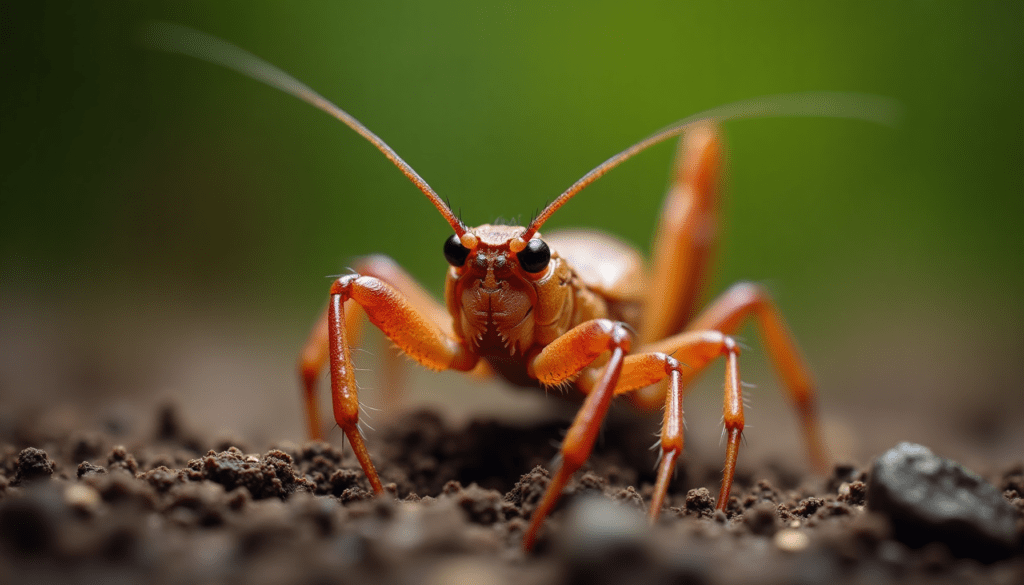
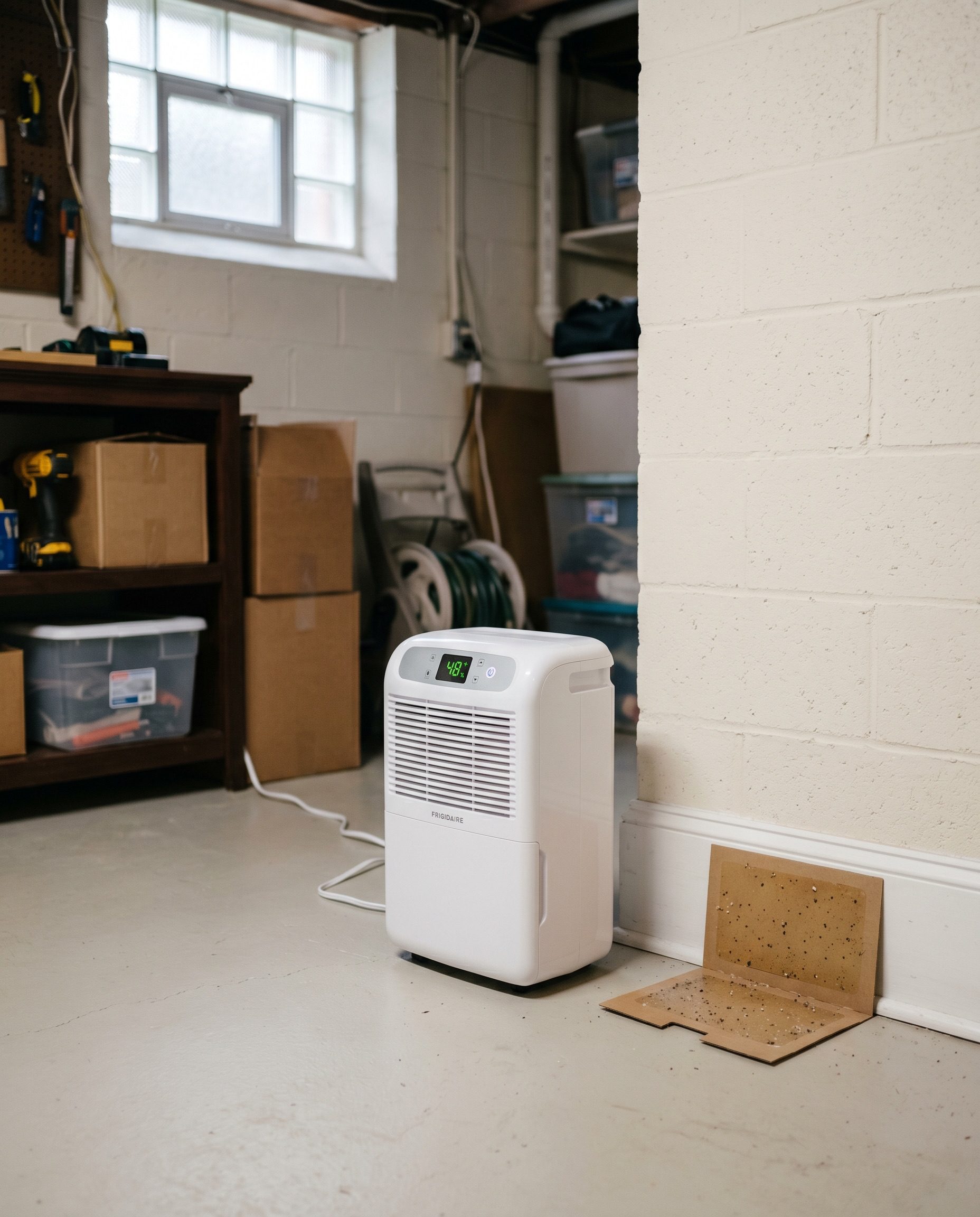
A perimeter spray is the workhorse because it stops crickets at the wall. An indoor spot spray is the cleanup tool for the handful that got past it, and it belongs in cracks and along baseboards, not misted across the floor. For a damp basement or crawlspace overrun with the wingless humpbacked camel crickets, the real fix is not a spray at all: the Iowa State camel cricket page is blunt that these silent, non-chirping crickets signal dampness, and a dehumidifier to dry the space out matters more than any chemical. Mole crickets are a different animal, a burrowing lawn pest, not the indoor kind, so do not let a lawn product steer your indoor decision. Where you would rather not spray at all indoors, cricket traps and cricket repellents and baits cover the same corners.
Where to spray and how often
Treat the perimeter as a band, not a stripe. Spray a continuous line along the base of the foundation and a few inches up the wall, then hit the door thresholds, garage door edges, window frames, weep holes, and any pipe or utility gap where crickets slip through. Coverage of the crossing points beats blanketing the lawn every time. Follow the product label for the band width and reapply interval, because under federal law the label is the law and over-applying is both illegal and a waste; the EPA’s safe pest control guidance is the place to confirm a product is registered and used as directed.
Treat these cans as the pesticides they are. Keep children and pets off treated areas until everything is fully dry, do not spray surfaces that touch food, and never use an indoor product outdoors or an outdoor product inside; if someone is exposed, contact a doctor or your local poison control center. Refresh the barrier on the label’s schedule and after heavy rain washes it off, and time your push for late summer and fall when crickets move toward warm structures. Keep the grass cut and the lights yellow the whole season, because the spray only holds the line the prevention sets up.
The picks
Cards come after the analysis on purpose, because the job decides which one you buy. These three cover the outdoor barrier, an indoor-plus-outdoor option, and an indoor spot spray, and all are common, widely available products.
InsectoGuide is reader-supported. As an Amazon Associate we earn from qualifying purchases at no extra cost to you.
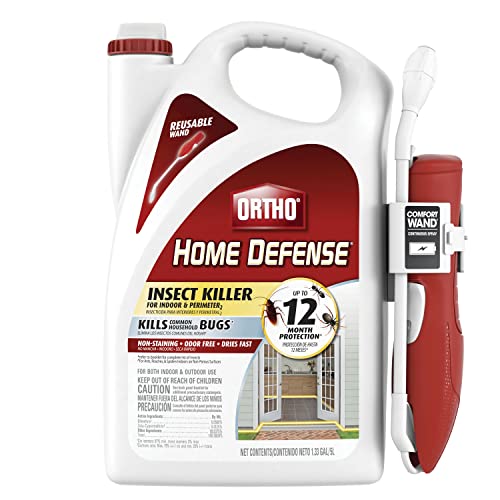
A ready-to-use barrier for the foundation line and doorways crickets cross.
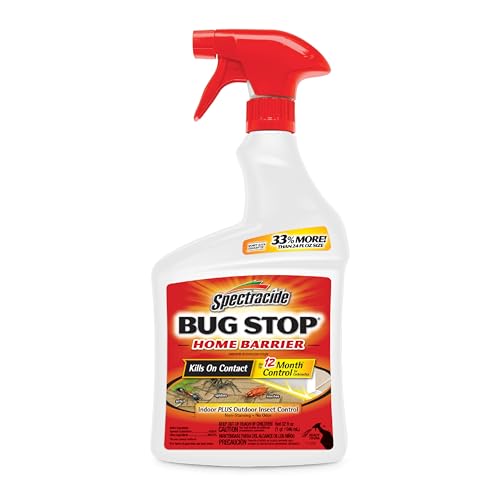
A trigger bottle for both the entry points outside and crossings indoors.
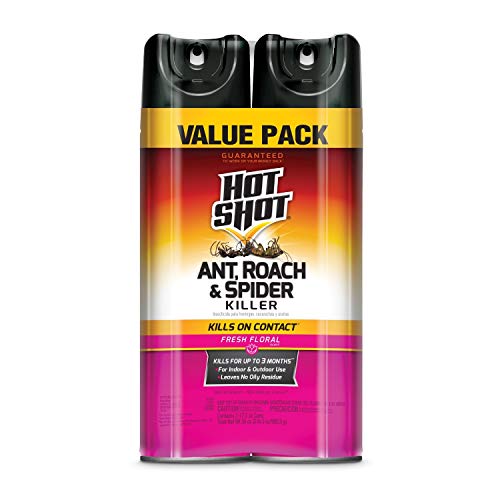
A spot spray for the few crickets already loose indoors.
Common questions
Does a cricket killer spray work on its own?
Not for long. A perimeter spray drops the crickets that cross the treated band, but it does nothing about the yard and the lights pulling more to the wall every night. The University of Minnesota’s cricket guidance puts exclusion and habitat changes ahead of chemicals for exactly that reason.
Why are crickets coming inside in the first place?
They are drawn to bright outdoor lights and to damp, sheltered harborage, then wander in through gaps. The Iowa State field cricket page ties indoor invasions to lights and yard conditions, so cutting grass, dimming bulbs, and sealing entry points does more than any can.
Are crickets dangerous or do they bite?
No. Crickets rarely bite, are not aggressive, do not feed on blood, and carry no disease that threatens people. The Missouri Department of Conservation lists the house cricket as harmless; the real complaints are the male’s chirping and the odd chewed paper or fabric.
What about the humpbacked crickets in my basement?
Those are camel or spider crickets, and they are a moisture signal, not a spray problem. They are wingless and do not chirp. The Iowa State camel cricket page recommends drying the space out, so a dehumidifier in a damp basement or crawlspace is the key fix, with glue boards to catch wanderers.
Is the spray safe around kids and pets?
Only when you follow the label. Keep children and pets off treated areas until everything is fully dry, do not spray food surfaces, and never use an indoor product outdoors or the reverse. If someone is exposed, contact a doctor or your local poison control center.
Final verdict
There is no magic cricket can, and any list that hands you one without the rest is setting you up to keep spraying. Start free by mowing the grass back from the wall, swapping the porch bulb for yellow, and sealing the door and foundation gaps, then lay a perimeter barrier spray along the foundation and around the doors where crickets cross. Use an indoor spot spray for the few already inside, and run a dehumidifier if humpbacked camel crickets are showing up in a damp basement. Skip indoor fogging; it misses the cracks crickets hide in and ignores the yard that keeps refilling the room. The spray only holds the line your prevention sets up, so cut the grass, dim the lights, and the barrier finally keeps up.