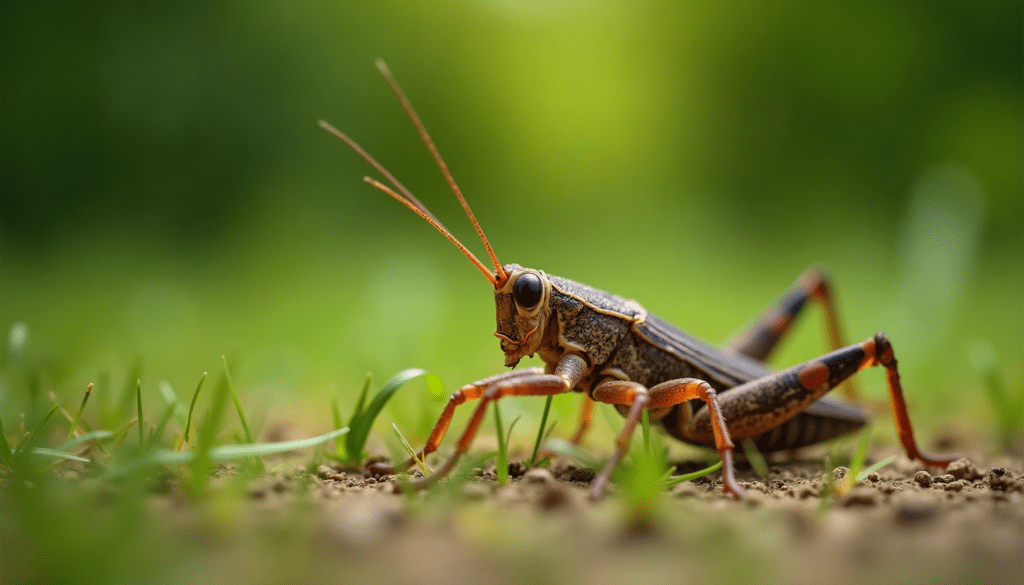
If a cricket repellent or bait is on your shopping list, here is the honest framing first: these two work on crickets from angles a spray never touches. A repellent makes a basement or garage surface unappealing so crickets move along, and a granular bait scattered around the foundation gets eaten and thins the population walking in from the yard. The short answer: neither is instant, and neither fixes the moisture and gaps that invited the crickets in the first place, so use a bait around the perimeter and a repellent on problem indoor spots while you do the real work of sealing and drying out. For our own basement we keep a bag of granular bait for the foundation line and a couple of glue boards in the corners, nothing fancier. Most lists rank a single product as the cure; the comparison below sorts these by where each one actually earns its place.
A repellent makes an indoor surface unappealing and a granular bait around the foundation thins the crickets coming from the yard, but neither is instant and neither replaces sealing gaps and drying out a damp basement.
- Do first (free): Run a dehumidifier in the damp basement or crawlspace, cut tall grass, and seal foundation cracks and door gaps.
- Match the job: A granular bait around the perimeter for crickets coming from the yard, a repellent on problem indoor surfaces, and glue boards in the corners.
- Skip: Indoor fogging and chasing the ones you can see; crickets keep coming until the moisture, gaps, and outdoor lights change.
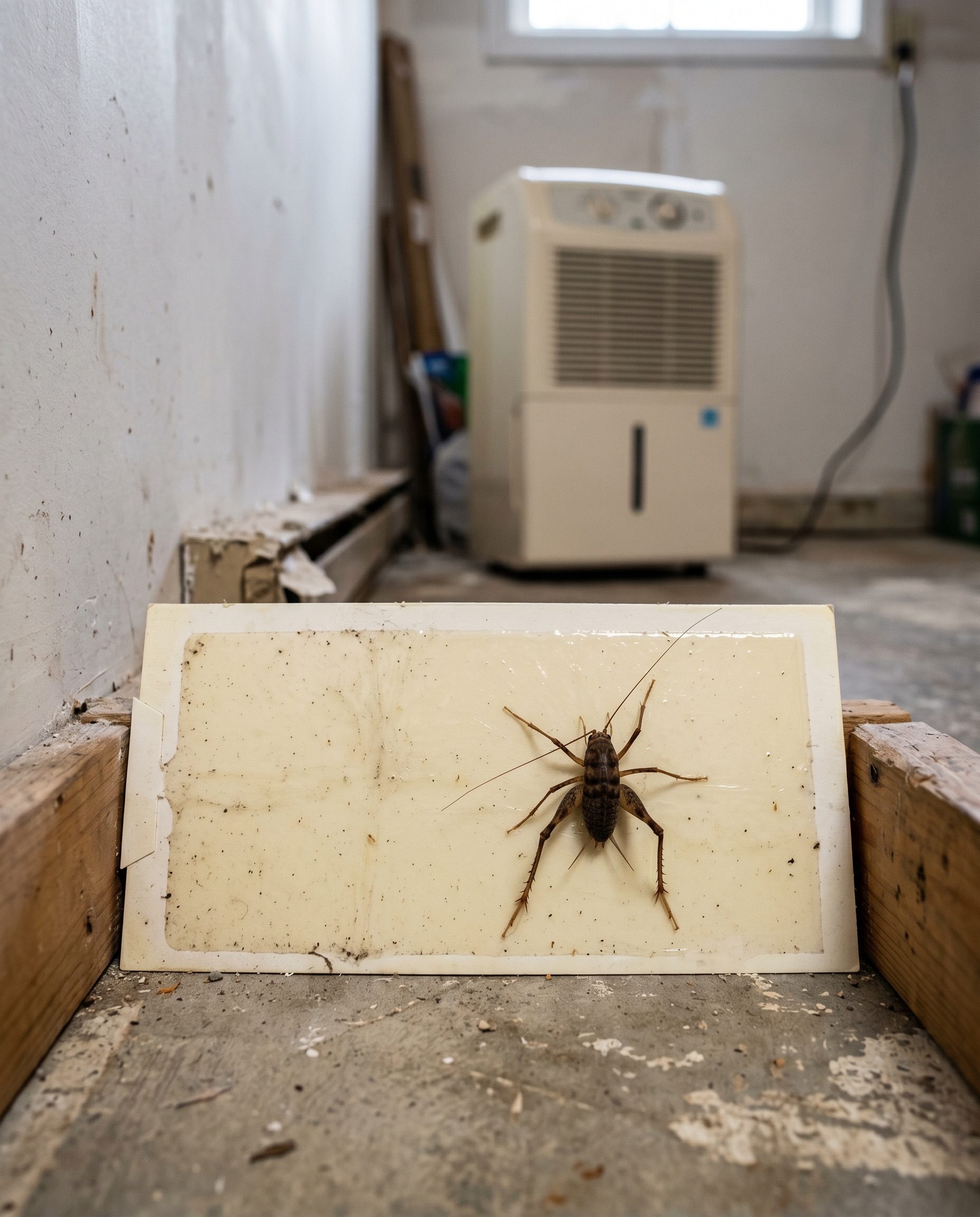
Start with the moisture
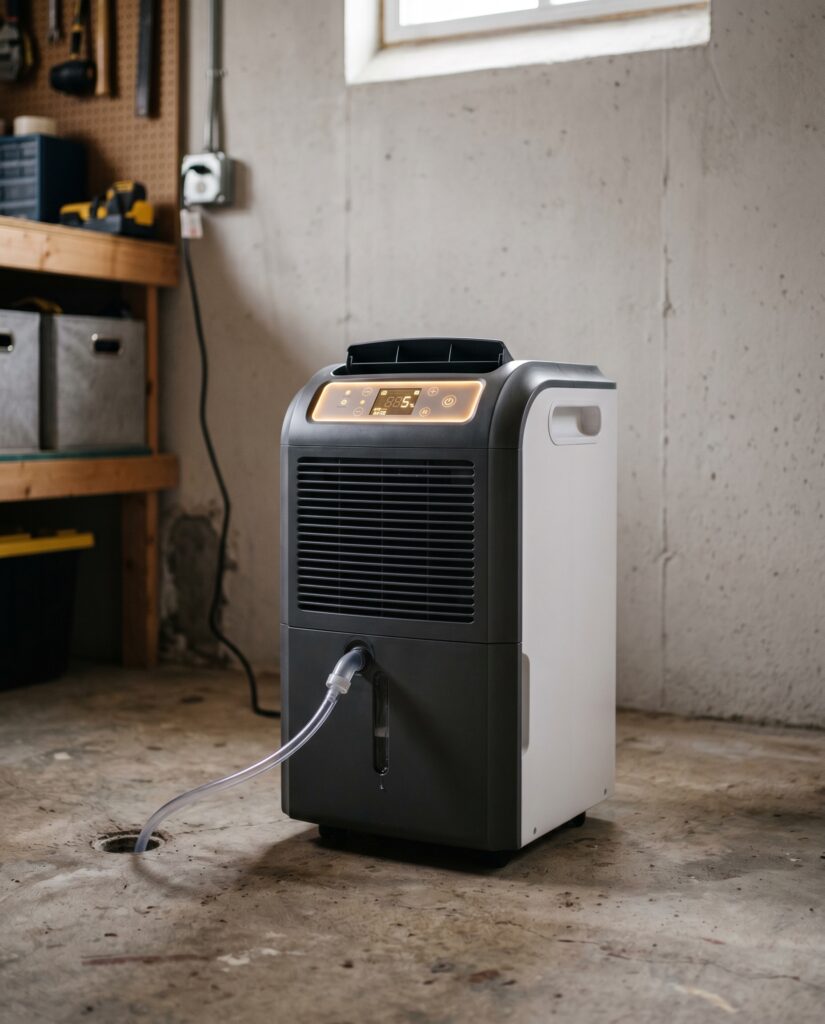
Before any product comes out, do the free part, because crickets are a damp-and-gaps problem before they are a chemical one. Crickets are drawn indoors by moisture, harborage, and outdoor lights, and they come in from outside, so killing the ones you find never keeps up with the ones still walking in. The single most useful tool for a damp basement or crawlspace is a dehumidifier: the University of Minnesota Extension’s guidance on crickets ties basement and crawlspace cricket problems straight to humidity, and drying the space out does more than any spray. Cut the tall grass and weeds against the foundation, clear leaf litter and mulch piled at the wall, and the harborage that feeds the problem shrinks on its own.
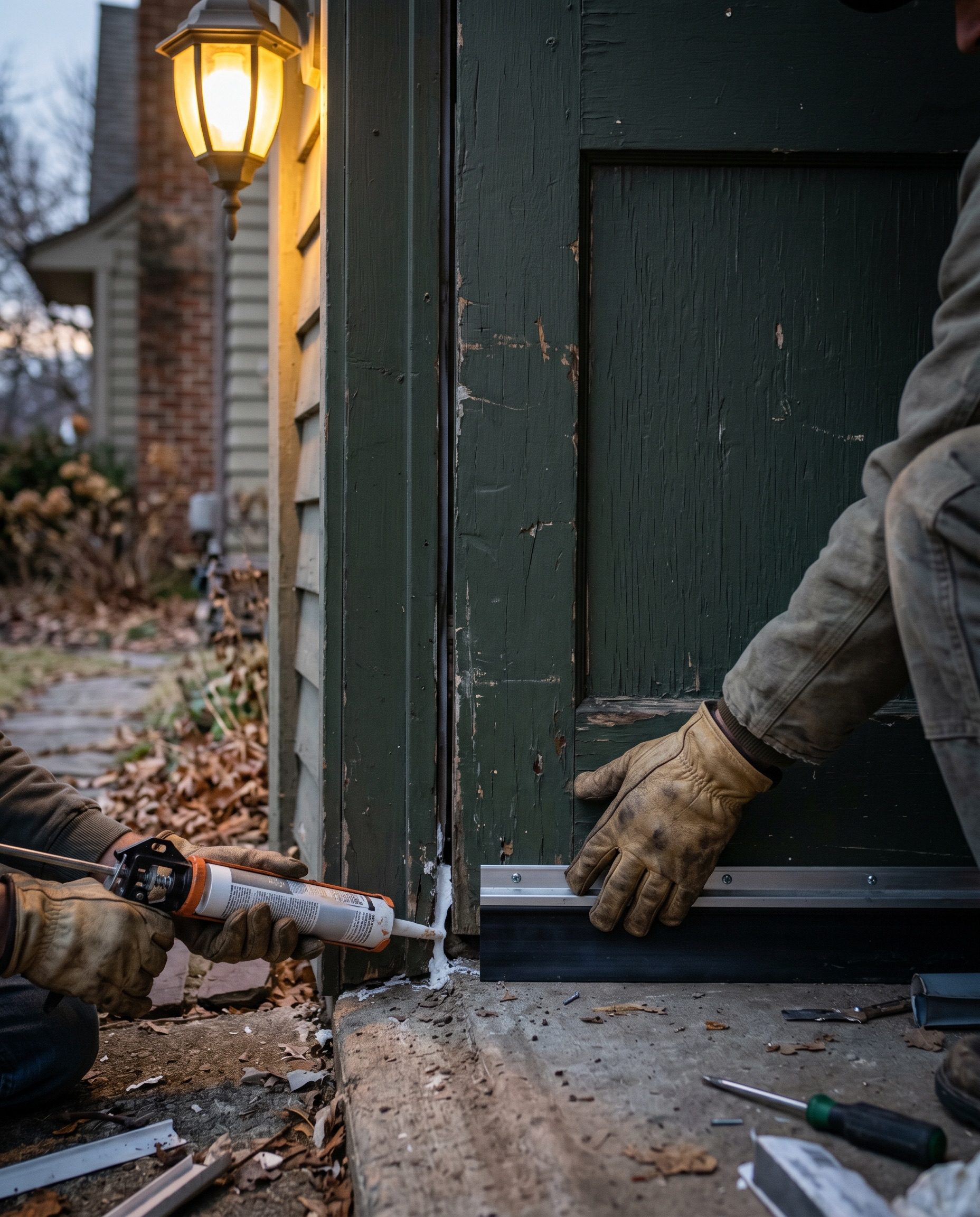
Then close the doors they walk through and dim the porch. Seal foundation cracks, gaps around pipes, and worn door sweeps, because field crickets in particular wander in from the yard through any opening they find, as Iowa State’s field cricket page describes. Those same crickets are pulled toward bright outdoor lighting, so switching an exterior bulb to a yellow “bug light” or simply leaving it off cuts the nightly traffic at the door. Our full walkthrough on getting rid of crickets in the house lays out the sealing order step by step. A repellent or bait is worth buying once that groundwork is done, not as a way to skip it.
Why fogging the basement fails
Here is the part most “best cricket killer” lists skip. Fogging or bug-bombing an indoor space feels decisive and does almost nothing for crickets, because the bugs sit tucked in cracks, behind boxes, and along the cool damp base of the wall where the fog never reaches. A fog that drifts over open surfaces leaves the harborage untouched, and the crickets walk back out the next evening. It also puts pesticide across a living space for a pest the Missouri Department of Conservation describes as harmless, more nuisance than threat.
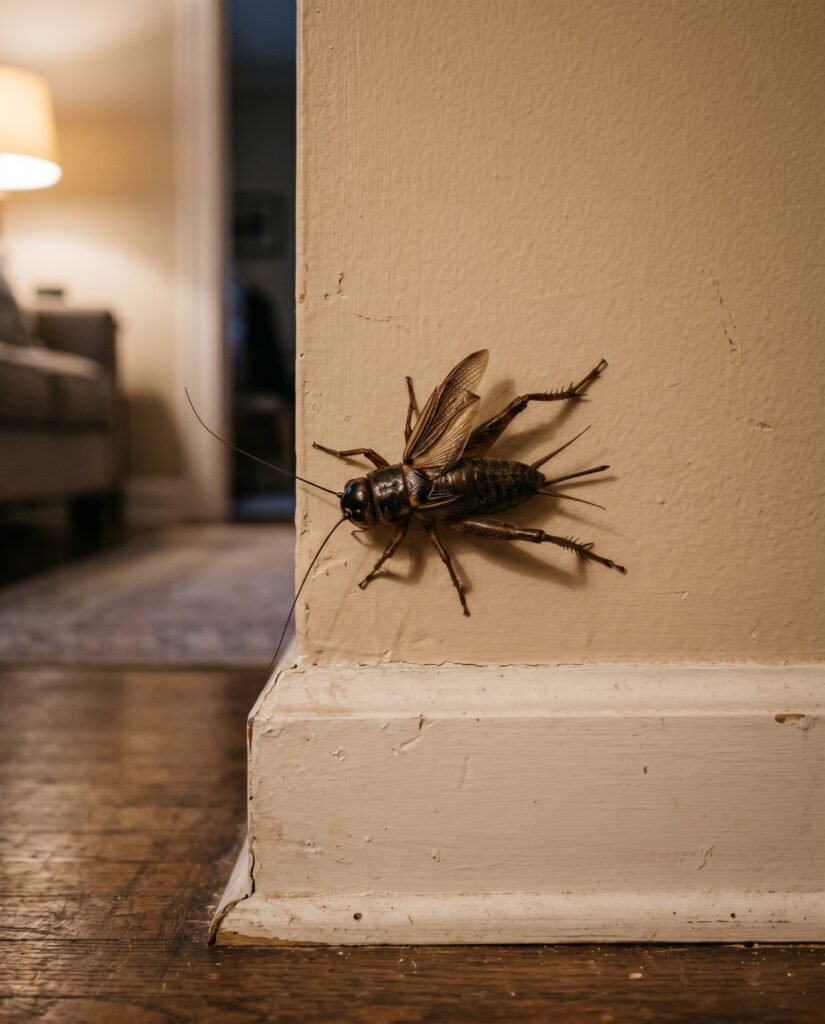
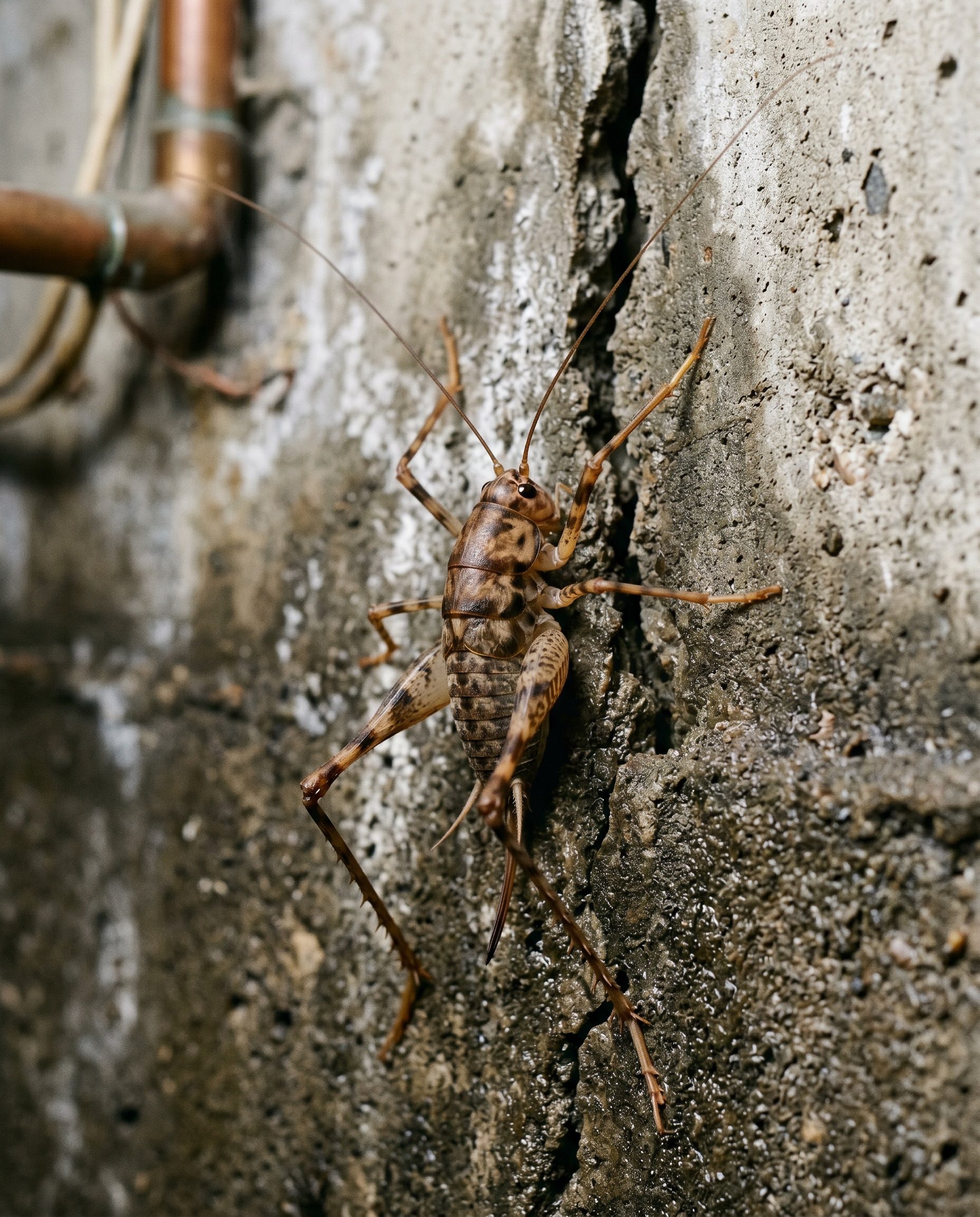
This is the case for matching the tool to where crickets actually are. Crickets do not bite people, are not aggressive, do not feed on blood, and carry no disease that threatens you; the cost they impose is the chirping of the males and the occasional chewed corner of paper or fabric. Only male crickets chirp, and they go quiet the moment you disturb them and slow right down when the room is cold. The camel or spider cricket is the exception worth knowing: it is wingless, never chirps, and its presence is a flag that a space is too damp, as Iowa State’s camel cricket page explains. If you are mainly fighting those humpbacked ones, the camel cricket basement guide is the better starting point, and a dehumidifier matters more than anything you spray.
Repellent vs bait vs trap
Once the space is drier and tighter, the product choice is short. Decide by where the crickets are coming from and what surface you need to treat, not by the loudest claim on the label.
| Category | Best for | Watch-out |
|---|---|---|
| Indoor repellent spray | Making problem basement and garage surfaces unappealing | Not instant; reapply, and seal gaps or crickets keep returning |
| Granular perimeter bait | Thinning crickets coming in from the yard | Gets eaten over days, not a same-night fix; follow the label |
| Sticky glue boards | Catching survivors and monitoring corners indoors | Catches what is already inside; does nothing about the source |
Why not just pick one and be done? Because each covers a different gap. A repellent works on the surface a cricket would otherwise settle on, a bait works on the population marching toward the house from the lawn, and a glue board only catches what is already inside. The EPA’s least-toxic, integrated approach to pest control is built on exactly this layering of sanitation, exclusion, and targeted product rather than one heavy treatment. The bait belongs outside on the foundation line; the repellent belongs on the indoor spots crickets favor. None of the three is a cure on its own, because all of them ignore the moisture and lighting that keep the supply coming. Our roundup of cricket killer sprays covers the contact-kill side for the ones you want gone tonight.
Where to put each one
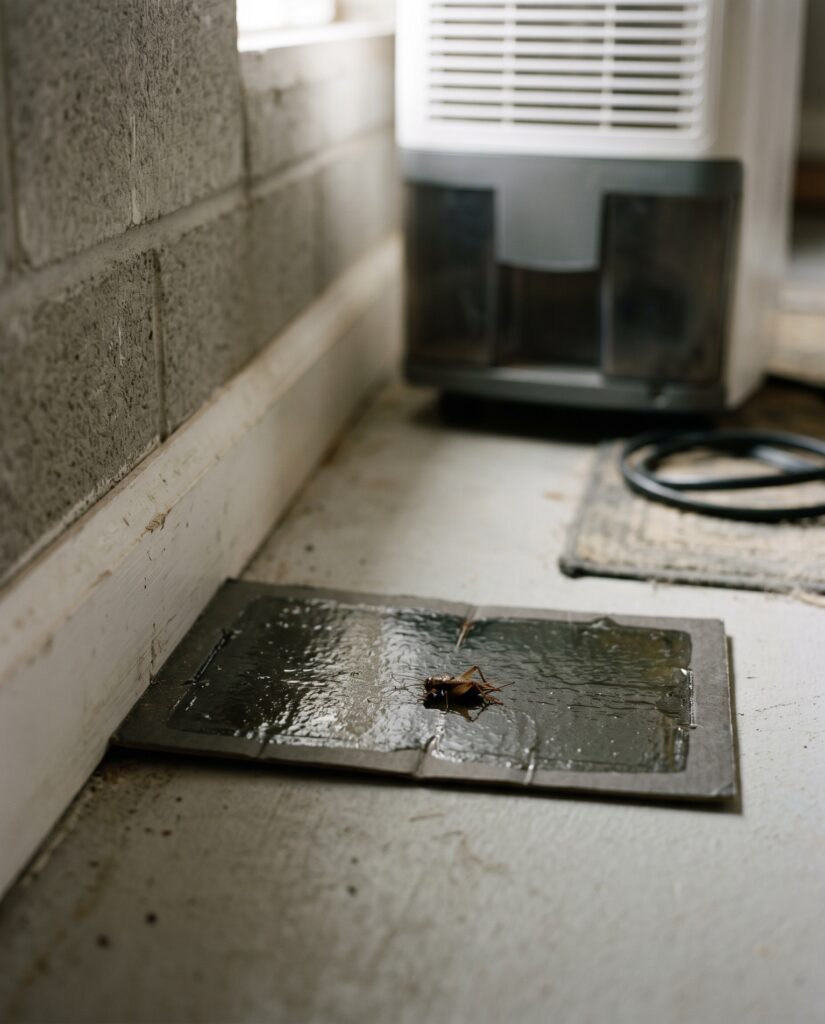
Placement is where these products earn their keep. Scatter the granular bait in a band around the foundation, concentrating it near doors, the garage, and any spot where you have seen crickets gather, and refresh it after heavy rain or once it has clearly been worked over, following the label rate because under federal law the product label is the law. For the repellent, treat the indoor surfaces crickets actually use, the baseboards, the cool base of basement walls, and the garage perimeter, and plan to reapply on a schedule rather than once, since these products wear off. Set glue boards flat in corners, behind appliances, and along the wall base where crickets travel, and replace them when they fill.
Treat the products as the pesticides they are. Keep children and pets off treated areas until everything is dry, do not scatter bait where a dog or curious child will reach it, keep it off food-prep surfaces, and store it sealed and out of reach; you can check the EPA’s pesticide-safety guidance for any application or exposure question, and if someone is exposed, contact a doctor or your local poison control center. Skip indoor fogging entirely, because it misses the harborage and puts chemical across a living space for a harmless bug. And if the problem is structural dampness you cannot dry out, that is a moisture-and-exclusion job for a licensed pest professional, not a heavier dose of spray.
The picks
These come after the analysis on purpose, because the source of the crickets decides which one you reach for. The three below cover the indoor repellent surface, the outdoor bait line, and the glue board that catches whatever slips past, and all are common, widely available products.
InsectoGuide is reader-supported. As an Amazon Associate we earn from qualifying purchases at no extra cost to you.
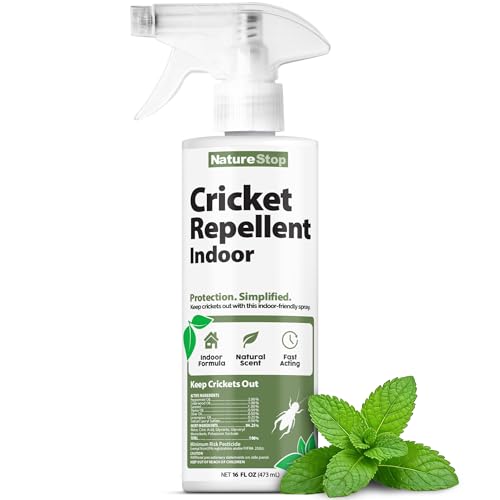
For making basement and garage surfaces less inviting to crickets indoors.
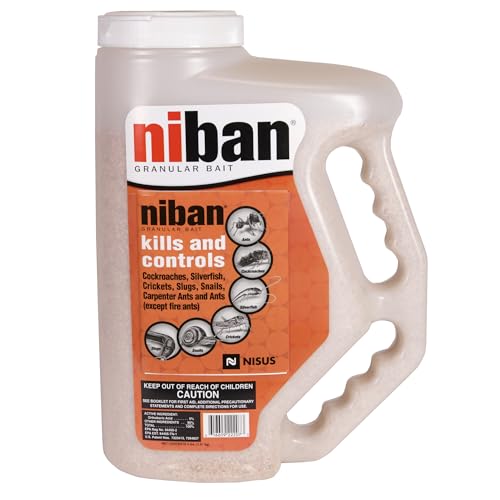
For thinning crickets coming in from the yard along the foundation line.
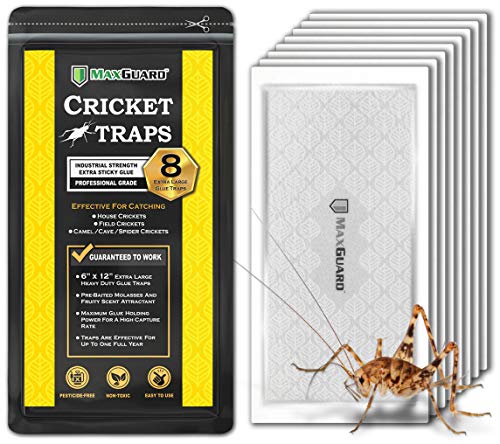
For catching survivors and monitoring corners without any chemical.
Common questions
Do cricket repellents and baits actually work?
They help, within limits. A repellent can make a treated surface less appealing and a bait can thin the crickets coming from the yard, but neither is instant and neither addresses the moisture, gaps, and outdoor lights that keep crickets arriving. They work best as support for sealing and drying out, not on their own.
Are crickets dangerous or do they bite?
No. The University of Minnesota Extension treats crickets as a nuisance, not a health threat: they rarely bite, are not aggressive, do not feed on blood, and carry no disease that threatens people. The real cost is the chirping and the odd chewed corner of paper or fabric.
Why do I only hear crickets sometimes?
Only male crickets chirp, and they stop the moment something disturbs them, which is why the sound seems to vanish the second you walk in. As the Missouri Department of Conservation notes for house crickets, they also slow down and quiet as the room cools.
My basement crickets are humpbacked and silent. What are those?
Those are camel or spider crickets, which are wingless and do not chirp. Per Iowa State’s camel cricket page, they signal a space that is too damp, so a dehumidifier in the basement or crawlspace is your most important move, ahead of any spray or bait.
Will outdoor lighting really make a difference?
Yes. Field crickets are drawn to bright lights at night and wander in toward them, so switching to a yellow bug bulb or leaving the porch light off cuts the nightly traffic at the door more cheaply than most products.
Final verdict
A cricket repellent and a granular bait each cover a gap a spray cannot, but neither is the cure, and any list that crowns one product is dodging the real fix. Start free by running a dehumidifier in the damp space, cutting the tall grass, sealing the foundation cracks and door gaps, and switching outdoor bulbs to yellow. Then layer the products: a granular bait in a band around the foundation for crickets coming from the yard, a repellent on the indoor surfaces they favor, and glue boards in the corners to catch the survivors. Skip indoor fogging and skip chasing the ones you can see; they keep coming until the moisture, gaps, and lighting change. Match the tool to where the crickets are entering, treat every product as support for the sealing and drying work, and the chirping fades for good.