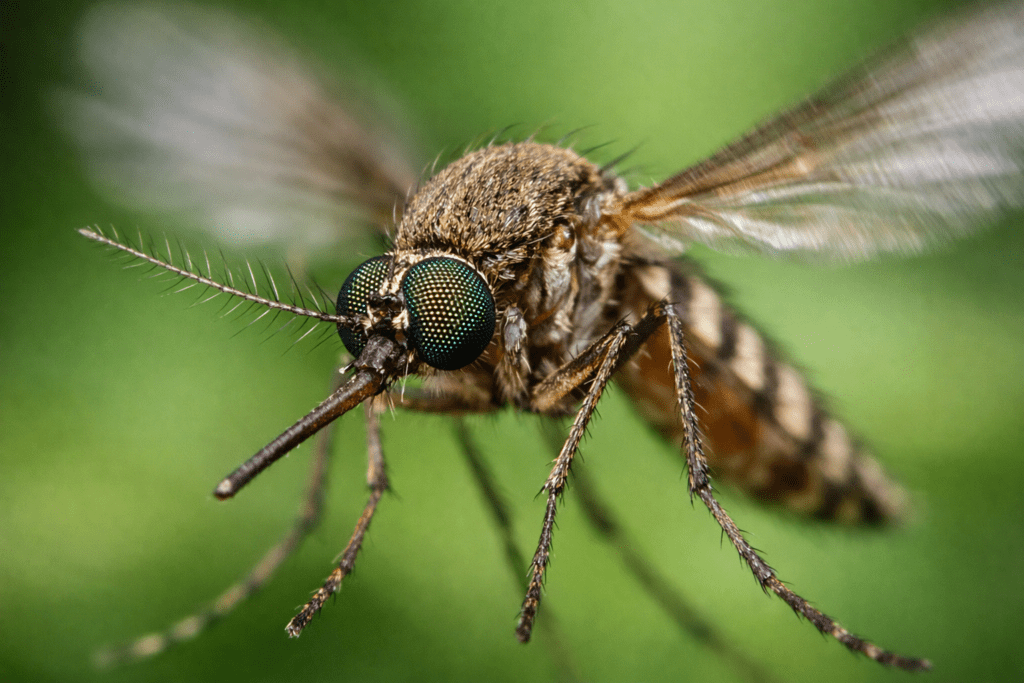
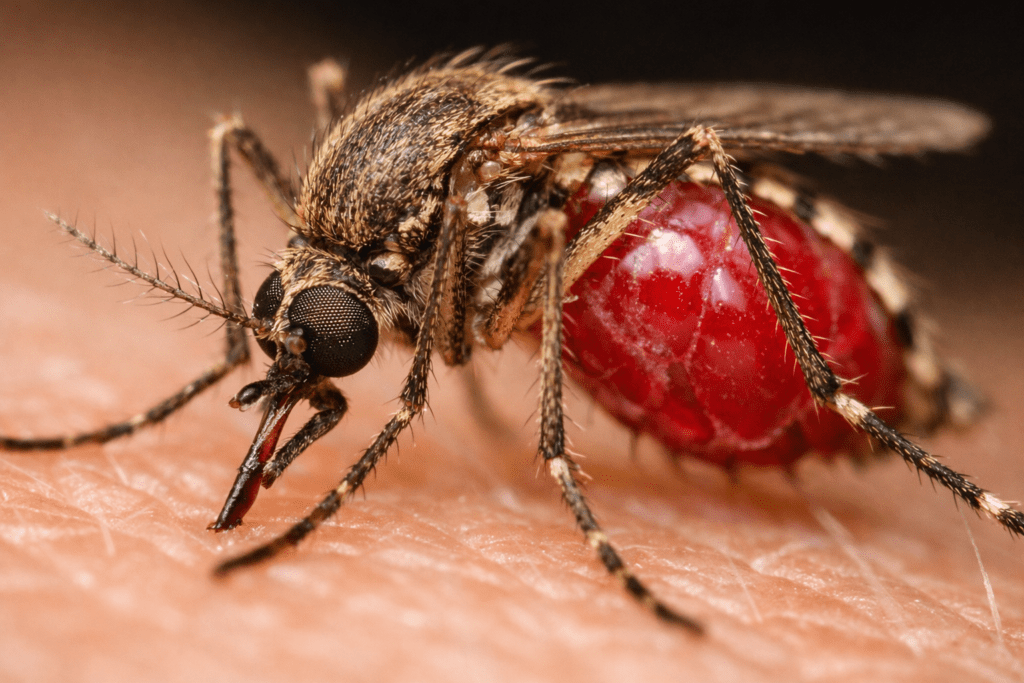
The Black Death killed an estimated 75-200 million people across Europe, Asia, and Africa in the 14th century. While mosquitoes are notorious disease vectors, they were NOT responsible for spreading the plague. The culprit was a completely different insect: the Oriental rat flea.
Quick Answer
- No, mosquitoes did not spread the Black Death. The plague bacterium (Yersinia pestis) was spread by infected rat fleas.
- Rat fleas (Xenopsylla cheopis) carried Y. pestis from black rats to humans through bites
- Human body lice and fleas may have also played a role in person-to-person transmission
- Mosquitoes can technically carry Y. pestis in laboratory settings but played no significant role in plague transmission historically
How the Plague Actually Spread
The Black Death was caused by the bacterium Yersinia pestis, which naturally infects rodents. The primary transmission cycle went: infected rats → rat fleas feed on rats and ingest bacteria → fleas’ guts become blocked with bacteria → blocked fleas bite humans aggressively because they can’t feed properly → bacteria enter the human bloodstream.
A 2018 study in PNAS suggested that human ectoparasites (body lice and human fleas) may have been even more important than rat fleas in driving plague pandemics, transmitting Y. pestis directly between humans.
Why Not Mosquitoes?
While mosquitoes can be infected with Y. pestis in laboratory conditions, they’re extremely poor vectors for plague bacteria. Y. pestis doesn’t replicate efficiently in the mosquito’s gut, and the bacteria don’t reach the salivary glands in sufficient numbers to transmit reliably. The flea’s unique “blocked gut” mechanism is specifically suited for plague transmission in a way mosquitoes cannot replicate.
Key Takeaways
- Mosquitoes did not spread the Black Death. Rat fleas and possibly human body lice were the primary vectors.
- The plague bacterium Yersinia pestis is poorly suited for mosquito transmission due to its specific lifecycle requirements.
- While mosquitoes spread many diseases (malaria, dengue, Zika), plague is not among them.