Finding sugar ants in your kitchen usually means tiny foragers have discovered an easy meal and laid a chemical trail for others to follow. The good news is you can stop the invasion without turning your home into a war zone. This guide shows how to identify the most common “sugar ant” lookalikes, why they keep coming back, and the fastest way to eliminate the colony using bait, sanitation, and simple exclusion. You will also learn when DIY steps hit their limit and it is time to call a pro.
Quick answer: how to get rid of sugar ants fast (and keep them gone)
To get rid of sugar ants, focus on the colony, not the ants you see. Sprays can scatter foragers and make the problem feel worse.
Do this in order:
- Clean and dry the kitchen first: remove syrup, juice, fruit residue, and crumbs; dry the sink and sponge area.
- Wipe trails to erase pheromones: use warm soapy water on counters, baseboards, and along the trail line.
- Set slow-acting bait on the trail: place gel or liquid bait where ants already walk; let them feed and carry it back.
- Seal entry points after activity drops: caulk cracks around pipes, windows, and baseboards.
- Monitor for 7-14 days: expect a short-term increase in ants near bait, then a sharp decline.
Quick ID clues (common “sugar ant” types in the US):
| What you notice | What it often suggests | Why it matters |
|---|---|---|
| Strong trail lines to sweets | Odorous house ants, Argentine ants | Baits usually work well if you stay consistent |
| Tiny ants (about 1.5-2 mm) near moisture | Pharaoh ants, ghost ants | Avoid repellent sprays; baiting is essential |
| Ants near sidewalks/driveways and inside | Pavement ants | Nest may be outdoors near masonry |
What are sugar ants, exactly? (And why the name is confusing)
“Sugar ants” sounds like a single pest, but it is usually a catch-all nickname for several small ants that love sweet foods indoors. In many parts of the US, people use the term for odorous house ants, pharaoh ants, pavement ants, Argentine ants, and ghost ants. Pest educators commonly note this name confusion, including guidance from providers like Orkin’s sugar ant overview and regional pest libraries such as the CatsEye Pest Control sugar ant guide.
In Australia, “sugar ant” can refer more literally to certain Camponotus ants (carpenter ant relatives) that forage for sweet plant fluids and honeydew. That is a different context than most US kitchen infestations. This matters because control success depends on what you are actually dealing with.
Why they show up in kitchens so reliably
Think of a kitchen like a tiny, climate-controlled buffet. Ant scouts roam until they hit something rewarding, then lay a pheromone trail like a GPS route for the colony. A single drip of juice under a trash liner can keep a trail active for days.
Common attractants include:
- Sticky spills: honey, syrup, jam, soda, juice, cocktail mixers
- Fruit residue: banana peels, apple cores, compost pails
- Hidden crumbs: toaster trays, under microwaves, along baseboards
- Not just sugar: many “sugar ants” also take proteins and fats, especially when colonies are growing
A quick reality check on risk
Most household sweet-seeking ants are more nuisance than danger. They can contaminate food, and some species (like pharaoh ants) are more concerning in sensitive settings because they can move through unsanitary areas. But for typical homes, the main goal is eliminating the colony and preventing repeat trails.
Visual checklist (what to look for today):
- A steady line of ants to one spot (spill, pet bowl, trash, fruit)
- Ants clustering at sink edges or under the faucet base
- Activity spikes in warm months, especially spring and summer
How to identify sugar ants vs other common kitchen ants
Advion Ant Gel Bait, 4 Tubes
This gel bait is effective for eliminating sugar ants and other common household ants by attracting them to the bait and allowing them to carry it back to the colony.
Correct ID is not about memorizing Latin names. It is about noticing a few details that change the best control plan: body size, trail behavior, and where they cluster. Many homeowners also confuse sweet-seeking ants with carpenter ants or grease ants, which can lead to wasted effort.
Fast ID features you can see without a microscope
Use this simple “kitchen counter” approach:
-
Size (estimate in mm or inches)
- Very small (about 1/16 inch, 1.5-2 mm): often pharaoh ants or ghost ants
- Small (about 1/8 inch, 2.5-3.5 mm): often odorous house ants
- Larger (1/4 inch or more, 6+ mm): may be carpenter ants, not typical “sugar ants”
-
Color
- Uniform brown to black: common in odorous house ants and pavement ants
- Pale or “two-tone” with lighter legs: often ghost ants
- Variable with many workers: Argentine ants can look very similar across trails
-
Behavior
- Tight, organized trails: classic sweet-foraging behavior
- Multiple trails in several rooms: could indicate a large colony or multiple queens
Comparison table: sugar ants vs lookalikes
| Pest | Typical size | What they target | Key clue | Best first move |
|---|---|---|---|---|
| Sweet-seeking “sugar ants” (various species) | 2-4 mm | sweets, also protein/fat | trails to sticky foods | bait + sanitation |
| Carpenter ants (Camponotus spp.) | 6-13 mm | protein/sweets | large ants, may appear near damp wood | inspect for moisture and nesting |
| Grease ants (often little black ants or similar) | 1.5-3 mm | fats, meats | cluster near greasy stove areas | protein-based bait options |
| Fire ants | 2-6 mm | varied | painful stings outdoors | outdoor mound control |
If you suspect carpenter ants because the ants are larger or you see wood shavings, use a carpenter-ant-specific plan. InsectoGuide’s overview of ant treatments and baits can help you choose products and strategies that match that situation.
What to do if you cannot ID them
You can still win with a bait-first approach, but choose baits that cover both sweet and protein preferences. Many colonies shift diets seasonally, so offering the wrong bait can slow results.
Actionable takeaway: snap a close photo next to a coin for scale, then watch where they feed. The food they prefer today tells you which bait type to prioritize.
Why sugar ants keep coming back (even after you clean)
Hot Shot Bed Bug and Flea Killer, 1 Gallon
While primarily marketed for bed bugs and fleas, this product can also help in controlling various ant species, including sugar ants, in the home.
You wipe the counter, the ants vanish, and then two days later they are back. That pattern is common because the colony’s “decision-making” happens out of sight. The foragers you see are only a small part of the system.
According to pest management educators and industry guidance like the Western Exterminator sugar ant facts and explanations from sources such as the Amdro sugar ant identification and control page, trails and colony structure are the main reasons quick fixes fail.
The three drivers behind repeat infestations
1. Pheromone trails persist
Ant trails are chemical messages, not just “paths.” If you only remove the ants and not the trail, new scouts often re-establish the same route.
2. Nests are often outdoors
Many kitchen invasions start outside, then move indoors when weather shifts. Warm, humid conditions tend to increase activity, especially in spring and summer.
Common nesting zones:
- Under mulch, stones, pavers, and landscape timbers
- Along foundations and under siding edges
- In wall voids near plumbing penetrations
3. Some colonies have multiple queens
Species like Argentine ants can form huge networks. That is one reason a single spray session rarely solves anything for long.
“But I cleaned everything” – hidden food and water sources
Ants do not need much to keep coming:
- A sticky ring under a cooking oil bottle
- A few grains of sugar in a drawer track
- A damp sponge, leaky faucet, or condensation near a fridge line
Mini checklist: 5 hidden spots to inspect
- Under the trash bag and inside the can rim
- Under small appliances (coffee maker, toaster, air fryer)
- Pantry shelf corners and jar lids
- Pet feeding area and mat edges
- The sink cabinet floor (especially around plumbing)
Actionable takeaway: if ants are present daily, assume there is a reliable food or moisture source nearby, even if it is tiny.
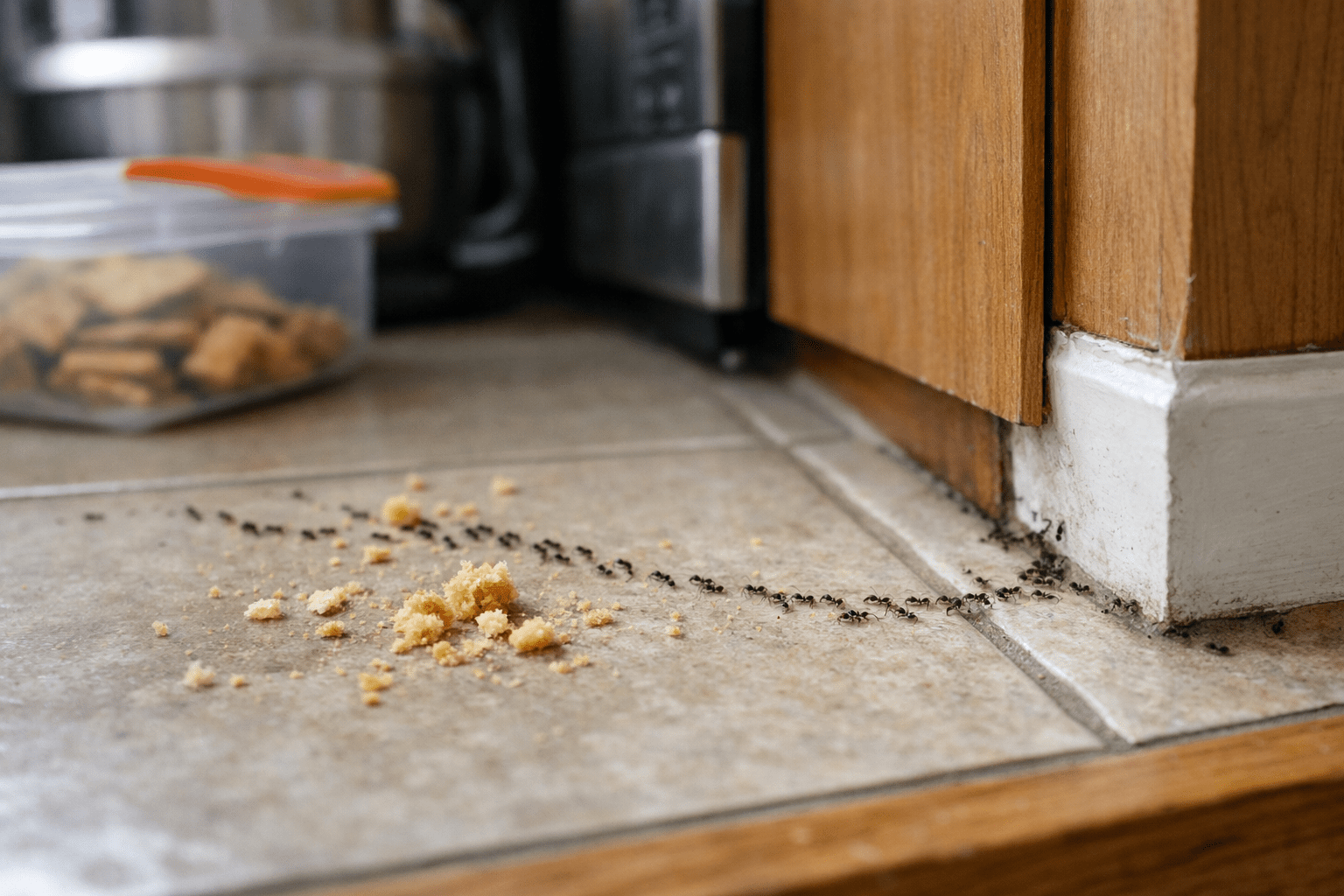
How to get rid of sugar ants in the kitchen: the bait-first method that works
Ortho Home Defense Insect Killer for Indoor & Perimeter, 1 Gallon
Ortho Home Defense Insect Killer for Indoor & Perimeter 1 Gallon earns a strong 4.6-star rating from over 12,400 Amazon reviews, praised for its broad-spectrum insect control and year-long indoor residual protection, making it a reliable choice for home pest management despite minor complaints about odor and potential messiness; ideal for affiliate recommendation where effective bug control is needed.
If you want the fastest path to real control, treat this like a supply-chain problem. The kitchen is the “storefront,” but the colony is the warehouse. You win by letting workers carry a slow-acting toxicant back to the nest, where it can reach queens and developing brood.
Many pest control guides emphasize this approach because it targets the colony rather than just the visible ants. Consumer education resources such as the Scotts Miracle-Gro sugar ant overview and practical explanations like the Allison Pest Control article on “sugar ants” note the importance of removing attractants and using baits instead of relying on sprays.
Step-by-step kitchen plan (do this for 7-14 days)
Step 1: Remove competing food
- Store sweets, cereal, and snacks in airtight containers
- Rinse recyclables (especially soda cans and juice bottles)
- Wipe sticky cabinet handles and drawer pulls
Step 2: Erase trails without repelling
- Use warm soapy water to wipe trails on counters and baseboards
- Avoid strong-smelling cleaners directly where bait will go, since some can reduce feeding
Step 3: Place bait where ants already walk
- Put gel or liquid bait stations along the trail, not in the middle of open floors
- Use multiple small placements rather than one large one
- Keep bait away from kids and pets, and follow the label
Step 4: Let ants feed
You may see more ants at first. That is often a good sign. The goal is transfer back to the colony.
Step 5: Replace and rotate if needed
If ants ignore a sweet bait after 24-48 hours, switch to a protein-based option. Colonies can change preferences.
Visual: bait placement map (simple and effective)
Place bait at:
- Counter edges near the wall
- Under the sink cabinet corners
- Along baseboards behind the trash can
- Near entry points like window trim or pipe gaps
Avoid:
- Spraying insecticide on trails
- Bleaching right over bait placements
- Crushing ants on the trail (it can disrupt feeding patterns)
For product selection, InsectoGuide’s guide to best ant killers and baits breaks down bait types and where each works best.
Actionable takeaway: commit to baiting for at least a week. Most failed attempts stop too soon, right when the colony is starting to collapse.
Prevention and long-term ant control: seal, dry, and manage the yard
Once the kitchen looks clear, the next goal is preventing the next wave of scouts from re-establishing trails. Ant prevention is mostly about making your home harder to “read” and harder to enter.
Seal entry points (after baiting reduces activity)
If you seal first while ants are actively trailing, you can push them to find new routes indoors. Instead, bait, then seal.
Target these common entry points:
- Gaps where plumbing enters under sinks
- Baseboard cracks and cabinet toe-kicks
- Window and door trim gaps
- Utility line penetrations and foundation cracks
Quick sealing checklist
- Caulk small cracks and trim gaps
- Add weatherstripping to exterior doors
- Repair torn window screens
Reduce moisture (a major driver people miss)
Even sweet-seeking ants need water. Drying the kitchen changes the payoff for scouts.
Do this weekly:
- Fix drips under the sink and at the shutoff valves
- Keep sponges dry or switch to a brush that dries faster
- Clean the drip tray under the fridge if accessible
Outdoor steps that dramatically reduce indoor trails
Many “sugar ant” colonies are outside. Yard conditions can funnel ants straight to your foundation.
Focus areas:
- Keep mulch from touching siding
- Trim vegetation that bridges to the house
- Store firewood away from the foundation
- Rinse sticky residue from outdoor bins
For broader yard strategies, see InsectoGuide’s roundup of outdoor ant control methods.
Natural options: what helps, and what is temporary
Many home remedies repel ants but do not eliminate colonies. That does not mean they are useless, but they work best as support tools alongside baiting and sanitation.
Options that can help in specific situations:
- Soapy water: removes trails and kills on contact
- Diatomaceous earth (food-grade): can reduce ants in dry voids, but loses effect when wet
- Essential oil sprays: may repel briefly, but can also interfere with bait feeding
If you prefer low-odor, lower-toxicity approaches, InsectoGuide’s guide to natural ant repellents explains what to expect and where natural methods fit best.
Actionable takeaway: prevention is not one big task. It is a few small habits that remove sugar, water, and entry points before scouts can recruit the colony.
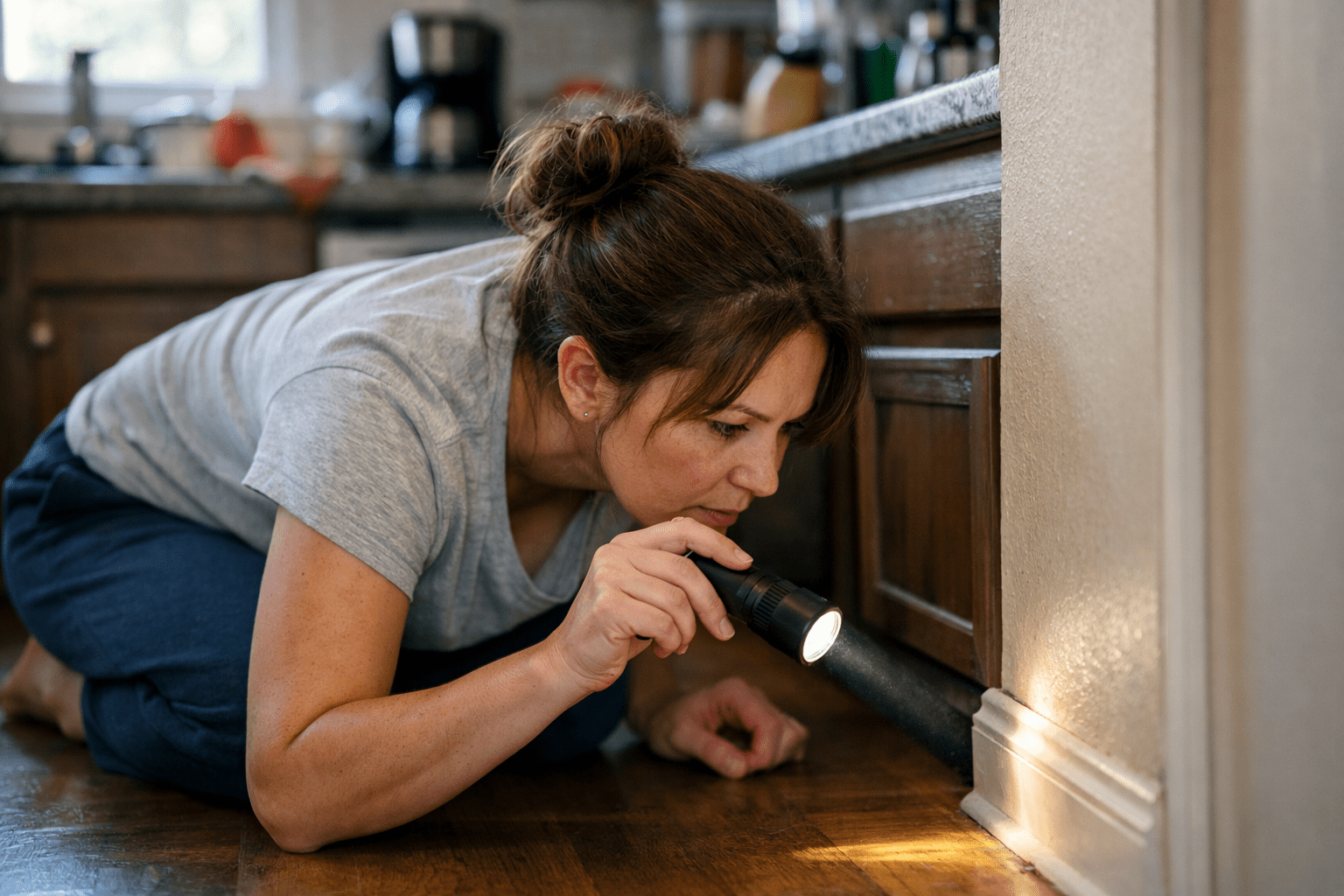
When DIY is not enough: signs you should call a professional
Some infestations are straightforward. Others involve multiple nests, hidden wall voids, or large multi-queen populations that keep re-seeding your kitchen. If you have done baiting and sanitation correctly for two weeks and still see steady trails, it is time to consider help.
Guidance from pest management resources like the Bullseye Pest Control sugar ant guide highlights that persistent problems can involve multiple colonies or species that require a more structured plan.
Call a pro if you notice any of these
- Multiple trails in different rooms that appear and disappear
- Ants returning immediately after baiting (possible competing food sources or wrong bait type)
- Activity that never drops after 10-14 days of consistent baiting
- Ants coming from wall outlets, ceiling edges, or behind cabinets
- You suspect pharaoh ants (tiny ants in kitchens and bathrooms) because improper sprays can cause budding and spread
What a good professional plan typically includes
- Species-level identification
- Targeted baiting programs and non-repellent treatments
- Exterior inspection for nesting zones and moisture issues
- Follow-up visits to confirm colony collapse
Actionable takeaway: professional service is most cost-effective when you have multiple trails or recurring reinfestations that do not respond to baiting.
Key takeaways (quick recap)
- “Sugar ants” are usually several possible species, not one.
- The fastest control comes from cleaning + trail wiping + slow-acting bait, not sprays.
- Expect a short-term increase near bait, followed by a drop as the colony is affected.
- Long-term control depends on sealing entry points, drying moisture sources, and reducing outdoor pressure.
- If activity stays strong after 10-14 days, consider professional identification and treatment.
Conclusion
Sugar ants in the kitchen are a trail-and-colony problem, so the fix has to be trail-and-colony focused. Clean up competing food, wipe trails, and commit to baiting long enough for workers to share it back to the nest. Once activity drops, seal entry points and tighten up moisture control so the next scouts do not get rewarded.
For the next step, compare product formats in our guide to best ant killers and baits, and if you prefer gentler approaches, review these natural ant repellents to support your prevention plan.
As an Amazon Associate, I earn from qualifying purchases. Product recommendations are based on real reviews and independent research.