Fruit flies feel like they appear out of nowhere, but they never do. They come from tiny eggs already laid on overripe or fermenting food, plus a steady trickle in from outside through window screens and on the produce you carry home from the store. A single female lays hundreds of eggs right on the surface of ripe fruit, and those eggs hatch in a matter of days, which is exactly why one forgotten banana turns into a kitchen full of them by the weekend. Get the name right and get the source right: once you know where they are breeding, stopping them is straightforward.
Fruit flies come from eggs already laid on ripe and fermenting food, not from thin air; a female lays hundreds that hatch in days, so a forgotten banana or a film inside a drain breeds the swarm you see.
- The real source: Overripe fruit, spills, and the gunk inside drains and disposals where eggs and larvae develop.
- Most-confused look-alike: Fungus gnats, which breed in wet houseplant soil, not fruit.
- What it means: Trapping the adults alone fails; you have to find and remove the breeding source.
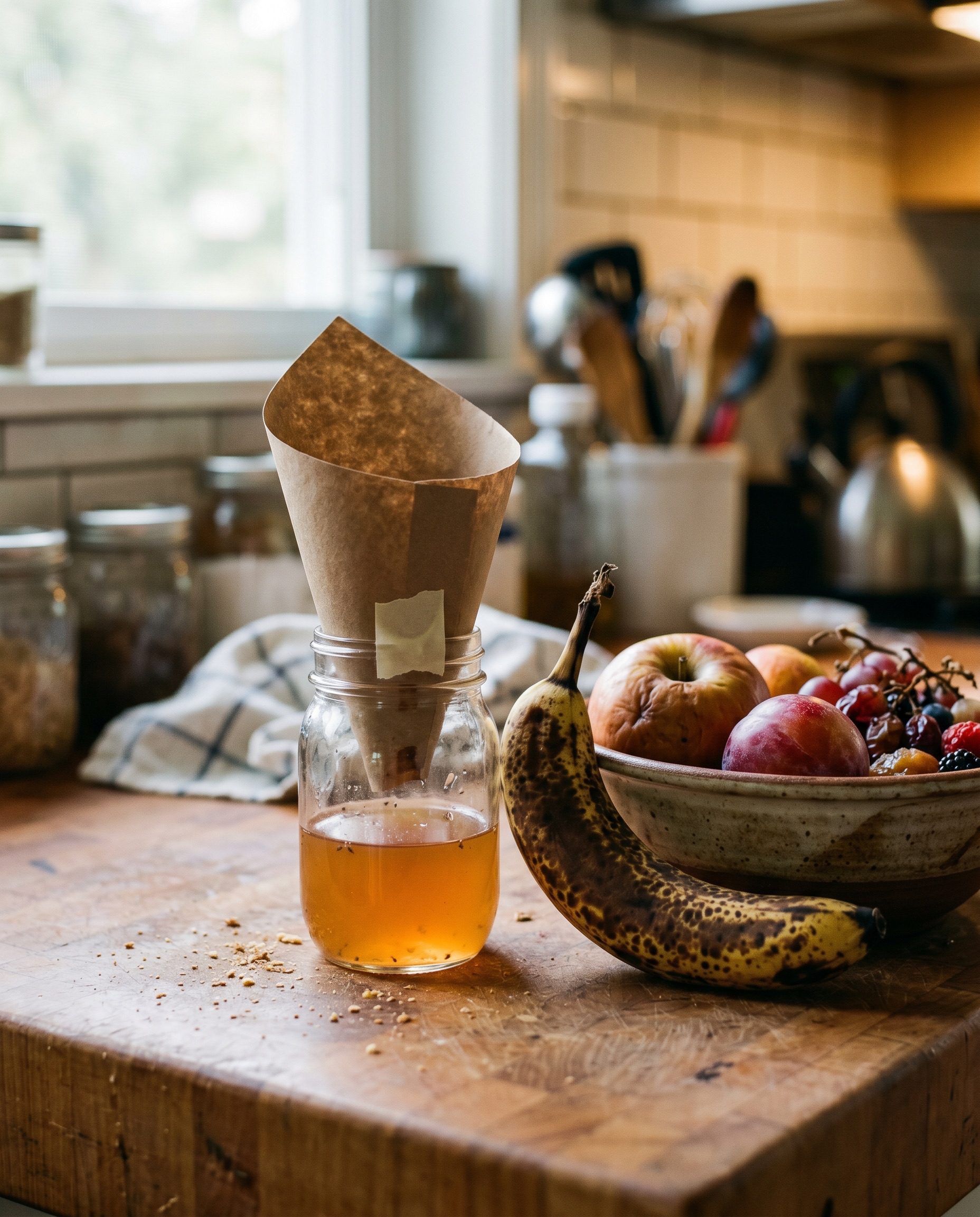
What a fruit fly actually is
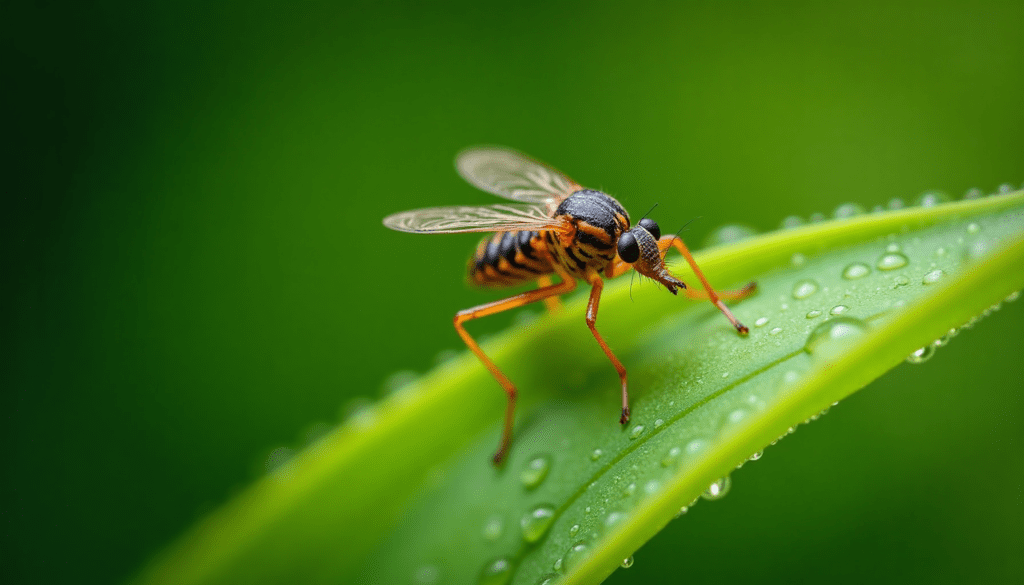
The common kitchen fruit fly is Drosophila melanogaster, a tan, roughly one-eighth-inch fly with bright red eyes that hovers around ripe fruit and the recycling bin. The red eyes and the tiny tan body are the quickest tell that you are looking at a fruit fly and not something else. They are not strong fliers, so you usually see them drifting in slow loops within a few feet of whatever they are breeding in. That short flight range is itself a clue, because it means the source is close by, almost always in the same room.
People lump every small flying speck in the house under one name, but the three usual suspects breed in completely different places. Knowing which one you have decides where you look. If the flies cluster around your fruit bowl and the sink, you have fruit flies; if they rise off your potted plants in a little cloud, you have fungus gnats instead.
Where do fruit flies come from
The honest answer is that they were already in your kitchen as eggs before you ever saw an adult. Fruit flies breed on the surface of fermenting and overripe food, and the smell of that fermentation is what draws egg-laying females from the next room or from outdoors. According to the breeding sites UC IPM lists for fruit flies, the usual nurseries are rotting fruit and vegetables, the slime inside drains and garbage disposals, recycling bins with sticky residue, and damp mop heads or cleaning rags. Anywhere organic matter is wet and starting to sour is fair game.
The other half of the story is the trickle in from outside. A few adults ride in on the produce you buy or slip through a torn screen, and once they find a ripening peach or a sticky bottle in the recycling, they stay and multiply. So the swarm is part homegrown and part imported, but both halves end the same way: an adult lands on a fermenting surface and lays eggs there.
How one banana becomes a swarm
The math is what makes fruit flies feel supernatural. A single female can lay around 500 eggs over her life, dropping them right onto the moist skin of ripe fruit, and at warm room temperature those eggs hatch in roughly a day. The larvae feed on the yeast and sugars in the fruit, pupate, and emerge as breeding adults in about a week to ten days. You can go from a few flies to hundreds inside two weeks, all from one overlooked piece of fruit.
That compressed life cycle is the entire reason a swarm seems to arrive overnight. The first adults you notice are usually the second generation; the parents got in days earlier and quietly seeded the fruit bowl. The same speed that builds a swarm works in your favor, though, because once the breeding surface is gone, the population crashes just as fast since there is nowhere new to lay.
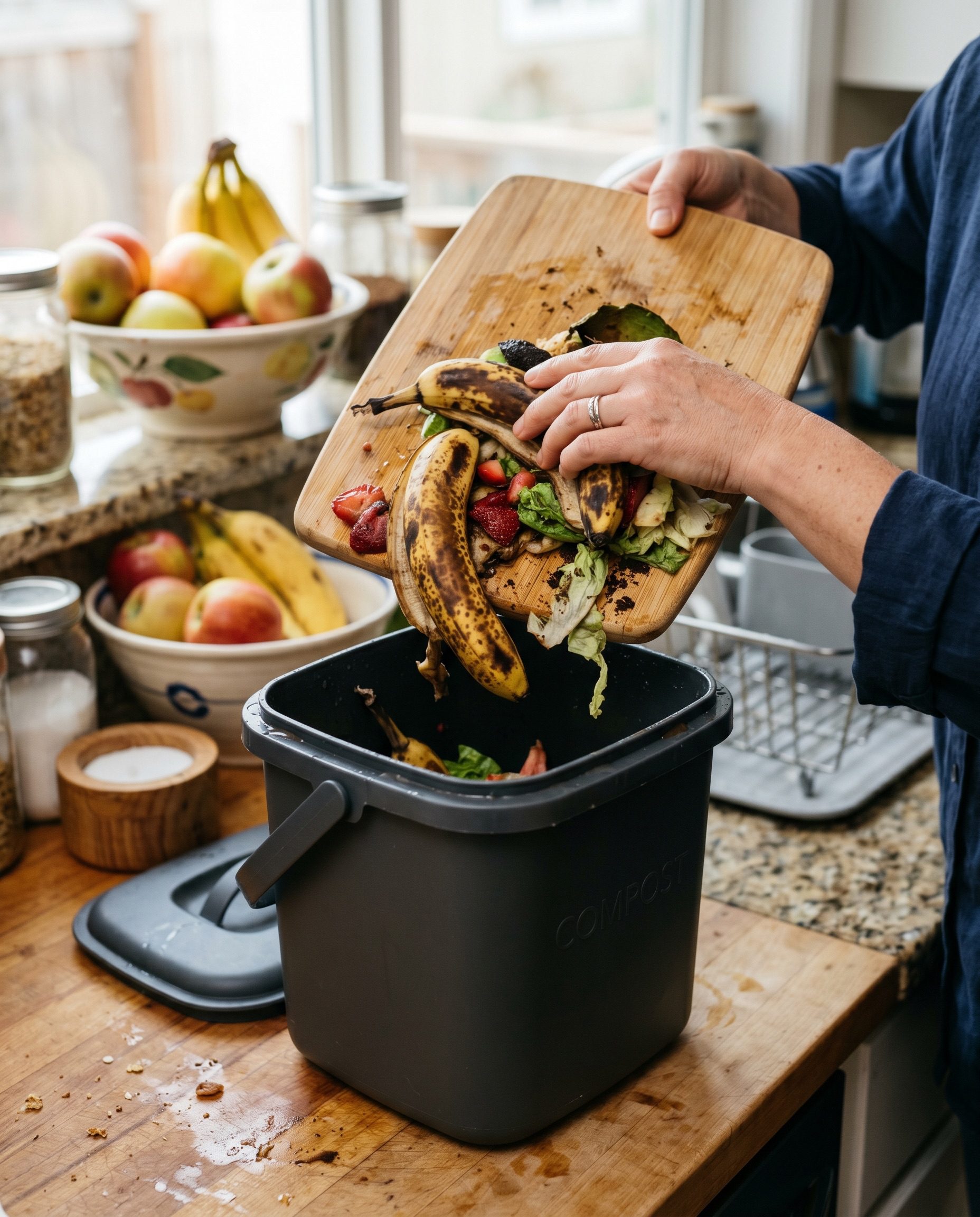
Fruit flies vs the look-alikes
Before you treat anything, confirm which small fly you have, because each one breeds somewhere different and chasing the wrong source wastes days. The three are easy to tell apart once you know what separates them.
| Small fly | Where it breeds | Quick tell |
|---|---|---|
| Fruit fly | Overripe fruit, drains, recycling, spills | Tan body, red eyes, hovers near fruit |
| Fungus gnat | Wet potting soil of houseplants | Dark and skinny, rises off plant pots |
| Drain fly | Biofilm inside drains and traps | Fuzzy, moth-like, sits on the wall by the sink |
Fungus gnats are the most common mix-up. They are darker, thinner, and weaker fliers, and they breed in the moist potting soil of overwatered houseplants rather than in fruit, so the fix is letting the top inch of soil dry out and adding a yellow sticky stake, not cleaning the kitchen. Drain flies are the fuzzy, moth-shaped ones that perch on the wall near the sink; they breed in the gel-like film inside the pipe. If you want a side-by-side walkthrough, our guide on the fruit fly vs gnat difference lays out the features in detail.
Why trapping the adults is not enough
Here is the part most people get wrong: a vinegar trap on the counter catches the adults you can see, but it does nothing about the eggs and larvae already developing in the source. Trapping alone never clears an infestation because the next generation keeps emerging from the fruit or the drain faster than you can trap. UC IPM’s guidance on small filth flies and source reduction is blunt about this: sanitation and eliminating the breeding material is the control, and trapping is only a supplement.
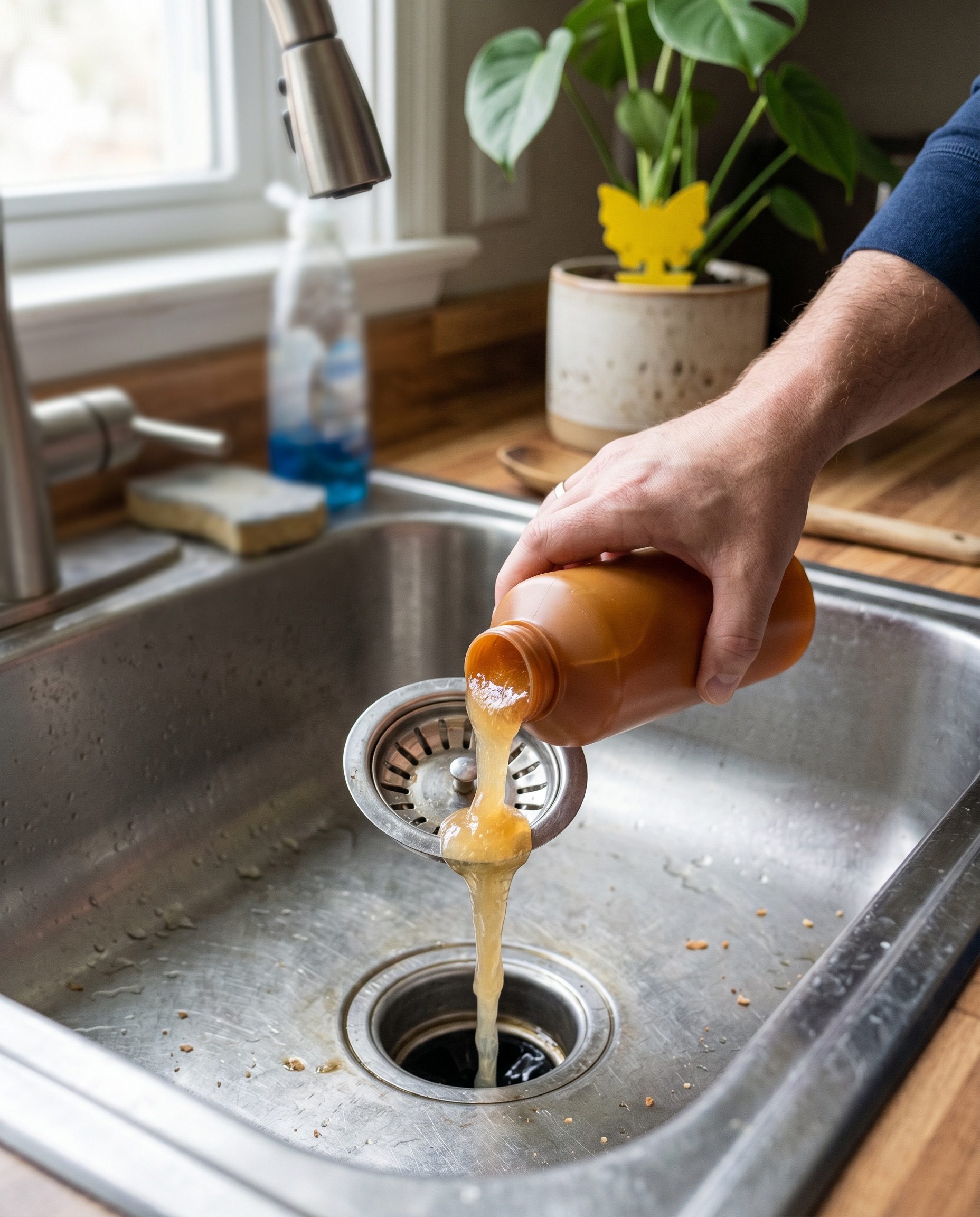
So the work is detective work. Toss or refrigerate overripe produce, take out the recycling, wipe up the sticky ring under the bottles, and run the garbage disposal. Then deal with the drain, which is the source people miss most. Bleach does not remove the breeding film, because it runs straight down the pipe without scrubbing the biofilm off the walls where larvae live; an enzyme or bio drain cleaner is what actually digests that film. To confirm a drain is the culprit, tape a clear cup loosely over it overnight and see if flies are trapped under it in the morning. The same source-first logic runs through the EPA’s sanitation-first approach to indoor pests and the broader fly biology and the management context behind it. For the full cleanup sequence, see how to get rid of fruit flies, and for the trap that supplements it, our best fruit fly traps for the kitchen roundup compares the options.
Common questions
Do fruit flies come from the drain?
Often, yes. The slimy film inside a kitchen drain or garbage disposal is a prime breeding site, and it is the source people overlook because they assume the fruit bowl is the only culprit. Tape a clear cup over the drain overnight; if flies are trapped under it by morning, the drain is breeding them and needs an enzyme cleaner, not just a rinse.
Can fruit flies appear with no fruit in the house?
Yes, because fruit is not their only nursery. They will breed in a recycling bin with sticky residue, a damp mop, a spill under the fridge, or the drain. If you have flies but no visible fruit, those wetter, hidden sources are where to look.
How long does it take to get rid of them?
Once you remove the actual breeding source, the population usually crashes within a week or two as the last adults die off and nothing new hatches. The slow cases are almost always a missed source, most often a drain that was never cleaned properly.
Are fruit flies harmful?
They are a nuisance more than a health threat, but because they travel from fermenting waste to food surfaces, it is worth keeping them off exposed food and wiping down counters. Identifying them correctly matters more than panicking; this is a sanitation problem, not an emergency.
Why do they keep coming back?
A swarm that returns means a breeding source survived, or new adults keep arriving on grocery produce. Inspect new fruit, store ripe produce in the fridge, keep drains clean, and the cycle has nowhere to restart.
Final verdict
Fruit flies never come from nowhere. They come from eggs already laid on overripe and fermenting food, topped up by a few adults that hitch in on your groceries or through a screen, and a single female’s hundreds of eggs hatching in days are why one banana becomes a swarm. The fastest tell is the tan body and red eyes hovering near fruit, and the most common mix-up is the fungus gnat that breeds in wet plant soil instead. The whole secret to stopping them is the source: trapping the adults you see will never win on its own, so find the rotting produce, the spill, or the drain film and remove it, and the population collapses on its own.
Next steps:
– Work through the full cleanup in our how to get rid of fruit flies guide.
– Add a trap to back up the cleanup with the best fruit fly traps for the kitchen.
– Make sure you are not actually chasing gnats with the fruit fly vs gnat difference breakdown.