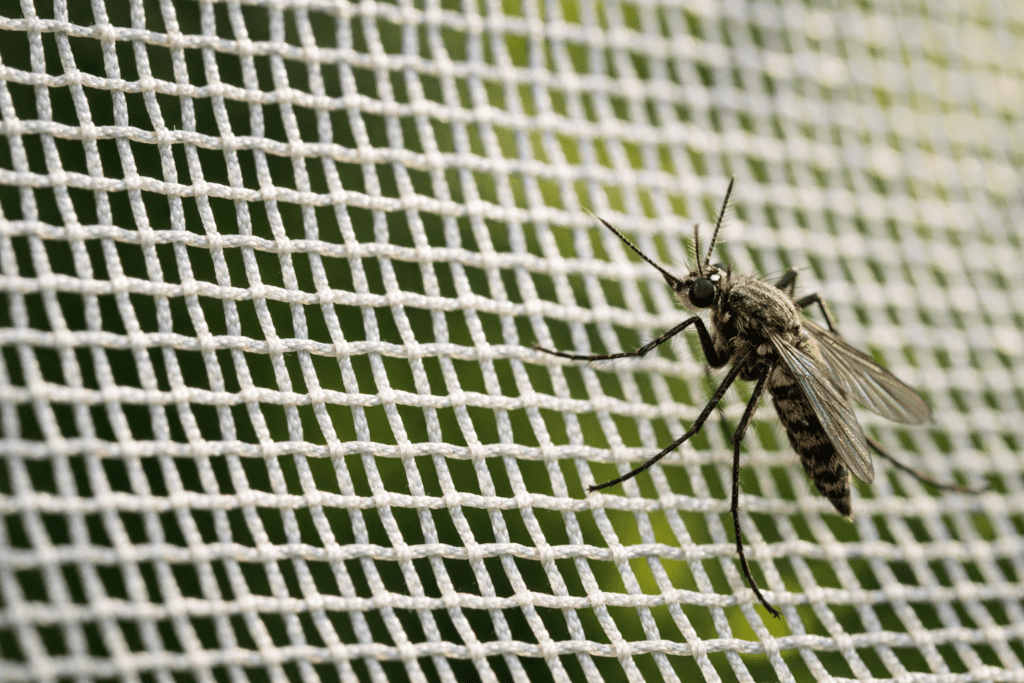
Here is the honest verdict most lists bury: a bug zapper is close to useless against biting mosquitoes, and it mostly fries harmless and beneficial insects instead. If you still want one for the moths and flies around the porch, buy a model with a CO2 or octenol-style lure and treat it as ambiance, not mosquito control. The short answer: spend your first effort on dumping standing water and wearing a real repellent, because that is what actually drops the bite count, and only add a zapper if the blue glow on a summer night is worth it to you. For our own patio we run an attractant trap for monitoring and keep repellent by the door, and no zapper at all. Most roundups crown a “best mosquito zapper”; the comparison below shows why that framing is the problem.
Bug zappers kill very few biting mosquitoes and mostly fry beneficial insects, so dump standing water and wear an EPA-registered repellent first; buy a zapper only as ambiance, and pick one with a CO2 or octenol lure if you do.
- Do first (free): Tip out every dish of standing water weekly and screen the doors so fewer mosquitoes ever reach you.
- What actually works: Source reduction plus an EPA-registered skin repellent matched to your time outdoors.
- Skip the hype: A plain UV zapper as mosquito control; if you want one, get a lure model and call it ambiance.
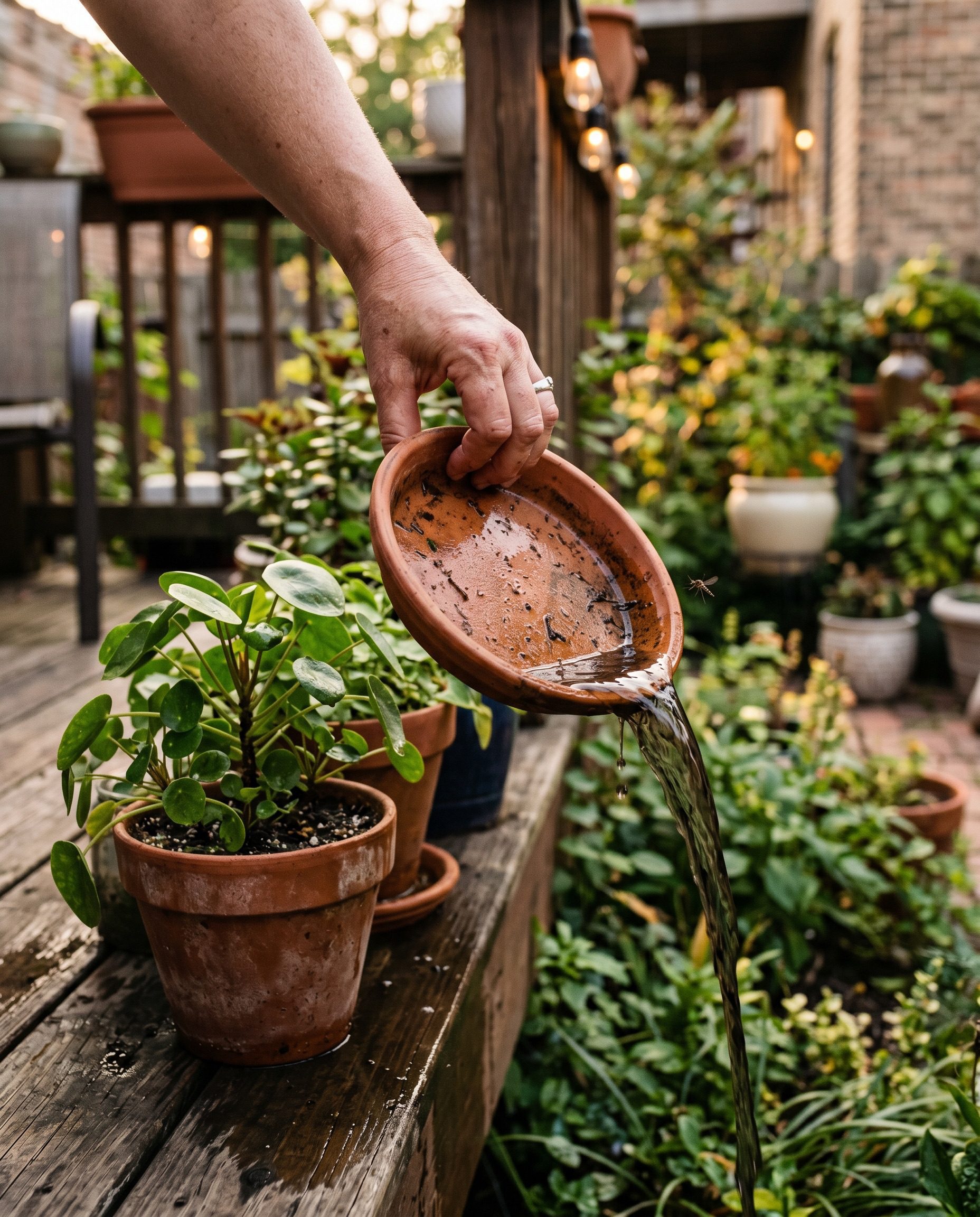
What actually drops the bite count
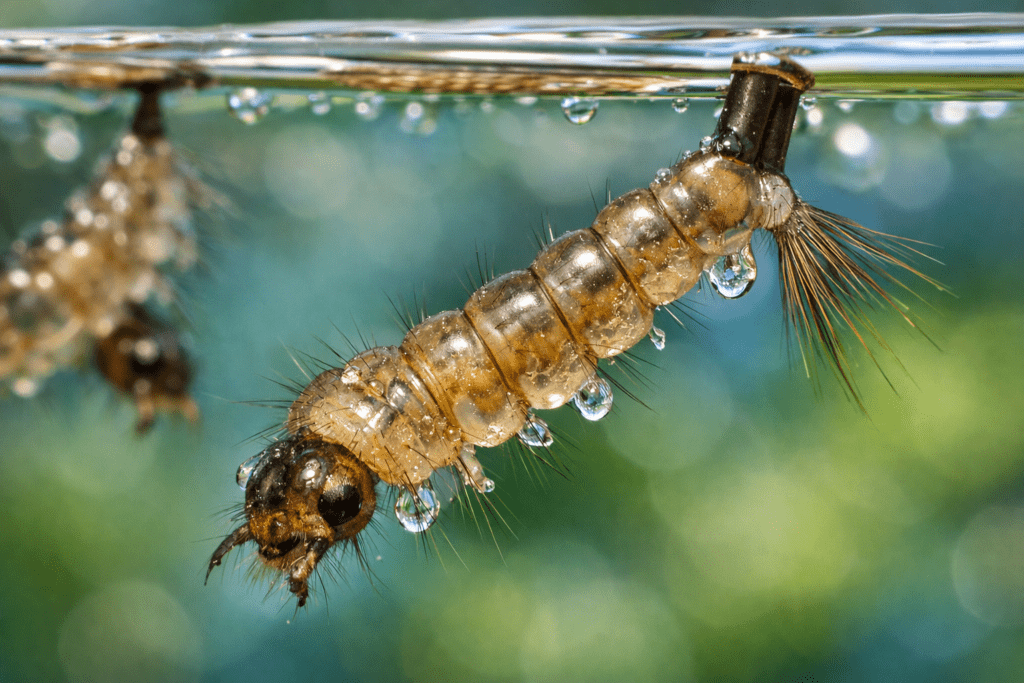
The cheapest fix costs nothing: walk the yard once a week and pour out every container holding water. Mosquitoes breed in still water, sometimes in a bottle cap’s worth, so a plant saucer, a clogged gutter, a kid’s toy, or a forgotten bucket is a nursery. The EPA’s integrated mosquito management guidance puts this source reduction first for a reason: emptying water stops the next generation before it ever flies, which no device hung on the fence can do. Our guide to a mosquito-proof backyard walks the same loop yard by yard.
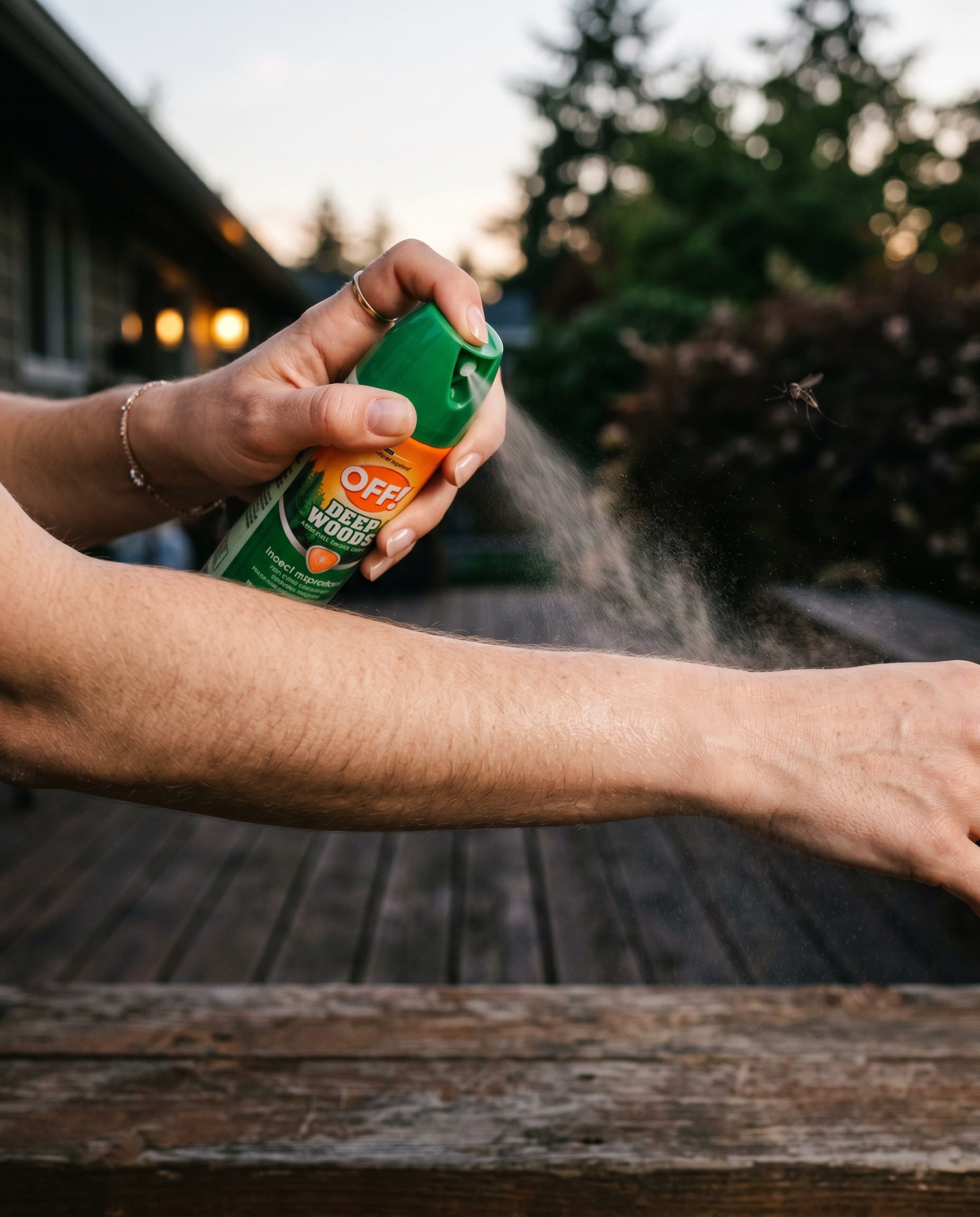
The second free-ish layer is keeping them off your skin. An EPA-registered repellent is the part with real evidence behind it, and the EPA’s tool for finding the right repellent lets you match an active like DEET or picaridin to how long you will be outside. Pair that with intact window and door screens, the simple step the CDC’s mosquito-bite prevention page leans on, and you have done more in an afternoon than a zapper does all summer. If you want the active-ingredient breakdown, our repellent guide on DEET, picaridin, and natural options covers what holds up.
Why zappers miss mosquitoes
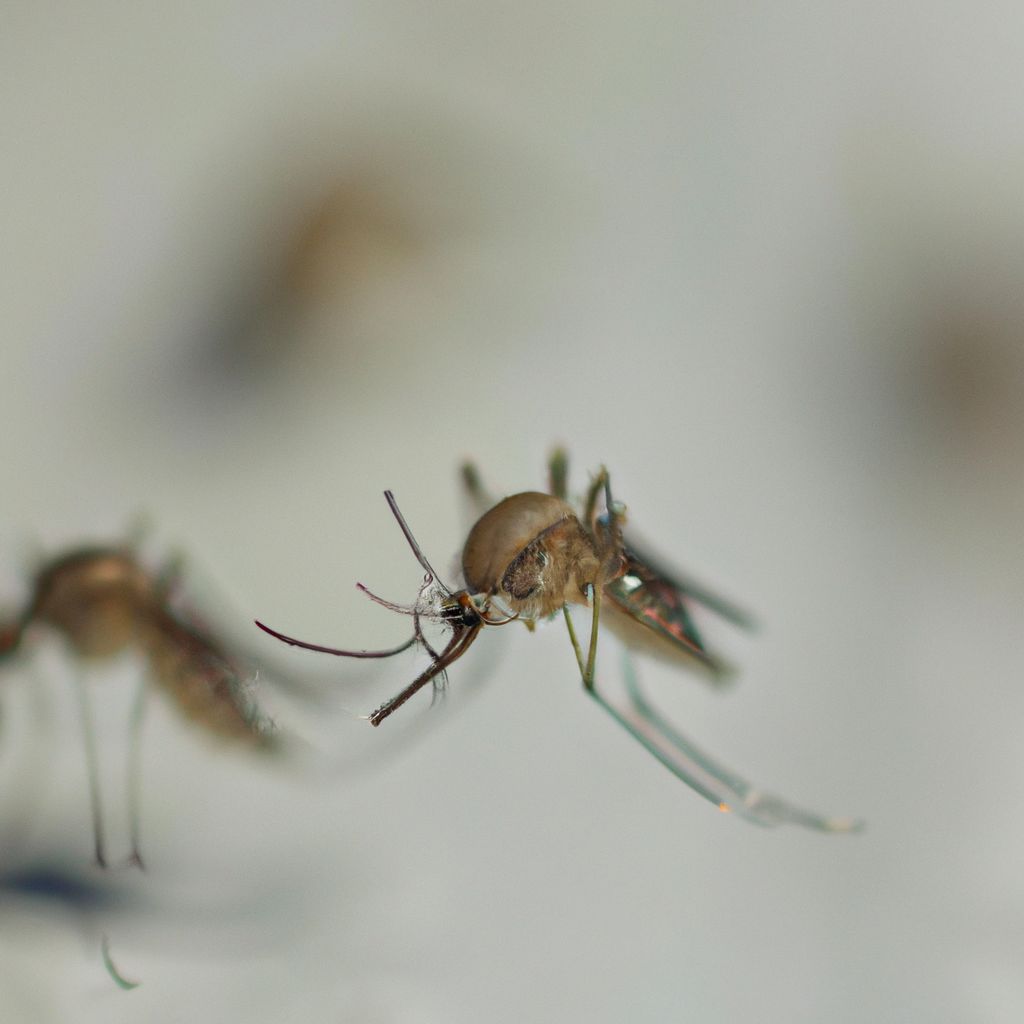
Here is the part the “top zapper” lists skip. Those purple grids attract insects with ultraviolet light, and most biting mosquitoes are not strongly drawn to UV in the first place. What pulls a female mosquito toward you is the carbon dioxide you exhale, your body heat, and your skin chemistry, none of which a bare UV bulb gives off. So the bug standing between you and the glowing grid is usually heading for you, not the lamp.
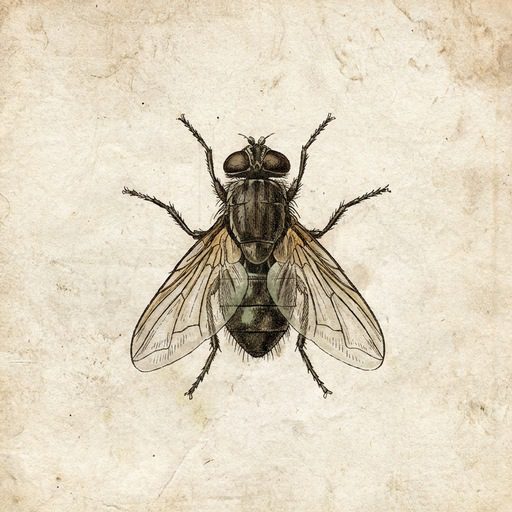
When researchers have actually counted the catch, the result is grim for the zapper crowd. Michigan State Extension reports that of the thousands of insects a zapper kills, only a tiny fraction are biting mosquitoes, and most of the victims are harmless or beneficial bugs like moths, beetles, and the parasitic wasps that keep other pests in check. The American Mosquito Control Association says much the same in its FAQ, grouping electrocuting zappers with ultrasonic gadgets and repellent bracelets as products that do not deliver meaningful bite protection. A device that thins out the good bugs while barely touching the biters is working against you, not for you. If a salesperson promises a zapper will clear your yard of mosquitoes, that is the claim to walk away from.
Lure trap vs plain zapper
If you still want a bug-killing device on the patio, the honest split is between a plain UV zapper and one that adds a chemical lure. A lure such as octenol or a CO2 source imitates the cues a mosquito hunts by, so a lure model has at least a chance of pulling in a few more biters than a bulb alone. It is still not yard-wide control, but it is the difference between catching almost no mosquitoes and catching slightly more than almost none.
| Device | Best for | Watch-out |
|---|---|---|
| Plain UV zapper | Moths and flies near a porch light; ambiance | Catches almost no biting mosquitoes; kills beneficial insects |
| UV zapper with octenol lure | A few more biters plus the usual flies | Lure cartridges are a recurring cost; still not real control |
| Source reduction + repellent | Actually cutting the bites you get | Takes weekly habit, not a one-time purchase |
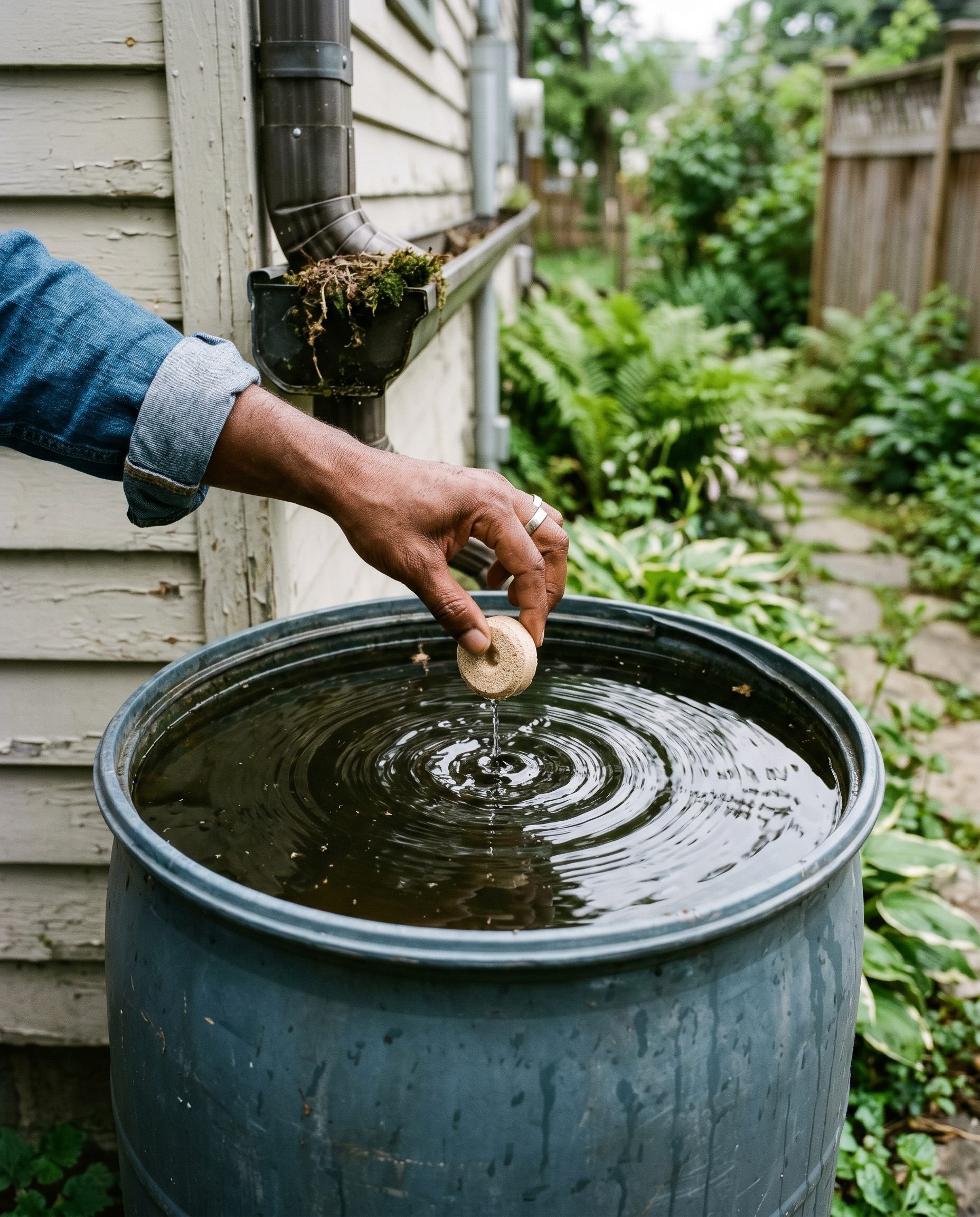
For a genuine reduction you want a true attractant trap that uses CO2 and heat to draw and capture females over weeks, which is a different category from an electrocuting zapper; our tested rundown of mosquito traps for the yard and patio covers those. And the real lever sits below the adults entirely: the EPA’s guidance on controlling mosquitoes at the larval stage explains how a Bti dunk dropped into water you cannot drain, like a rain barrel or a low spot, kills the larvae before they ever grow wings. A dollar dunk in standing water out-performs any zapper on the market for the one species you care about.
Where to put one (and what to expect)
If you buy a zapper for the flies and moths, place it away from where you sit, not over the table. The light pulls insects in, so hanging it near you draws bugs toward your space rather than away from it. Set it twenty to forty feet from the patio, higher than head height, in a spot with its own draw such as a dark corner of the yard, and let it work the perimeter. Run it at dusk and into the evening when the flying insects are active, and clean the grid when it cakes up so it keeps arcing.
Keep your expectations honest about what it is doing. It is a bug-zapping night light, not a mosquito plan, so do not skip the repellent or the water dump because the grid is crackling. There is a real reason to take the biters seriously: the CDC notes West Nile virus is the most common mosquito-borne disease in the continental United States, and it is the bite you prevent, not the moth you electrocute, that matters. Outdoors near a vegetable garden or flower bed, lean even harder on source reduction, since the beneficial pollinators and predators a zapper kills are the ones you want around your plants.
The picks
These come after the analysis on purpose, because the analysis is the point: none of these is mosquito control. They are decent at the moths-and-flies job a zapper can actually do, listed for the reader who wants the glow on the porch anyway, and the lure model is the one with any shot at the occasional biter.
InsectoGuide is reader-supported. As an Amazon Associate we earn from qualifying purchases at no extra cost to you.
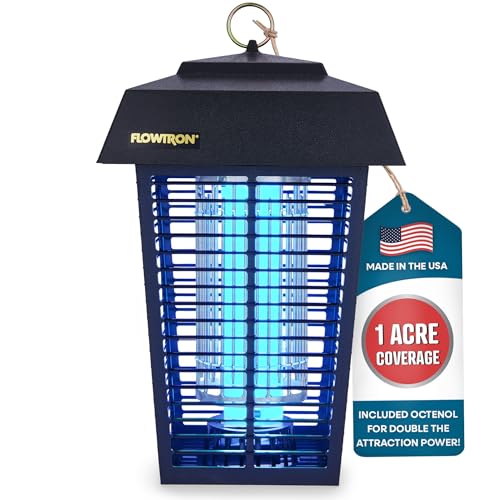
For moths and flies over a big yard, hung well away from where you sit.
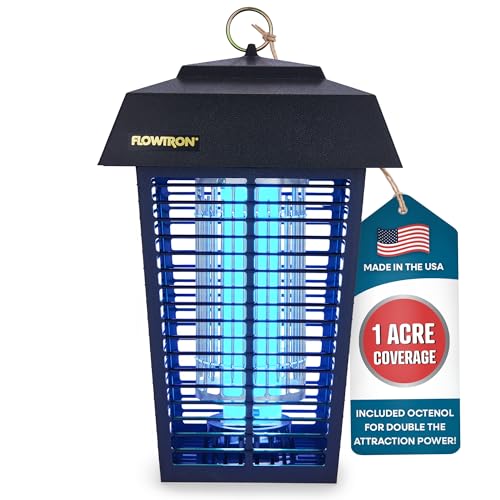
The version with any shot at a few biters, thanks to the UV-plus-octenol lure.
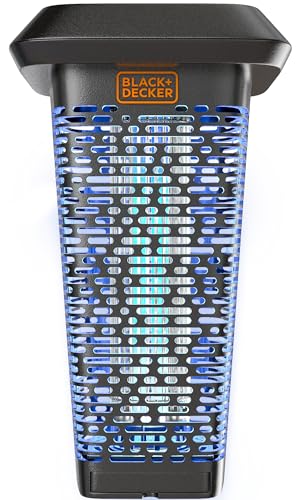
A small lantern for gnats and flies on a porch or in a garage, not a mosquito fix.
Common questions
Do bug zappers actually kill mosquitoes?
Barely. Mosquitoes track carbon dioxide and body heat, not the UV light a zapper uses, so they are rarely the catch. Michigan State Extension found only a sliver of a zapper’s kill is biting mosquitoes, while most are harmless bugs. For the bite count, source reduction and repellent do the real work.
Does adding an octenol or CO2 lure help?
A little. A lure imitates the cues a mosquito hunts by, so a lure model catches a few more biters than a plain UV grid. It is still not yard-wide control. If you want a device that meaningfully captures females, look at a dedicated CO2 attractant trap rather than an electrocuting zapper.
Are zappers bad for the garden?
They can be. The American Mosquito Control Association and Extension sources note zappers kill large numbers of moths, beetles, and beneficial insects, including the predators and pollinators that help your plants. Near a vegetable bed or flowers, that trade-off works against you, so prevention is the better call.
Can I use one indoors for gnats and flies?
Yes, an indoor-rated lantern zapper handles small flying nuisances like gnats and fruit flies in a kitchen or garage. Just do not expect it to stop mosquito bites. Keep it away from food-prep surfaces and follow the product’s placement instructions.
What is the single best thing I can do about mosquitoes?
Empty standing water every week and wear an EPA-registered repellent when you are outside. The EPA and CDC both put draining breeding sites first, because no flying adult appears without water to grow in. For water you cannot drain, a Bti larvicide dunk handles the larvae cheaply.
Final verdict
A bug zapper is a fine porch night light for moths and flies and a poor answer to mosquitoes, so do not let the crackle fool you into thinking the biters are handled. Start free by dumping every dish of standing water weekly and wearing an EPA-registered repellent, which is the combination that actually cuts the bites you take. Add a Bti dunk to any water you cannot drain, and consider a real CO2 attractant trap if you want a device that captures females. If you still want a zapper, pick a lure model for any shot at a biter, place it well away from where you sit, and treat it as ambiance. Skip the plain UV zapper marketed as mosquito control; it thins out beneficial insects and leaves the biters to find you.