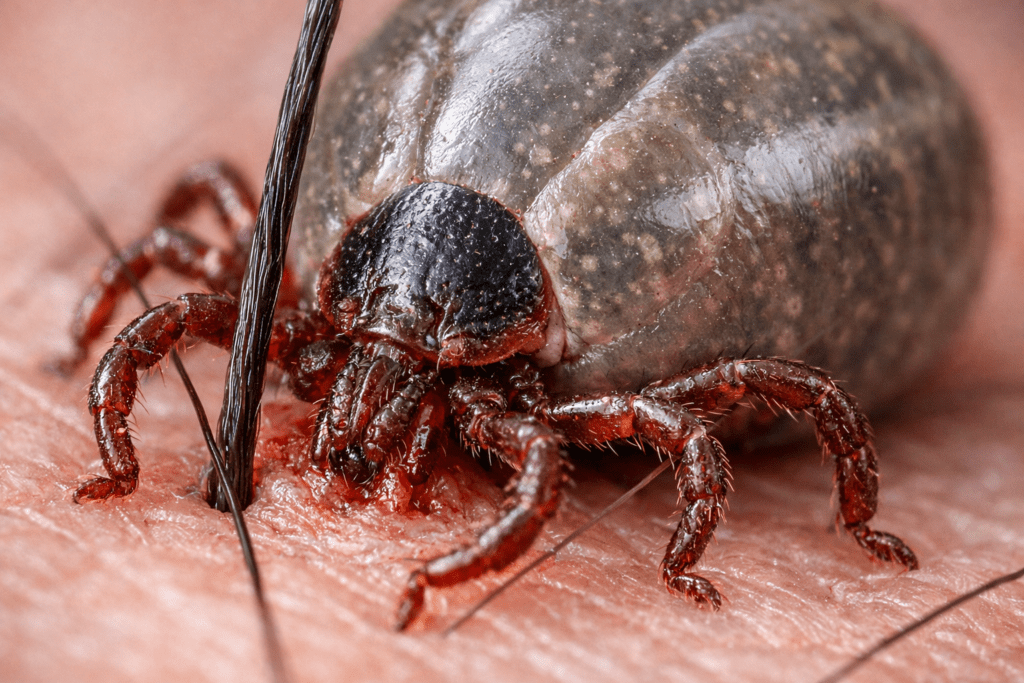
The best tick removal tool is the one you can reach for in seconds, because the whole technique comes down to gripping the tick close to the skin and pulling straight up, slow and steady. A purpose-built tool does that more reliably than fingernails, which tend to squeeze the body and leave the mouthparts behind. The short answer: keep a tick key on your keyring and a pair of fine-point tweezers in the cabinet, and skip the folklore of matches, nail polish, and petroleum jelly, because those just make a tick salivate and raise the chance of infection. In our own mudroom we keep a key clipped to the dog leash and tweezers by the door, nothing fancier. Most lists rank a gimmicky gadget first; the comparison below shows why a simple key or tweezers beats it.
Grab the tick close to the skin and pull straight up, slow and steady; a tick key or fine-point tweezers does this better than fingernails, and a simple tool beats any gimmicky gadget, so keep one where you can reach it fast.
- Do first (free): Do a careful tick check after time outdoors and get the tick off as soon as you find it.
- Best for the common case: A key-style tool on the keyring for quick grabs, plus fine-point tweezers for tiny nymphs.
- Skip: Matches, nail polish, and petroleum jelly, which make the tick salivate instead of letting go.
What to do first
The free part matters more than the purchase: find the tick fast and get it off. A tick has to stay attached for a while before disease risk climbs, so the CDC’s tick-bite prevention guidance puts a careful tick check and prompt removal at the center of the routine. Run your fingers along the scalp, behind the ears, the waistband, the backs of the knees, and the dog’s neck and ears after any walk in tall grass or leaf litter. Speed beats any tool here, because every hour an attached tick stays on raises the odds it passes something along.
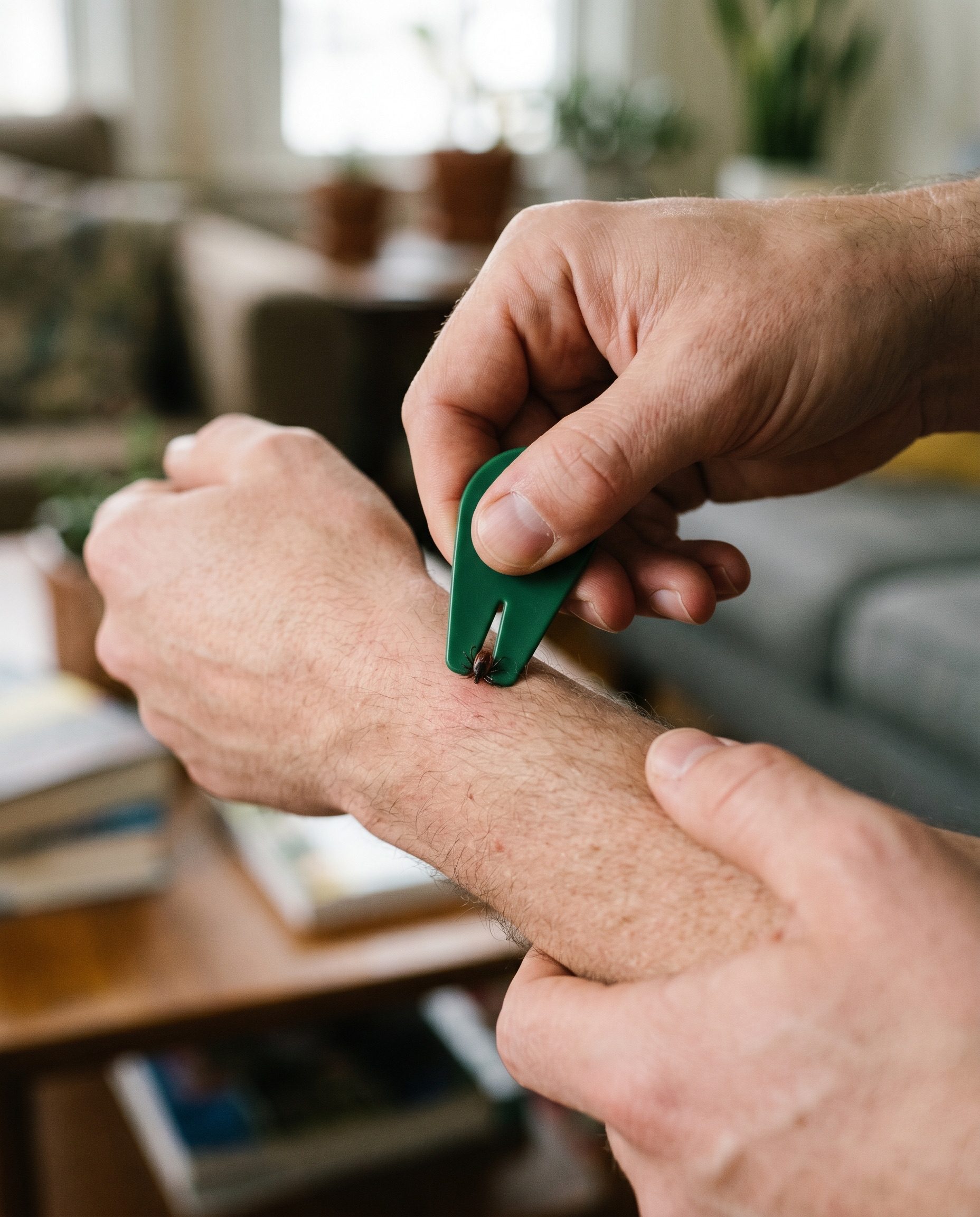
When you do find one, the method is the same no matter which tool you hold. Slide the grip in flat against the skin, get as low as you can on the tick’s mouthparts, and lift straight up with steady pressure. Do not twist, jerk, or crush the body. The University of Rhode Island’s TickEncounter guidance on proper removal shows the same low-grip, straight-pull motion that any decent tool is built to make easy. Our step-by-step guide to removing a tick safely walks through it in detail if you want the full sequence before your next trip outside.
How we evaluated these tick-removal tools
This is a practical handling review, not a laboratory disease-prevention study. The ranking favors tools that help a normal user do the source-backed removal motion: get low, grip close to the skin, pull steadily, and avoid squeezing or irritating the tick. We weighted four things: control on tiny nymphs, control on larger adult ticks, whether the tool is easy to keep nearby, and whether the design encourages the same removal method described by the CDC and TickEncounter.
Step-by-step: remove the tick first, then decide what to buy
- Grip close to the skin. Use fine-point tweezers or a tick-removal tool slot as close to the skin surface as possible. The CDC tick-bite guidance and TickEncounter removal guide both emphasize a low grip.
- Pull upward with slow, steady pressure. Do not use heat, nail polish, petroleum jelly, essential oils, or other tricks to make the tick detach. CDC guidance warns that these methods can agitate the tick.
- Clean, save, and monitor. Clean the bite and your hands. Save the tick in a sealed bag if identification may help, then watch for rash, fever, aches, or worsening redness in the following days and weeks.
That is why a key-style remover is useful for quick adult-tick grabs, while fine-point tweezers still matter for tiny nymphs. A twist tool can help some users lift a tick cleanly, but the important part is still controlled removal without burning, coating, or crushing the tick.
Why the folklore makes it worse
Here is where most advice goes off the rails. The old tricks of holding a hot match to the tick, smothering it in nail polish, or coating it in petroleum jelly all share the same flaw: they irritate the tick while it is still attached. A stressed tick salivates and may regurgitate into the bite, which is exactly the wrong direction if you are trying to lower infection risk. The goal is a clean, quick mechanical pull, not a standoff where you wait for the tick to back out on its own.
Skip the waiting game and go straight to removal. The CDC’s Lyme prevention page is clear that prompt removal, not folk remedies, is what lowers risk after a bite. The same logic rules out the pricier “smart” gadgets that promise a painless, no-grip extraction: most add steps or moving parts without improving on a flat slot or a fine point. If your job is to grip low and pull up, a three-dollar key does that as well as a thirty-dollar device, and it is small enough to actually be on you when you need it. The tool that is in your pocket beats the better tool sitting in a drawer at home.
Key vs tweezers vs twist
Once you know the motion, the choice between tool styles is short. Decide by two questions: how small are the ticks you usually deal with, and where do you need the tool to live. The point is to match the form to the situation, not to buy the busiest design on the shelf.
| Tool type | Best for | Watch-out |
|---|---|---|
| Slotted key | Quick grabs on the trail, the dog, and adult ticks | The slot can be too wide for the smallest nymphs |
| Fine-point tweezers | Tiny nymph-stage ticks and precise grips at the skin | Easy to pinch the body if you grab too high |
| Twist/hook tool | Slipping under a tick and lifting the whole head out | One more shape to keep track of; learn the motion first |
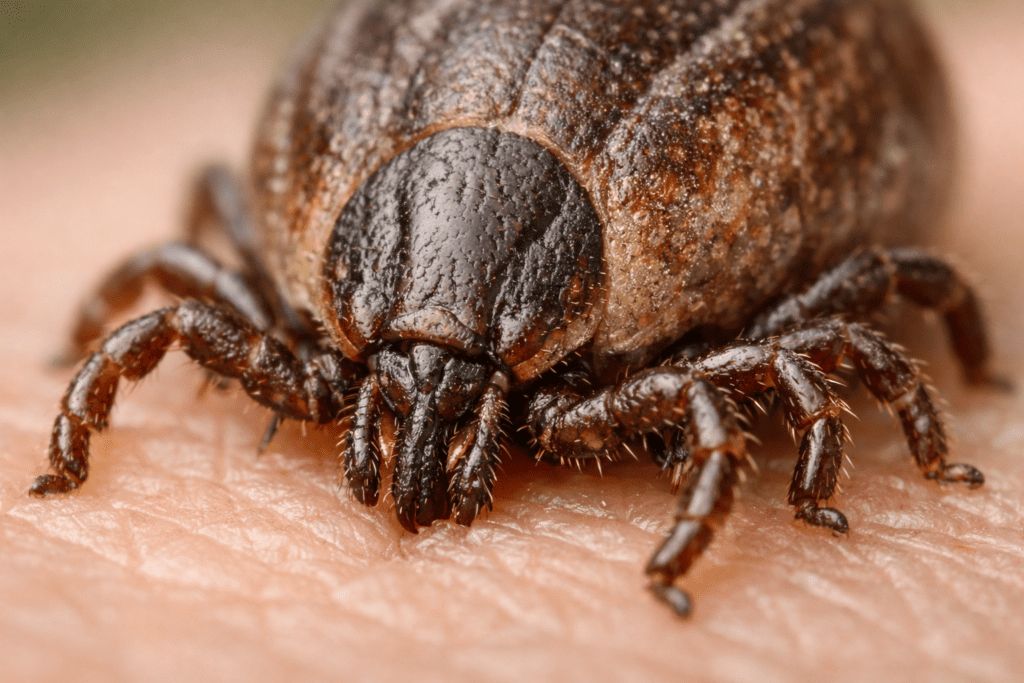
Why not just buy one and call it done? Because the tick you find dictates the tool. A slotted key is fast and forgiving for the common adult tick on a person or a pet, but its slot can ride over a poppy-seed-sized nymph, and nymphs are the ones the CDC notes do most of the biting because they are so easy to miss. That is where fine-point tweezers earn their place, since a sharp tip can get under a tiny tick the key skips. A twist or hook tool is a fine middle option for people who like sliding under the tick and lifting, and it does tend to keep the mouthparts intact. None of these is magic; the right tool is whichever one you can grip low with, and have on hand.
Where to keep them and how to use them
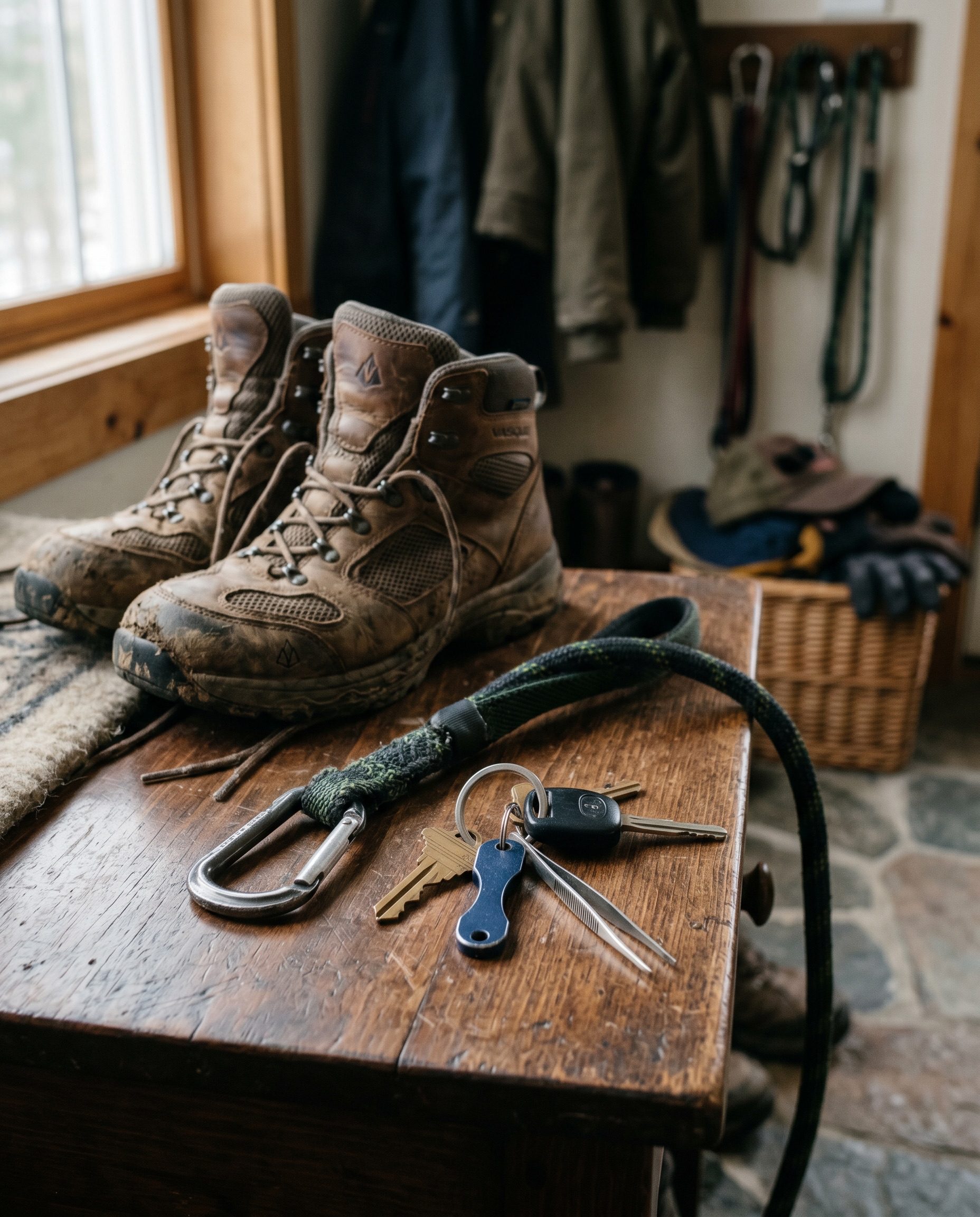
Placement beats firepower. Clip a key-style tool to the keyring and the dog leash, and stash a pair of fine-point tweezers by the door you come in from the yard, so the tool is on you the moment you find a tick rather than across the house. For the actual removal, press the grip flat to the skin, slide it under the tick’s head, and pull straight up with slow, even pressure until it releases. Clean the bite and your hands with soap and water afterward, and drop the tick in a sealed bag or flush it rather than crushing it with your fingers.
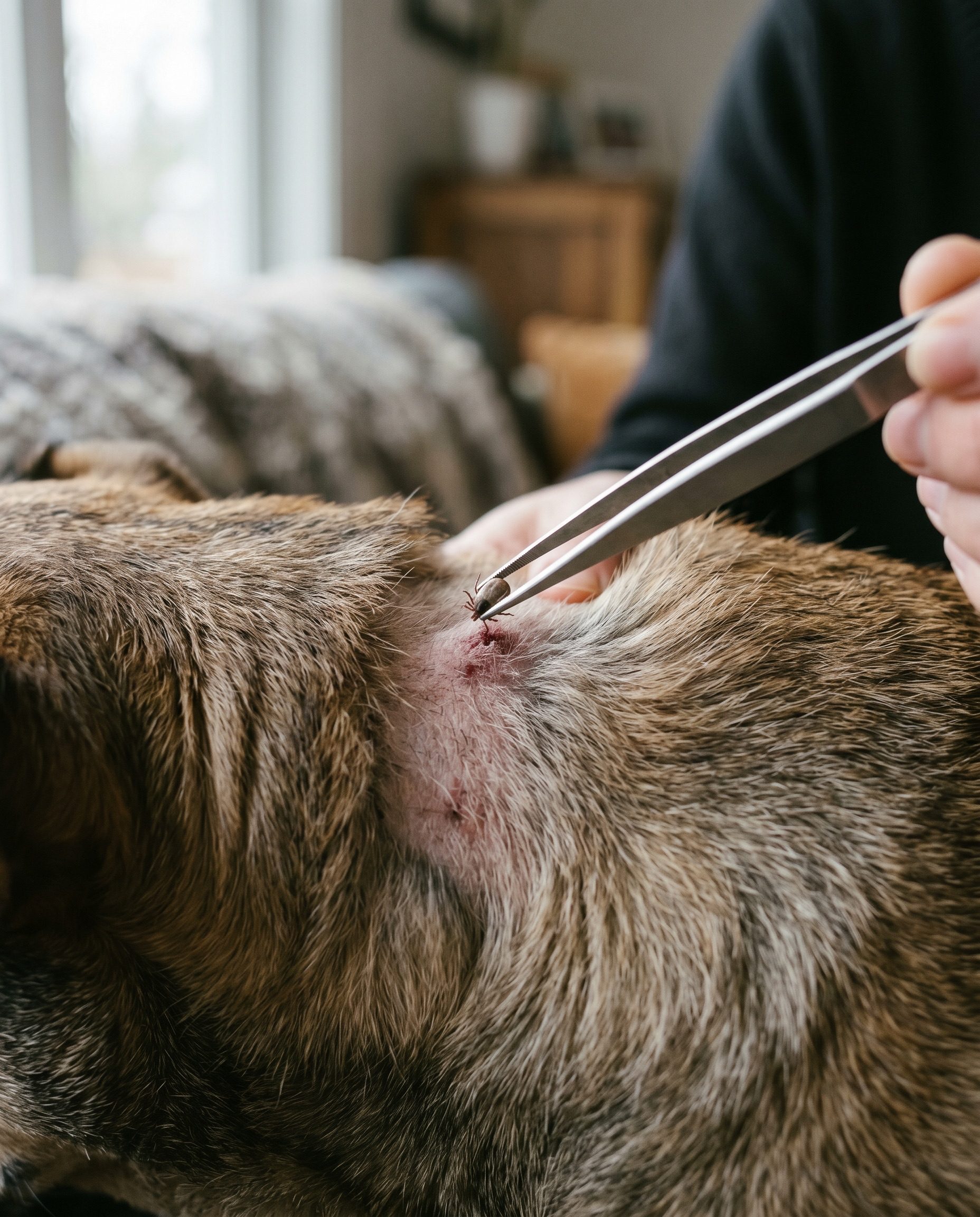
For dogs, the same low-grip, straight-pull motion works, and a key clipped to the leash means you can handle a tick on the trail before it has time to settle in. One safety note for pet owners: if you also use a tick-repellent product, permethrin is highly toxic to cats even though it is common in dog products, so keep the two pets separated while a treatment dries and ask your veterinarian before using anything new. The EPA’s guidance on permethrin-treated clothing covers how that chemistry protects people on the gear side, but on the animal side defer to your vet rather than guessing at a dose. If you want a refresher on which species you are likely pulling off, our tick identification guide sorts the common ones by region and season.
The picks
Cards come after the analysis on purpose, because the kind of tick you usually find decides which tool you buy. These three cover the keyring quick-grab, the kit with tweezers for tiny nymphs, and the twist tool for clean head-out removal, and all are common, widely available products.
InsectoGuide is reader-supported. As an Amazon Associate we earn from qualifying purchases at no extra cost to you.
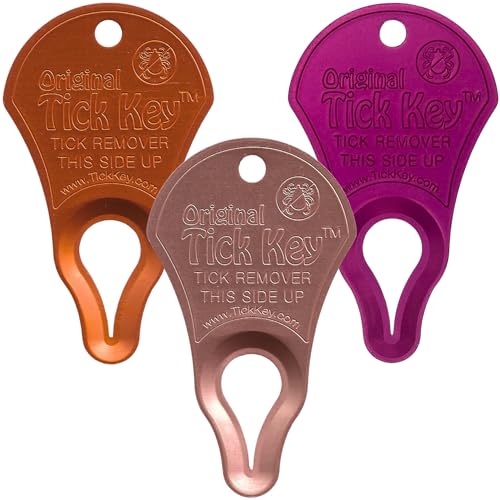
A keyring tool for fast grabs on the trail, the dog, and yourself.
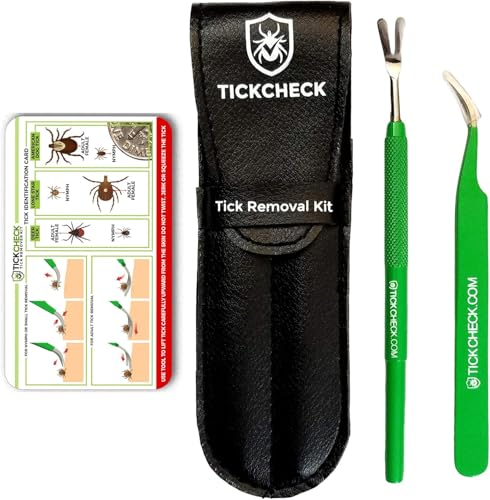
Covers both jobs: a remover for adults plus tweezers for tiny nymphs.
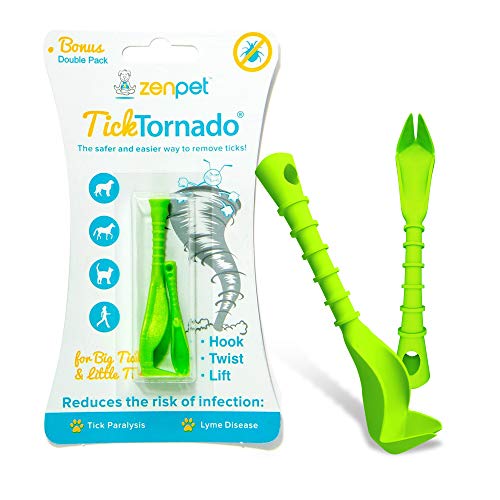
A hook-and-twist tool for people who prefer lifting over pinching.
Common questions
What is the right way to remove a tick?
Grip it as close to the skin as you can with a tool or fine-point tweezers, then pull straight up with slow, steady pressure. Do not twist or yank. Clean the bite and your hands with soap and water afterward, and save the tick in a sealed bag in case you need to show a doctor.
Do I need a special tool, or are tweezers enough?
Fine-point tweezers are genuinely good, especially for tiny nymphs, so you do not strictly need a gadget. A key-style tool just makes the low grip easy and lives on your keyring, which is why many people keep both. What matters is having something on hand, not which one.
What about matches, nail polish, or petroleum jelly?
Skip all of them. Those tricks irritate the tick while it is attached, which can make it salivate into the bite. The CDC’s Lyme prevention guidance points to prompt mechanical removal instead, not waiting for the tick to back out.
What if the head or mouthparts break off?
Try to lift them out with clean fine-point tweezers, and if they will not come, leave the spot alone and let the skin heal. According to MedlinePlus on Lyme disease, a small piece left behind is usually not a big deal, but watch the area and contact a doctor if it gets red, swollen, or sore.
When should I see a doctor after a tick bite?
Watch for fever, body aches, or an expanding rash in the weeks after a bite, and see a healthcare provider if any of those show up. The CDC’s Lyme disease overview describes the early rash to look for. If you are unsure what bit you, our guide on tick bite symptoms and when to see a doctor lays out the warning signs.
What to read next after removing the tick
For prevention, compare DEET, picaridin, and permethrin tick repellents. If you are not sure what symptoms matter after a bite, use the tick bite symptoms guide. Hikers should also read the guide to checking for ticks after hiking, because the best removal tool is still less important than finding the tick early.
Final verdict
There is no single best tick removal tool, because the right one is whichever you can grip low with and actually have on you. Start free with a careful tick check and quick removal, then keep a key-style tool on the keyring and fine-point tweezers by the door so a tiny nymph never stumps you. Reach for the key for fast grabs on the trail and the dog, the kit when you want tweezers for the small ones, and a twist tool if you prefer lifting to pinching. Skip the matches, nail polish, and petroleum jelly entirely; they make the tick salivate instead of letting go. Whatever you pick, the motion is the same every time: grab close to the skin, pull straight up, slow and steady.