
Finding a tick on your sock after a hike can feel like a small problem – until you start wondering about tick-borne diseases. In the U.S., reported cases have climbed sharply over the last two decades as tick ranges expand and seasons stretch longer. The good news is that most infections are preventable, and many are highly treatable when caught early. This guide explains the major illnesses (including Lyme disease, anaplasmosis, and Rocky Mountain spotted fever), what symptoms to watch for, how long a tick must bite to transmit germs, and the most practical prevention steps that actually reduce risk.
Quick Answer: What are tick-borne diseases and how do you avoid them?
Tick-borne diseases are infections caused by bacteria, parasites, or viruses that ticks can transmit while feeding. You can lower risk fast by preventing bites, removing ticks promptly, and watching for early symptoms.
Fast facts (save this):
- Most common U.S. illness: Lyme disease (caused by Borrelia burgdorferi) spread mainly by blacklegged ticks.
- Other major threats: anaplasmosis, ehrlichiosis, babesiosis, and Rocky Mountain spotted fever (RMSF).
- Typical early symptoms: fever, chills, headache, fatigue, muscle aches, and sometimes a rash.
- Timing matters: many infections require many hours of attachment (often 36+), but Powassan virus can transmit in about 15 minutes.
- Best prevention combo: repellent + protective clothing + daily tick checks + prompt removal.
- When to call a clinician: fever or rash within 30 days of a bite, or any severe headache, confusion, or shortness of breath.
For a repellent breakdown and what to use on clothing vs skin, see Best Tick Repellents for Humans: DEET, Picaridin & Permethrin.
Tick-borne diseases are rising: what’s driving the trend?
If it feels like ticks are “everywhere” lately, you are not imagining it. Reported tick-borne disease cases in the U.S. have increased dramatically since the mid-2000s, influenced by better surveillance, more awareness, and real ecological change. According to the Centers for Disease Control and Prevention Lyme disease data and statistics, Lyme disease remains the most commonly reported tick-borne illness, and the CDC also estimates far more diagnoses and treatments occur annually than what case reports alone capture.
So why the surge? Think of ticks like tiny humidity-dependent hunters. They do best when temperatures are mild and the landscape stays moist. Warmer winters can improve survival, and longer shoulder seasons (early spring, late fall) extend the time ticks spend searching for hosts. Public-facing forecasts and seasonal outlooks also point to higher tick activity in some years following mild, wet conditions. For example, reports compiled by the Integrated Pest Management Institute and tick-season updates from the National Pest Management Association highlight how weather patterns can set the stage for heavier tick pressure in many regions.
What this means for your day-to-day risk
Tick risk is no longer limited to a few “classic” hotspots. While the Northeast and Upper Midwest still carry a heavy Lyme burden, tick encounters and tick-borne infections have been documented across the country. The Johns Hopkins Bloomberg School of Public Health notes that multiple tick-borne diseases continue to expand in geographic range, and clinicians must consider them even outside historical areas.
Quick “risk snapshot” table (visual)
| Factor | What increases risk | What lowers risk |
|---|---|---|
| Season | Mild winters, warm spring/fall days | Cold snaps, dry conditions |
| Habitat | Brushy edges, tall grass, leaf litter | Mowed paths, open sunny areas |
| Behavior | Sitting on logs, bushwhacking | Staying centered on trails |
| Clothing | Shorts, low socks | Pants tucked into socks, light colors |
| Aftercare | No tick check | Shower + full-body check within 2 hours |
Actionable takeaway: treat tick prevention like sunscreen. You do it before you “need” it.
Lyme disease, anaplasmosis, RMSF: the big three to recognize quickly
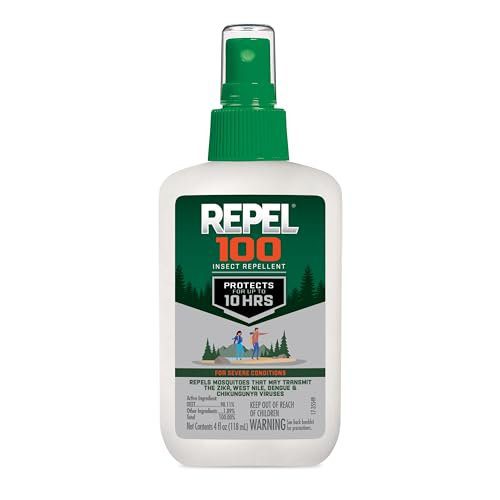
Repel 100 Insect Repellent, 4 Ounces, With DEET, 10-Hour Protection Long-Lasting Insect Repellent Pump Spray Repels Mosquitoes, Ticks, Gnats, Biting Flies, Chiggers And Fleas
This product is a highly effective insect repellent that contains 100% DEET, making it ideal for preventing tick bites during outdoor activities.
Most people searching about tick illness are really asking one thing: “If I get sick after a bite, what could it be?” Let’s make that practical.
Lyme disease (blacklegged tick)
Lyme disease is caused by Borrelia burgdorferi and is transmitted mainly by blacklegged ticks (often called deer ticks). Early signs can include fever, fatigue, headache, and muscle or joint aches. Many, but not all, people develop a rash. The classic “bullseye” rash (erythema migrans) is memorable, but real-life rashes vary in shape and can look like a solid red patch.
When treated early with appropriate antibiotics, outcomes are usually very good. The key is not waiting weeks while symptoms simmer. For current trends and why reporting has changed over time, see tick illness coverage from UCLA Health along with CDC statistics.
Anaplasmosis (also often blacklegged tick)
Anaplasmosis is a bacterial illness that often presents like a sudden flu: fever, chills, headache, and body aches. Rashes are less common than in Lyme. Because symptoms overlap with other infections, it can be missed unless clinicians consider it and order the right tests.
Rocky Mountain spotted fever (American dog tick and others)
RMSF is caused by Rickettsia rickettsii. Despite the name, it is not confined to the Rocky Mountains. Cases occur in many regions of the U.S., and delays in treatment can be dangerous. Many medical guidelines emphasize starting doxycycline promptly when RMSF is suspected rather than waiting for lab confirmation.
“Which one is it?” symptom comparison (visual)
| Illness | Common early signs | Rash? | Why speed matters |
|---|---|---|---|
| Lyme disease | Fatigue, fever, aches | Sometimes | Early antibiotics prevent later complications |
| Anaplasmosis | Fever, chills, headache | Uncommon | Can worsen quickly in some patients |
| RMSF | Fever, severe headache | Often, but may appear later | Treatment delay increases severe outcomes |
Actionable takeaway: fever after a tick bite is never “just a cold” until proven otherwise. Call a clinician and mention the tick exposure and your location.
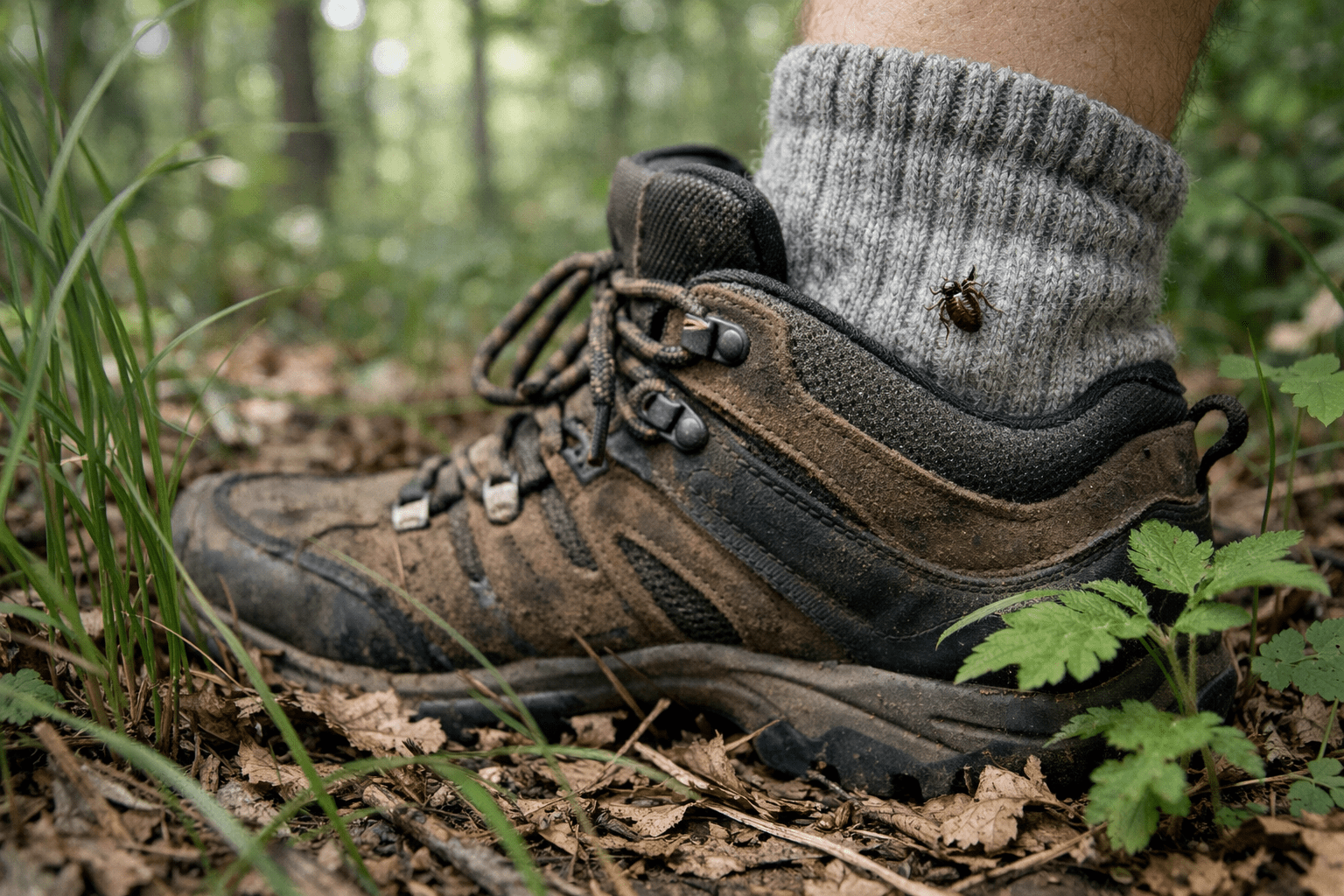
How tick transmission really works (and the removal steps that cut risk)
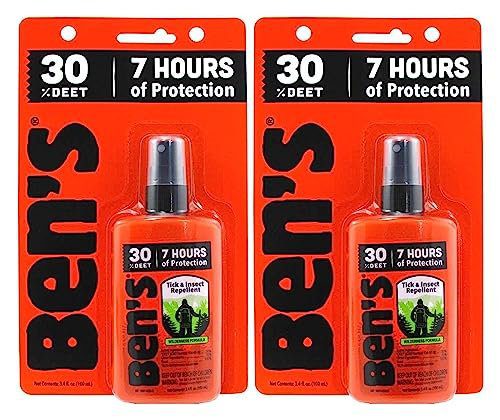
Ben’s Tick & Insect Repellent 30% Deet, Orange, 3.4 Ounce (2 Pack)
This repellent is specifically designed for ticks and provides long-lasting protection, making it a great choice for hikers and outdoor enthusiasts.
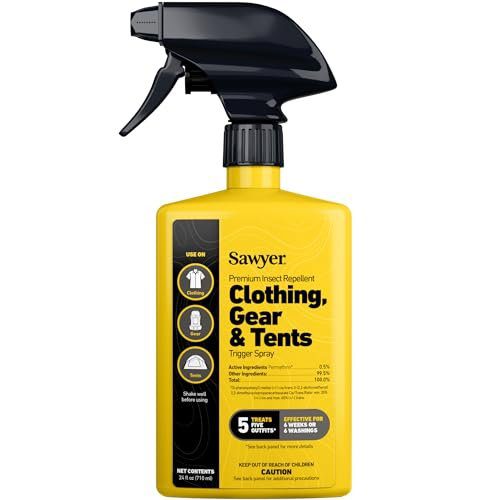
Sawyer Products SP657 Premium Permethrin Insect Repellent for Clothing, Gear & Tents, Trigger Spray, 24-Ounce
This product allows users to treat clothing and gear with permethrin, which repels and kills ticks on contact, enhancing outdoor safety.
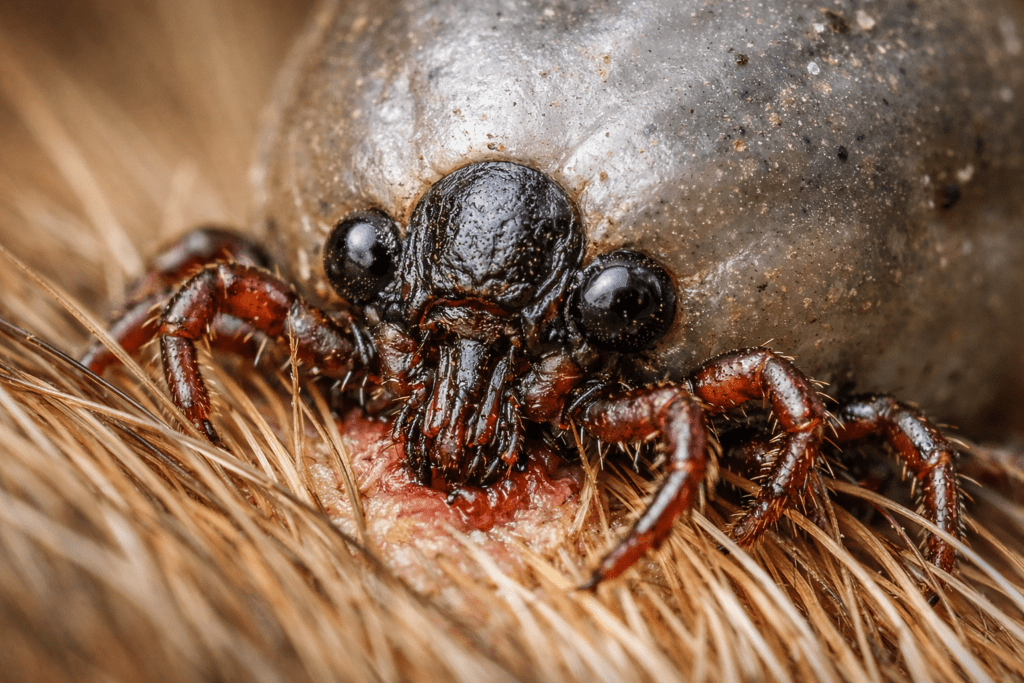
A tick bite is not like a mosquito bite. Mosquitoes inject saliva quickly, but hard ticks feed slowly and can stay attached for days. That time factor is one of your biggest advantages.
How long does a tick need to be attached?
For several bacterial infections, risk rises substantially the longer the tick feeds, and many transmissions are associated with prolonged attachment (often 36+ hours). However, there are exceptions. Powassan virus is the one everyone should know about because it can transmit very quickly – sometimes within about 15 minutes.
So what does that mean in real life? You cannot “time” risk perfectly, but you can stack the odds in your favor:
- Find ticks early with daily checks.
- Remove them correctly and immediately.
- Watch for symptoms for 30 days.
Tick check routine (visual checklist)
Do this after yard work, hiking, hunting, or time in brushy parks:
- Shower within 2 hours if possible.
- Clothes into a hot dryer for at least 10 minutes (heat kills ticks).
- Check high-miss areas: behind knees, waistband, belly button, underarms, scalp/hairline, behind ears.
- Check kids and pets carefully – ticks often crawl to hidden spots.
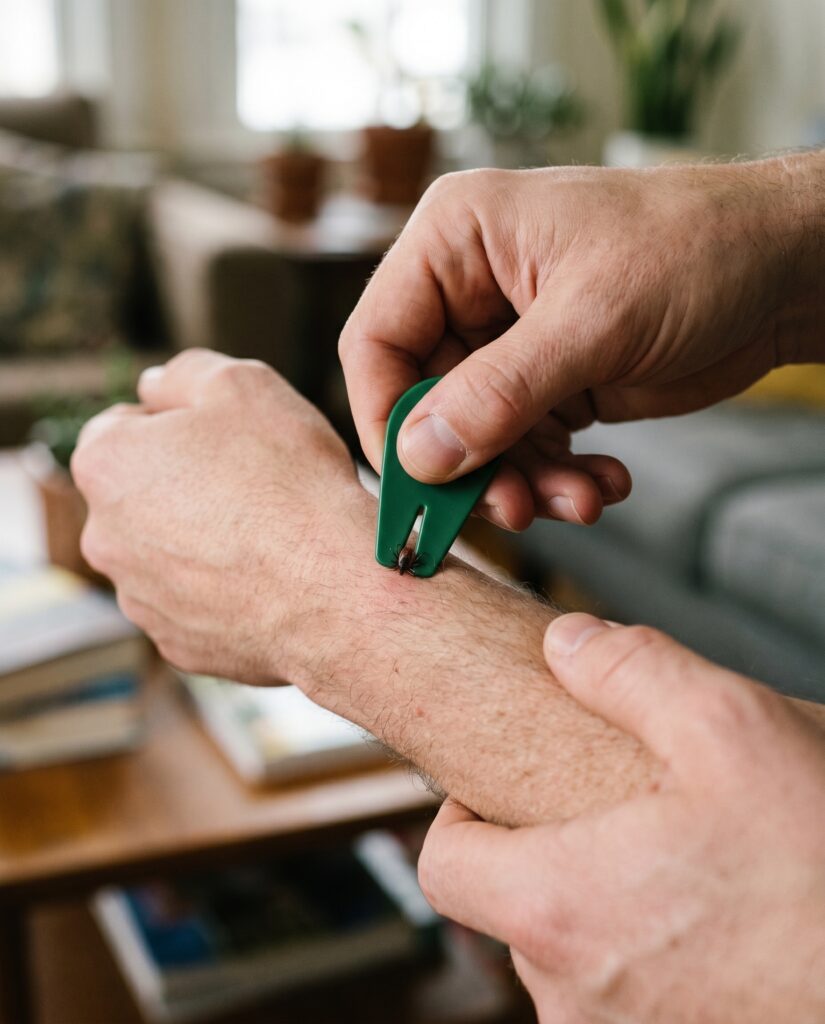
How to remove a tick safely
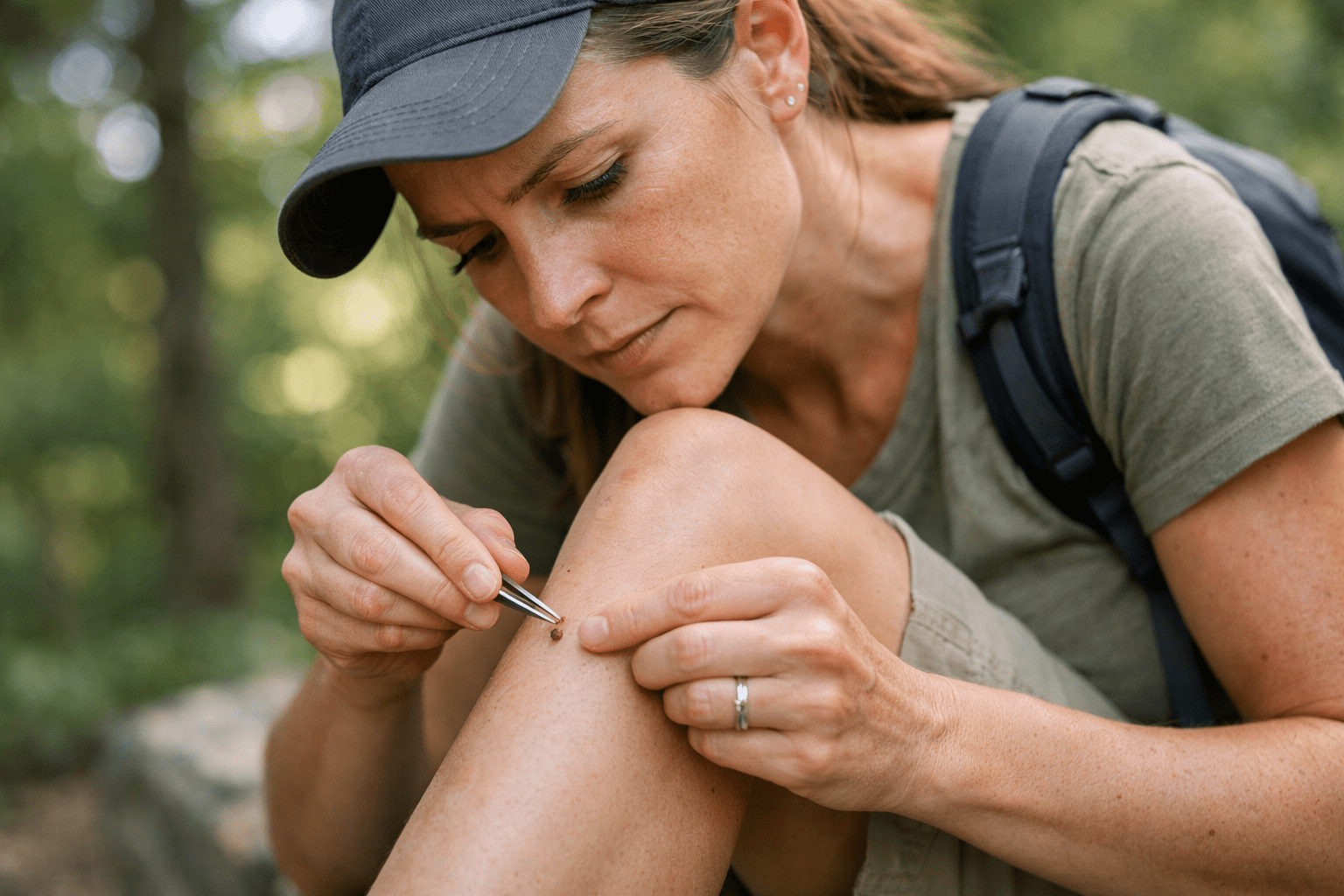
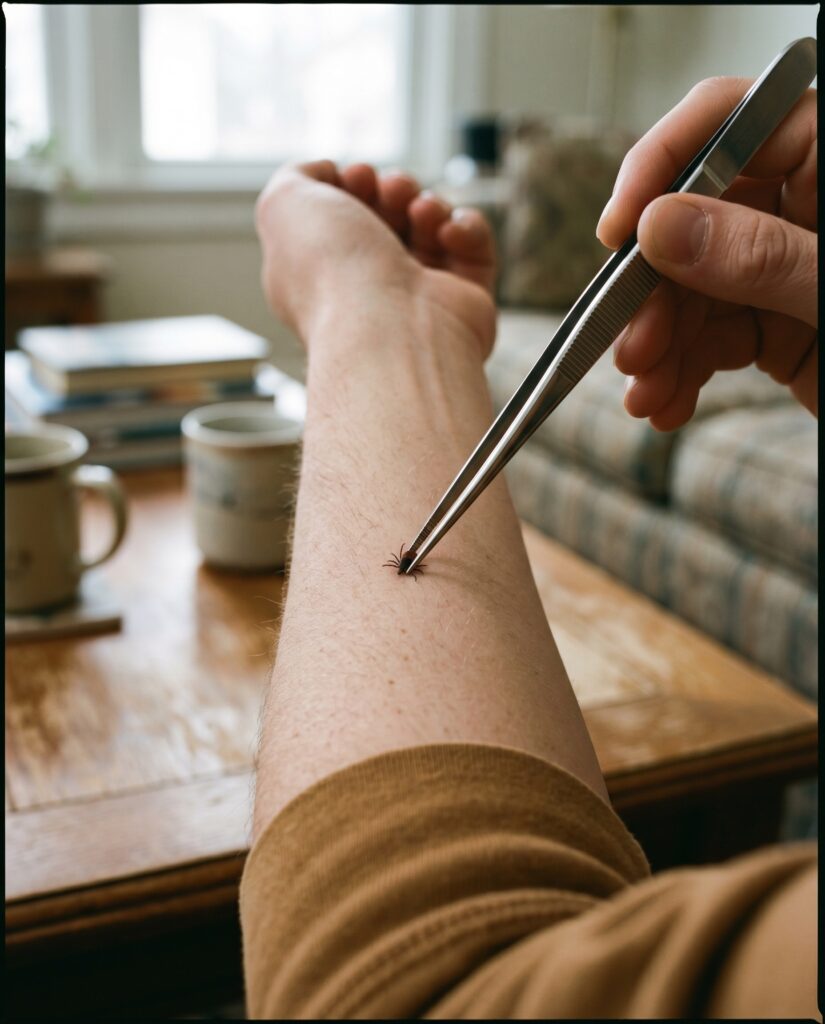
Use fine-tipped tweezers and a calm, steady pull. Avoid folklore methods like burning, nail polish, petroleum jelly, or twisting hard. Those methods can irritate the tick and increase messy mouthpart breakage.
For the full illustrated method, see How to Remove a Tick Safely: Complete Step-by-Step Guide.
After removal:
- Clean the bite with soap and water (or alcohol).
- Save the tick in a sealed bag if you want identification help.
- Take a clear photo of the tick and the bite area.
- Monitor for fever, rash, unusual fatigue, or joint pain for 30 days.
Actionable takeaway: prompt, correct removal is one of the few moments where you can directly reduce the chance of infection.
Prevention that works: clothing, repellents, yard strategy, and pets
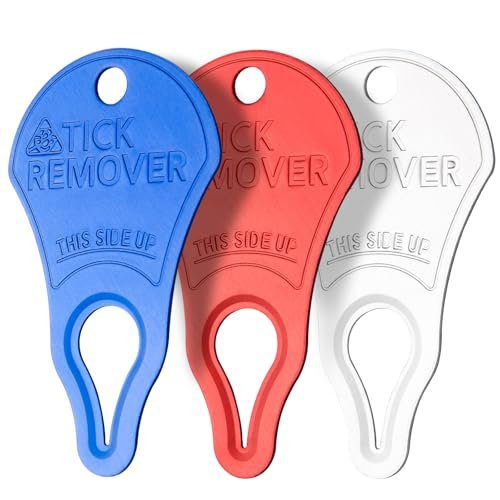
Dimsem 3 Pack Portable Tick Removal Tools, Tick Remover Tools for Dogs, Pets and Humans, Efficient, Safe and Reliable, Tick Key Essentials for Outdoor Activities
This tool is designed for safe and effective tick removal, which is crucial for preventing tick-borne diseases after outdoor activities.
Most tick bites happen close to home, not deep in the wilderness. The edge where lawn meets brush is prime tick habitat, especially where deer and rodents travel. Prevention works best when you combine personal protection with habitat management.
Personal protection (simple, high-impact)
Use a two-layer approach:
- Skin repellent: Products with DEET or picaridin can reduce bites when applied correctly.
- Clothing defense: Permethrin-treated clothing is highly effective because it affects ticks on contact.
If you want a practical product and use-case breakdown, refer to Best Tick Repellents for Humans: DEET, Picaridin & Permethrin.
Field-tested clothing tips:
- Wear light-colored pants so crawling ticks stand out.
- Tuck pants into socks when in tall grass.
- Stick to the center of trails and avoid brushing vegetation.
Yard tick control (reduce the “near-home” risk)
Ticks need humid microclimates. Your goal is to make the yard less friendly to them and less attractive to their hosts.
Yard checklist (visual):
- Keep grass trimmed and remove leaf litter.
- Create a 3-foot dry barrier (gravel or wood chips) between woods and lawn.
- Stack firewood neatly and keep it dry (rodents love messy piles).
- Discourage deer browsing with fencing or deer-resistant plantings.
For a targeted, low-spray option that focuses on rodent hosts, see Best Tick Tubes for Yard Tick Control.
Don’t forget tick ID and pets
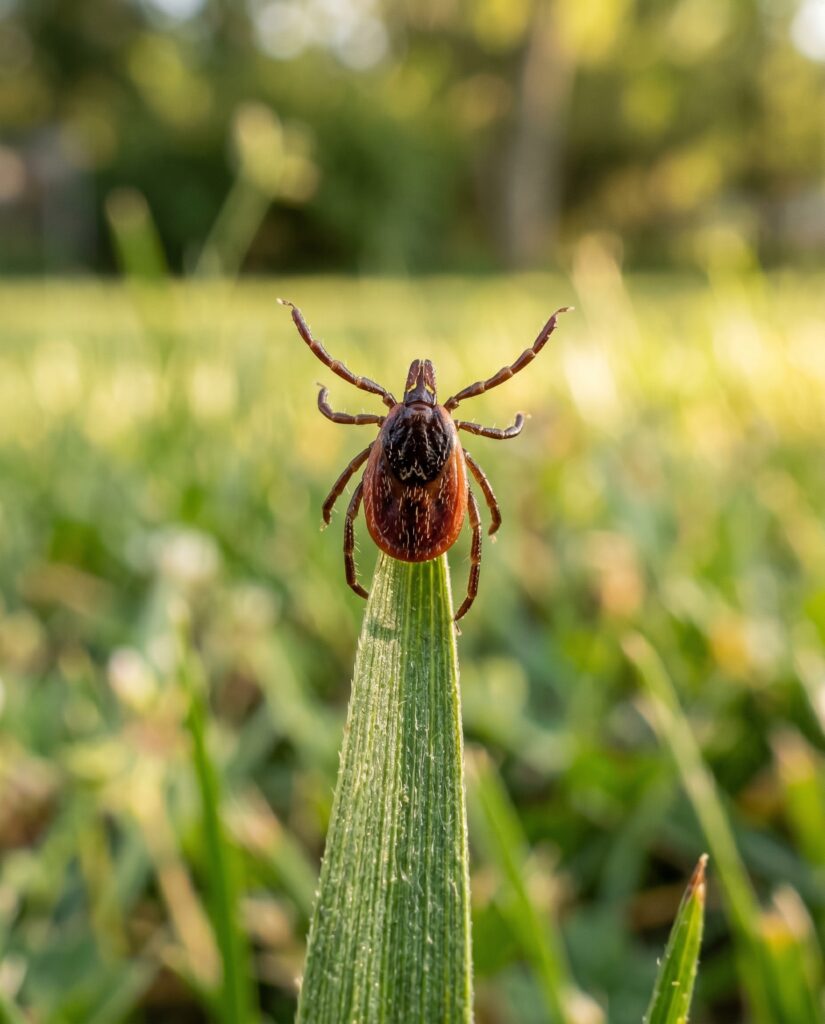
Different tick species carry different pathogens, and knowing what bit you can sharpen risk assessment. If you are not sure what you found, use Types of Ticks: Complete Identification Guide With Pictures.
Pets are also part of the prevention chain. Dogs and outdoor cats can bring ticks indoors, even if the ticks do not bite the pet. Use veterinarian-recommended preventives, check ears and collars daily, and wash pet bedding regularly.
Actionable takeaway: the best prevention plan is the one you can repeat. Choose a “default” routine for hikes and a separate routine for yard work.
Misconceptions that lead to missed diagnoses (and what to do instead)
Misinformation around tick illness causes two common problems: people ignore real symptoms, or they panic after low-risk encounters. Let’s replace myths with practical decision-making.
Myth 1: “Ticks are only a spring and summer problem.”
In many regions, ticks can be active whenever temperatures rise above freezing, especially on sunny winter days. Longer warm seasons mean more opportunities for bites. Prevention should not be seasonal-only.
Do instead: keep a small tick kit year-round (tweezers, alcohol wipes, small bag, magnifier).
Myth 2: “Rocky Mountain spotted fever only happens in the Rockies.”
The name is historical, not geographic. RMSF cases occur across the U.S., and the tick species involved vary by region. What matters is symptoms plus exposure, not the label on the map.
Do instead: if fever and severe headache follow a tick bite, seek care quickly and mention RMSF as a possibility.
Myth 3: “If I pulled the tick off fast, I’m 100% safe.”
Prompt removal lowers risk for many infections, but not all. Powassan virus can transmit very quickly. Also, not everyone notices a tick right away.
Do instead: remove it immediately, then monitor for symptoms for 30 days.
Myth 4: “Antibiotics after every tick bite are standard.”
In most situations, clinicians do not automatically prescribe antibiotics after a bite. Decisions depend on tick species, how long it was attached, local disease rates, and patient factors. Vaccine research is active, but most tick-borne diseases still have no widely available vaccines. For a clinician-focused overview of vaccine development and what may change in coming years, see the Infectious Diseases Society of America Science Speaks update.
Do instead: document the bite, identify the tick if possible, and call your clinician if symptoms appear.
“Call now vs monitor” decision box (visual)
Call a clinician promptly if you have:
- Fever, chills, or flu-like illness after a tick bite
- A new rash (any pattern)
- Severe headache, neck stiffness, confusion
- Shortness of breath, unusual bruising, or dark urine
- High-risk conditions (immunocompromised, no spleen, older adults)
Monitor at home if:
- No symptoms and the tick was removed promptly
- You can reliably watch for changes over the next 30 days
Conclusion
Tick-borne diseases are increasing in many parts of the U.S., but the most effective tools are still straightforward: prevent bites, do daily tick checks, remove ticks correctly, and take early symptoms seriously. Lyme disease may be the best-known, yet anaplasmosis, RMSF, babesiosis, and viral infections like Powassan can also cause significant illness, especially when diagnosis is delayed.
Next step: build a simple routine you can repeat – repellent, protective clothing, and a post-outdoor tick check. For practical help, start with How to Remove a Tick Safely: Complete Step-by-Step Guide and keep Types of Ticks: Complete Identification Guide With Pictures bookmarked for quick ID when you need it.
As an Amazon Associate, I earn from qualifying purchases. Product recommendations are based on real reviews and independent research.
Pingback: Post-Tick Removal Protocol: Essential Aftercare Steps
Pingback: Tick Bite on Dog: Signs, Safe Removal & Treatment