Finding a tick on your skin triggers one big question: how fast can it make you sick? The truth about tick disease transmission is less comforting than the old “you’re safe if you remove it within 24 hours” rule, but it is also far more actionable. Different pathogens move from tick to person on very different timelines, from minutes to days. This guide breaks down realistic transmission windows, why they vary, and exactly what to do after a bite to lower your risk.
Quick answer: how long does a tick need to be attached to transmit disease?
Direct answer: There is no single “safe” attachment time. Tick disease transmission depends on the pathogen, tick species, and whether the tick has fed before. In general, removing a tick quickly lowers risk, but some infections can transmit fast.
Typical transmission timelines (best available estimates):
- Powassan virus: can transmit in as little as ~15 minutes
- Lyme disease (Borrelia burgdorferi): risk rises sharply with time, often after 24+ hours, but can occur in under 24 hours in some situations
- Anaplasmosis / ehrlichiosis: often around 24 hours (some sources estimate 24-50 hours)
- Babesiosis: often 36+ hours
- Rocky Mountain spotted fever: reported ranges from ~2 hours to several days
| Tick-borne illness | Commonly cited attachment time (approx.) | Why it varies |
|---|---|---|
| Lyme disease | 24-48 hours often cited; sometimes <24 hours | Tick stage, feeding history, pathogen location |
| Anaplasmosis / ehrlichiosis | ~24-50 hours | Bacteria need time during feeding |
| Babesiosis | 36+ hours | Parasite transmission tends to be slower |
| Powassan virus | minutes | Virus can move quickly via saliva |
| RMSF | hours to days | Depends on tick species and bacterial load |
If you want a broader overview of illnesses and vectors, see our guide to tick-borne diseases like Lyme disease.
Why transmission time is not a simple “24-hour rule”
Many people picture tick bites like a syringe: instant puncture, instant infection. That is not how most tick-borne pathogens spread. Ticks feed slowly, and the transfer usually happens through saliva while the tick is attached and taking a blood meal.
Here is the catch: not all pathogens behave the same way. Some need time to “gear up” during feeding. Others can be present in the tick’s salivary glands early, which shortens the timeline.
What science says about Lyme transmission timing
For Lyme disease, public health messaging often emphasizes that risk is much lower if a blacklegged tick (deer tick) is removed within a day. That guidance is useful, but it can be misunderstood as a guarantee.
Research summaries in the biomedical literature describe several scenarios where Lyme transmission can happen faster than expected, especially in animal models and in ticks that have already fed and then reattach. A review available through the National Library of Medicine (PMC) discusses evidence that transmission time can be shorter than the commonly cited 36-48 hour window under certain conditions.
What to do with that information (practical takeaway):
- Treat “remove ASAP” as the rule, not “wait and see until 24 hours.”
- If you are in an endemic area and the tick looks engorged, act like the clock may have started earlier.
Why partially fed ticks matter more than most people realize
Ticks do not always stay attached until they finish feeding. Some detach and later reattach to a new host. When that happens, the tick may transmit pathogens faster because it is already in feeding mode.
Risk tends to be higher when:
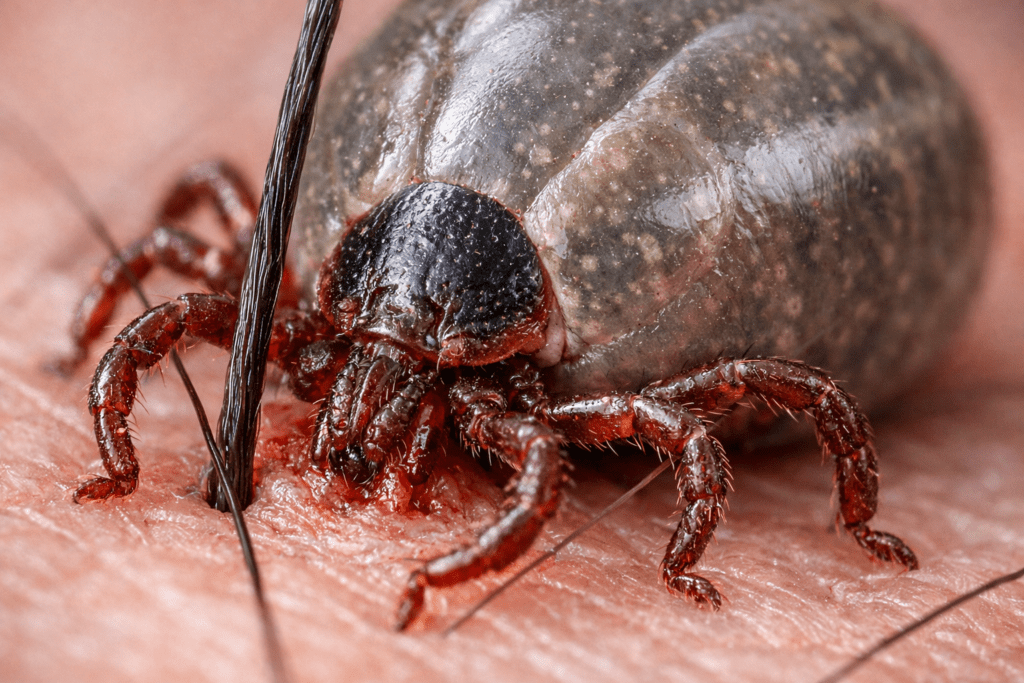
- The tick is engorged (swollen, grayish, or “bean-like”)
- The tick is partially fed and reattaches
- The tick has been attached long enough to be difficult to remove cleanly
A quick “risk ladder” you can use at home
Think of transmission risk like a dimmer switch, not an on-off button.
Tick bite risk generally increases with:
- Tick species (some are more likely to carry certain pathogens)
- Tick life stage (nymphs are small and often go unnoticed)
- Attachment duration
- Engorgement level
- Local infection rates where you were bitten
Visual check: Engorgement guide (rough)
- Flat tick: lower risk than engorged, but not zero
- Slightly swollen: likely attached for hours
- Very swollen/gray: likely attached longer or previously fed
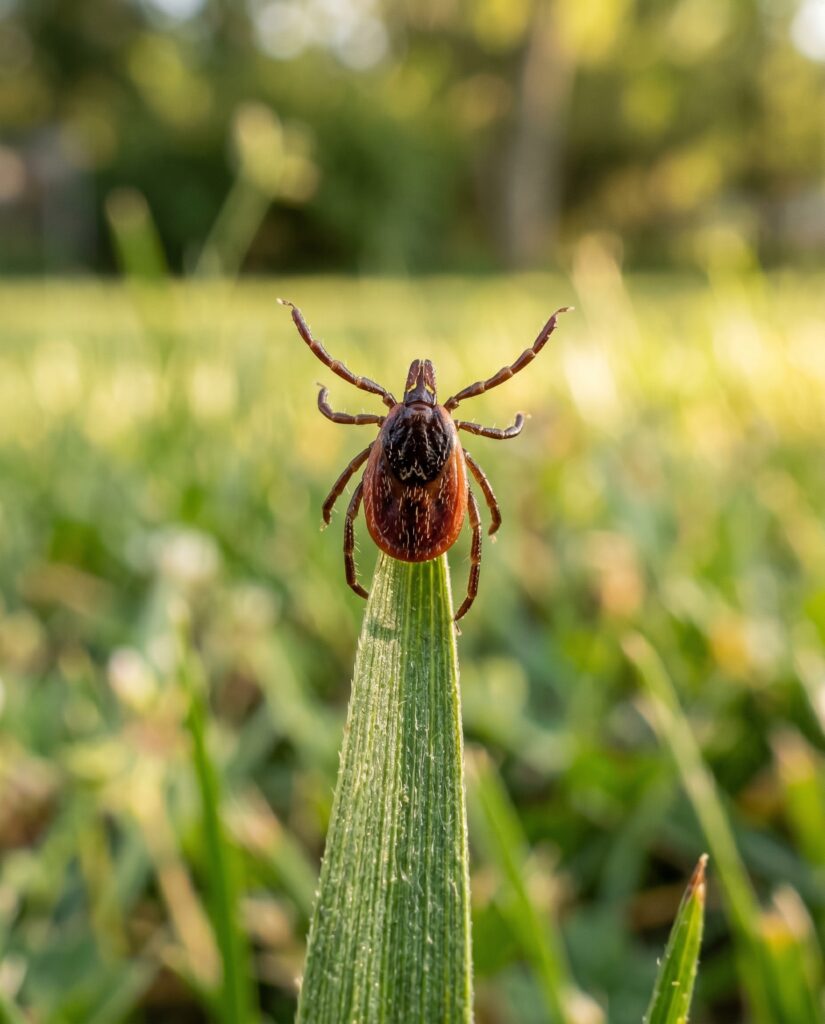
For help identifying what kind of tick you found, use our different types of ticks.
Tick disease transmission timelines by illness (Lyme, RMSF, anaplasmosis, babesiosis)
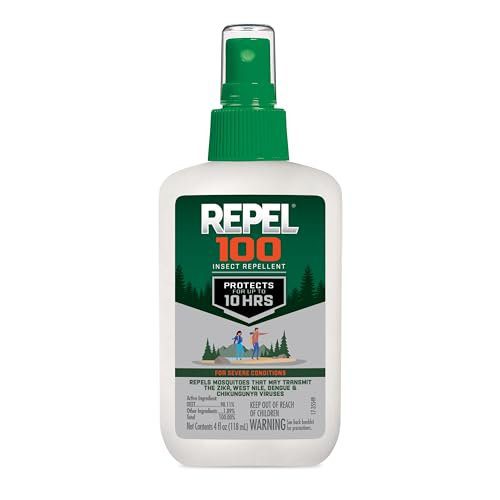
Repel 100 Insect Repellent, 4 Ounces, With DEET, 10-Hour Protection Long-Lasting Insect Repellent Pump Spray Repels Mosquitoes, Ticks, Gnats, Biting Flies, Chiggers And Fleas
This product is a highly effective insect repellent that can help prevent tick bites, reducing the risk of disease transmission.
If you have ever asked, “How long was it on me?” you are already thinking like an entomologist. The challenge is that different pathogens have different “handoff speeds.” Below are realistic timelines drawn from public health and medical references, with context on what they mean for everyday decisions.
Lyme disease (Borrelia burgdorferi)
Lyme is most often linked to blacklegged ticks (Ixodes scapularis in the eastern US; Ixodes pacificus on the West Coast). Many sources state that Lyme transmission typically requires a longer attachment, often cited as over 24 hours and commonly 36-48 hours in classic explanations. Yet faster transmission has been documented in some research settings, and rapid transmission is biologically plausible when spirochetes are positioned for earlier transfer.
Actionable takeaway:
- If you remove a tick quickly, your odds improve.
- If the tick is engorged or you are unsure of timing, consider that Lyme transmission can occur sooner than many people assume.
Anaplasmosis and ehrlichiosis
These bacterial infections can also require time attached, often around a day or more. Estimates vary by source and context. The Harvard Lyme Disease Initiative summarizes timing and disease differences in a way that is easy to scan.
Actionable takeaway:
- Do not treat these as “only a Lyme issue.” Fever and body aches after a bite deserve attention even without a bullseye rash.
Babesiosis
Babesiosis is caused by a malaria-like parasite (Babesia spp.). Transmission is generally discussed as requiring longer attachment, often 36 hours or more, though real-world variability exists.
Actionable takeaway:
- If you are immunocompromised, asplenic, or older, discuss babesiosis risk with a clinician after a high-risk bite in endemic regions.
Powassan virus
Powassan is the outlier that changes how we talk about “safe windows.” Viral transmission can happen very quickly, with research summaries noting timelines as short as minutes. The same biomedical review in the National Library of Medicine (PMC) highlights how rapidly some viruses can transmit via tick saliva.
Actionable takeaway:
- Quick removal still matters, but prevention (repellent, clothing barriers, tick checks) matters even more.
Rocky Mountain spotted fever (RMSF)
RMSF is often associated with different tick species than Lyme. Reported transmission windows range from a couple of hours to multiple days, depending on the source and scenario. Consumer medical overviews like WebMD’s tick-borne disease FAQ compile these ranges, though clinical decision-making should always come from a healthcare professional.
Actionable takeaway:
- RMSF can become severe quickly. Fever, headache, or rash after a tick bite should be taken seriously, even if you removed the tick “fast.”
Visual element: Fast vs slow transmission snapshot
- Minutes: Powassan virus
- Hours to days: RMSF (variable)
- Often 24+ hours: anaplasmosis, ehrlichiosis
- Often 36+ hours: babesiosis
- Often 24-48 hours but sometimes faster: Lyme disease

What to do right after a tick bite (step-by-step, low-stress, effective)
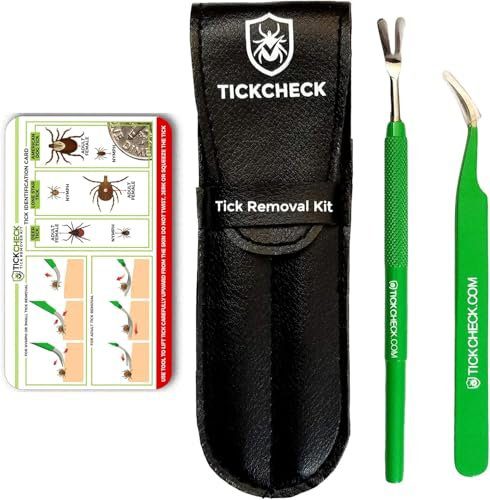
TickCheck Premium Tick Remover Kit – Stainless Steel Tick Remover + Tweezers, Leather Case, and Free Pocket Tick Identification Card (1 Set)
This kit provides the necessary tools for safe and effective tick removal, which is crucial for minimizing disease transmission risk.
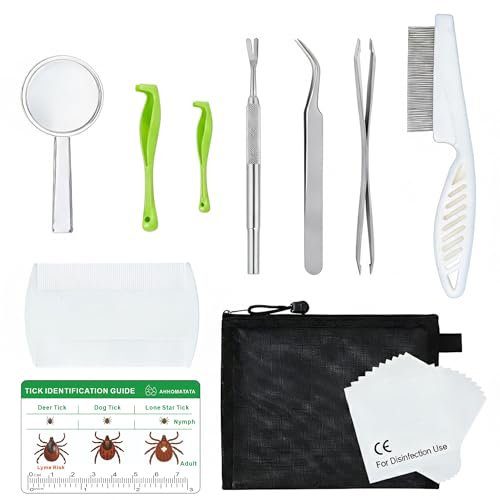
AHHOMATATA Tick Removal Tool & Twister Kit for Dogs, Cats & Humans, 10-in-1 Stainless Steel Tick Removers & Tick Puller Set – Professional Tick Tweezers Tool for Camping, Hiking & Dog Tick Remover
This tool is designed specifically for tick removal, making it easier to detach ticks quickly and safely to reduce the risk of disease.
The best post-bite plan is simple: remove the tick correctly, document what you can, and monitor for symptoms. Most bites do not lead to illness, but smart follow-up catches problems early.
Step 1: Remove the tick the right way
Use fine-tipped tweezers. Grasp the tick as close to the skin as possible, then pull upward with steady pressure. Do not twist. Do not burn it. Do not smother it with petroleum jelly.
For a visual walkthrough, follow our guide on how to safely remove a tick.
Quick removal checklist:
- Fine-tipped tweezers
- Grip at the mouthparts, near skin level
- Pull straight out, slow and steady
- Wash the bite site with soap and water
- Clean tweezers with alcohol
Step 2: Save the tick (when possible)
Place it in a sealed container or bag. A clear photo can also help.
What to record (30 seconds of effort that pays off):
- Date and approximate time you found it
- Where on your body it was attached
- Where you were likely exposed (trail, yard, campsite)
- Whether it looked flat or engorged
Step 3: Do a full-body tick check the same day
Ticks love hidden, warm areas. Nymphs can be the size of a poppy seed, so good lighting matters.
Common hiding spots:
- Scalp and hairline
- Behind ears
- Armpits
- Waistband line
- Behind knees
- Groin area
Step 4: Know when to call a clinician
Some people qualify for preventive antibiotics after a high-risk bite in Lyme-endemic areas. Clinical criteria vary, so it is a conversation worth having if the tick was likely a blacklegged tick and may have been attached long enough to feed.
For symptom guidance, see tick bite symptoms and when to seek medical attention.
Visual element: Post-bite decision map
- Tick removed quickly + flat tick + low-risk area: monitor
- Engorged tick or unknown duration in endemic area: consider calling
- Any fever, severe headache, expanding rash, or unusual fatigue: seek medical advice promptly
Prevention that actually works (and why nymph season is the danger zone)
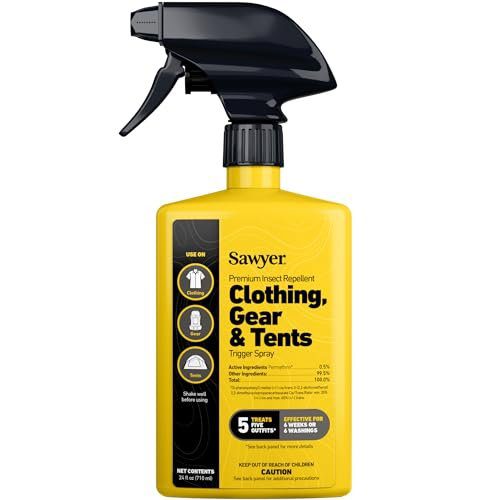
Sawyer Products SP657 Premium Permethrin Insect Repellent for Clothing, Gear & Tents, Trigger Spray, 24-Ounce
This permethrin spray is used to treat clothing and gear, providing long-lasting protection against ticks and other insects.
If you only remember one thing about ticks, make it this: prevention beats guessing attachment time. The most effective strategies combine clothing barriers, repellents, and routine checks.
Why nymphs cause so many infections
Nymphal ticks are tiny and easy to miss. They are active in spring and summer in many regions, which also happens to be when people garden, hike, and camp more often. Because nymphs go unnoticed, they can stay attached longer, which increases the chance of pathogen transfer.
Practical takeaway: If you do one habit change, do daily tick checks during peak season.
Use repellents and treated clothing strategically
Repellent works best when you match the product to the job.
A simple, effective combo:
- Permethrin-treated clothing (pants, socks, gaiters) for the “contact kill”
- Skin repellent (like DEET or picaridin) on exposed areas
- Tucked clothing (pants into socks) in brushy habitat
Our guide to tick repellents and prevention methods compares these options and when to use each.
Yard and home edge tactics that reduce encounters
You do not need a perfect lawn to reduce ticks. You need fewer tick-friendly microhabitats where people and pets spend time.
Tick-unfriendly yard moves:
- Keep grass trimmed along paths and play areas
- Remove leaf litter from high-traffic zones
- Create a 3-foot barrier of wood chips or gravel between woods and lawn
- Place play equipment away from brush and stone walls
- Check pets after outdoor time
For health guidance that aligns with mainstream recommendations, the CDC’s Lyme disease information is a solid reference for prevention and risk context.
Visual element: “Layered defense” checklist
- Clothing barrier (long pants, light colors)
- Repellent on skin
- Permethrin on clothing
- Stay centered on trails
- Shower and tick check within 2 hours
- Dryer on high heat for outdoor clothes (10 minutes is commonly recommended)
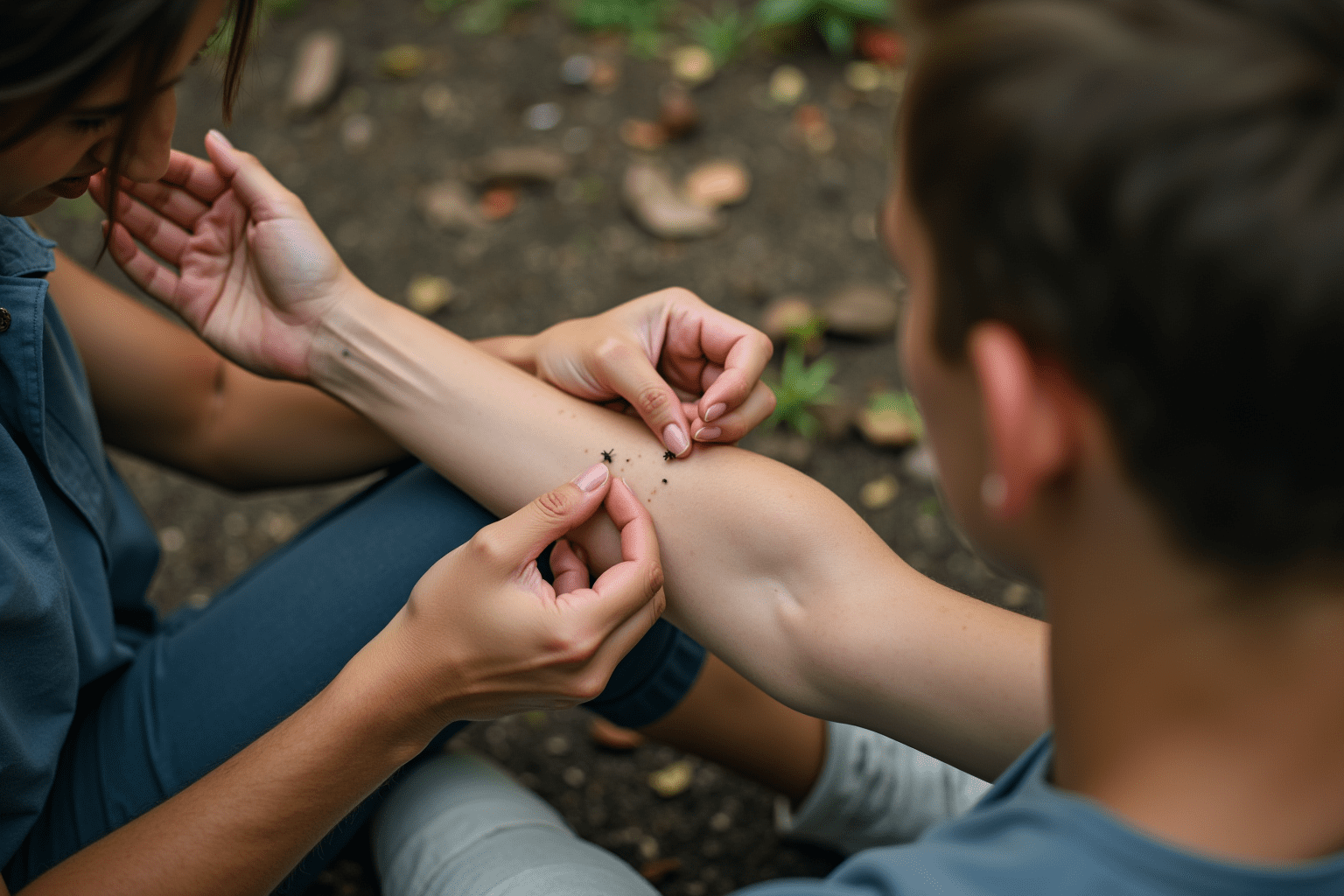
Common myths that lead to missed infections (and what to believe instead)
Bad tick advice spreads because it sounds simple. Unfortunately, ticks do not always follow simple rules.
Myth 1: “If I removed it within 24 hours, I’m safe.”
Reality: Risk is often lower with quick removal, especially for Lyme, but it is not zero. Some pathogens can transmit faster, and Lyme transmission under 24 hours has been documented in certain studies and scenarios discussed in the National Library of Medicine (PMC) review.
What to do instead: Remove ASAP, then monitor symptoms for the next few weeks.
Myth 2: “All tick bites transmit disease.”
Reality: Most do not. Many ticks are not infected, and transmission requires feeding and saliva exchange. Public-facing medical sources often note that only a small fraction of bites lead to Lyme even in higher-risk regions, similar to the “myth vs fact” explanations in resources like OSF HealthCare’s tick facts overview.
What to do instead: Take the bite seriously without assuming the worst. Document, monitor, and seek care if symptoms appear.
Myth 3: “Ticks always stay attached until they’re done feeding.”
Reality: Some ticks detach and reattach. A tick that has already fed can potentially transmit faster on a new host.
What to do instead: Treat any engorged tick as higher risk and consider discussing it with a clinician.
Myth 4: “You can remove ticks with heat, nail polish, or petroleum jelly.”
Reality: These methods can irritate the tick and may increase saliva release, which is the opposite of what you want.
What to do instead: Tweezers, steady pull, clean the area.
Visual element: Myth vs reality mini-table
| Myth | Reality | Better move |
|---|---|---|
| Safe under 24 hours | Lower risk, not zero | Remove ASAP + monitor |
| Every bite infects | Most bites do not | Identify tick + watch symptoms |
| Smothering works | Can worsen exposure | Use tweezers |
| Only Lyme matters | Multiple illnesses exist | Track fever, aches, rash |
Conclusion
Tick disease transmission is all about variables: pathogen type, tick species, and how long the tick fed. Quick removal still makes a real difference, but there is no universal “safe” attachment window, especially when viral diseases can transmit in minutes and Lyme can sometimes transmit sooner than many people expect.
Next step: build a simple routine you can repeat. Use repellents, do daily tick checks during peak season, and remove any tick promptly and correctly. If you want to go deeper, start with our overview of tick-borne diseases like Lyme disease and keep our guide to tick bite symptoms and when to seek medical attention handy for post-bite monitoring.
As an Amazon Associate, I earn from qualifying purchases. Product recommendations are based on real reviews and independent research.