Finding a roach on the counter is unsettling. Finding a mystery bite the next morning can feel even worse. Here’s the truth: cockroaches can bite humans, but it’s uncommon and usually linked to heavy infestations, limited food, or nighttime contact with exposed skin. This guide explains when bites happen, what they look like, and the real health risks cockroaches pose in homes. You’ll also learn what to do if you suspect a bite and how to prevent repeat problems.
Quick answer: do cockroaches bite?
Yes – cockroaches can bite, but they rarely do. Most of the time, roaches would rather scavenge crumbs than interact with people.
At-a-glance summary (snippet-friendly):
- How common are bites? Rare, usually in severe infestations or when food is scarce
- When do bites happen? Mostly at night while you’re asleep
- Where on the body? Often fingers, hands, face, feet (areas exposed or with food residue)
- What do they look like? Small red, raised, itchy bumps (often 1-4 mm)
- Biggest health risk? Usually not the bite – it’s allergens and contamination from droppings, shed skins, and bacteria on surfaces
- What to do now: Clean the bite, reduce itching, and address the infestation with sanitation and targeted baits
If you’re seeing roaches in bedrooms or during the day, treat it as a sign the population is larger than it looks.
Why cockroaches usually do not bite people
Cockroaches are built for scavenging, not hunting. Their mouthparts are designed to chew soft foods, decaying organic matter, and crumbs. They can nibble, but they are not like mosquitoes or ticks that evolved to pierce skin and feed on blood.
Entomologists often emphasize this point because it explains the mismatch between fear and reality. In a consumer health interview citing Virginia Tech entomologist Dini Miller, cockroach mouthparts generally cannot easily pierce human skin, which helps explain why bites are so uncommon even in homes where roaches are present.
So why do bite reports exist at all? Think of cockroaches as opportunists. If the environment pushes them hard enough – too many roaches, too little food, and easy access to exposed skin – they may test almost anything edible, including dead skin, calluses, or food residue on hands and faces.
Common reasons cockroaches avoid biting:
- Humans are large, active, and risky. Roaches prefer to flee.
- Plenty of easier food sources exist in kitchens, trash, drains, and pet bowls.
- Skin is tough compared to what roaches normally eat.
Visual: “Bite risk” vs “infestation risk” checklist
- Low bite risk, high infestation risk: you see roaches at night in the kitchen
- Moderate bite risk: roaches are present in bedrooms, especially near beds
- Higher bite risk (still uncommon): heavy infestation + food scarcity + nighttime exposure of skin
If you’re unsure which roach you’re dealing with, identifying the species helps you predict where it nests and how fast it reproduces. Start with Explore the Different Types of Cockroaches: Identification Guide to compare German, American, and Oriental cockroaches by size, color, and hiding spots.
When cockroach bites are most likely (and which species are involved)
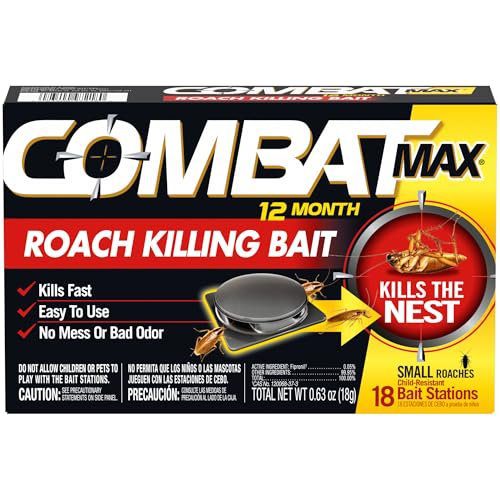
Combat Max 12 Month Roach Killing Bait, Small Roach Bait Station, Child-Resistant, 18 Count
This product provides a targeted solution for cockroach infestations, which is crucial for preventing bites and health risks associated with these pests.
Most bite stories share the same pattern: nighttime, heavy infestation, and limited food options. Pest control companies consistently note that bites are most likely under extreme conditions. For example, guidance from Orkin’s cockroach bite overview describes bites as unusual and more likely when infestations are severe and food is scarce, including historical accounts in crowded settings like ships.
The three scenarios that make bites more plausible
-
Large infestation + food scarcity
When roaches compete for limited resources, they may nibble on keratin-rich areas like fingertips, nails, or eyelashes. This is not “aggression.” It’s survival behavior under pressure. -
Sleeping person + exposed skin or food residue
Roaches are nocturnal. If someone falls asleep on the couch after snacking, residue around the mouth or on fingers can attract a curious roach. Several pest guidance sources describe this nighttime pattern, with bites reported on hands, face, and feet. -
Defensive nibble when handled
If a roach is trapped in clothing, cornered, or grabbed, it may bite defensively. This is more like a pinch than a purposeful feeding bite.
Species most often mentioned in bite reports
While many species can live near people, bite reports most often involve:
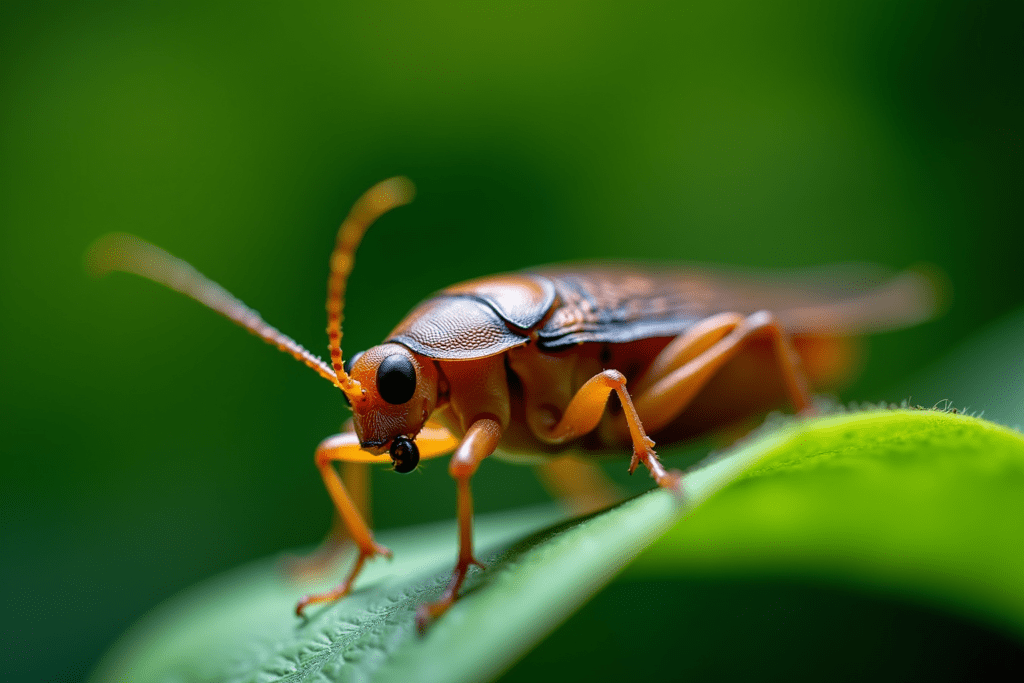
- German cockroach (Blattella germanica): small, fast-breeding, indoor specialist
- American cockroach (Periplaneta americana): larger, often from basements, sewers, and commercial buildings
- Oriental cockroach (Blatta orientalis): cooler, damp areas like crawl spaces and floor drains
Visual: species and bite-context table
| Species | Typical indoor location | Why it matters for bite risk |
|---|---|---|
| German | kitchens, bathrooms, inside cabinets and appliances | populations explode quickly, increasing odd behaviors |
| American | basements, boiler rooms, sewer connections | large size, more likely in older buildings |
| Oriental | damp basements, drains, crawl spaces | indicates moisture issues and hidden harborages |
If roaches are showing up where people sleep, don’t wait for bites to “confirm” the problem. Use that as your signal to start a structured plan like How to Get Rid of Cockroaches Permanently: Complete Guide, which walks through sanitation, exclusion, baits, and follow-up monitoring.
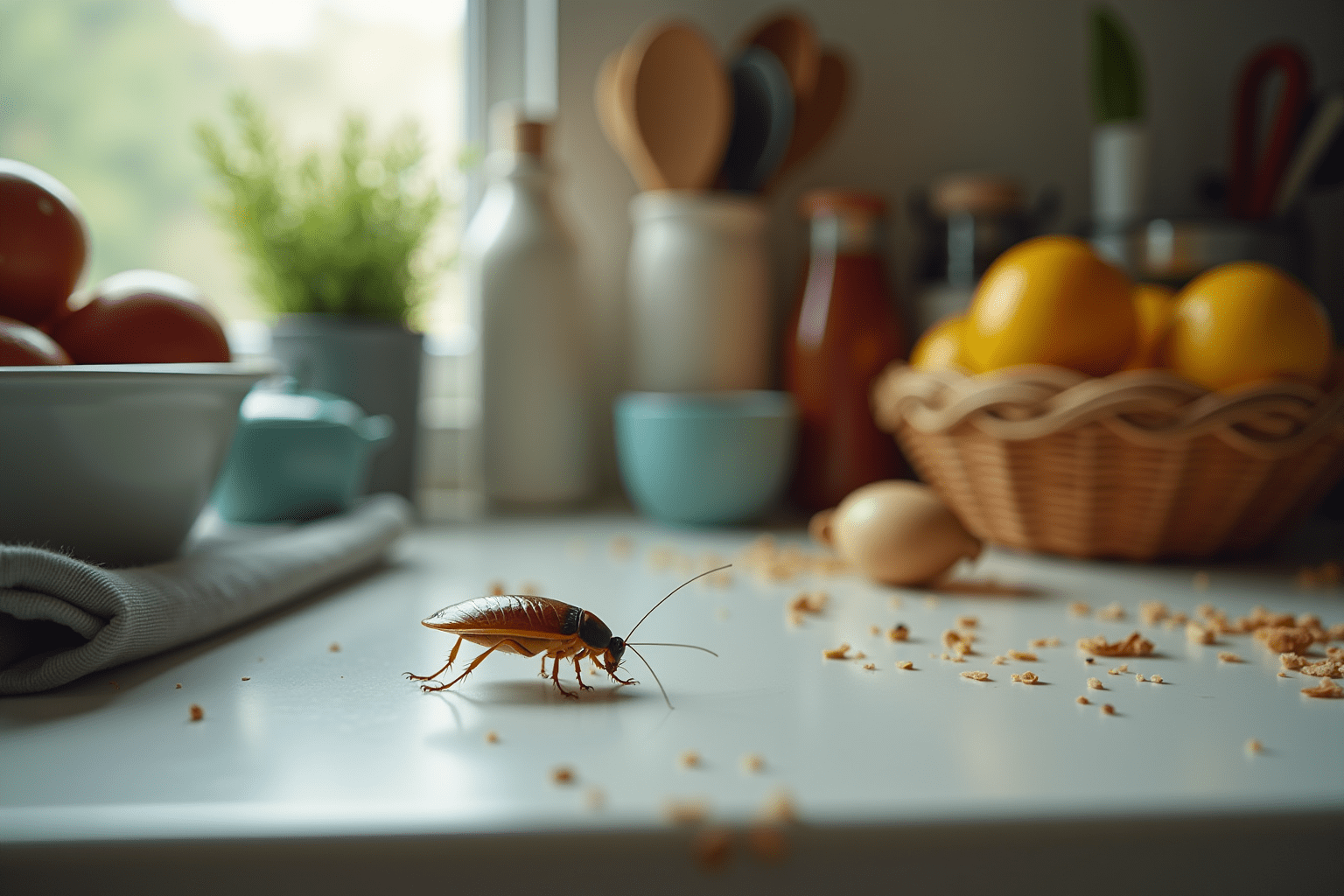
What cockroach bites look like (and how to tell them from bed bugs)
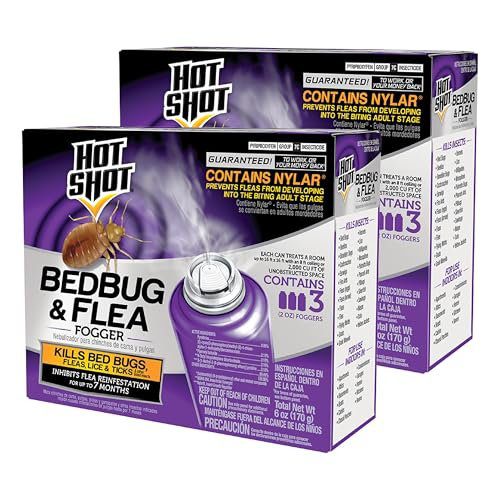
Hot Shot BedBug And Flea Fogger, Inhibits Flea Reinfestation, 2 Ounce Cans, 6 Count
While primarily for bed bugs and fleas, this spray can also help control other pests like cockroaches, making it relevant for those concerned about bites while sleeping.
A cockroach bite is tricky because it does not have a unique signature. Many small red bumps look alike, and skin can react to almost anything. Still, reported roach bites tend to be described in a consistent way: small, red, raised, itchy bumps, sometimes with mild swelling.
Product and pest education sources often describe bite bumps around 1 to 4 mm wide. Guidance from PF Harris’s roach bite description notes that people commonly report bright red, raised bumps in that size range. Other pest-control references also emphasize that bites are commonly mistaken for mosquito or bed bug bites.
Typical bite appearance and sensations
- Size: small bump or welt (often a few millimeters)
- Color: pink to red
- Texture: raised, sometimes with a faint central mark
- Symptoms: itching, mild burning, mild swelling
- Timing: noticed in the morning after sleeping
Cockroach bites vs bed bug bites
Bed bugs are far more reliable “biters” than roaches. If you’re seeing repeated bites, bed bugs often belong higher on the suspect list.
Visual: quick comparison chart
| Feature | Cockroach bites | Bed bug bites |
|---|---|---|
| How common? | rare | common when bed bugs are present |
| Pattern | often isolated or random | often clusters or lines |
| Best supporting evidence | roach activity in bedrooms, heavy infestation | live bugs, shed skins, fecal spots on mattress seams |
| Time of bites | night | night |
Don’t overlook non-bite causes
Before you conclude “roach bite,” consider:
- mosquito bites from an open window
- flea bites (often ankles, pets involved)
- contact dermatitis from soaps, detergents, plants, or cleaning products
- irritation from dry skin or friction
Actionable tip: A bump alone is not enough. The strongest clue is context: if you’re seeing roaches in sleeping areas, finding droppings near nightstands, or noticing a musty odor in a bedroom, an infestation is more likely.
Health risks explained: the bite is minor, the infestation is the problem
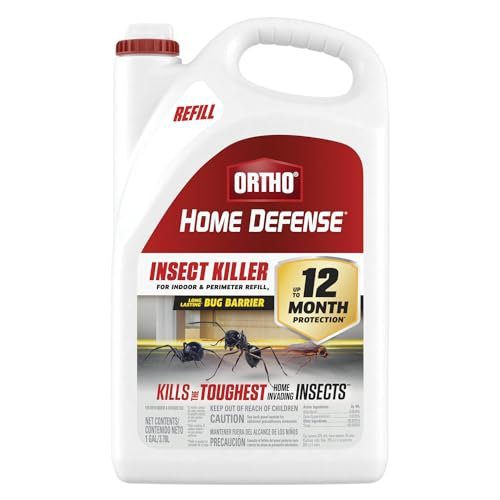
Ortho Home Defense Insect Killer for Indoor and Perimeter Refill2 – Ready-To-Use Bug Spray Refill, Kills Ants, Roaches, and Spiders, 1 gal.
This insect killer is effective for indoor use against cockroaches and other pests, helping to reduce infestations and associated health risks.
Most people focus on the bite because it’s immediate and visible. But from a public health standpoint, the bigger concern with cockroaches is what they leave behind and what they spread as they move through kitchens, trash areas, and drains.
Are cockroach bites dangerous?
In most cases, no. The bite itself is usually mild, similar to other minor insect bites. The main bite-related risks are:
- irritation and swelling
- secondary infection if scratched until the skin breaks
Several pest and health resources note that cockroaches are not known to transmit disease through their bites the way blood-feeding insects do. The more realistic pathway is mechanical spread: roaches pick up microbes on their bodies and transfer them to food prep surfaces.
The real health concerns: allergens and contamination
Cockroaches can contribute to:
- food contamination (walking over utensils, counters, stored food)
- allergic reactions (proteins in droppings, saliva, and shed skins)
- asthma symptoms, especially in sensitive individuals
Public health agencies and university extension programs consistently emphasize integrated pest management because reducing roach allergens and contamination matters. For practical, prevention-focused guidance, the EPA’s integrated pest management principles align well with what entomologists recommend for long-term control: remove food, water, and shelter first, then use targeted pesticides only as needed.
Visual: “risk ladder” from most to least common
- Allergen exposure (droppings, shed skins, debris)
- Food and surface contamination
- Skin infection from scratching a bite
- The bite itself (usually mild)
When to take health concerns more seriously
Consider extra caution if:
- a child has asthma or frequent wheezing
- someone is immunocompromised
- roaches are present in food storage areas or baby feeding areas
- you see roaches during the day (often a sign of crowding and a larger infestation)
Actionable tip: If you’re seeing roaches regularly, don’t rely on sprays alone. Sprays can scatter roaches deeper into walls. A bait-based approach is usually more effective for indoor infestations. For product selection and placement, see Best Roach Killers & Baits: Complete Guide.

What to do if you think a cockroach bit you
If you suspect a bite, treat it like a minor skin irritation first, then focus on the environment. The bite is often the smallest part of the problem.
Step-by-step bite care
- Wash the area with soap and warm water.
- Apply a cold compress for 10 minutes to reduce swelling and itching.
- Use an anti-itch option if needed (for example, a mild hydrocortisone cream or calamine lotion).
- Avoid scratching, especially at night. Keep nails trimmed to reduce skin breaks.
- Watch for infection over the next 24-72 hours.
Visual: infection warning signs checklist
- redness that spreads outward
- warmth and increasing tenderness
- pus or crusting
- fever or feeling unwell
- swelling that worsens quickly
When to seek medical care
Get medical advice promptly if you notice:
- signs of infection (spreading redness, pus, severe pain)
- a strong allergic reaction (hives, facial swelling, trouble breathing)
- unusual symptoms in a child, or in anyone with immune suppression
The most important next step: confirm and control the roach problem
A single bump may be nothing. But if you’re seeing roaches near beds, couches, or nighttime resting areas, treat that as a practical warning sign.
Start with a quick home inspection:
- check under and behind nightstands
- look along baseboards and inside closet corners
- inspect kitchens and bathrooms for droppings (pepper-like specks), egg cases, and shed skins
- place sticky monitors along walls to confirm activity
If you want to reduce roach activity fast in the area that matters most, focus on the kitchen first. Even bedroom roaches usually originate from nearby food and water sources. Use Effective Tips on How to Keep Cockroaches Out of Your Kitchen as a targeted checklist.
How to prevent cockroaches (and prevent rare bites)
Cockroach prevention is less about one magic product and more about removing what roaches need to thrive: food, water, and tight hiding spots. Do that consistently, and you reduce the chance of any roach-human contact, including rare bites.
The prevention plan that works in most homes
1) Sanitation (remove food access)
- wipe counters and stovetops nightly, especially grease
- vacuum crumbs along edges and under appliances weekly
- store pantry items in sealed containers
- avoid leaving pet food out overnight
2) Moisture control (remove water access)
- fix leaky pipes and sweating supply lines
- dry sinks overnight
- use a dehumidifier in damp basements if needed
3) Exclusion (reduce hiding and entry)
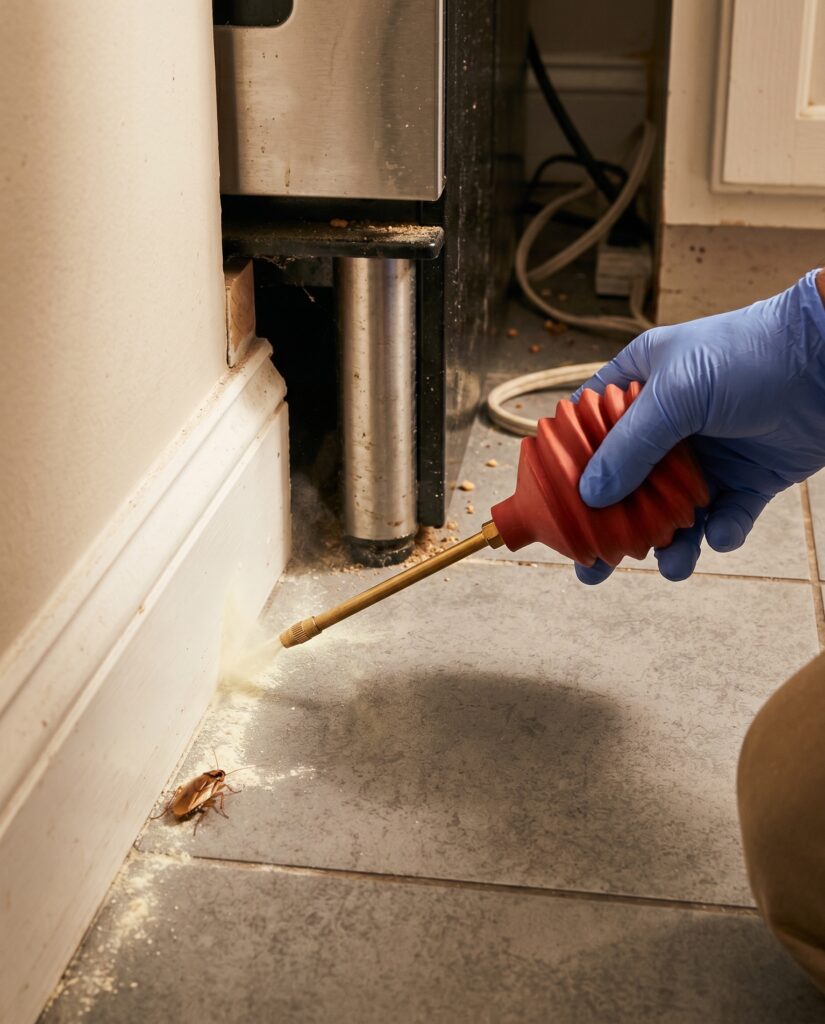
- caulk gaps around baseboards, cabinets, and pipe penetrations
- add door sweeps where light shows under exterior doors
- reduce clutter in kitchens, utility rooms, and closets
4) Targeted control (reduce population)
- use sticky traps to monitor
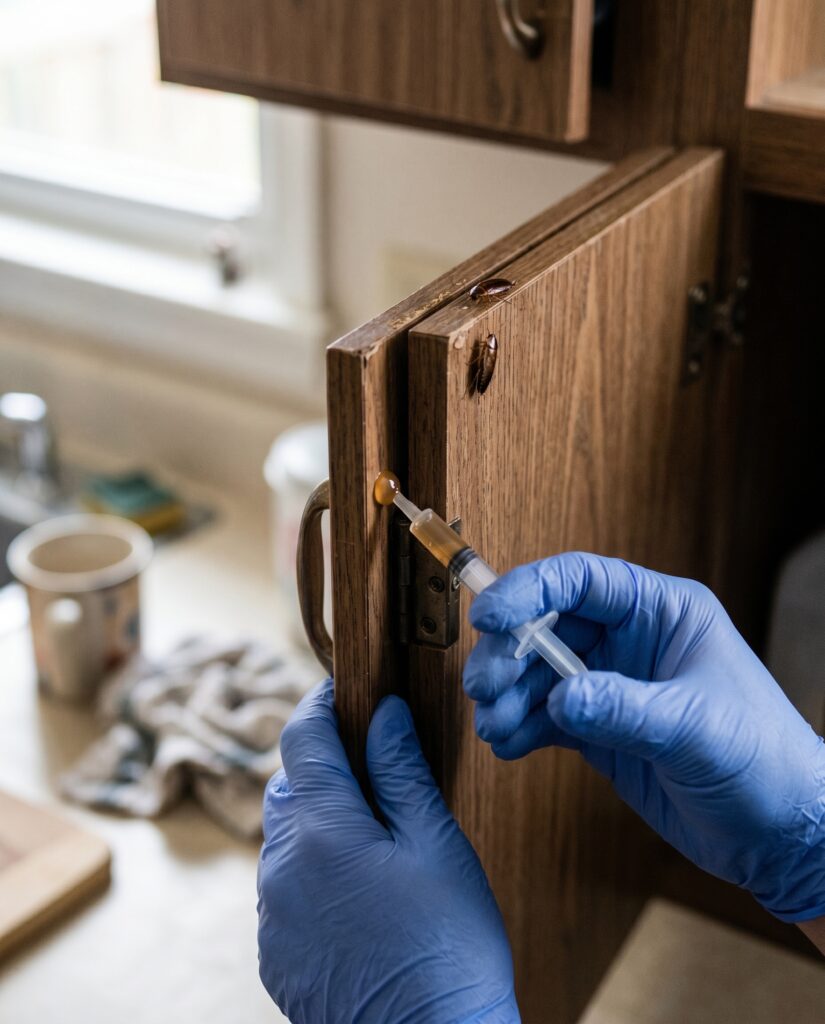
- use gel baits or bait stations where roaches travel (not in the middle of open floors)
- avoid overusing repellent sprays that can push roaches into new harborages
Visual: “Where to place traps and baits” mini-map
- along walls behind the fridge and stove
- under the sink near plumbing penetrations
- inside cabinet corners near hinges
- near trash and recycling areas
- in bathrooms near vanity plumbing (if activity is present)
When to call a professional
Professional pest control is a smart move when:
- you see roaches during the day (often heavy infestation)
- roaches are present in multiple rooms, including bedrooms
- you’ve used baits and sanitation for 2-3 weeks with little improvement
- you live in multi-unit housing where roaches can migrate between units
A good technician will use an IPM approach: inspection, crack-and-crevice treatment, baits, growth regulators when appropriate, and follow-up monitoring.
Common myths about cockroaches and biting
Clearing up myths helps you respond calmly and effectively.
Myth: Cockroaches frequently bite people.
Reality: Bites are rare and usually tied to unusual conditions like severe infestations or food scarcity.
Myth: Cockroach bites are a major disease route.
Reality: The bigger risk is indirect – contamination of surfaces and exposure to allergens.
Myth: A bite means the roach is aggressive.
Reality: Roaches are scavengers and typically avoid confrontation.
Myth: Any red bump is a cockroach bite.
Reality: Many bites and rashes look similar. Look for environmental evidence: droppings, egg cases, odors, and sightings.
Visual: “Myth vs reality” quick recap
- Rare bites can happen
- Infestation control matters more than bite treatment
- Evidence in the home beats guesswork on skin
Conclusion
Cockroaches can bite, but it’s uncommon and usually linked to heavy infestations, nighttime exposure, and limited food. For most households, the real health risks come from allergens and contamination, not the bite itself. Treat any suspected bite with basic skin care, then focus on inspection, sanitation, and bait-based control to bring the population down quickly.
For next steps, use How to Get Rid of Cockroaches Permanently: Complete Guide for a full plan, and keep Best Roach Killers & Baits: Complete Guide handy when you’re ready to choose tools that actually work.
As an Amazon Associate, I earn from qualifying purchases. Product recommendations are based on real reviews and independent research.