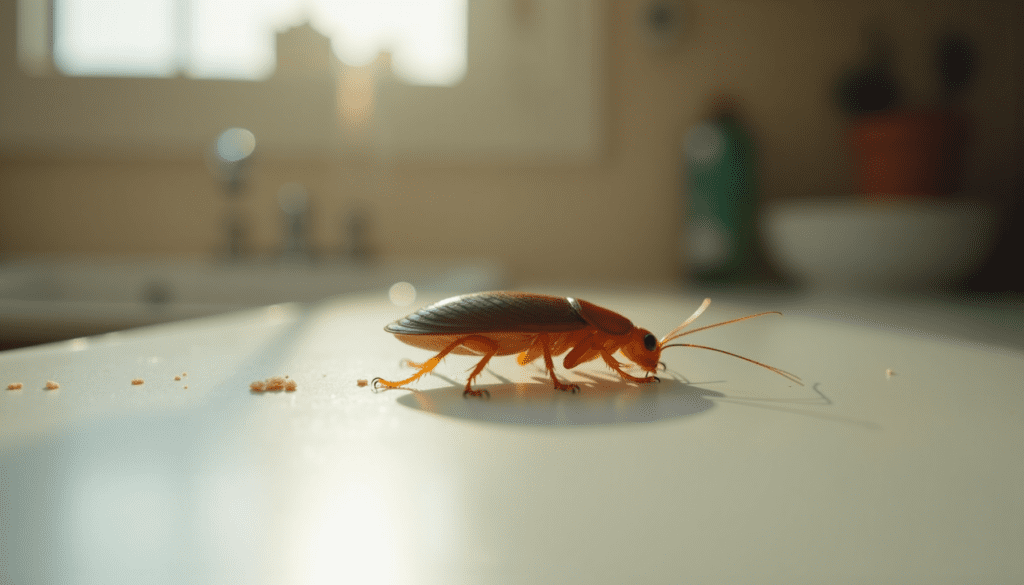
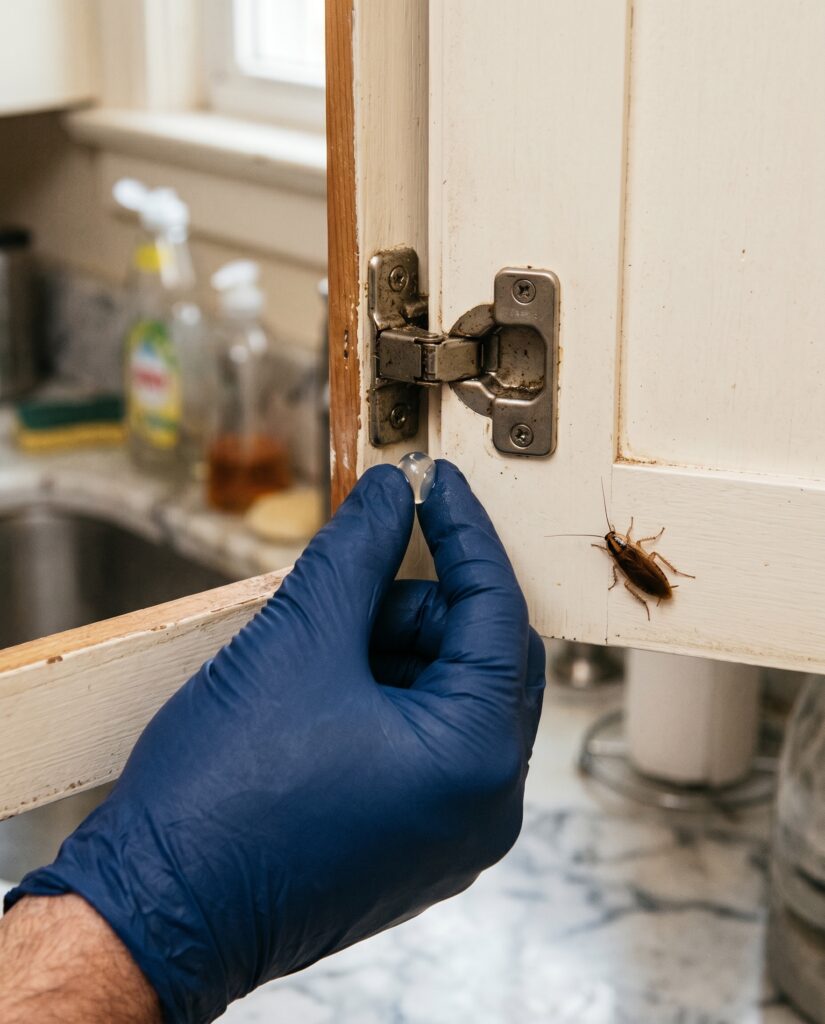
Finding a large, glossy brown roach on the porch at night can feel like an indoor infestation is about to happen. In many southern homes, that visitor is the smokybrown cockroach, a species that usually lives outdoors but readily slips inside for water, shelter, or a shortcut to your lights. The good news is that lasting control rarely requires fogging your living room. It starts outside – with moisture fixes, yard cleanup, exclusion, and targeted treatments that match how this roach actually behaves.
Quick identification and the fastest outdoor-control answer
If you want outdoor roach control that works, treat the smokybrown cockroach as an outdoor, moisture-loving insect that breeds in leaf litter, gutters, mulch, and tree cavities.
Smokybrown cockroach (Periplaneta fuliginosa) quick ID
- Size: about 30-38 mm (1.2-1.5 in) long
- Color: uniform dark mahogany to smoky brown (no pale “halo” on the shield behind the head)
- Wings: long wings on both sexes, often extend beyond the abdomen
- Behavior: strong flier, attracted to lights, mostly active at night
- Common outdoor hiding spots: mulch, pine straw, leaf piles, gutters, woodpiles, sheds, crawlspaces, attics
Fastest effective plan (in order)
- Dry it out: fix leaks, clean gutters, reduce damp mulch against the foundation
- Block entry: door sweeps, screens, seal gaps around utilities and vents
- Treat the perimeter: residual exterior spray + granules in mulch beds
- Add baits in sheltered areas: attic, garage, crawlspace (not on top of fresh spray)
For a deeper whole-home plan, see How to Get Rid of Cockroaches Permanently.
Smokybrown cockroach identification: how to confirm it (and avoid the wrong treatment)
Misidentification is one reason people “treat for roaches” and still see them. Smokybrowns behave differently than other big roaches, so the best control strategy starts with a confident ID.
Entomologists at the University of Florida Entomology and Nematology Department describe adults as roughly 1 1/4 inches long, uniformly dark, and fully winged. That “uniform” color is a key clue: many homeowners confuse them with American cockroaches, which often show a lighter pronotum with a pale margin.
Quick comparison chart: smokybrown vs. “other big brown roaches”
| Feature | Smokybrown cockroach | American cockroach (common look-alike) |
|---|---|---|
| Overall color | Uniform dark mahogany | Often lighter brown with a pale-edged pronotum |
| Usual breeding zone | Outdoors: mulch, leaf litter, gutters, trees | Often associated with sewers, basements, commercial drains |
| Moisture need | Very moisture-dependent | Moisture-tolerant, but less dependent than smokybrown |
| Flight | Strong flier, drawn to lights | Can glide/fly, but less “porch light” behavior |
Where homeowners usually spot them
Smokybrowns often appear:
- On porches and around windows at night (light attraction)
- In garages, crawlspaces, and attics (humidity pockets)
- Near rooflines and gutters (wet leaf debris is prime habitat)
Actionable takeaway: If most sightings are outside at night or near gutters and mulch, focus your effort outdoors first. Indoor-only spraying often misses the source population.
If you’re also trying to understand why they are showing up in the first place, What Attracts Cockroaches to Your Home breaks down the big drivers: moisture, food residue, and shelter.
Why smokybrown cockroaches thrive outdoors (and why they keep coming back)
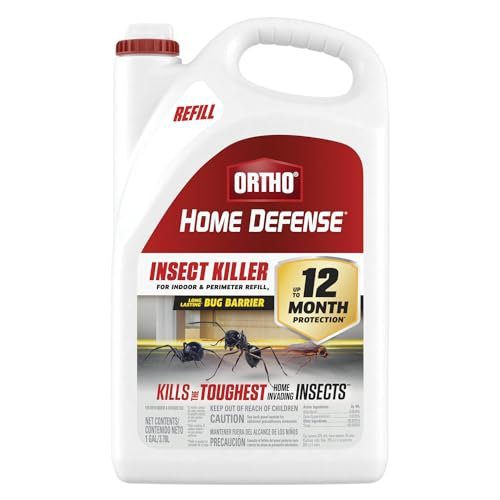
Ortho Home Defense Insect Killer for Indoor and Perimeter Refill2 – Ready-To-Use Bug Spray Refill, Kills Ants, Roaches, and Spiders, 1 gal.
This product is relevant as it provides a residual spray that can be used around the perimeter of the home to control outdoor roaches, including smokybrown cockroaches.
Smokybrowns are not “kitchen roaches” by nature. They are outdoor decomposers that do well in warm, humid landscapes, especially across the Southeast and Gulf Coast. Pest professionals like Orkin’s smokybrown cockroach overview note their strong connection to outdoor harborages and their tendency to wander indoors when conditions line up.
Here’s what’s actually happening around many homes: your yard creates a chain of small, damp shelters. Mulch stays wet. Gutters hold leaf sludge. A crawlspace vent sags open. Porch lights pull flying adults toward the structure. Once they are at the wall, the roaches only need a gap the thickness of a nickel to get inside.
The moisture connection (the “hidden engine” of infestations)
Smokybrown cockroaches lose water easily, so they cluster where humidity stays high:
- clogged gutters and downspouts
- mulch and pine straw pressed against the foundation
- woodpiles on soil
- condensate lines and dripping hose bibs
- poorly ventilated attics and crawlspaces
If you remove moisture and shelter, you do not just repel a few adults. You reduce survival of nymphs and egg cases outdoors, which is what lowers pressure over time.
Visual checklist: outdoor hotspots to inspect tonight
Use a flashlight 30-60 minutes after dark and scan:
- Gutters and roof valleys (look for leaf buildup)
- Mulch line along the foundation
- Under dense shrubs and groundcover
- Around AC units and irrigation
- Garage threshold and door corners
- Crawlspace vents and utility penetrations
Actionable takeaway: If you find multiple roaches in two or more outdoor hotspots, plan on a 30-day outdoor program, not a one-time spray.
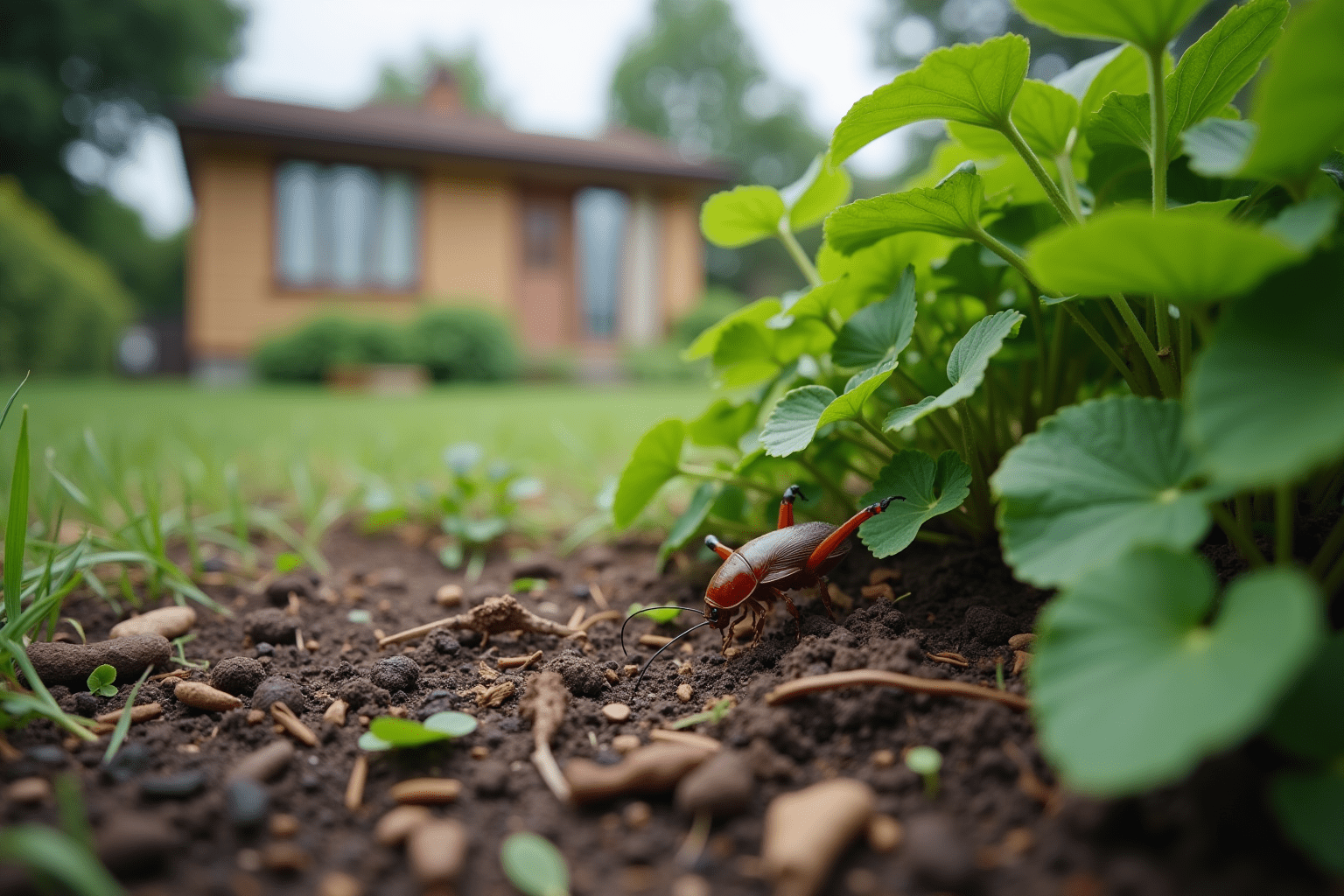
Outdoor roach control step-by-step: the IPM plan that works
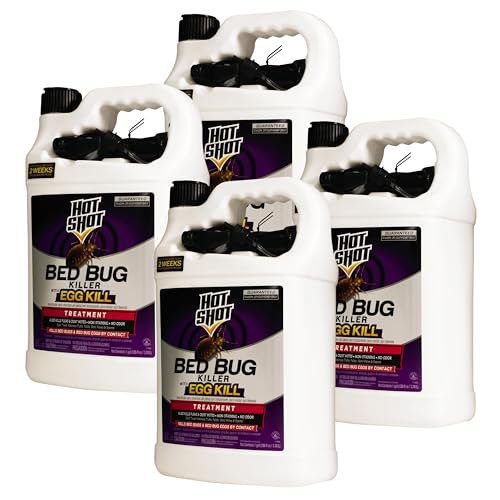
Hot Shot Bed Bug Killer With Egg Kill Ready-to-Use, 1 gallon, 4 Pack
This insect killer is effective for treating areas where cockroaches may hide, such as garages and crawlspaces, making it a suitable choice for comprehensive pest management.
The most consistent results come from IPM – integrated pest management. That means you combine habitat changes, exclusion, and targeted products instead of relying on one tool.
Step 1: Habitat reduction (biggest impact for outdoor populations)
Start with the places that breed roaches.
- Clean gutters and remove wet leaves from rooflines. Wet organic debris is a roach nursery.
- Pull mulch and pine straw back 12-18 inches from the foundation where possible, creating a drier buffer.
- Move firewood away from the house and keep it elevated.
- Remove leaf piles, stacked boards, and stored clutter near exterior walls.
Mini yard map (simple visual):
- Zone A (0-2 ft from wall): dry, uncluttered, minimal mulch
- Zone B (2-6 ft): treated landscape beds, thinned vegetation
- Zone C (beyond 6 ft): woodpiles and compost kept as far as practical
Step 2: Moisture control (the “population limiter”)
Fixing water issues often drops activity faster than people expect.
- Repair leaky hose bibs, irrigation heads, and AC condensate drips.
- Extend downspouts so water exits away from the foundation.
- Improve crawlspace and attic ventilation if humidity stays high.
For general IPM principles that reduce pesticide reliance, the EPA’s integrated pest management guidance is a solid reference point.
Step 3: Exclusion (stop the nightly “walk-in”)
Smokybrowns do not need a big opening.
- Install door sweeps and replace worn weatherstripping.
- Seal gaps around pipes, cable lines, and siding joints.
- Repair window screens and add mesh to attic and crawlspace vents.
- Tighten garage door seals at the bottom corners.
Step 4: Targeted treatments outside (not blanket indoor spraying)
Once sanitation and exclusion are underway, outdoor treatments last longer and work better.
A practical treatment stack
- Residual perimeter spray: a 3-6 ft band along the foundation and up the wall, focused on entry points.
- Granules in mulch beds: especially under shrubs and in pine straw where roaches hide.
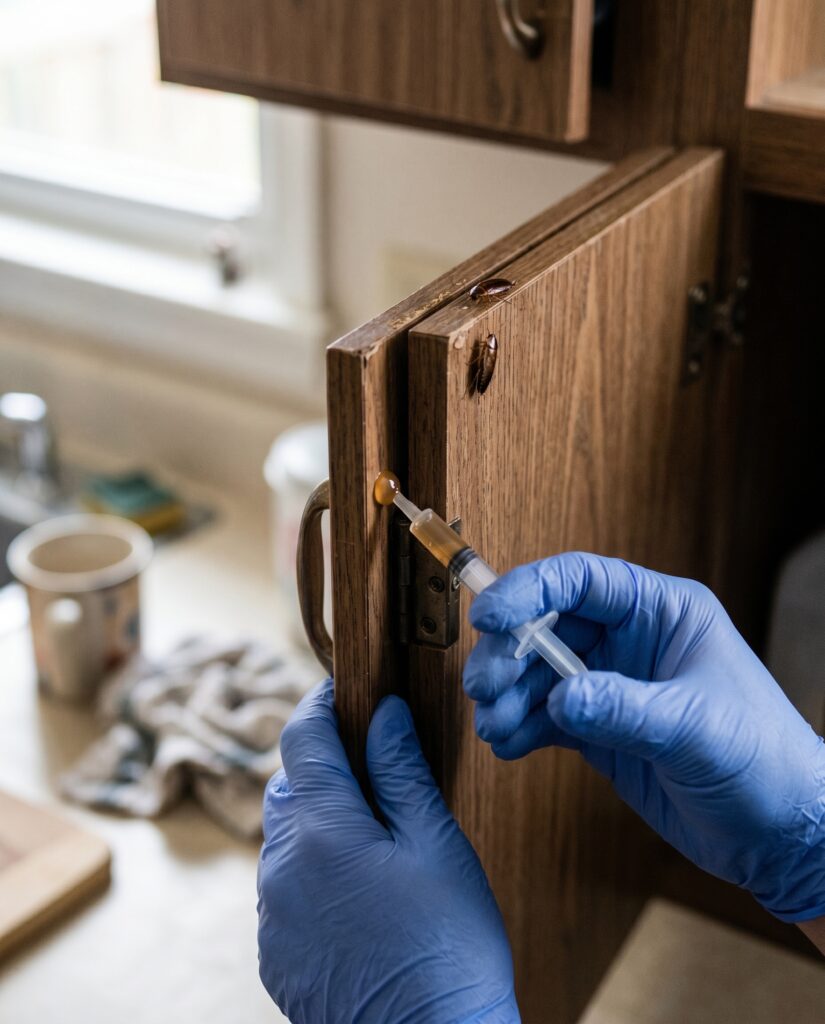
- Baits in sheltered areas: attic, crawlspace, garage corners, under eaves (away from fresh repellent sprays).
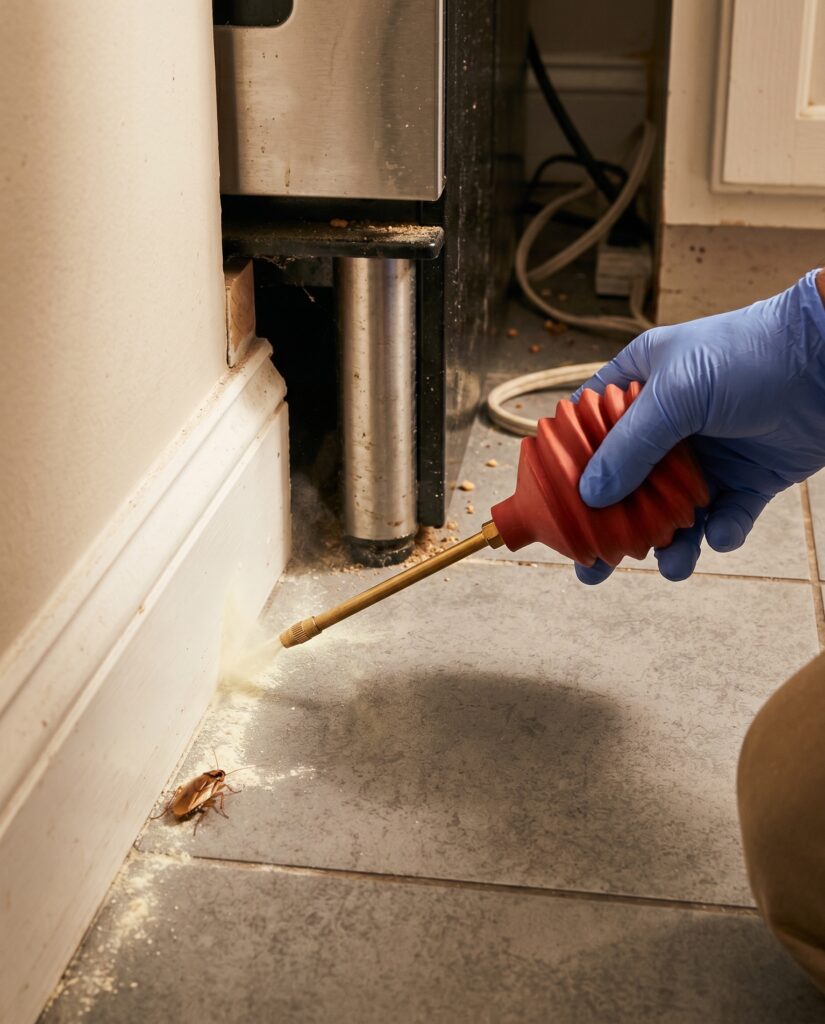
- Dust in voids: soffits, behind siding gaps, pipe chases (light application only).
If you need a quick knockdown for visible roaches while you build the long-term plan, see Best Roach Sprays for Instant Kill. Use these as spot tools, not the whole strategy.
Actionable takeaway: Outdoor control works best when you treat where roaches live (mulch, gutters, voids) and where they enter (doors, vents, utility gaps).
Baits, dusts, and growth regulators: the long-game tools most people skip
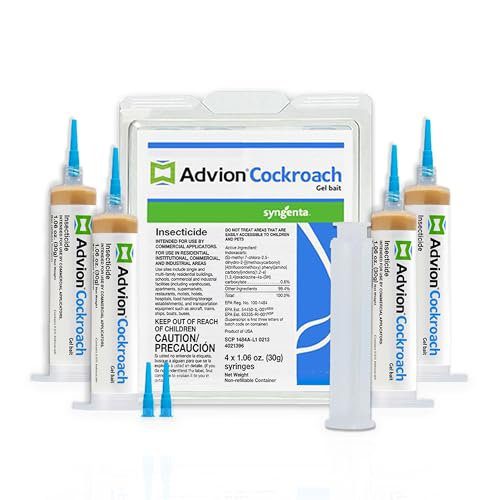
Advion Cockroach Gel Bait, 4 Tubes x 30-Grams, 1 Plunger and 2 Tips, German Roach Insect Pest Control, Indoor and Outdoor Use, Roach Killer Gel for American, German and Other Major Cockroach Species
This gel bait is ideal for placing in sheltered areas like attics and garages, targeting cockroaches directly and complementing perimeter treatments.
Perimeter sprays can reduce activity quickly, but smokybrown control often stalls if you never address hidden harborages. This is where baits, dusts, and insect growth regulators (IGRs) earn their keep.
Outdoor and “transition zone” baiting (how to do it without canceling it out)
Baits work because roaches feed and share the toxicant through feces and body contact. But many common perimeter sprays are repellent, which can push roaches away from bait placements.
Best bait placement zones
- attic corners and along rafters (dry, sheltered travel routes)
- crawlspace ledges and piers
- garage edges behind stored bins
- under eaves and protected exterior overhangs (label permitting)
Bait rules that prevent failure
- Do not place bait where you just sprayed a repellent residual.
- Use small amounts in multiple placements rather than one big pile.
- If activity does not drop in about 2 weeks, rotate to a different bait type.
For product-format guidance and placement tips, Best Cockroach Gel Baits is a helpful companion read.
Dusts in voids (low visibility, long residual)
Dusts can remain active in dry voids for long periods, making them useful for:
- soffits and attic penetrations
- gaps behind siding or around plumbing
- cracks in exterior voids where roaches tuck in
Apply a barely visible film. Over-application can repel insects and create mess.
IGRs (population suppression, not instant kill)
IGRs disrupt development and reproduction. They do not solve a problem overnight, but they help prevent the “new wave” of nymphs from replacing what you killed last week.
Think of an IGR as removing the next generation from the pipeline. When combined with sanitation, exclusion, and baits, it often shortens the overall battle.
Visual: choose the right tool for the job
| Tool | Best for | What to expect |
|---|---|---|
| Residual spray | Entry points, foundation band | Faster reduction, needs reapplication |
| Granules | Mulch and landscaped beds | Strong outdoor impact where they hide |
| Baits | Attic, crawlspace, sheltered areas | Slower but deeper population drop |
| Dusts | Voids and inaccessible cracks | Long-lasting in dry spaces |
| IGR | Long-term suppression | Gradual collapse of infestation |
Actionable takeaway: If you keep seeing roaches after “good spraying,” add baits and void treatments. That’s where many smokybrowns are actually living.

Safety, seasonality, and when to call a professional

Gardener’s Supply Company Cedar Raised Garden Bed | Weather Resistant Outdoor Planter Box for Plants, Herbs Flowers & Vegetables with Rust-Proof Aluminum Corners | 4ft W x 6ft
This raised garden bed can help reduce the amount of mulch and leaf litter near the foundation, which are breeding grounds for smokybrown cockroaches.
Smokybrown cockroaches are a nuisance outdoors, but they can also affect health indoors. Like other cockroaches, they produce allergen-containing shed skins and feces that can worsen asthma in sensitive people. Public health guidance from the Centers for Disease Control and Prevention also emphasizes reducing pest allergens through sanitation and exclusion, not just pesticides.
Seasonal timing: when outdoor pressure peaks
In warm, humid regions, activity often ramps up in late spring and summer and can stay high into fall. Expect more:
- nighttime flights to porch lights
- movement into garages and attics during hot, humid stretches
- indoor sightings during heavy rain or when outdoor harborages are disturbed (mulch replacement, tree work)
Seasonal action plan
- Spring: gutter cleaning, exclusion repairs, first perimeter treatment
- Summer: maintain dry buffer zone, bait rotation if needed, spot treat hotspots
- Fall: seal new gaps, reduce leaf litter, final heavy cleanout before cooler weather
Low-toxicity and non-chemical options that still matter
If you prefer lighter chemical use, focus on the steps that change the environment:
- dehumidify and ventilate crawlspaces and attics
- remove wet organic debris (gutters, leaf piles)
- seal entry points and reduce exterior lighting attraction
- use sticky traps for monitoring and to confirm hotspots
For additional options, Natural Cockroach Repellents That Actually Work covers realistic approaches and where they fit in an IPM plan.
When professional help is the smart move
Call a licensed pest professional if:
- roaches are consistently found in living spaces (not just garage/porch)
- you suspect heavy attic or crawlspace harborage you cannot access safely
- you have asthma sufferers in the home and need faster allergen reduction
- you have repeated reinvasion from neighboring properties or dense tree cover
Actionable takeaway: The earlier you address gutters, mulch moisture, and entry gaps, the less likely you’ll need intensive indoor treatments later.
Conclusion
Effective control of the smokybrown cockroach starts outdoors, where this species breeds and shelters. Dry out moisture sources, remove leaf and mulch harborages near the foundation, seal entry points, and then use targeted perimeter sprays, granules, and sheltered bait placements to reduce the population over time.
If you want a structured, room-by-room plan that complements the outdoor work, revisit How to Get Rid of Cockroaches Permanently and keep What Attracts Cockroaches to Your Home handy as a troubleshooting checklist.
As an Amazon Associate, I earn from qualifying purchases. Product recommendations are based on real reviews and independent research.