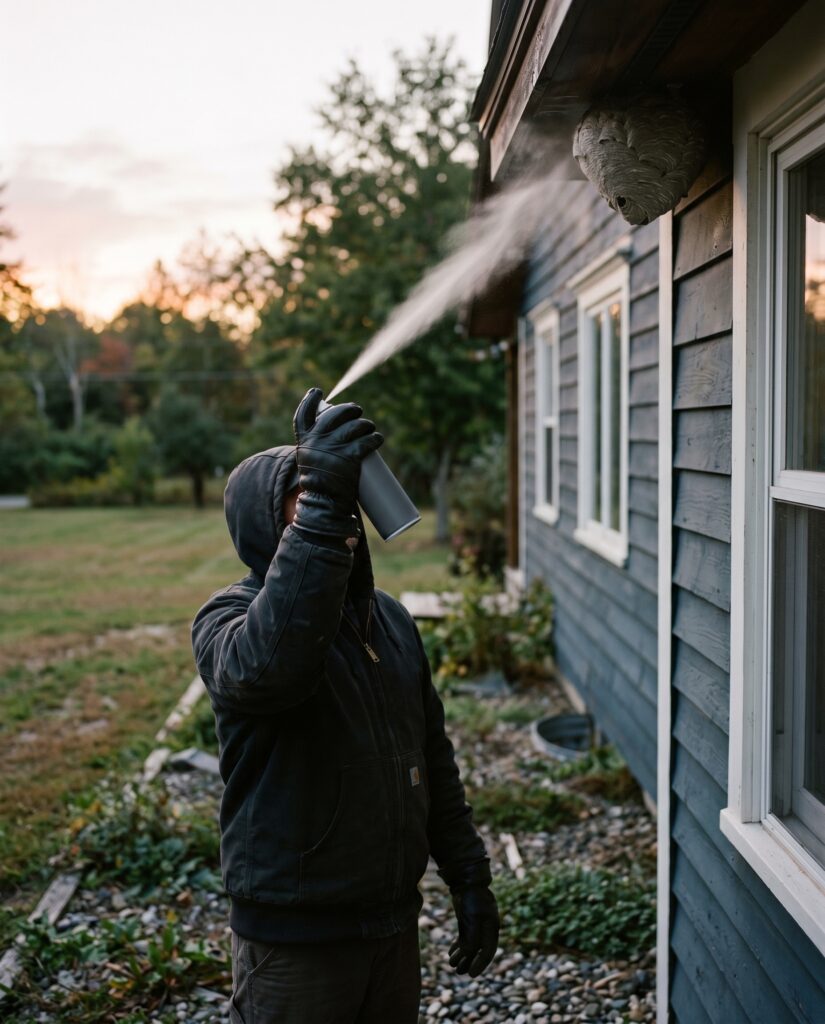
Bee stings are one of those outdoor surprises that can turn a calm afternoon into a moment of panic. The big question behind most searches is simple: do bees die after stinging you? Sometimes yes, but only for a narrow slice of the bee world. This guide explains which bees die, which can sting more than once, why honeybees “self-destruct,” and what to do right away if you get stung. You will also learn how to avoid repeat stings without harming important pollinators.
Quick answer: Do bees die after stinging?
Most bee stings do not kill the bee. The “bee dies after it stings” idea mostly applies to honeybee workers.
- Honey bees (Apis mellifera) workers: Usually die after stinging humans because their barbed stinger gets stuck in elastic skin.
- Bumblebees (Bombus spp.): Can sting multiple times and usually do not die.
- Carpenter bees (Xylocopa spp.): Females can sting more than once; males cannot sting.
- Most wild, solitary bees: Rarely sting, and many can sting more than once if forced.
- Big-picture bee fact: research highlighted by the University of Wollongong notes that only a tiny fraction of bee species typically die after stinging.
If you have a visible stinger left behind, treat it like a honeybee sting and remove it fast.
Why honey bees die after stinging (and why most bees don’t)
If you have ever seen a stinger left in your skin after bee stings, you have already witnessed the key clue. Honeybee workers are built for colony defense, not personal survival.
The barbed stinger: a one-way anchor in human skin
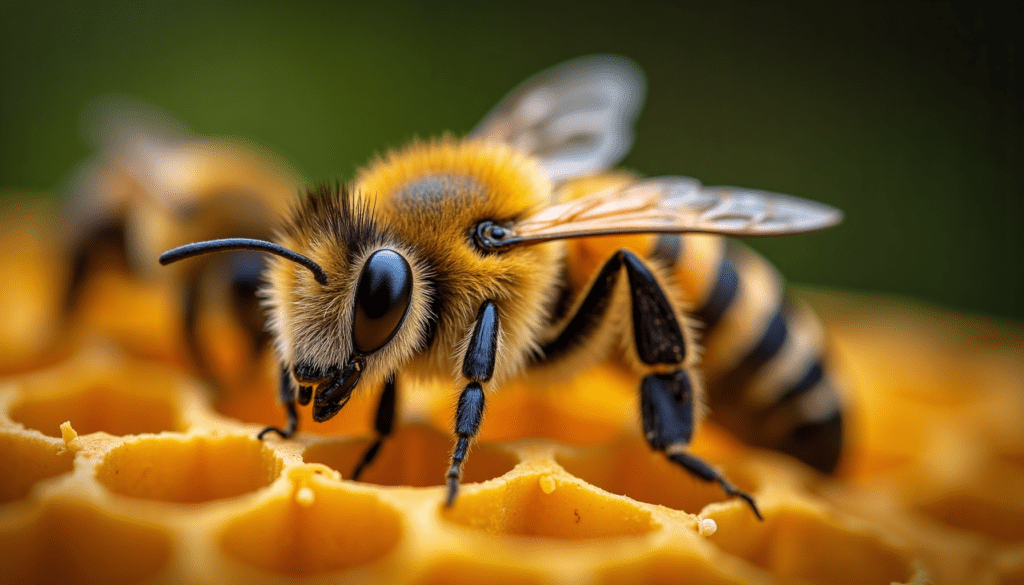
Worker honeybees have a barbed stinger, which is a modified egg-laying structure (so only females have it). When a worker stings a mammal, the barbs catch in elastic skin and the bee often cannot pull free.
As the bee tries to fly away, the stinger apparatus can tear out, including the venom sac and associated tissues, which is fatal. The sting keeps working even after the bee is gone because the detached stinger can continue pumping venom for a short time. The mechanism is summarized clearly in the background information compiled on Wikipedia’s bee sting overview and in many standard entomology references.
Here is the simple “why”:
- Barbs + stretchy skin = stuck stinger
- Stuck stinger + bee pulling away = fatal injury
- Detached stinger keeps injecting venom briefly = more venom delivered
Why honeybees sometimes survive stinging other insects
The “suicidal sting” is most common with vertebrates like people, dogs, and horses. Many insects have a harder, less elastic exterior, so a honeybee may be able to withdraw the stinger without it snagging the same way.
Why most other bees can sting more than once
Bumblebees and carpenter bees tend to have smoother stingers, so they can sting, pull back, and sting again. Many solitary bees can also sting more than once, but most are so non-confrontational that people rarely experience it.
Quick comparison chart:
| Bee type | Can it sting? | Can it sting multiple times? | Likely to sting people? |
|---|---|---|---|
| Honeybee worker | Yes | No (usually) | Moderate near hive |
| Bumblebee | Yes | Yes | Low unless nest disturbed |
| Carpenter bee (female) | Yes | Yes | Low unless handled |
| Carpenter bee (male) | No | No | No |
| Many solitary bees | Sometimes | Often yes | Very low |
Actionable takeaway: if you are dealing with repeated stings around food, trash, or eaves, it may not be a bee at all. Use our guide to Bee vs Wasp vs Hornet: Key Differences to narrow down what you are seeing before choosing a control plan.
Bee sting venom and what happens to your body
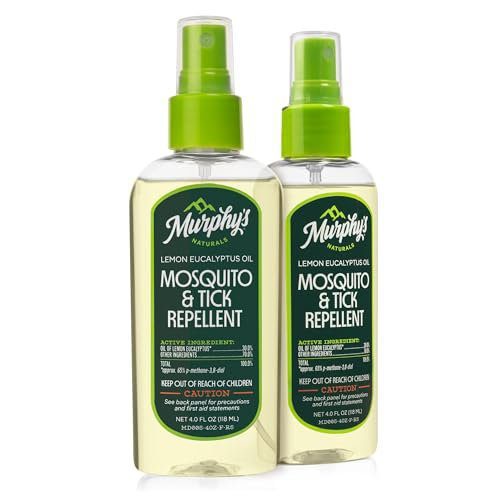
Murphy’s Naturals Mosquito & Tick Bug Repellent Spray, Oil of Lemon Eucalyptus for Skin + Outdoor Gear, 4 Ounce Pump, 2-Pack
This natural bug spray helps prevent bee stings by keeping bees away while you enjoy outdoor activities.
A sting feels immediate because bee venom is designed to cause pain and teach predators to back off. For most people, bee stings cause localized symptoms that peak within hours and improve over a day or two.
What is in bee venom?
Honeybee venom contains compounds that drive pain, swelling, and inflammation. One of the most discussed is melittin, along with enzymes such as phospholipase A2. In non-allergic people, this produces a local reaction. In allergic individuals, the immune system can overreact and trigger an emergency.
The commonly cited venom dose for a honeybee sting is on the order of tens to low hundreds of micrograms, and severe outcomes in non-allergic adults generally involve many stings, not one. For medically oriented background, the American Academy of Allergy, Asthma & Immunology explains how sting allergy and anaphylaxis work and why prompt care matters.
Normal vs concerning reactions
Use this quick guide after bee stings:
Typical local reaction (common):
- Sharp pain and burning at the site
- Redness and swelling near the sting
- Itching as it heals
Large local reaction (still usually not dangerous):
- Swelling that expands beyond the sting site over 24 to 48 hours
- Warmth and tightness, sometimes dramatic-looking
Possible anaphylaxis (medical emergency):
- Trouble breathing, wheezing, throat tightness
- Swelling of lips, tongue, or face
- Widespread hives away from the sting site
- Dizziness, fainting, confusion, rapid heartbeat
- Vomiting or severe nausea soon after the sting
Actionable takeaway: if symptoms spread beyond the sting site quickly or involve breathing, treat it as an emergency and seek immediate care. People with known severe allergy should follow their clinician’s plan and use epinephrine as prescribed.
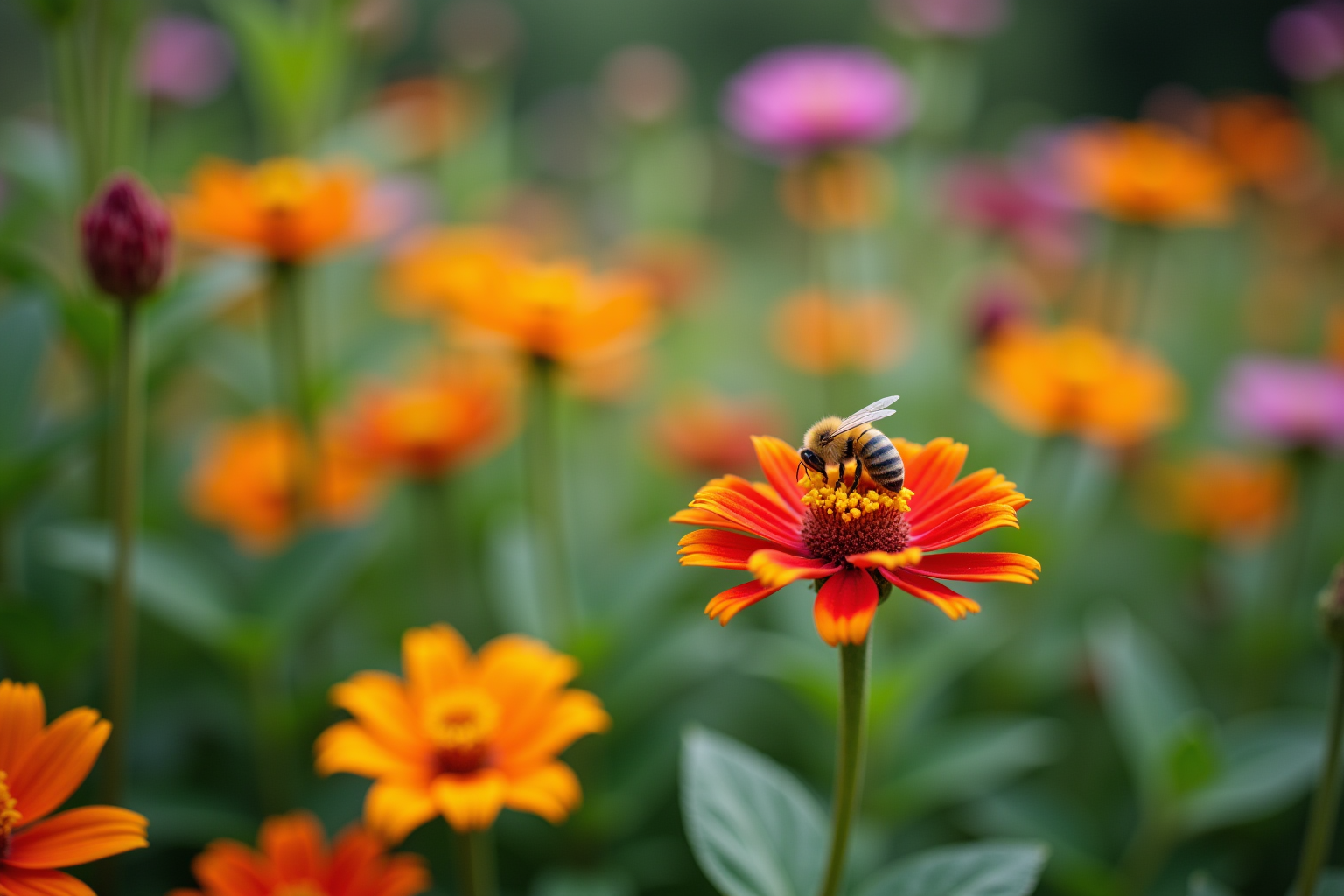
What to do right away after bee stings (fast first aid that works)
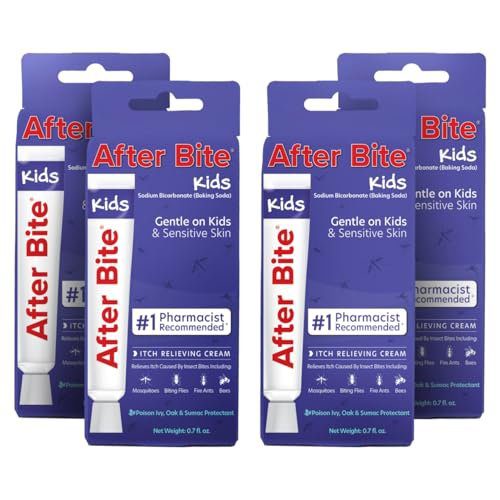
After Bite Kids – Bug Bite Itch Relief for Kids with Sodium Bicarbonate – Ideal for Mosquito Bites, Fire Ant Bites, Bees & More – Portable Cream Formula – 0.7 oz (4 Pack)
This product is useful for treating bee stings quickly and effectively, providing relief from pain and itching.
The first minute matters most when the stinger is still in place. The goal is simple: stop venom delivery, reduce swelling, and watch for allergy symptoms.
Step 1: Remove the stinger quickly
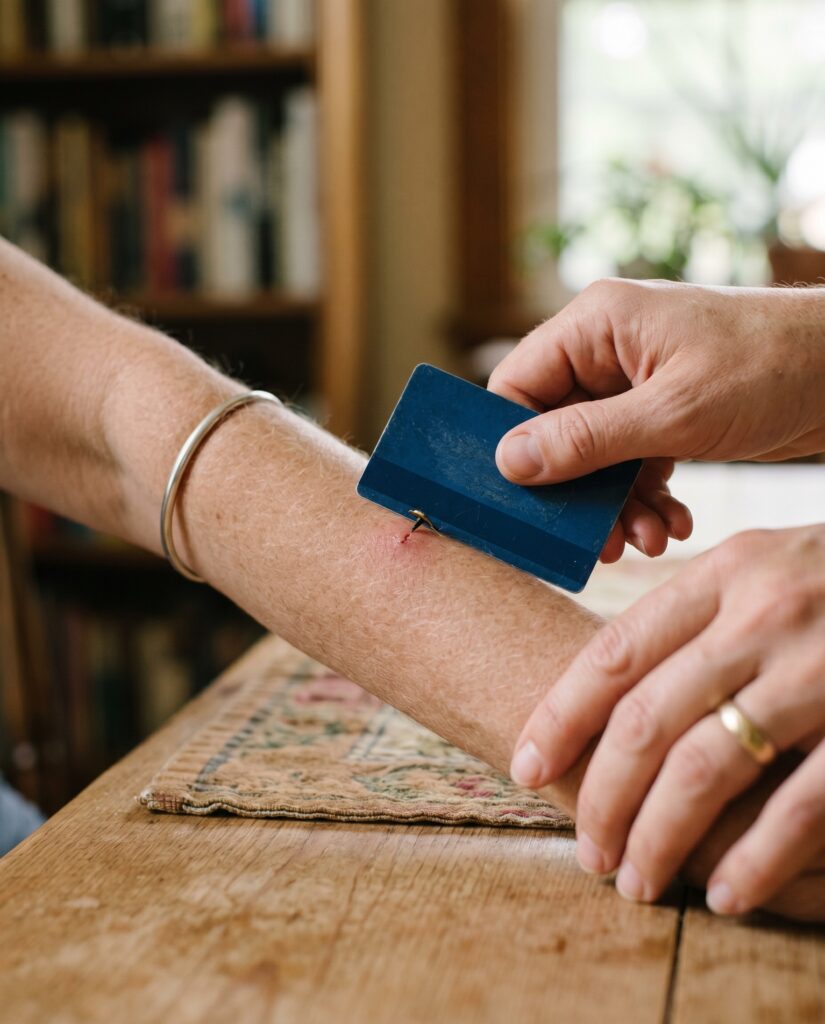
If you see a tiny black stinger or a small “splinter” with a sac attached, it is likely a honeybee sting.
Entomologists and clinicians emphasize that speed matters more than technique. Whether you scrape it out with a card or pinch it out with fingers or tweezers, the key is removing it immediately. The evidence summary is discussed in Wikipedia’s bee sting page, reflecting findings often repeated in clinical reviews.
Fast options:
- Fingernail flick
- Credit card edge scrape
- Tweezers if already in your hand
Do not waste time searching for the “perfect” method.
Step 2: Clean, cool, and calm the reaction
Once the stinger is out:
- Wash with soap and water.
- Apply a cold pack wrapped in cloth for 10 to 15 minutes.
- Repeat cooling as needed during the first hour.
For symptom relief, many clinicians recommend:
- Oral pain relief (follow label directions)
- Oral antihistamine for itching and swelling
- A thin layer of hydrocortisone or calamine for itch
For a clear, step-by-step walkthrough, see How to Treat a Bee Sting Effectively.
Step 3: Watch for delayed problems
Most stings improve steadily. Get medical advice if you notice:
- Increasing redness, warmth, and pain after 48 hours (possible infection)
- Swelling that interferes with vision, walking, or hand function
- Sting in the mouth or throat (higher risk due to swelling)
Step 4: Multiple stings change the risk
Dozens of stings can cause toxic effects even without allergy, especially in children, older adults, and people with heart or breathing conditions. If a person is stung many times, seek urgent medical care.
Actionable takeaway: if you are being stung repeatedly, do not stand your ground. Get indoors or into a vehicle, cover your face, and put distance between you and the insects.
How to avoid bee stings without harming pollinators
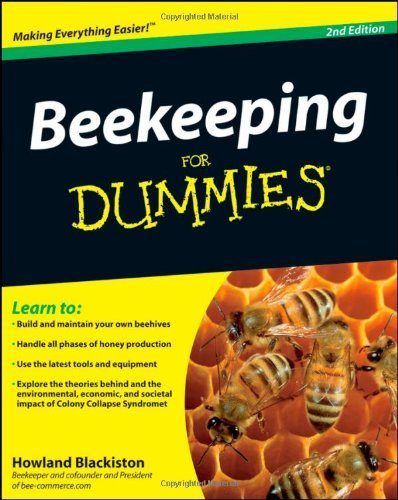
Beekeeping For Dummies 2nd (second) edition Text Only
This book provides insights into bee behavior, including stinging, and is perfect for those interested in beekeeping.
Avoiding bee stings is mostly about reducing accidental contact and avoiding defensive triggers. Most bees are not looking for a fight. They are protecting a nest or reacting to being trapped, stepped on, or swatted.
Everyday prevention tips that work
Use this quick checklist outdoors, especially in spring and summer when flowering plants are abundant:
- Wear closed-toe shoes in clover lawns and near blooming groundcover.
- Do not drink from open cans outdoors. Stinging insects can crawl inside.
- Avoid strong fragrances and heavily scented hair products.
- Skip bright floral prints if you are working near flowers.
- Move slowly if a bee is inspecting you. Swatting often escalates.
Mini “do this, not that” table:
| Situation | Do this | Not this |
|---|---|---|
| Bee hovering near your face | Turn away, walk calmly | Wave arms, slap at it |
| Bee on clothing | Brush gently or wait | Pinch or trap it |
| Working near flowers | Wear gloves, move slowly | Disturb blooms aggressively |
What to do near a hive or nest
Honeybees are most defensive near their colony entrance. If you notice steady traffic into a wall gap, tree cavity, or roofline:
- Keep people and pets away from the area.
- Do not block the flight path.
- Avoid vibrations from mowing or power tools nearby.
If bees are nesting in a structure, it is safest to contact a professional. Guidance from the Texas A&M Honey Bee Lab explains common honeybee behaviors and why removal should be handled carefully.
Actionable takeaway: if the insects are honeybees, removal is often best done by a beekeeper or trained specialist when feasible, especially to protect pollinators and prevent repeat infestations.

Bee facts that clear up common sting myths
A lot of fear around bee stings comes from half-true sayings that get repeated. Clearing these up helps you respond correctly and avoid unnecessary killing of beneficial insects.
Myth 1: “All bees die after stinging.”
False. Research highlighted by the University of Wollongong points out that only a very small fraction of bee species typically die after stinging. Most bees either can sting multiple times or rarely sting at all.
Myth 2: “Honeybees always die no matter what they sting.”
Not always. They are most likely to die after stinging mammals and birds. Against other insects, they may sometimes withdraw the stinger.
Myth 3: “Male bees sting.”
Male bees (drones) do not have stingers. Only females sting because the stinger is a modified egg-laying structure.
Myth 4: “You must scrape the stinger out, never pinch it.”
Outdated advice. The best-supported practical message is: remove it immediately by whatever method is fastest. Delaying increases venom delivery.
Myth 5: “If it stung me, it was definitely a bee.”
Many “bee stings” are actually from yellowjackets, paper wasps, or hornets, which can sting repeatedly. If you keep getting stung around food and trash, compare your insect to our Bee vs Wasp vs Hornet: Key Differences guide.
Myth 6: “Bumblebees are just fuzzy honeybees.”
They behave differently, nest differently, and can sting more than once. If you are trying to identify what you saw in the yard, our Honey Bee vs Bumble Bee: Discover the Key Differences breakdown makes it easy to spot the differences.
Actionable takeaway: correct ID prevents bad decisions. Many situations that look like “aggressive bees” are actually wasps defending a nest or scavenging at a picnic.
Conclusion: respect the sting, but don’t fear the bee
Bee stings are painful, but the story behind them is more interesting than most people realize. Honeybee workers usually die after stinging humans because their barbed stinger gets stuck, but most other bees do not. Removing the stinger quickly, cooling the area, and watching for allergy symptoms covers the basics for most stings.
Next step: bookmark How to Treat a Bee Sting Effectively for fast first aid, and use Bee vs Wasp vs Hornet: Key Differences if you need to identify what is stinging around your home. If you are curious about living safely alongside honeybees, our list of Best Beekeeping Books for Beginners is a solid place to start.
As an Amazon Associate, I earn from qualifying purchases. Product recommendations are based on real reviews and independent research.