
If sweat bees keep landing on your arms, face, or neck the good news is they are usually not trying to sting you. They are after the salts and moisture in perspiration, especially on hot, humid days when sweat is easy to find. This guide will help you identify sweat bees, understand why they “like” people, and use practical, pollinator-friendly ways to repel them from your body and yard without turning your outdoor time into a battle.
A related guide worth having to hand: Ground Bees: How to Identify and Effectively Manage Them.
Quick Identification / Quick Answer
Sweat bees are small native bees in the family Halictidae, and they often land on people to lick sweat for minerals.
Quick answers most people want:
- Why do sweat bees land on you? They’re attracted to salt and moisture in sweat and lap it with their tongues.
- Are they dangerous? Usually no. Females can sting, but most stings happen when a bee is swatted, trapped, or pinched.
- Do they bite? No. Any pain is from a sting, not a bite.
- How do you repel them fast?
- Wipe sweat often
- Cover skin with light, loose clothing
- Avoid floral scents
- Use airflow (a fan) on patios
- Reduce bare, compact soil where they nest
At-a-glance ID clues (snippet-friendly):
| Feature | Typical sweat bee |
|---|---|
| Size | ~3–15 mm (about 1/8–5/8 in) |
| Color | Black/brown or metallic green/blue/bronze |
| Where you see them | Flowers, lawns, bare soil patches, garden paths |
| Behavior | Low flight near ground; may land to lick sweat |
What Are Sweat Bees? (And How to Tell Them From Lookalikes)
Most people notice sweat bees in the most annoying way possible – when one lands on skin and won’t leave. Before you try to “treat” the problem, it helps to confirm what you’re seeing. “Sweat bee” is a broad nickname for many species in the bee family Halictidae, one of the most diverse bee families on Earth.
According to the Missouri Department of Conservation field guide, halictid bees range from solitary nesters to small, simple social colonies. Many are excellent pollinators in gardens and natural areas.
Quick ID checklist (visual cue list)
Use this checklist when a small bee is hovering around your patio or garden:
- Size: usually smaller than a honey bee, often gnat-sized at first glance
- Color:
- metallic green or blue (common in some species)
- dull brown or black
- pale abdominal bands on some species
- Flight style: quick, darting, low to the ground near bare soil
- Where they gather: sunny, compact soil patches, lawn edges, paths, garden beds
Sweat bees vs hoverflies (a common mix-up)
In many regions, people call certain hoverflies “sweat bees.” That matters because hoverflies do not sting.
Here’s a fast comparison you can use outdoors:
| Trait | Sweat bee (bee) | Hoverfly (fly) |
|---|---|---|
| Wings | 2 pairs (often hard to count) | 1 pair (flies have one pair) |
| Eyes | Smaller relative to head | Often very large, “wrap-around” |
| Antennae | More obvious | Short, stubby |
| Behavior | Visits flowers; may lick sweat | Hovers in place smoothly |
Actionable takeaway: If the insect has huge eyes and hovers like a tiny helicopter, it may be a hoverfly. If it’s metallic green and zips between flowers and your skin, a sweat bee is more likely.
Why they matter in your yard
Sweat bees are part of the native pollinator workforce. Many species are generalist pollinators, helping wildflowers and some crops set seed. If you’re also curious about broader pollinator declines, see our guide on Why Are Bees Endangered? for practical ways to help without inviting bees into high-traffic areas.
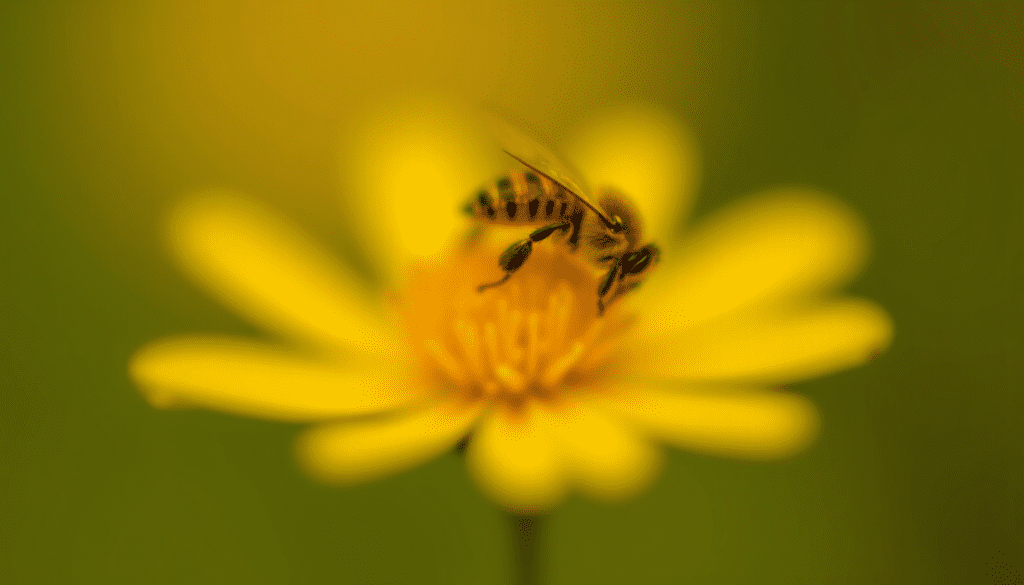
Suggested image alt text: “Metallic green sweat bee (Halictidae) on a flower showing small size and shiny abdomen.”
Why Sweat Bees Land on You (It’s Mostly Salt, Not Aggression)
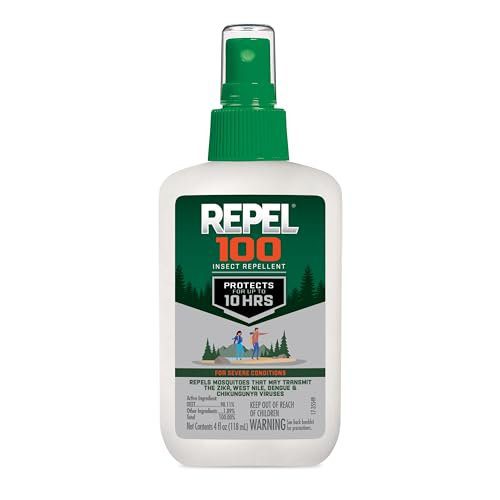
Repel 100 Insect Repellent, 4 Ounces, With DEET, 10-Hour Protection Long-Lasting Insect Repellent Pump Spray Repels Mosquitoes, Ticks, Gnats, Biting Flies, Chiggers And Fleas
This insect repellent is effective for repelling sweat bees and other insects, making it a practical solution for outdoor activities.
The behavior feels personal: you’re outside for five minutes, and a tiny bee is suddenly on your wrist. But entomologists and wildlife agencies consistently explain the same mechanism – sweat bees are attracted to perspiration because it contains minerals they do not reliably get from nectar and pollen.
The Maryland Department of Natural Resources native animal profile compares it to a salt lick. The bee isn’t hunting you. It’s supplementing its diet.
What they’re actually doing on your skin
Sweat contains sodium and other salts. When a sweat bee lands, it uses its tongue to lap moisture from the surface.
That leads to two important points:
- Sweat bees do not need to bite to get sweat.
- The “sticking around” behavior is feeding, not an attack posture.
When this happens most (timing and conditions)
If you want to predict when you’ll be bothered, look at the weather and your activity:
- Hot, sunny days: more sweat, more attraction
- Midday yardwork: exposed arms and salty perspiration
- Near nesting areas: patios next to bare soil patches can be a hotspot
- Late spring through summer: peak activity in many regions
A quick “why me?” flowchart (mini visual)
- Are you sweating?
- Yes -> you’re a salt source
- No -> they may be investigating scents or nearby flowers
- Are you near bare soil in sun?
- Yes -> you may be close to nesting tunnels
- No -> they may be foraging on nearby blooms
Actionable takeaway: The fastest way to reduce landings is to reduce accessible sweat – wipe skin, cover up, and move into shade when possible.
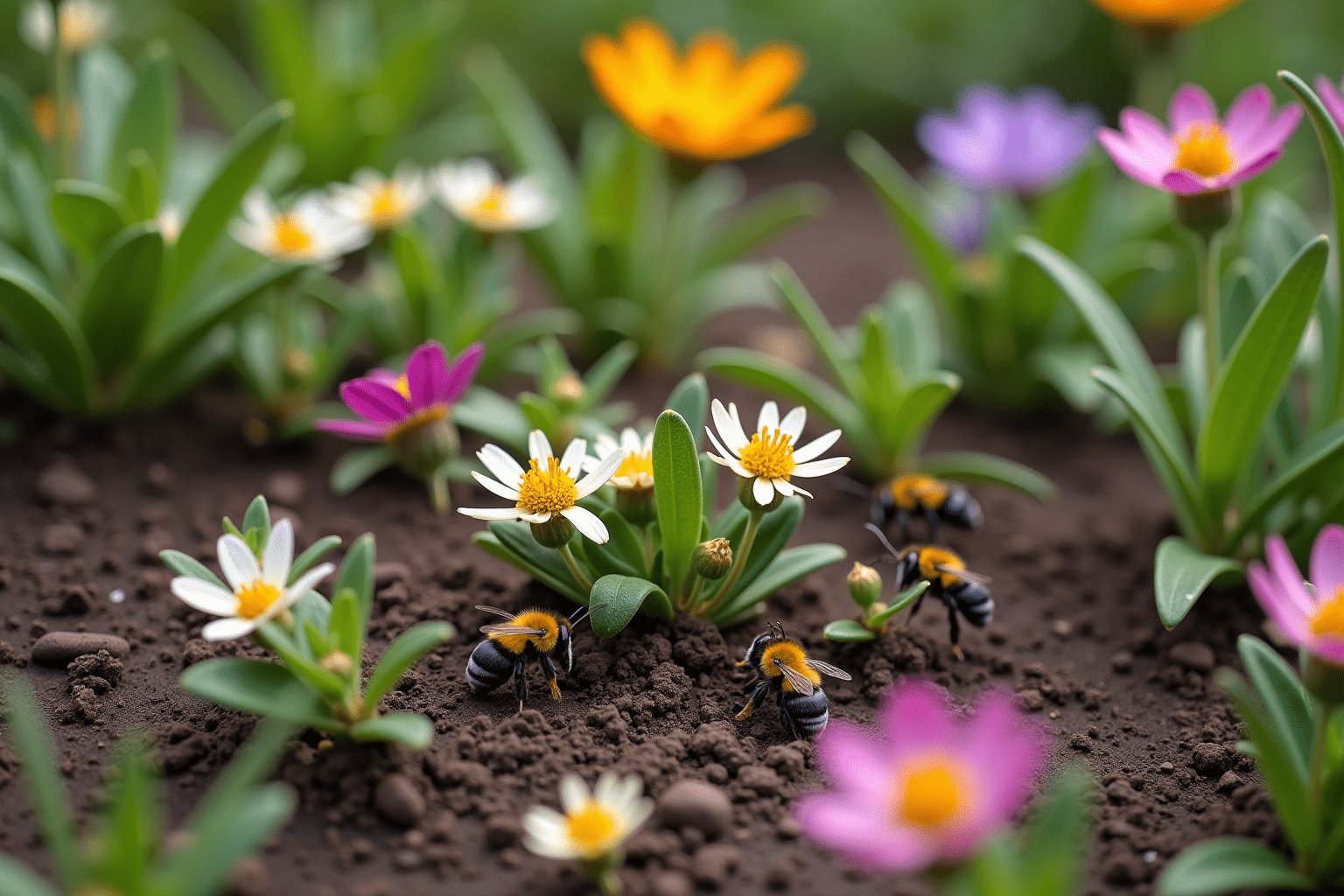
Suggested image alt text: “Sweat bee licking perspiration on human skin, showing salt-seeking behavior.”
Are Sweat Bees Dangerous? Stings, Allergies, and Real-World Risk
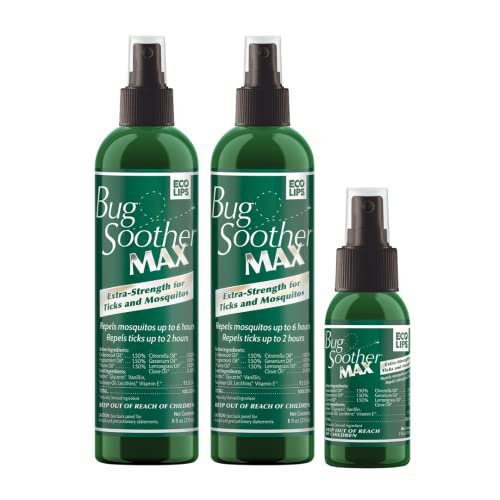
Bug Soother® MAX Natural Tick & Mosquito Repellent Spray – DEET-Free Extra Strength Outdoor Bug Protection, Plant-Based Formula – Made in USA (2ct 8 oz Bottles)
This natural insect repellent is safe for use around people and pets, and it can help keep sweat bees away without harmful chemicals.
Most sweat bee encounters are more irritating than dangerous, but it’s smart to know the real risks. Only female bees can sting because the stinger is a modified egg-laying structure. And even then, sweat bees are generally non-aggressive unless they’re trapped against skin or you disturb a nesting area.
Medical overviews like WebMD’s sweat bee guide describe their stings as typically mild for most people, with the usual redness, swelling, and itch.
What a typical sting feels like (and why it happens)
Most stings happen during one of these scenarios:
- You swat at the bee and press it into your skin
- A bee gets caught in clothing (collar, sleeve, waistband)
- You step or kneel near a nesting patch and disturb the entrance
Common local symptoms:
- sharp pinch or burning sensation
- small welt, redness, mild swelling
- itching for 1-3 days
When a sting is an emergency
Any bee sting can trigger an allergic reaction in sensitive individuals. Treat these symptoms as urgent:
- trouble breathing or wheezing
- swelling of lips, tongue, face, or throat
- widespread hives away from the sting site
- dizziness, fainting, vomiting
Actionable takeaway: If you have a known venom allergy, carry prescribed epinephrine and seek emergency care after using it. If you’re unsure, err on the side of medical advice.
Sweat bees vs other stinging insects (quick comparison)
Not sure if you’re dealing with sweat bees, yellowjackets, or paper wasps? Behavior is often the giveaway. Sweat bees usually focus on sweat and flowers, not meat or soda cans.
For a fast ID refresher, compare common backyard stingers in Bee vs Wasp vs Hornet.
Suggested image alt text: “Comparison chart of sweat bee vs yellowjacket showing size and behavior differences.”
How to Repel Sweat Bees From Your Body (Without Harming Pollinators)
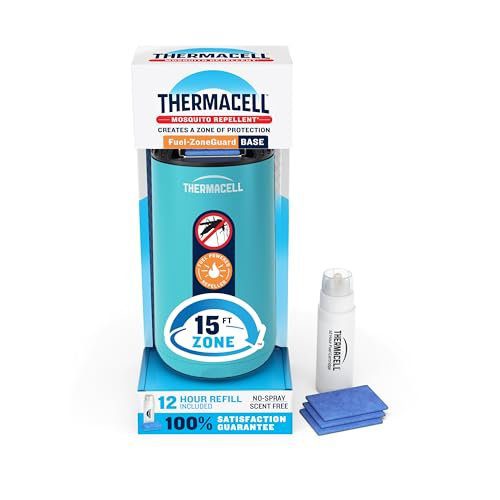
Thermacell Mosquito Repeller Patio Shield; Includes 12-Hour Refill; 15 Foot Zone of Protection; Highly Effective Mosquito Repellent for Patio; Bug Spray Alternative; Scent Free
This device creates a protective barrier against various insects, including sweat bees, making it ideal for outdoor gatherings.
If sweat bees keep targeting you during gardening, hiking, or outdoor sports, your goal is simple: reduce the cues that attract them and make landing difficult. Many pest control guides emphasize non-lethal approaches because these insects are pollinators. Guidance similar to this appears in resources like Orkin’s overview of sweat bee behavior and prevention, especially around reducing sweat and using airflow.
Step-by-step: what to do when one lands on you (mini protocol)
- Stop swatting. Swats trap bees against skin and cause most stings.
- Blow gently or brush lightly. Use the back of your hand or a cloth.
- Check clothing folds. If one is inside a sleeve or collar, step away and remove the garment calmly.
- Move to shade or indoors if multiple bees are hovering.
Make yourself less “salty” and less accessible
Try these changes first – they solve the problem for many people:
- Wipe sweat often: keep a small towel or bandana handy
- Cover skin: light, loose long sleeves and pants reduce landing sites
- Use sweat-wicking gear: headbands and athletic fabrics reduce beads of sweat
- Avoid floral or fruity scents: perfumes, scented sunscreens, and hair products can confuse foraging bees
Do insect repellents work on sweat bees?
Repellents are designed and tested mainly for mosquitoes and ticks, not bees. Still, some people find that standard skin repellents reduce interest by masking body cues.
If you want options and safety notes, see our guide to Best Mosquito Repellents. Use any repellent exactly as labeled, and don’t assume it will fully prevent bee landings.
Use airflow as a “no-landing zone” (a simple patio fix)
Sweat bees are strong fliers, but steady airflow makes landing difficult.
Easy setups:
- oscillating fan pointed across a seating area
- outdoor ceiling fan on a covered patio
- small fan aimed at a grill or outdoor table during meals
Actionable takeaway: If you want an immediate, low-effort solution, add a fan. It reduces landings without chemicals.

Suggested image alt text: “Outdoor fan on patio creating airflow to deter sweat bees from landing.”
How to Reduce Sweat Bees in Your Yard: Nesting Sites, Soil Fixes, and Smart Zoning
If you’re seeing repeated activity in the same spot, you may be near nesting habitat. Most sweat bees nest in the ground, often in bare, compact, sunny soil. The Missouri Department of Conservation notes that many halictids use short tunnels with side chambers for pollen and developing young.
That sounds alarming, but here’s the reality: these are usually individual nests or small clusters, not a single large hive. Activity is often seasonal.
Find the nesting zone (quick yard checklist)
Look for these signs in sunny areas:
- patches of bare soil along foundations, walkways, garden edges
- small, pencil-sized holes with minimal soil piles
- lots of tiny bees flying low over one section of ground
Mini map idea (visual exercise):
Sketch your yard and mark: (1) seating/play areas, (2) flower beds, (3) bare soil patches. The goal is to separate human zones from nesting and foraging zones.
Habitat changes that discourage nesting (non-lethal)
These methods make the site less attractive without spraying insecticide:
- Cover bare soil: add mulch, reseed grass, or plant ground cover
- Loosen and enrich compact soil: mix in organic matter to reduce hard-packed conditions
- Water very dry patches lightly and regularly: many ground nesters prefer dry, firm soil
- Add shade over problem areas: shrubs, trellises, or shade sails can reduce nesting appeal
- Block access where needed: pavers, stepping stones, or gravel paths over hotspots
What about flowers – should you remove them?
You don’t need to eliminate pollinator plants. Instead, use zoning:
- keep the most bee-attractive blooms away from patios, pools, and play sets
- plant pollinator patches along fences, back borders, or unused corners
- place seating in slightly shadier areas where sweat bees are less active
If your issue is with wood-nesting bees rather than ground nesters, the strategy changes. Our guide on Get Rid of Carpenter Bees Without Killing Them covers deterrence and repairs without harming beneficial insects.
When to call a professional
Consider professional help if:
- the nesting area is in a high-traffic spot for kids or pets
- someone in the home has a known sting allergy
- you’re not sure whether you’re dealing with sweat bees, yellowjackets, or another stinging insect
Actionable takeaway: Start with soil cover and zoning. It solves most yard conflicts while keeping native pollinators working.
Common Myths About Sweat Bees (Myth vs Fact)
Misunderstandings cause most of the fear around sweat bees. Clearing them up makes it easier to respond calmly and avoid stings.
Myth: “Sweat bees bite people to drink sweat.”
Fact: Sweat bees don’t bite humans. They lap sweat from the skin’s surface. Painful encounters are from stings, usually after swatting or trapping.
Myth: “They’re attacking me when they keep landing.”
Fact: Repeated landings are usually feeding behavior, not aggression. Think of it like a quick stop at a mineral source.
Myth: “Small bees in my lawn mean a dangerous infestation.”
Fact: Many ground-nesting bees form loose nesting aggregations. Each tunnel is typically one female or a small social unit, not a giant colony.
Myth: “The only solution is to spray.”
Fact: Broad insecticide use can harm pollinators and often isn’t necessary. Habitat tweaks, clothing choices, and airflow usually reduce the problem enough for comfortable outdoor time.
Actionable takeaway: If you stop swatting and change the “sweat cues,” most sweat bee problems shrink fast.
Conclusion: Live Comfortably With Sweat Bees (And Keep the Benefits)
Sweat bees are common native pollinators, and their habit of landing on people is mostly a salt-and-moisture search, not a sign of aggression. To repel them, focus on simple changes: wipe sweat, cover exposed skin, avoid floral scents, and use fans in seating areas. If they’re nesting nearby, cover bare compact soil and re-zone flowers away from patios.
Next step: If you’re still unsure what’s buzzing around your yard, compare behaviors in Bee vs Wasp vs Hornet. And if repellents are part of your plan, use our Best Mosquito Repellents guide to choose a safe, label-directed option.
As an Amazon Associate, I earn from qualifying purchases. Product recommendations are based on real reviews and independent research.

Pingback: How to Start Beekeeping: Your Complete Beginner's Guide
Pingback: Ground Bees: How to Identify and Effectively Manage Them