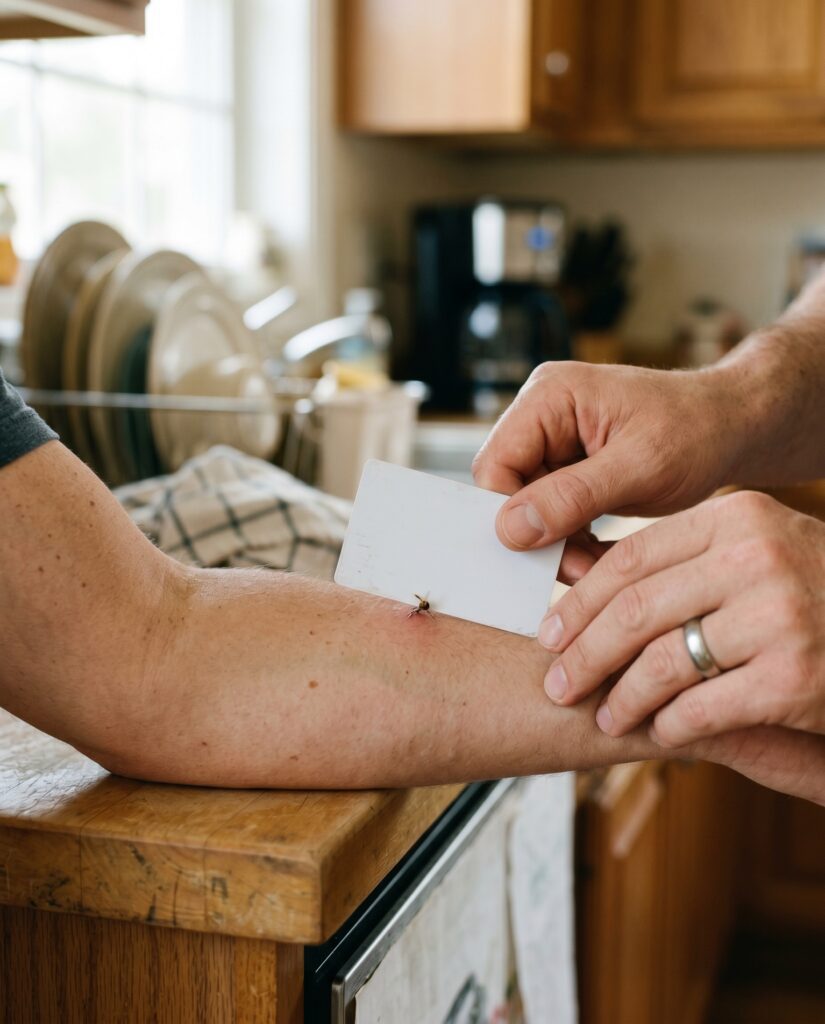
Finding a block of wax in a craft drawer and wondering what it’s actually good for? The most practical beeswax uses fall into three buckets: long-burning candles, protective skincare balms, and simple household fixes like polishing wood or waterproofing gear. Beeswax works so well because honey bees build it to be tough, water-repellent, and stable. In this guide, you’ll learn what beeswax is, why it behaves differently than plant and petroleum waxes, and how to use it safely for projects that actually hold up in real life.
Quick Answer: What are the most common beeswax uses?
Beeswax is a natural wax made by honey bees that’s prized for being water-repellent, moldable when warm, and firm at room temperature. Here are the most popular beeswax uses at a glance:
- Candles: slow-burning, naturally aromatic, and often lower-soot when wicked correctly
- Skincare and cosmetics: thickens balms, stabilizes creams, and forms a protective moisture barrier
- Household maintenance: wood and leather polish, zipper and drawer lubricant, rust-resistant tool coating
- Food and kitchen: reusable food wraps, cheese coatings, and specialty confectionery glazing
- Arts and crafts: batik resist, encaustic painting, and moldable modeling medium
- Outdoors: water-resistant fire starters and quick waterproofing for threads and gear
Best “starter” projects: a simple lip balm, a small tin of wood polish, or a rolled beeswax taper candle.
What beeswax is (and how honey bees make it)
Beeswax starts as a biological building material, not a “wax product.” Worker honey bees (Apis species) secrete wax from glands on the underside of the abdomen, typically when they’re about 12 to 18 days old. The wax appears as tiny translucent scales. Bees chew and knead those scales with their mandibles, then shape them into the hexagonal comb that holds brood and honey.
That origin story matters because it explains beeswax’s performance. Comb has to stay solid on hot days, repel moisture, and hold weight without collapsing. According to guidance from the Utah State University Extension beekeeping program, wax collected from cappings and comb is a valuable secondary harvest for beekeepers, and it can be cleaned and stored for many uses.
The chemistry behind the “feel” of beeswax
Beeswax is a blend of long-chain compounds, dominated by esters (often cited around 70%), plus fatty acids and hydrocarbons. This mix is why beeswax is:
- Hydrophobic: it repels water, so it’s useful for coatings and barriers
- Firm but workable: it’s hard at room temperature, yet softens when warmed by hand
- Stable: it resists going rancid compared with many oils
- A higher-melt wax: it typically melts around 62 to 64 C (144 to 147 F), with softening beginning lower
For readers who also keep bees or are thinking about it, it helps to understand where wax comes from in the hive. The beginner steps in How to Start Beekeeping: Your Complete Beginner's Guide make it easier to predict when you’ll have cappings wax available and how to handle it cleanly.
Quick reference table: properties that drive real-world uses
| Beeswax property | What it means in practice | Common use |
|---|---|---|
| Water-repellent | Blocks moisture and slows drying | balms, wraps, polishes |
| High melting point | Holds shape better in warm rooms | candles, sticks, salves |
| Slight tack | Helps “grab” fibers and surfaces | wraps, thread waxing |
| Low solubility in water | Won’t rinse away easily | leather care, coatings |
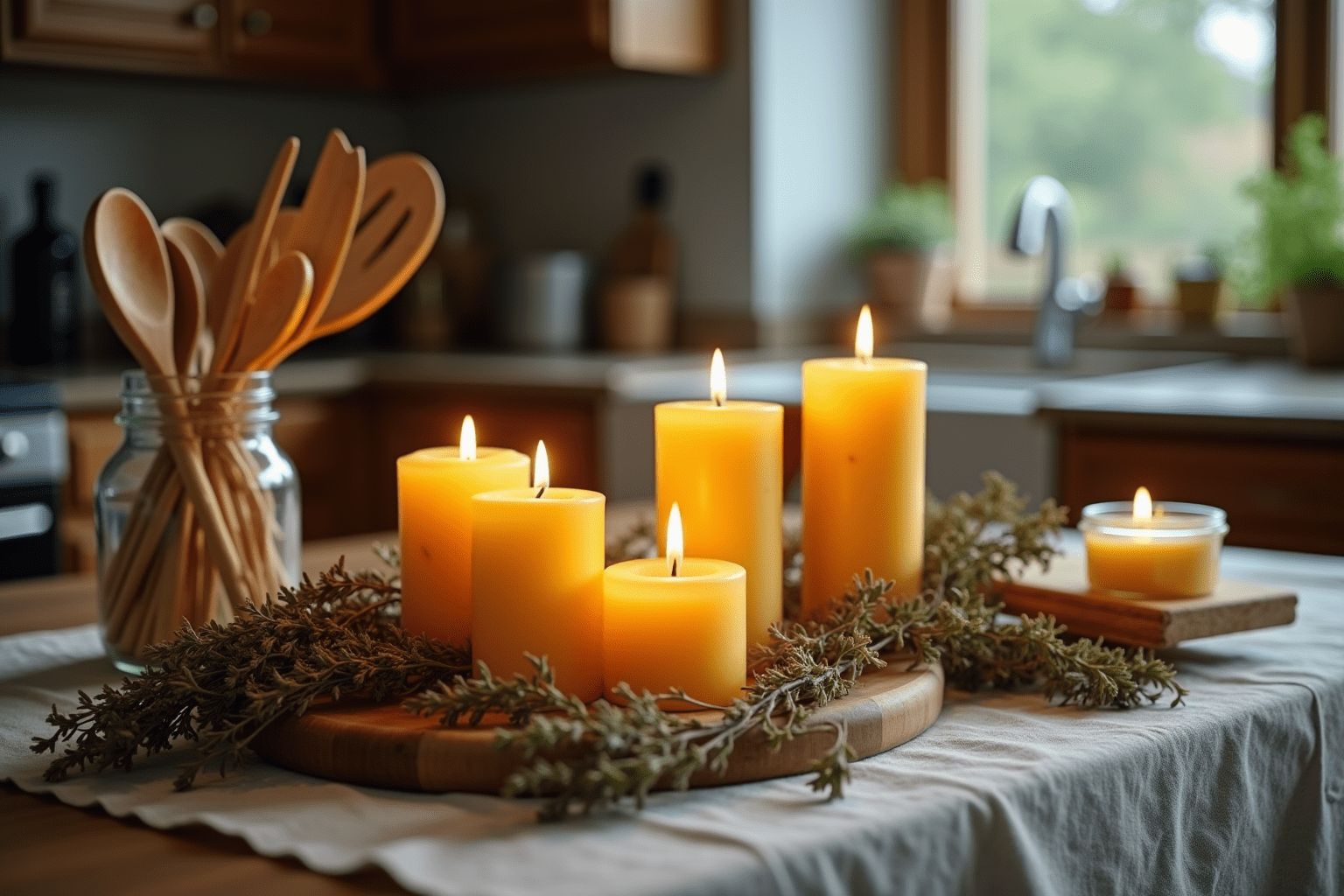
Beeswax uses for candles: cleaner burn, longer glow
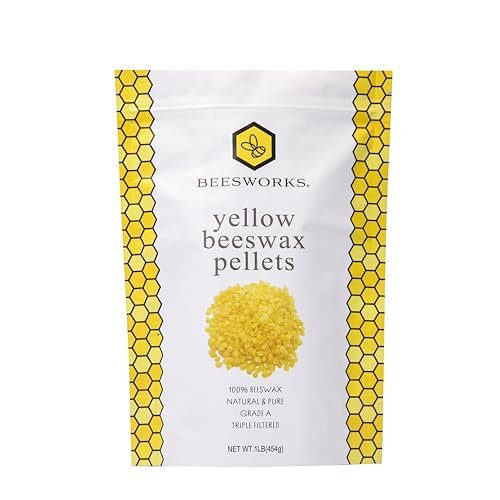
Beesworks Yellow Beeswax Pellets (1 lb) | 100% Pure, Cosmetic Grade, Triple-Filtered Beeswax for DIY Skin Care, Lip Balm, Lotion, and Candle Making
These beeswax pellets are perfect for DIY skincare projects, such as making lip balms and creams, as discussed in the article.
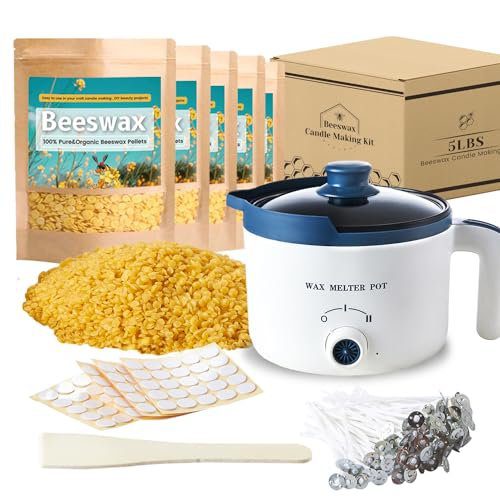
Beeswax Candle Making Kit with Electric Wax Melter for Adult, 5lbs Bees Wax for Candle Making and DIY Art&Craft
This kit provides all the necessary materials for making beeswax candles, aligning with the article’s focus on beeswax uses in candle making.
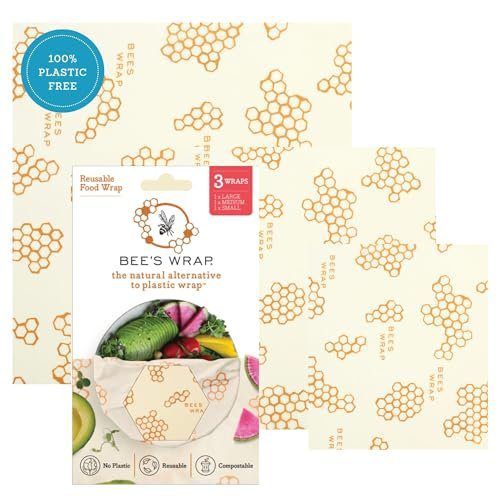
Bee’s Wrap Beeswax Wraps for Food – 3 Pack of Assorted Beeswax Wraps – Small, Medium & Large Wrap – Plastic Free Made in USA Reusable Natural Food Wrap – Honeycomb Print
These reusable beeswax food wraps are a practical application of beeswax for food storage, as mentioned in the article.
If you’ve ever lit a candle and noticed black soot on the jar or wall, you already know why people search for alternatives. Beeswax candles are popular because they’re naturally firm and can burn steadily when the wick is matched to the candle size. Many also carry a mild honey-like aroma when the wax is minimally processed, since trace hive volatiles remain.
Beeswax is still a fuel, so technique matters. The idea that beeswax is “soot-free” is a myth. Any candle can smoke if the wick is too long, the flame flickers in a draft, or the candle tunnels and overheats one side.
Candle options: which style fits your goal?
Use this quick comparison to pick a first project:
- Rolled tapers (no melting required): fastest, best for beginners, uses beeswax sheets
- Container candles: easiest poured candle, good scent throw if you add fragrance safely
- Pillars in molds: classic look, requires proper wick sizing and slower cooling
Step-by-step: a safe, basic pour method (visual checklist)
Follow a simple workflow used in many beekeeping and homesteading guides:
-
Melt with a double boiler
Never melt beeswax directly on a burner. Beeswax is flammable, and direct heat increases scorching risk. -
Filter for a cleaner candle
Strain molten wax through cheesecloth or a fine filter to remove debris. Cleaner wax generally burns more evenly. -
Choose the right wick
Too small: tunneling. Too large: smoking and “mushrooming.” -
Pour and cool slowly
Room-temperature cooling reduces cracks and sinkholes. -
Trim the wick before lighting
Aim for about 5 to 6 mm (about 1/4 inch).
For a deeper look at why beeswax behaves the way it does, the background on composition and combustion summarized by Dadant’s beeswax science overview aligns with what candle makers see in practice: harder wax, higher melt point, and a steady flame when everything is sized correctly.
Troubleshooting chart: common beeswax candle problems
| Problem | Likely cause | Fix |
|---|---|---|
| Tunneling | Wick too small, first burn too short | Use a larger wick; let first burn reach edges |
| Smoking/soot | Wick too long, drafty area | Trim wick; move away from drafts |
| Cracks | Cooling too fast | Cool at room temp, avoid fridge/freezer |
| Weak scent | Highly refined wax or no fragrance | Use minimally filtered wax or approved fragrance load |
Beeswax uses in skincare: why it’s in balms, salves, and lip products
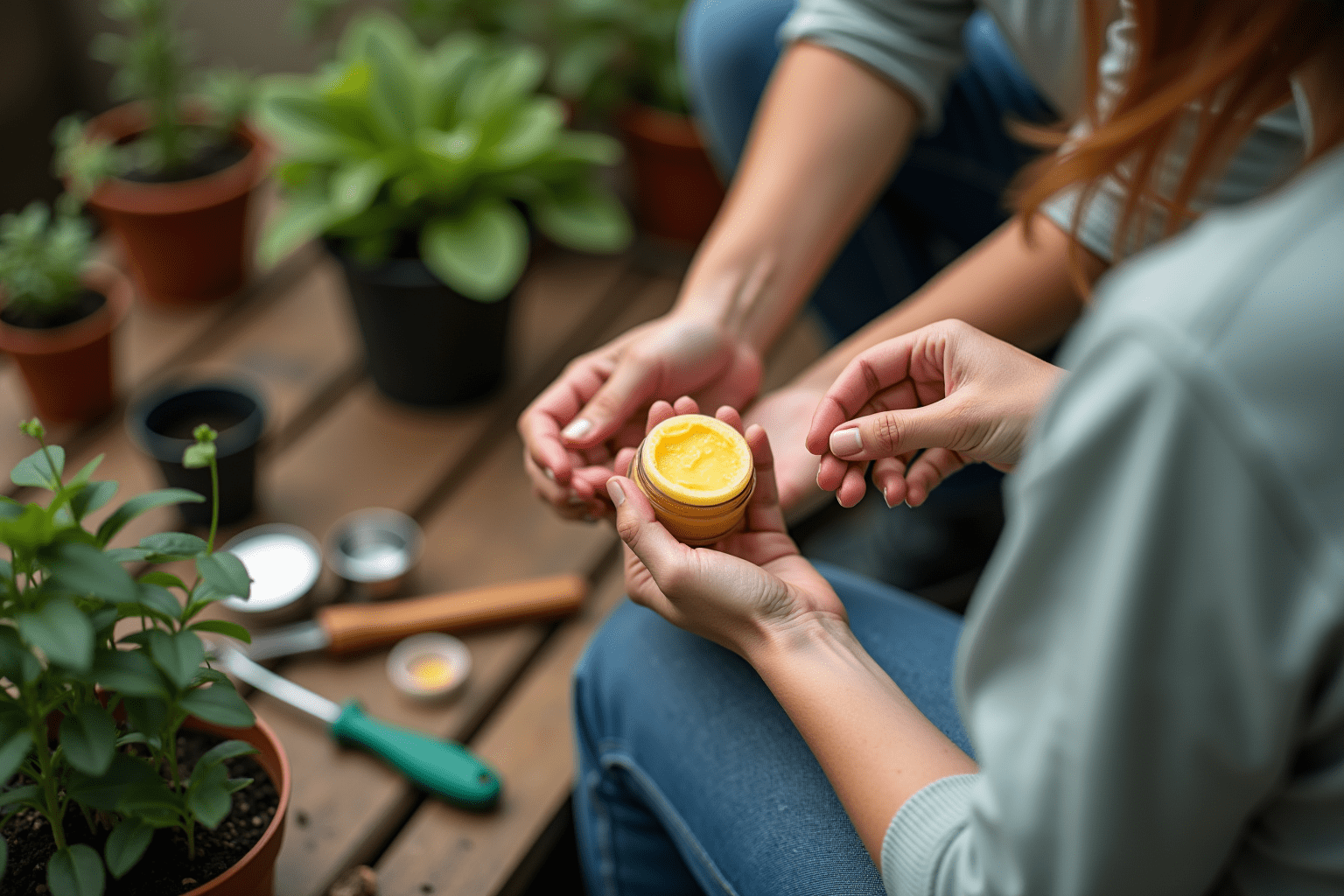
Beeswax shows up in ingredient lists as Cera Alba (often “white beeswax” when purified). In natural skincare, it’s less about “magic” and more about physics. Beeswax helps turn liquid oils into a balm that stays put, and it forms a thin, semi-occlusive film on skin. That film slows moisture loss without feeling as sealed as heavier petroleum occlusives for many users.
This is why beeswax is common in:
- Lip balms and lipsticks
- Hand salves for dry, cracked skin
- Barrier balms for wind and cold exposure
- Creams and lotions as a structuring and stabilizing ingredient
A helpful way to think about it: oils moisturize and soften, but they slide around. Beeswax gives those oils “backbone,” like rebar in concrete.
DIY starter ratio (simple and practical)
For a firm balm texture, many makers start with:
- 1 part beeswax
- 3 to 4 parts carrier oil (olive, jojoba, sweet almond)
- Optional: a small portion of shea or cocoa butter for a softer glide
Mini test method (visual workflow):
- Melt a spoonful of your mix in a heat-safe cup set in hot water.
- Chill a small drop on a plate for 2 minutes.
- Adjust: add more beeswax for firmness, more oil for softness.
Safety and allergy notes (important for families)
Beeswax is mild for many people, but it’s not automatically hypoallergenic. Trace pollen or propolis residues can trigger reactions in sensitive individuals. If you have known allergies to bee products, patch test first or consult a clinician.
Also consider ethics and sourcing. Beeswax is not vegan, and quality varies widely. Light “cappings wax” is often preferred for body products because it tends to be cleaner and lighter in color than old brood comb wax.
Quick comparison: beeswax vs common vegan waxes in cosmetics
| Wax type | Texture | Typical use case |
|---|---|---|
| Beeswax | medium-firm, slightly tacky | balms, sticks, salves |
| Candelilla | harder, more brittle | vegan sticks, firmer balms |
| Carnauba | very hard, glossy | lip products, firming blends |
If you’re building a bee-friendly home garden or supporting pollinators, it’s also worth understanding the insects behind these products. The differences in behavior and ecology in Honey Bee vs Bumble Bee: Discover the Key Differences add context to why honey bees produce harvestable wax at scale.
Household and craft uses: polish, waterproofing, tools, and art
Beeswax is one of those rare materials that earns a permanent spot in a utility drawer. It behaves like a natural, moldable coating that hardens into a thin protective layer. That makes it useful for maintenance tasks where you want water resistance, less friction, or a bit of surface protection without harsh solvents.
10 practical household uses (quick list you can screenshot)
- Wood polish for cutting boards, salad bowls (when paired with food-safe oil)
- Leather conditioner for boots and belts
- Tool rust barrier on clean, dry metal surfaces
- Drawer and window sash lubricant on sticky wood tracks
- Zipper lubricant for tents, jackets, and bags
- Thread waxing for hand sewing and leatherwork
- Fire starters by coating cotton or wood shavings
- Reusable food wraps when infused into cotton fabric
- Protective coating on cast iron exterior surfaces (light application)
- Craft resist for batik and encaustic painting
These uses show up consistently in practical beekeeping and homesteading writeups, including everyday examples from Ames Farm’s beeswax household guide and broader lists from Best Bees’ beeswax use roundup.
Simple beeswax wood polish recipe (visual, 3-ingredient formula)
This is a reliable baseline for indoor wood items:
- 1 part beeswax pellets or grated beeswax
- 3 to 4 parts food-safe oil (walnut or mineral oil for boards; olive oil can go rancid over time)
- Optional: a small amount of citrus essential oil for scent (skip for food-contact items)
How to use:
- Warm and melt gently in a double boiler.
- Pour into a jar and let set.
- Rub a thin layer on wood, wait 15 minutes, then buff.
Reusable beeswax wraps: what works (and what fails)
Beeswax wraps can replace some plastic wrap jobs, especially for covering bowls or wrapping produce. The most common wrap problems are cracking (too much wax, too cold) and stickiness (too much resin or oil).
Wrap blend checklist:
- Cotton fabric (tight weave works best)
- Beeswax for structure
- A little plant oil for flexibility
- Optional pine resin for tack
If you keep bees, wax processing is part of the learning curve. Clean wax starts with good hive management, which is also why feeding can matter during nectar gaps. See Best Bee Feeders and Pollen Supplements for practical options that support colony strength when forage is limited.
Safety, sourcing, and sustainability: choosing beeswax you can trust
Beeswax feels “natural,” but natural materials still need smart handling. The two biggest safety issues are heat and purity.
Safety first: melting and handling checklist
Beeswax should be treated like a cooking oil with a higher ignition risk.
- Melt using a double boiler or controlled water bath
- Keep wax away from open flames and never leave it unattended
- Use a thermometer if possible, especially for larger batches
- Work in a ventilated area for candle projects
- If wax ignites, turn off heat and smother with a lid. Do not use water
For processing and storage basics, the Utah State University Extension beeswax processing guide offers practical steps that match what most small-scale makers do: melt gently, filter, cool slowly, and store dry.
How to pick the right beeswax (quick buying guide)
Not all beeswax is equal. Color and scent can hint at what’s inside.
Look for:
- Cappings wax for cosmetics and premium candles (often lighter, cleaner)
- A clear description of whether it’s filtered, refined, or cosmetic-grade
- A reputable seller who can explain sourcing and handling
Be cautious with:
- Very dark wax marketed for lip products without clear filtering info
- Mystery wax with strong chemical odors (possible contamination)
Sustainability and bee health: the bigger picture
Beeswax is renewable and biodegradable, but it depends on healthy colonies and responsible management. If you want your purchases to support pollinators, prioritize local, transparent beekeepers and learn what pressures bees face in your region.
For readers looking to help beyond buying wax, Why Are Bees Endangered? Discover How You Can Make a Difference outlines practical steps that reduce stress on pollinators, from planting choices to pesticide habits.
Conclusion: the best way to start using beeswax at home
The most useful beeswax projects are the ones that match beeswax’s strengths: water resistance, firm texture, and a protective finish. Start with one small win – a simple balm, a wood polish, or a rolled candle – and you’ll quickly see why beeswax stays popular across crafts, kitchens, and workshops.
If you want to go further, read How to Start Beekeeping: Your Complete Beginner's Guide to understand where quality wax comes from, and revisit Why Are Bees Endangered? Discover How You Can Make a Difference to make sure your choices help the insects that make it possible.
As an Amazon Associate, I earn from qualifying purchases. Product recommendations are based on real reviews and independent research.