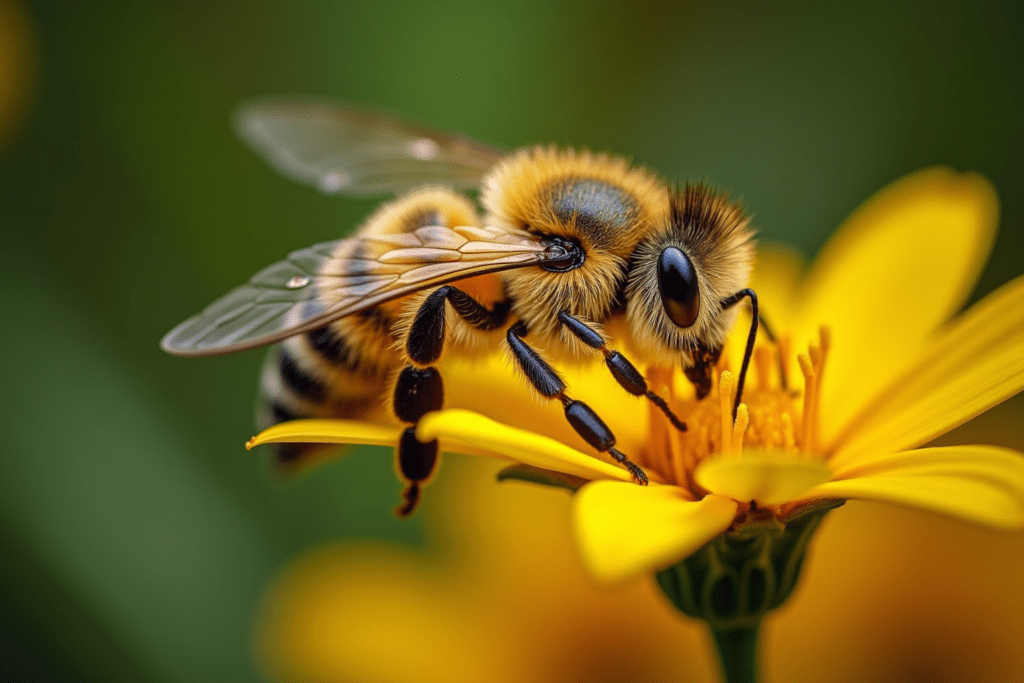
If you’re seeing small holes and busy little insects zipping low over your lawn, you’re probably looking at ground bees – native, ground-nesting bees that show up for a short season and then seem to vanish. The good news is that most are gentle, solitary pollinators, not aggressive “yard invaders.” This guide shows how to identify them quickly, how to tell them from yellowjackets, and the safest ways to manage nesting sites when they’re in the wrong spot.
The companion piece to this one is Sweat Bees: Why They Land on You and How to Effectively Repel Them.
Quick identification: are these ground bees or something else?
Most “ground bee” sightings in yards are solitary native bees nesting in dry, sunny soil. They rarely sting unless handled, and many are active only a few weeks.
Use this fast checklist:
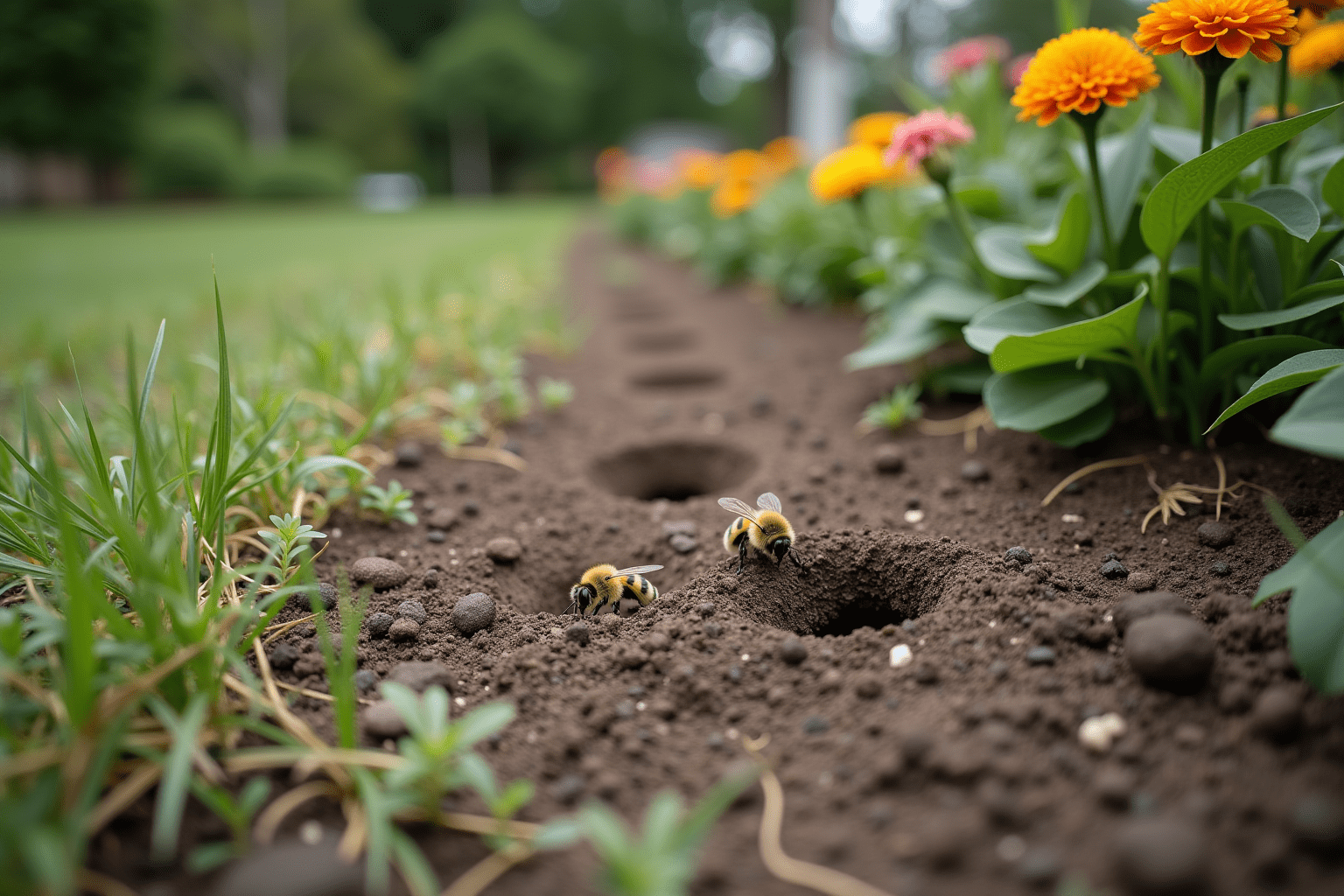
- Nest holes: pencil-sized openings, often with a tiny “volcano” of loose soil around the entrance
- Number of holes: many holes in one patch usually means an aggregation of solitary nests, not one colony
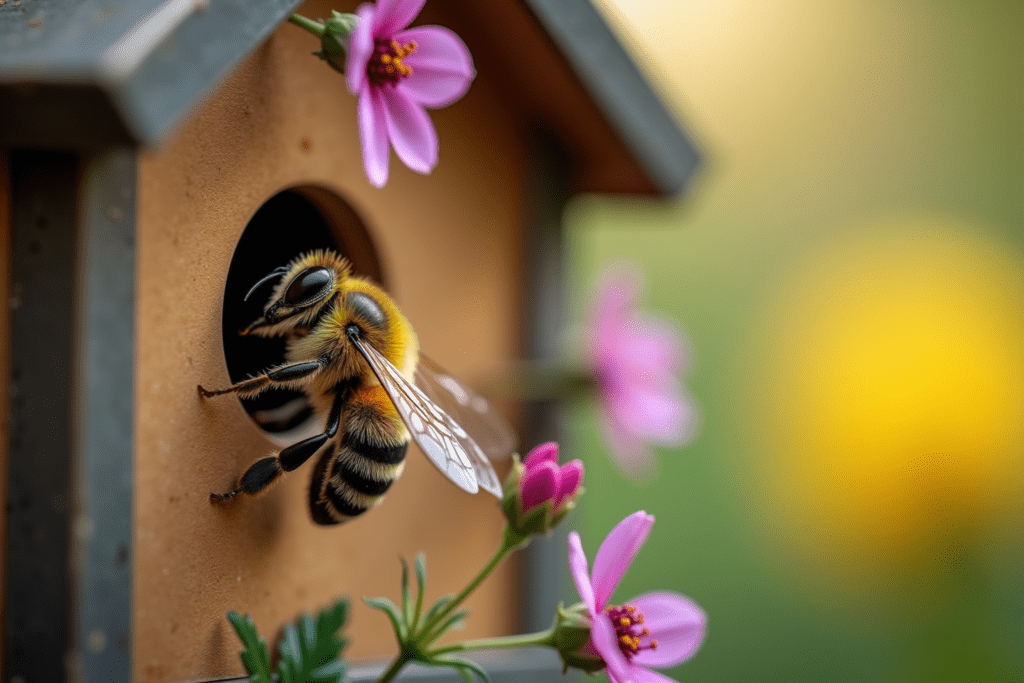
- Bee look: fuzzy or at least hairy, often carrying yellow pollen on legs or underside
- Flight pattern: low, hovering, and purposeful near the ground on warm sunny days
- Sting risk: low – males cannot sting; females usually sting only if trapped or stepped on
Quick comparison table:
| If you notice… | More likely | What it means for you |
|---|---|---|
| Hairy insects, calm behavior, many small holes | Ground-nesting bees | Usually tolerate or gently discourage |
| Smooth, bright yellow-black insects, defensive behavior | Yellowjackets (wasps) | Higher sting risk, confirm ID fast |
| Only one pair of wings, huge eyes, hovering | Hoverflies (bee mimics) | Harmless pollinators, no stings |
For a broader visual comparison, see Bee vs Wasp vs Hornet: Key Differences You Need to Know.
What are ground bees (and why are they in your lawn)?
“Ground bees” is a catch-all name for many bee species that nest in soil rather than in hives or wood. They’re not one species, and they’re usually native bees, not honey bees.
Entomologists estimate there are 20,000+ bee species worldwide, and roughly 70% nest in the ground. That statistic helps explain why lawns, garden edges, and sandy paths can suddenly look “alive” in spring. According to the NC State Extension pollinator program, ground-nesting bees are extremely common and include many genera that can nest in dense aggregations when soil conditions are perfect.
Common types people call “ground bees”
You may be seeing one of these groups:
- Mining bees (Andrena): often dark, fuzzy, spring-active, important early pollinators
- Digger bees (Anthophora, Habropoda): chunkier, sometimes bumble bee-like, fast flyers
- Sweat bees (Lasioglossum, Halictus): small, sometimes metallic green, active in warm months
- Plasterer bees (Colletes): line brood cells with a cellophane-like coating
A key detail: most are solitary. Each female digs her own tunnel, stocks it with pollen and nectar, lays an egg, and seals it. When many females choose the same ideal patch of soil, it looks like a colony – but it’s really a neighborhood of independent nests.
Why they choose your yard
Ground-nesting bees look for the same things you might choose for a dry footpath:
- Well-drained soil (often sandy or loose)
- Sun exposure (south-facing slopes, open lawn)
- Bare or thin turf where soil is exposed
- Low disturbance (not constantly tilled or compacted)
This is why they often appear in drought-stressed lawns, along sidewalks, in garden bed edges, or on berms. The Oregon State University Extension notes these bees are generally non-aggressive and not harmful to lawns – which matches what most homeowners observe once they stop and watch the behavior.
Visual element: “Why here?” lawn site checklist
If you want to predict where they’ll nest, walk your yard and mark spots with:
- Thinning grass + visible soil
- Dry soil that crusts or powders
- Full sun for most of the day
- A slope, edge, or compacted transition zone (path borders)
If that sounds like the same patch every year, you’re not imagining it. Many species return to similar conditions season after season.
How to identify ground bees vs yellowjackets (the mistake that causes most problems)
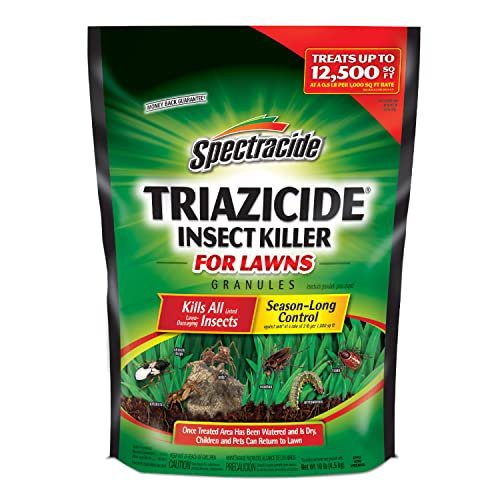
Spectracide Triazicide Insect Killer For Lawns, 10 Pounds, Granules Kill Listed Lawn-Damaging Insects, 4 Pack
This product is relevant for managing ground bees and other pests in the lawn effectively, providing a safe solution for homeowners.
Most “ground bee emergencies” are actually misidentifications. The insects people fear in lawns are often yellowjackets, which are social wasps that defend a shared nest. Ground-nesting bees, by contrast, don’t have a colony to protect.
If you’re unsure, slow down and watch for two minutes. The details show themselves.
What to look for on the insect (close-up clues)
You don’t need a microscope. You need a few reliable traits.
Ground bees often have:
- A hairier body (especially on the thorax)
- Pollen dusting or packed pollen on legs/underside
- A calmer “commuter” flight: in, out, gone to flowers
Yellowjackets often have:
- A smooth, shiny look with crisp yellow-black bands
- A more confrontational response if you approach the entrance
- More obvious traffic: repeated fast entries/exits by many workers
For a deeper ID refresher (including bees vs flies), the Ohio State University bee identification guide is one of the clearest extension resources for homeowners.
What to look for at the nest entrance (ground clues)
Here’s the part most people miss: bee nests and wasp nests “feel” different in the soil.
- Ground bee entrances often show a small mound or scattered crumbly soil, like a tiny antlion pit in reverse.
- Yellowjacket entrances are often cleaner-looking holes with heavy, rapid traffic, and the wasps may patrol nearby.
Visual element: “Bee or yellowjacket?” quick decision chart
Ask these in order:
-
Are the insects fuzzy or dusty with pollen?
- Yes: likely bees
- No: keep checking
-
Do they react defensively when you stand nearby?
- Yes: suspect yellowjackets
- No: likely bees
-
Do you see them visiting flowers (not meat or soda)?
- Flowers: bees
- Trash/meat/sweet drinks: yellowjackets
If there’s any doubt and the nest is near a doorway or play area, get a photo and ask your local extension office for help. Correct ID prevents unnecessary pesticide use and prevents painful surprises.
Are ground bees dangerous? Sting risk, allergies, kids, and pets
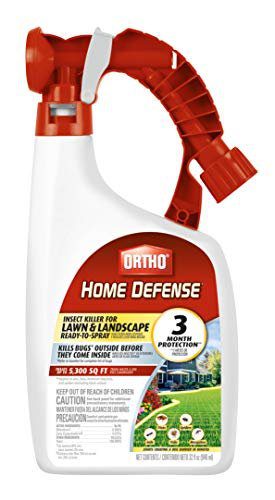
Ortho Home Defense Insect Killer for Lawn & Landscape Ready-To-Spray – Hose-End Applicator, Kill Ants, Ticks, Mosquitoes, Fleas & Spiders, 32 fl. oz.
This insect killer is suitable for treating areas where ground bees may nest, helping to manage their presence while being safe for use around the home.
For most households, ground-nesting bees are more “startling” than dangerous. Their life strategy is to avoid conflict, not pick fights. Still, it’s smart to understand real risk, especially with children, pets, and allergy concerns.
The truth about stings
- Male bees cannot sting. They may hover and act “territorial,” but it’s bluff behavior tied to mating.
- Females can sting, but solitary bees typically sting only when handled, trapped in clothing, or stepped on.
- The Oregon State University Extension emphasizes these bees are non-aggressive in typical yard situations.
In practical terms, most stings happen when someone:
- kneels or sits directly on an active nesting patch,
- walks barefoot across thin turf with nest holes,
- tries to dig them up during peak activity.
Kids and pets: simple safety rules that work
If the nests are in a low-traffic area, the safest plan is often to teach avoidance for a few weeks.
Use these rules:
- Keep play equipment and dog tie-outs away from the nesting patch
- Wear shoes outdoors during the active period
- Don’t poke holes with sticks (kids will try)
- Mow around the area if possible until activity drops
When ground bees become a “must manage” situation
Non-lethal management becomes more reasonable when:
- nests are directly beside a front step, walkway, or pool edge,
- a household member has a history of severe allergic reactions,
- the nesting patch sits in a place you cannot avoid for weeks.
If you’re comparing risks across stinging insects, it helps to understand who is truly defensive and why. The difference between solitary and social species becomes obvious in guides like Honey Bee vs Bumble Bee: Discover the Key Differences Today, since colony defense changes behavior dramatically.
Visual element: sting risk snapshot
| Situation | Risk level | Best move |
|---|---|---|
| Nest patch in back corner of yard | Low | Tolerate, mark area |
| Nest patch near sidewalk | Moderate | Discourage with watering/turf thickening |
| Known anaphylaxis in household + high traffic | Higher | Confirm ID, consider pro help |
Managing ground bees without harming pollinators (the step-by-step plan)
Most yards don’t need “control.” They need conflict prevention: either tolerate the nesting for a short window or make the spot less attractive next season.
Extension guidance is consistent: ground-nesting bees are beneficial, and chemical treatment is rarely justified. The goal is to solve the human problem (location and traffic) while minimizing harm to pollinators.
Step 1: Decide if you can tolerate them for a few weeks
Many species are active above ground briefly, then disappear as the next generation develops underground.
If you can tolerate them, do this:
- Mark the area with small flags so nobody steps there
- Mow a little higher for a few weeks to reduce stress on thin turf
- Let the season pass, then address the lawn conditions later
If you want context on why protecting native pollinators matters, Why Are Bees Endangered? Discover How You Can Make a Difference connects the yard-level choices to the bigger picture.
Step 2: Discourage nesting in problem spots (non-chemical)
If the nests are in the wrong place, you can often persuade bees to choose a better location next time.
Most effective options:
-
Water deeply and consistently (short-term deterrent)
Ground nesters prefer dry soil. If you keep the area moist during the nesting window, it becomes less appealing.- Aim for early morning watering
- Focus on the nesting patch, not the whole yard
-
Thicken turf (long-term fix)
Dense grass reduces bare soil access.- Overseed thin spots
- Improve soil with compost topdressing if appropriate
- Follow local lawn fertility guidance to avoid runoff issues
-
Mulch or cover bare soil in beds
In garden beds near doors or paths, apply 2-3 inches of mulch to block access. -
Redirect them to a “bee corner”
If you like the pollination benefits, leave a small sunny patch of well-drained soil in a low-use area. It’s like giving them a designated parking lot.
Step 3: Avoid the common mistakes that make things worse
- Don’t plug holes. Females may dig new entrances nearby, and you can trap developing bees underground.
- Don’t till active nests. It kills larvae and pupae in sealed brood cells.
- Don’t spray flowering plants nearby. Even “yard” sprays can drift or leave residues that harm foraging pollinators.
Step 4: When to consider professional help (and what to ask)
If you truly cannot avoid the area and allergy risk is severe:
- Confirm whether it’s bees or yellowjackets first
- Ask a licensed professional about targeted, minimal-impact options and timing that reduces non-target exposure
For other bee conflicts around structures (which are a different issue than soil nests), see Effective Ways to Get Rid of Carpenter Bees Without Killing Them.
Visual element: non-chemical management checklist
- Mark and avoid the patch for 2-6 weeks
- Water the area to discourage dry-soil nesting
- Overseed and thicken turf after the active period
- Mulch beds near paths and doors
- Reduce broad-spectrum insecticide use in the yard

Common ground bee myths (and what’s actually happening)
A lot of fear comes from understandable assumptions. The behavior looks intense, the holes look suspicious, and “lots of bees” feels like danger. Here’s what those signs usually mean.
Myth 1: “There’s a huge colony under my lawn.”
What’s happening: you’re likely seeing an aggregation. Many solitary females picked the same ideal soil patch. Each hole is usually a separate nest, and there’s no coordinated defense like a hive.
The NC State Extension pollinator program describes how common these aggregations can be when conditions are right.
Myth 2: “They’re destroying my grass.”
What’s happening: ground-nesting bees don’t eat turf roots. The small soil mounds are mostly cosmetic and temporary. In fact, tunneling can slightly aerate soil, and the real “cause” of the patch is often the thin turf that attracted them in the first place.
Myth 3: “If they hover near me, they’re about to sting.”
What’s happening: hovering is often male patrolling behavior during mating season. It feels personal, but it’s more like a guard at a doorway checking movement. Males cannot sting.
Myth 4: “Honey bees live in the ground.”
What’s happening: honey bees typically nest in cavities (tree hollows, walls, hive boxes), not in soil. If you’re seeing many small holes in a lawn, you’re almost certainly dealing with native ground nesters or wasps.
Visual element: myth-to-fact mini table
| What you see | What you think | What it usually means |
|---|---|---|
| Many holes in one patch | “A colony” | Many solitary nests close together |
| Low hovering near your feet | “Aggressive bees” | Males patrolling, low sting risk |
| Tiny soil mounds | “Lawn damage” | Nest excavation, mostly cosmetic |
Conclusion: the safest way to handle ground bees in most yards
Ground bees are usually beneficial, short-season native pollinators that nest in dry, sunny soil. In most cases, the best “management” is simple: confirm identification, avoid the nesting patch for a few weeks, and then fix the lawn conditions that made the spot attractive.
If you want a practical next step, start by using the comparison cues in Bee vs Wasp vs Hornet: Key Differences You Need to Know, then decide whether to tolerate the activity or discourage nesting with watering, mulching, and thicker turf. For a bigger-picture guide to supporting pollinators without inviting problems, Why Are Bees Endangered? Discover How You Can Make a Difference is a strong follow-up.
As an Amazon Associate, I earn from qualifying purchases. Product recommendations are based on real reviews and independent research.