
If you’re trying to figure out the types of flies in your home or yard, the fastest path is to match two things: where you’re seeing them (fruit bowl, drains, plants, windows) and what they look like up close (fuzzy wings, metallic body, humpbacked shape, red eyes). This guide breaks down the most common fly groups people encounter in North America, with simple ID clues, what each fly usually means, and the most effective next step for control – without guesswork or over-spraying.
Bottom line: The fastest way to identify a fly is to combine size, color, where it appears, and what it is feeding on. The location usually tells you more than the fly itself.
- Tiny flies near fruit usually mean fruit flies.
- Tiny flies near plants usually mean fungus gnats.
- Large flies near windows, doors, or trash usually mean house flies or cluster flies.
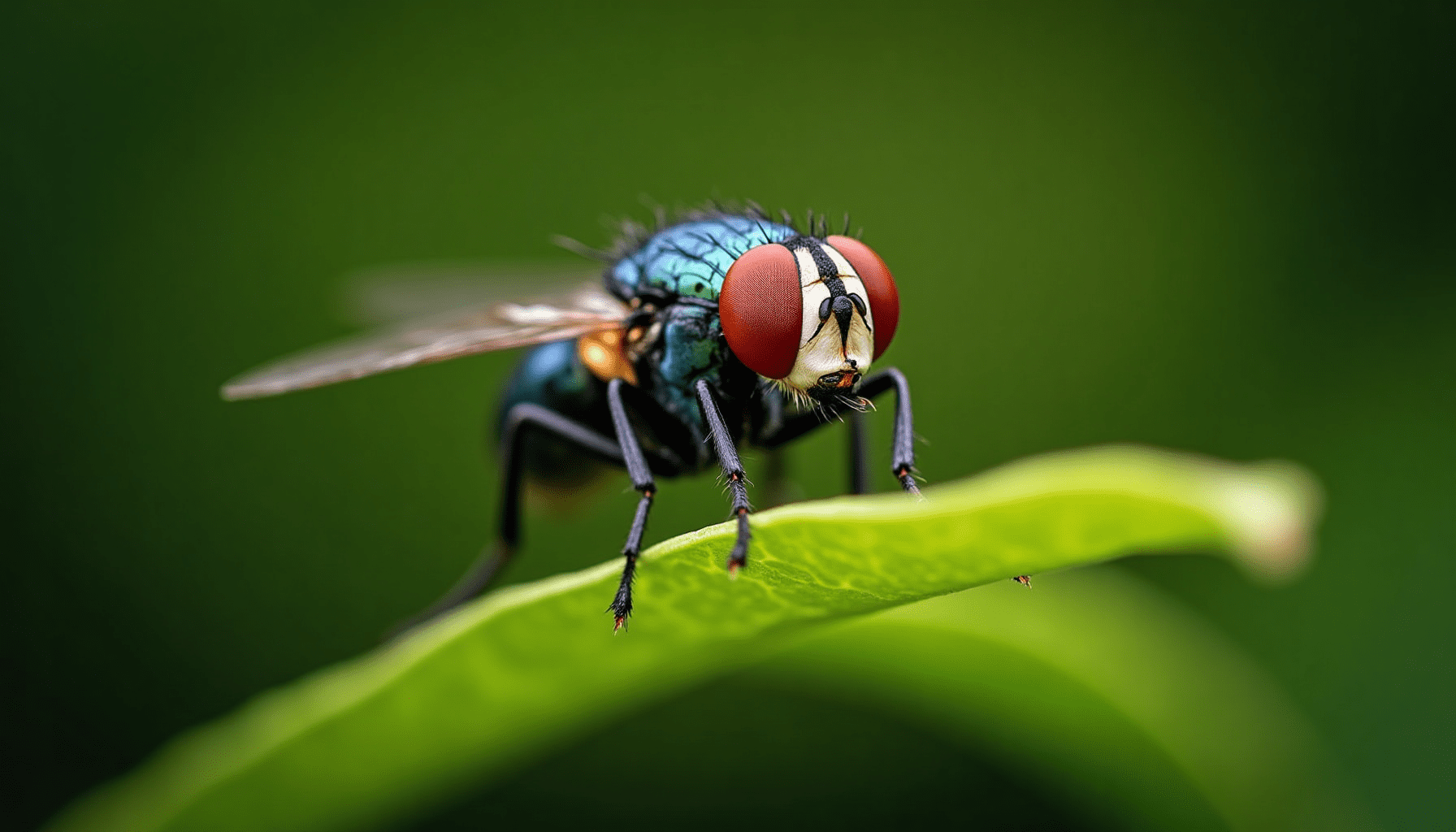
Quick answer
Most “mystery flies” fall into a handful of common categories. Use this quick sorter first, then jump to the matching section for confirmation and fixes.
- Tiny flies around fruit, wine, recycling: Fruit (vinegar) flies (Drosophila)
- Tiny fuzzy, moth-like flies near sinks/tubs: Drain (moth) flies (Psychodidae)
- Small dark flies running more than flying: Phorid (humpbacked, scuttle) flies
- Small mosquito-like flies at houseplants: Fungus gnats
- Medium gray flies in kitchens/garbage: House flies
- Large shiny green/blue flies: Blow/bottle flies (often linked to carrion)
- Sluggish flies at sunny windows in fall/winter: Cluster flies
- Painful biting flies outdoors (legs/ankles): Stable flies, horse/deer flies
Tip: True flies (order Diptera) have one functional wing pair plus stabilizing halteres.
What makes a “true fly”?
“Fly” is a common-name magnet. But in entomology, true flies belong to the order Diptera, one of the most diverse insect groups on Earth. The Catalogue of Life lists roughly 159,000 described species globally, and many more likely remain undescribed. That diversity is why fly identification can feel tricky at first – you’re sorting through a huge family tree.
Here’s the simple definition professionals use: true flies have two wings (one pair used for flight) and a second pair reduced to tiny knobs called halteres that act like gyroscopes. They also go through complete metamorphosis: egg, larva (maggot), pupa, adult. A clear overview of these Diptera traits appears in classic identification resources such as the Manual of Nearctic Diptera (a foundational reference for fly morphology and classification).
Why does this matter for a homeowner? Because flies that look “similar enough” can breed in completely different places. University extension guidance on indoor flies repeatedly emphasizes that correct identification is the starting point for control – you remove the breeding source, and the problem collapses. Colorado State University Extension’s overview of common indoor flies is a good example of this source-first approach from a practical, non-alarmist standpoint.
Fast check: true flies vs lookalikes
- House fly, fruit fly, drain fly, gnat, mosquito: true flies (Diptera)
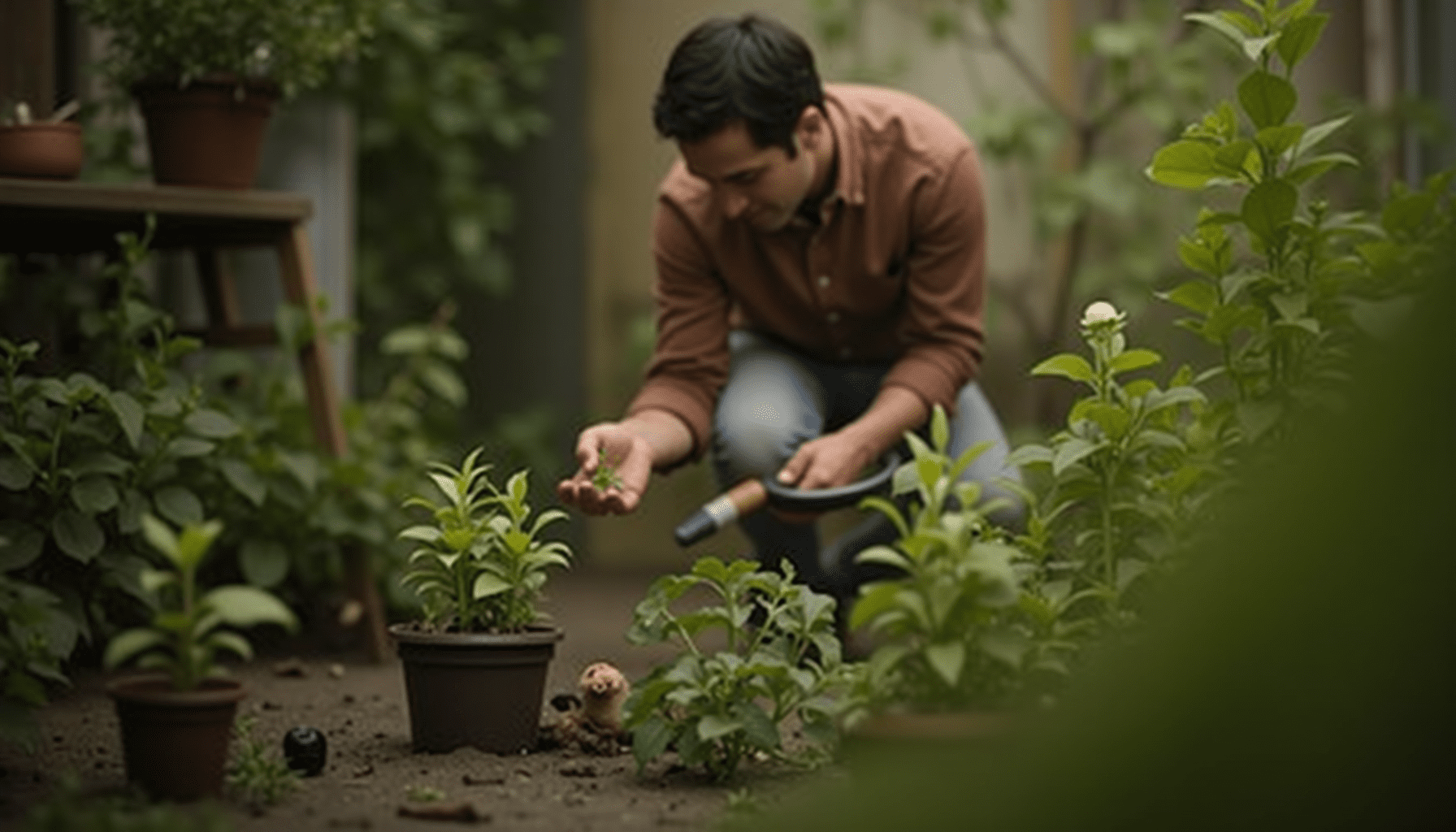
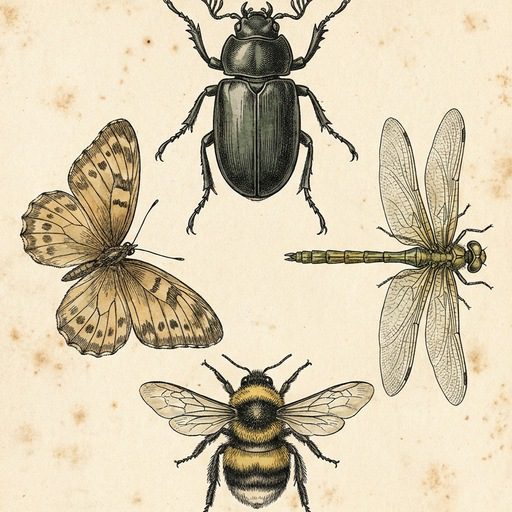
- Dragonfly, mayfly, butterfly: not true flies (different insect orders)
Visual cue to look for in photos
- One wing pair visible in flight photos
- Large compound eyes and short antennae in many common groups
- Larvae are usually legless maggots (fungus gnat larvae are the common “exception” people notice in soil)
Actionable takeaway: before you buy traps or spray, take one clear photo and note location + time of day + what it’s landing on. That combination is often enough to narrow the fly group quickly.
Types of flies indoors
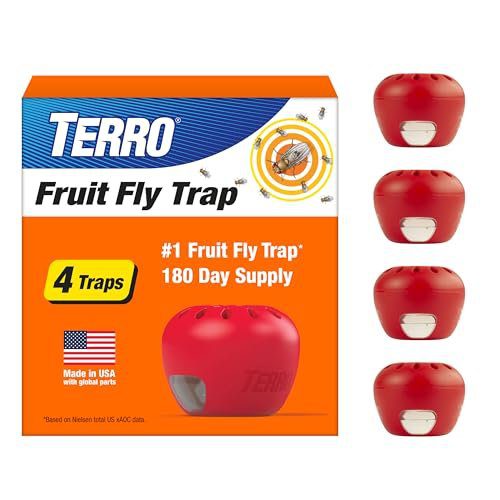
A fruit fly lure trap is useful when red-eyed fruit flies are appearing around produce, drains, trash, or recycling.
- Good match for fruit fly identification and control.
- Works near fruit bowls, counters, and trash areas.
- Helps confirm whether the pest is fruit flies.
- Not useful for fungus gnat larvae in soil.
- Still requires source cleanup.
Most indoor fly problems are really “indoor breeding problems.” Adults are the visible tip of the iceberg, but the larvae are developing somewhere you might not be looking: a drain biofilm, damp potting soil, a trash rim, or (sometimes) a hidden carcass in a wall void.
Below are the most common indoor groups, with quick field marks and what they usually indicate.
House flies
House flies (Musca domestica) are the classic kitchen nuisance: 6-7 mm long (about 1/4 inch), dull gray, with four dark stripes on the thorax. They’re strong daytime fliers and often rest on walls, counters, and window areas.
What they usually mean:
- Accessible food residues, trash, or nearby animal waste
- Entry points like torn screens or door gaps
What to do:
- Tighten sanitation and exclusion first (trash lids, pet waste pickup, screen repair).
- Add capture tools as backup, not as the main “solution.”
If you want a practical gear rundown, see Best Fly Paper and Sticky Traps for placement tips near windows and resting zones, and Best Electric Fly Swatters for quick knockdown in kitchens without spraying.
Fruit (vinegar) flies
Fruit flies (Drosophila spp.) are tiny (2-4 mm), tan to brown, and often show red eyes in good light. They hover around overripe fruit, recycling, beer/wine residue, and sticky spills.
What they usually mean:
- Fermenting sugars somewhere nearby, often a small hidden source (recycling bin rim, mop head, compost pail)
Best next steps:
- Remove the source: discard overripe produce, rinse recyclables, wipe sticky zones.
- Trap adults to speed relief.
A simple visual “ID card” for fruit flies:
- Where: fruit bowl, recycling, bottles/cans
- Look: tiny, tan, quick hover flights
- Clue: often worst in warm months or heated kitchens
Drain (moth) flies
Drain flies (Psychodidae) look like tiny moths: fuzzy bodies and fuzzy wings, often held roof-like at rest. They’re weak fliers and commonly seen near sinks, tubs, floor drains, or laundry rooms.
What they usually mean:
- Larvae are breeding in biofilm (slimy organic buildup) inside drains or around plumbing seepage
Most effective fix:
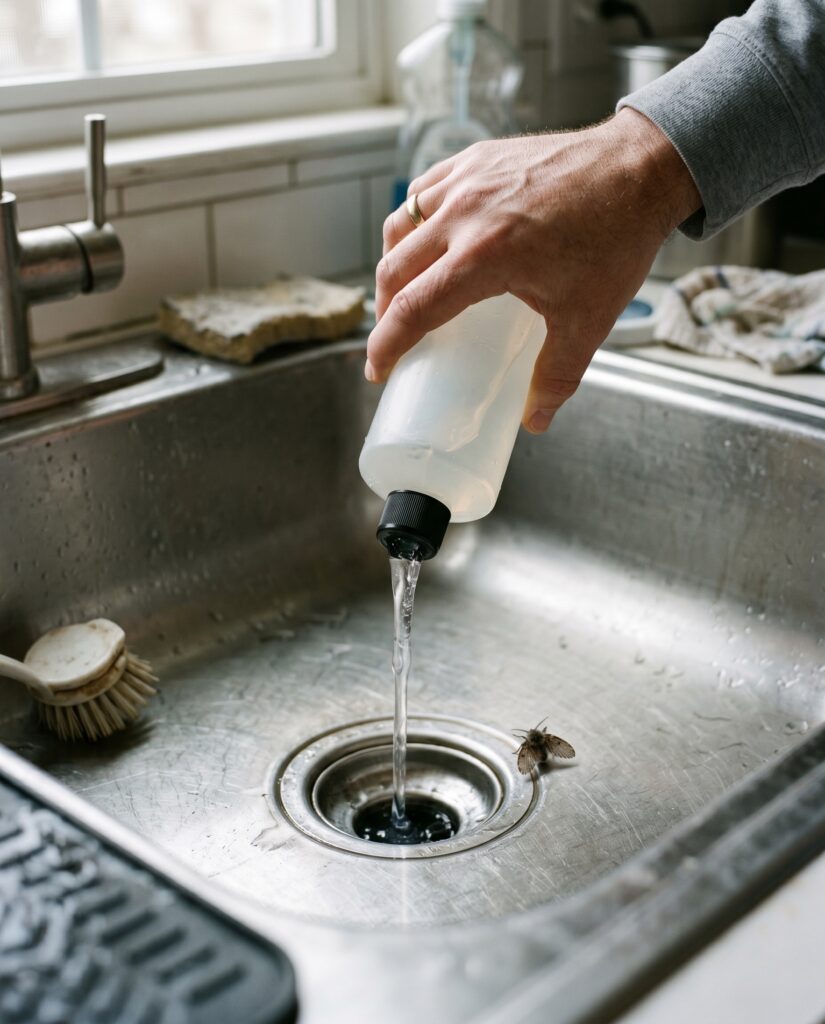
- Mechanical removal. Scrub the drain walls with a stiff brush to remove the film, then flush.
For product options and how to use them correctly after scrubbing, see Top Drain Fly Treatments and Gel Cleaners.
Phorid (humpbacked) flies
Phorid flies (often called scuttle flies) are small and dark, with a subtle humpbacked profile. A key behavior clue: they run in short bursts across counters or walls before taking short flights. They’re often mistaken for fruit flies, but they usually lack the obvious red-eyed look and may cluster around bathrooms, basements, or drains.
What they can indicate:
- Decaying organic material in drains
- Sometimes a bigger issue: plumbing leaks, broken sewer lines, or saturated organic debris under slabs
Action step:
- If you’ve cleaned drains thoroughly and they persist, inspect for moisture problems and consider a plumber or pest professional to locate the breeding source.
Fungus gnats
Fungus gnats are tiny (2-4 mm), dark, and mosquito-like with long legs. You’ll usually see them hovering around houseplants or walking on damp potting soil.
What they usually mean:
- Overwatered soil and fungal growth that supports larvae
What to do:
- Let the top inch or two of soil dry between waterings.
- Remove decaying plant debris.
- Use yellow sticky cards near pots to monitor and reduce adults.
Visual checklist: “Is it fungus gnats?”
- Seen at: potted plants, seed trays
- Flight: weak, fluttery
- Root cause: consistently damp soil
Actionable takeaway: for indoor flies, the fastest win is matching the fly to its breeding site. Adult sprays rarely solve the issue if larvae are still developing.
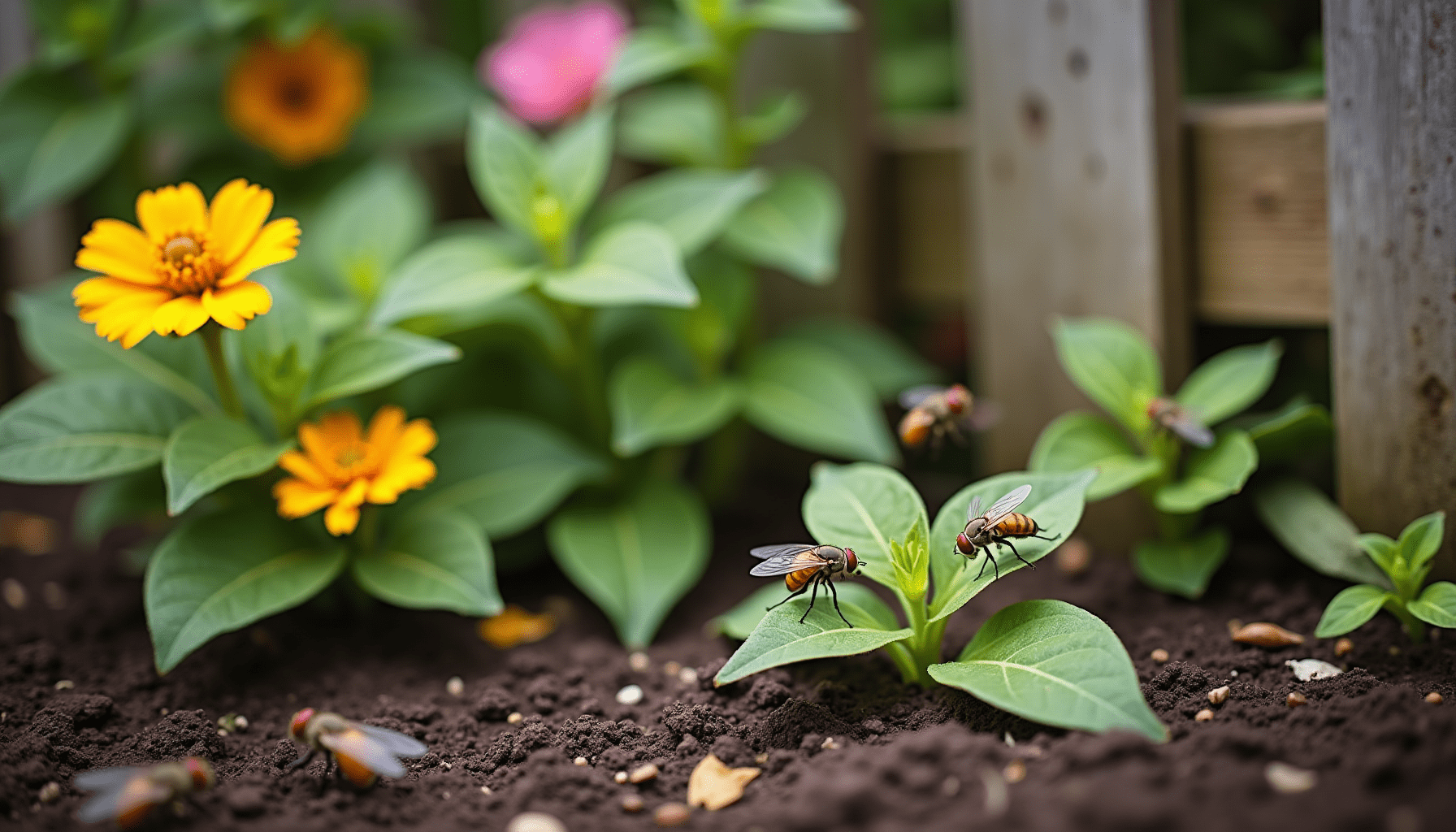
Types of flies from outdoors
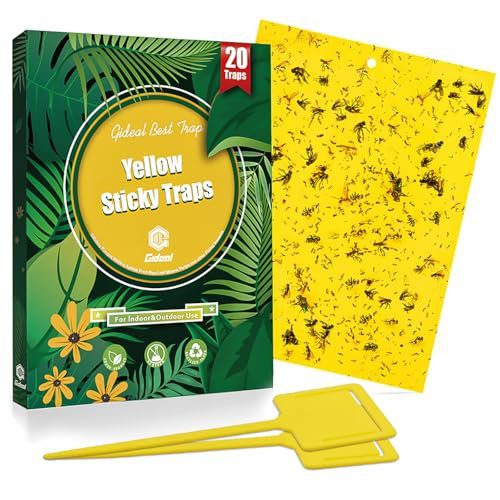
Yellow sticky cards are useful for identifying and catching fungus gnats and other small plant-associated fliers.
- Helpful near houseplants and seed trays.
- Easy visual monitoring for small fliers.
- No odor or spray around plants.
- Only catches adults, not larvae.
- Can look messy after many catches.
Some flies are “invaders” rather than indoor breeders. They develop outdoors, then enter homes through gaps, attic vents, or open doors. The control strategy changes: you focus on exclusion and seasonal timing, not just indoor cleaning.
Blow flies and bottle flies
Blow flies (Calliphoridae) are often larger than house flies (8-16 mm) and can be strikingly metallic green or blue. They’re powerful fliers and show up fast when there’s a suitable breeding site.
What they usually mean:
- The most common cause of a sudden indoor appearance is a dead rodent or bird in an attic, wall void, chimney, or crawlspace.
- They can also breed in outdoor garbage, pet waste, or compost.
What to do first:
- Look for the source: check attic/crawlspace access points, chimneys, and around vents.
- Remove and bag the carcass if found (gloves, mask), then clean the area.
- Use capture tools near windows while the remaining adults die off.
If you’re building a general setup for recurring fly seasons, Best Fly Traps for Indoor and Outdoor Use can help you choose between UV traps (indoors) and baited traps (outdoors).
Macro photo tip: blow flies’ metallic sheen shows best with side lighting and a darker background.
Cluster flies
Cluster flies (Pollenia spp.) are slightly larger and more robust than house flies, often dark gray with patches of golden hair on the thorax. They’re famous for appearing at windows on sunny winter days, often sluggish and easy to vacuum.
What they usually mean:
- They are not breeding in your kitchen. Their larvae are associated with earthworms outdoors.
- Adults enter structures in late summer and fall to overwinter in wall voids and attics, then emerge when indoor areas warm.
Best prevention:
- Seal gaps before fall: around eaves, soffits, attic vents, window trim, and sun-facing siding seams.
- Indoors, vacuuming is often the cleanest control method.
Visual “season clue” card:
- Peak annoyance: fall invasion, winter window clusters
- Behavior: sluggish, congregating
- Fix: exclusion, not indoor insecticide fogging
Stable flies (biting)
Stable flies (Stomoxys calcitrans) resemble house flies in size (6-8 mm) but have piercing mouthparts and bite, often on ankles and lower legs. Outdoors near barns, kennels, or patios, they can be the fly that makes you think “something is biting me.”
What they usually mean:
- Breeding in decaying vegetation mixed with manure or wet bedding
Control basics:
- Remove or properly compost wet bedding and manure mixes.
- Use targeted traps in problem areas.
Horse flies and deer flies
Horse flies and deer flies (Tabanidae) are large, strong fliers with big eyes. Females bite painfully, especially near wetlands, lakes, and wooded edges.
Reality check:
- Yard-wide elimination is rarely realistic.
- Personal protection is the practical route: long sleeves, repellents, and avoiding peak activity zones.
Actionable takeaway: when flies originate outdoors, indoor spraying doesn’t fix the cause. Focus on exclusion, seasonal sealing, and outdoor source management.
Identification by location
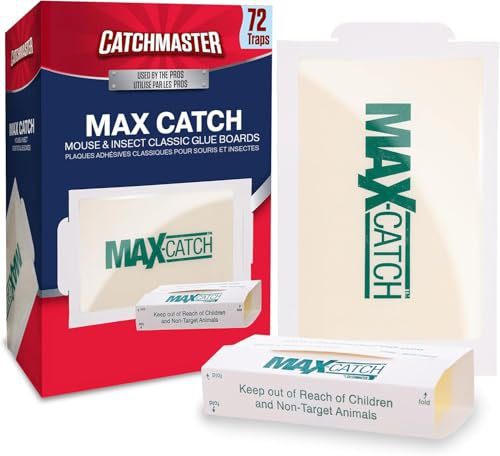
Sticky glue boards are useful for monitoring where adult flies are moving, especially near windows, utility rooms, garages, and entry points.
- Cheap way to monitor fly traffic zones.
- Works without sprays or odor.
- Can help identify which room has the most activity.
- Visible trapped insects can look unpleasant.
- Does not kill larvae or fix sanitation issues.
If you only remember one method, use this: where you see the fly is often the best identification tool. Think of it like tracking muddy footprints – you follow the mess back to where it starts.
Kitchen and trash area
Most likely groups:
- House flies
- Fruit flies
- Small “dung” or filth-associated flies (various small families)
Do this checklist:
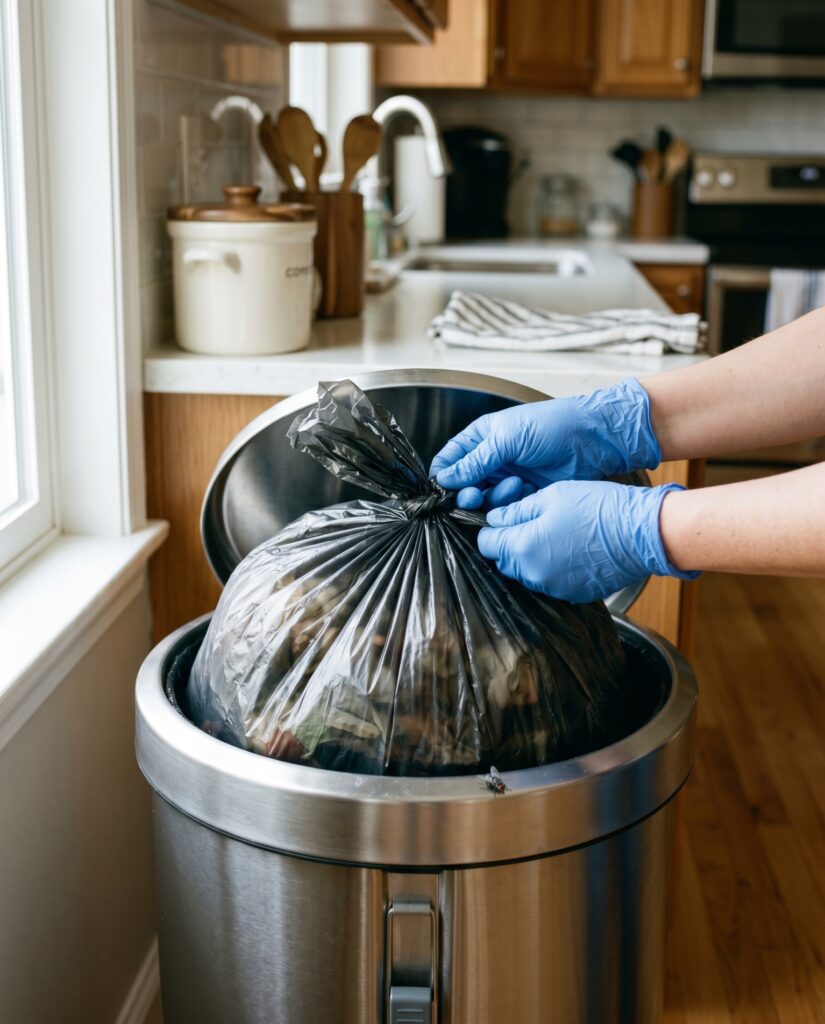
- Empty trash and rinse the bin rim and lid groove.
- Clean under appliances (crumbs and grease film matter).
- Store produce in the fridge until the issue is controlled.
- Add traps as a supplement.
For patio spillover (BBQs, outdoor cans), Best Outdoor Fly Traps for Patios and BBQs can reduce the “outside pressure” that drives flies to your doors and windows.
Bathroom, laundry, basement drains
Most likely groups:
- Drain (moth) flies
- Phorid flies
A simple 3-step “drain fly” routine:
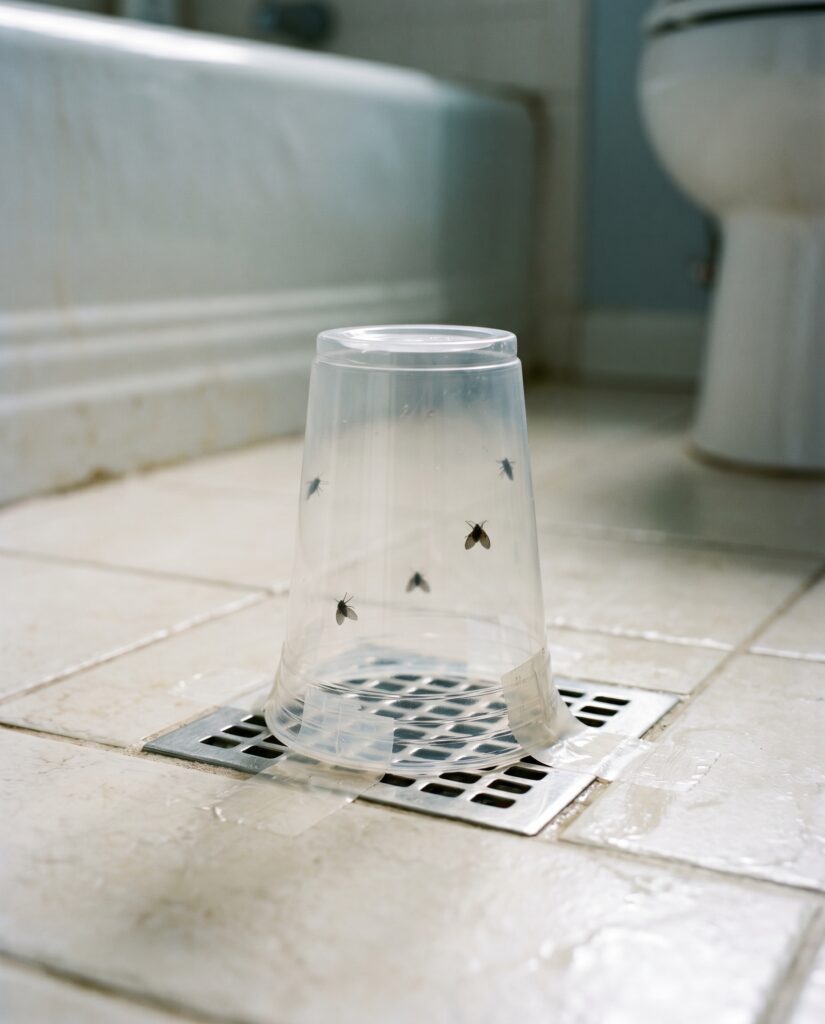
- Confirm: place clear tape over the drain overnight (sticky side down). If flies stick to it, the drain is likely involved.
- Remove: scrub the drain and overflow channels to remove biofilm.
- Dry: fix leaks and reduce standing water.
If you need product help after scrubbing, revisit Top Drain Fly Treatments and Gel Cleaners.
Houseplants and seed-starting shelves
Most likely group:
- Fungus gnats
Fast reduction plan:
- Let soil dry between waterings.
- Bottom-water plants when possible.
- Use sticky cards to measure progress (you should see fewer adults within 1-2 weeks if larvae are being suppressed).
Sunny windows in cool seasons
Most likely group:
- Cluster flies
What it means:
- Overwintering adults are waking up in wall voids and moving toward light.
What to do:
- Vacuum and dispose.
- Plan exclusion work before next fall.
Visual mini-key (save this)
- Fuzzy wings + drain area = drain fly
- Red eyes + fruit/recycling = fruit fly
- Runs fast + basement/bathroom = phorid fly
- Mosquito-like + potting soil = fungus gnat
- Metallic green/blue + sudden outbreak = blow fly (check for carcass)
Actionable takeaway: once you match the fly to the location, you can target the breeding site and stop the cycle at the larval stage.
Prevention and control
Most fly control works best as IPM – integrated pest management – meaning you stack small, reliable steps rather than relying on one dramatic treatment. Industry and extension guidance consistently points to sanitation + exclusion + targeted trapping as the backbone, with insecticides used carefully and only when needed.
Step 1: Remove breeding sites (the real fix)
Use this short “source hunt” list:
- Trash and recycling: sticky residue, bottle bottoms, bin rims
- Drains: biofilm in sink, tub, floor drains, and overflow holes
- Moisture: leaks under sinks, wet mop heads, damp rags
- Houseplants: consistently wet soil, decaying leaves
- Outdoors: pet waste, compost, spilled birdseed, rotting fruit under trees
If you’re dealing with house flies specifically, remember they can carry many microorganisms on their bodies after visiting waste. Pest education summaries from groups like the National Pest Management Association highlight why sanitation and food protection matter when house flies are active.
Step 2: Exclude adults
Small gaps create big fly problems. Focus on:
- Repairing screens and adding door sweeps
- Sealing around pipes, vents, and window trim
- Using self-closing doors for garages and patio entries during peak seasons
Step 3: Trap smart (reduce adults while you fix the source)
Traps are most useful when they match the fly’s behavior:
- Sticky strips/paper near windows and resting zones: see Best Fly Paper and Sticky Traps
- UV light traps for indoor flying adults (not near competing light sources)
- Baited outdoor traps placed away from seating: see Best Outdoor Fly Traps for Patios and BBQs
- General trap comparisons for different settings: Best Fly Traps for Indoor and Outdoor Use
For immediate, targeted removal of a few flies, Best Electric Fly Swatters are simple and avoid indoor aerosol use.
When to call a professional
Consider help if:
- Phorid flies persist after drain cleaning and sanitation (possible hidden plumbing/sewer issue)
- Blow flies appear repeatedly (possible ongoing carcass access in walls/attic)
- You suspect a structural moisture problem supporting fly breeding
Actionable takeaway: the winning sequence is source removal first, then exclusion, then traps. If you reverse it, you often trap or spray forever.
Conclusion
Most fly problems become manageable once you identify the group and remove what the larvae are feeding on. Start by narrowing the types of flies using location clues: fruit bowl points to fruit flies, fuzzy wings point to drain flies, potting soil points to fungus gnats, metallic bodies point to blow flies, and winter window clusters point to cluster flies. Then focus on the breeding site, not just the adults.
Next step: choose one control track today – either drain cleaning or kitchen sanitation – and add a trap to measure progress. For gear and placement help, revisit Best Fly Traps for Indoor and Outdoor Use and Top Drain Fly Treatments and Gel Cleaners.
If the thing you found is not on this page, our guide to working out what a bug is from what you saw starts from colour, place and movement instead.
As an Amazon Associate, I earn from qualifying purchases. Product recommendations are based on real reviews and independent research.
Pingback: Why Are There So Many Flies in My House All of a Sudden?
Pingback: Discover the Best Fly Paper and Sticky Traps for Effective Fly Control
Pingback: Types of Gnats: Fungus, Fruit and Drain Flies Identified
Pingback: Best Drain Fly Treatments: Gels and Enzyme Cleaners