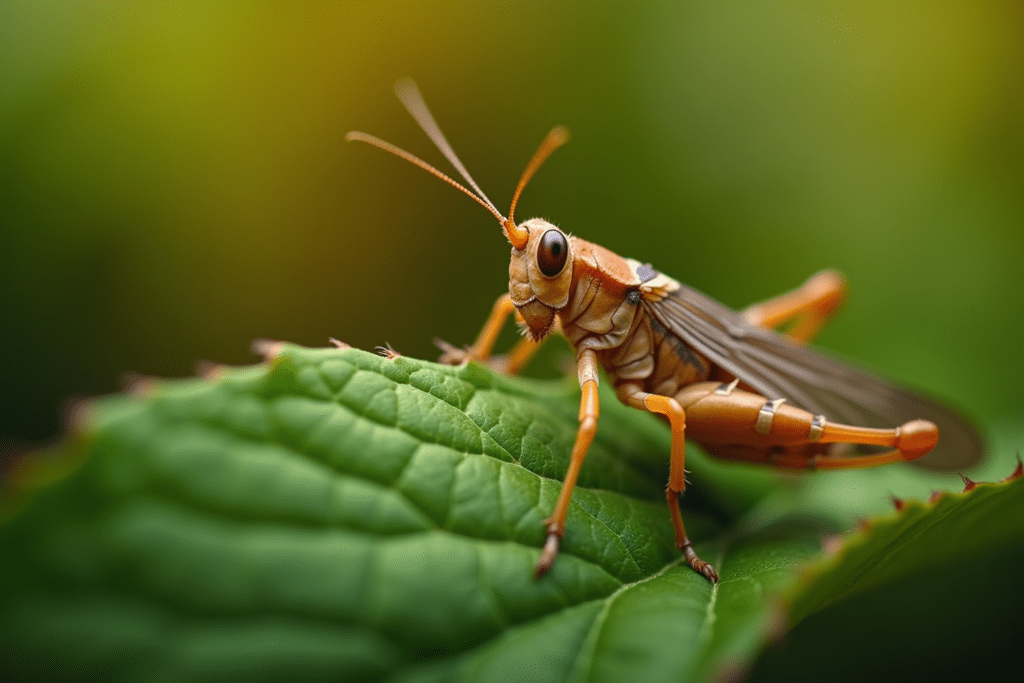
Mole crickets can wreck a lawn fast because they feed and tunnel just under the surface, cutting roots and loosening soil. To get rid of mole crickets, you will get the best results by confirming the pest with a quick soap-flush test, then treating at the right time – usually early summer when young nymphs are small and shallow. This guide shows how to identify the damage, when control actually works, and which natural, biological, and conventional options are worth your time.
Bottom line: Mole cricket control works best when you confirm activity with a soap flush, treat young nymphs at the right season, and water lawn products in so they reach the soil zone.
- Raised tunnels and thinning turf are the key lawn clues.
- Late spring to early summer nymphs are easier to control than adults.
- Repairing turf stress matters as much as killing insects.
Quick answer
If you want the fastest, most reliable plan for mole crickets in turf, do this:
- Confirm the pest (5 minutes): Do a soap flush (1-2 Tbsp dish soap per gallon of water) over 1-2 sq ft.
- Treat only if needed: If 2-4+ crickets surface within about 3 minutes, control is usually justified.
- Time it right: Target small nymphs in early summer (often June-July in the Southeast) for best results.
- Choose your approach:
- Natural first: dethatch, fix watering, reduce thatch and compaction, encourage beneficials.
- Biological: apply beneficial nematodes to moist soil in the evening.
- Conventional (if damage is severe): use a labeled lawn treatment and water it in so it reaches tunnels.
Identification
Mole crickets are easy to misunderstand because the damage often shows up before you ever see the insect. Think of them like tiny rototillers: as they tunnel 1-2 inches below the surface, they loosen soil and prune roots. In the Southeastern U.S., the main turf pests are tawny mole cricket (Neoscapteriscus vicinus), southern mole cricket (N. borellii), and short-winged mole cricket (N. abbreviatus), as outlined by the Clemson University Home and Garden Information Center and the University of Florida IFAS Extension.
What they look like (and why)
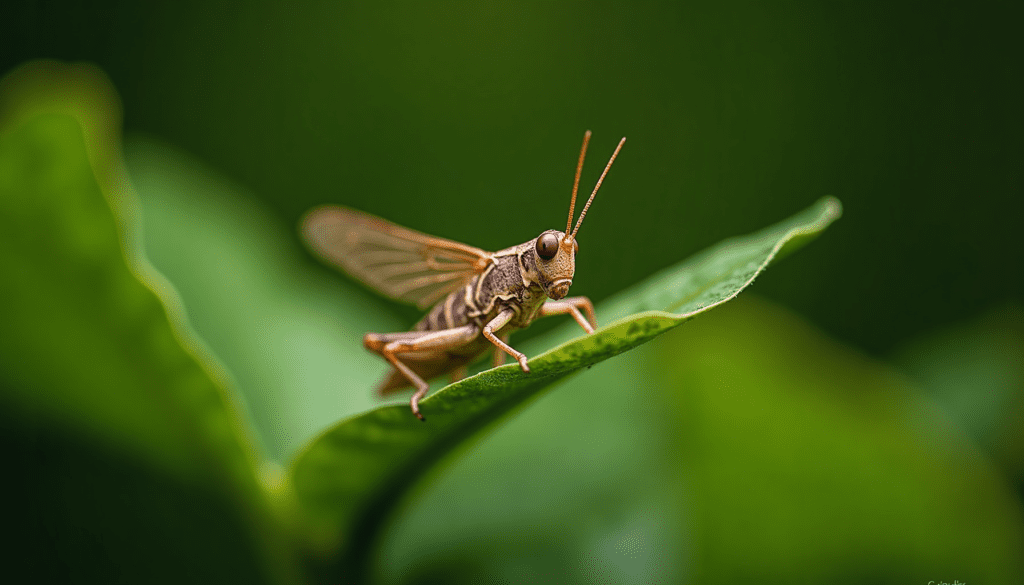
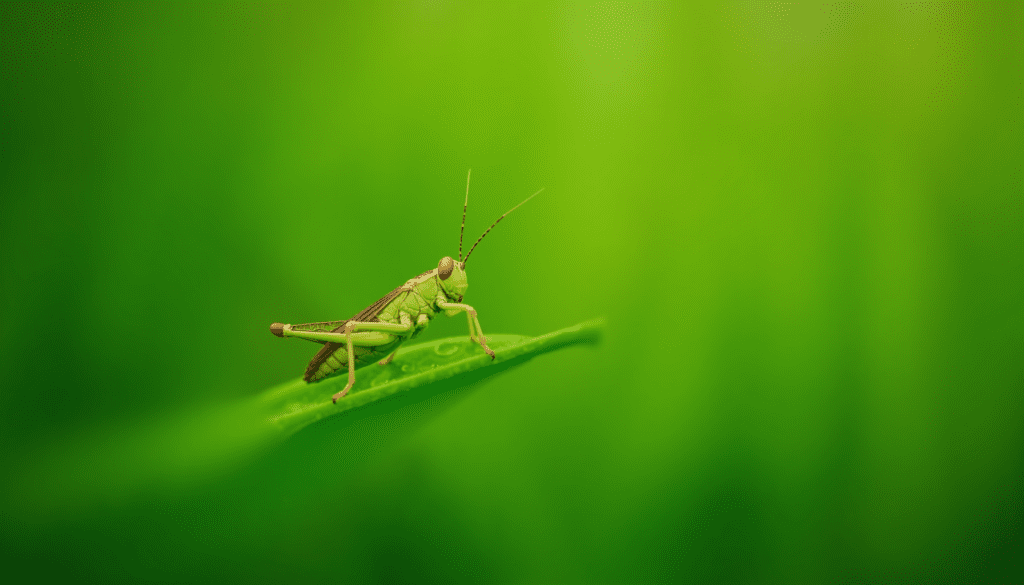
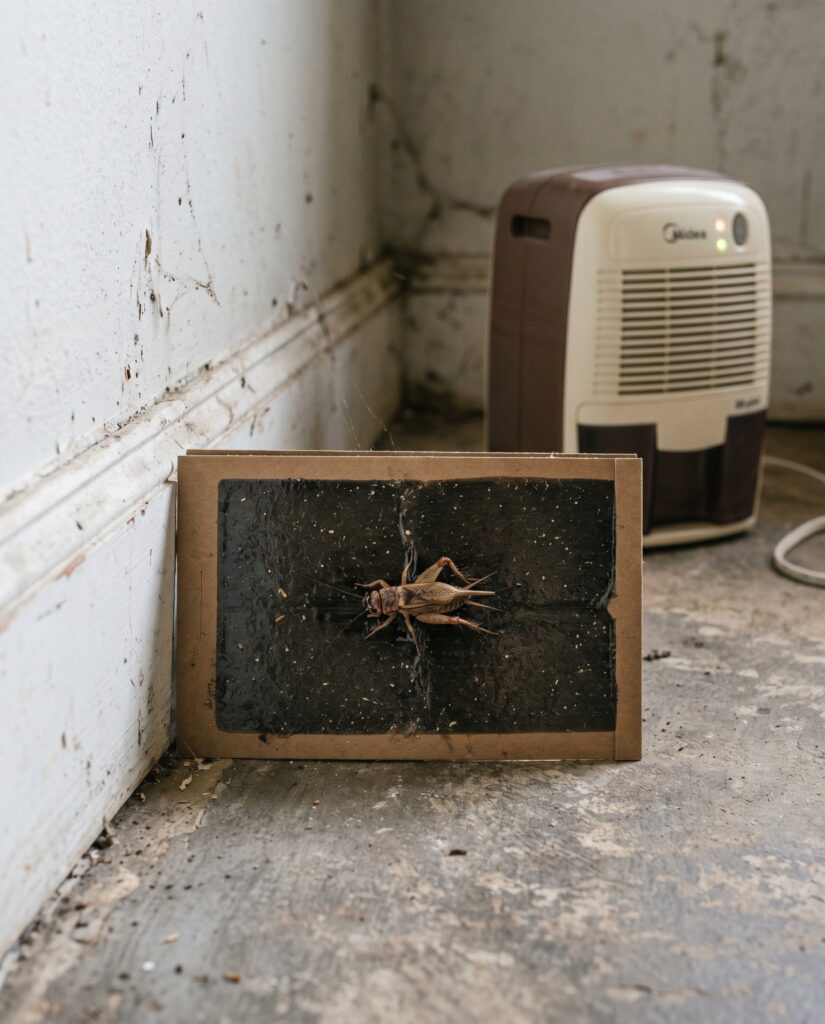
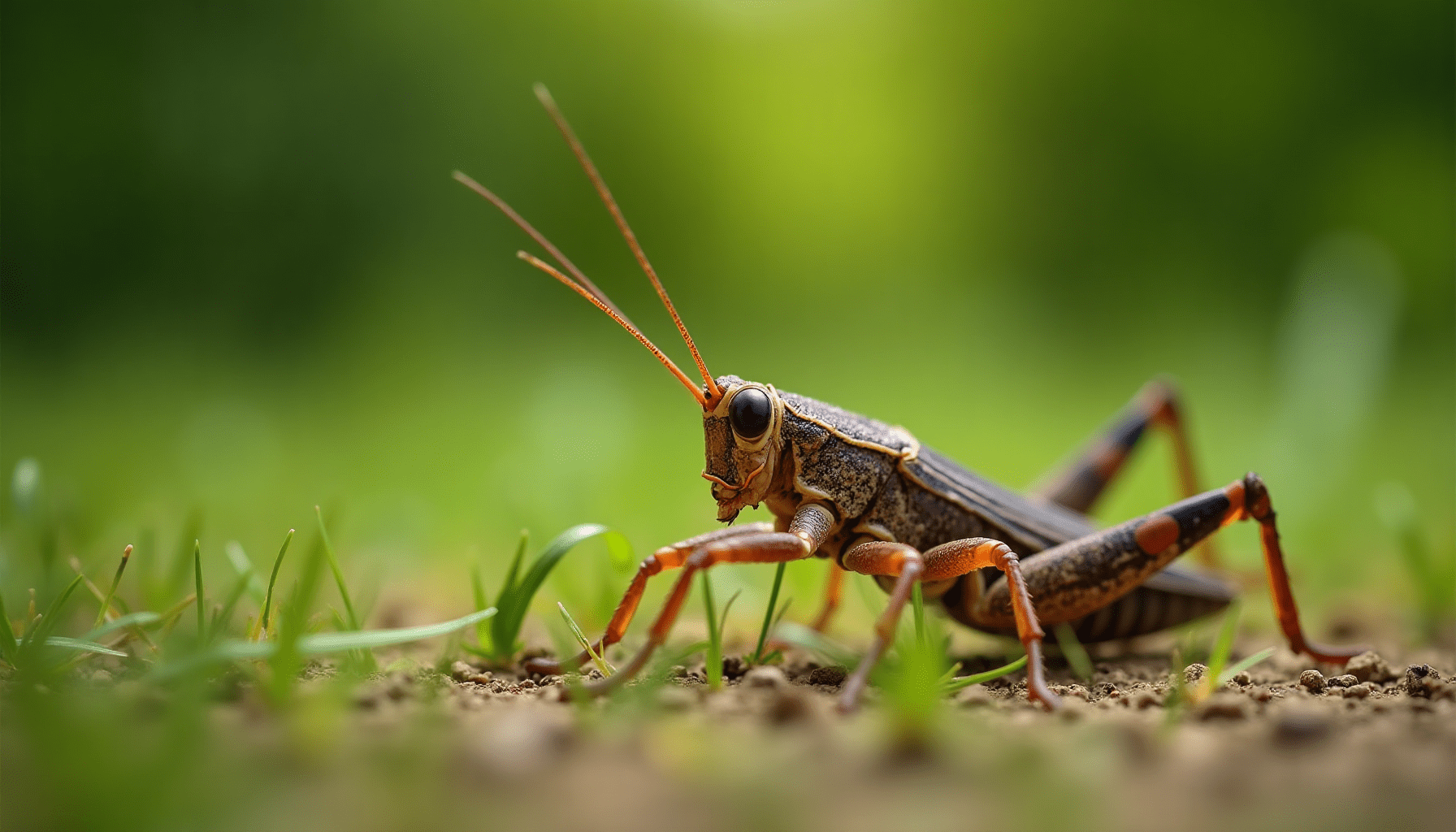
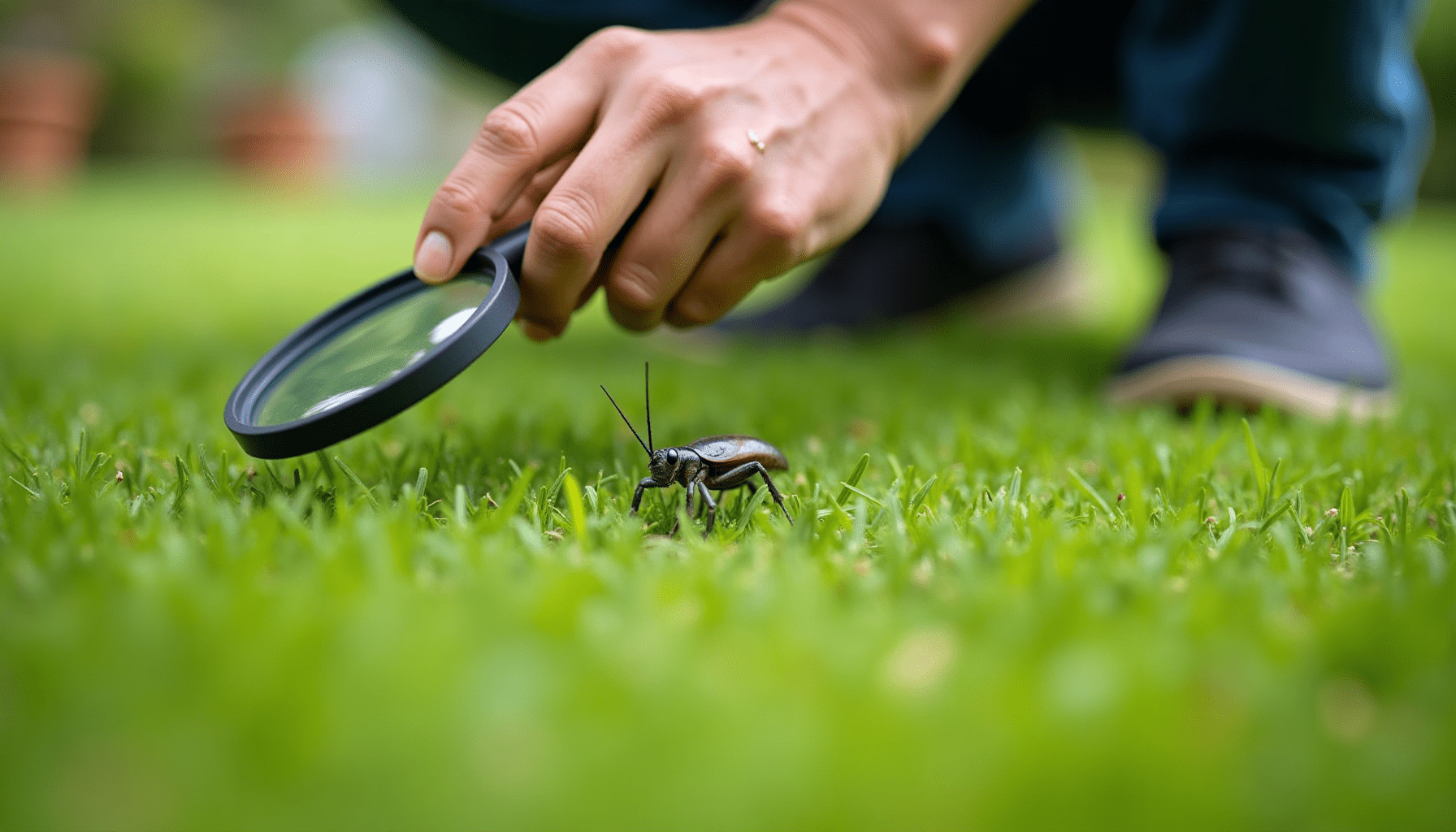
Mole crickets are stocky, brown crickets with oversized, shovel-like front legs built for digging. Adults are typically about 1 to 1.5 inches long, and nymphs look similar but smaller and wingless.
Common lawn signs (most reliable first)
Use this checklist when you walk your yard:
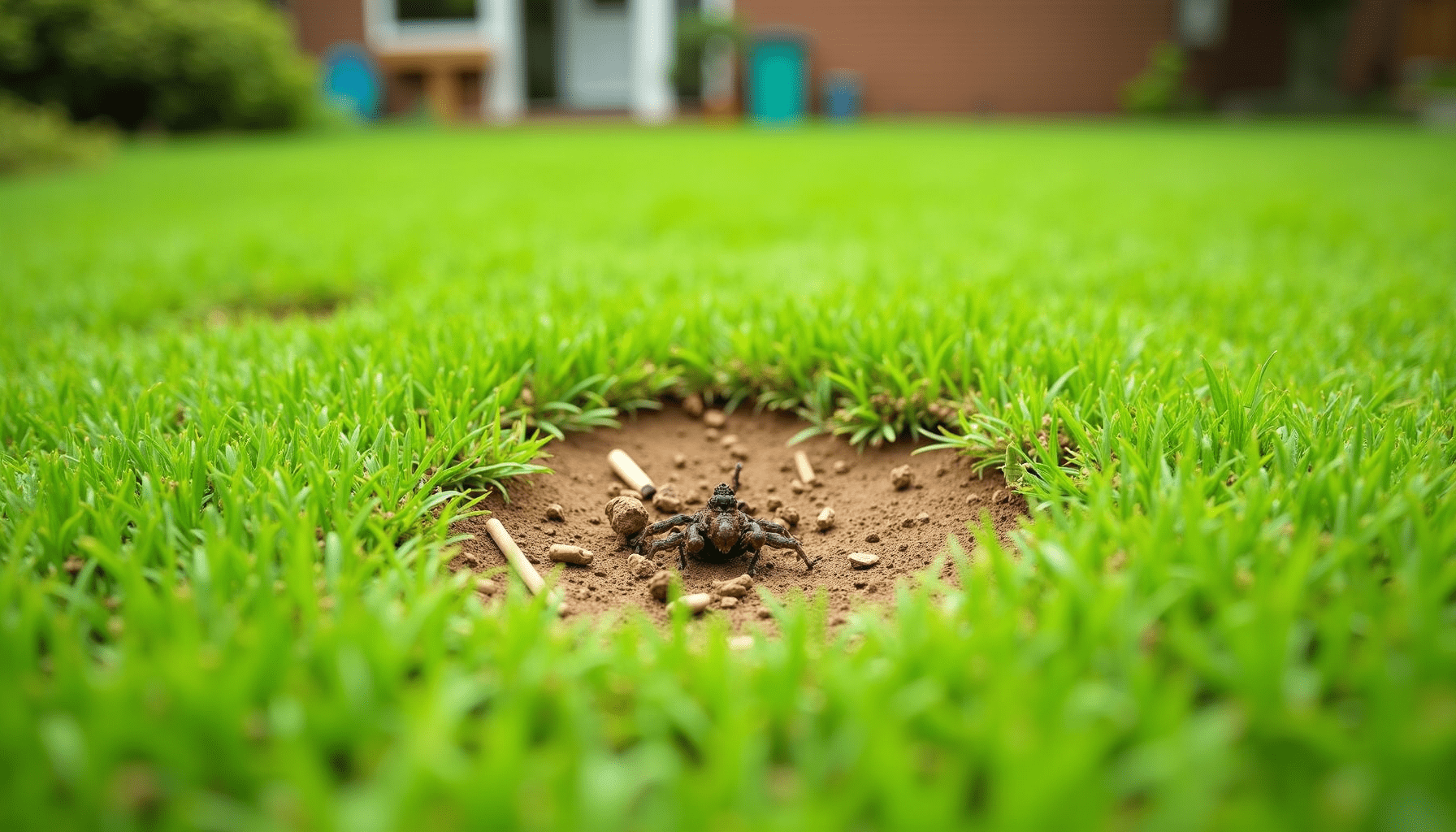
- Raised ridges or winding tunnels on the surface, especially after rain or irrigation
- Spongy turf that feels loose underfoot
- Yellowing, thinning, or dead patches that can peel back easily because roots are cut
- Extra animal digging (birds, raccoons, armadillos) hunting the insects at night
Quick “is it really mole crickets?” comparison
Many lawn problems look alike. Before you treat, compare:
- Mole crickets: surface ridges + spongy soil + roots severed
- White grubs: turf lifts like a rug but usually no surface tunneling ridges
- Drought/heat stress: widespread browning without tunnels; improves after deep watering
- Moles/voles: larger runways or mounds; damage is from mammals, not insects
What to do next
If your lawn shows the signs above, do not guess. Move to a soap flush test in multiple spots so you treat the right pest, in the right places.
Soap flush test
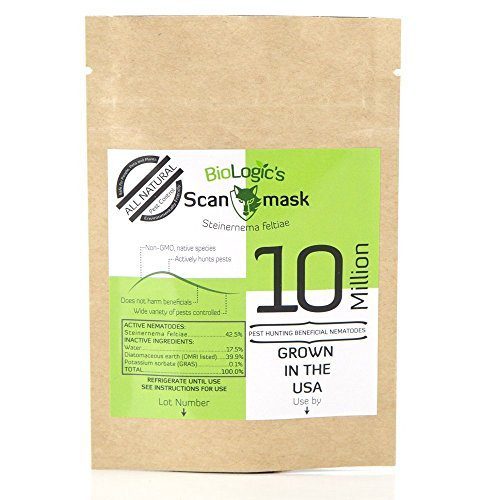
Beneficial nematodes are a lower-toxicity soil treatment option that may help with mole cricket nymphs when soil moisture and timing are right.
- Useful for soil-dwelling pest pressure
- Low-toxicity approach for lawns and garden edges
- Can be applied with watering equipment
- Live product depends on storage and shipping quality
- Needs moist soil and correct timing to perform well
If there is one homeowner tool that consistently works for diagnosing mole crickets, it is the soap flush. Extension specialists and turf managers use it because it is cheap, fast, and gives you a real count instead of a hunch. It also helps you tell whether you are seeing adults (harder to control) or small nymphs (the best stage to target).
Step-by-step soap flush (most lawns)
This is the standard approach recommended across turf references, including guidance consistent with Clemson Extension and major lawn-care educators.
- Pick your spots (3-5 locations):
- Choose areas with fresh ridges, thinning patches, or spongy turf.
- Mix the solution:
- 1-2 tablespoons of liquid dish soap per 1 gallon of water.
- Prep the turf:
- Do the test early morning or late evening.
- If soil is dry, water first so the solution moves into the top layer.
- Drench a small area:
- Pour over 1-2 sq ft of turf.
- Watch and count:
- Mole crickets usually surface within 3-5 minutes.
- Rinse afterward:
- Lightly rinse the area with clean water to reduce any chance of soap burn.
Interpreting results (when to treat)
Use this simple threshold rule:
- 0-1 per flush: monitor and focus on lawn health
- 2+ per flush (or 2-4 within ~3 minutes): treatment is often justified
- High counts in multiple spots: plan a targeted yard-wide strategy, not just a single patch
This threshold-based approach is commonly referenced in turf IPM discussions and aligns with recommendations summarized by the Clemson University HGIC.
Visual: quick soap-flush checklist
- Measure 1-2 sq ft
- Mix 1-2 Tbsp soap / gallon
- Pour evenly
- Count for 3 minutes
- Treat if 2+ appear
- Rinse
What to do next
Mark the “hot spots” where mole crickets surfaced. Those are your priority zones for any nematodes, baits, or insecticides later.
Timing
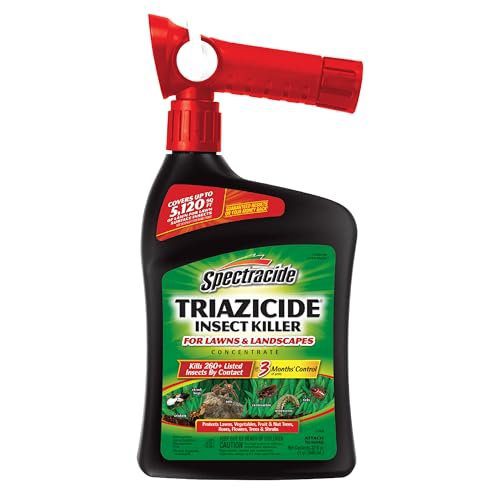
A hose-end lawn insect killer for heavier mole cricket pressure, useful when applied at the labeled timing and watered into the active soil zone.
- Fast application over larger lawn areas
- Designed for listed lawn insects
- Built-in sprayer avoids hand mixing
- Label directions and watering-in steps are critical
- Not ideal near water, pollinator areas, or edible beds unless the label allows it
Homeowners often do everything “right” except the calendar. Mole crickets are not equally vulnerable all year. Adults can fly, mate, and lay eggs, but they are not the easiest stage to knock down. The sweet spot is when nymphs are small and living close to the surface, because treatments can actually reach them.
The basic life cycle (lawn version)
In warm regions (especially the Southeast):
- Spring: adults become active, mate, and begin egg-laying
- Late spring to early summer (often April-June): eggs are laid in chambers 1-4 inches deep
- Early summer (often June-July): nymphs hatch and stay shallow – prime control window
- Late summer to fall: nymphs grow larger, tunnel deeper, and become harder to control
The University of Florida IFAS Extension emphasizes this seasonal pattern for Florida and nearby warm-season turf regions, and Clemson notes June and July as the best insecticide timing because the crickets are still immature.
Why early summer treatments work best
Small nymphs:
- spend more time in the upper soil layer
- have less body mass, so lower doses can be effective
- cause less visible damage, so you can stop the problem before it spreads
Large nymphs and adults:
- can be deeper during the day, especially in hot or dry weather
- may avoid treated zones
- often require more product and still deliver less consistent results
Visual: seasonal “do this now” guide
- Spring: soap flush, map hotspots, reduce thatch, avoid unnecessary broad sprays
- Early summer: apply nematodes or targeted turf treatments when nymphs are small
- Late summer: spot-treat only if counts are high; focus on irrigation and turf recovery
- Fall: baits can help when adults are active; keep monitoring
What to do next
If your soap flush finds mostly tiny, wingless mole crickets, act soon. If you only find large adults late in the season, shift toward monitoring and planning early-summer control next year.
Control options
A lawn does not need “maximum kill.” It needs mole crickets pushed below the damage threshold. Integrated pest management (IPM) does that by combining cultural fixes, biological tools, and carefully timed treatments only when needed. This approach is repeatedly emphasized by university extension programs, including the Clemson University HGIC and the University of Florida IFAS Extension.
1) Cultural fixes (low-risk, high payoff)
These steps make your lawn less inviting and more resilient:
- Dethatch if needed: thatch can hold moisture and shelter tunneling insects
- Aerate compacted soil: improves root growth and reduces “easy tunneling” zones
- Adjust irrigation: deep, infrequent watering supports deeper roots
- Mow correctly for your grass type: scalped lawns show damage faster and recover slower
- Fertilize based on a soil test: avoid over-fertilizing, which can create tender growth
Visual: cultural control mini-checklist
- Thatch thicker than 0.5 inch? Plan dethatching.
- Soil stays soggy? Reduce frequency, water deeper.
- Bare patches? Overseed or resod after you reduce pest pressure.
2) Biological control (best for long-term suppression)
Beneficial nematodes (entomopathogenic nematodes) can be a strong option when applied correctly. Some products use species associated with mole cricket control, including Steinernema scapterisci in certain markets, as discussed in extension materials.
Best practices for nematodes:
- Apply to moist soil and preferably late day/evening (UV light harms them)
- Irrigate before and after to wash them into the soil zone where crickets tunnel
- Avoid mixing with incompatible pesticides or applying during extreme heat
Another long-term helper is the parasitoid wasp Larra bicolor, which has contributed to sustained suppression in parts of Florida. Homeowners typically support it indirectly by reducing broad-spectrum insecticide use and planting nectar sources.
Visual: “nematodes done right”
- Water lawn
- Apply at dusk
- Water again
- Keep soil lightly moist for a few days
3) Baits (useful, but timing-sensitive)
Baits can work well when mole crickets are coming up to feed. They are often most useful in spring and fall when adults are active.
General bait tips consistent with extension guidance:
- Water the day before to encourage activity
- Apply late afternoon/early evening
- Do not water for 2-3 days after application, or the bait can break down
4) Conventional insecticides (when damage is severe)
If soap flush counts are high and turf is actively failing, a labeled lawn insecticide can be appropriate. Granules and liquids can work, but they must reach the tunnel zone.
Common success factors:
- Apply when soil is moist
- Treat late day when activity increases
- Water in as directed so the product moves into the upper soil profile
Environmental and resistance notes:
- Avoid repeated, automatic applications.
- Rotate insecticide classes when retreatment is needed.
- Keep treatments away from drainage areas and follow the label exactly.
When to call a pro
Consider professional turf or pest help if:
- you have recurring damage year after year despite early-summer treatment
- your lawn is large and hotspots are widespread
- you are near sensitive areas (ponds, pollinator plantings) and want safer planning
Prevention and recovery
After you suppress mole crickets, the next question is how to keep the lawn from sliding backward. Prevention is mostly about making your turf less “easy to tunnel” and better able to tolerate some feeding. Recovery is about repairing roots and density so weeds do not take over.
Prevention: reduce the conditions they like
Mole crickets prefer protected, moist zones with easy movement under the surface. You can make that harder:
- Manage thatch: thick thatch acts like insulation and shelter
- Avoid chronic overwatering: damp soil encourages tunneling and weakens roots
- Fix drainage issues: low spots and compacted areas often become hotspots
- Limit broad-spectrum sprays: they can reduce predators and beneficial parasites over time, a concern highlighted in long-term biocontrol discussions from the University of Florida IFAS Extension
Visual: “hotspot map” habit
- Each spring, soap-flush 5 spots.
- Mark activity on a phone note or sketch.
- Treat only the zones that repeatedly cross threshold.
Recovery: help turf outgrow the damage
Once roots are pruned, turf needs time and good conditions to rebuild.
- Water deeply but less often to encourage deeper rooting
- Patch thin areas quickly (sod plugs, overseeding where appropriate)
- Fertilize lightly and correctly based on your grass and season
- Watch for secondary damage: animals digging for crickets can tear up turf even after the insects decline
A note on “look-alike” problems
If you treat for mole crickets and the lawn still declines, revisit diagnosis. Grubs, disease, or irrigation issues can mimic the same yellow patches. A second soap flush and a quick root-zone inspection often clarify what is happening.
Related reading for outdoor pest pressure
Many homeowners notice lawn pests and biting insects at the same time, especially in warm months. If your yard also has mosquito problems, these guides can help:
- How to Mosquito-Proof Your Backyard: Complete Guide
- Best Mosquito Repellents: DEET, Picaridin & Natural Options
Final verdict
To get rid of mole crickets without wasting time or product, focus on three moves: confirm them with a soap flush, treat at the right time (early summer nymphs), and combine lawn-care fixes with biological or targeted treatments. Most lawns do not need constant insecticide use, but they do benefit from monitoring and threshold-based decisions.
Next step: run soap flushes in 3-5 spots tonight or tomorrow morning, then act only where counts cross the treatment threshold. For more household and yard pest guidance, see How to Get Rid of Mosquitoes Inside Your House and Mosquito-Borne Diseases: Complete Prevention Guide.