
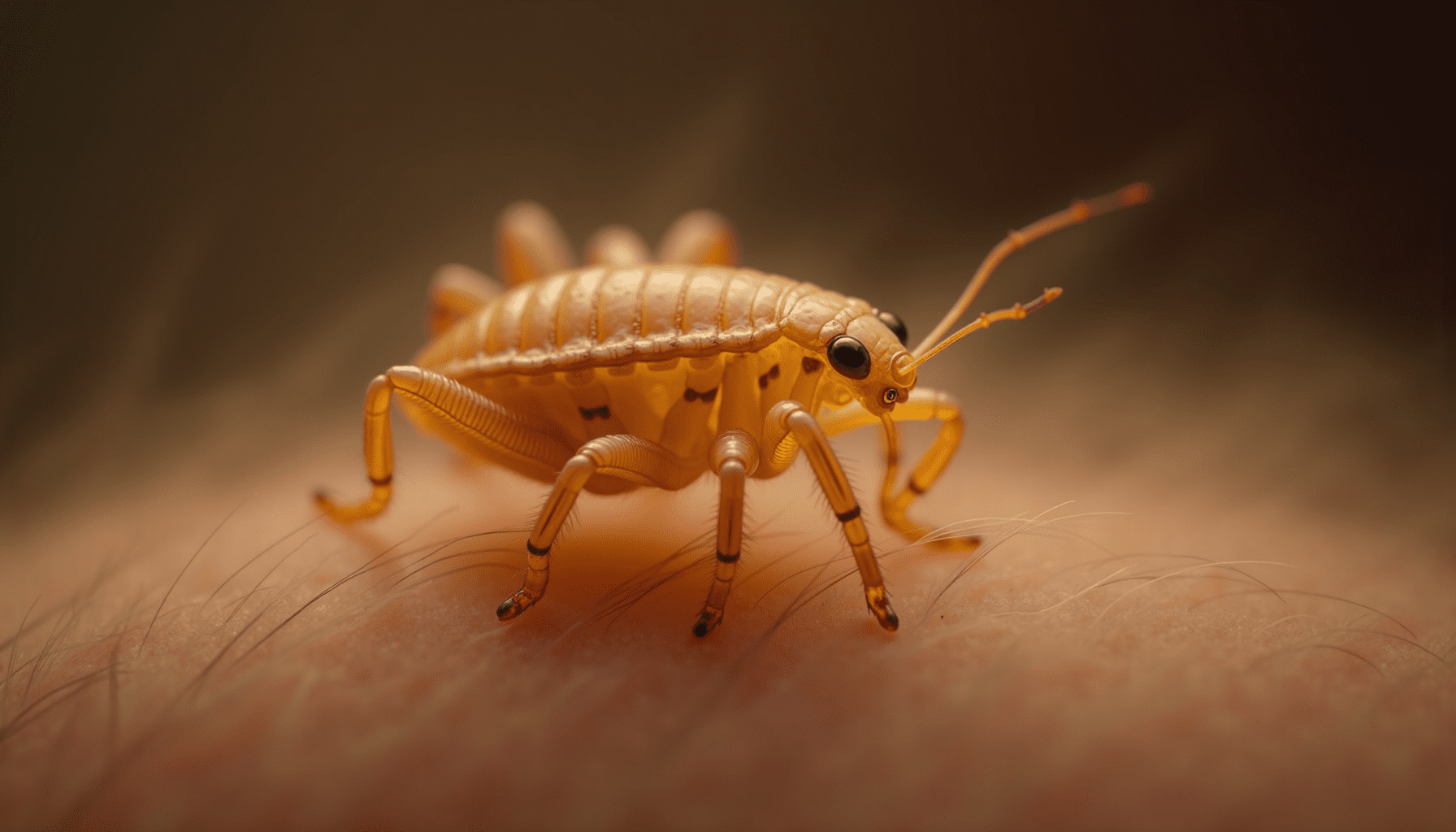
Finding tiny, persistent pests in your child's hair can be a frustrating and unsettling experience for any parent. Head lice (scientific name: Pediculus humanus capitis) are a common nuisance, affecting millions of children aged 3-11 in the U.S. each year, primarily in school and daycare settings, according to the Centers for Disease Control and Prevention (CDC). While they don't spread disease in high-income countries, the itching and discomfort they cause demand effective action. One of the most critical tools in your arsenal for eliminating these tiny invaders is a high-quality lice comb, particularly for removing their eggs, known as nits. This guide will help you understand what makes the best lice combs truly effective and how to use them to clear an infestation.
Bottom line: For thorough and effective nit removal, a high-quality metal lice comb with very fine, tightly spaced teeth (0.09–0.15 mm) is the gold standard. While electric combs can help detect live lice, they are generally not effective for removing firmly attached nits and should not be relied upon as a primary treatment.
Choose a comb
When facing a head lice infestation, the choice of comb can significantly impact your success. Not all combs are created equal, and understanding the differences between metal, plastic, and electric options is key to effective treatment. Manual combing is a cornerstone of lice removal, offering a "resistance-proof" method that chemicals can't match, as noted by WebMD.
Metal vs. Plastic Lice Combs
For generations, families have relied on fine-toothed combs, but research consistently points to the superiority of metal over plastic. A 2009 study, summarized by Lice Lifters Charleston, found that metal lice combs removed significantly more lice and nits per stroke than plastic versions.
- Metal Combs:
- Advantages: Widely considered the gold standard for nit removal. Their strong, rigid teeth maintain tight spacing, allowing them to snag, dislodge, or even crush nits that are firmly cemented to the hair shaft. They are durable and reusable when properly cleaned.
- Disadvantages: Can tug or break hair if used roughly or if hair isn't properly detangled beforehand.
- Advantages: Often included in over-the-counter lice shampoo kits and can be useful for initial detangling before a metal comb, or for very sensitive scalps.
- Disadvantages: Typically have wider, more flexible teeth that can splay apart, causing them to "skip" over nits. Experts generally agree that plastic combs alone are inadequate for thorough nit removal.
Understanding Electric Lice Combs
Electric (battery-powered) lice combs have been available for years, designed to "zap" live lice with a mild electric current or, in some models, use suction to vacuum them up. However, their effectiveness for complete nit removal is often overstated.
- What they do well: Some electric combs can help detect live lice and may kill a portion of them on contact. They might be useful for quick checks or as an additional tool for those seeking non-chemical options.
- Limitations: According to WebMD, high-quality clinical trials demonstrating their superiority to traditional fine-toothed combs are lacking. Many lice-removal professionals, such as those at MyLiceAdvice, report that electric combs are often weak at actually removing firmly attached nits compared to high-quality metal combs. They are generally not recommended as a primary treatment by pediatric experts due to limited evidence.
What to look for
Selecting the most effective lice comb means understanding specific design features that make a real difference in nit removal. Focusing on these details will ensure you have a tool capable of tackling even the most stubborn infestations.
Key Features for Effective Nit Removal
- Material: Metal over Plastic: High-quality stainless steel or other durable metals are preferred. The teeth should be stiff and rigid, not prone to bending or spreading under pressure. Metal combs are also corrosion-resistant, allowing for repeated disinfection and reuse.
- Tooth Spacing: This is perhaps the most critical factor for nit removal.
- For effective nit removal, look for very fine, tightly spaced teeth.
- WebMD suggests a spacing of around 0.09 inches (approximately 2.3 mm) or closer for removing both lice and nits.
- Specialized lice-removal clinics, like Lice Lifters Charleston, often recommend an even finer range of 0.09–0.15 mm spacing for professional-grade combs.
- Practical Tip: If you can easily see daylight between the comb's teeth, it's likely too wide to effectively remove nits.
- Tooth Length and Design:
- Longer teeth are beneficial for individuals with long or very thick hair, ensuring the comb can reach the scalp and pass through the entire hair shaft. Shorter teeth are usually sufficient for shorter or thinner hair.
- Some of the best lice combs feature rounded or micro-grooved teeth. This design helps to grip nits more effectively and dislodge them from the hair shaft while minimizing scratching or irritation to the scalp.
- Build Quality: Inspect the comb for overall construction. The teeth should be perfectly aligned in a straight row, without any crooked or warped sections. Check for any sharp burrs or rough edges at the ends of the teeth, which could scratch the scalp or damage hair.
When choosing a specific product, look for "professional" or "clinic-grade" stainless steel nit combs. These are often marketed with detailed specifications regarding tooth spacing and material quality. You can find these at pharmacies, reputable online retailers, or directly from lice-removal clinics. Always review the product's specs to ensure it's reusable and disinfectable.
Use it right
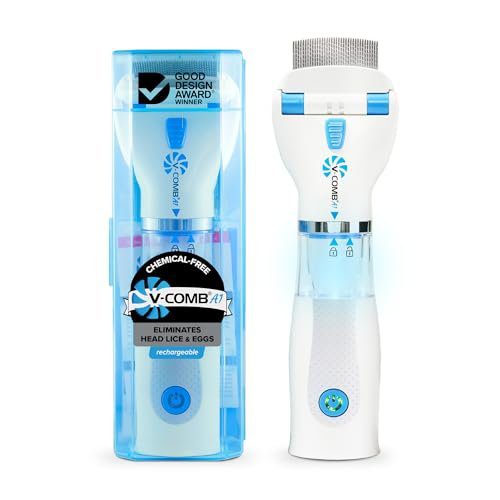
This electric comb directly addresses the ‘Understanding Electric Lice Combs’ section of the article, offering a chemical-free method for detecting and removing live lice, as discussed, even if not the primary tool for nits.
- Effectively removes live lice and eggs using suction-based vacuum technology rather than chemicals
- Chemical‑free and allergen‑free design that is considered safe for children, adults, and sensitive skin
- Reusable, rechargeable device with disposable capture filters that provide visible results and hygienic, no‑touch disposal
- Treatment can be time‑consuming because hair must be combed thoroughly and methodically for best results
- Effectiveness depends heavily on correct technique and multiple sessions, which some users may find tedious compared with one‑time chemical treatments
Using a lice comb isn't just about pulling it through the hair; it's a systematic process that requires patience and proper technique. Following these steps will maximize your chances of completely removing lice and nits, breaking the infestation cycle.
Step-by-Step Combing Guide
Most expert and clinical instructions, including those from the CDC and WebMD, converge on a similar routine:
- Prepare the Hair:
- Wet the hair thoroughly. Water helps to slow down live lice, making them easier to capture.
- Apply a generous amount of hair conditioner or a detangling spray. This lubricates the hair, reduces pulling and breakage, and helps nits slide off once loosened.
- Set Up Your Workspace:
- Seat the individual under bright light, ideally near a window or with a strong lamp.
- Place a white towel or sheet over their shoulders to easily spot any falling lice or nits.
- Have tissues or paper towels and a bowl of soapy water or rubbing alcohol nearby for cleaning the comb.
- Section the Hair:
- Part the hair into small, manageable sections using clips.
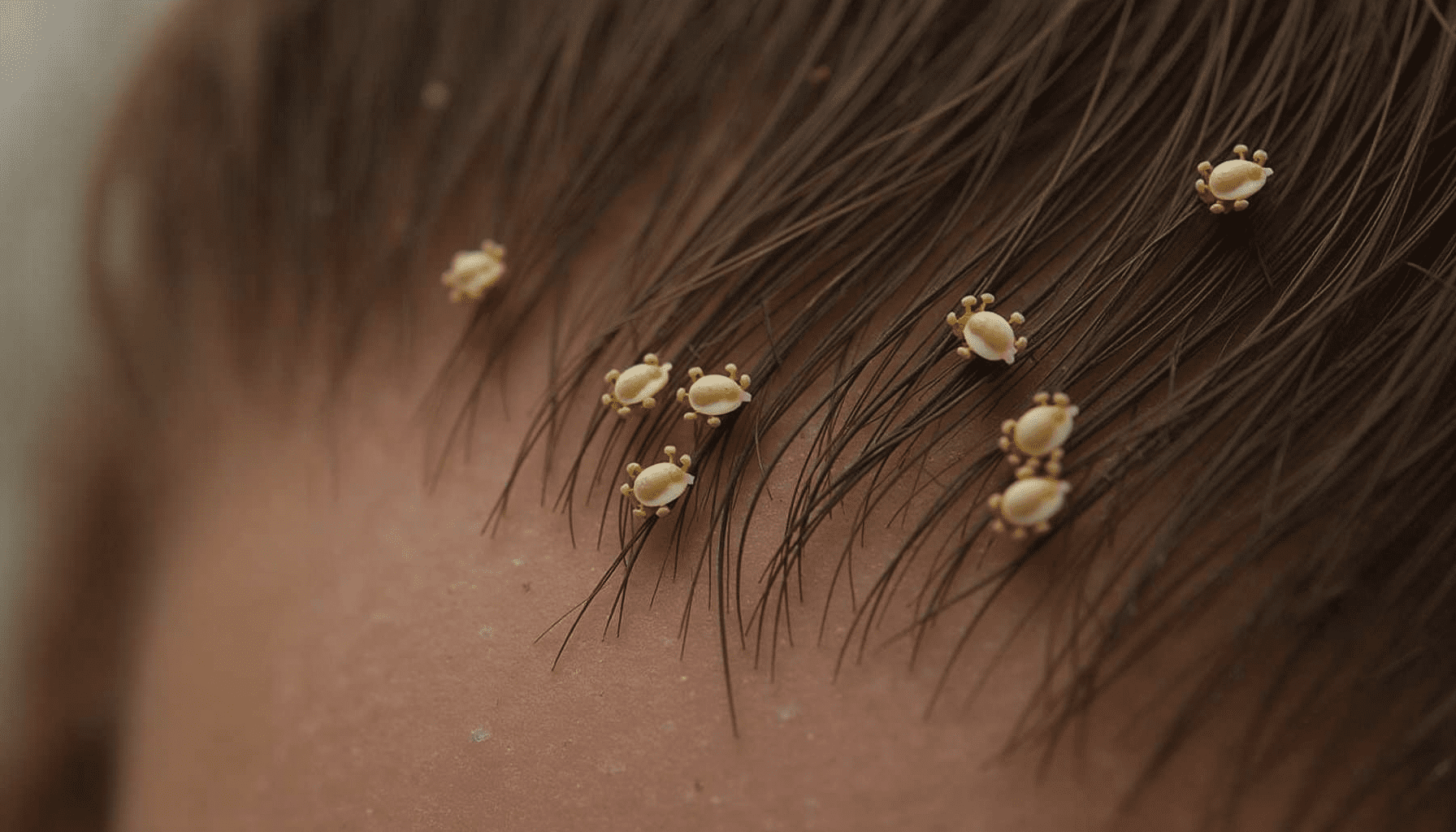
- Pay special attention to "hot spots" where lice and nits tend to cluster: behind the ears, at the nape of the neck, and along the crown and part lines.
- Comb Systematically:
- Start at the scalp, where nits are typically closest to the roots.
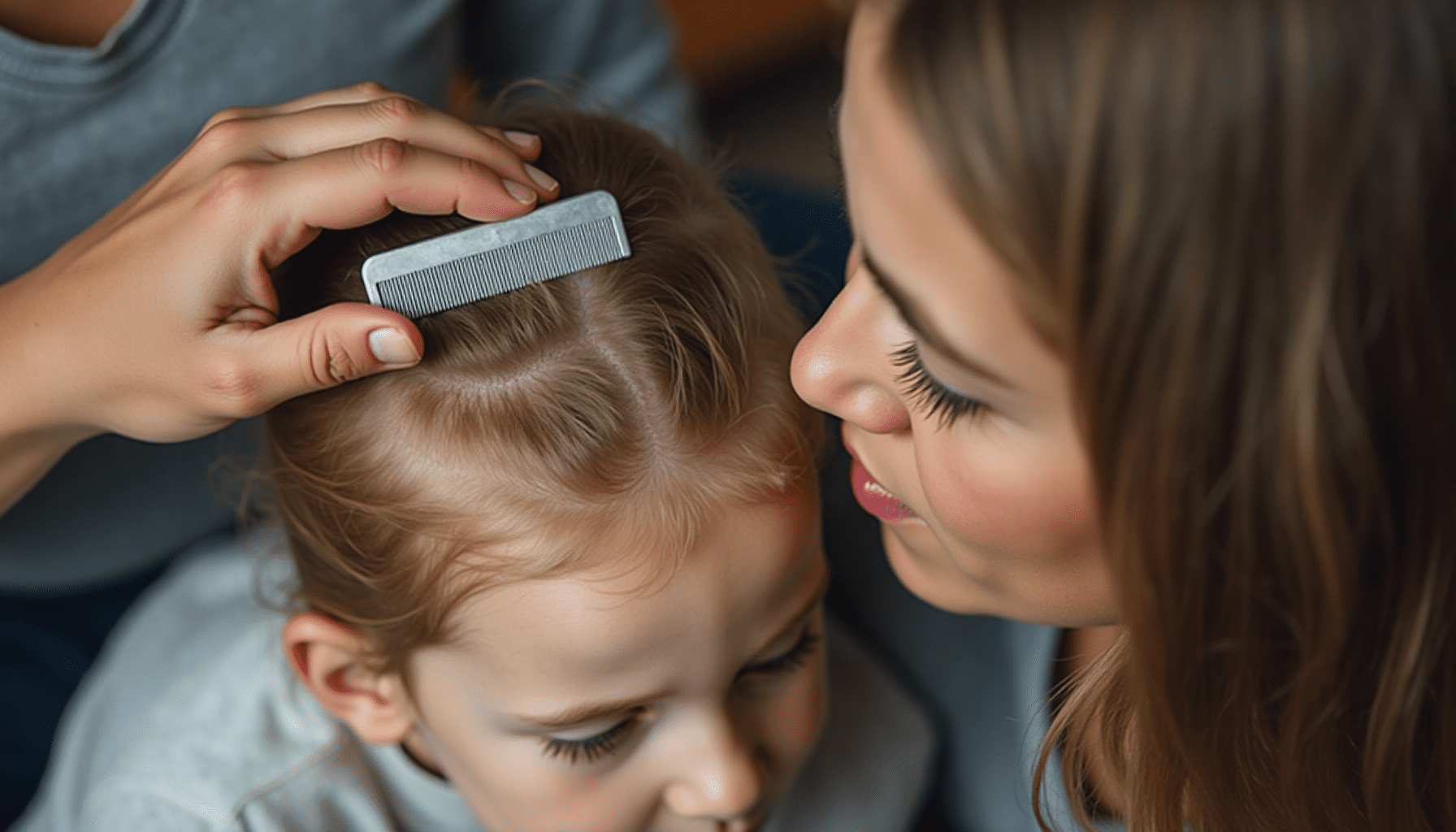
- Place the comb flat against the scalp and pull it slowly and firmly from root to tip in a single motion.
- After each pass, or every few passes, wipe the comb on a tissue to check for lice and nits.
- Submerge the comb in the bowl of soapy water or rubbing alcohol to clean it between sections, ensuring you don't transfer pests.
- Work methodically around the entire head, repeating each section several times until the comb comes out clean.
- Clean and Disinfect the Comb:
- After each combing session, remove any remaining debris from the comb using a tissue, old toothbrush, or dental floss threader.
- Soak the comb in hot soapy water (above 130°F or 54°C) for at least 5-10 minutes. This temperature effectively kills lice. Alternatively, rubbing alcohol can be used for disinfection.
- Dry the comb thoroughly to prevent rust, especially if it's metal.
- Repeat Schedule:
- Continue combing daily or every other day as long as you find live lice.
- Once no live lice are found, continue combing every 3-4 days for at least 2-3 weeks after the last live louse was seen. This extended period is crucial to catch any newly hatched lice before they can lay new eggs, effectively breaking the life cycle.
Common myths
Misinformation about head lice and their treatment can lead to ineffective efforts and prolonged infestations. Understanding the facts, especially concerning the role of lice combs, is essential for successful eradication.
Myth vs. Fact
Here are some common misconceptions about lice combs and treatment:
- Myth 1: "Shampoo alone will cure lice; combing is optional."
- Reality: Many over-the-counter lice shampoos kill live lice but have limited or no effect on nits (eggs). Surviving nits can hatch days later, restarting the infestation. Expert guidelines from the CDC and the American Academy of Pediatrics (AAP) consistently recommend combing with a fine-toothed comb as an essential part of treatment to physically remove nits.
- Myth 2: "Any comb or brush will work if I'm thorough."
- Reality: Regular combs and brushes have wide spacing and are designed for detangling, not nit removal. They rarely pull off nits glued to the hair shaft. Even plastic lice combs included in some drugstore kits often miss a significant number of nits, as highlighted by WebMD. A dedicated metal nit comb with fine, rigid teeth is far more effective.
- Myth 3: "Electric lice combs are more advanced, so they must be better."
- Reality: "Electric" does not automatically mean "more effective." There is no strong clinical evidence that electric combs outperform manual metal combs for nit removal. Some children's hospitals even advise against purchasing them due to their limited effectiveness, as detailed by MyLiceAdvice. At best, they can complement, but not replace, careful manual combing.
- Myth 4: "I must treat the whole house (fumigation, sprays, etc.)."
- Reality: Head lice primarily live on the human scalp and can only survive for about 1-2 days off a host. Extensive house treatment is usually unnecessary. Simple measures like washing bedding, hats, and clothing used in the past 48 hours in hot water (above 130°F or 54°C) and vacuuming common areas are generally sufficient, according to the CDC. Focus your energy on treating the infested head, not the entire house.
- Myth 5: "If I don't see bugs, the infestation is gone."
- Reality: Nits are tiny and can be easily missed, especially on lighter hair. It's crucial to continue combing for at least 2-3 weeks after seeing the last live louse to account for late-hatching nits. Patience, good lighting, and thorough checking (especially behind the ears and at the nape of the neck) are key to ensuring complete eradication.
Full treatment plan
While a high-quality lice comb is an indispensable tool, successful lice management often involves a broader approach. Understanding the lice life cycle, knowing when to seek professional help, and implementing preventative measures can help keep your family lice-free.
The Head Lice Life Cycle and Stubborn Nits
Head lice undergo three main stages: egg (nit), nymph, and adult. The typical life cycle is about three weeks. Nits are notoriously stubborn because they are cemented to the hair shaft with a powerful, glue-like substance. This strong adhesion is precisely why the design of a nit comb, particularly its fine, rigid teeth, is so critical; it needs to physically dislodge or crush these firmly attached eggs to prevent them from hatching and continuing the infestation.
Chemical vs. Non-Chemical Approaches
Lice treatment options range from over-the-counter (OTC) chemical treatments to non-chemical methods.
- Chemical Treatments: Products containing permethrin, pyrethrins, dimethicone, or other active ingredients are available. However, resistance to traditional insecticides is an increasing concern in many areas, making combing even more vital.
- Non-Chemical Approaches: "Wet combing" with a metal nit comb and conditioner is a highly effective non-chemical method. In some European guidelines, repeated wet combing is even recommended as a primary treatment. This method relies entirely on the mechanical removal of lice and nits, making it immune to chemical resistance.
When to Seek Professional Help
Most lice infestations can be successfully managed at home with diligent combing and appropriate treatments. However, there are times when professional intervention is advisable:
- Persistent Infestation: If you've followed all steps carefully but the infestation persists after several weeks, a professional lice removal service or a doctor can offer further guidance.
- Signs of Infection: Intense scratching can lead to skin irritation or secondary bacterial infections. Look for redness, swelling, crusting, or pus, and consult a doctor if these symptoms appear.
- Challenging Hair Types: Extremely thick, curly, or very long hair can make thorough combing difficult. Professional services have specialized tools and expertise to manage these situations efficiently.
Prevention Tips
Preventing lice starts with awareness and simple habits:
- Regular Checks: During school outbreaks or if a family member has been exposed, conduct regular checks with a fine-toothed nit comb.
- Avoid Head-to-Head Contact: Teach children to avoid direct head-to-head contact during play.
- No Sharing: Discourage sharing hats, scarves, combs, brushes, and hair accessories.
- Education: Educate children about what lice are (and are not) to reduce stigma and encourage open communication if they feel itchy.
For more information on managing other common pests, explore our guides on Best Flea Combs for Dogs and Cats or learn about the Flea Life Cycle to understand why they are so hard to eliminate. You might also find our guide on Best Tick Removal Tools helpful.
Final picks
Effectively tackling a head lice infestation requires the right tools and a systematic approach. As we've seen, while various options exist, the best lice combs are consistently high-quality metal combs with very fine, rigid teeth, designed specifically for the tenacious removal of nits. Electric combs can be supplementary, but they don't replace the thoroughness of manual combing. By understanding the features that make a comb effective and following a diligent combing schedule, you can confidently eliminate head lice and restore comfort. Remember, patience and persistence are your greatest allies in this process. If you find yourself struggling, don't hesitate to consult a healthcare provider or a professional lice removal service for assistance. For more comprehensive pest control strategies, check out our guide on How to Get Rid of Fleas.
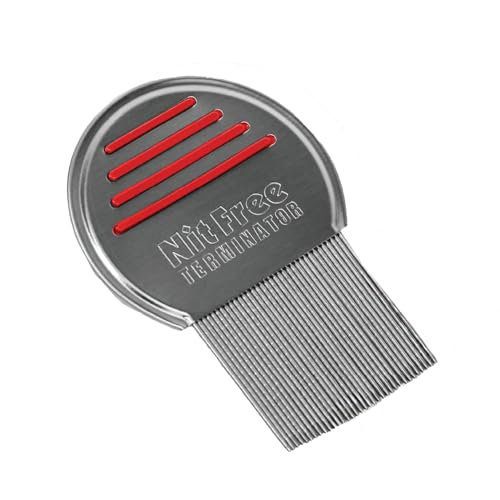
Another highly-rated, durable metal lice comb that reinforces the article’s emphasis on the superiority of metal combs for thoroughly dislodging and removing nits from the hair shaft.
- Extremely effective at removing both live lice and tiny nits thanks to tightly spaced, micro‑grooved stainless steel teeth
- Very durable, professional‑grade construction that holds up well to repeated household or clinic use
- Non‑chemical, reusable solution that can be used with any lice treatment or just conditioner, making it cost‑effective over time
- Some users find the metal teeth can be uncomfortable or scratch the scalp, especially on very sensitive skin
- Takes time, patience, and thorough sectioning/combing, which some reviewers find labor‑intensive compared to one‑step treatments
As an Amazon Associate, I earn from qualifying purchases. Product recommendations are based on real reviews and independent research.
Pingback: Natural Lice Remedies: What the Evidence Really Says
Pingback: How to Check for Lice: A Parent's 10-Minute Method