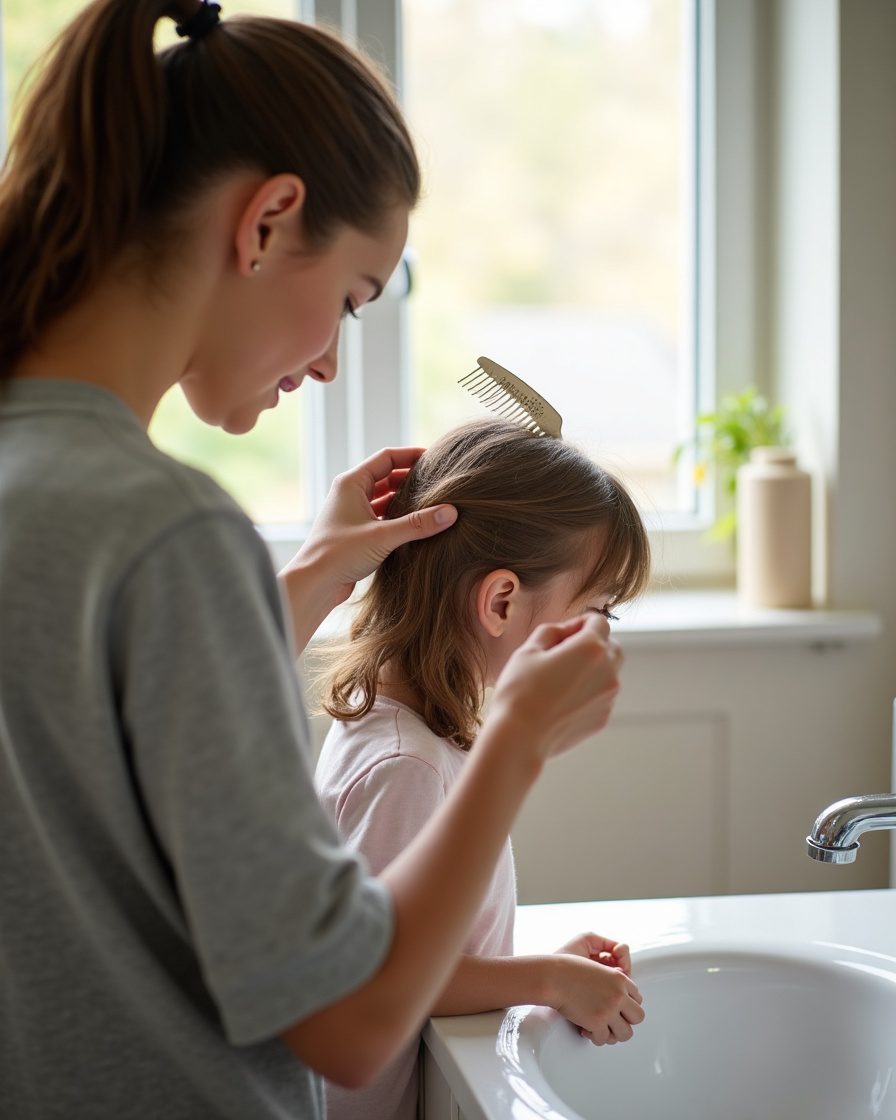
Pinch the white speck between two fingers and try to slide it along the hair. Dandruff lifts off or slides freely; a nit is glued to one side of the hair shaft, usually close to the scalp, and holds on when you pull. That grip is the whole test.
- Dandruff: Loose, irregular flakes scattered across the whole scalp that fall away when you brush or shake the hair.
- Nits: Tiny tan-to-white ovals cemented to individual hairs near the scalp, heaviest behind the ears and at the neckline, and they resist sliding.
- The red flag: Sores that ooze, crust, spread, or come with fever can mean an infected scalp, so see a clinician rather than treating at home.
The 30-second slide test
You spot white specks in your child’s hair under the kitchen light and your stomach drops. Before you buy anything, do one thing: isolate a single speck, pinch it lightly between your thumb and forefinger, and try to slide it down the hair strand.
Dandruff is dead skin. It sits on the scalp or rests loosely on the hair, so it lifts off at a touch, drifts when you shake the hair, and crumbles if you press it. A nit is a louse egg that the female cements to the hair shaft with a glue-like substance, and that cement is remarkably stubborn. A nit will not flick away, will not fall out when you brush, and takes real effort to drag down the strand, even with your fingernails.
The sizes are genuinely confusing, which is why grip matters more than looks. The MedlinePlus head lice overview notes that a nit is about the size of a dandruff flake, so at arm’s length the two are nearly identical. Up close, the difference is mechanical: one is stuck, one is not.
Two more quick tells. Location: nits are laid close to the scalp, so a speck glued a few millimeters from the skin is far more suspicious than one floating mid-strand. Shape: a nit is a smooth, uniform oval attached to one side of the hair, while a flake is flat and irregular, like torn paper.
What a nit actually looks like
Knowing the enemy helps. The University of Kentucky’s head lice ENTfact describes nits as tan, sand-grain-sized eggs attached to hair shafts near the scalp. Fresh, viable eggs tend to be darker, tan to coffee-colored, and sit within about a quarter inch of the skin, because the louse lays them where scalp warmth will incubate them. Hatched shells are whitish or clear, and because hair grows, old empty shells ride outward over the weeks and end up farther down the strand.
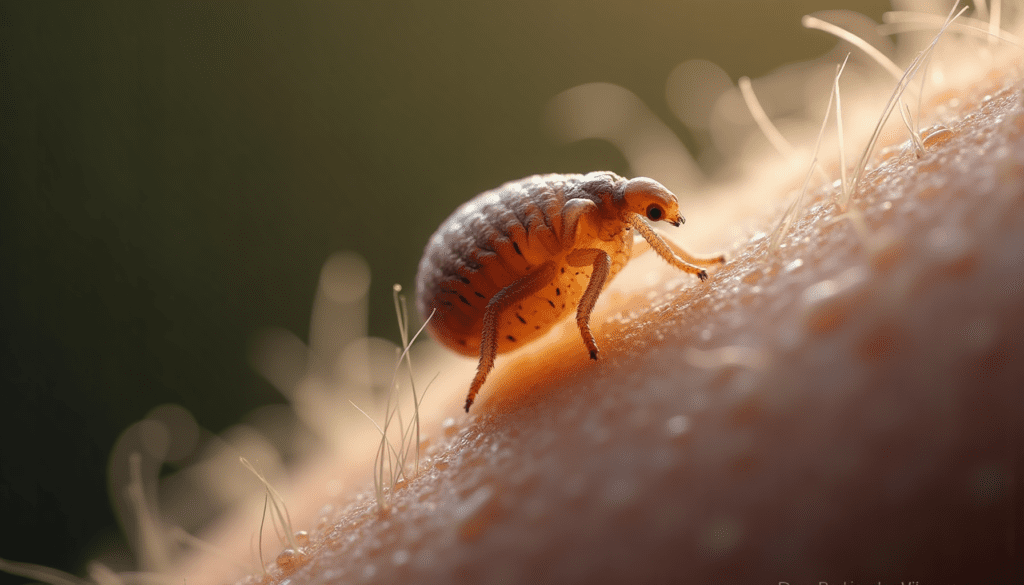
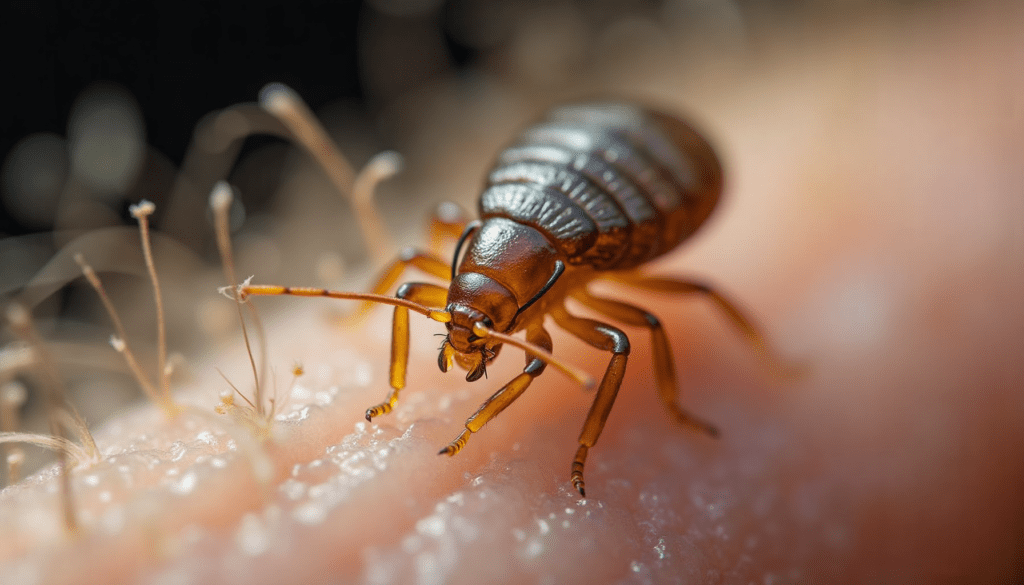
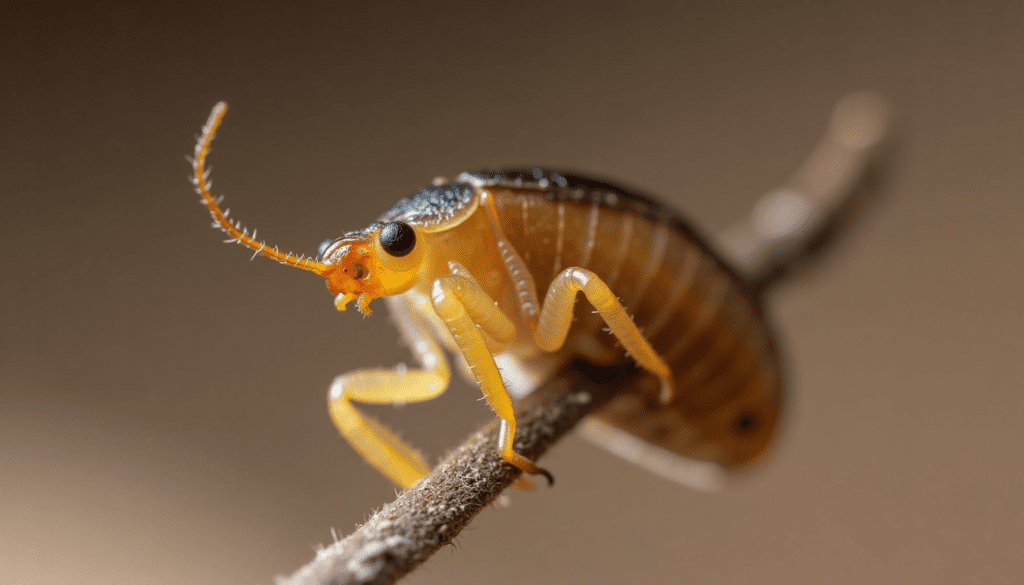
That growth clue matters on a second check: specks found only well away from the scalp are more likely old shells or not nits at all, while dark ovals hugging the skin suggest something current. The adult insects are about the size of a sesame seed, tan to grayish, and fast; most parents never see one on the first look, which is why the eggs are the practical search target.
Dandruff plays by different rules. Flakes are white to yellowish, flat, and irregular, they appear across the whole scalp rather than favoring zones, and they return after every wash because the skin keeps flaking. Ordinary washing neither removes nits nor loosens their cement.
Lice or dandruff: side by side
| Sign | Head lice (nits) | Dandruff |
|---|---|---|
| Slide test | Glued to the hair shaft, resists sliding | Lifts off or slides freely |
| Shape and color | Smooth oval, tan when viable, whitish when hatched | Flat, irregular flake, white to yellowish |
| Where it sits | On one side of individual hairs, close to the scalp | On the scalp surface or loose in the hair |
| Hot spots | Behind the ears and at the back of the neck | Evenly spread across the scalp |
| Itch pattern | Tickling or crawling feeling, often worse at night, may take weeks to start | Diffuse flaky itch, often worse in dry or cold weather |
| After washing | Still attached; shampoo does not remove nits | Temporarily better, flakes return as skin renews |
| Spreads to others | Yes, by direct head-to-head contact | No, dandruff is not contagious |
One row deserves a highlight: contagion. Dandruff never spreads between people, so if two siblings both have specks, or a close classmate was just sent home with lice, the odds shift sharply toward lice and it is time for a proper comb-through.
How the itch tells you which one
The itch itself carries information, though it is a softer clue than the slide test. Lice feed on blood several times a day, and the itching is an allergic reaction to their bites. It often concentrates where the insects congregate, behind the ears and at the nape, and many people describe a distinct tickling or moving sensation. Because lice are most active in the dark, the itching and restlessness are frequently worst at night, which is why a child who suddenly cannot stop scratching at bedtime earns a closer look.
One catch trips up many families: a first infestation may not itch at all for several weeks, because the allergic response takes time to develop. So “no itching” does not rule lice out, and a routine check in high-risk seasons is worth the two minutes. Our walkthrough on preventing lice during the school year covers how often to check and what to tell kids without scaring them.
Dandruff itch reads differently. It is diffuse rather than zoned, it tracks with visible flaking on shoulders and collars, and it typically flares when indoor heating dries the air out. It also responds within a couple of weeks to an over-the-counter dandruff shampoo used as the label directs. Lice do not care about dandruff shampoo at all.
How to run a proper check
If the slide test leaves you unsure, escalate to a real check; it costs nothing but ten minutes. Work under the brightest light you have, daylight by a window if possible. The MedlinePlus encyclopedia entry recommends parting the hair down to the scalp in very small sections and paying special attention to the neckline and behind the ears, the two places eggs concentrate. You are looking for two things: sesame-seed insects that move away from light quickly, and ovals glued to hairs within a finger’s width of the skin.
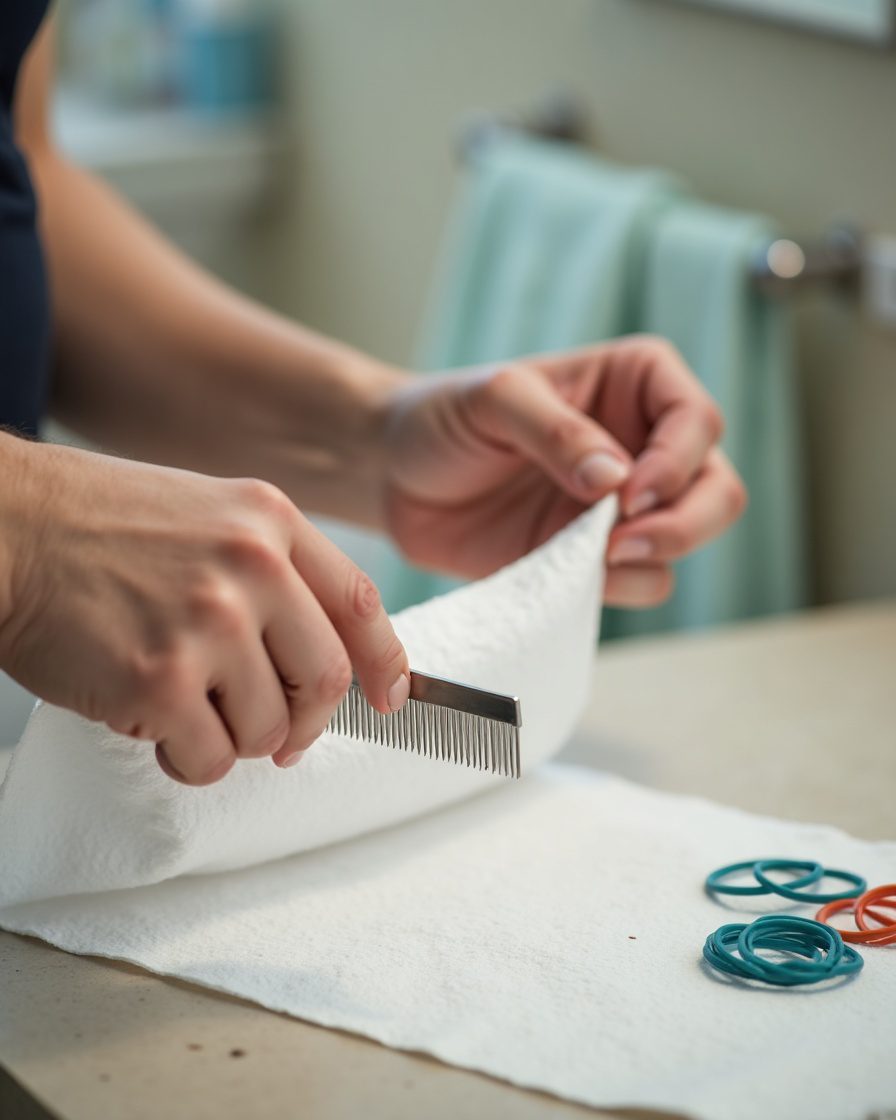
The tool that turns a guess into an answer is a fine-toothed nit comb, ideally metal. Dampen the hair, add a little ordinary conditioner for slip, comb from the scalp outward in strokes, and wipe the comb on a white paper towel after each pass. Live lice and nits show up plainly against the white. This wet-combing routine is the single most reliable home method, and our guides to checking a child’s head for lice step by step and choosing a lice comb that actually removes nits break down the technique and the tools.
Whatever you find, resist diagnosing from a single speck. Confirmation means a live louse or multiple glued nits close to the scalp; a lone white dot in a child with no itching and no known exposure is far more often debris.
When it is neither: dry scalp, buildup, and things that need a clinician
A surprising share of “is this lice?” panics turn out to be neither lice nor classic dandruff. The University of Kentucky’s guidance on mystery bites and itches is blunt that many itchy sensations have nothing to do with insects, pointing instead to dry air, soaps and cosmetics, fabric fibers, and underlying medical conditions.
The common impostors are worth knowing. Plain dry scalp produces fine, powdery flakes and a tight, itchy feeling, and often improves with gentler washing and a humidifier in winter. Product buildup is the sneakiest one: droplets of hairspray, dry shampoo residue, and gel can dry into pale beads on the hair shaft that look startlingly like nits, but they sit on all sides of the strand, appear at random distances from the scalp, and slide off under the pinch test. A clarifying wash removes them; no nit survives a clarifying wash still gripping the hair.
Then there are the scalp conditions that deserve a professional eye. Thick, well-defined plaques with a silvery scale, scaly patches with broken hairs, or flaking that comes with significant redness, oozing, crusting, or hair loss belongs in front of a pediatrician or dermatologist. This article can help you rule lice in or out; it cannot diagnose a skin condition, and persistent scalp symptoms with no lice found on a careful wet-comb check are exactly when a clinician should take over.

If it does turn out to be lice
First, the reassurance the sources back up: head lice are a nuisance, not a health hazard. They do not transmit disease, and clean hair gets lice exactly as easily as unwashed hair. They cannot jump or fly, only crawl, so nearly all spread happens through direct head-to-head contact, with shared brushes and hats a distant second. And your dog or cat is innocent, since pets do not carry or spread human head lice.
Treatment has two pillars, and the comb is the one people underrate. Over-the-counter treatments are built around two active ingredient classes, permethrin 1% and pyrethrins, applied exactly as the package label directs, including the label’s retreatment timing, since the first application often does not kill unhatched eggs. No product replaces mechanical removal: a fine-toothed comb pass every two to three days until no live lice have been seen for about two weeks is the backbone that catches newly hatched nymphs before they mature. Our full head lice removal guide sequences the whole process day by day.
Be honest with yourself about two failure modes. If you have used an OTC product correctly, twice, per the label, and live lice are still present, some lice populations have developed resistance to these ingredient classes, the so-called super lice problem, and the answer is not a third round of the same shampoo. A clinician can prescribe alternatives; our explainer on identifying and treating resistant lice covers what that conversation looks like. And skip the kitchen-cabinet route: the University of Kentucky notes there is little scientific evidence that mayonnaise, oils, or petroleum jelly work, and we walk through the evidence on tea tree and coconut oil in our review of natural lice remedies.
A few situations should go straight to a clinician or pharmacist instead of the drugstore aisle: children under two, anyone pregnant or nursing, scalps with open sores or signs of infection, and any treatment failure. Household cleanup is real but modest, since lice die within a day or two off a head: hot-water washing and a hot dryer cycle for recent bedding, hats, and hair tools is enough, and nobody needs to fumigate a house.
Common questions
Can dandruff turn into lice if it is not treated?
No. Dandruff is flaking skin and lice are insects; one cannot become the other. The confusion exists only because nits and flakes are a similar size and color at a glance. The slide test separates them in seconds.
My child has white specks but no itching. Could it still be lice?
Yes. Itching is an allergic reaction to bites and can take several weeks to develop the first time, so an early infestation is often silent. Do the pinch-and-slide test on a few specks, and follow with a wet-comb check over a white towel if any of them grip the hair.
Do I need to check the whole family?
Check every household member’s head, and treat only those with live lice or nits close to the scalp. Checking is free and takes minutes per person; treating people without evidence adds chemical exposure for nothing.
Can lice jump from a shared desk or a school coat hook?
Lice cannot jump or fly, and they die quickly away from a scalp, so objects are a minor route. Nearly all transmission is direct head-to-head contact during play, sleepovers, and huddles over a phone.
Does washing hair more often prevent lice?
No. Lice grip clean hair as easily as oily hair. Prevention is about limiting head-to-head contact and not sharing brushes and hats, not about the shower schedule.
Final verdict
Dandruff moves, nits grip. That single mechanical fact resolves most kitchen-light panics in under a minute: pinch the speck and try to slide it, check whether it sits glued to one side of a hair near the scalp, and note whether the specks cluster behind the ears and at the neckline. Loose, sliding flakes point to dandruff or dry scalp; anchored tan ovals point to lice and call for a wet-comb check to confirm. If it is lice, a permethrin or pyrethrins product used exactly per its label plus disciplined combing handles the standard case, and a clinician steps in for babies, pregnancy, infected scalps, or genuine treatment failure. If it is neither and the scalp stays angry, that is a skin question for a professional, not a pest question at all.
This article is for information only and is not medical advice.