Summer brings warmth, sunshine, and the irresistible call of the outdoors. Yet, alongside these joys often comes the buzzing, biting reality of insects. Ensuring effective summer bug protection is essential not just for comfort, but for safeguarding your health from mosquito-borne illnesses like West Nile virus and tick-borne diseases such as Lyme disease. This comprehensive guide from InsectoGuide.com will equip you with expert-backed strategies, from yard management to personal repellents, to help you enjoy a bite-free season.
Bottom line: To effectively protect yourself from summer bugs, combine environmental control (eliminating standing water), physical barriers (clothing, screens), and EPA-registered insect repellents (DEET, picaridin) on exposed skin. Always perform tick checks after outdoor activities and seek medical attention for unusual symptoms or severe allergic reactions.
Understanding Summer Bug Threats
Summer's warm temperatures and increased outdoor activity create ideal conditions for many insects to thrive, turning pleasant evenings into itchy encounters. While most bug bites are merely annoying, some pose significant health risks. Mosquitoes, for instance, are globally recognized as the deadliest animals due to their capacity to transmit diseases like malaria, dengue, Zika, and West Nile virus, according to the World Health Organization (WHO). In the U.S., West Nile virus has caused over 51,000 cases and 2,390 deaths between 1999 and 2021, as reported by the CDC's ArboNET surveillance system.
Ticks also present a serious concern, transmitting Lyme disease, anaplasmosis, babesiosis, and Rocky Mountain spotted fever. Lyme disease is the most common vector-borne illness in the U.S., with an estimated 476,000 cases annually, many diagnosed clinically rather than through lab confirmation, according to CDC Lyme Disease Data & Surveillance. Beyond disease transmission, stinging insects like bees, wasps, hornets, and fire ants cause about 62 deaths per year in the U.S., primarily due to anaphylactic reactions, as documented by CDC WISQARS. Other biting insects, such as black flies, biting midges (no-see-ums), and stable flies, can also cause painful bites and significant nuisance.
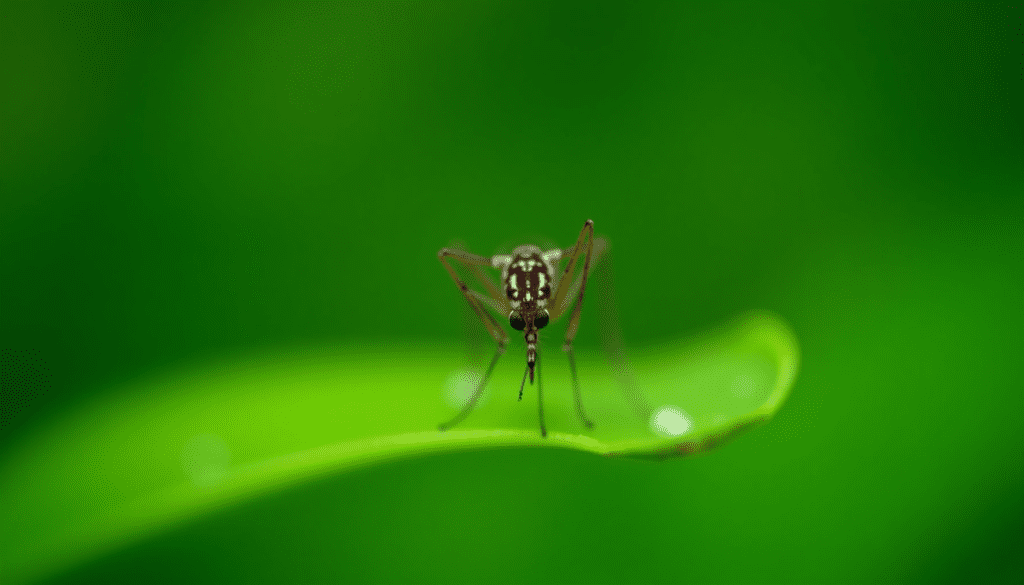
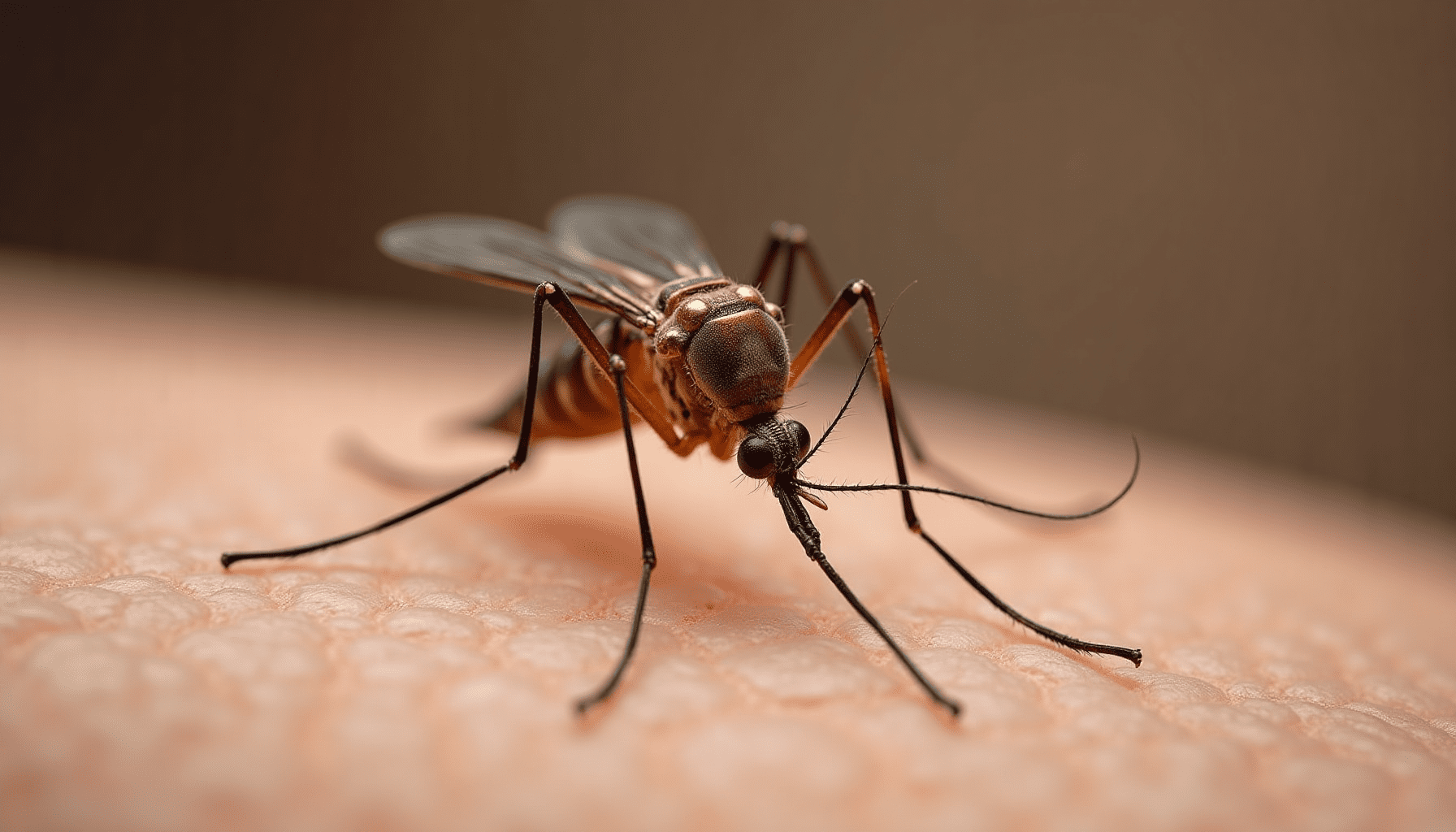
Mosquitoes (Culicidae) are attracted to carbon dioxide, body heat, and certain compounds in sweat, with some individuals being naturally more appealing targets. Females bite to obtain blood meals necessary for egg development. While many species are most active at dusk and dawn, others, like the Aedes aegypti, readily bite during the day. Ticks, unlike mosquitoes, do not fly or jump. They "quest" by climbing vegetation and extending their front legs, latching onto hosts who brush past. Many tick-borne pathogens, such as the bacteria causing Lyme disease (Borrelia burgdorferi), require hours of attachment (often 24-48+ hours) to transmit effectively, though some viruses can transmit faster. Identifying the specific type of bite can help determine the best course of action; learn more about treating various reactions in our Mosquito Bite Treatment: Complete Relief Guide.
Your Layered Approach to Summer Bug Protection
Effective summer bug protection involves a multi-pronged strategy, combining environmental management, physical barriers, and targeted repellents. Public health organizations, dermatologists, and pediatricians consistently recommend this layered approach to minimize exposure and reduce the risk of bites and disease transmission. Relying on a single method is rarely sufficient, especially in areas with high insect populations or disease risk.
The first layer of defense focuses on avoiding and managing exposure. This includes modifying your environment, such as removing standing water where mosquitoes breed, ensuring intact window and door screens, and avoiding outdoor activities during peak biting times for specific insects. For example, many mosquito species are most active at dusk and dawn. Choosing less infested areas for picnics or hikes can also significantly reduce your risk. Research from pest control experts like Pestforce and Athena Pest Control consistently highlights the importance of these proactive measures.
Physical barriers form the second crucial layer. Wearing long-sleeved shirts, long pants, and socks made of tightly woven, light-colored fabrics can prevent insects from reaching your skin and make ticks easier to spot. In areas with high mosquito activity or disease risk, using bed nets or netting over strollers and infant carriers provides critical protection, especially for young children, as recommended by the Iowa Clinic Pediatrics. Even something as simple as using outdoor fans on patios can deter mosquitoes, as their weak flight makes it difficult for them to land in moving air.
Finally, chemical repellents offer direct protection on exposed skin and clothing. Using EPA-registered repellents is key, as these products have undergone rigorous testing for both safety and effectiveness. For an added layer of defense against ticks and mosquitoes, treating clothing and gear with permethrin (0.5%) can be highly effective. It's vital to remember that permethrin should never be applied directly to the skin; it's designed for fabric treatment only. This comprehensive strategy significantly reduces your chances of bites and helps keep your summer enjoyable and safe.
Layered Protection Checklist:
- Environmental Control: Eliminate standing water, maintain yard, use screens.
- Physical Barriers: Wear long clothing, use nets, utilize outdoor fans.
- Repellents: Apply EPA-registered repellents to skin, permethrin to clothing.
- Post-Exposure: Perform tick checks, monitor for symptoms.

Home & Yard: Creating a Bug-Free Zone
Transforming your home and yard into a less hospitable environment for biting insects is a cornerstone of effective summer bug protection. Many common summer pests, especially mosquitoes, rely on standing water for breeding, and simple environmental modifications can drastically reduce their populations. This proactive approach minimizes the need for personal repellents and creates a more pleasant outdoor space.
The most critical step is to eliminate standing water at least weekly. Mosquitoes can breed in as little as a teaspoon of water, and common yard items can become prolific breeding grounds. Regularly empty and scrub birdbaths, pet water bowls, kiddie pools, plant saucers, buckets, toys, old tires, and trash can lids. Fix clogged gutters and leaky outdoor faucets that create puddles. For larger water features that cannot be drained, such as ornamental ponds, consider using Bti-based mosquito dunks (Bacillus thuringiensis israelensis). This bacterial larvicide specifically targets mosquito larvae and is safe for people, pets, and local wildlife when used as directed by the EPA. These dunks are an effective, natural option for controlling mosquito populations.
Physical barriers around your home prevent insects from entering. Ensure all windows and doors have intact, well-fitting screens, and promptly repair any tears or gaps. Screened porches or gazebos can provide bug-reduced outdoor living spaces. During peak insect activity, keep doors closed and use self-closing or screen doors. Utilizing air conditioning can also reduce the need to open windows, further limiting entry points.
Landscaping choices play a significant role. Maintain lawns by keeping grass mowed and trimming tall grasses, weeds, and brush where mosquitoes and ticks rest. Remove leaf litter and brush piles, and keep children's play areas away from dense vegetation. While "mosquito-repellent plants" like citronella, lavender, marigolds, and basil can offer a modest, localized benefit when brushed or crushed, they are not a stand-alone solution for comprehensive protection, as noted by Orentreich Dermatology.
Finally, consider outdoor fans and traps. Placing fans on decks or patios creates air movement that makes it difficult for mosquitoes to fly and land, effectively reducing biting pressure in that immediate area. While mosquito traps that use CO₂, light, or attractants can reduce local populations, their effectiveness varies, and they should complement, not replace, other habitat control and personal protection measures. For more detailed strategies on controlling mosquitoes around your property, explore our guide on How to Mosquito-Proof Your Backyard: Complete Guide.
Yard Maintenance Checklist:
- Empty standing water weekly.
- Fix leaky faucets and clogged gutters.
- Use Bti dunks in undrainable water features.
- Repair window and door screens.
- Keep grass mowed and trim dense vegetation.
- Utilize outdoor fans in seating areas.
Personal Summer Bug Protection Strategies
When venturing outdoors, personal summer bug protection is your most direct line of defense against bites and potential disease transmission. This involves a combination of smart clothing choices and the proper application of effective insect repellents.
Clothing & Gear
Choosing the right attire can significantly reduce exposed skin, making it harder for insects to bite. When in mosquito or tick-prone areas, wear long-sleeved shirts and long pants. Opt for lightweight, breathable fabrics like cotton, linen, or moisture-wicking synthetics to stay cool. Tucking pants into socks or boots is crucial in tick habitats, and closed shoes are always preferable to sandals. Selecting light-colored clothing serves a dual purpose: it can make ticks and some biting insects easier to spot, and some studies suggest darker colors may attract more mosquitoes.
For enhanced protection, consider permethrin-treated clothing or spray 0.5% permethrin on your clothing, shoes, and outdoor gear. Permethrin is an insecticide that kills or repels ticks and mosquitoes on contact, offering long-lasting protection through multiple washes. Always follow label directions carefully, allowing treated clothes to dry completely before wearing. Crucially, permethrin should never be applied directly to your skin.
Applying Insect Repellent Properly
Choosing an EPA-registered insect repellent is paramount, as these products have been evaluated for safety and effectiveness. The CDC and EPA provide comprehensive guidance on active ingredients.
- DEET (N,N-diethyl-m-toluamide): Concentrations of 10–30% are generally recommended for most uses. Higher concentrations provide longer duration of protection, not stronger repellency. DEET is often a first-line choice for heavy exposure or areas with high disease risk from both ticks and mosquitoes, as advised by Orentreich Dermatology.
- Picaridin: Available in concentrations from 5–20%, picaridin offers similar protection times to comparable DEET concentrations. It's often preferred for its low odor, non-greasy feel, and gentleness on plastics and fabrics.
- IR3535 and 2-undecanone: These are also effective, EPA-registered options for insect repellency.
- Oil of Lemon Eucalyptus (OLE / p-menthane-3,8-diol—PMD): This plant-derived ingredient has demonstrated effectiveness comparable to low-to-medium concentration DEET against mosquitoes. However, it is not recommended for children under 3 years of age. Commercial products typically contain 30–40% PMD.
For a deeper dive into the best choices, check out our guides on Best Mosquito Repellents: DEET, Picaridin & Natural Options and Best Tick Repellents for Humans: DEET, Picaridin & Permethrin.
Application Best Practices (Especially for Kids):
Guidelines from pediatricians and public health experts, including the Iowa Clinic Pediatrics:
- Sunscreen First, Then Repellent: If using both, apply sunscreen approximately 15 minutes before sun exposure, then apply insect repellent.
- Use Sparingly: Apply the lowest effective concentration and only as often as needed.
- Adults Apply for Children: For young children, adults should spray repellent onto their own hands first, then apply it to the child’s exposed skin.
- Avoid Sensitive Areas: Do not apply repellent to hands, eyes, mouth, or any cut/irritated skin. When applying to the face, spray hands first and gently dab around the face, avoiding eyes and lips.
- Cover Exposed Skin: Apply just enough to cover exposed skin and clothing; extra repellent does not increase protection.
- No Under Clothing: Do not apply repellent under clothing or on wounds/rashes.
- Ventilation: Apply in open, well-ventilated areas to avoid inhalation.
- Wash Off: Once you return indoors, wash repellent off with soap and water. Wash treated clothing before re-wearing.
Age-Specific Considerations:
- Under 2 months: Avoid DEET and picaridin. Rely on physical barriers like nets, clothing, and avoiding exposure during peak insect times.
- 2 months to 2 years: Use up to 30% DEET or low-concentration picaridin sparingly if needed. Prioritize clothing and nets.
- 2–12 years: DEET (10–30%), picaridin (5–20%), or IR3535 can be used, applied by an adult or under supervision. Avoid OLE/PMD until at least age 3.
- All Ages: Avoid "combination sunscreen + repellent" products. Sunscreen requires frequent reapplication (every 2 hours), which would lead to overapplication of repellent.
Tick Prevention and Removal
Ticks are stealthy summer hazards, found in wooded, brushy, and grassy areas, and their range is expanding. Effective tick prevention is a critical component of summer bug protection.
Before heading outdoors, especially in known tick habitats:
- Treat Clothing: Use permethrin-treated clothing or spray 0.5% permethrin on your outer clothing, shoes, and gear. Remember, do not apply permethrin directly to skin.
- Apply Repellent: Apply EPA-registered insect repellents containing DEET or picaridin to exposed skin, following label directions.
- Stay on Trails: Stick to the center of trails and avoid walking through tall grass, leaf litter, and dense vegetation where ticks often quest.
After being outdoors, a thorough routine can significantly reduce your risk of tick-borne illness:
- Full-Body Tick Check: Perform a detailed inspection of your entire body, including areas like the scalp, behind the ears, armpits, waistline, groin, behind the knees, and between toes, as recommended by Mahnomen Health and the CDC. Pay close attention to areas covered by clothing where ticks might migrate.
- Shower Promptly: Showering within two hours of coming indoors can help wash off unattached ticks and makes it easier to spot any that have attached.
- Check Gear: Inspect all gear, backpacks, and pets for ticks before bringing them indoors.
Removing a Tick Correctly:
If you find an attached tick, prompt and proper removal is key to minimizing the risk of infection.
- Use Fine-Tipped Tweezers: Grasp the tick as close to the skin's surface as possible.
- Pull Upward Steadily: Pull upward with steady, even pressure. Do not twist or jerk the tick, as this can cause the mouthparts to break off and remain in the skin.
- Clean the Area: After removal, thoroughly clean the bite area and your hands with rubbing alcohol or soap and water.
- Monitor: Note the date of the bite and, if possible, the type of tick. Monitor yourself for several weeks for symptoms such as rash (especially an expanding "bull's-eye" rash), fever, flu-like illness, or joint pain. Seek medical advice if any symptoms develop.
Common Bug Protection Myths Debunked
Navigating the world of summer bug protection can be confusing, with many myths circulating about what works and what doesn't. Separating fact from fiction is crucial for effective and safe protection.
- "Natural = Safer and Just as Effective." This is a common misconception. While some plant-derived repellents like Oil of Lemon Eucalyptus (PMD) are effective, many other "natural" or essential oil repellents (e.g., citronella, plain eucalyptus oil, clove, peppermint) offer only short-duration protection and often require frequent reapplication. They can also cause skin irritation or allergic reactions. In disease-risk areas, experts recommend proven, EPA-registered repellents over unverified natural alternatives, as highlighted by Orentreich Dermatology and a study published in the New England Journal of Medicine.
- "High DEET Concentration is More Powerful." Not quite. While DEET is highly effective, concentrations above 30–35% do not provide stronger repellency; they simply extend the duration of protection. Very high concentrations can be greasier, more likely to irritate skin, and offer no added benefit in terms of repellency strength, according to the CDC and EPA.
- "Bug Zappers Control Mosquitoes." Studies consistently show that bug zappers kill relatively few mosquitoes. Instead, they primarily attract and kill non-biting insects like moths and beetles, including many beneficial species. They are not considered a primary or effective mosquito control tool by entomologists.
- "Citronella Candles Alone Keep Mosquitoes Away." Citronella candles offer limited, localized, and short-range repellence at best. While they might provide a small amount of relief in a very confined outdoor space, they are insufficient by themselves when mosquitoes are abundant or disease risk is present, as noted by Orentreich Dermatology.
- "Ticks Drop from Trees." Ticks do not fall from trees. They climb onto grasses and low vegetation, then "quest" by extending their front legs, waiting to latch onto a passing host. This understanding helps guide prevention efforts, focusing on protecting your legs and lower body.
- "If I Don’t See a Tick, I’m Safe from Lyme." Many nymph-stage ticks, which are responsible for a significant portion of Lyme disease transmissions, are tiny—often the size of a poppy seed—and incredibly easy to miss. Systematic tick checks and awareness of symptoms are crucial, even if you don't recall seeing a tick, as emphasized by the CDC.
- "You Should Use Petroleum Jelly, Nail Polish, or Heat to Remove a Tick." These methods are not recommended. Applying substances like petroleum jelly or nail polish, or using heat, can irritate the tick and cause it to regurgitate more saliva and potentially pathogens into the bite wound. Mechanical removal with fine-tipped tweezers is the safest and most effective method, according to the CDC.
- "Spray-on Sunscreen/Repellent Combos Are Convenient and Fine for Kids." Pediatric experts, including the American Academy of Pediatrics (AAP), generally discourage combination products. Sunscreen needs frequent reapplication (every two hours), which would lead to overapplication of insect repellent. Furthermore, spray sunscreens are not preferred for children due to the risk of inhalation and uneven coverage.

Treating Bites and When to Seek Medical Care
Even with the best summer bug protection, occasional bites can happen. Knowing how to treat routine bites and, more importantly, when to seek medical attention, is crucial for your health and comfort.
Routine Bites (Mosquitoes, Midges, Fleas):
For most common insect bites that result in localized itching, redness, or swelling:
- Clean the Area: Wash the bite area thoroughly with soap and water to prevent infection.
- Reduce Itching: Apply a cold compress or ice pack to the bite. Over-the-counter oral antihistamines (e.g., cetirizine, loratadine) can help reduce itching, ensuring age-appropriate dosing for children. Topical agents like 1% hydrocortisone cream, calamine lotion, or a baking soda paste can also provide relief.
- Avoid Scratching: Try your best not to scratch the bites, as this can break the skin and lead to secondary bacterial infections.
Seek Urgent Medical Care If:
Certain symptoms following an insect bite warrant immediate medical attention:
- Signs of Allergic Reaction/Anaphylaxis: This is a severe, potentially life-threatening reaction. Look for swelling of the tongue, lips, or throat; difficulty breathing; wheezing; spreading hives; dizziness; rapid pulse; or a drop in blood pressure. If an epinephrine auto-injector (EpiPen) is prescribed, use it immediately and call emergency services.
- Signs of Infection or Systemic Illness:
- Expanding or Bull's-Eye Rash: This is a classic sign of Lyme disease, often appearing days to weeks after a tick bite.
- Fever, Headache, Joint Pain, Fatigue: These flu-like symptoms, especially if they appear after a mosquito or tick bite, could indicate a vector-borne illness.
- Neurological Symptoms: Confusion, stiff neck, or severe headache could signal more serious conditions like West Nile virus.
- Increasing Redness, Warmth, Pus, or Pain: These are signs of a localized infection at the bite site.
Always consult a healthcare professional if you are concerned about any symptoms following an insect bite, especially after known tick or mosquito exposure. Early diagnosis and treatment can prevent more severe complications.
Conclusion
Enjoying the warmth and beauty of summer doesn't have to mean enduring constant bug bites. By adopting a comprehensive strategy for summer bug protection, you can significantly reduce your risk of uncomfortable bites and vector-borne diseases. Remember to combine environmental management, such as eliminating standing water and maintaining your yard, with physical barriers like protective clothing and screens. Crucially, apply EPA-registered insect repellents to exposed skin when outdoors, choosing the right product and concentration for your needs and age group.
Stay vigilant with tick checks after outdoor activities and be aware of the signs that warrant medical attention. With these proactive measures, you can confidently embrace all the season has to offer, ensuring a safer and more enjoyable outdoor experience for you and your family. For more in-depth information on specific insect control, explore our articles on How to Mosquito-Proof Your Backyard: Complete Guide and Best Tick Repellents for Humans: DEET, Picaridin & Permethrin.
Recommended Products
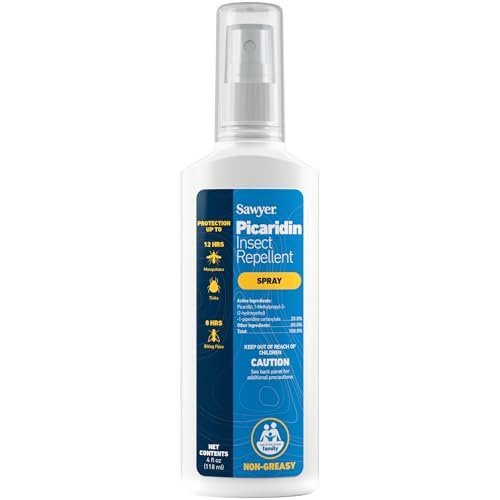
The article explicitly recommends ‘EPA-registered insect repellents (DEET, picaridin) on exposed skin’ for effective summer bug protection. This Picaridin-based spray provides long-lasting protection against mosquitoes and ticks, directly addressing the health risks mentioned.
- Effective long-lasting protection against mosquitoes, ticks, flies, and other biting insects, comparable to DEET
- Does not damage plastics, synthetic fabrics, or other gear the way DEET can
- Low odor and non-greasy feel, generally more pleasant to apply and wear than traditional DEET sprays
- Some users still report mosquito bites in heavy infestation areas or after several hours, finding it less effective than expected
- Protection duration can be shorter than the maximum claimed, requiring more frequent reapplication than advertised for some users
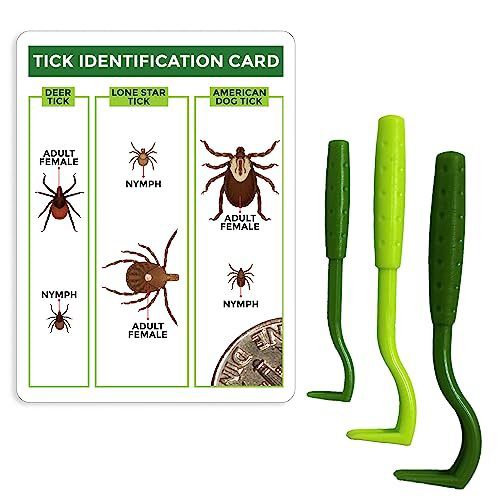
The guide emphasizes the importance of ‘Always perform tick checks after outdoor activities’ due to the serious threat of tick-borne diseases like Lyme disease. This kit provides essential tools for safe and effective tick removal, minimizing transmission risk.
- Effectively removes ticks of various sizes, often including the head, from humans and pets
- Easy to use even on thick-furred or squirmy dogs and cats compared with standard tweezers
- Compact, lightweight kit with three hook sizes, resealable pouch, and tick ID card for convenience and portability
- Plastic construction may feel less sturdy or durable than metal tools to some users
- Specialized shape limits use to tick removal only, unlike multipurpose tweezers
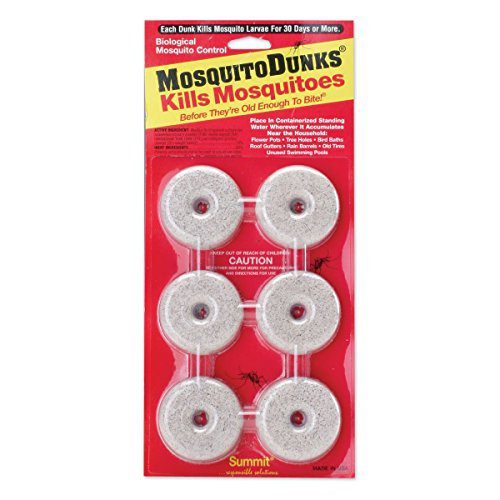
The article highlights ‘environmental control (eliminating standing water)’ as a key strategy for mosquito prevention. Mosquito Dunks target mosquito larvae in stagnant water sources, preventing them from developing into biting adults and reducing overall mosquito populations.
- Very effective at killing mosquito larvae and noticeably reducing mosquitoes around standing water
- Long-lasting protection (about 30 days) from a single dunk, making it low-maintenance
- Easy to use and generally considered safe for fish, pets, birds, and other wildlife when used as directed
- Only works on larvae in standing water, so it doesn’t affect adult mosquitoes or those breeding in untreated areas
- Some users report needing multiple dunks or more frequent replacement than advertised in larger or heavily infested water sources
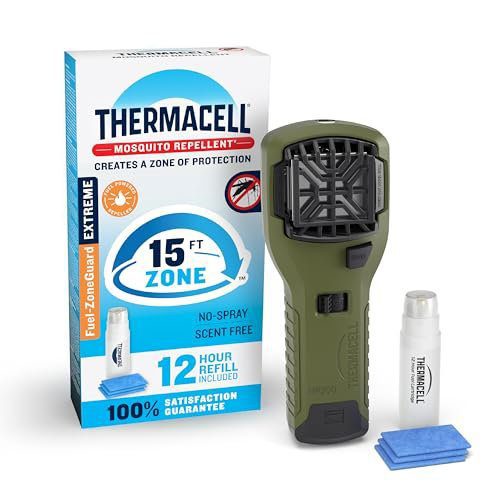
For enjoying the outdoors bite-free, an area repellent like the Thermacell MR300 creates a 15-foot zone of protection against mosquitoes, complementing personal repellents and physical barriers for patios, camping, or other outdoor activities.
- Effective mosquito bite prevention when the unit is in use
- Provides a strong bug-repellent zone/coverage for outdoor settings
- Convenient, portable, easy-to-use alternative to spray repellents
- Limited coverage that works best only when you stay relatively stationary
- Effectiveness can be reduced by wind or other environmental conditions
As an Amazon Associate, I earn from qualifying purchases. Product recommendations are based on real reviews and independent research.