There's nothing quite like the tranquility of a day spent fishing, rod in hand, surrounded by nature. That peaceful scene can quickly turn into an irritating ordeal, however, when buzzing mosquitoes, biting flies, and unseen no-see-ums decide to join your trip. Finding the best insect repellent for fishing is essential for any angler hoping to enjoy their time on the water without constant swatting and itchy distractions. This guide will help you understand the most effective repellents, how to use them, and additional strategies to keep biting insects from ruining your fishing experience.
Bottom line:
For most anglers, picaridin offers a great balance of effectiveness, comfort, and gear compatibility. If you're heading into areas with extreme mosquito pressure, DEET remains the gold standard for proven, long-lasting protection. For an extra layer of defense, especially against ticks and mosquitoes that bite through clothing, consider treating your fishing apparel with permethrin. Always combine repellents with smart clothing choices and location awareness for the best results.
Choosing the Best Insect Repellent for Fishing
When selecting an insect repellent, effectiveness and safety are paramount. The most reliable options are those registered with the Environmental Protection Agency (EPA) and recommended by public health organizations like the Centers for Disease Control and Prevention (CDC). These products contain active ingredients scientifically proven to deter biting insects.
The CDC highlights several key active ingredients for effective insect repellents:
- DEET (N,N-diethyl-meta-toluamide): The classic repellent, known for its broad-spectrum protection against mosquitoes and ticks. Higher concentrations offer longer-lasting protection, not necessarily better short-term repellency.
- Picaridin (also known as icaridin or KBR 3023): A strong alternative to DEET, often favored for its low odor, non-greasy feel, and reduced likelihood of damaging plastics or synthetic gear.
- IR3535: An effective repellent often found in lighter, more consumer-friendly formulas.
- Oil of Lemon Eucalyptus (OLE) or its synthesized form, PMD: A plant-derived option that can be effective against mosquitoes, but it comes with age restrictions and a stronger scent. It should not be used on children under 3 years old.
- 2-Undecanone: Another active ingredient approved for use in repellents.
For anglers, the choice often narrows down to DEET or picaridin due to their robust performance against the most common fishing pests, such as mosquitoes near bodies of water and biting flies.
DEET vs. Picaridin: Angler's Choice
When deciding between DEET and picaridin, consider these factors:
- DEET:
- Pros: Longest track record, broad-spectrum protection against mosquitoes and ticks, excellent for intense bug pressure and humid environments.
- Cons: Can have a distinct odor, may feel greasy on the skin, and can potentially damage certain plastics, synthetic fabrics, and fishing gear.
- Best for: Backcountry fishing, areas with very high mosquito populations, or when maximum proven protection is the priority.
- Picaridin:
- Pros: Very effective against mosquitoes and biting flies, low odor, non-greasy feel, more comfortable in heat and humidity, less likely to damage fishing equipment, sunglasses, or watch bands.
- Cons: May need more frequent reapplication than high-concentration DEET in extreme conditions, though still provides excellent duration.
- Best for: Most anglers seeking strong protection without the typical "bug spray" feel or smell, and those concerned about gear compatibility.
Many entomologists recommend choosing between these two active ingredients first, then layering with other protective measures. For a deeper dive into these options, explore our comparison of DEET vs Picaridin vs Oil of Lemon Eucalyptus.
The Power of Permethrin-Treated Clothing
While skin-applied repellents are crucial, they aren't the only line of defense. Permethrin is a powerful insecticide that provides an exceptional layer of protection when applied to clothing and gear, but never directly to skin. This distinction is vital for safe and effective use. The EPA provides detailed information on permethrin-treated clothing, emphasizing its safe use on fabrics.
Permethrin works by killing or repelling insects that come into contact with the treated fabric. This is especially beneficial for anglers who spend long periods in environments where mosquitoes and ticks are prevalent, such as near dense vegetation or wetlands. Mosquitoes can bite through clothes, so treating your fishing attire adds a significant barrier.
Why Permethrin is Ideal for Anglers:
- Targeted Protection: It creates a protective barrier on your clothes, preventing bites on areas often exposed or vulnerable, like ankles, wrists, neck, and the back of hands.
- Long-Lasting: Factory-treated permethrin clothing can remain effective through dozens of washes, offering sustained protection without daily reapplication. Home treatment kits also provide long-term repellency for several washes.
- Effective Against Multiple Pests: Permethrin is highly effective against mosquitoes, ticks, chiggers, and other biting insects. This is particularly useful for anglers who might encounter ticks in brushy areas along shorelines.
- Complements Skin Repellents: When used in conjunction with a skin-applied repellent like picaridin or DEET, permethrin-treated clothing creates a comprehensive defense system.
To apply permethrin, you can purchase pre-treated fishing apparel or use permethrin spray to treat your own shirts, pants, socks, hats, and even fishing nets. Always follow the product instructions carefully, applying it outdoors and allowing it to dry completely before wearing.
Essential Fishing-Specific Bug Protection Strategies
Beyond choosing the right repellent, smart planning and behavior can significantly reduce your exposure to biting insects while fishing. A layered approach, combining repellents, clothing, and situational awareness, is always the most effective strategy.
Smart Clothing Choices for Anglers
Your attire plays a huge role in preventing bites. Consider these tips:
- Long Sleeves and Pants: Even in warm weather, lightweight, breathable long-sleeved shirts and long pants are your first line of defense. Many fishing-specific garments offer UPF sun protection as well.
- Light Colors: Mosquitoes are often attracted to darker colors. Opt for light-colored clothing, which can also help keep you cooler.
- Socks and Closed Footwear: Protect your ankles and feet, which are common targets for mosquitoes and chiggers.
- Hats and Head Nets: A wide-brimmed hat offers sun protection, and a bug net hat can be invaluable in areas with extreme insect pressure, especially for protecting your face and neck.
- Consider "Bug-Repellent" Clothing: Some apparel is pre-treated with permethrin or other repellents, offering built-in protection. The Half Past First Cast blog offers more insights into protective fishing gear.
Fishing-Specific Behavioral Tips
Adjusting your fishing habits can also make a big difference:
- Timing Your Trip: Mosquitoes are most active at dawn and dusk. If possible, fish during midday when insect activity is typically lower.
- Location, Location, Location: Avoid fishing directly beside stagnant water, dense vegetation, or marshy areas where mosquitoes breed and rest. A breezy spot can also help deter flying insects.
- Reduce Attractants: Avoid using scented soaps, perfumes, and lotions before heading out. Mosquitoes are attracted to certain scents and chemicals on our skin.
- Proper Application: Apply repellent to all exposed skin, ensuring even coverage. Don't forget often-missed spots like ears, neck, and the back of your hands.
- Reapply as Directed: Repellent effectiveness diminishes over time, especially with sweating or water exposure. Always follow the product label for reapplication intervals.
Sunscreen and Repellent Order
Many anglers need both sun and insect protection. The CDC advises applying sunscreen first, then insect repellent. This ensures the sunscreen forms its protective layer on your skin before the repellent creates its barrier against bugs.
Age and Safety Notes
Always read and follow the product label instructions carefully. Repellents containing Oil of Lemon Eucalyptus (OLE) or PMD should not be used on children under 3 years old. For younger children, choose products specifically labeled for their age group and prioritize clothing-first strategies. Remember, permethrin is for clothing and gear only, never for direct skin application.
Debunking Common Bug Repellent Myths
Misinformation about insect repellents can lead to ineffective protection and uncomfortable fishing trips. Let's clear up some common misconceptions:
- "Natural repellents work just as well as DEET." While some plant-based products can offer limited protection, their effectiveness and duration are generally lower and less consistent than EPA-registered ingredients like DEET or picaridin. Always check for EPA registration.
- "Higher DEET percentage always means better protection." Not quite. Higher concentrations primarily extend the duration of protection, not necessarily the initial repellency. A moderate concentration (e.g., 20-30%) can be sufficient for many fishing outings if reapplied properly. The CDC's guidance on preventing mosquito bites clarifies this point.
- "If a repellent smells strong, it must be stronger." Smell is not an indicator of effectiveness. Some highly effective repellents, like picaridin, are low-odor.
- "Citronella candles alone are enough." Citronella candles and similar products may offer some localized relief in a very small, still area, but they are generally not a reliable primary defense in open, high-mosquito fishing situations.
- "Bug spray on clothing works the same as on skin." This is a critical distinction. Most skin repellents are not designed for clothing, and permethrin is specifically for clothing and gear, never for skin. Always check the product label for proper application.
- "Mosquitoes only bite at night." False. Many mosquito species are active at dawn, dusk, and even during shaded daytime conditions, which often coincide with prime fishing times. The Mosquito Squad confirms that mosquitoes are most active during these periods.
- "One application lasts all day." Rarely true. The duration of effectiveness varies significantly by product, concentration, environmental factors like temperature and humidity, and activities such as heavy sweating or water exposure. Always reapply according to label directions.
Beyond Repellent: Holistic Insect Protection for Anglers
Achieving a truly bite-free fishing experience often requires a comprehensive approach that extends beyond just applying repellent to your skin. Understanding different types of pests, seasonal patterns, and specific fishing environments can help you tailor your protection strategy.
Different Pests, Different Strategies
Anglers might encounter a variety of biting insects, each requiring slightly different considerations:
- Mosquitoes: Prevalent near still or slow-moving water, especially at dawn and dusk. DEET and picaridin are highly effective.
- Ticks: Found in tall grasses, brush, and wooded areas along shorelines. Permethrin-treated clothing is crucial, along with skin repellents. Learn more about the best tick repellents.
- Biting Midges (No-see-ums): Tiny but irritating, these pests thrive in humid coastal zones and marshy areas. Their small size means they can get through some screens. Fine-mesh bug nets and consistent repellent application are key.
Insect Protection for Boats, Docks, and Shore Fishing
Your fishing environment dictates additional protective measures:
- Spatial Repellents: Devices like Thermacell portable repellents can create a small "buffer zone" of protection. These are useful on a stationary boat, dock, or while shore fishing, but they are not a substitute for personal repellent in high-pressure areas.
- Netting and Screened Shelters: For longer stays, a screened tent or shelter can provide a bug-free zone on shore.
- Wind and Ventilation: A good breeze on a boat or dock can naturally deter many flying insects.
- Deck Cleanup: On boats, regularly clean up any standing water on deck or in bilges, as this can become a breeding ground for mosquitoes.
Fishing in Peak Bug Season
Seasonal awareness is vital for anglers:
- Spring Hatch: Early spring can bring out swarms of midges and newly hatched mosquitoes, especially after heavy rains.
- Summer Dusk Fishing: The warm evenings of summer are prime time for mosquito activity, making evening fishing trips particularly challenging without proper protection.
- Post-Rain Surges: Any significant rainfall can lead to an increase in mosquito populations a few days later, as new breeding sites are created.
- Fall Tick Exposure: As vegetation begins to dry and anglers venture into brushier areas for certain fish species, tick exposure can increase.
Understanding how mosquitoes find and bite you can help you anticipate their behavior and apply protective measures more strategically throughout the year.
Conclusion
A successful and enjoyable fishing trip shouldn't be marred by relentless insect bites. By understanding the science behind effective repellents and implementing a multi-layered protection strategy, anglers can significantly reduce their exposure to mosquitoes, ticks, and biting flies. Prioritize EPA-registered repellents like picaridin or DEET for exposed skin, and consider treating your clothing with permethrin for an added layer of defense.
Remember to factor in your specific fishing environment, the season, and the types of insects you're likely to encounter. With the right preparation, your focus can remain on the thrill of the catch, not the irritation of the bite. For more detailed advice on protecting yourself from specific pests, explore our guide to mosquitoes near bodies of water.
Recommended Products
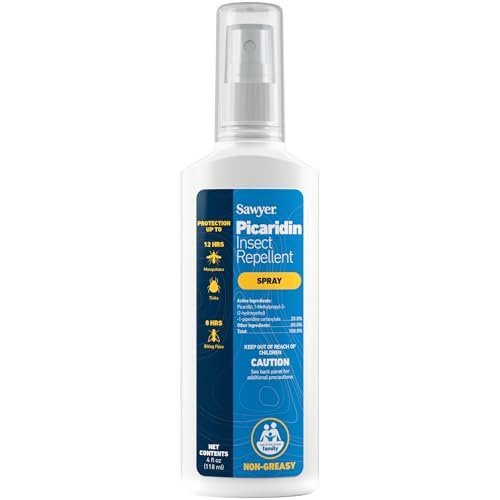
The article highlights Picaridin as offering a ‘great balance of effectiveness, comfort, and gear compatibility’ for most anglers, making it a top recommendation. This product directly fulfills that need.
- Highly effective long-lasting protection against mosquitoes, ticks, biting flies, gnats, chiggers, and fleas (often compared favorably to DEET)
- Does not damage plastics, synthetic fabrics, or other gear the way DEET can
- Low odor and non-greasy feel, generally considered more pleasant to use than traditional DEET sprays
- Some users still experience mosquito bites, especially in very buggy or forested environments
- Protection duration in real-world use can be shorter than the maximum hours claimed on the label, requiring more frequent reapplication than expected
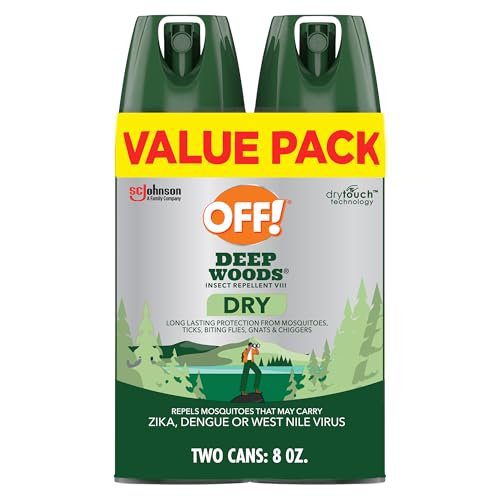
DEET is presented as the ‘gold standard’ for areas with ‘extreme mosquito pressure’ and ‘intense bug pressure.’ This classic DEET spray provides the robust, long-lasting protection recommended for such conditions.
- Provides long‑lasting protection against mosquitoes and ticks, including in heavily wooded or high‑bug areas
- Dry, non‑greasy aerosol formula that doesn’t leave a sticky or oily residue on skin or clothes
- Convenient 4 oz aerosol size and two-pack format that is easy to pack and apply evenly
- Strong chemical odor that some users find unpleasant or overpowering
- Aerosol can be irritating if inhaled or sprayed near eyes, and some users report mild skin sensitivity
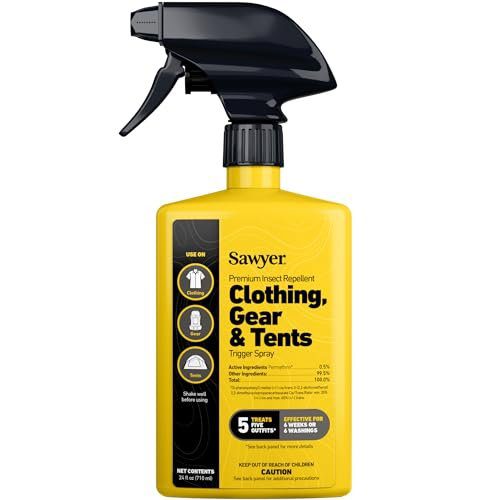
The article specifically recommends treating fishing apparel with Permethrin for ‘an extra layer of defense, especially against ticks and mosquitoes that bite through clothing.’ This product directly addresses that need for gear treatment.
- Very effective at repelling and killing ticks, mosquitoes, and many other insects on clothing and gear for up to 6 weeks or 6 washes
- Odorless after drying and does not stain or damage clothing, fabrics, plastics, or outdoor gear
- One 24 oz trigger-spray bottle treats multiple complete outfits or a substantial amount of gear, making it cost‑effective for camping and backpacking trips
- Requires advance application and drying time since it can only be used on clothing/gear (not directly on skin)
- Some users find the treatment process (spraying and thoroughly wetting garments, ensuring ventilation, and reapplying every 6 washes or ~42 days) inconvenient or time‑consuming
As an Amazon Associate, I earn from qualifying purchases. Product recommendations are based on real reviews and independent research.