Tired of sharing your pool with unwanted guests? Discover effective strategies to keep bugs out of your pool naturally and safely. Enjoy crystal-clear water all season long with our expert tips for pool insect control.
Finding unwanted insects in your swimming pool can quickly turn a refreshing dip into a frustrating chore. From tiny mosquitoes and gnats to larger water boatmen and backswimmers, these uninvited guests can be a nuisance and even a health concern. The good news is that keeping bugs out of your pool doesn't have to be a constant battle. By understanding why insects are attracted to your pool and implementing a few proactive strategies, you can significantly reduce their presence and enjoy a cleaner, more inviting swimming environment. This guide will walk you through effective prevention, natural solutions, and steps to take if bugs have already made themselves at home.
Bottom line: To keep bugs out of your pool, focus on consistent pool chemistry, daily skimming, eliminating standing water around the pool, and optimizing lighting. These proactive steps address the root causes of insect attraction and breeding.
Quick Answer: Keeping Bugs Out
Effectively keeping bugs out of your pool involves a multi-pronged approach that tackles both the insects themselves and the conditions that attract them. Here are the immediate actions you should take:
- Maintain Water Chemistry: Regularly test and balance your pH (7.2-7.8) and chlorine (1-3 ppm) levels to prevent algae growth.
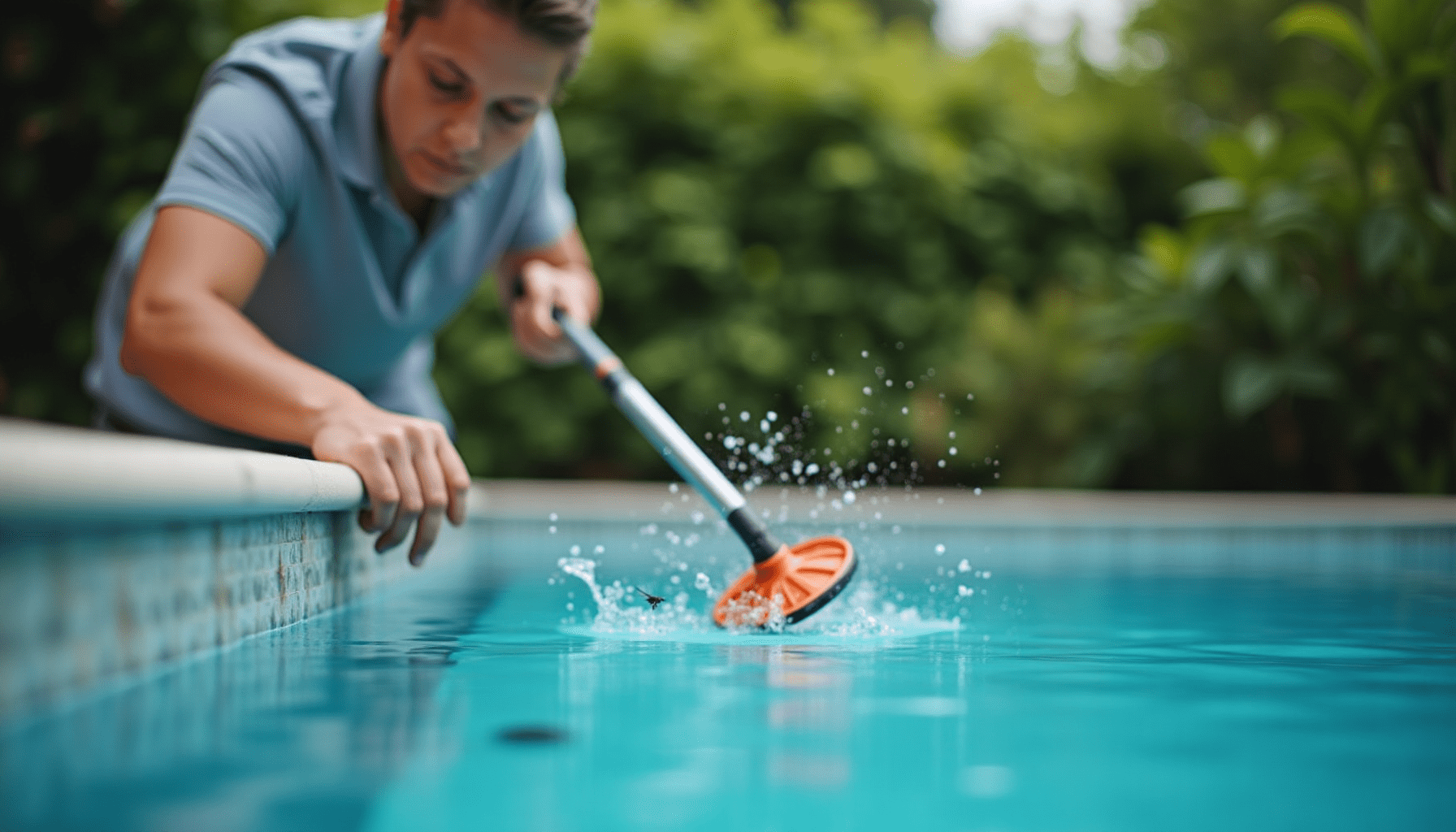
- Skim Daily: Use a leaf skimmer to remove floating insects, leaves, and pollen from the surface.
- Eliminate Standing Water: Dump out any containers, toys, or plant saucers around the pool that collect water, as these are prime mosquito breeding sites.
- Optimize Lighting: Switch to yellow or amber LED lights around your pool area, and turn off unnecessary lights at night to reduce insect attraction.
- Run Your Filter: Ensure your pump and filter run for adequate hours each day to keep water circulating and clean.
These foundational steps are crucial for effective pool insect control and will significantly reduce the number of bugs you find in your water.
Why Bugs Love Your Pool
Understanding what draws insects to your swimming pool is the first step in effective prevention. While your pool might seem like a pristine oasis to you, to many insects, it offers essential resources. Entomologists identify several key attractants that turn your backyard retreat into an insect hotspot.
One of the primary draws is standing water as a breeding habitat. Mosquitoes (Culicidae), midges, and various flies are notorious for laying their eggs on still water surfaces. While a properly chlorinated and circulating pool is generally hostile to mosquito larvae, neglected or "green" pools, along with any puddles, buckets, or toys around the pool, become prime breeding grounds. A single female mosquito can lay hundreds of eggs, and in warm conditions, these can hatch and develop into adults in as little as 7-14 days, according to the Centers for Disease Control and Prevention (CDC). For a deeper dive into why these pests seek out water, explore our guide on why mosquitoes are attracted to water.
Another significant attractant is algae and organic matter as a food source. Many common "water bugs" found in pools, such as water boatmen (Corixidae) and backswimmers (Notonectidae), are directly linked to the presence of algae. Water boatmen feed primarily on algae and organic detritus, while backswimmers are predators that come to feed on the water boatmen and other small invertebrates, as noted by the U.S. Geological Survey (USGS). This creates a clear chain reaction: more algae leads to more water boatmen, which in turn attracts more predatory backswimmers and other aquatic insects. Decaying leaves, pollen, and other organic debris also provide food and bacteria, further fueling algae growth and insect populations.
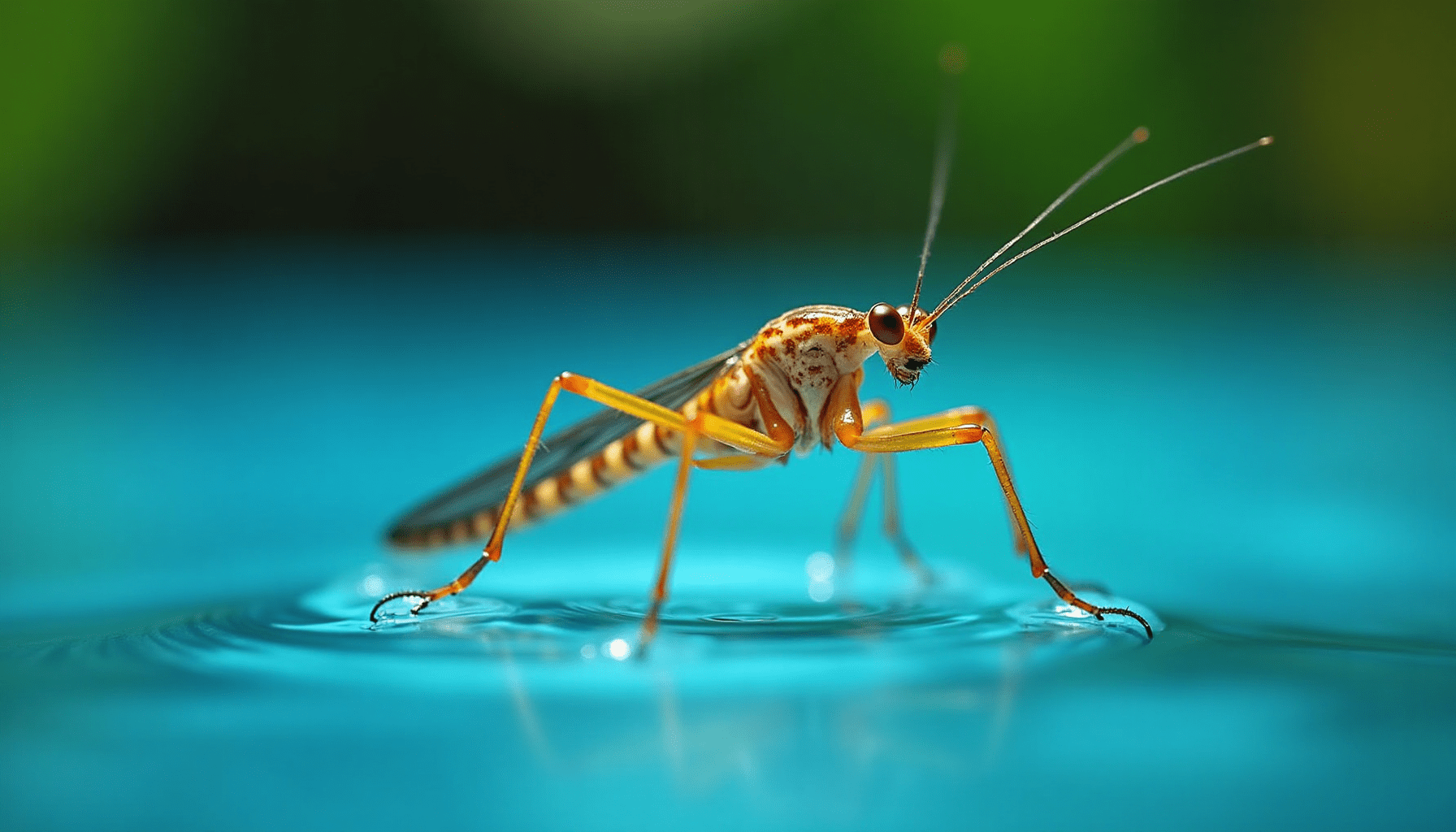
Surface tension also plays a role. Many insects, including water striders, springtails, and certain beetles, exploit the water's surface tension to move or rest. Calm, uncirculated water provides a more stable and hospitable environment for these surface-dwelling insects.
Finally, light and reflection are powerful attractants. Many aquatic insects are drawn to the polarized light reflected from water surfaces, mimicking natural bodies of water. Bright artificial lights, especially those emitting short-wavelength light (UV, blue, white), act like beacons for a wide range of flying insects at night, drawing them directly to your pool area. Research summarized in outdoor lighting guidance, such as that from Crawley et al., shows that longer-wavelength yellow or amber lighting is less attractive to most flying insects.
Our guide to why insects gather at a light goes further into why colour temperature beats brightness.
While proper chlorine levels do kill many microbial organisms and often the larvae of mosquitoes and other insects, chlorine's main role in "bug control" is often indirect. Its primary function is to suppress algae and bacterial growth, thereby removing the food resources and making the pool less suitable for insect breeding. Adult insects that land in a chlorinated pool are not instantly killed and can often survive long enough to lay eggs or fly off. The World Health Organization (WHO) emphasizes that maintaining recommended pH levels (typically 7.2–7.8) and free chlorine (1–3 ppm) is crucial for overall pool health and indirectly for insect deterrence.
Prevention: The Best Pool Bug Control
Proactive prevention is the most effective strategy to keep bugs out of your pool. By addressing the root causes of insect attraction and breeding, you can significantly reduce their presence. This approach aligns with integrated pest management (IPM) principles, focusing on environmental modification and source reduction.
Eliminate Breeding Grounds Around the Pool
Many common insect problems, particularly with mosquitoes and flies, originate from standing water near your pool, not necessarily in it.
- Dump and Store Containers: Regularly empty and store any containers upside down, such as buckets, toys, plant saucers, and kiddie pools. These can collect rainwater and become instant mosquito nurseries.
- Fix Leaks: Repair leaky hoses, spigots, and irrigation systems that create puddles in your yard.
- Clear Gutters: Ensure your gutters and downspouts are clear of debris so water drains properly and doesn't pool on your roof or around your home.
- Level Low Spots: Address any low spots in your lawn or landscaping where water tends to collect after rain.
- Manage Ornamental Water Features: If you have bird baths, ornamental ponds, or rain barrels, consider adding mosquito dunks containing Bacillus thuringiensis israelensis (Bti) – a targeted biological larvicide. Aeration or a small fountain can also keep water moving, making it less attractive for egg-laying. For detailed guidance, see our article on how to kill mosquito larvae in standing water.
Maintain Proper Pool Chemistry and Cleanliness
Consistent pool maintenance is your first line of defense against algae and the insects it attracts.
- Test and Balance Water: Routinely test your pool water and maintain a pH of 7.2–7.8 and chlorine levels in the recommended range (1–3 ppm for residential pools). Shock your pool periodically, especially if you notice any cloudiness or a greenish tint. This prevents the algae blooms that attract water boatmen and backswimmers, as highlighted by ASP America’s Swimming Pool Co..
- Skim Surface Debris Daily: Use a hand skimmer to remove floating insects, leaves, and pollen. These organic materials are food for algae and can contribute to water imbalances. Consider a robotic or automatic surface skimmer for continuous removal, as suggested by Maytronics.
- Vacuum and Brush Weekly: Manually vacuum your pool to remove sediment, insect eggs, and any sunken debris. Brush the walls and steps to break up algae films before they can establish themselves. Regular filter cleaning is also essential for maintaining good circulation.
Use a Pool Cover Effectively
A properly fitted pool cover is an excellent physical barrier.
- Reduce Debris: A cover significantly reduces the amount of leaves, pollen, and other debris that enter your pool, cutting down on nutrients for algae.
- Block Access: It prevents direct access for flying insects to the water's surface, especially overnight when many bugs are most active. Use it whenever the pool is not in use for extended periods.
Optimize Lighting
The type and placement of your outdoor lighting can greatly influence insect attraction.
- Turn Off Lights: Turn off pool and yard lights when the pool is not in use at night.
- Switch to "Bug Lights": Replace standard white bulbs with yellow/amber "bug lights" or warm-spectrum LEDs around the pool area. These wavelengths are less attractive to most flying insects, according to Summertime Pools.
- Strategic Placement: Position brighter lights away from the immediate pool area to draw insects elsewhere.
Manage Vegetation and Landscaping
Your landscaping choices can either invite or deter insects.
- Trim Vegetation: Keep grass trimmed short and shrubs well-maintained. Dense vegetation provides daytime resting sites and humidity for mosquitoes and other insects.
- Avoid Dropping Plants: Avoid planting trees or shrubs immediately adjacent to the pool that drop a lot of leaves, flowers, or fruit, as these add organic matter to the water.
- Relocate Compost: Keep mulch and compost piles away from the pool area, as they can attract flies and other pests.
Consider Physical Barriers and Air Movement
For persistent problems, physical solutions can offer additional protection.
- Screens and Enclosures: A screened pool enclosure is one of the most effective long-term solutions for keeping out insects and debris, as noted by Caribbean Pools.
- Fans: Positioned around seating areas, outdoor fans can make it difficult for mosquitoes and gnats to fly, and the moving air disperses the CO₂ and body odors that attract them.
Natural & Low-Toxicity Solutions
When considering how to keep bugs out of your pool, many homeowners look for natural or low-toxicity methods. In a pool environment, "natural" solutions must be carefully balanced with safety and maintaining proper water chemistry.
Biological Larvicides (Bti)
Bacillus thuringiensis israelensis (Bti) is a naturally occurring soil bacterium that specifically targets mosquito and black fly larvae. It's considered low-toxicity to humans, pets, fish, and most non-target organisms when used properly, according to the U.S. Environmental Protection Agency (EPA).
Important Note: Bti is not typically applied directly to swimming pools. Instead, use Bti products (like mosquito dunks) in surrounding standing water such as bird baths, rain barrels, or decorative ponds. This prevents adult mosquitoes from developing and eventually finding their way to your pool and swimmers.
Water Circulation
Keeping your pool water moving is a simple yet effective natural deterrent. Mosquitoes and gnats prefer to lay eggs on still water surfaces. By running your pump and filter for adequate periods, or even adding a small fountain or waterfall feature, you make the water less attractive for egg-laying. Increased circulation also helps distribute chlorine more effectively, further reducing the algae and microbial growth that attracts other insects.
Physical Removal and Maintenance
The most straightforward and chemical-free "natural control" methods involve good old-fashioned elbow grease.
- Regular Skimming: Daily skimming removes floating insects, their eggs, and food sources like leaves and pollen.
- Vacuuming and Brushing: Weekly vacuuming and brushing remove sediment, insect eggs, and algae films from the pool's surfaces, preventing them from becoming established.
Essential Oils – Use Around, Not In, the Pool
Essential oils like citronella, lemongrass, peppermint, and eucalyptus are often touted for their insect-repelling properties.
- Safe Use: You can use these oils in candles, tiki torches, or diffusers around your pool seating areas. They may provide modest, localized mosquito deterrence and contribute to a pleasant ambiance.
- Avoid Direct Pool Application: Do not add essential oils directly to your pool water. They can interfere with filtration systems, leave oily films on the water surface and pool walls, and interact unpredictably with chlorine, potentially causing cloudy water or other chemical imbalances, as advised by Mosquito Squad.
Personal Protection
While not a pool-specific treatment, personal protection is a crucial natural solution for swimmers and loungers outside the water.
- EPA-Registered Repellents: Apply EPA-registered topical repellents (e.g., those containing DEET, picaridin, IR3535, or oil of lemon eucalyptus) to exposed skin or clothing when spending time around the pool, especially during peak mosquito hours. For more options, check out our guide on natural mosquito repellents that actually work.
- Rinse Off: Shower or rinse before entering the pool to avoid introducing lotions, oils, or repellents into the pool water, which can affect water chemistry and filtration.
Getting Rid of Existing Pool Bugs
Even with the best preventive measures, you might occasionally find water bugs like water boatmen or backswimmers already in your pool. These insects are typically drawn to algae, so their presence is a strong indicator that your pool needs attention. Here's a step-by-step approach to eliminate them and restore your pool's pristine condition, drawing on guidance from pool care experts like Swim University:
- Skim Out Visible Insects: Start by using a leaf skimmer to remove as many visible insects—water boatmen, backswimmers, beetles, and any other floating debris—as possible. This immediate physical removal helps reduce their numbers.
- Manually Vacuum the Pool: Thoroughly vacuum the entire pool floor. If possible, vacuum to "waste" so that the removed debris and potential insect eggs are sent directly out of the pool system rather than through your filter. This prevents clogging and reintroducing contaminants.
- Brush All Surfaces: Use an appropriate pool brush (stainless steel for concrete, nylon for vinyl or fiberglass) to vigorously brush all walls, steps, and coves. This action breaks up any existing algae films and dislodges hidden insect eggs, preparing the pool for chemical treatment.
- Test and Adjust Water Chemistry: Before adding any shock treatment, it's crucial to test your pool water's pH and alkalinity levels. Ensure they are within the recommended ranges (pH 7.2-7.8) to maximize the effectiveness of your chlorine shock.
- Shock the Pool: Use a chlorine shock product (e.g., calcium hypochlorite). The dosage will depend on the severity of the algae problem. For significant algae, you might need to use a double or even triple normal dose, always following the product manufacturer's directions carefully. Shocking the pool will kill algae and any remaining microorganisms that attract insects.
- Run the Pump and Filter Continuously: After shocking, run your pool pump and filter continuously for 24–48 hours. This helps circulate the treated water, distribute the shock effectively, and filter out dead algae and debris. After this period, clean or backwash your filter thoroughly.
- Maintain Clean, Balanced Water: The key to preventing the return of water boatmen and backswimmers is consistent maintenance. Regularly test and balance your water chemistry, skim daily, and vacuum weekly to prevent algae from gaining a foothold again. This ongoing vigilance ensures your pool remains unattractive to these aquatic insects.
Common Pool Bug Myths Debunked
Many misconceptions surround insects in pools, often leading to ineffective or unnecessary treatments. Let's clarify some common myths to help you maintain your pool more efficiently and safely.
Myth 1: "If I add more chlorine, bugs will disappear instantly."
Reality: While chlorine is vital for pool sanitation, its primary role in bug control is indirect. Normal pool chlorine levels are not designed to instantly kill adult insects on contact. Instead, chlorine works by preventing algae and bacterial growth, which are the main food sources and attractants for many water bugs like water boatmen and backswimmers. Adult insects can often tolerate short-term exposure to chlorinated water and may fly off or lay eggs before succumbing.
Myth 2: "Mosquitoes breed directly in my clean, chlorinated pool."
Reality: This is a widespread misconception. Properly maintained, circulating, and chlorinated pools are generally unsuitable for mosquito larvae. The chlorine and water movement disrupt their life cycle. The main risk for mosquito breeding comes from neglected or "green" pools or, more commonly, surrounding standing water in your yard—think kiddie pools, buckets, plant saucers, or clogged gutters. Focusing on source reduction in your yard is far more effective than worrying about your well-maintained pool. For comprehensive strategies, refer to our guide on how to mosquito-proof your entire backyard.
Myth 3: "Essential oils in the pool are a safe, natural fix."
Reality: Adding essential oils directly to pool water is not recommended. These oils can disrupt your pool's water chemistry, interfere with filtration systems, and leave an oily film on the water surface and pool walls. This can lead to cloudy water and potentially damage pool equipment. While essential oils like citronella can be used in candles or diffusers around the pool area for localized deterrence, they should never be put into the water itself.
Myth 4: "Bug zappers will solve my mosquito problem."
Reality: Bug zappers can reduce some flying insect populations, but research consistently shows they are often less effective against mosquitoes than people believe. Many zappers kill a high proportion of harmless non-biting insects, including beneficial ones, while attracting mosquitoes from a wider area without significantly reducing biting rates. They can be a supplementary tool in combination with other measures but are not a standalone solution for mosquito control, as detailed by Maytronics.
Myth 5: "Algae is just a cosmetic problem."
Reality: Algae is far more than just an unsightly green tint; it's an ecological "anchor" for insect problems in your pool. Algae provides a direct food source and habitat for water boatmen and other algae feeders. Its presence leads to turbid water, which can clog filters, reduce chlorine effectiveness, and create an overall environment that attracts a wider range of aquatic insects. Addressing algae promptly is a critical step in effective pool insect control.
Conclusion
Keeping bugs out of your pool is an achievable goal that enhances your swimming experience and maintains a healthy backyard environment. The most effective approach is an integrated one, focusing on consistent preventative measures rather than reactive treatments. By understanding what attracts insects—primarily standing water, algae, and light—you can implement targeted strategies that minimize their presence.
Remember to prioritize proper pool chemistry, daily skimming, and regular cleaning to prevent algae and remove debris. Extend your vigilance to the surrounding yard by eliminating standing water in containers and managing landscaping. When persistent issues arise, a systematic approach to cleaning and shocking your pool can quickly resolve the problem. By adopting these expert tips, you can enjoy a crystal-clear, bug-free pool all season long.
For more information on creating a pest-free outdoor space, explore our articles on mosquito-proof your entire backyard and best mosquito dunks and larvicides.
Recommended Products
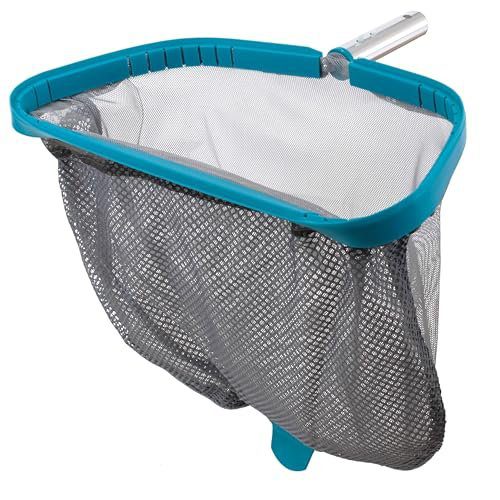
This heavy-duty skimmer net is essential for daily skimming, a key strategy mentioned in the article to remove floating insects, leaves, and pollen from the pool surface.
- Effectively scoops up a large amount of leaves and surface debris due to its wide head and fine mesh netting
- Sturdy, reinforced frame that feels more durable and heavy‑duty than basic plastic skimmers
- Long handle option and overall light weight make it easy to maneuver for routine pool cleaning
- Some users report the plastic or frame can crack or break under heavier loads or rough use
- A few reviewers mention the pole or connection points loosening or detaching over time
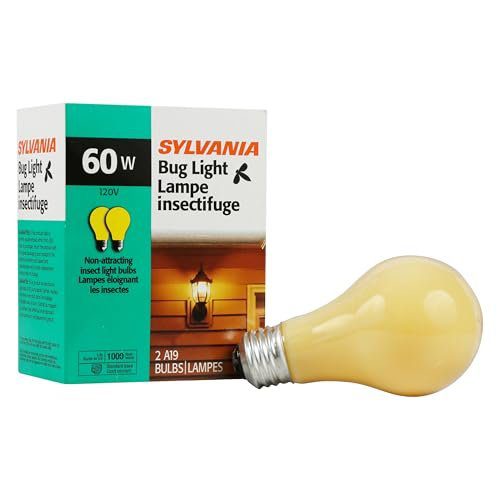
The article specifically recommends switching to yellow or amber LED lights around the pool area to reduce insect attraction. This bulb directly fulfills that recommendation.
- Effectively reduces the number of insects attracted to porch and patio areas compared with regular white bulbs
- Produces a pleasant yellow light suitable for outdoor ambiance and nighttime visibility
- Standard A19/E26 incandescent form factor and dimmable design make it easy to use in most existing outdoor fixtures
- Multiple reviewers report relatively short lifespan and frequent burnouts compared to expectations
- Some users feel the bulbs are not bright enough or the bug‑repellent effect is less dramatic than advertised
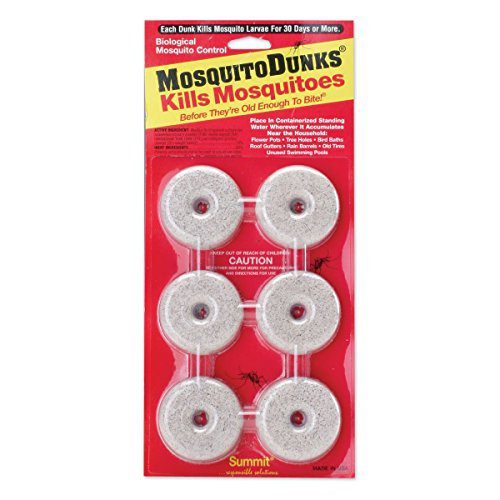
The guide emphasizes eliminating standing water around the pool as prime mosquito breeding sites. Mosquito Dunks are an effective, natural solution for treating unavoidable standing water (like bird baths, rain barrels, or decorative ponds) near the pool, preventing mosquito larvae from developing.
- Very effective at killing mosquito larvae and noticeably reducing mosquitoes around standing water
- Easy to use—just toss in water features like birdbaths, rain barrels, ponds, or troughs and they last about a month
- Perceived as safe for pets, fish, birds, and other wildlife because it uses BTI, a targeted biological larvicide
- Coverage and duration can be less than expected in real‑world conditions, requiring more frequent replacement or multiple dunks
- Some users are concerned about using it in water sources or habitats with sensitive fish or beneficial insects despite label claims of safety
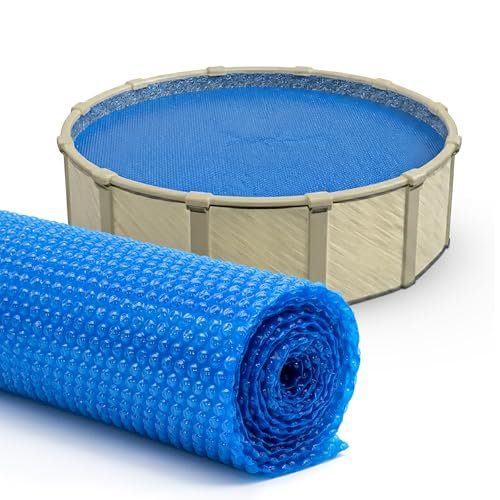
A pool cover is a highly effective preventative measure to physically block insects from entering the pool when it’s not in use, significantly reducing the number of bugs that need to be removed and helping maintain a cleaner, more inviting swimming environment ‘all season long’.
- Effectively raises and maintains pool water temperature using solar energy, reducing or eliminating the need for a heater
- Significantly reduces water evaporation and chemical loss, helping owners save on maintenance costs
- Durable 8 mil construction with good fit and ease of cutting to shape, making it simple to install and use on different pool types
- Some owners report the cover beginning to degrade, flake, or develop brittle bubbles after a season or two of sun exposure
- Can be cumbersome to handle or store, especially for one person, and may require a reel or assistance for easier removal
As an Amazon Associate, I earn from qualifying purchases. Product recommendations are based on real reviews and independent research.