\
\
Discovering tiny, destructive pests on your beloved plants can be disheartening, especially when those pests are spider mites. These minuscule arachnids can quickly multiply, causing significant damage if not addressed promptly. Fortunately, a range of effective spider mite treatments are available, from simple physical removal to targeted sprays, helping you protect your indoor and outdoor greenery. This guide will walk you through proven strategies, scientific insights, and practical steps to identify, manage, and prevent spider mite infestations, ensuring your plants thrive.
\
What to do first:
\
When you suspect spider mites, immediate action is key.
\
- \
- Isolate the plant: Move infested plants away from healthy ones to prevent spread.
- Inspect thoroughly: Use a magnifying glass to check undersides of leaves for tiny moving dots and fine webbing. Shake a leaf over white paper to confirm their presence.
- Physical removal: Start by rinsing the plant with a strong stream of water, focusing on leaf undersides, to dislodge as many mites as possible.
- Apply a targeted treatment: Follow up with an insecticidal soap or horticultural oil spray, ensuring full coverage.
- Repeat treatments: Mite eggs are often resistant to initial sprays, so plan for multiple applications every 3-7 days.
\
\
\
\
\
\
 \
\\
A related guide worth having to hand: How to Get Rid of Spider Mites on Indoor Plants.
Understanding Spider Mites: Why They're a Problem
\
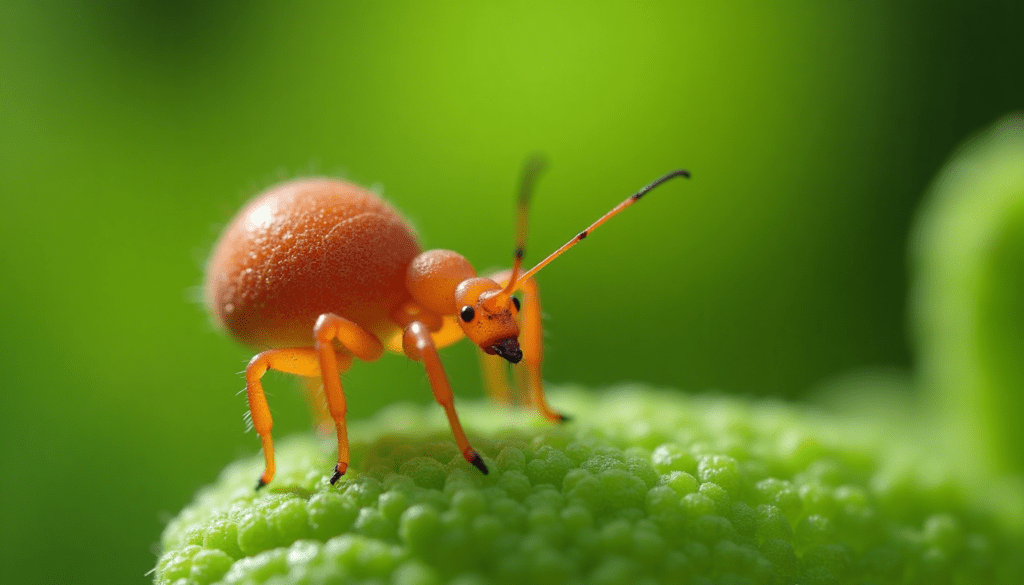
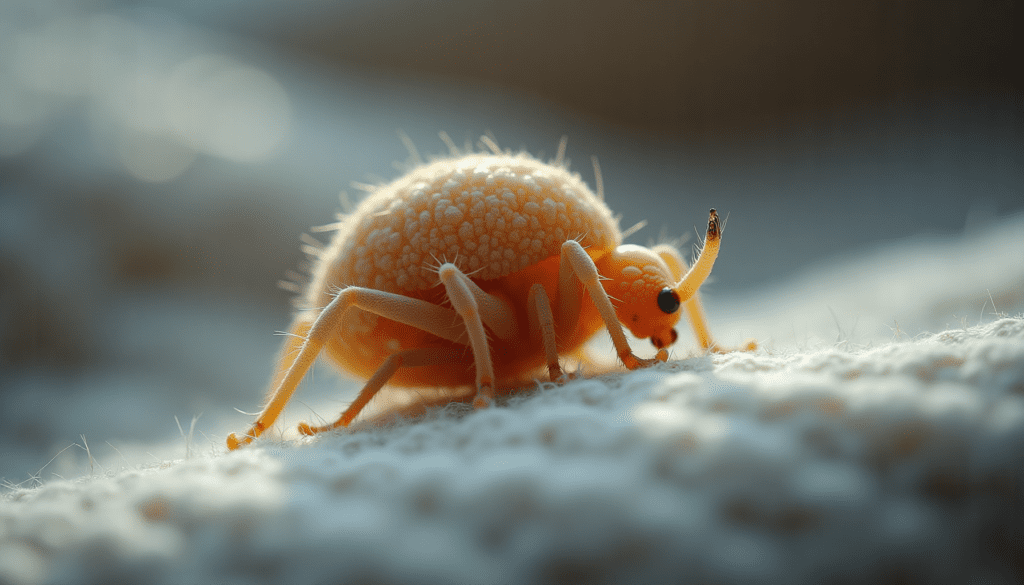
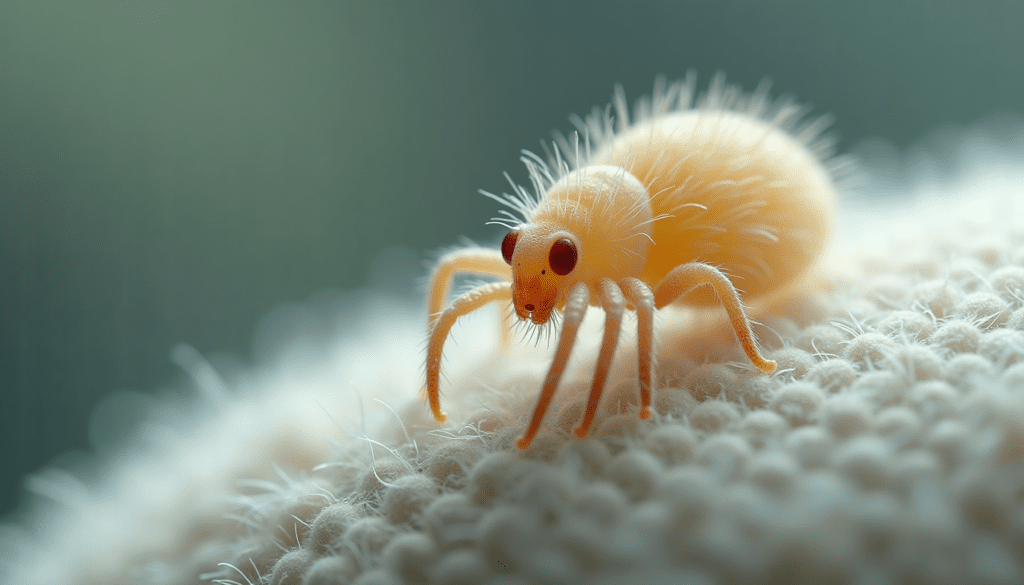
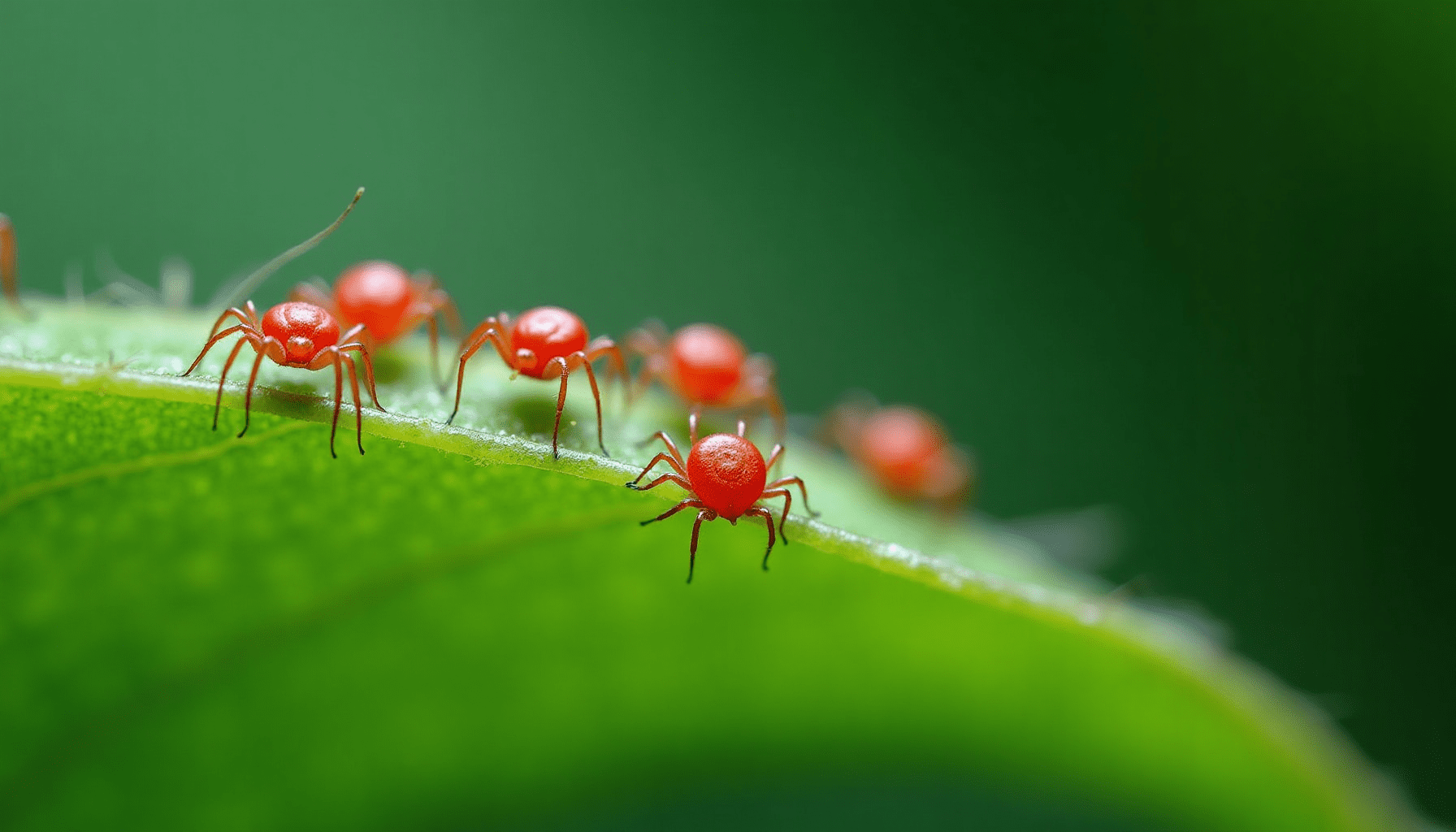
Spider mites are not insects but tiny arachnids, close relatives of spiders and ticks, belonging to the family Tetranychidae. The most common and troublesome species, especially for houseplants and greenhouse crops, is the two-spotted spider mite (Tetranychus urticae). These pests are incredibly small, typically around 0.4 millimeters, often appearing as moving specks of dust to the naked eye. Their presence is usually first detected by the damage they cause or the tell-tale fine webbing they produce, particularly on the undersides of leaves and between stems.
\
Spider mites feed by piercing plant cells and sucking out the chlorophyll, leading to characteristic symptoms. You'll often see fine pale speckling, known as "stippling," on the leaves. As the infestation progresses, leaves may turn yellow or bronze, eventually dropping off, which can significantly reduce plant growth and vigor. These mites thrive in hot, dry conditions and on stressed plants, with low humidity accelerating their reproduction rates, as noted by the Ohio State University Extension.
\
Their rapid life cycle is a major reason why spider mites are such a formidable foe. Under ideal warm and dry conditions with abundant food, a two-spotted spider mite can complete its entire life cycle from egg to adult in as little as 5 to 20 days. A single female can lay over 100 eggs in her lifetime, and many populations are predominantly female, leading to explosive population growth. This rapid reproduction means that a small initial infestation can quickly spiral out of control, making early detection and consistent treatment crucial.
\
Infestations commonly begin when new plants are introduced to a home or garden. Spider mites often hitchhike on newly purchased plants, outdoor plants brought inside for the winter, or even cut flowers. To prevent introducing these pests to your existing collection, entomologists and extension services strongly recommend quarantining new indoor plants for two to three weeks before placing them near other plants. This practice, along with regular inspection, forms a vital part of any effective pest management strategy, as highlighted by resources like the Missouri Botanical Garden. For more tips on keeping your plants pest-free, consider reviewing our Spring Pest Prevention Checklist.
\
Integrated Pest Management for Spider Mite Treatments
\
Effective spider mite treatments rely on an Integrated Pest Management (IPM) approach, which combines several strategies to control pests while minimizing risks to people and the environment. This comprehensive strategy is consistently recommended by academic and extension sources for its sustainability and long-term effectiveness.
\
The IPM framework for spider mites involves several key steps:
\
- \
- Prevention and Plant Health: Healthy plants are naturally more resilient to pest attacks. Ensure your plants are well-watered (without overwatering) and avoid excessive heat and drought stress. Maintaining adequate humidity, especially for plant species that prefer moist air, is also important, as low humidity favors spider mites, according to the Ohio State University Extension. Consider placing humidity-loving plants on pebble trays or using a room humidifier.
- Monitoring and Early Detection: Regular inspection is critical. Frequently check your plants, paying close attention to the undersides of leaves where mites often hide. A simple "white paper test" can help: shake foliage over a piece of white paper; any tiny moving specks are likely mites. Early detection allows for prompt action before populations explode.
- Mechanical and Cultural Control: These non-chemical methods are often the first line of defense. If you find an infested plant, immediately quarantine it away from others. Physically remove mites by spraying the plant with a strong stream of water, focusing on the undersides of leaves. For houseplants, moving them to a shower or bathtub for a thorough wash is effective. Wiping leaves with a damp cloth or a dilute solution of isopropyl alcohol can also help reduce populations.
- Least-Toxic Chemical Options: When mechanical methods aren't enough, specific least-toxic chemical options are recommended. Insecticidal soaps and horticultural oils, including neem oil, are considered first-line chemical controls for home gardeners. These products work by contact, smothering mites or disrupting their cell membranes. Multiple thorough treatments are usually required because these products have little to no residual activity and do not typically kill eggs.
- Targeted Miticides/Synthetic Insecticides: These are considered a last resort, particularly for home and indoor use, due to potential toxicity and broader environmental impacts. If other measures fail, and you choose to use these, always ensure the product is explicitly labeled for "mites" or "spider mites" and follow all label instructions meticulously. Many conventional insecticides, especially pyrethroids, can ironically worsen mite problems by killing natural predators more effectively than the mites themselves, leading to pest outbreaks, a phenomenon noted by CABI.
\
\
\
\
\
\
The Environmental Protection Agency (EPA) advocates for IPM as a cornerstone of pest management, emphasizing a balanced approach that prioritizes prevention and less toxic solutions. By integrating these steps, you can effectively manage spider mite infestations while maintaining a healthier environment for your plants and home.
\
Top Spider Mite Treatments: Natural & Chemical Options
\
Choosing the right spider mite treatments depends on the severity of the infestation, the type of plant, and your comfort level with different control methods. Here's a breakdown of the most effective options, from non-chemical approaches to targeted sprays.
\
Non-Chemical Methods
\
These methods are crucial for immediate relief and long-term prevention, forming the foundation of any spider mite control plan.
\
- \
- Water Sprays: A strong stream of water can physically dislodge spider mites and their webbing from plants. For houseplants, take the plant to a sink or shower and thoroughly rinse the foliage, especially the undersides of leaves, ensuring good drainage. Repeat this every few days to keep populations down.
- Wiping Leaves: After washing, gently wipe both sides of the leaves with a damp cloth. This removes remaining mites, eggs, and webbing. You can add a drop of mild soap or dilute isopropyl alcohol to the water for added efficacy, but always patch test first.
- Quarantine & Sanitation: Immediately move any infested plant away from healthy ones. If a plant is heavily infested and not particularly valuable, discarding it might be the best option to protect your other plants.
- Humidity & Environment: Spider mites thrive in dry, warm conditions. Increasing the humidity around your plants using pebble trays, humidifiers, or misting can make the environment less hospitable for them. Ensure good air circulation to avoid stagnant conditions.
\
\
\
\
\
Insecticidal Soaps
\
Insecticidal soaps are a highly recommended first-line chemical control for spider mites, especially on indoor plants.
\
- \
- What it is: These are specially formulated potassium salts of fatty acids, distinct from household dish soaps which can harm plants. They are labeled as insecticidal or miticidal soaps.
- Mode of Action: Insecticidal soaps work by disrupting the cell membranes and cuticles of soft-bodied pests like spider mites, causing them to dehydrate and die. They are contact killers, meaning they must directly hit the mites to be effective, and have no residual action, as explained by the Missouri Botanical Garden.
- Effectiveness: Highly effective on many spider mite species when applied thoroughly and repeatedly. They are ideal for indoor plants due to their low toxicity to mammals, minimal odor, and ease of use.
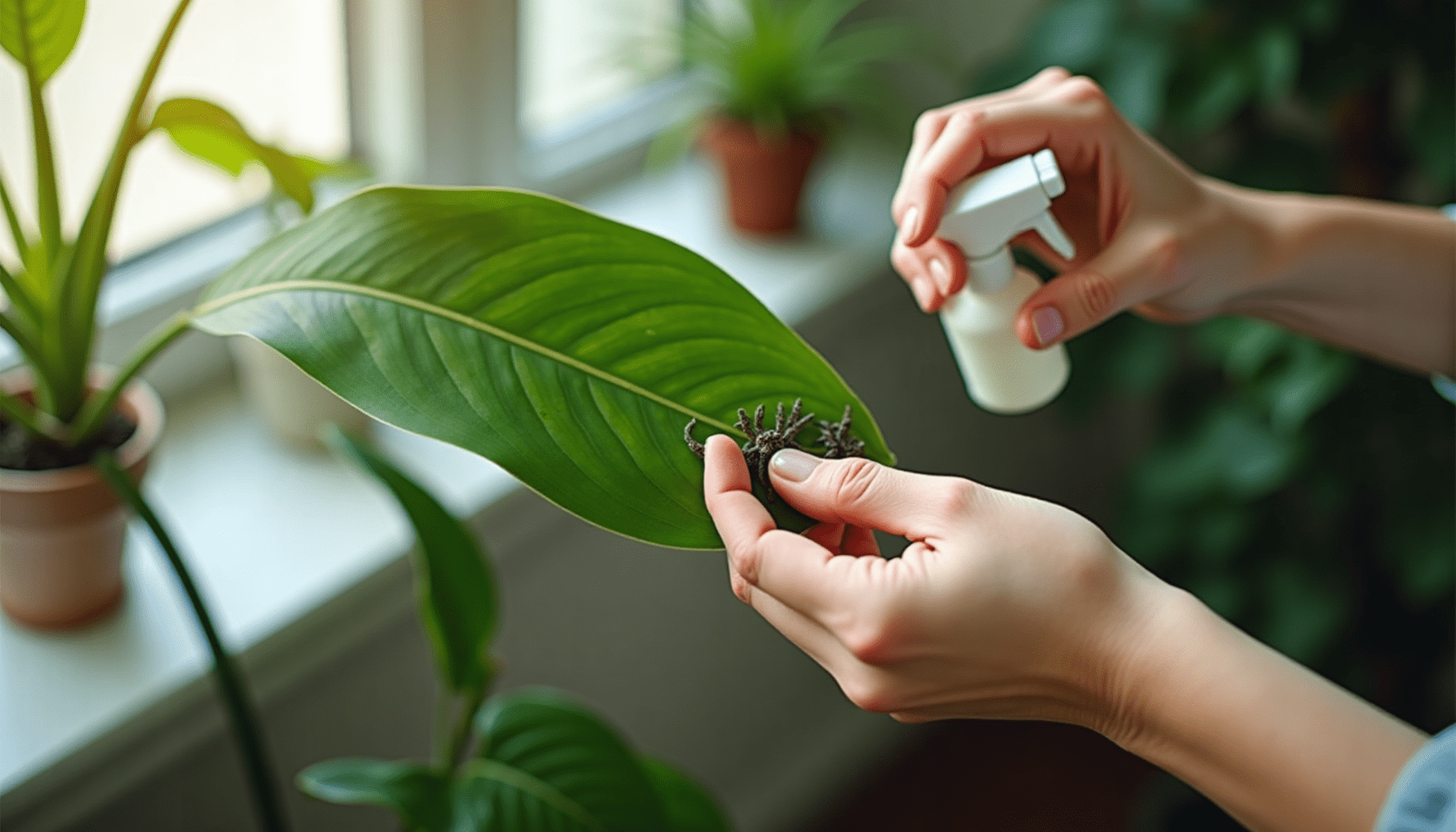
- How to Use: Always check the label to confirm it's for mites. Spray thoroughly, covering the undersides of leaves, leaf axils, crevices, and any webbing. Re-treat every 3-7 days for at least three treatments to catch newly hatched mites. Avoid spraying in full sun or on heat-stressed plants to prevent leaf burn.
- Pros: Very low toxicity, minimal residues, generally safe for most plants.
- Cons: Requires direct contact and repeated applications. Some sensitive plants (e.g., certain ferns, plants with waxy or glaucous leaves) may be damaged.
\
\
\
\
\
\
\
Horticultural Oils (including Neem Oil)
\
Horticultural oils, including neem oil, are another excellent choice for organic-leaning gardeners and those seeking effective, lower-impact spider mite treatments.
\
- \
- What it is: Horticultural oils are highly refined petroleum or plant-based oils. Neem oil is derived from the seeds of the Azadirachta indica tree. Products may be "neem oil" (acting as a horticultural oil) or "azadirachtin" formulations (an insect growth regulator).
- Mode of Action: Oils coat and smother mites and their eggs, blocking their ability to breathe. Some, like neem and mineral oils, also have minor anti-feeding and egg-laying deterrent effects.
- Effectiveness: Widely recommended by extension services for spider mite control on houseplants and ornamentals. Neem oil is a popular choice among home gardeners.
- How to Use: Apply as thorough sprays, ensuring all plant surfaces, especially leaf undersides and webbing, are fully coated. Reapply every 3-7 days initially, then as directed for prevention. Avoid use in high heat or direct sun to prevent leaf burn. Do not mix with sulfur sprays. For neem oil, slightly warm it before diluting for even mixing, often with a mild natural soap as an emulsifier. Always follow product label instructions.
- Pros: Works on both mites and eggs by smothering. Effective against a broad range of other soft-bodied pests.
- Cons: Risk of leaf burn if misused. Can leave an oily residue and may have a strong odor.
\
\
\
\
\
\
\
Alcohol-Based & DIY Sprays
\
These can be effective as emergency or spot treatments but come with caveats.
\
- \
- Isopropyl Alcohol (Rubbing Alcohol): A 2% isopropyl alcohol solution, wiped directly on leaves, can kill spider mites on contact. Some growers suggest sprays of 1 part 70% alcohol to 4 parts water (about 14% alcohol).
- DIY Mixes: Various home recipes combine water, mild soap (like castile soap), and sometimes hydrogen peroxide or isopropyl alcohol.
- Caveats: These are off-label home remedies and not EPA-registered pesticides. Always patch test on a small area of the plant first, waiting 24-48 hours, as some plants are very sensitive to alcohol and certain soaps. Use these as a temporary measure, not a primary long-term solution.
\
\
\
\
Biological Controls
\
Introducing natural enemies can be a highly effective, chemical-free long-term solution, especially in controlled environments.
\
- \
- What it is: Predatory mites (e.g., Phytoseiulus persimilis, Neoseiulus californicus) are natural predators that feed specifically on spider mites. Other generalist predators like lady beetles and lacewings also consume mites. You can learn more about beneficial insects in our guide on Beneficial Insects: 20 Bugs You Want in Your Garden.
- Effectiveness: Highly effective in greenhouses and grow rooms where environmental conditions can be maintained and pesticide use is limited. For hobby houseplants, they can work but require stable conditions and careful sourcing.
- Pros: No residues, continuous suppression once established.
- Cons: Less practical for small collections or single plants. Sensitive to environmental conditions and pesticide residues. Predators may not persist long in typical home environments with low humidity.
\
\
\
\
\
Synthetic Miticides / Insecticides
\
These are generally reserved as a last resort for severe infestations, particularly in outdoor ornamental settings.
\
- \
- Examples: Products containing azadirachtin (a refined neem extract), malathion, bifenthrin, or cyfluthrin may be used.
- Usage: Always follow label directions strictly. Ensure the product explicitly lists "mites/spider mites" and the specific plant type. They are often more suited for outdoor use due to odor, toxicity, and residue concerns indoors.
- Risks: Potential toxicity to beneficial insects, aquatic life, pets, and humans if misapplied. Repeated use of a single product can also lead to miticide resistance in spider mite populations, making future control more challenging.
\
\
\
\
 \
\\
\
Debunking Common Spider Mite Myths
\
When dealing with pests, misinformation can lead to ineffective spider mite treatments and wasted effort. Let's clarify some common misconceptions.
\
Myth 1: “Spider mites are insects; any insecticide will kill them.”
\
Fact: Spider mites are arachnids, not insects. This distinction is crucial because many insecticides designed for insects are ineffective against mites. In fact, some broad-spectrum insecticides can worsen mite problems by killing their natural enemies more efficiently than the mites themselves, leading to rebound outbreaks, as noted by CABI. Always choose products specifically labeled for "mites" or "miticides."
\
Myth 2: “One treatment is enough.”
\
Fact: Spider mites have multiple life stages, and their eggs are often protected from initial treatments. Eggs may survive the first application, hatching into new mites within 3-7 days, depending on temperature. To effectively break the life cycle, most experts recommend at least three treatments, each applied 3-5 days apart, followed by several weeks of monitoring. This ensures you target newly hatched mites before they can mature and reproduce.
\
Myth 3: “Dish soap is the same as insecticidal soap.”
\
Fact: Insecticidal soaps are specially formulated potassium salts of fatty acids designed to kill pests while minimizing harm to plants. Household detergents and dish soaps, however, contain degreasers, perfumes, and other additives that can strip the protective cuticle from plant leaves, causing damage, burning, or even death. They are not tested for plant safety. For effective and safe pest control, always use a product specifically labeled as "insecticidal soap" or "miticidal soap."
\
Myth 4: “Neem oil is a systemic cure-all.”
\
Fact: While neem oil is a valuable tool, it's not a magic bullet. Most neem oil products sold for home use act primarily as a contact oil, meaning they must physically coat the mites to smother them. It's not typically a systemic treatment that the plant absorbs to kill feeding pests. While some refined neem derivatives (azadirachtin) have systemic or growth-regulating effects on insects, mites are generally less susceptible to this specific mode of action. Neem oil requires proper, thorough application and repeated use to be effective.
\
Myth 5: “Spider mites mean your plant is doomed.”
\
Fact: Early-stage spider mite infestations are highly manageable with prompt and consistent action. Many plants can recover fully once the mites are brought under control. The key is early detection, thorough washing and wiping of leaves, consistent application of insecticidal soap or horticultural oil, repeated treatments, and improving overall plant care and quarantine practices. Don't give up on your plants too quickly!
\
Myth 6: “More chemical equals better control.”
\
Fact: Over-application of any pest control product, whether natural or synthetic, can be counterproductive. Applying oils and soaps at too high a concentration, too frequently, or in hot/sunny conditions can burn plant foliage. Furthermore, using excessive amounts of pesticides doesn't necessarily improve control and can lead to unnecessary residues, harm beneficial insects, and increase risks to pets and humans. Always follow label directions precisely; pesticides should never be mixed ad-hoc unless explicitly allowed by the label.
\
Preventing Future Spider Mite Infestations
\
Preventing spider mite infestations is often easier than treating them. By adopting a few proactive habits, you can significantly reduce the chances of these tiny pests taking hold of your plants.
\
- \
- Regular Plant Inspection: Make it a routine to inspect your plants closely, especially new growth and the undersides of leaves. Early detection is your most powerful tool. The sooner you spot a problem, the easier it is to manage.
- Quarantine New Plants: As discussed, always isolate new plants for at least 2-3 weeks before introducing them to your main collection. This simple step can prevent an entire collection from becoming infested.
- Maintain Plant Health: Strong, healthy plants are more resistant to pests. Provide adequate light, water, and nutrients appropriate for each plant species. Avoid over-fertilizing, as lush, soft growth can sometimes attract pests.
- Optimize Environmental Conditions: Spider mites thrive in hot, dry, dusty conditions. Increase humidity around plants that prefer it, especially during dry seasons or in heated homes. Improve air circulation, and regularly wipe dust off leaves, as dust can provide shelter for mites.
- Cleanliness: Keep your growing area clean. Remove fallen leaves and debris that could harbor pests. Regularly clean pots and tools.
- Consider Companion Planting: Some plants are known to deter pests. While not a standalone solution for spider mites, incorporating plants known for their pest-repelling qualities can contribute to a healthier garden ecosystem. Explore our guide on Best Plants That Repel Insects Naturally for ideas.
\
\
\
\
\
\
\
 \
\\
\
By consistently implementing these preventive measures, you create an environment that is less appealing to spider mites, helping your plants stay healthy and pest-free.
\
Conclusion
\
Successfully managing spider mites requires diligence and a multi-faceted approach. From immediate physical removal and the application of targeted spider mite treatments like insecticidal soaps and horticultural oils, to long-term preventive measures such as regular inspection and maintaining optimal plant health, each step plays a crucial role. Remember that consistency is key—multiple treatments are almost always necessary to break the spider mite life cycle and eliminate both adults and newly hatched mites. By understanding these tiny arachnids and applying the integrated pest management strategies outlined, you can protect your plants and enjoy a thriving, pest-free garden or indoor jungle.
\
For more comprehensive advice on protecting your plants through the seasons, be sure to check out our Summer Bug Protection Guide and other resources on InsectoGuide.com.
\
Recommended Products
\
\
Top Pick\
\
\
 \
\\
\
\
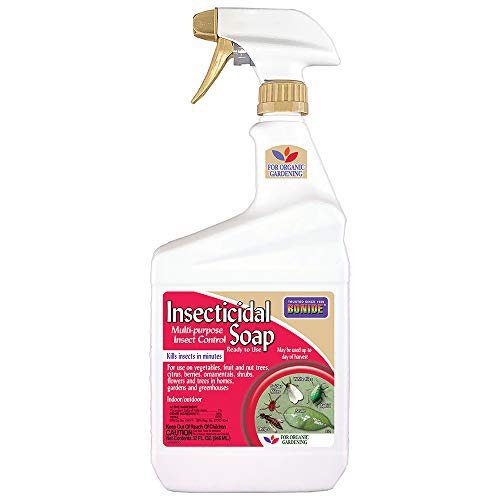
The article explicitly recommends insecticidal soap as a targeted treatment for spider mites, ensuring full coverage for effective control.
\
- Effective at killing soft-bodied insects on contact, especially aphids, spider mites, whiteflies, and mealybugs.
- Easy-to-use ready-to-spray formula that works for indoor and outdoor plants.
- Works on a wide range of plants, including vegetables, fruits, flowers, ornamentals, and houseplants, with organic-gardening appeal.
\
- Must be sprayed directly on pests and plant surfaces to work well, so coverage can be tedious.
- Can cause mild skin or eye irritation and should not be used on some delicate plants.
\
\
\
\
Pick #3\
\
\
 \
\\
\
\
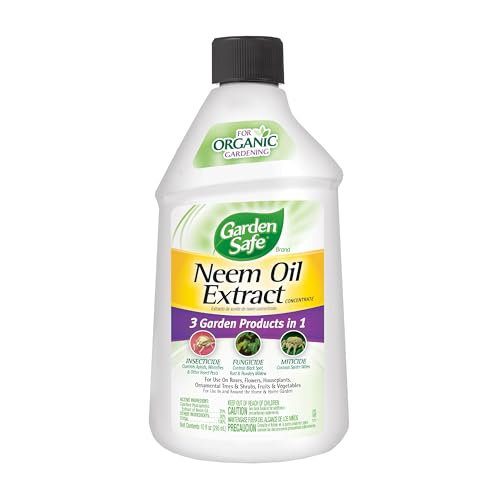
Neem oil is a widely recognized and effective natural treatment for spider mites, often used as a horticultural oil, and is mentioned in the article’s keywords as a solution.
\
- Effective at controlling a wide range of garden pests like aphids, whiteflies, and spider mites when used as directed
- Also works well as a fungicide for issues such as powdery mildew and black spot on roses and other ornamentals
- Labeled for organic gardening and can be used on fruits, vegetables, and ornamentals up to the day of harvest
\
- Strong, unpleasant odor that can linger on plants and around the treated area
- Some users report leaf burn or plant damage, especially when sprayed in hot sun or at higher concentrations
\
\
\
\
Pick #4\
\
\
 \
\\
\
\
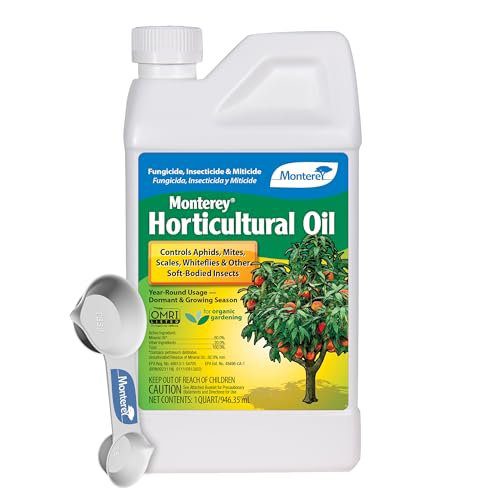
Horticultural oil is directly recommended in the article as a targeted spray to dislodge and eliminate spider mites, providing an alternative to insecticidal soap.
\
\
\
Check Price on Amazon →\
\
\
\
\
Pick #5\
\
\
 \
\\
\
\
The article emphasizes the importance of thorough inspection using a magnifying glass to detect tiny spider mites and their fine webbing on the undersides of leaves, making this tool crucial for early detection and monitoring.
\
- Hands-free design with adjustable head strap is comfortable and convenient for extended use during hobbies, crafts, and repairs
- Multiple acrylic lenses providing 2x, 3x, 5x, and 6x magnification give versatile viewing options for detailed work
- Built-in LED lights offer bright, adjustable illumination exactly where needed, improving visibility in low-light conditions
\
- Some users report that the hinge or clamp mechanism does not hold the visor angle securely and can slip during use
- Build quality feels somewhat flimsy to some reviewers, especially around the moving parts and battery compartment
\
\
\
As an Amazon Associate, I earn from qualifying purchases. Product recommendations are based on real reviews and independent research.