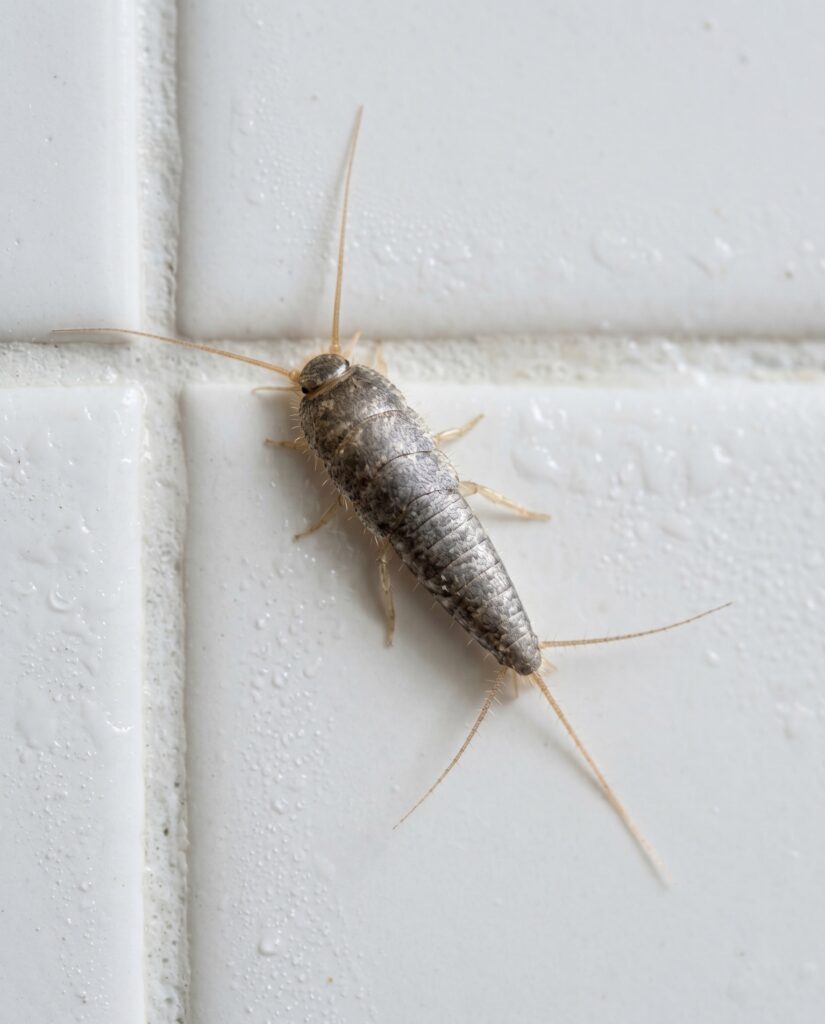
Finding tiny holes, chewed edges, or yellowish stains on your beloved books can be a frustrating discovery, often signaling the unwelcome presence of silverfish. These elusive, nocturnal pests thrive in damp, dark environments and have a particular appetite for the starches and cellulose found in paper, glue, and fabric. Learning how to prevent silverfish in books and paper storage is crucial for protecting valuable collections, important documents, and cherished reads from irreversible damage. By understanding their habits and implementing targeted environmental controls and smart storage practices, you can effectively safeguard your literary treasures.
What to do first:
To prevent silverfish in books, immediately reduce humidity in storage areas to below 50% RH using dehumidifiers, and store books off the floor in sealed plastic containers or archival boxes. Regularly inspect for signs of damage or pests, and clean shelves to remove dust and potential food sources.
Quick Identification: Silverfish in Books
Silverfish are small, wingless insects that can cause significant damage to books and paper over time. Recognizing them and the signs of their activity is the first step in effective control.
Key Identification Features:
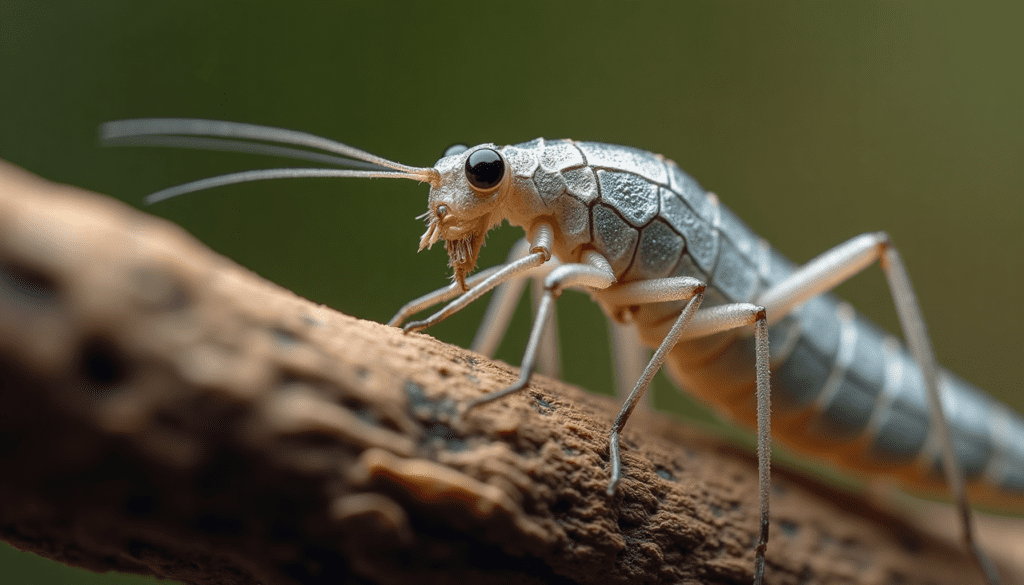
- Appearance: Adults are typically 12–19 mm (½–¾ in) long, with a distinctive carrot or teardrop shape. They have a silvery, metallic sheen due to their scales, long antennae, and three tail-like appendages (cerci) at the rear. The common silverfish is Lepisma saccharinum.
- Movement: They move with a characteristic wiggling, fish-like motion, especially when disturbed, which gives them their common name.
- Habitat: Silverfish prefer dark, moist, and undisturbed areas. In homes, they are often found in basements, attics, bathrooms, kitchens, and within storage boxes or behind bookshelves. Optimal conditions for them are around 22–32 °C (72–90 °F) and high relative humidity (typically ≥ 75% RH), as noted by the University of Florida IFAS Extension.
- Damage Signs: Look for irregular surface abrasions, tiny holes or notches along page edges, and shallow grazing damage on paper. You might also find yellowish stains, fine, pepper-like droppings (frass), and shed scales, particularly near areas of infestation.
Seeing even a single silverfish often indicates a larger, hidden population due to their nocturnal and secretive nature. Early detection through regular inspection is vital to prevent widespread damage to your book collection.
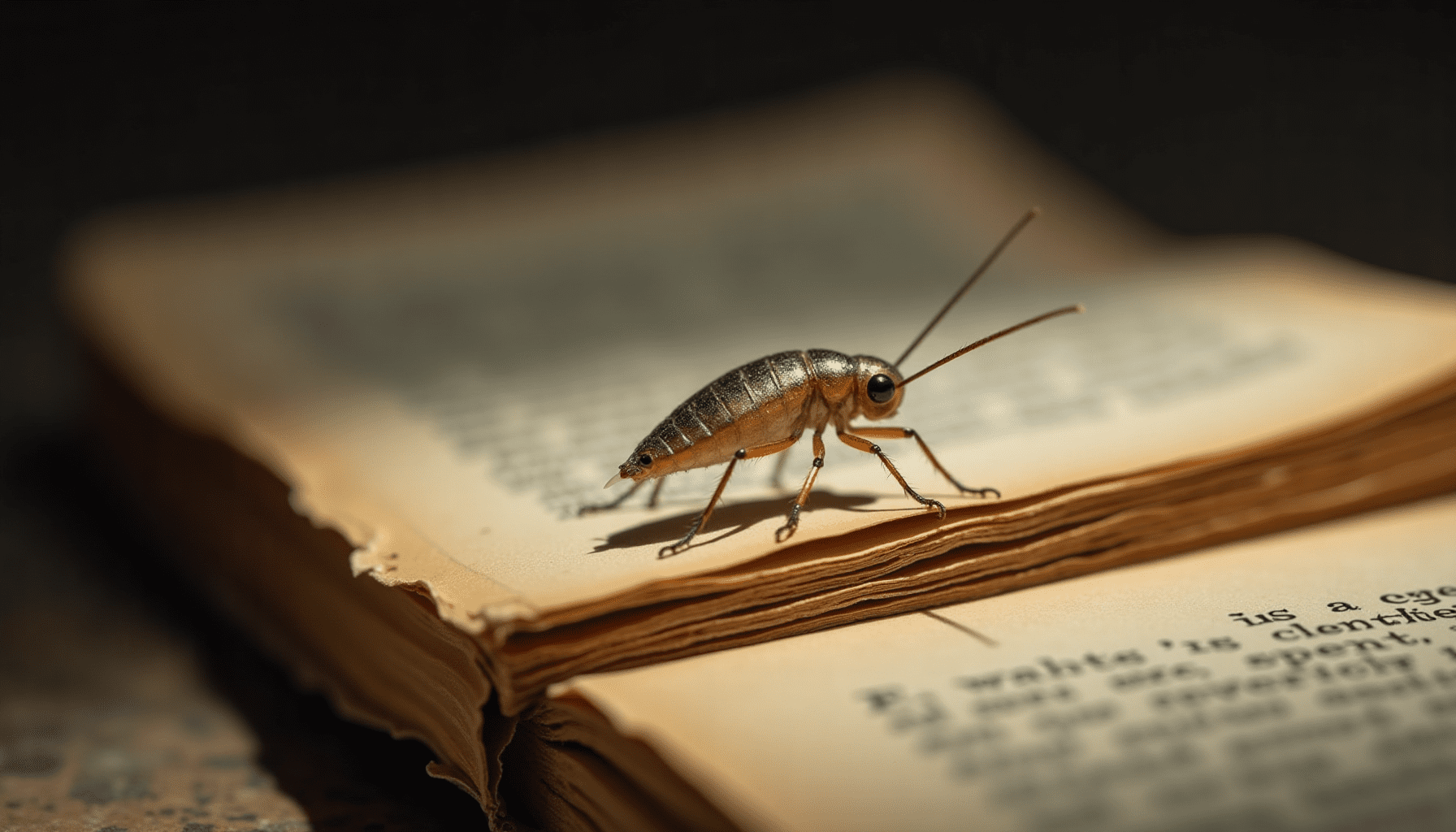
Why Silverfish Target Books and Paper
Silverfish are omnivores with a strong preference for starchy and proteinaceous materials, making books and paper storage areas prime targets. Understanding this attraction is key to effective prevention.
Books and paper offer an ideal combination of food, shelter, and suitable microclimates for silverfish. The cellulose in paper, along with starch-based adhesives and animal glues commonly found in book bindings and labels, provides a rich food source. These materials are particularly prevalent in older books and archival documents, which often suffer the most significant damage. As they feed, silverfish rasp the surface of the substrate, leaving behind the characteristic irregular holes and grazes.
Beyond food, books and paper storage areas provide excellent shelter. The dense, dark, and undisturbed spaces between books, inside corrugated cardboard boxes, or within stacks of papers offer perfect hiding spots. These areas often create localized microclimates that are cooler and more humid than the surrounding room, especially if they are in contact with walls or floors. Research in cultural heritage facilities, such as studies cited by Polygon Group, shows that materials in direct contact with the floor are more susceptible to damage due to moister conditions in cracks and crevices.
Silverfish are also highly resilient. They can survive for weeks without water and up to a year without food under certain conditions, making them persistent pests once established. This resilience, combined with their preference for our paper goods, underscores the importance of comprehensive silverfish control strategies focused on environmental modification and diligent storage practices.
Essential Environmental Control
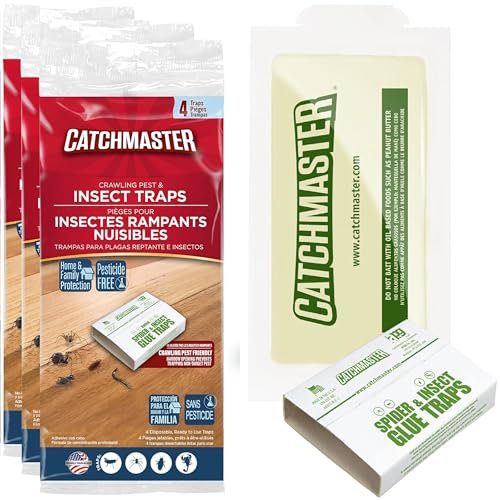
Early detection through regular inspection is vital, as silverfish are nocturnal and secretive. These traps help monitor for silverfish activity, confirming their presence and indicating areas of infestation, which is crucial for effective control.
- Effectively catches a variety of crawling insects such as spiders, beetles, and roaches without chemical sprays
- Non‑toxic and considered safe to use around children and pets when placed appropriately
- Easy to set up and place in cabinets, along baseboards, and other target areas
- Some users report the glue can lose effectiveness over time as it collects dust and dirt and needs frequent replacement
- May take days or weeks to fully resolve an infestation, requiring patience and multiple traps

Diatomaceous earth can be used as a natural, non-toxic barrier around bookshelves and storage areas. When silverfish crawl over it, the microscopic particles dehydrate their exoskeletons, providing a safe and effective preventative measure against them targeting books and paper.
- Composed of 100% food‑grade freshwater diatomaceous earth with no additives or fillers
- OMRI-listed and marketed as safe for use around children and pets when used as directed
- Includes a powder duster in the bag for easier and more efficient application
- Powder duster can be difficult to control, often dispensing either too much powder or none at all
- Achieving a fine, even dusting can be time‑consuming and requires practice with the applicator
The most effective long-term strategy to prevent silverfish in books is to modify their environment, making it inhospitable. Silverfish are highly dependent on moisture, so controlling humidity is paramount.
Aim to maintain relative humidity below 50% in areas where books and paper are stored. For valuable collections, heritage professionals often recommend a stable range of 30–50% RH and temperatures between 18–22 °C (64–72 °F). In damp areas like basements, attics, or storage rooms, using a dehumidifier is critical. Ensure exhaust fans are used in bathrooms and kitchens to vent moisture outdoors, and avoid venting clothes dryers indoors.
Beyond humidity, reducing potential food sources and hiding spots is vital. Silverfish also feed on dust, skin scales, crumbs, dead insects, and mold. Regular cleaning significantly reduces both their food supply and available shelter.
Actionable Cleaning Tips:
- Vacuum Regularly: Thoroughly vacuum around and under bookcases, along baseboards, and in room corners.
- Dust Surfaces: Periodically dust shelves and the tops of books.
- Remove Clutter: Eliminate unnecessary paper piles, old magazines, cardboard packaging, and unused textiles from storage areas. This also helps with general Fall Pest-Proofing Checklist.
Avoid storing books and important papers in high-risk locations like unfinished basements, attics, or garages. If these spaces are unavoidable, combine multiple protective measures: use a dehumidifier, store items in sealed containers, and keep them elevated off the floor.
Smart Storage Practices
How you store your books and paper documents directly impacts their vulnerability to silverfish. Implementing smart storage practices creates physical barriers and less attractive conditions.
Always store books in dry, well-ventilated rooms, away from direct contact with floors or damp exterior walls. Opt for shelving that allows for airflow behind and under the units. While metal shelving is often preferred in professional archives, sealed or well-finished wood shelving is usually adequate for home use. Avoid tightly packing shelves, as a little space improves air circulation and makes inspections easier.
For loose papers, important documents, and photographs, choose appropriate containers. Airtight, acid-free archival boxes or sleeves are ideal for long-term preservation, especially for valuable items. For general home use, tight-sealing plastic containers (e.g., polypropylene storage bins) provide an excellent barrier against silverfish and other pests. Avoid storing important papers in standard cardboard boxes long-term, as silverfish can easily enter and feed on both the box material and its contents.
Key Storage Guidelines:
- Elevate Items: Keep boxes and books at least a few inches off the floor using shelves, pallets, or risers.
- Avoid Problem Areas: Do not place storage containers directly against exterior walls or under pipes prone to condensation or leaks.
- Use Desiccants: Place silica gel packets or other moisture-absorbing aids inside storage boxes or on shelves (out of reach of children and pets) to help maintain a drier microclimate around books. Remember to monitor and replace or regenerate desiccants as recommended by the manufacturer.

Monitoring for Early Detection
Vigilant monitoring is a cornerstone of integrated pest management (IPM) and crucial for early detection of silverfish activity, allowing you to address problems before they escalate.
Schedule periodic checks of your book and paper storage areas. For home collections, quarterly inspections are a good starting point, while more frequent checks might be necessary for valuable or extensive collections. During these inspections, look for signs of live silverfish, their shed skins, tiny pepper-like droppings (frass), and any new damage.
Specific Damage Signs to Look For:
- Irregular holes, surface grazes, or notches on page edges.
- Yellowish stains, particularly near edges or bindings.
- Loose bindings or weakened spines, especially if the adhesives are starch-based.
Pay close attention to lower shelves and floor-level storage, damp corners, behind bookcases, and under radiators or HVAC equipment. Any room where you've previously spotted silverfish—such as bathrooms, kitchens, or laundry rooms—should be a priority for inspection.
To enhance your monitoring efforts, use sticky traps (also known as blunder traps or insect monitors). Place these traps near bookcases, under shelving units, and along baseboards where silverfish are likely to travel. Check the traps regularly, noting the number of silverfish caught and their locations. This data helps identify hotspots and evaluate the effectiveness of your control measures. Many commercial traps are specifically designed for silverfish and can be an invaluable part of your IPM strategy.
Direct Treatment Options
If prevention and environmental controls aren't enough to eliminate a silverfish problem, targeted treatment options can be employed. The safest methods for books and archival materials are non-chemical.
Non-Chemical Methods:
- Isolation and Quarantine: If you suspect a particular box or group of books is infested, immediately isolate them in a sealed plastic container or bag. This prevents the spread of pests to other items and allows for thorough inspection and treatment. Avoid moving suspect items through clean areas without containment.
- Freezing: For durable books and paper (those without wet media, fragile bindings, or sensitive materials), freezing can effectively kill silverfish and their eggs. Institutional guidelines often recommend double-bagging items in polyethylene bags (gently pressing out air), freezing at -20 °C (-4 °F) or colder for a minimum of 72 hours, and then allowing items to thaw slowly while still bagged to prevent condensation. This method is best done following conservation guidelines; delicate or valuable items should be assessed by a conservator.
- Heat/Microwave: Some sources suggest microwaving books for 30–60 seconds to kill silverfish and eggs. However, this is not recommended for valuable or delicate books due to significant risks of warping, scorching, or damaging inks, glues, and metallic elements. Uneven heating may also leave some pests alive. This should only be considered as a last-resort DIY method for low-value items, with extreme caution.
Chemical Controls (Use with Caution):
If non-chemical methods are insufficient, more targeted chemical approaches can be considered, always emphasizing safety and label compliance.
- Baits: Silverfish baits, often boric acid-based, can be placed in cracks, crevices, or behind furnishings where silverfish travel, away from children and pets. Professional pest control companies may use specialized baits that are more attractive to silverfish than paper or glue, drawing them away from your collection.
- Residual Insecticides: Professionals might apply residual sprays (e.g., pyrethroid-based products) to baseboards, wall voids, and behind shelving, but never directly on or near books. Consumers should only use products explicitly labeled for silverfish and indoor use, strictly following all instructions. Sprays can stain or damage materials and contribute to indoor air pollution.
- Diatomaceous Earth (DE) and Silica Dusts: These inert dusts damage the insect's cuticle, causing desiccation. They are used in wall voids and hidden spaces but must be applied in very thin layers and kept away from books and electronics. Inhalation risks mean they should be applied by knowledgeable users and not left where people or pets can contact them.
For large or valuable collections, such as family archives or rare books, consulting a conservation scientist or museum IPM specialist before any pesticide use near collections is highly recommended. This integrated approach aligns with best practices for Integrated Pest Management for home libraries and archives.
Common Silverfish Myths Debunked
Misconceptions about silverfish can lead to ineffective prevention and treatment. Let's separate fact from fiction.
- Myth 1: "Silverfish eat the whole book quickly."
- Reality: Silverfish typically graze slowly on surfaces, adhesives, and edges. Damage accumulates over time and may initially be subtle, appearing as small holes, scraped areas, or weakened bindings. They are not like termites that rapidly consume wood.
- Myth 2: "If I see one silverfish, it's just a random visitor."
- Reality: Silverfish are nocturnal and secretive. Seeing even one suggests there are likely more hidden in cracks, voids, or nearby moist microclimates. It's a sign to investigate further.
- Myth 3: "Chemical sprays alone will solve the problem."
- Reality: Without addressing underlying issues like high humidity, clutter, and food sources, silverfish populations often rebound. Sprays may kill some individuals but won't eliminate eggs deep in cracks, and new silverfish can migrate in if conditions remain favorable.
- Myth 4: "Cardboard boxes are safe for long-term paper storage."
- Reality: Silverfish can easily enter and feed on both cardboard and tape, as well as the contents. For long-term storage, sealed plastic or archival-quality boxes are much safer and provide better protection against pests like silverfish and even How to Get Rid of Pantry Pests that might venture into storage areas.
- Myth 5: "Silverfish only live in dirty homes."
- Reality: They are attracted primarily to moisture and suitable microclimates, not dirt alone. Even very clean homes can have silverfish if humidity is high, there are hidden leaks, or books and papers are stored in damp basements or attics.
- Myth 6: "Mothballs or strong scents will reliably repel silverfish."
- Reality: Mothballs (naphthalene or paradichlorobenzene) are not proven, safe long-term solutions for silverfish in living spaces. They are toxic to humans and pets, and their effectiveness against silverfish is limited and inconsistent. Most experts advise against using them around books or indoors outside tightly sealed containers.
- Myth 7: "Microwaving books is a safe, universal solution."
- Reality: While heat can kill insects, microwaving books carries serious risks, including overheating, warping, damaging adhesives, and uneven heat penetration. Professional guidelines typically discourage this for valuable or irreplaceable items.

When to Call a Professional
While many silverfish prevention and control methods can be handled by homeowners, there are situations where professional help is highly recommended.
Consider contacting a pest control professional if:
- You are seeing silverfish frequently, especially in multiple rooms, indicating a widespread infestation.
- There is visible, active damage to your books, important papers, or wallpaper that seems to be worsening.
- You manage a large or valuable collection, such as rare books, family archives, or art, and suspect an infestation. The potential for irreplaceable loss outweighs DIY attempts.
- Environmental issues, such as chronic dampness, persistent leaks, or structural cracks that contribute to high humidity, are beyond your ability to repair effectively.
Pest control companies with experience in museum or library IPM will be familiar with low-toxicity, targeted solutions that prioritize the safety of your collections. They can offer comprehensive inspections, identify hidden moisture sources, and implement strategies that are both effective against silverfish and safe for your home and belongings.
Conclusion: Protecting Your Collection
Protecting your books and paper documents from silverfish requires a proactive and integrated approach. By understanding these moisture-loving pests and their destructive habits, you can implement effective strategies to prevent silverfish in books and safeguard your valuable collections. The core of successful silverfish control lies in managing humidity, maintaining a clean environment, and adopting smart storage practices.
Regular inspections and the strategic use of sticky traps will help you detect any silverfish activity early, allowing for prompt intervention. When an infestation occurs, prioritize non-chemical treatments like isolation and freezing for durable items. Remember that addressing the underlying environmental conditions is always more effective in the long run than relying solely on chemical solutions. With diligence and the right strategies, you can ensure your literary treasures remain intact for years to come. For more tips on seasonal pest management, check out our Winter Pest Control: Bugs That Invade in Cold Weather and Spring Pest Prevention Checklist.
Recommended Products
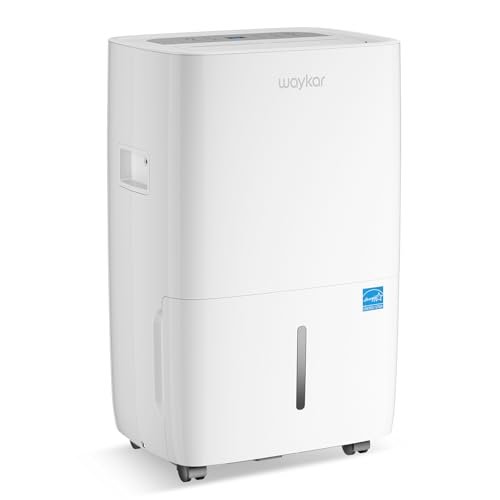
The article emphasizes reducing humidity to below 50% RH as a primary prevention strategy for silverfish. A reliable dehumidifier is essential for controlling moisture in basements, attics, or storage areas where books are kept.
- Effective moisture removal for large spaces up to 5,000 sq. ft.
- Convenient dual drainage options with both a water tank and included drain hose
- ENERGY STAR certification plus user-friendly features like adjustable humidity, timer, and portability
- Water tank needs regular emptying when not using continuous drain
- Noise can be noticeable on higher fan settings
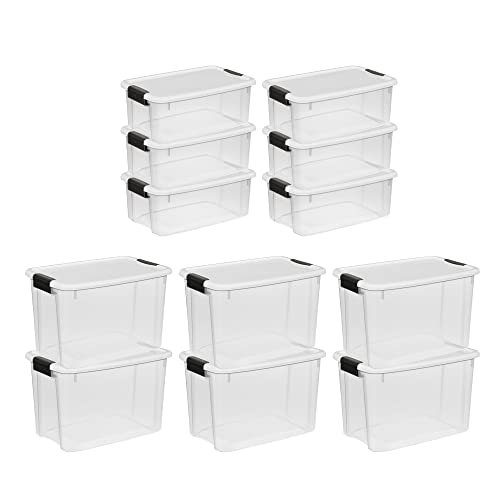
The article recommends storing books in sealed plastic containers to protect them from silverfish. These clear, latching bins provide an airtight environment, preventing pests from accessing valuable collections while allowing for easy inspection.
- Sturdy, durable construction that holds up well when stacked and moved around
- Clear plastic sides make it easy to see contents without opening the bins
- Secure latching lids and stackable design help keep items organized and dust‑free
- Some users feel the plastic is thinner or less heavy-duty than expected for heavier items
- Occasional reports of lids or latches arriving warped or not fitting perfectly
As an Amazon Associate, I earn from qualifying purchases. Product recommendations are based on real reviews and independent research.