n
n
n
The best carpet beetle killer is not a spray at all, it is a vacuum, because the damage in your closet is done by the larvae, the little bristly woolly-bears hiding in the lint, not the adult beetles you see at the window. Those adults fly outdoors to feed on flower pollen, so spraying the ones on the glass does nothing for the wool they have already chewed. The short answer: find and clean out the larval food source first, the wool, lint, pet hair, dead insects, and stored dry goods, then treat the cracks, carpet edges, and closet corners where larvae hide with a residual spray or food-grade diatomaceous earth. For our own coat closet we keep a sealed bin for wool and a can of dust on hand, nothing more. Most lists hand you a spray as the headline fix; the real fix is the vacuuming the spray follows.
nn
n
The larvae do the damage, not the adults at the window, so find and clean out their food source first, then spray or dust the cracks and carpet edges where they hide as a follow-up to vacuuming, never instead of it.
n
- n
- Do first (free): Vacuum carpet edges, closet corners, and under furniture, and clear out lint, pet hair, and dead insects that feed the larvae.
- Then treat: A residual spray or food-grade diatomaceous earth worked into the cracks and edges larvae use.
- Skip: Spraying adult beetles at the window, and trusting a sticky monitor to cure the problem instead of locate it.
n
n
n
n
nn
nn
Find the larvae first
nn
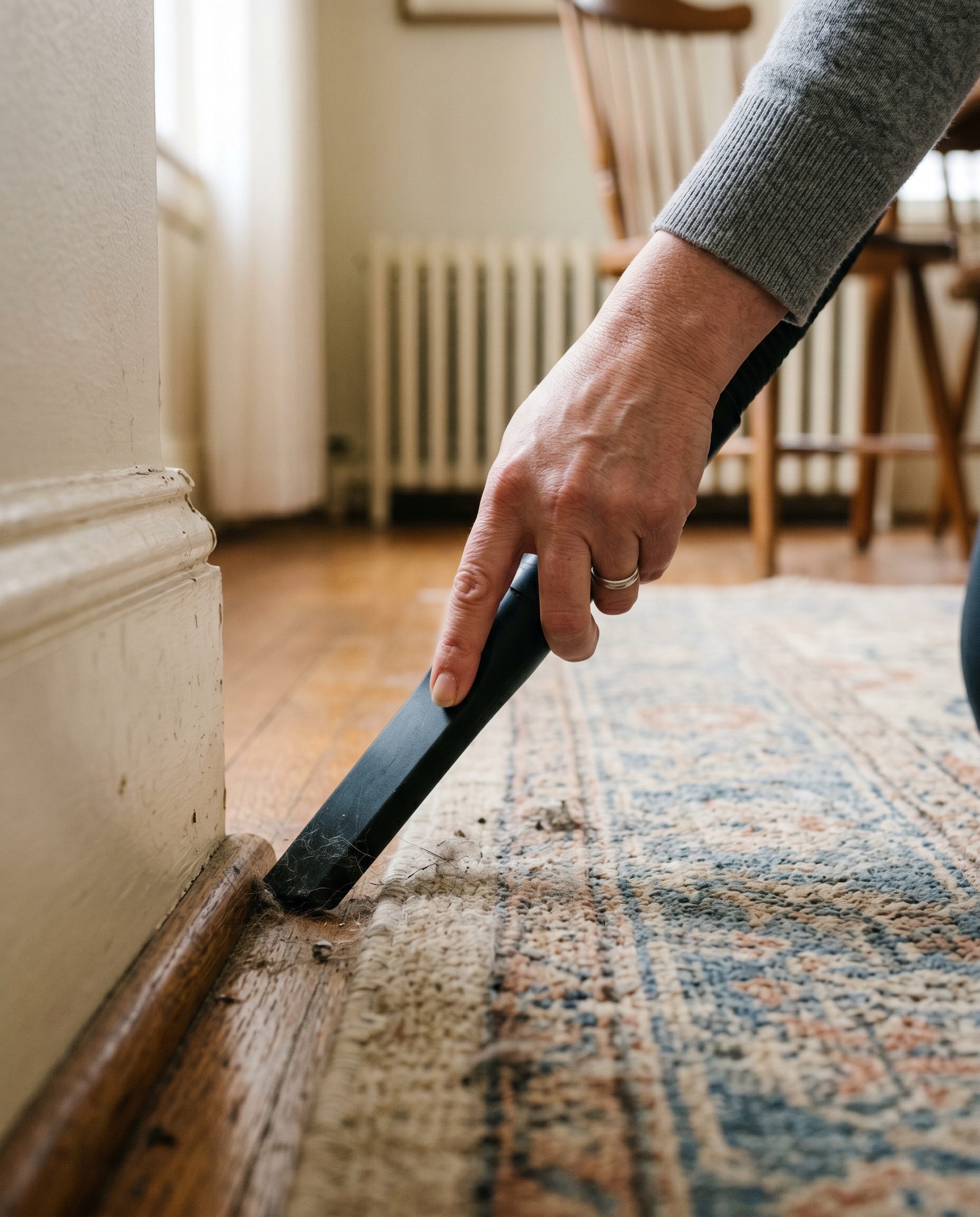
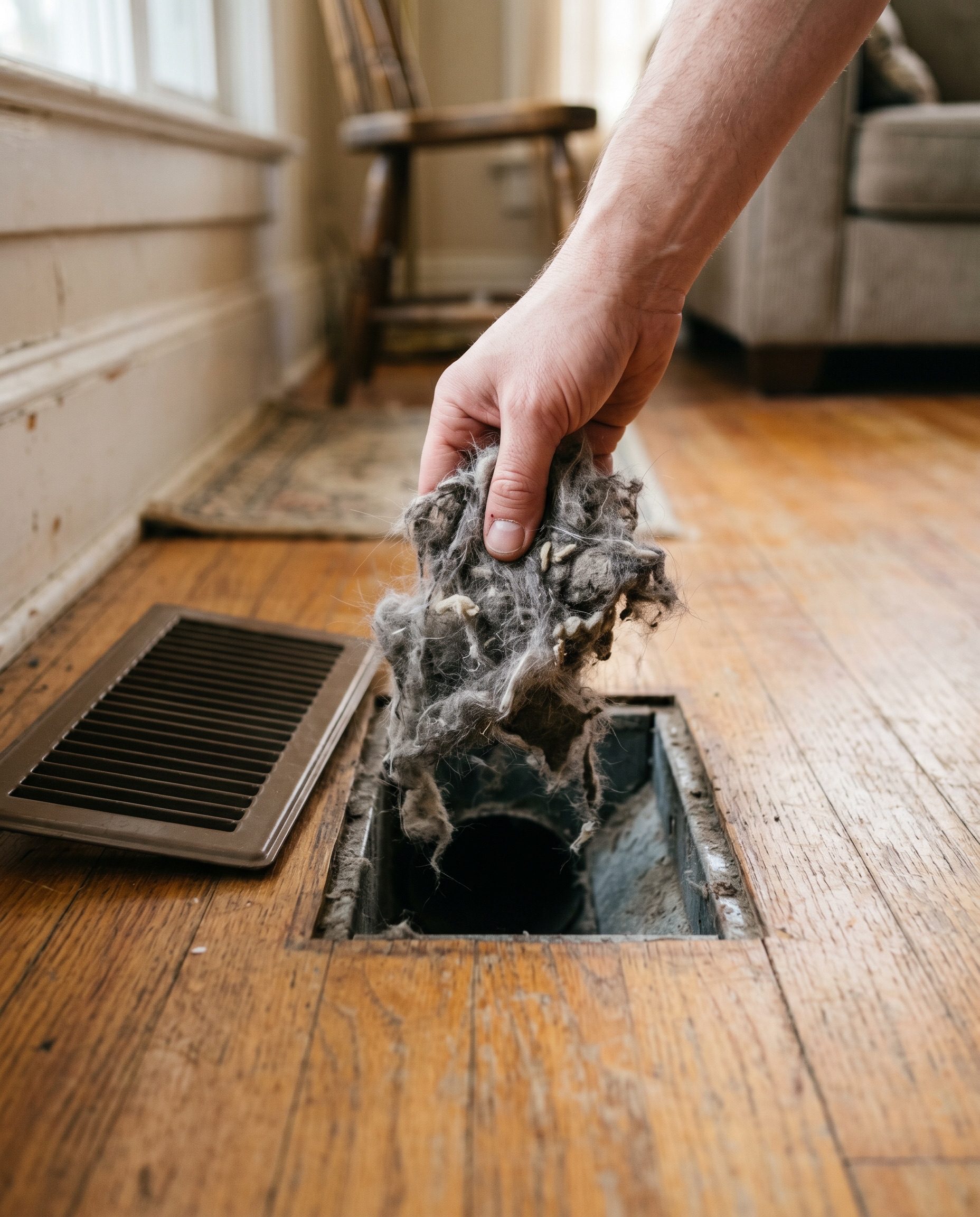
Before any can comes off the shelf, do the free part, because a spray works only where the larvae actually live, and that is rarely where you first saw a beetle. Pull the carpet back at the edges, look under and behind furniture you never move, and check closet corners, baseboards, and floor vents where lint, pet hair, and dead insects collect. The UC IPM Pest Notes on carpet beetles explain that the larvae feed on keratin in wool, fur, feathers, and the lint and dead insects that pile up in undisturbed spots, which is exactly where you should be hunting. The damage trail leads to the food, not to the window.
nn
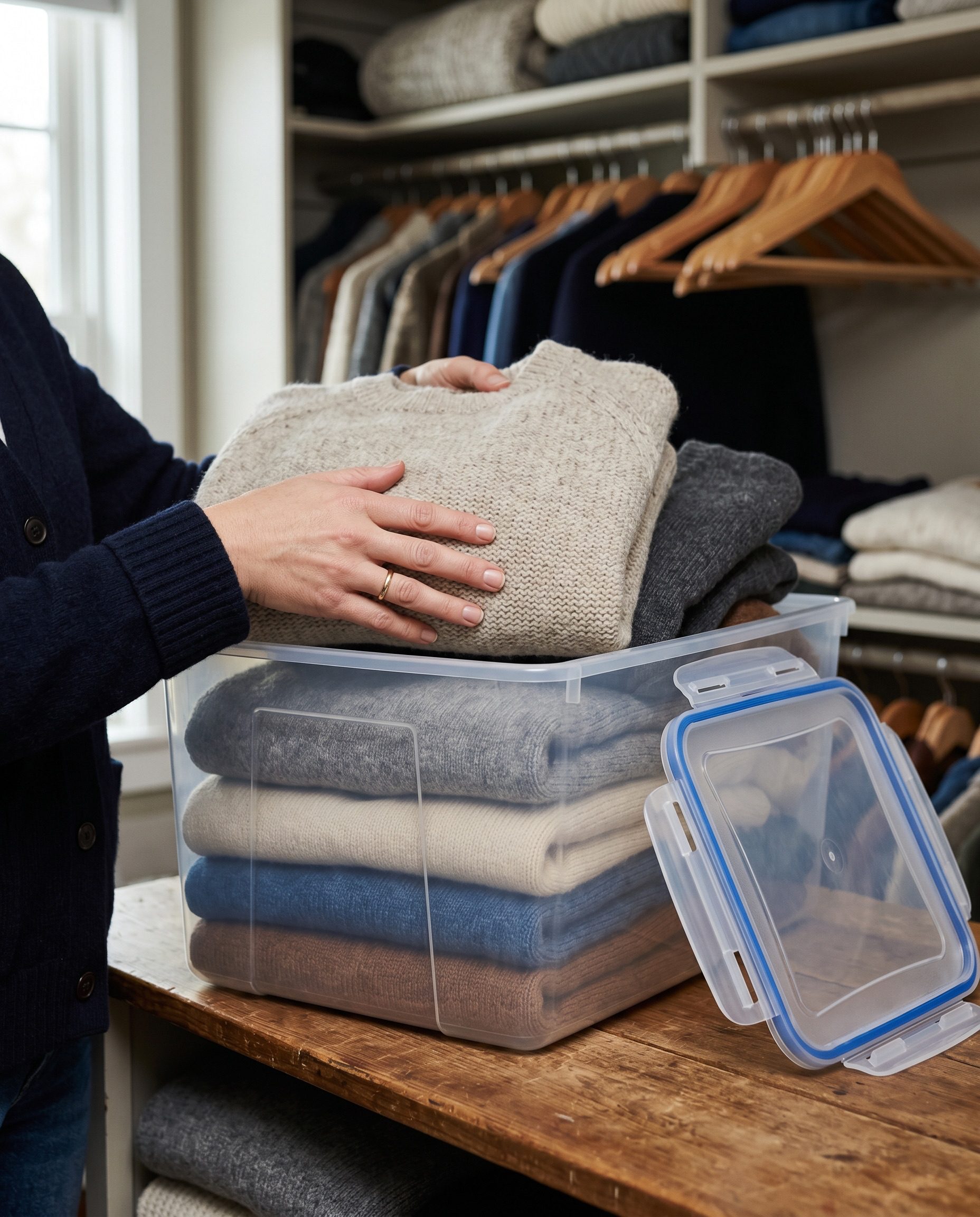
Once you find the source, clean it out, because that single step does more than any chemical. Vacuum the carpet edges, the closet floor, and inside floor vents, then empty the canister or bag outside so nothing crawls back. Launder or dry-clean the wool, store it clean and sealed, and clear the dead insects out of light fixtures and window sills. Our full walkthrough on how to get rid of carpet beetles lays out the order step by step. A product is worth buying once the source is gone and you have located the harborage, not as a stand-in for the cleaning.
nn
Why spraying the adults fails
nn
Here is the part most “top killer” lists skip. The beetles you notice are usually the adults, and adults are not the problem. Adult carpet beetles fly outdoors to feed on flower pollen and nectar, then sometimes drift back in to lay eggs, but they are not eating your sweaters. The University of Kentucky’s carpet beetle guidance is clear that the larvae cause the fabric damage while the adults feed on pollen outside, so emptying a can at the window glass is effort spent on the wrong stage of the insect.
nn
That is the case for treating where the larvae hide instead of where the adults gather. It also reframes the “infestation” you may be reacting to. If you have itchy bumps and assume bites, check that assumption: carpet beetles do not bite, and those welts are usually an allergic contact reaction to the larval hairs, not a sting or bite from the insect. Sticky carpet beetle traps add to this confusion too. Unlike clothes-moth traps, carpet beetle monitors have no strong pheromone lure, so they are glue boards that help you locate where larvae are active, not a cure. A monitor tells you where to clean, it does not clean for you. Use it to confirm a room, then go after the source.
For webbing against shed skins, see holes in clothes.
If that is where this is heading, our guide to what lives in carpet covers the three things that live in carpet.
nn
nn
Spray, dust, or trap
nn
Once the cleaning is done, the product choice is short. Decide by where the larvae are and who shares the space, not by the loudest claim on the label. The point is to follow the vacuuming with the right form for the surface, then keep the room clean so it does not come back.
nn
| Product type | Best for | Watch-out |
|---|---|---|
| Targeted indoor spray | Treating carpet edges, closet corners, and soft surfaces after cleaning | A follow-up to vacuuming, not a substitute; follow the label and keep kids and pets off until dry |
| Residual barrier spray | A lasting film along baseboards and crack-and-crevice lines | For non-porous edges, not the whole room; the label sets the legal terms |
| Food-grade diatomaceous earth | Cracks, voids, and vent edges a wet spray cannot settle into | Reapply after vacuuming; it works only where it stays dry and undisturbed |
nn
Why not just buy the strongest spray and be done? Because a spray cannot reach a deep crack the way a dry dust settles into it, and a dust gets vacuumed up the next time you clean. Match the form to the hiding place, then keep both as a follow-up to the cleaning. The Colorado State Extension guide to carpet beetles backs the same order: sanitation first, then treat the cracks and edges where larvae shelter. For the long game, knowing your enemy helps, so our guide to carpet beetle identification by type shows how the black, varied, and furniture larvae differ in where they like to feed.
nn
Where to apply it
nn
Treat the edges, not the open floor. Spray or dust along the carpet line where it meets the baseboard, into closet corners, under heavy furniture, and inside the floor-vent edges where lint gathers, getting the product right into the cracks where larvae shelter rather than misting the room. Coverage of the hiding places beats blanketing the carpet every time. Read and follow the product label, because under federal law the label is the law, and the EPA’s safe pest control guidance puts sanitation and least-toxic methods first for exactly this kind of indoor job.
nn
Treat the products as the pesticides they are. Keep children and pets off treated areas until everything is fully dry, do not apply where food is prepared, and use only indoor-labeled products indoors; if anyone is exposed, contact a doctor or your local poison control center. For diatomaceous earth, a light, barely visible layer in the crack is the goal, not a drift you can see, and you reapply after each vacuuming since cleaning removes it. Pair whatever you choose with the prevention that makes it stick, because a clean, sealed closet is what keeps the larvae from coming back; our notes on preventing carpet beetles and other fabric pests cover the storage and screening habits that do the heavy lifting.
nn
nn
The picks
nn
Cards come after the analysis on purpose, because the cleaning decides whether any of these matter. These three cover a targeted indoor spray, a longer-lasting residual barrier, and a non-spray dust, and all are common, widely available products. None of them replaces the vacuuming.
nn
InsectoGuide is reader-supported. As an Amazon Associate we earn from qualifying purchases at no extra cost to you.
nn
n 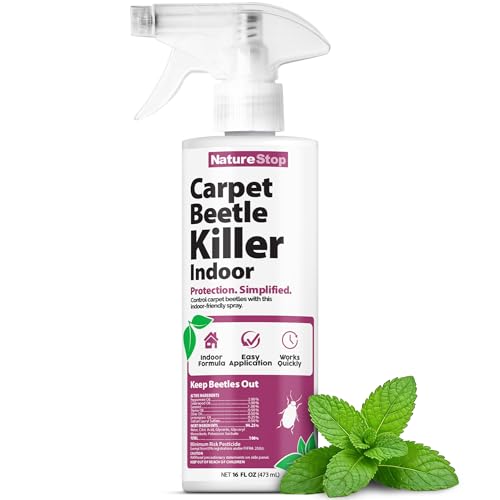 n
n
n
n
A targeted indoor spray for carpet edges, upholstery, and storage areas after cleaning.
n
n
nn
n 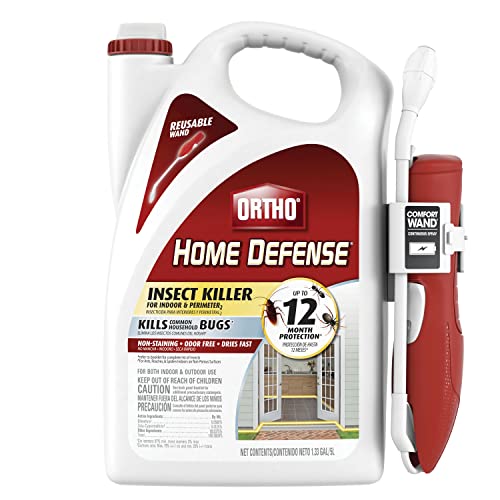 n
n
n
n
A lasting residual film for baseboards and crack-and-crevice edges.
n
n
nn
n 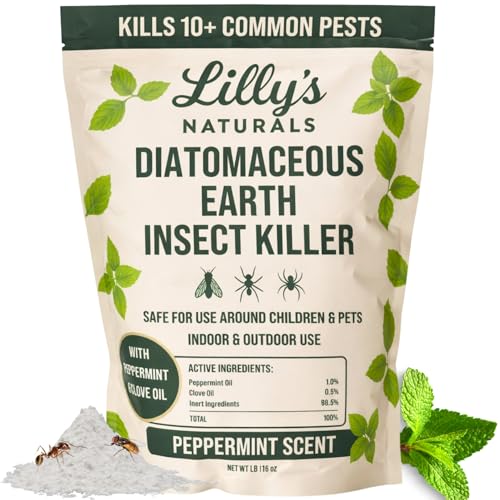 n
n
n
n
A food-grade dust for cracks and vent edges a spray cannot reach.
n
n
nn
Common questions
nnWhat actually kills carpet beetles, the spray or the cleaning?n
The cleaning does the heavy lifting. Vacuuming the carpet edges and clearing out the lint, pet hair, and dead insects removes both the larvae and the food they live on. A spray or dust then treats the cracks you cannot reach with a vacuum, but it works as a follow-up, not a stand-in for the cleaning.
nnDo carpet beetle traps get rid of the problem?n
No. Carpet beetle monitors are sticky glue boards with no strong pheromone lure, so they help you find which room is active rather than cure the infestation. Treat a catch as a signal to go vacuum that area and find the larval source, then clean it out.
nnShould I spray the beetles I see at the window?n
It is wasted effort. Those are usually the adults, which feed on flower pollen outdoors and do not eat fabric. The UC IPM guidance points control at the larvae in the lint and wool, so spend the time hunting and cleaning the source instead.
nnAre carpet beetles biting me?n
Carpet beetles do not bite. Itchy bumps near an infestation are usually an allergic contact reaction to the bristly larval hairs, not a bite, so the fix is removing the larvae and washing the fabric they were in. If a skin reaction looks severe or lingers, see a doctor.
nnIs diatomaceous earth safe to use around the house?n
Food-grade diatomaceous earth is a low-toxicity option, but it is still a pesticide dust, so apply a thin layer in cracks and edges, avoid breathing the airborne powder, and keep it out of food-prep areas. Follow the label, and reapply after vacuuming since cleaning removes it.
nnWhen should I call a professional?n
If you have cleaned, sealed your wool, and treated the edges but the damage or sightings keep returning after a few weeks, a licensed pest professional can find a hidden source you missed, like a dead animal in a wall void or an old bird nest in the attic.
nn
Final verdict
nn
The best carpet beetle killer is the one you reach for second, after the vacuum. Start free by finding and cleaning out the larval food source, the wool, lint, pet hair, dead insects, and stored dry goods where the bristly woolly-bears actually feed, because that is the stage doing the damage, not the adults flying to flowers outside. Then match the follow-up to the hiding place: a targeted spray or residual barrier along the carpet edges and baseboards, or food-grade diatomaceous earth dusted into the cracks a spray cannot reach. Skip spraying the beetles at the window, and treat a sticky monitor as a locator, not a cure. A spray or dust is the finish on a thorough vacuuming, never a replacement for it.
nn