n
n
n
If you want to keep carpet beetles out, you have to think about what their larvae eat, because the adults you see on the windowsill are not the problem. Preventing carpet beetles, and the clothes moths that share their menu, comes down to denying the larvae their two favorite things: a quiet undisturbed spot and a meal of natural fibers. Vacuum regularly and get into the edges, under furniture, and the floor vents where lint and pet hair collect; store only clean wool, silk, and fur in sealed bins or garment bags, since larvae feed on the sweat and food stains we leave behind; and check stored items and fresh-cut flowers, a common way the adults wander indoors, before they sit for months. Take away the hidden food and the beetles have no reason to stay.
nn
n
Prevention is about starving the larvae, not killing adults. Vacuum the edges, under furniture, and floor vents where lint and pet hair pile up, store only clean wool and silk in sealed bins, and inspect stored fabrics and cut flowers before pests settle in.
n
- n
- Do first (free): Vacuum the carpet edges, under furniture, and inside floor vents on a schedule to remove the lint and pet hair larvae feed on.
- Best for the common case: Clean wool, silk, and fur before storage, then seal it in airtight bins or zipped garment bags so larvae cannot reach it.
- Skip: Mothballs scattered loose or a closet spray as your main plan; without sanitation and sealing, they do not stop a new larva from hatching.
n
n
n
n
nn
nn
Why the larvae are the real pest
nn
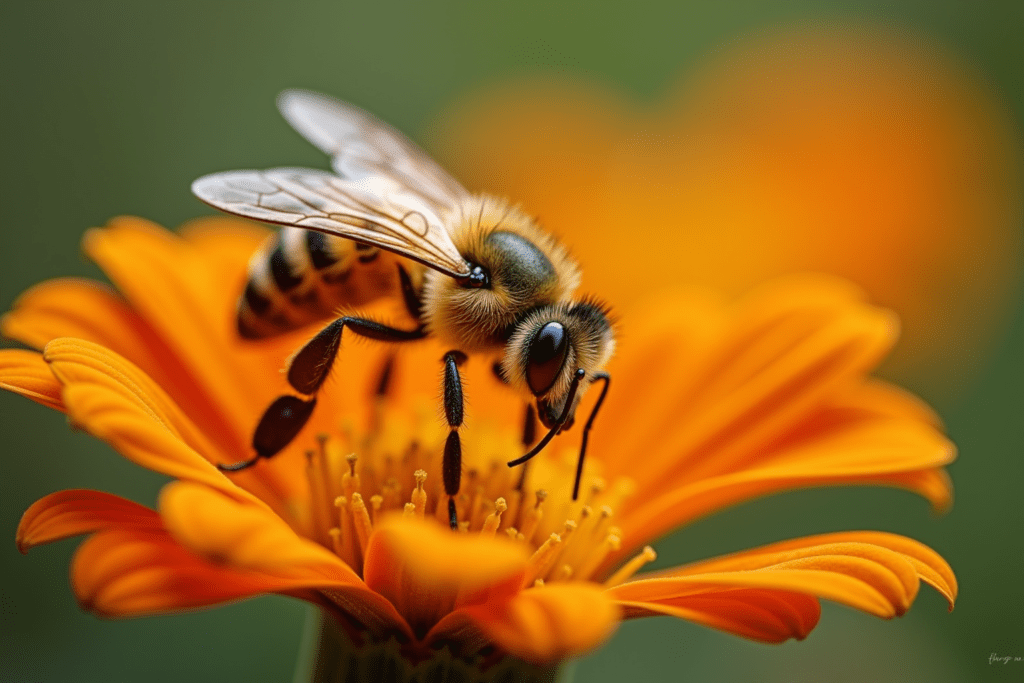
The beetle you spot near a window is an adult, and adults are mostly harmless indoors. They feed on pollen and nectar outside, which is why they drift in on cut flowers and then head for the light to get back out. The damage to your sweaters and rugs is done by the bristly larvae, the ones doing the damage, not the adults that hatch in dark, undisturbed places and graze for weeks before you ever notice a hole. People call them woolly bears because of the dense brown hairs, and those same hairs are what cause the itchy, hive-like bumps some folks get. To be clear, carpet beetles do not bite; the reaction is an allergic response to contact with the larval hairs, not a wound.
nn
Larvae are not picky in the way you might hope. They digest keratin, the protein in animal fibers, so the larvae feed on wool, lint, hair, and dead insects along with silk, fur, feathers, and even the dead bugs piling up in a light fixture or window track. That is the whole reason prevention works: cut off the food supply and the egg-laying females have nowhere good to raise a brood. If you already see active feeding, our guide on how to get rid of carpet beetles walks the cleanup, but everything below is what keeps them from coming back.
nn
Vacuum the spots you usually skip
nn
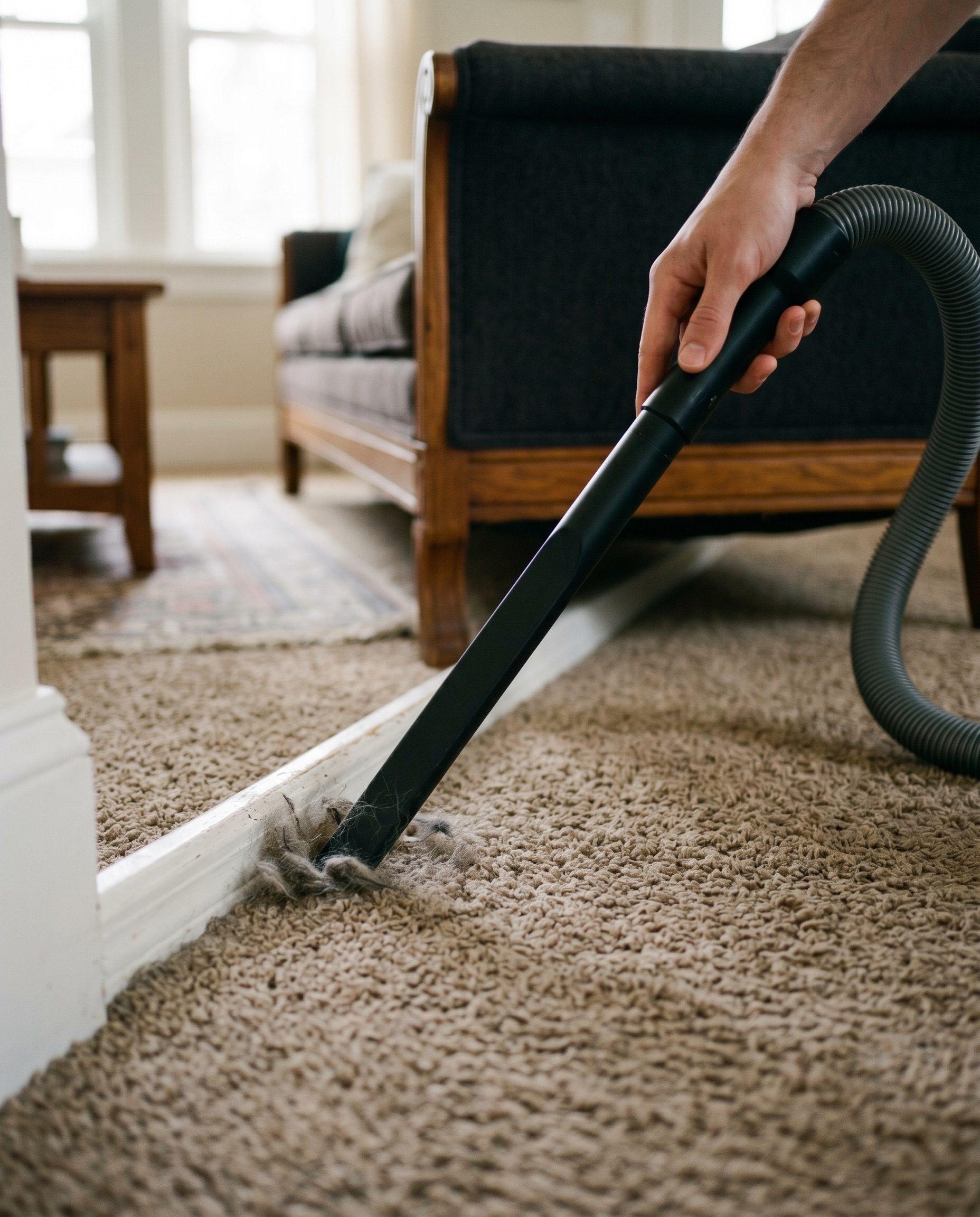
What to do first costs nothing: vacuum on a real schedule, and aim for the places lint actually collects. Larvae want to be left alone, so they settle along carpet edges where the pile meets the baseboard, under beds and sofas that rarely move, in closet corners, and inside floor heating vents where pet hair and skin flakes drift down and sit for months. A weekly pass with a crevice tool through those zones removes eggs, young larvae, and the food they live on in one motion. Get into the edges and under the furniture, not just the open middle of the room where you can see.
nn
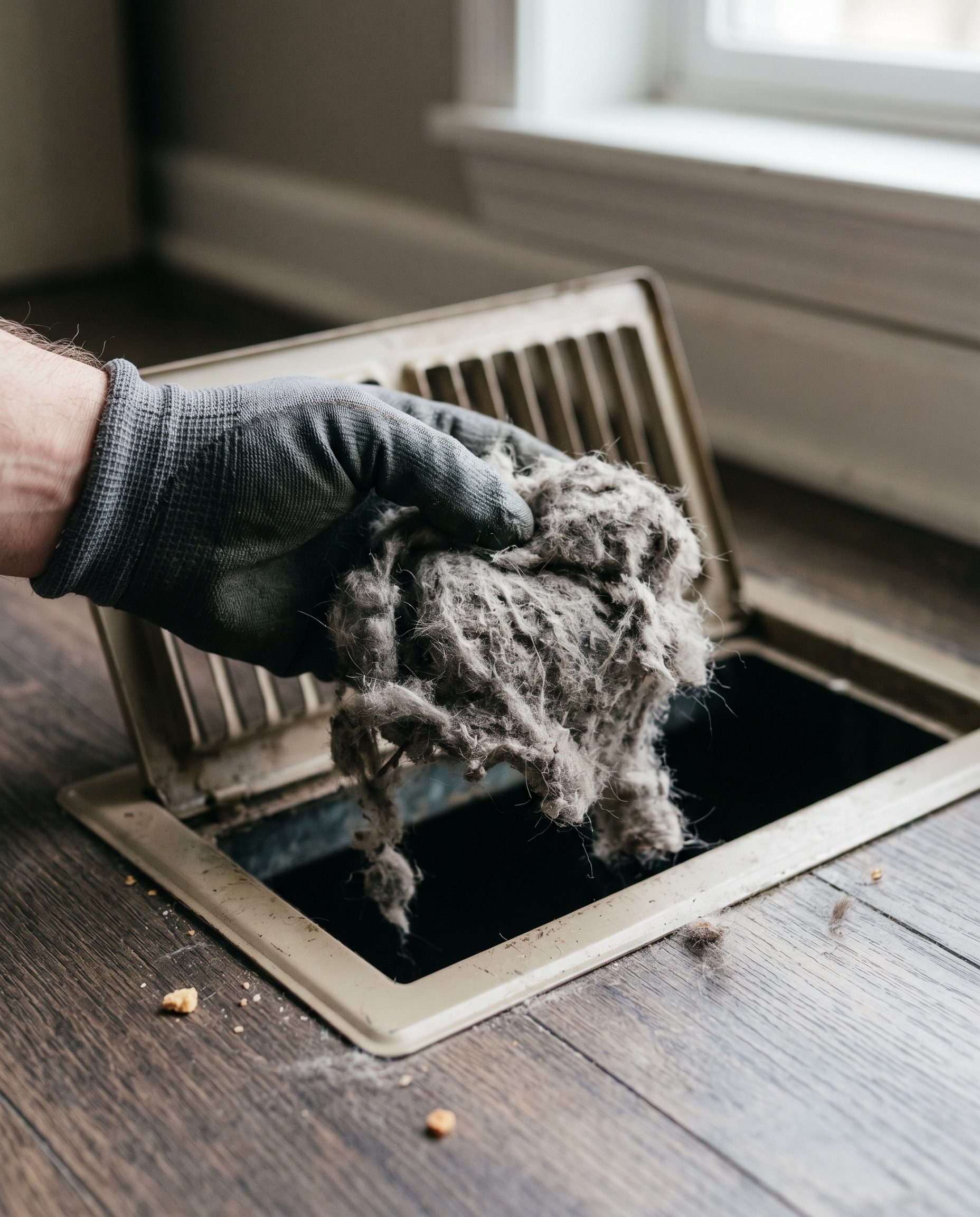
Floor vents deserve their own mention because almost no one cleans them, and they are a perfect larval pantry. Pull the register, vacuum out the gray mat of lint and hair, and do it a couple of times a year. This kind of plain sanitation is exactly what vacuuming and sanitation are the core of carpet beetle control means in practice, and it lines up with the EPA’s sanitation-first, least-toxic principles for handling household pests without reaching for chemicals first. Empty or seal the vacuum contents afterward so nothing crawls back out.
nn
nn
Store clean wool, never dirty wool
nn
Here is the rule that saves the most clothing: never store a natural-fiber item dirty. Larvae are drawn to sweat, body oils, and food stains far more than to clean fabric, so a wool sweater put away with a season of wear on it is an open invitation, while the same sweater laundered or dry-cleaned first is a poor target. Wash or dry-clean anything wool, silk, cashmere, fur, or feather-filled before it goes into storage for the off-season.
nn
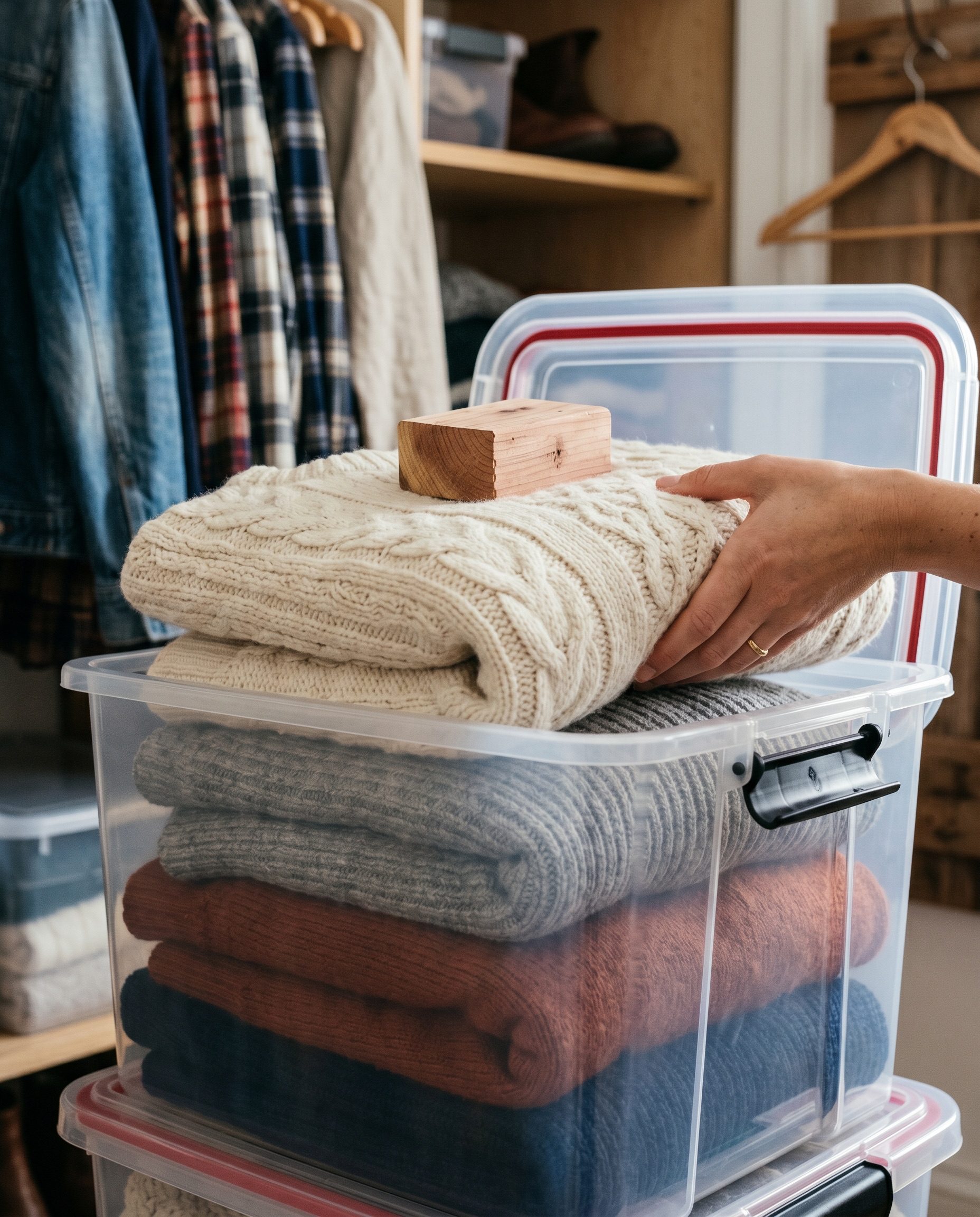
Once it is clean, seal it. Airtight plastic bins with a tight lid, vacuum bags, or zipped garment bags all do the same job, which is to put a physical wall between the fabric and any female looking for a place to lay. Cedar and lavender smell nice and may nudge adults away, but they do not kill larvae already inside, so treat them as a bonus on top of clean-and-sealed, not a substitute. If you would rather store in a cedar chest or a closet, the same logic from the how to get rid of clothes moths playbook applies, because clothes moths share this exact menu and respond to the same clean-and-seal discipline.
For reading the damage rather than the insect, see our guide to what eats clothes in a wardrobe.
nn
What works where, and what to skip
nn
Prevention is not one move; it changes a bit by where the risk lives. This is the quick map for a typical home.
nn
| Where the risk is | Best prevention | Watch out for |
|---|---|---|
| Closets and dressers | Clean before storage, then seal in bins or garment bags | Storing items dirty or loosely covered |
| Carpet edges and under furniture | Weekly vacuum with a crevice tool | Skipping the rarely-moved zones |
| Floor vents and light fixtures | Vacuum out lint and remove dead insects | Dead bugs left as a food source |
| Cut flowers and secondhand goods | Inspect before they sit indoors | Letting adults wander in unchecked |
nn
A quick note on monitoring versus curing, because the two get confused. Sticky carpet beetle traps are glue monitors, not a treatment; unlike clothes moth traps they have no strong pheromone lure, so they tell you where activity is and roughly how bad it is, but they do not clear an infestation. Use them to find the source, then clean it. And skip the instinct to fog or fill a closet with mothballs as your main plan. If you do decide a residual product belongs in a stubborn crack, our notes on carpet beetle killers and sprays cover the category, but read and follow the product label, because under federal law the label is the law, and keep any treated area off-limits to kids and pets until it is dry. Spraying is a follow-up to sanitation, never a replacement for it.
The detail on why the damage follows soiling sits in holes in clothes.
If that is where this is heading, our guide to what lives in carpet covers the three things that live in carpet.
nn
nn
A note on wood-boring beetles
nn
Fabric pests are not the only beetles that hide and feed out of sight. Powderpost beetles work inside wood, and their larvae tunnel for months or years deep in the grain, which is why a surface spray does nothing. The real fix is a borate solution soaked into bare, unfinished wood, and it will not penetrate finished or painted surfaces, so it is a prevention and bare-timber tool, not a cure-all. Before you treat anything, confirm the infestation is active: fresh, flour-fine sawdust under new, round exit holes means living beetles, while old holes with no fresh frass mean they are long gone. Structural timber damage is a job for a licensed pest professional, not a weekend project.
nn
Common questions
nnDo carpet beetles bite?n
No. Carpet beetles do not bite people or pets. The itchy, raised bumps some people develop are an allergic contact reaction to the tiny barbed hairs on the larvae, not bite marks. Cleaning up the larvae and their food removes the source of the hairs, and the reaction fades once the contact stops.
nnWhat attracts carpet beetles into the house?n
Adults follow flowers and light, so they often arrive on fresh-cut blooms or fly in through an open window, then look for natural fibers to lay eggs near. Lint, pet hair, wool, silk, dead insects, and stored dry pantry goods all give larvae a meal. Inspect cut flowers and secondhand fabrics before they settle in.
nnDo mothballs prevent carpet beetles?n
Loosely scattered mothballs do little. They only work as a fumigant at concentrations that build up inside a sealed container, which is unpleasant and not how most people use them. Clean storage in an airtight bin does the protective job without the smell or the safety tradeoffs around kids and pets.
nnWill keeping a clean house keep them out entirely?n
It gets you most of the way. Regular vacuuming and clean, sealed storage remove the food and harborage that let a population build. Adults can still wander in from outside, but with nothing to feed the larvae, a stray beetle cannot start a real infestation.
nnAre carpet beetles and clothes moths the same problem?n
They are different insects with nearly the same diet and the same cure. Both larvae feed on wool, silk, fur, and feathers, and both are stopped by cleaning fibers before storage and sealing them away. If you have one, prevent for both, because the habits overlap completely.
nn
Final verdict
nn
Preventing carpet beetles is about starving the larvae, not chasing the adults. Vacuum on a schedule and get into the edges, under furniture, and the floor vents where lint and pet hair collect, because that is where larvae quietly feed. Clean every wool, silk, or fur item before you store it, then seal it in an airtight bin or garment bag so a female cannot reach it. Inspect cut flowers and secondhand goods before they sit for months, use sticky traps only to locate activity, and treat sprays as a follow-up to sanitation rather than the plan itself. Do those few things consistently and the beetles simply have no reason to stay.
nn
Next steps:
nn
– If you already see feeding, start with how to get rid of carpet beetles before you treat.
n
– Protect knits and suits from the moths that share the menu with how to get rid of clothes moths.
n
– If a crack needs a residual after cleaning, weigh the options in carpet beetle killers and sprays.
nn