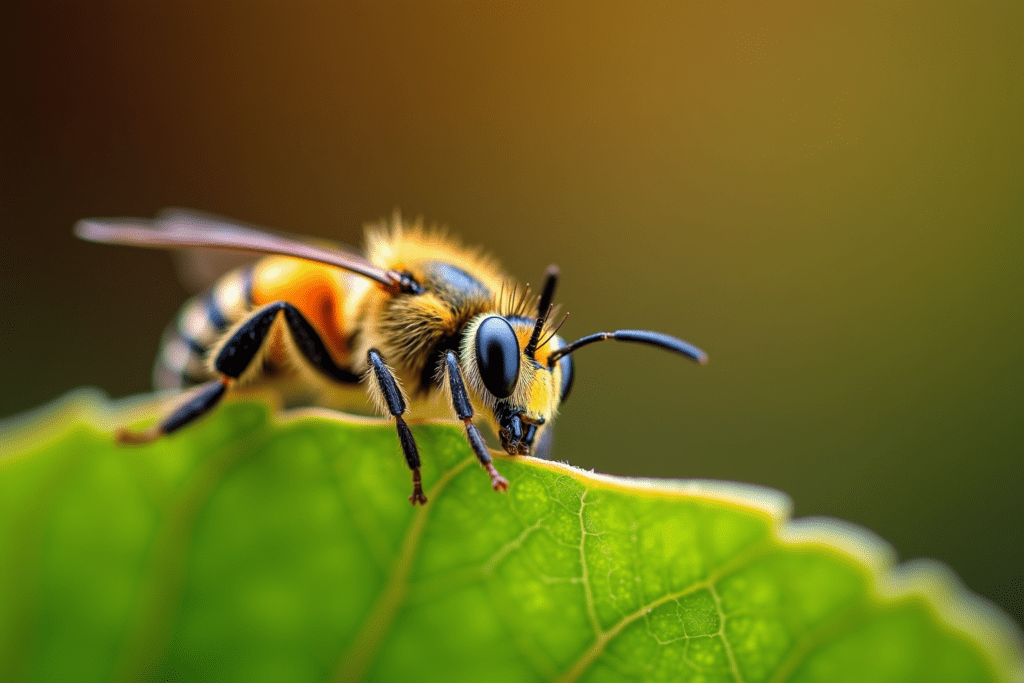
If you are fighting powderpost beetles, the treatment that actually works is a borate brushed into bare wood, not a can of bug spray. The larvae feed deep inside the wood for months or even years, which is why a surface insecticide never reaches them. A borate, meaning disodium octaborate, soaks into unsealed wood and poisons it from the inside out, so the larvae are killed as they eat. The catch is that borates only penetrate bare or unfinished wood, so painted trim and finished furniture need a different plan. In our own basement we keep one gallon of borate concentrate on the shelf, nothing fancier. First, though, confirm the infestation is active, because fresh frass means live beetles while old holes alone mean they are long gone.
The fix is a borate soaked into bare, unfinished wood, because the larvae feed deep inside where surface sprays cannot reach; confirm the infestation is active first, since old exit holes alone mean the beetles already left.
- Do first (free): Confirm it is active by looking for fresh flour-fine frass and new round exit holes, then lower the wood moisture by drying the space out.
- Best for the common case: A borate wood treatment brushed or sprayed onto bare, unfinished wood.
- Skip: Surface bug sprays and foggers; they never reach the larvae feeding inside the wood.
Confirm it is active first
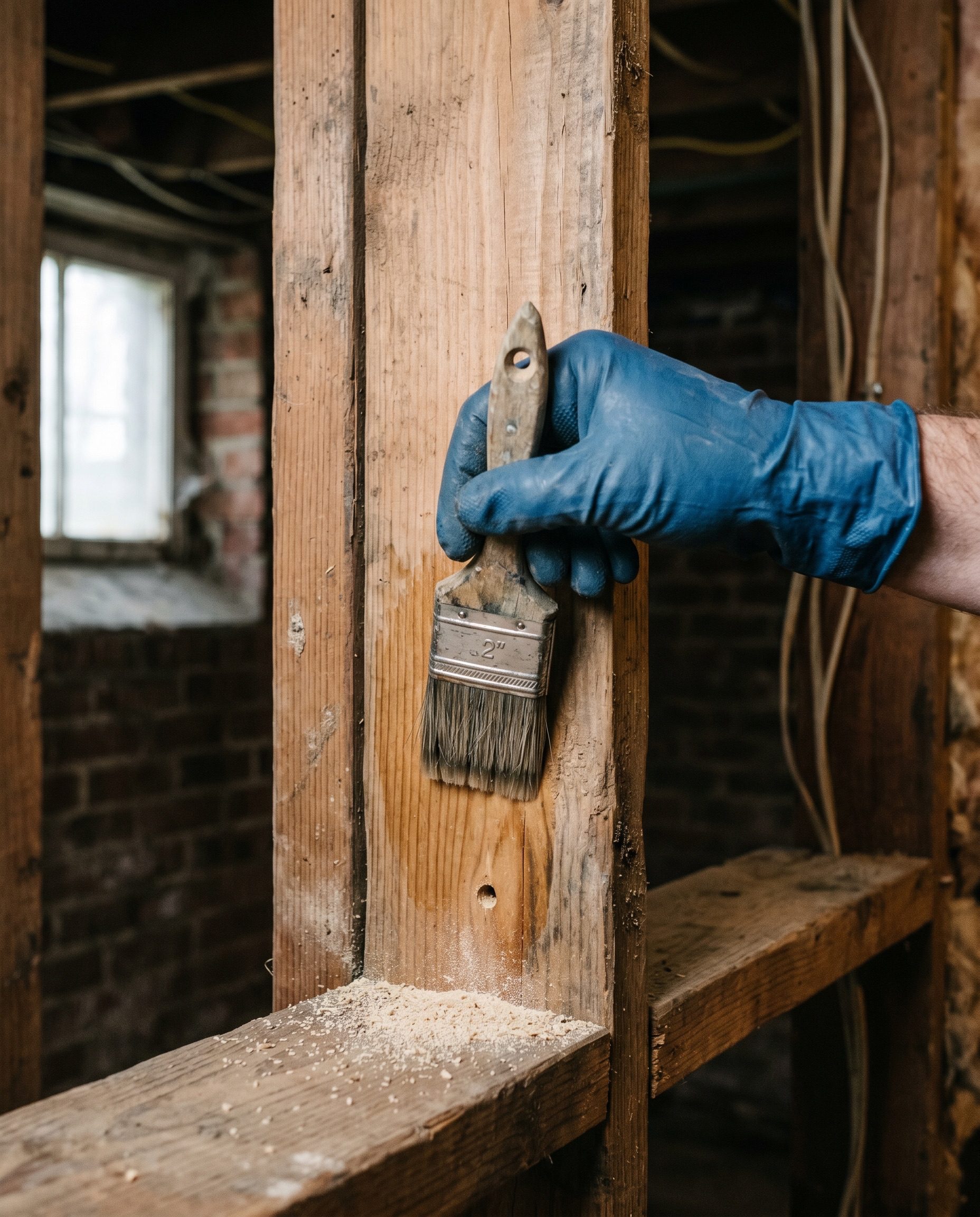
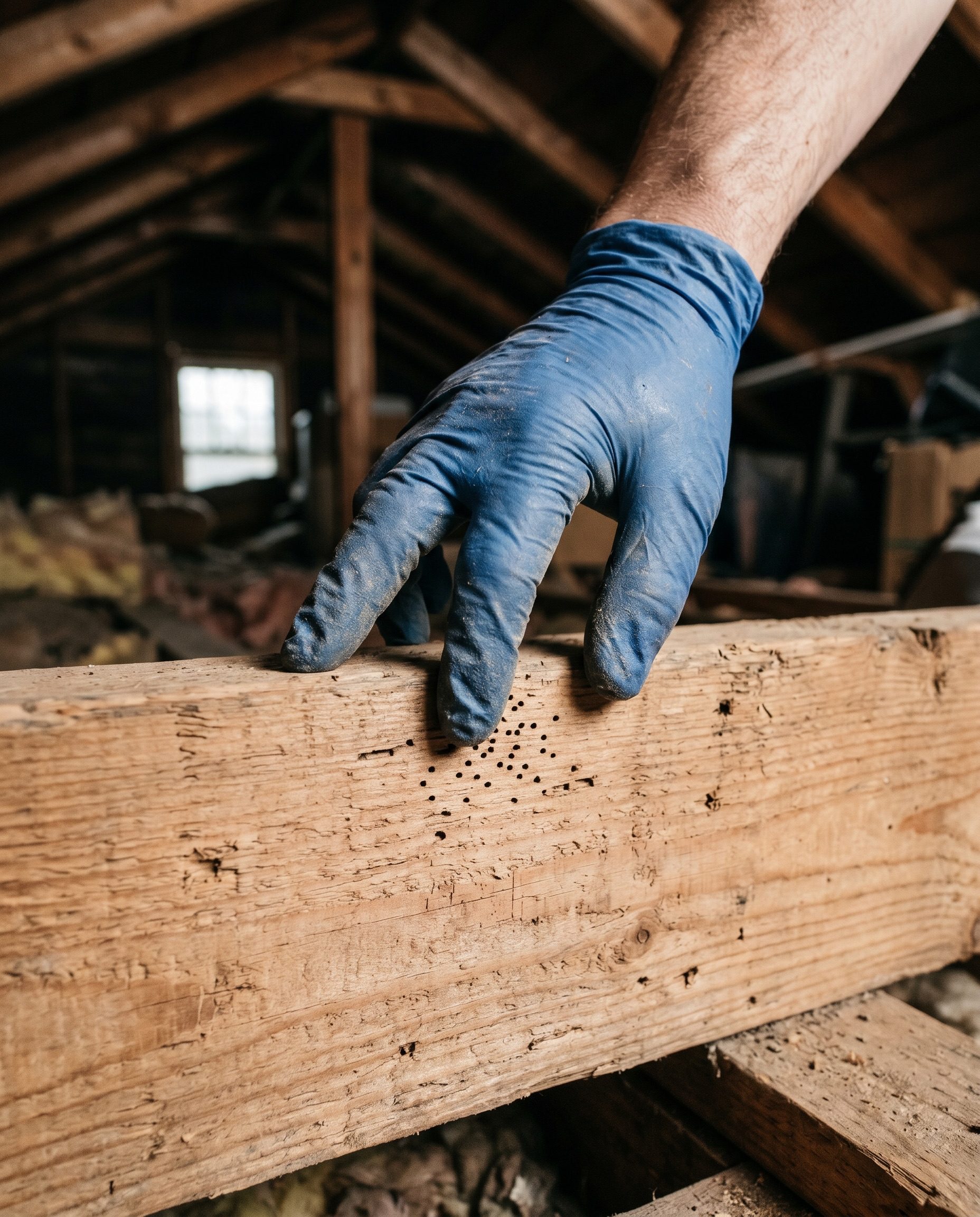
Before you buy anything, settle the only question that decides whether you treat at all: are the beetles still in there. The free test is to look at the holes and the dust. Fresh frass that looks like flour or fine talc, sifting out of small round holes, means live larvae are still feeding. Old exit holes with no new powder usually mean the beetles emerged and left long ago, sometimes years back. The University of Kentucky’s powderpost beetle guidance lays out this active-versus-inactive distinction, and it is the single most useful thing to get right before spending a dollar.
A quick trick: wipe the suspect wood clean, mark the date, and check back in a week or two. New piles of fine powder beneath the holes confirm an active infestation, while a clean surface points to old, dead-out damage. The Iowa State Extension page on powderpost beetles describes the same frass-and-hole inspection, and our walkthrough on how to get rid of powderpost beetles covers it step by step. Treat only if it is active, because treating abandoned damage spends effort on a problem that already solved itself.
Why surface sprays do nothing
Here is the part most product lists skip. Powderpost beetle larvae spend nearly their whole life cycle tunneling inside the wood, chewing it into the powder that gives them their name, and they only break the surface once as adults to fly out. A spray sitting on top of the wood never touches a larva buried a quarter inch down. You can empty a whole can onto an infested beam and the grubs inside keep eating, which is why people treat, see new holes the next season, and assume nothing works.
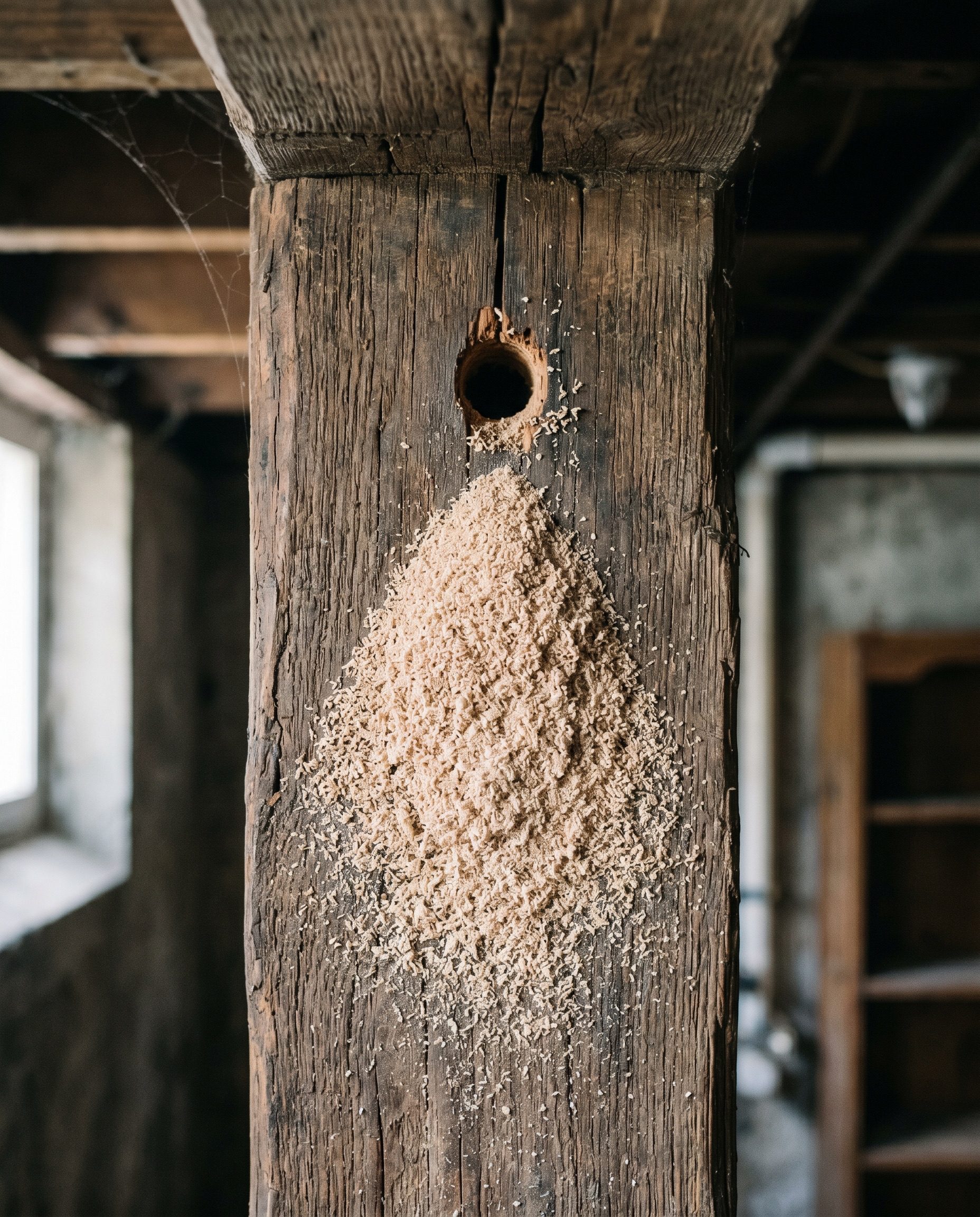
What does work is a treatment that gets into the wood itself, and that is a borate. Disodium octaborate dissolves in water and wicks deep into bare wood fibers, leaving the wood toxic to anything chewing it. The UC IPM Pest Notes on wood-boring beetles in homes point to borate treatment of bare wood as the practical homeowner approach for an active, accessible infestation. Borates only penetrate unfinished or unsealed wood, though, so a painted baseboard, a varnished antique, or a sealed hardwood floor blocks the chemistry. Finished furniture is a different problem, often handled by stripping a section, by freezing a small piece, or by a licensed pro for anything valuable. Knowing the species also helps you judge urgency, and our note on telling powderpost beetles from termites sorts out the look-alikes.
Match the treatment to the wood
Once you know it is active and you know whether the wood is bare, the product choice is short. Decide by two things: is the surface unfinished, and do you want a concentrate you mix or a formula ready to brush on.
| Treatment | Best for | Watch-out |
|---|---|---|
| Borate concentrate (mix yourself) | Larger bare-wood areas like joists, subfloor, and framing | You mix it; only soaks into unfinished wood, not painted or sealed |
| Borate powder or dust | Bare wood, plus use as a dust, liquid, or foam in voids | Will not penetrate a finished surface; confirm the infestation is active first |
| Ready-to-use borate | Small bare-wood jobs with no mixing | Still bare-wood only; you can paint or seal it after it dries |
Why not just grab the strongest thing on the shelf? Because the limiting factor is not strength, it is penetration. A borate is only as good as the bare wood it can soak into, so the smartest move before treating is to lower the moisture and dry the space out, since damp wood both attracts egg-laying females and slows your control. The University of Kentucky guidance ties powderpost beetle activity to wood moisture, which is why a dehumidifier or better crawlspace ventilation is part of the real fix, not a footnote.
How to apply it safely
Get the wood bare, then get the borate into it. Sand off any finish on the area you can reach, brush or spray the borate solution onto the unsealed wood until it stops absorbing, and let it dry fully before you paint or seal over it. Two coats on raw wood beats one heavy coat that just runs off. For a concentrate, mix and apply only at the label rate, because under federal law the product label is the law and the EPA’s safe pest control guidance leans on least-toxic, label-driven use. Do not invent your own stronger mix.
Treat the product as the pesticide it is. Keep children and pets off treated wood until it is completely dry, do not let borate solution contaminate food-prep surfaces, and ventilate enclosed crawlspaces while you work. If someone is exposed, contact a doctor or your local poison control center. One honest limit: structural timber that is badly weakened, crumbling, or load-bearing is not a DIY borate job. When a joist flexes, sounds hollow, or sheds powder along its length, bring in a licensed pest professional who can assess the structure and decide whether fumigation or replacement is needed. The same goes for valuable antiques, where a wrong move ruins the piece.
The picks
Cards come after the analysis on purpose, because the wood decides which one you buy. All three below are borate wood treatments built for bare, unfinished wood, and each fits a slightly different job.
InsectoGuide is reader-supported. As an Amazon Associate we earn from qualifying purchases at no extra cost to you.
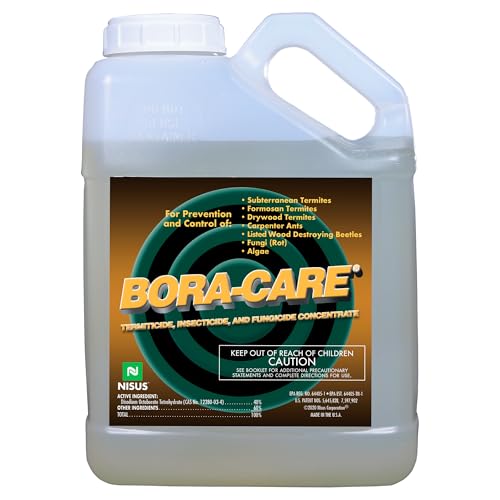
A borate concentrate for larger bare-wood areas like joists and framing.
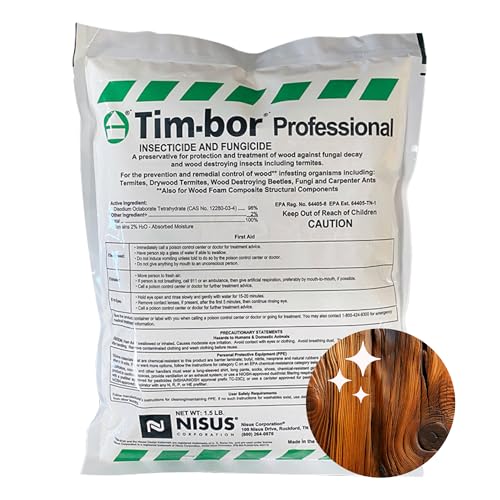
A flexible borate you can apply as a dust, liquid, or foam on bare wood.
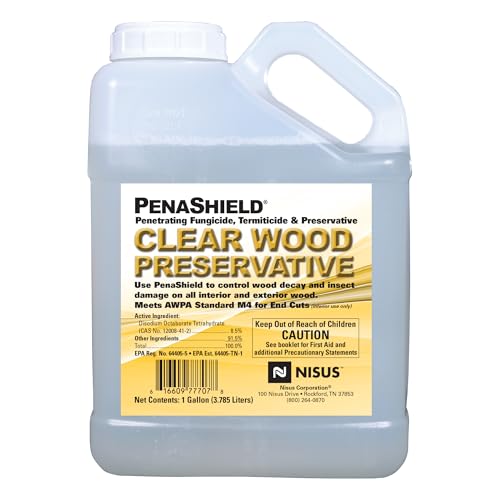
A no-mixing borate for small bare-wood jobs you want to seal afterward.
Common questions
Do surface bug sprays kill powderpost beetles?
No, not where it counts. A surface spray only contacts adults out in the open, while the larvae doing the damage are buried inside the wood for months or years. To reach them you need a borate that soaks into the bare wood itself, so the larvae are poisoned as they feed.
How do I know the infestation is still active?
Look for fresh, flour-fine frass and new round exit holes. Wipe the wood clean, mark the date, and check back in a week or two; new piles of powder mean live beetles, while a clean surface means old, abandoned damage. The University of Kentucky guidance walks through this active-versus-inactive check.
Can I treat finished furniture or painted trim with a borate?
Not directly. Borates only penetrate bare, unfinished wood, so a finish or paint blocks the chemistry. For finished pieces you would need to strip the area, or use freezing or another method, and for anything valuable it is worth asking a licensed pro before you risk the piece.
Does lowering wood moisture really matter?
Yes. Damp wood attracts egg-laying females and supports larvae, so drying the space out is part of the fix, not an afterthought. The Iowa State Extension page ties powderpost beetle activity to moisture, and the same drying-and-housekeeping logic that helps with preventing carpet beetles and fabric pests keeps wood-borers from settling in.
When should I stop DIY and call a professional?
When the wood is structural and badly weakened, or the piece is a valuable antique. If a joist flexes, sounds hollow, or sheds powder along its length, a borate brush job is not enough; bring in a licensed pest professional to assess the structure and decide on fumigation or replacement.
Final verdict
There is no spray-and-walk-away fix for powderpost beetles, because the larvae live inside the wood where a surface product never reaches. Confirm it is active first, with fresh flour-fine frass and new exit holes, then dry the space out to take the moisture away. For the common case, the treatment that earns its place is a borate brushed or sprayed into bare, unfinished wood, whether you choose a concentrate, a powder, or a ready-to-use formula. Skip the bug sprays and foggers entirely; they cannot touch what is buried in the grain. And when the timber is structural and crumbling, or the piece is a treasured antique, hand it to a licensed professional rather than guessing.