
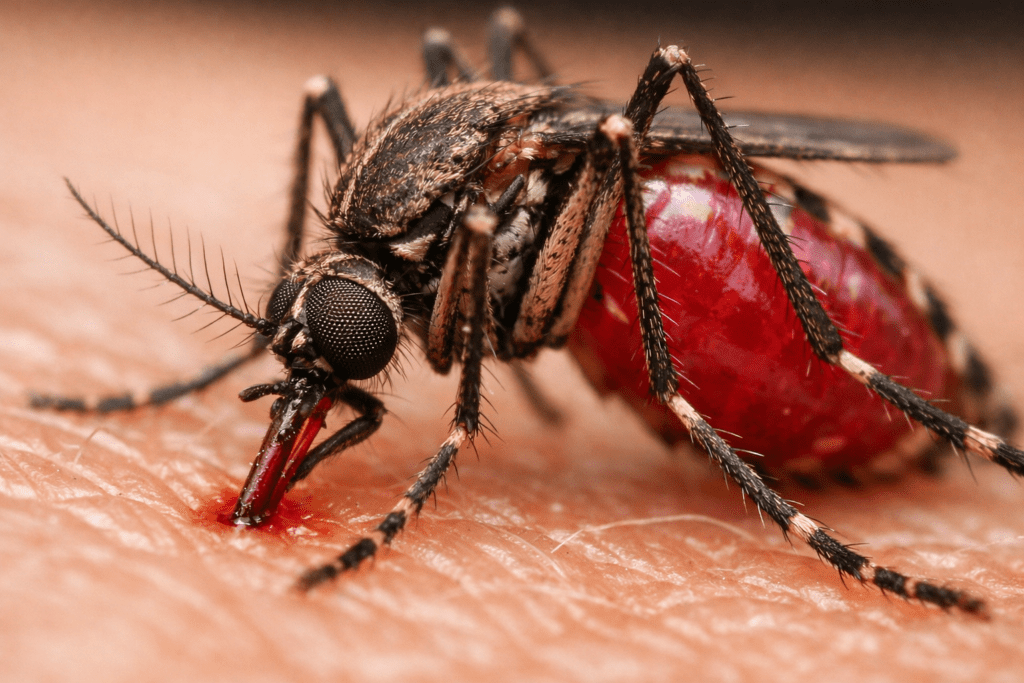
Three bites get blamed on each other all the time, but they leave different evidence. A mosquito bite is a soft, round, raised welt that itches almost immediately and usually flattens out in a day or two. A no-see-um bite, from a tiny biting midge, is a small, hard, fiercely itchy red bump that often shows up in clusters where your clothing was loose, and it can stay sore for days. The bites people pin on gnats are usually from black flies, which leave a bleeding pinprick and a puffy swelling. Where and when you were bitten settles most arguments, because a cloud of welts near water at dusk points straight to no-see-ums.
Read the welt and the setting: soft and round that fades fast is a mosquito; small, hard, and intensely itchy in clusters near water at dusk is a no-see-um; a bleeding pinprick with swelling is usually a black fly, not a gnat.
- Mosquito: Soft round welt, itches right away, gone in a day or two.
- No-see-um: Small hard bump, brutal itch for days, clustered where clothes were loose, near damp ground or water at dawn and dusk.
- What helps most: Prevention beats any cream, so cover up, use an EPA-registered repellent, and treat clothing with permethrin.
Read the welt first
The fastest tell is what the bite actually looks and feels like. A mosquito welt is soft, round, and puffy, the kind you can press flat for a second before it springs back, and the itch arrives within minutes. It tends to be a single welt here and there rather than a tight cluster, and for most people it calms down inside a day or two.
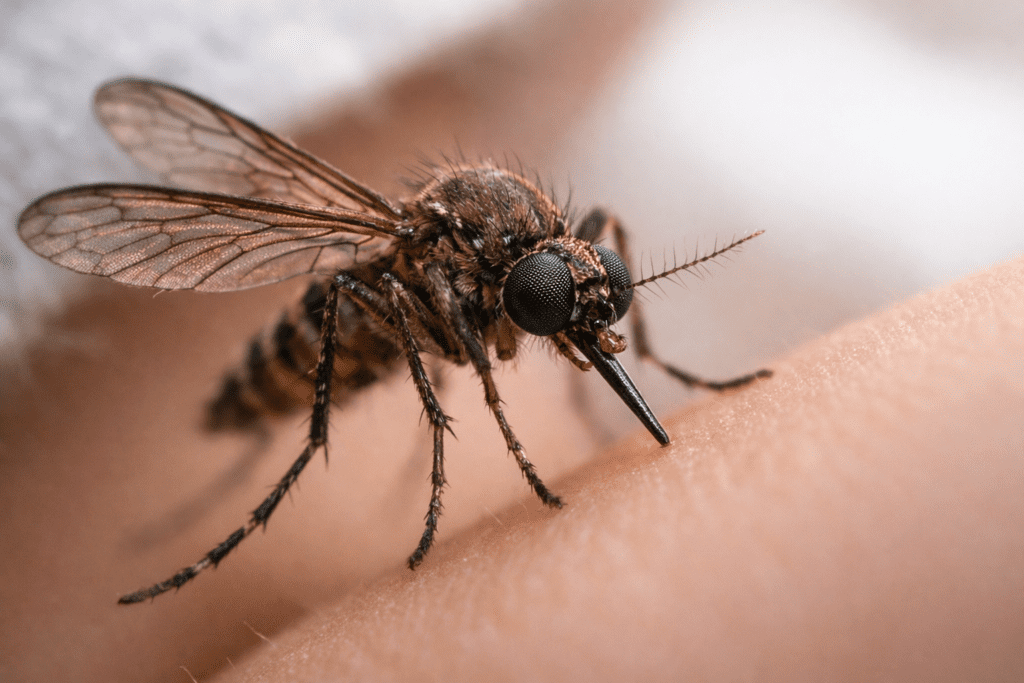
A no-see-um bite reads differently under your fingertip. It starts as a small, hard, red bump that itches out of all proportion to its size, and the itch can build over hours and hang around for days. Because the midge is barely visible, people often do not feel the bite happen and only notice the welts later, which is part of why these get misread as a mystery rash.
Black flies, the insects most people call gnats when they bite, leave a different mark again. The bite is a true wound, so you often see a tiny bleeding pinprick at the center with swelling around it, sometimes more puffy than itchy. If a bite bled a little and then swelled, that points away from both the mosquito and the midge.
Where and when you got bitten
The setting is often more reliable than the welt, because each of these has a schedule and a habitat. No-see-ums are weak fliers that swarm at dawn and dusk near damp soil, marsh edges, ponds, and the coast, and they breed in moist muck. If you got peppered with bites at a lakeside cookout as the sun dropped, the midges are the obvious suspect.
Mosquitoes overlap with that dusk window but range much wider, and they will follow you indoors and bite through a still evening on the patio. Black flies flip the clock: they are daytime biters that hunt near moving water like streams and rivers, so a cluster picked up on a midday hike along a creek fits them, not the midge.
There is one more clue people miss. No-see-ums are small enough to slip through ordinary window screens and to crawl under loose clothing, so their bites often cluster at the ankles, waistband, and collar where fabric gapped. A neat band of welts along a sock line is a midge signature, not a mosquito one.
The cluster-where-clothes-gapped clue
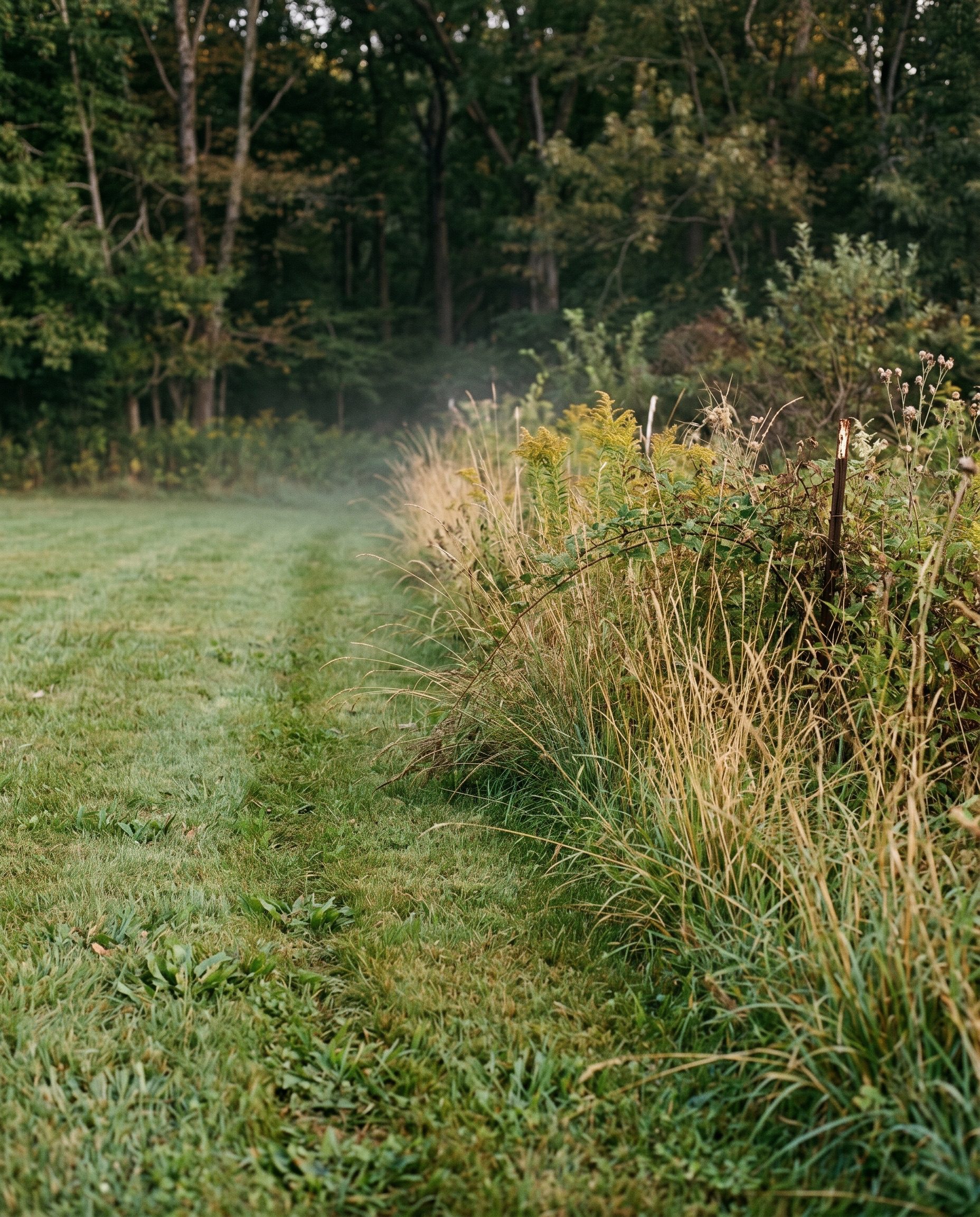
When several itchy bumps line up along the edge of where your clothing sat, that pattern alone narrows it down. No-see-ums are tiny enough to work their way under a loose cuff or collar, so you end up with a row of welts at the ankle, the wrist, or the waist rather than the scattered hits a mosquito leaves on exposed skin.
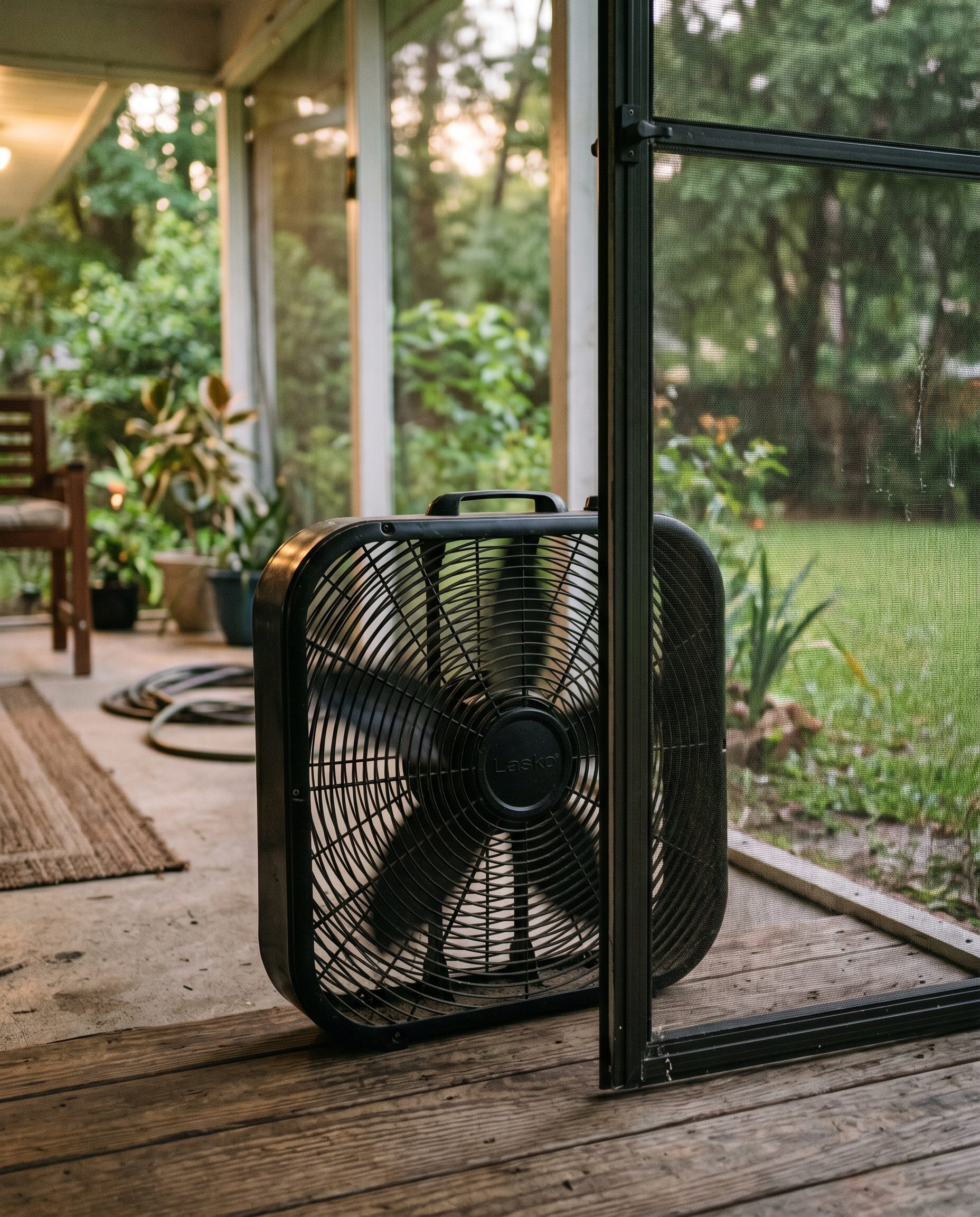
This is also why the standard window screen does not save you from them. Midges pass through standard mesh, so a porch can fill with them at dusk while the mosquitoes stay out. If midges are a regular problem, a finer mesh screen plus a box fan does more than any spray, since these insects are weak fliers and a steady breeze keeps them off you. Our guide to getting rid of no-see-ums walks through the screen and airflow fixes in detail.
| Feature | What it looks like | When and where |
|—|—|—|
| Mosquito | Soft round welt, fast itch, fades in 1 to 2 days | Dusk into night, wide range, follows you indoors |
| No-see-um (biting midge) | Small hard bump, days-long itch, clusters where clothes gapped | Dawn and dusk near damp ground or water |
| Black fly (the “gnat”) | Bleeding pinprick with swelling, more puffy than itchy | Daytime near moving streams and rivers |
When a bite needs more than a cream
Most of these bites are normal and settle on their own, and the signs that change the plan are specific. The bite itself is your immune system overreacting to insect saliva, not an infection, so the baseline plan is calm home care. Wash the area with soap and water, use a cold compress for the swelling, and reach for an over-the-counter anti-itch cream or an oral antihistamine if the itch is keeping you up. Follow the product label for how to use any of these rather than guessing at an amount, and skip the folk tricks, because there is no live bug to suffocate under nail polish.
A few signs mean you should stop home care and see someone. Spreading redness, warmth, pus, or a fever in the days after a bite can be a skin infection rather than a normal reaction, and that is a reason to contact a clinician. The CDC’s overview of the CDC’s guidance on preventing insect bites also explains why reducing bites in the first place lowers your exposure to the diseases some mosquitoes can carry.
A severe allergic reaction is the real emergency. Get emergency medical help right away for trouble breathing, swelling of the throat or tongue, dizziness or fainting, or hives spreading quickly, and use an epinephrine auto-injector if one has been prescribed. This is rare with these bites, but it is the one situation where you do not wait. For day-to-day soothing of the itch itself, our guide to treating no-see-um bites covers the gentle steps in order. None of this is a substitute for medical advice; use it to know when home care is fine and when it is not.
How to get bitten less next time
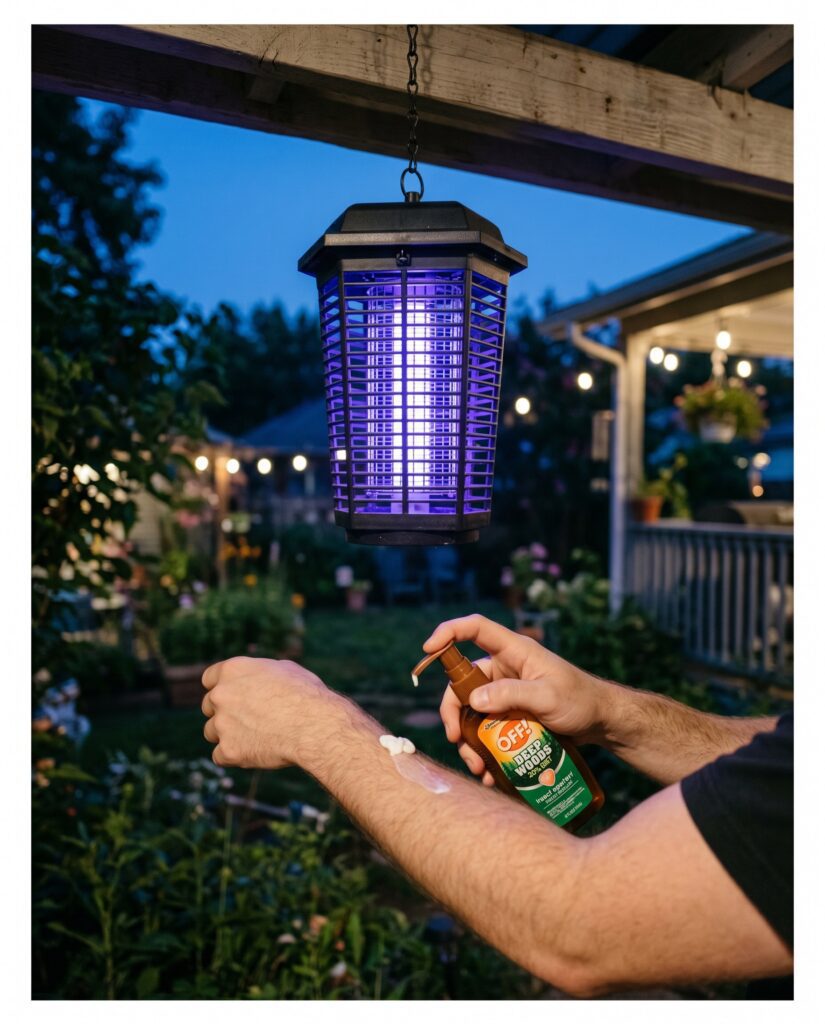
Prevention does more here than any after-the-fact remedy, and it starts with skin and clothing. Cover up at dawn and dusk, and use an EPA-registered repellent like picaridin, DEET, or oil of lemon eucalyptus on exposed skin per the label. Repellent on skin handles the bug that lands on you, but it is only half the defense.
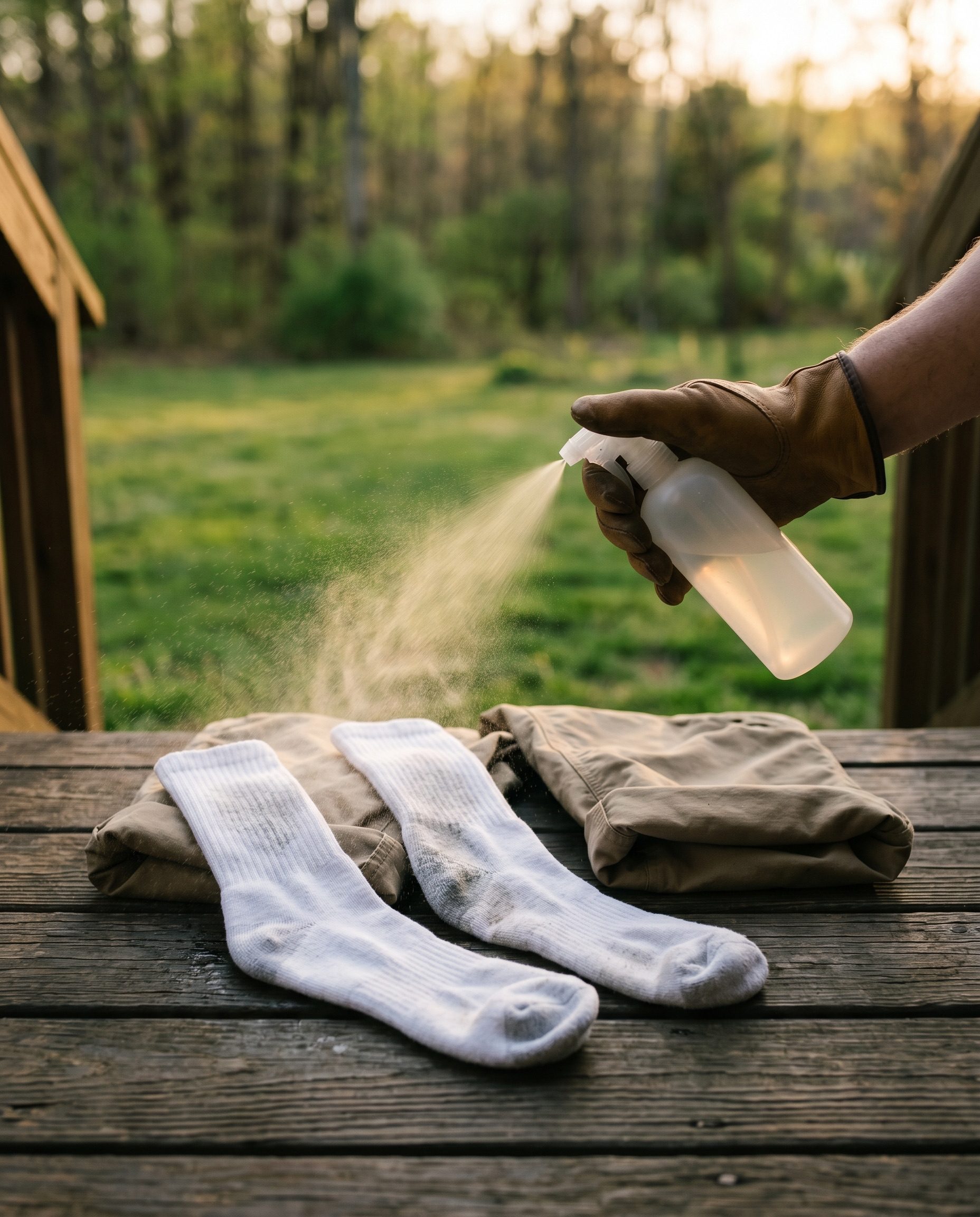
The other half is your clothing. You can treat socks, cuffs, and waistbands by treating clothing and gear with permethrin rather than skin, which is the right call because permethrin is a clothing and gear treatment, never a skin product. Let it dry fully before you wear the items, and keep treated clothing away from cats while it is still wet, since it is toxic to them until it dries.
Around the house, the fix is habitat and airflow. Reducing the damp muck and standing water where midges and mosquitoes breed cuts the local population, which is the least-toxic, habitat reduction and least-toxic, label-first pest control approach. Add fine-mesh screens and a fan on the porch for midges, and you have addressed the bite before it happens. If you are shopping for skin protection, our roundup of no-see-um repellents sorts the options.
Common questions
Why does a no-see-um bite itch so much more than a mosquito bite?
The intense, days-long itch is your immune system reacting to the midge’s saliva, and that allergic response tends to ramp up over hours rather than peaking right away like a mosquito welt. The bump stays small and hard, but the itch is out of proportion to its size. Wash early, use a cold compress, and an anti-itch cream or oral antihistamine per the label can take the edge off.
Are these gnat bites actually from gnats?
Usually not. Most of the tiny fungus gnats and fruit flies people see around plants and kitchens do not bite at all. The bug leaving a bleeding pinprick that people call a gnat bite is almost always a black fly, which is a different insect with daytime habits near moving water.
Can I tell the bites apart just by the welt?
Often, but not always. The welt plus the setting is the reliable combination. A soft round welt that fades fast is a mosquito; a small hard bump clustered where clothes gapped near water at dusk is a no-see-um; a bleeding, swollen pinprick from a daytime stream walk is a black fly.
Will a regular window screen keep no-see-ums out?
No. Biting midges are small enough to pass through standard screen mesh, which is why a porch can fill with them while mosquitoes stay out. You need a finer mesh, and a box fan helps because these are weak fliers that a steady breeze keeps away.
When should I see a doctor for any of these bites?
See a clinician if you get spreading redness, warmth, pus, red streaks, or a fever, since those can signal a skin infection rather than a normal bite. For trouble breathing, throat or tongue swelling, dizziness, or fast-spreading hives, treat it as an emergency, get help right away, and use prescribed epinephrine if you have it.
Final verdict
You can usually settle the no see um bites vs mosquito question without ever catching the insect in the act. Read the welt and read the room: a soft round welt that itches fast and fades in a day or two is a mosquito; a small hard bump with a brutal days-long itch, clustered where your clothing gapped near damp ground at dusk, is a no-see-um; and a bleeding pinprick with swelling from a daytime walk near moving water is the black fly people call a gnat. Treat all three the same gentle way at home, watch for the red flags that mean infection or an allergic reaction, and lean on prevention, because covering up, an EPA-registered repellent, and permethrin-treated clothing stop more bites than any cream ever will.
This article is for information only and is not medical advice.
Pingback: Types of Midges and Biting Flies: What Bit You Outdoors