Every fall the same scene plays out. Someone carries an armload of split oak to the hearth, a beetle wanders off a log an hour later, and by bedtime they are searching whether their house is about to be eaten from the inside. Take a breath. The insects that ride in on firewood are wood-dwellers and bark-hiders that need moist, bark-covered wood, and the dry lumber holding up your walls is a desert to them. The real work happens at the woodpile, not with a spray can, and one spray decision in particular can turn your fireplace into a health hazard.
Bugs in firewood are mostly wood borers and bark shelter-seekers that cannot infest the dry structural lumber in your home. Anything that wakes up in a warm room dies without reproducing, so the fix is storage habits, not panic.
- The three rules: Stack wood off the ground and away from the house, burn the oldest wood first, and bring in only what you will burn that day.
- Never do this: Do not spray firewood with insecticide. Burning treated wood releases the chemical into your living room air.
- The one real exception: Carpenter ants and termites can colonize wet, ground-contact woodpiles, so a pile leaning against your siding is the actual risk, not the log on your hearth.
What actually lives in a woodpile
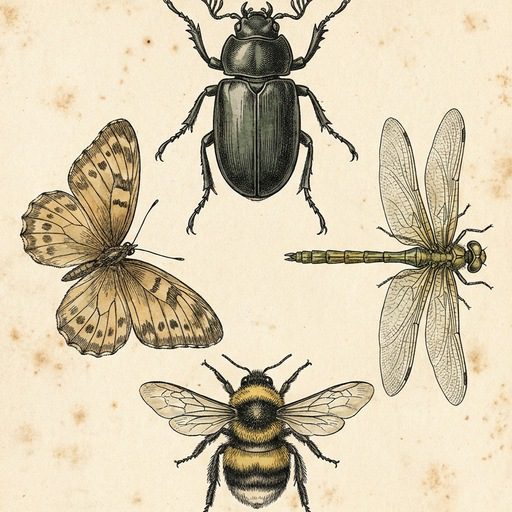
A seasoned woodpile hosts two very different crowds, and knowing which one you are looking at settles most of the worry. The first is the true wood-infesting insects, mostly beetles. The University of Kentucky’s firewood insects fact sheet lists roundheaded wood borers, flatheaded wood borers, and powderpost beetles as the usual residents, larvae that spent months or years tunneling inside the log before you split it. They were in the tree, not your house, and the sawdust under stacked logs is their leftovers.
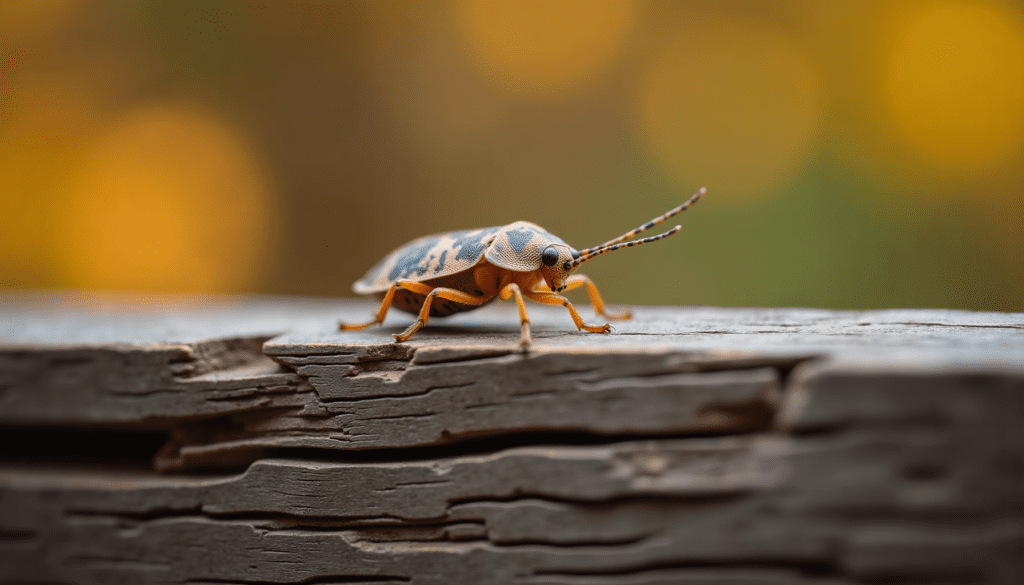
The second group never eats wood at all. Loose bark and hollow ends are prime overwintering real estate, so shelter-seekers move in as nights cool: wood cockroaches, overwintering wasp and hornet queens, moth cocoons, praying mantid egg cases, and spider egg sacs tucked under bark flaps. Ground-level logs also shelter hunters like wolf spiders, which the Missouri Department of Conservation’s wolf spider guide describes as burrowing under flat rocks and logs, and whose bites it calls harmless. To all of these animals your woodpile is a roof for the winter, nothing more.
Why firewood borers cannot eat your house
Here is the anti-panic fact that should headline every firewood article. The University of Kentucky is direct: the potential for firewood insects to infest the structural wood of a house is very low. Wood borers are picky. Most need a specific kind of wood, often hickory or oak with the bark still on, and all need far more moisture than they will ever find indoors.
Think about what your framing lumber actually is. It was kiln-dried at the mill, has no bark, and has spent years inside a heated, ventilated structure. Its moisture content is a fraction of what a borer larva needs to survive, let alone what a female needs before she will lay eggs. A borer that emerges by your fireplace has parachuted into a desert. It may buzz at a window for a day or two, then it dies, having found nothing it can use in your home. The infestation stays in the log it came in with, and burning the log sends the problem up the chimney.
Carpenter ants and termites: the wet wood exception
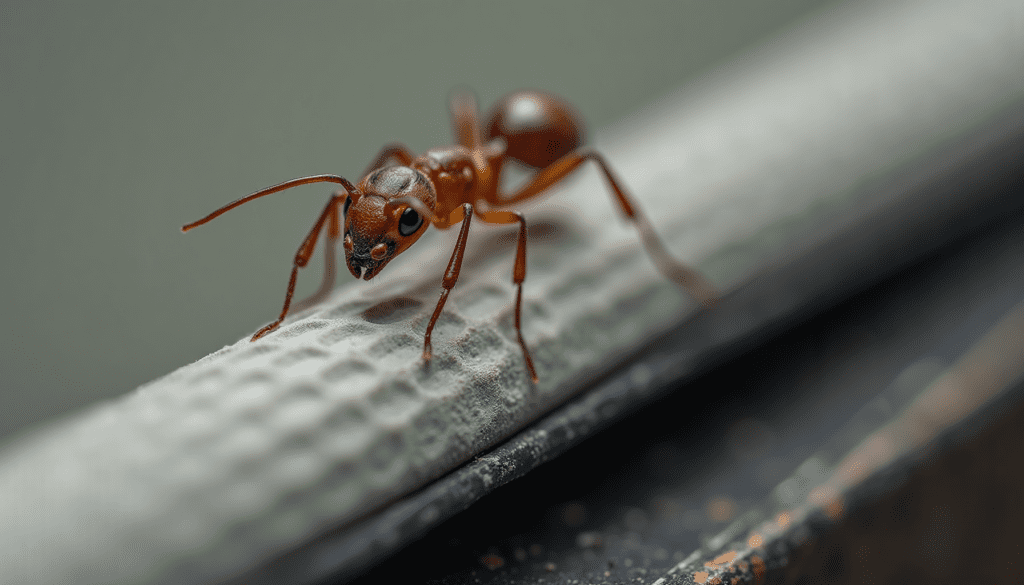
There is one honest caveat, and it lives outside your house. A pile stacked directly on soil, pressed against the siding, and left for a couple of seasons can be colonized by carpenter ants or termites, because moisture is the ingredient that makes wood habitable for both. The Kentucky fact sheet gives the tell-tale signs: termites build mud tunnels through the wood they attack, while carpenter ant galleries are smooth and almost polished, with no mud and no packed sawdust.
Even then, the individual insects you carry inside on a log are not a threat. Scattered workers cannot found a colony indoors. The risk is different: a long-standing wet woodpile against the foundation gives an outdoor colony a sheltered bridge to your structure. If you tear into a pile and find mud tubes running toward the house, that is the moment to have a licensed pest control professional inspect the structure, because a real termite question deserves trained eyes rather than a guess.
The storage rules that do the real work
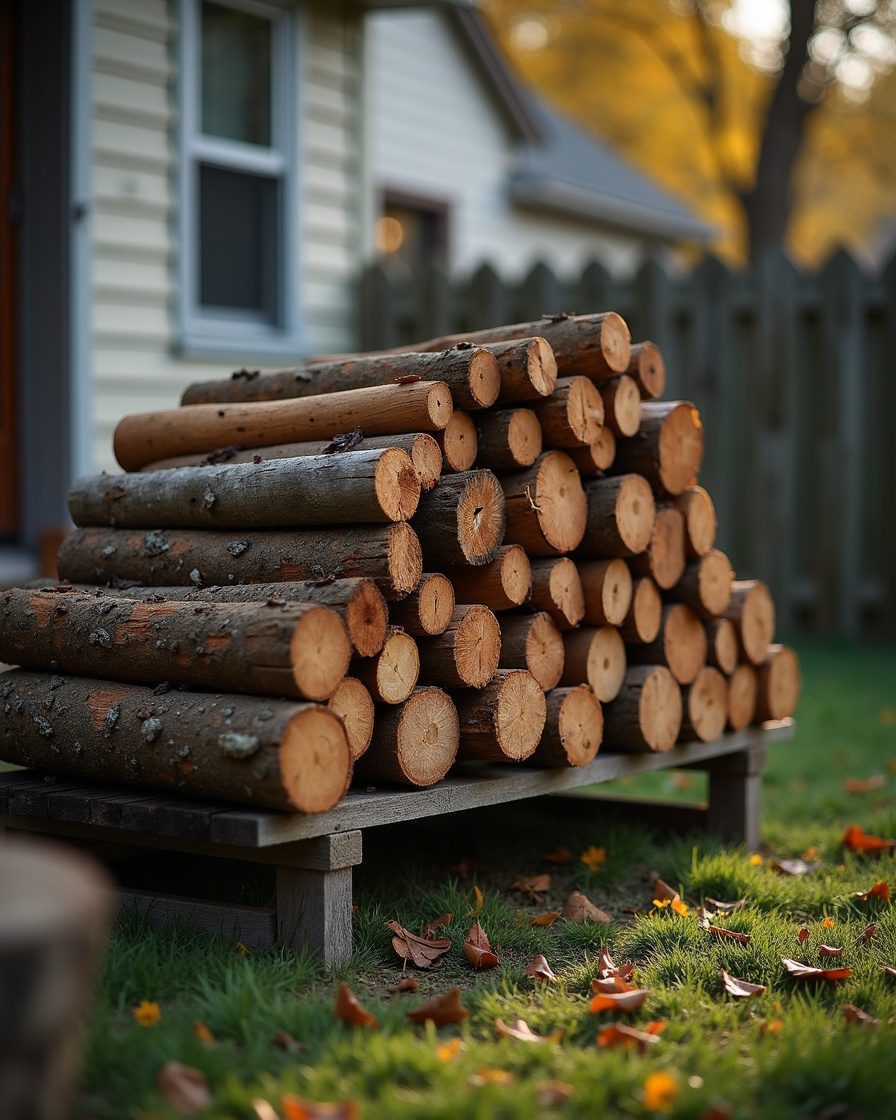
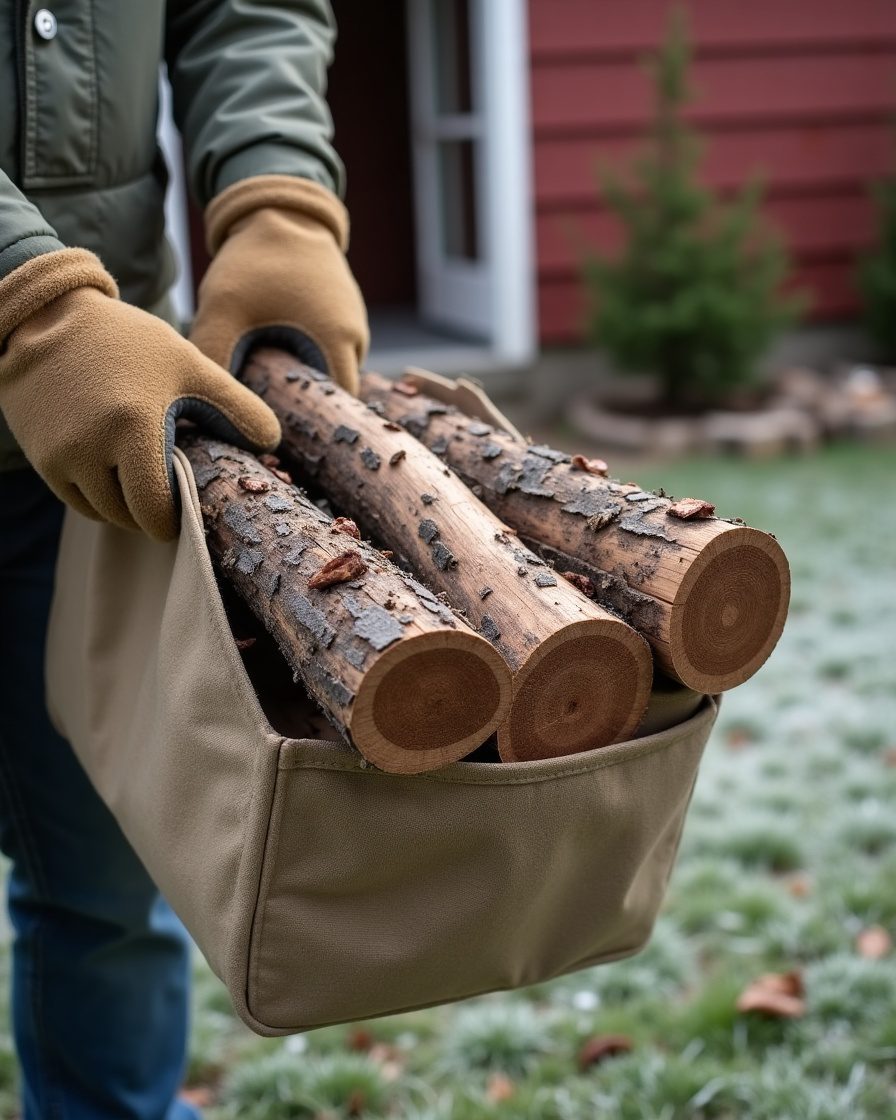
Everything above points to the same playbook, and it costs almost nothing. The Kentucky guidance boils down to a few habits: stack wood off the ground on a rack so it stays dry, keep the pile away from the house instead of hugging the siding, cover the top through summer and fall, and always burn the oldest wood first so nothing sits long enough to become a colony. Before a log crosses your threshold, give it a sharp knock to dislodge whatever is loafing under the bark.
The most effective indoor rule is also the simplest: bring in only the wood you will burn that same day, and keep it in the coolest spot available until it goes on the fire. Bark insects are dormant because they are cold. A log that sits in a warm room for a week is a log with an alarm clock; a log that goes from cold rack to fire within hours gives its passengers no time to stir.
| Rule | Why it works |
|---|---|
| Stack off the ground, away from the house | Keeps wood dry and denies carpenter ants and termites a moist, sheltered colony site next to your foundation |
| Burn the oldest wood first | Nothing sits long enough for borers or ants to build up |
| Knock logs together before carrying them in | Dislodges bark shelter-seekers at the pile instead of on your carpet |
| Bring in only a day’s supply | Dormant insects stay dormant; nothing warms up long enough to emerge |
The woodpile rules pair naturally with sealing the house itself, since the same cool weeks send every fall invader toward your warm walls. The University of Kentucky’s pest-proofing guidance puts numbers on it: a gap of one sixteenth of an inch admits insects, and a quarter inch is enough for a mouse. Door sweeps, caulk, and sealed utility penetrations close those doors, and our step-by-step fall pest-proofing walkthrough covers the whole exterior in one weekend pass.
Never spray firewood, and what to do instead
This is the rule that outranks all the others, because getting it wrong moves the hazard from the woodpile into your lungs. Do not treat firewood with insecticide. The University of Kentucky’s firewood fact sheet states it flatly, and the reason is chemistry: when treated wood burns, the pesticide rides the smoke and fumes into the room where your family is sitting. No consumer insecticide label lists firewood as an approved use, and the EPA’s consumer pest control guidance rests on the principle that a pesticide may only be used as the label directs. An unlabeled use is illegal and, here, genuinely dangerous.
The itch to spray usually comes from spotting sawdust or a beetle on a stored log, and the spray would not help anyway. The insects are inside the wood where surface treatments do not reach, and the ones outside are transients. Storage habits and exclusion do everything a spray pretends to do, without the exposure. If firewood is your gateway worry into the broader autumn invasion, our guide to pest-proofing your home against fall invaders shows how one sealing effort handles lady beetles, crickets, and stink bugs at once.
When the woodpile feeds mice instead of the fire
Not everything in a woodpile has six legs. A dry, covered stack with hollow gaps between logs is textbook rodent harborage, and a pile against the house puts it a few feet from your kitchen. The UC IPM Pest Note on house mice notes that a mouse squeezes under a gap a quarter inch tall, which is why it leans so hard on sealing openings with wire screen or coarse steel wool and removing shelter near buildings. Moving the pile off the ground and away from the wall removes the nest site, not just the bug hotel.
If mice have already found the pile and then the house, trapping is the right first move. UC IPM calls trapping a great first step for most situations, and it avoids the ugliest failure mode of poison baits: rodenticides can pass through the food chain, so an owl or a family dog that eats a poisoned mouse can be poisoned in turn. That is why baits belong only in tamper-resistant bait stations out of reach of children, pets, and wildlife. Our guide on how to get rid of mice covers trap choice and placement, and the companion piece on mouse-proofing your home covers the sealing side. Two more cautions: clean droppings with a disinfectant-dampened paper towel rather than dry sweeping or vacuuming, since stirring dried droppings into the air is the exposure route health agencies warn about, and if the animal in your woodpile is a squirrel, raccoon, or bat, stop and call a licensed wildlife control operator instead of handling it yourself.
What crawls out in a warm room, and why it dies there
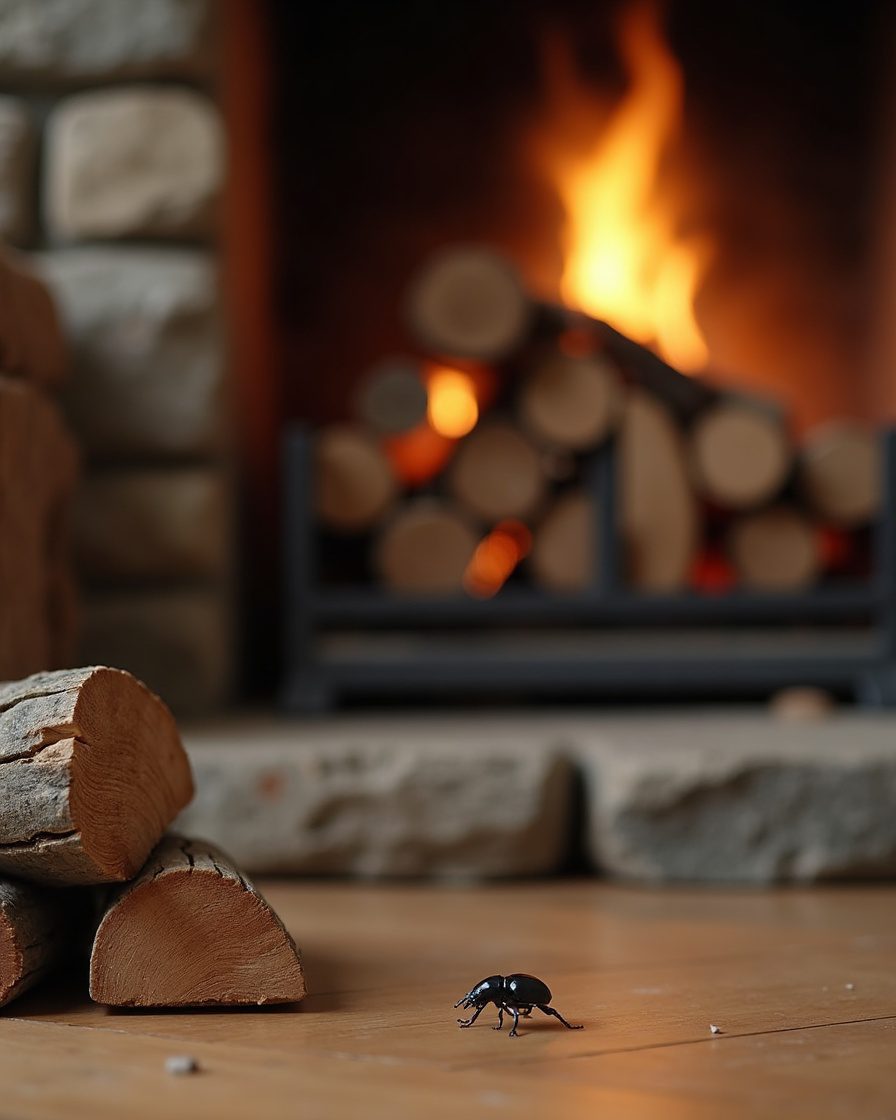
So a log sat by the stove overnight and something emerged. Warmth tells every dormant passenger that spring has arrived, so bark dwellers wake and wander toward light, usually a window. The Kentucky fact sheet is reassuring about what happens next: these insects will not multiply or become established in the home, and can simply be swatted or vacuumed up as they appear. A wood cockroach at the window is not the start of a roach problem, because unlike kitchen-infesting species it cannot breed in the dry indoor world.
The same logic applies to the classic fall invaders that hide in bark and wall voids alike. The University of Kentucky’s Asian lady beetle fact sheet notes that beetles appearing in a warm room in late winter are the same individuals that tucked themselves away in fall, not a new generation, and that a vacuum removes them without the staining a broom causes. If you are unsure which species you are hosting, our ladybug identification guide sorts the look-alikes. A wolf spider that hitchhiked in on a log deserves the same calm: it is a harmless hunter, and a cup and a piece of paper solve it. If a bite worries you, our explainer on spider bites and when to worry covers the warning signs, and anything with spreading redness, worsening pain, or fever is a question for a clinician, not a search bar.
Common questions
Can bugs from firewood infest my furniture or walls?
It is very unlikely. Firewood borers need moist, often bark-covered wood of particular species, and indoor framing and furniture are far too dry for them to feed or lay eggs in. The realistic worst case is a few beetles at the window that die within days.
Should I spray my firewood or the pile with insecticide?
No, never. Burning treated wood releases pesticide into the room air, and no consumer label lists firewood as an approved surface. Spraying also does not reach the larvae inside the wood. Dry storage, oldest-first burning, and a one-day indoor supply do the job safely.
How long can firewood sit inside before something emerges?
Trouble starts once wood sits in warmth long enough for dormant insects to wake, which can be a matter of days. A day’s supply carried straight from a cold rack to the fire gives passengers no time to stir. If logs must wait, an unheated garage or porch keeps their occupants asleep.
I found sawdust piles under my indoor log rack. Is that an infestation?
That is almost always borer larvae working inside the firewood itself, not your house. Burn that wood promptly and store the rest outdoors. Fine powder coming from furniture or structural wood that never touched the firewood is a separate question worth a professional inspection.
What if I find mud tubes or big black ants in my woodpile?
Mud tubes suggest termites, and clean, smooth galleries suggest carpenter ants. Neither means your house is infested, but both mean the pile has been too wet for too long. Restack it off the ground away from the building, and if tubes run toward the foundation, have a licensed professional inspect the structure.
Final verdict
Firewood pests are a storage problem wearing a scary costume. The borers and bark-sleepers that ride in on a log cannot live in the dry lumber of your home, and whatever emerges in a warm room dies without founding anything. Stack the wood off the ground and away from the house, burn the oldest first, knock each log before it comes in, and bring inside only what the fire will eat today. Save your concern for the two things that earn it: a wet pile against the foundation, which can feed carpenter ants, termites, and mice, and the spray can, which should never touch wood destined to burn.
This article is for information only.