The cat flea does the overwhelming majority of household infestations, and it does them on dogs, cats, rabbits, ferrets and people without much preference. Dog fleas, human fleas and rodent fleas exist and are far rarer than their names suggest. That matters because it makes species identification almost irrelevant: the treatment is the same either way.
- Almost always the cat flea, even when the animal is a dog and even when there is no animal now.
- Species barely changes the plan: treat the animal, then the places it rests, then wait out the pupae.
- Rodent fleas are the exception worth knowing, because they mean a rodent problem rather than a pet one.

This is one of the few identification pages where the honest answer is that identification hardly matters. It is still worth knowing why, because the reason explains several things people find confusing about fleas.
The cat flea, which is nearly all of them
Ctenocephalides felis is the species behind the great majority of domestic flea problems in homes across North America and Europe, and it is not fussy about hosts. It lives on cats, dogs, rabbits, ferrets, and will bite people readily without being able to complete a life cycle on one.
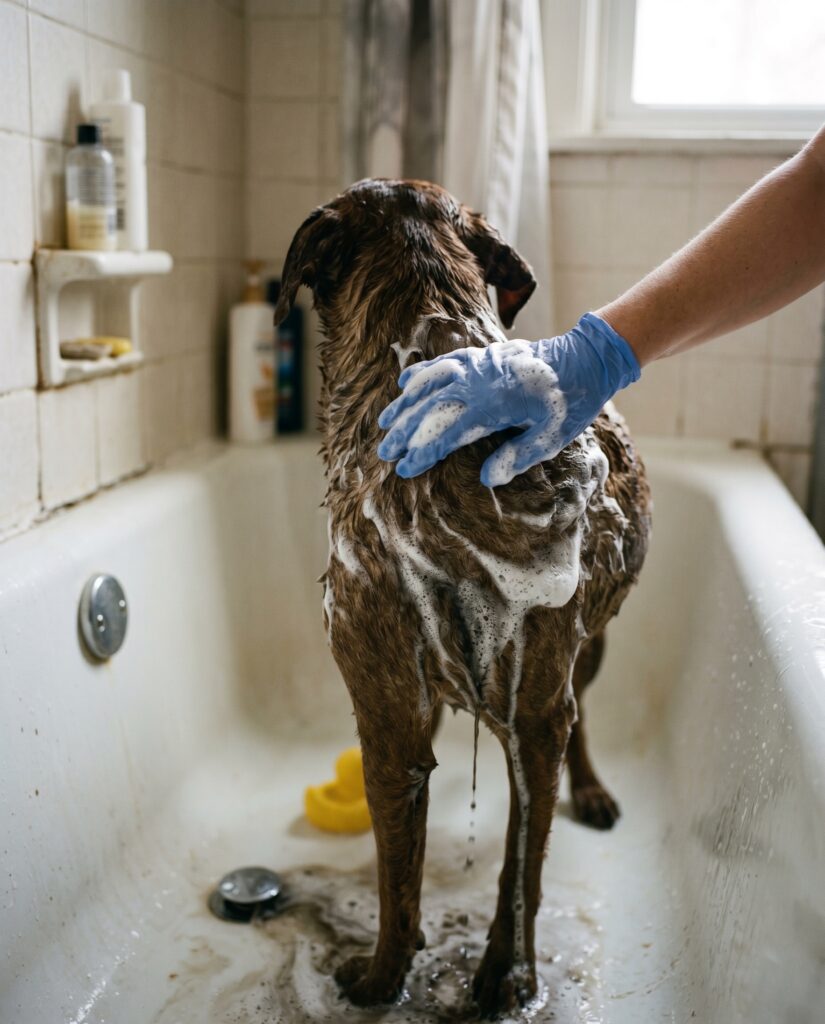
The naming is a historical accident rather than a description of behaviour. A dog with fleas almost certainly has cat fleas.
Kentucky’s guidance is that pets acquire fleas from kennels, groomers, strays and wildlife, and UC IPM is equally direct that management depends on treating the pet, with the environment as a secondary target. Neither source needs the species named to give that instruction.
The others, and when they matter
Dog fleas are genuinely uncommon in most regions, and telling them from cat fleas requires counting spines on the head under magnification. In practice nobody does this and nothing changes if they did.
Human fleas are rarer again in developed housing and associated with animal husbandry rather than domestic homes.
Rodent fleas are the exception worth caring about, and only because of what they imply. Finding them means there is a rodent population in the structure rather than a pet problem, and the flea will keep arriving until the rodents are dealt with. If bites appear in a property with no animal, our guides to signs of mice and which rodent got in are the more useful pages.
Sticktight fleas and chigoe fleas turn up in searches because of dramatic photographs. Neither is a household concern in most of the world.
What identification actually looks like
If you want to confirm fleas rather than name the species, two tests do it and neither needs a microscope.
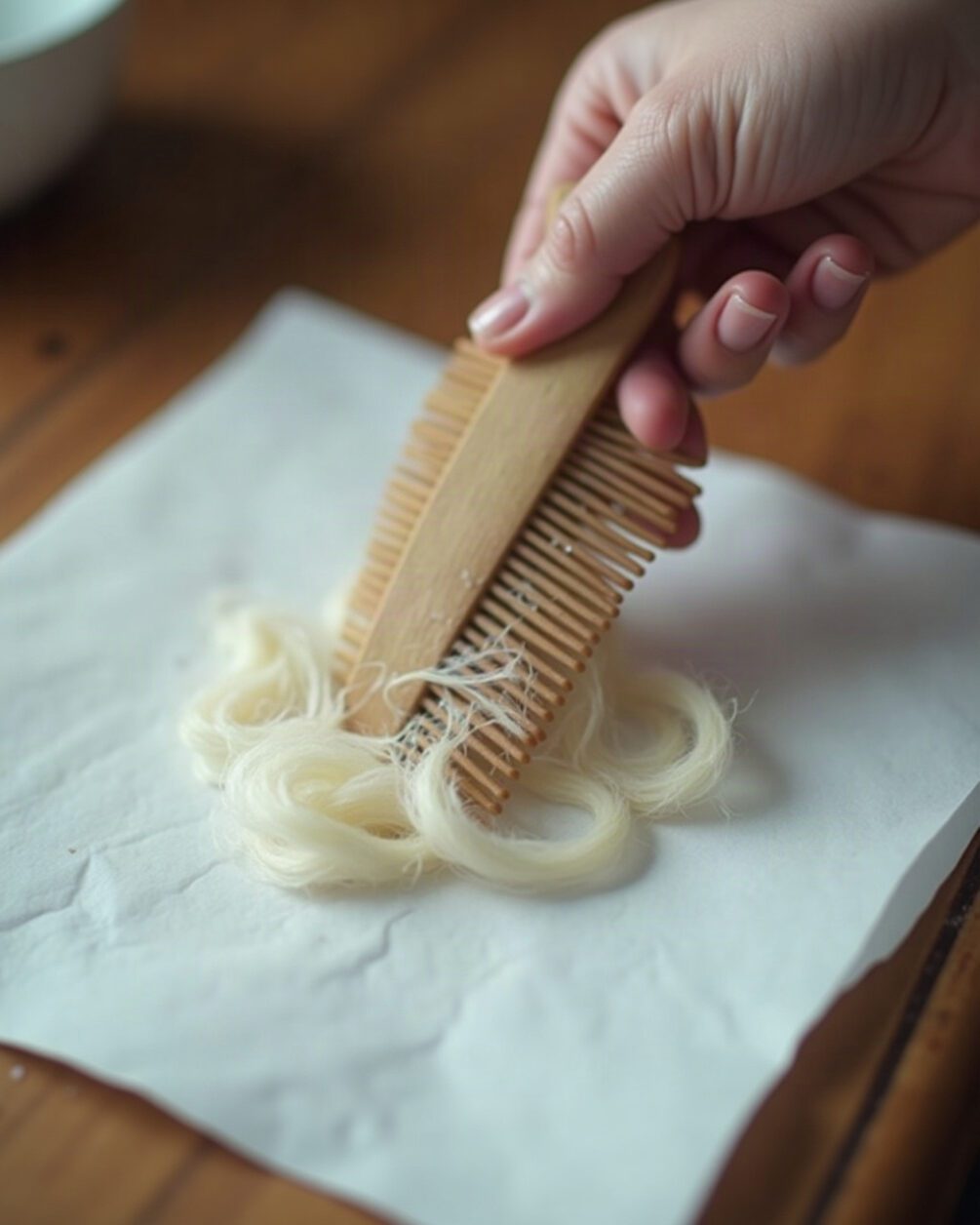
The comb test. Fine-toothed comb through the coat, wiping onto damp white paper after each pass. Dark specks that turn reddish brown on damp paper are flea dirt, which is digested blood. That confirms fleas even if you never see one.
The soapy water test. A shallow dish of water with a drop of detergent, under a lamp, on the carpet overnight. Fleas move toward warmth and light, land in the water, and cannot escape the broken surface tension. An empty dish after two or three nights makes fleas unlikely and points at the alternatives, which our guide to bugs that look like fleas covers.
Why the life cycle matters more than the species
The single most useful thing to know about fleas is not which one you have. It is that the adults on the animal are a small minority of the population.
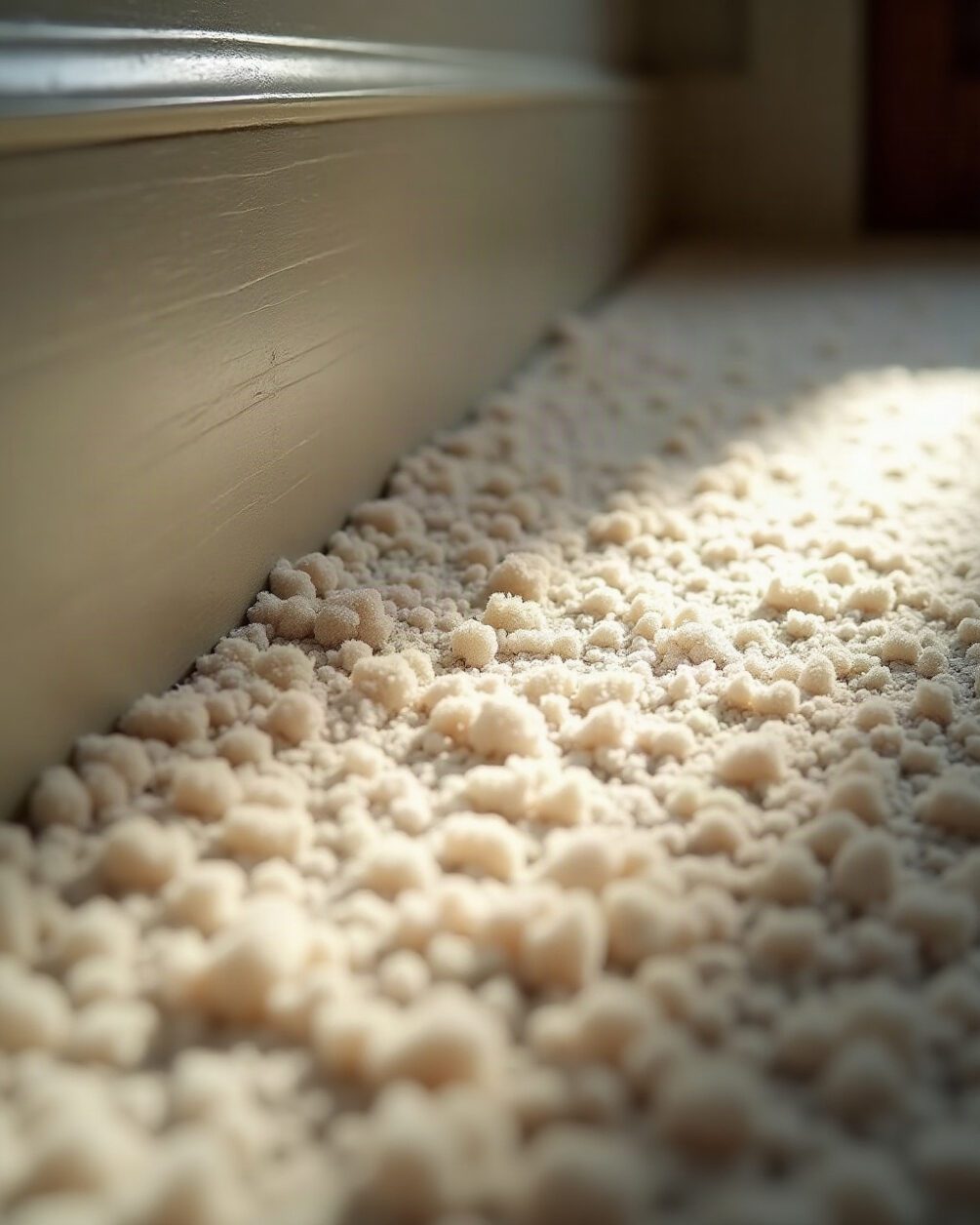
The eggs fall off wherever the animal rests. The larvae live deep in carpet pile, feeding on adult flea droppings, avoiding light. The pupae are resistant to almost everything and wait for warmth and vibration before emerging, which can be weeks or months.
That explains the two things people find maddening. A treatment that appeared to work fails a fortnight later, because pupae hatched. And a property with no animal produces bites in a new occupant, because pupae waited. Our life cycle guide covers the timing, the larvae guide covers the stage in your carpet, and the egg guide covers what falls off the animal.
The plan, which does not vary by species
Treat the animal first, with a veterinary product rather than a shop one where there is any doubt. An untreated animal reseeds the house continuously.
Then the places it rests, which is where the eggs fell: a bed, a favourite chair, the base of a sofa. Not the middle of the floor.
Vacuum thoroughly and often, because vibration triggers pupae to emerge where treatment can reach them. Empty the vacuum outside.
Expect a second wave two to three weeks in. It is the pupal stage, not a failure.
Our complete flea guide covers the sequence, and the bites guide covers the ankle-height pattern that usually brings people here.
Common questions
My vet said cat fleas but I have a dog.
Expected, and not a mistake. The cat flea is the species on most dogs.
Do I need a different product for a different species?
No. Modern veterinary products work across the household species.
There is no pet and never has been.
Then look at rodents, at a previous occupant’s animal, and at whether the bites are bites at all. Our guide to things on skin that are not always insects covers the honest alternatives.
Final verdict
Almost every flea in a house is a cat flea, whatever animal lives there, and that makes the species question close to academic. Confirm fleas with a comb onto damp paper or a bowl of soapy water under a lamp, then treat the animal, then the resting places, then wait out the pupae. The only identification that changes the plan is a rodent flea, and that changes it into a rodent problem.