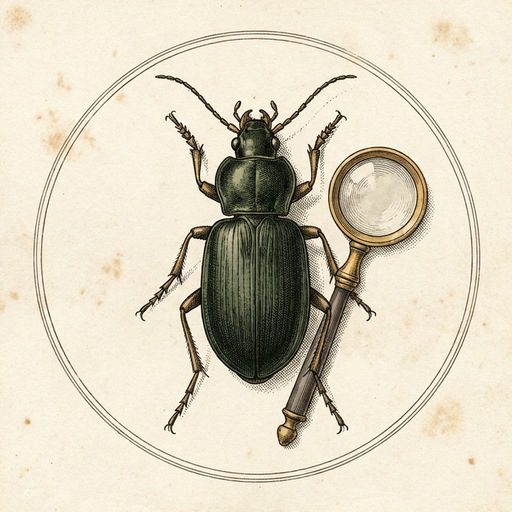
Most insects in a car are passengers rather than residents: they came in on a bag, a coat or a plant and are trying to get out. The few that genuinely settle in do so for one of three reasons, which are food debris, fabric, and shelter. Ants and cockroaches are the two worth acting on, and the cockroach is the one that will not resolve on its own.
- A trail along a door seal or console: ants, following something spilled. Deep clean, then find the entry point.
- Fast, brown, seen at night or when you open the door: cockroaches, usually arrived in cardboard. Act quickly.
- One insect, once, near a window: a passenger. Open the door and it leaves.
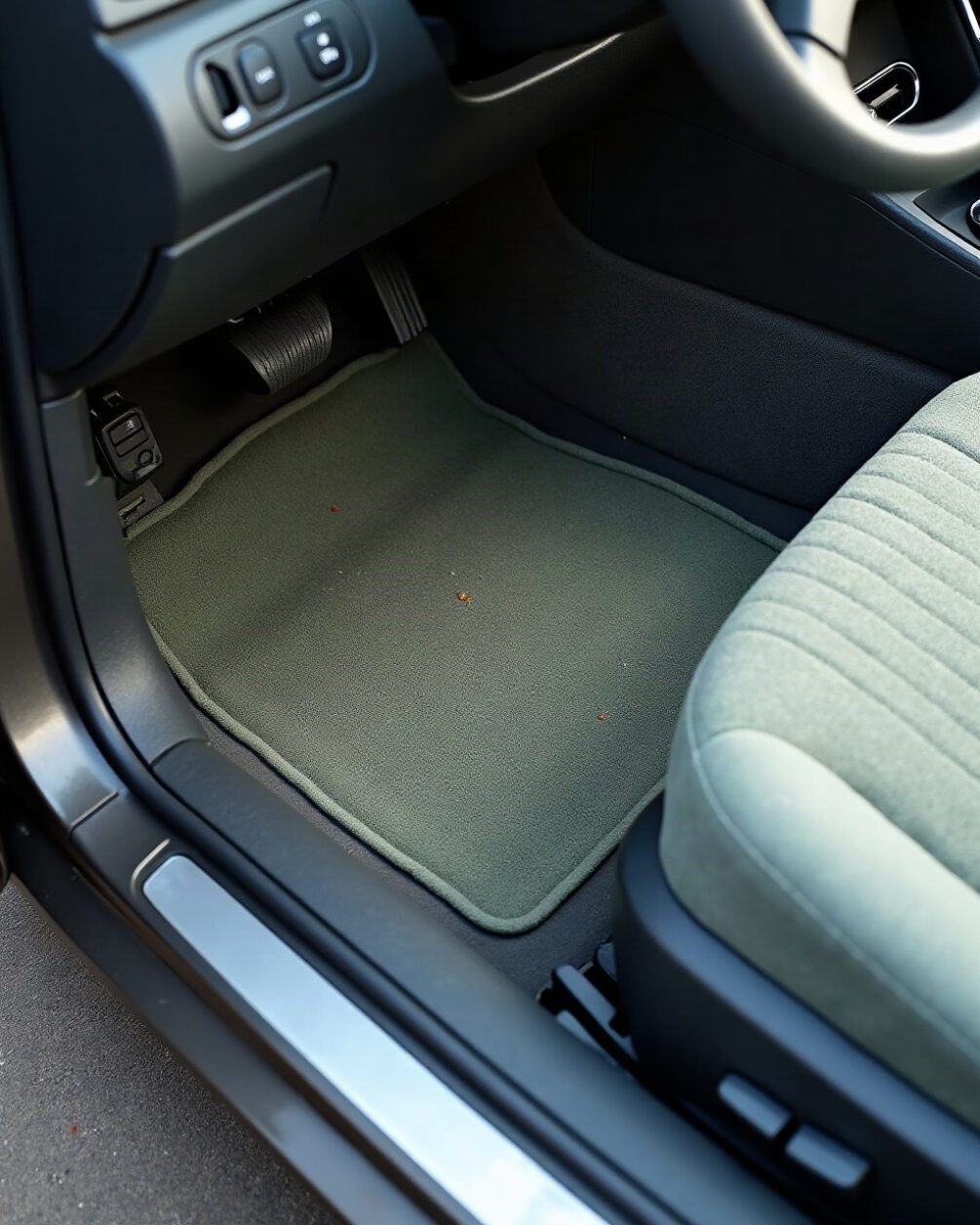
A car is a small sealed box that gets warm, holds fabric, and accumulates dropped food in places nobody can reach. As habitats go it is more inviting than most people assume. But it is also a bad long-term home for almost everything, because it has no water and it periodically gets very hot or very cold. That is why the honest answer for most sightings is that the insect is passing through.
The three reasons anything stays
Food debris. Crumbs under seats, in seat rails, in the gap beside the handbrake, and in child seats. This is by far the most common reason, and it is the reason ants find a car at all.
Fabric. Carpet, seat upholstery, and particularly boot carpet that never gets vacuumed. Carpet beetle larvae will happily live there.
Shelter. A parked car near vegetation collects spiders in the mirrors and door frames, and occasionally rodents in the engine bay, which is a different and more expensive problem.
If none of the three applies, and it was a single sighting, it almost certainly walked in on something.
Ants, which are following a trail
Ants in a car look shocking and are mostly mundane. A car parked over a nest, or parked repeatedly in the same spot near one, will get scouts. If those scouts find a dropped sweet or a spilled drink in a seat rail, a trail forms and the numbers climb quickly.
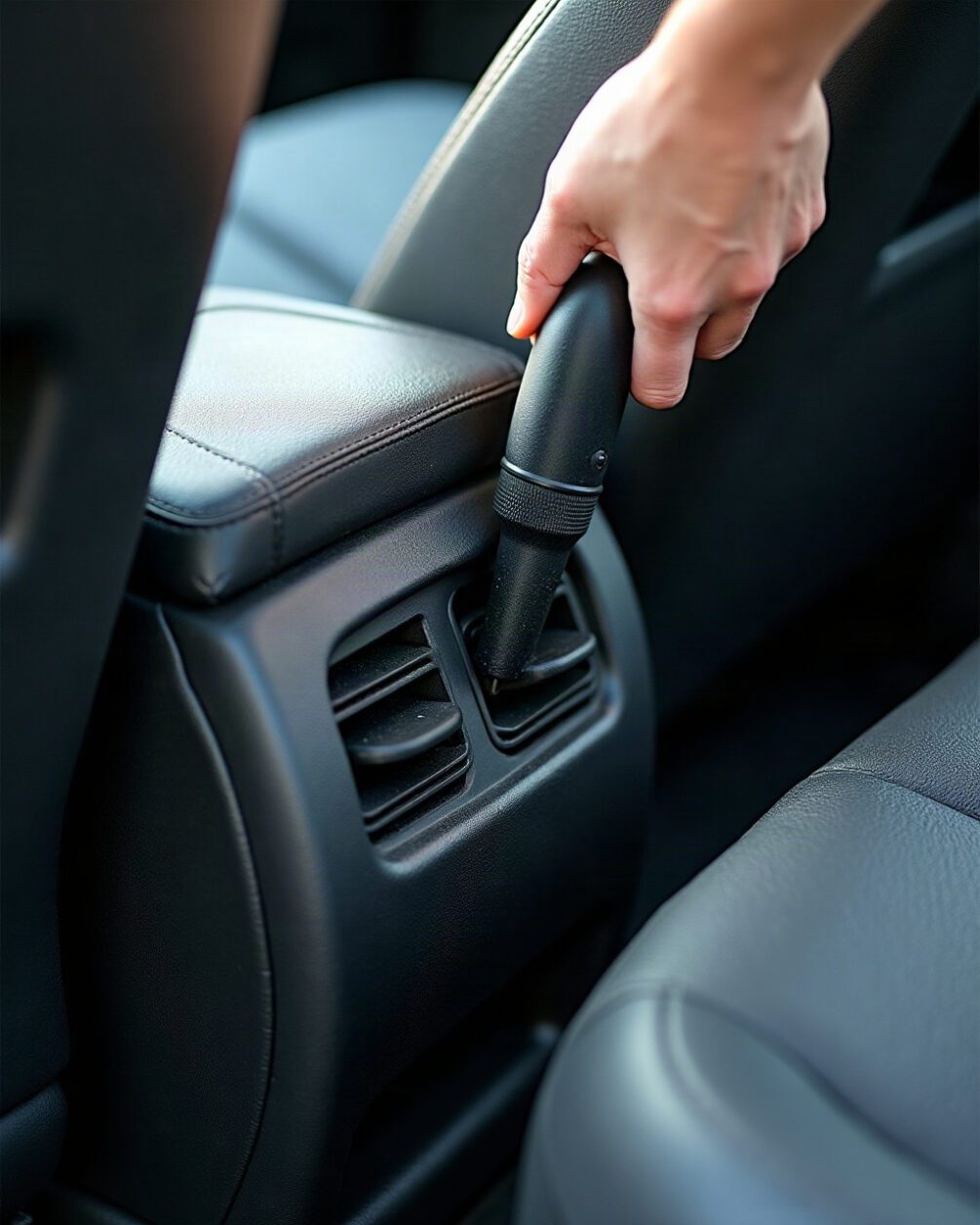
The fix has two parts and skipping either one causes it to come back. Remove the food source properly, which means seats moved fully forward and back, mats out, and a crevice nozzle into every rail and gap. Then erase the trail, because the chemical marker persists on surfaces even after the food is gone. A wipe-down of door seals, sills and the console is the part people skip.
Which ant you have changes what to do next if the problem persists, and our ant identification guide covers the species that matter. Where the car is parked matters more than anything inside it: if the nest is under the parking space, moving the car for a week does more than any product.
Cockroaches, the one to take seriously
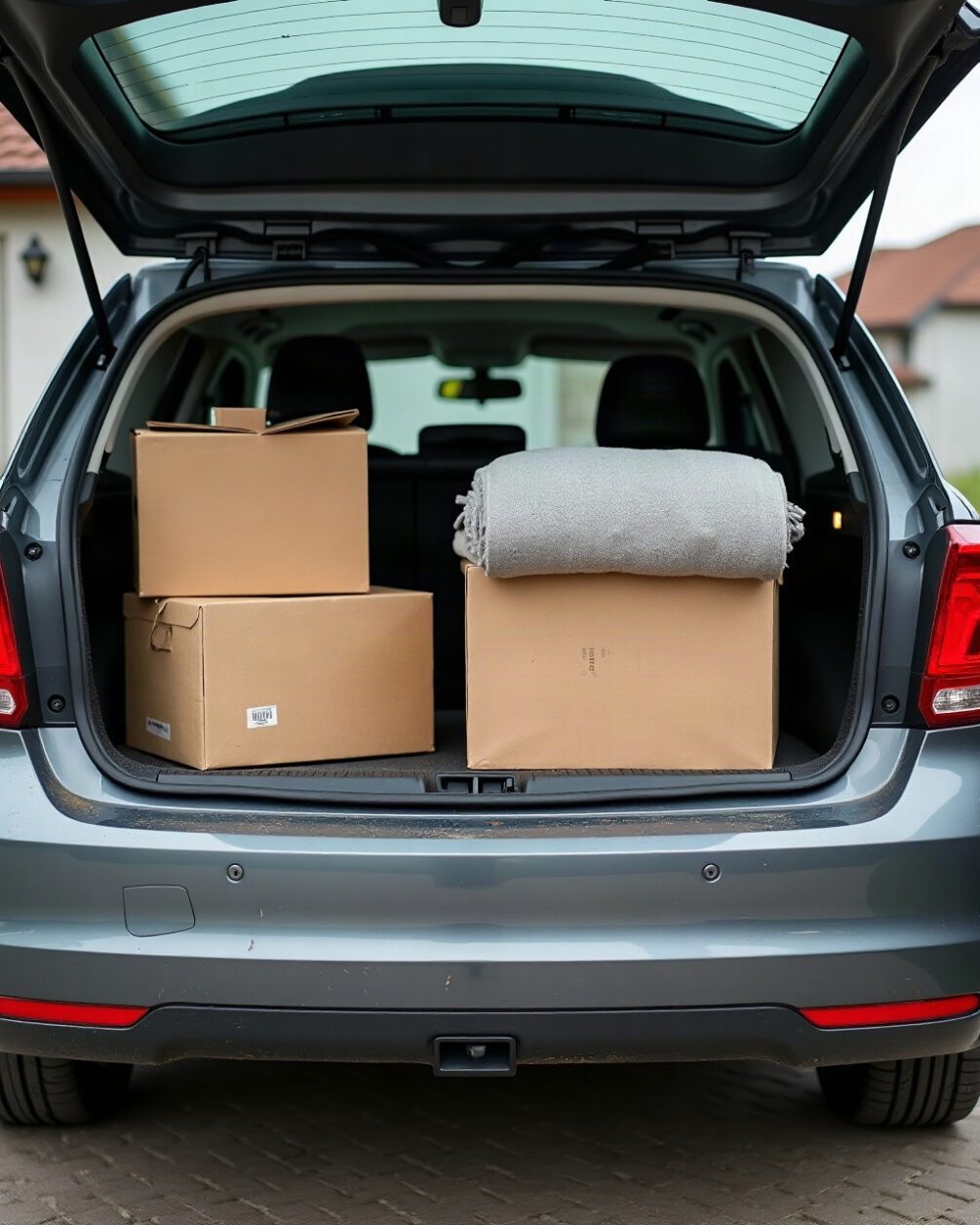
This is the situation worth acting on quickly rather than watching. Cockroaches usually arrive in a car inside cardboard, a grocery bag, a takeaway container or moved boxes, and a warm car with crumbs is a viable home.
Kentucky notes that German cockroaches are the species most likely to establish indoors and that populations build fast. In a car the same logic applies with less space to hide in, which is good news if you start early. Our guide to getting rid of roaches in a car covers the method, and because a young cockroach looks nothing like the adult, the baby cockroach guide is worth a look before you conclude it is something else. The species guide matters too, because a large outdoor species that wandered in is a much smaller problem than a German cockroach that is breeding.
Carpet beetles in the boot
Car carpet is fibre, and boot carpet in particular goes years without being lifted. Carpet beetle larvae will use it, especially where there is dried organic material: pet hair from transporting a dog, feathers, wool blankets, or a picnic rug left in there over a winter.
Kentucky notes that carpet beetle larvae feed on wool, fur, feathers and dried animal products. In a car that translates almost entirely to pet hair and stored textiles. The larvae are bristly and slow, and shed skins are often easier to spot than the larvae themselves. Our identification guide shows what to look for. The fix is lifting the boot floor, vacuuming underneath including the spare wheel well, and not storing textiles in there.
Spiders in the mirrors and door frames
Spiders in a car are extremely common and essentially always harmless. They build in wing mirrors, around door frames, in the gap at the top of a window, and inside a fuel filler flap, because those are sheltered spots near where flying insects gather at night under street lighting.
Kentucky’s overview of common spiders found around homes and buildings covers the species people actually encounter, and our house spider identification guide is the practical version. If you keep finding webs, our guide to what attracts spiders applies to a car too: it is the insects drawn to light, not the car.
Finding a papery sac rather than a spider is also common, and our spider egg sac guide covers what to do about it.
What is almost never in a car
Bed bugs, with one real exception. They do not establish in cars, because there is no regular sleeping host. They can be transported in luggage, so a car used immediately after an infested hotel stay can carry them for a journey. If that is the situation, the concern is the house at the other end rather than the car, and our inspection guide is the right page.
Fleas, unless a pet travels in the car. Then they are entirely plausible, and the treatment is the animal first. Our flea guide covers the order of operations.
Termites. Occasionally searched for, essentially never relevant to a vehicle.
Common questions
Will leaving the car in the sun kill them?
A closed car in strong sun gets hot enough to kill many insects, but it is unreliable, does not reach under seats or inside upholstery, and risks damaging the interior. It is not a substitute for vacuuming.
Can I use a bug bomb in a car?
This is a bad idea. Foggers deposit residue on every surface you touch and breathe near, in a very small enclosed space, and they do not reach into the gaps where insects actually shelter. Cleaning plus targeted bait, where appropriate, is both safer and more effective.
They only appear when the car is warm.
That is normal for insects sheltering in gaps. Warmth makes them active. It tells you they are living in the car rather than passing through, so a proper clean is warranted.
Final verdict
Most car insects are passengers, and opening a door solves it. Residents are there for crumbs, fabric or shelter, so the vacuum does most of the work: seats forward and back, mats out, crevice nozzle into every rail, boot floor lifted. Ants mean a trail to erase and a parking spot to reconsider. Cockroaches mean acting now rather than in a month. Spiders in the mirrors mean nothing at all.