Finding a tick inside your home can feel confusing – aren’t ticks “outdoor” pests? Yes, ticks indoors are a real possibility, and research shows some species can survive for days to weeks on common household surfaces. The good news is that most indoor tick problems start with a predictable source (pets, clothing, or wildlife near the home), and you can break that chain quickly. This guide explains how long ticks can live inside, what species matter most, and the most effective steps to prevent bites and stop repeat sightings.
Quick Answer: Can ticks live indoors?
Yes. Ticks can live indoors long enough to bite and, in a few cases, long enough to create an ongoing household problem.
Here’s the practical, snippet-friendly breakdown:
- Typical survival indoors: often 1 to 3 weeks, depending on species, humidity, and surface type.
- Carpet vs hard floors: ticks generally last longer on carpet than tile or other hard surfaces because they lose moisture more slowly.
- Big exception: the brown dog tick (Rhipicephalus sanguineus) can complete its entire life cycle indoors, including laying eggs, which makes it the top risk for true home infestations.
- Most common way ticks get inside: hitchhiking on pets, pant legs/socks, backpacks, and outdoor gear.
If you’re seeing more than one tick indoors over a week, treat it like a solvable “source problem”: find how they’re entering, then clean and protect the hotspots.
Why ticks indoors survive longer than most people think
Ticks don’t need a forest to stay alive. They need two things: moisture and a chance to find a host. Indoors, they usually die from desiccation (drying out), but “usually” can still mean long enough to matter.
A 2024 study highlighted by Ohio State University News tested lone star ticks and Gulf Coast ticks on typical household surfaces (tile, wood, vinyl, and carpet). The key takeaway was simple: home flooring does not kill ticks quickly. Many survived well past a week, and some lasted multiple weeks under the test conditions. Reports summarizing the same findings noted the longest survival times occurring on softer surfaces like long-pile carpet, where ticks lose moisture more slowly.
What surfaces help ticks last longer?
Think of a tick like a tiny canteen that slowly leaks. The drier the environment, the faster it “runs out.”
Indoor survival tends to be:
- Longest: long-pile carpet, rugs, cluttered corners, pet bedding
- Moderate: short-pile carpet, upholstered furniture seams
- Shortest: tile and other hard, exposed floors (still not “instant”)
Indoor survival snapshot (based on reported study averages)
| Surface | Lone star tick (avg) | Gulf Coast tick (avg) | What it means in a home |
|---|---|---|---|
| Tile | ~7 days | ~10+ days | Still enough time to crawl to a host |
| Wood/Vinyl | ~7-11 days | up to ~25 days (vinyl reported) | Baseboards and edges matter |
| Short-pile carpet | ~11 days | ~18 days | Common “where did it come from?” zone |
| Long-pile carpet | up to ~15 days | ~10 days (reported) | Hides ticks and slows drying |
Actionable takeaway: Don’t wait for indoor ticks to “dry out.” Assume a tick you saw today could still be alive next week, especially around carpet and pet areas.
The misconception that causes repeat sightings
Many homeowners assume a tick indoors dies within hours. Research and entomologist commentary summarized by outlets like Earth.com’s science coverage suggests that assumption is unreliable. If a tick drops off a pet in your living room, it may have plenty of time to reattach later.
If you want to identify what you found (and why it matters), use our tick identification guide to compare shape, coloration, and common regional species.
Which ticks are most likely to show up inside (and which can infest a home)
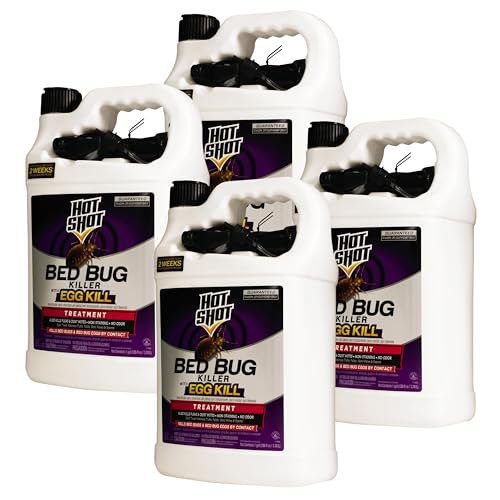
Hot Shot Bed Bug Killer With Egg Kill Ready-to-Use, 1 gallon, 4 Pack
This product is relevant as it can help eliminate ticks that may be hiding in carpets, pet bedding, and other indoor areas.
Not all ticks behave the same indoors. Some are accidental visitors that wandered in on a host. Others are better adapted to living in human spaces.
The “hitchhikers”: ticks that usually come in on pets or people
These ticks typically enter on a host, then drop off after feeding or while searching for a place to molt:
- Lone star tick (Amblyomma americanum): common in the eastern and southeastern U.S., increasingly reported farther north.
- Gulf Coast tick (Amblyomma maculatum): more common in the South and along coastal areas, but expanding its range in some regions.
- Blacklegged tick (Ixodes scapularis), often called the deer tick: important medically because it can transmit Lyme disease and other infections in many regions.
Actionable takeaway: If you found a single tick indoors after a hike, yard work, or a dog park visit, it’s often a hitchhiker. Your job is to kill the stragglers and block the next ride in.
The indoor specialist: brown dog tick
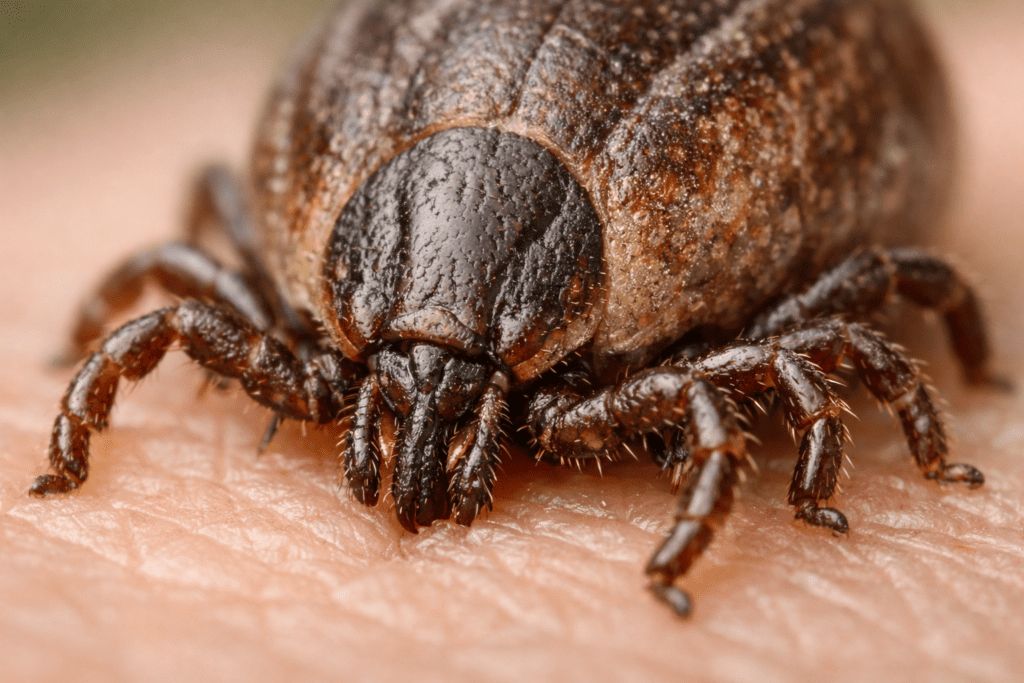
The brown dog tick (Rhipicephalus sanguineus) is the one species entomologists consistently flag for indoor reproduction. Unlike many “woodland” ticks, it can live, molt, feed, and lay eggs indoors when conditions and hosts (dogs) are available.
That’s why repeated ticks on one dog, ticks on walls, or tiny tick “specks” near baseboards can signal more than a one-off event. Some pest control resources emphasize this indoor life cycle risk and the need for coordinated pet and home treatment.
Actionable takeaway: Multiple ticks on a dog within days or ticks appearing in different rooms often points to brown dog ticks. That’s when you should act fast and consider professional help.
The cabin exception: soft ticks in rustic buildings
In certain western U.S. settings, soft ticks (for example, Ornithodoros species) can live in cracks of rustic cabins and feed briefly at night. Public health agencies have documented their role in transmitting tick-borne relapsing fever in specific environments. If you’re dealing with a seasonal cabin and wake up with unexplained bites, it’s worth considering this less common scenario and seeking local guidance.
Actionable takeaway: In a cabin with rodent activity, focus on rodent exclusion and structural crack treatment, not just vacuuming.
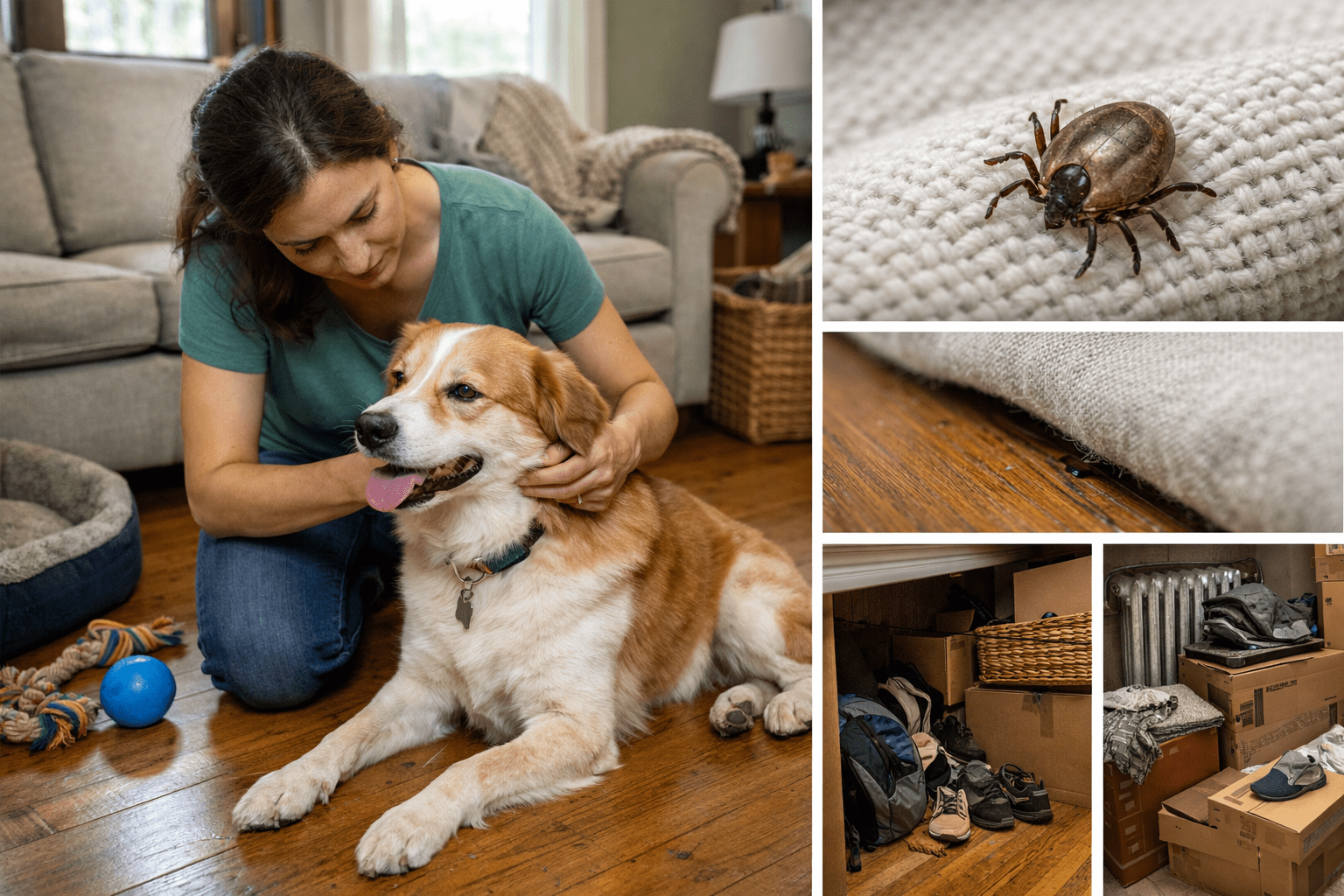
How ticks get inside your house (and the 5 places to check first)

ADAMS Plus Flea & Tick Shampoo with Precor for Dogs, Cats, Puppies & Kittens, Flea Shampoo to Treat Flea Infestations, Kills Ticks, Fleas, Flea Eggs & Lice, Cleans and Conditions Coat, 24 Ounces
This spray is effective for treating areas where ticks may reside indoors, particularly in pet areas.
Most indoor tick sightings trace back to a simple pathway: a tick traveled inside on a moving “bridge” (dog, cat, human, or wildlife), then dropped off.
The main entry routes
- Pets: dogs and outdoor cats brush past vegetation, pick up ticks, and bring them to sofas, beds, and rugs.
- Clothing and shoes: ticks cling to socks, cuffs, waistbands, and shoelaces after yard work or hiking.
- Outdoor gear: backpacks, picnic blankets, sports bags, and camping equipment can carry ticks inside.
- Wildlife near the home: rodents, raccoons, and deer increase tick pressure around foundations and patios.
For prevention that actually works on the body and clothing, see our guide to best tick repellents, including what to use on skin vs what belongs on fabric.
The 5 indoor hotspots to inspect today
Use this quick checklist the same day you spot a tick:
- Pet bedding and crate corners (especially seams and folds)
- Entryway rugs and mudroom mats
- Carpet edges along baseboards (ticks follow edges like tiny hikers on a trail)
- Upholstered furniture seams where pets nap
- Laundry area if you recently came inside from outdoors
A fast “tick triage” routine (10 minutes)
- Put on light-colored socks so you can spot crawlers.
- Use a flashlight at floor level along baseboards.
- Run a lint roller over pet bedding and couch cushions.
- Vacuum the hotspot zones immediately (more on vacuuming below).
Actionable takeaway: When people miss indoor ticks, it’s often because they look in the middle of rooms. Check edges, seams, and pet zones first.
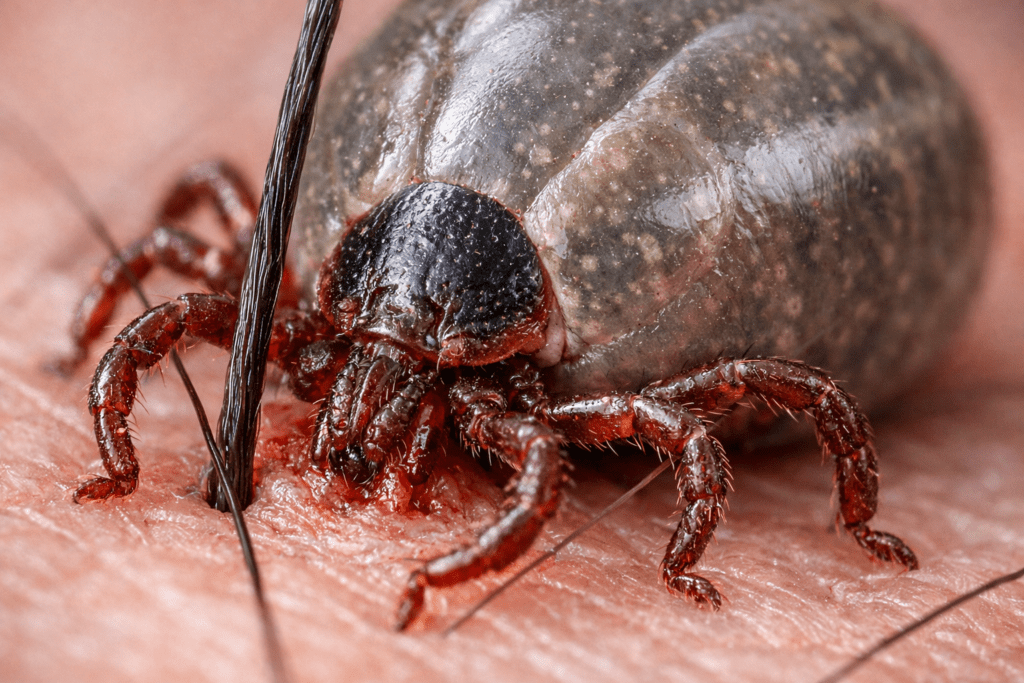
If you find one attached, don’t guess. Follow our step-by-step guide on how to remove a tick safely to reduce the chance of leaving mouthparts behind or irritating the bite site.
Tick control at home: what to do the same day you find one
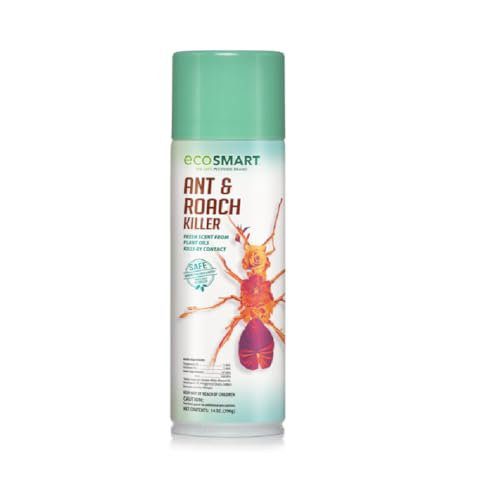
ecoSMART 33500 Ant & Roach Killer, 14-oz. Aerosol – Quantity 6
This organic insect killer is safe for indoor use and can help prevent tick infestations without harmful chemicals.
One tick indoors doesn’t automatically mean an infestation. But it does mean you should respond like you would to a broken window screen: fix it now, or you may keep seeing “visitors.”
Step-by-step indoor response plan
Here’s a practical sequence that works for most homes:
-
Capture or kill the tick
- Use tape, a tissue, or fine-tip tweezers to contain it.
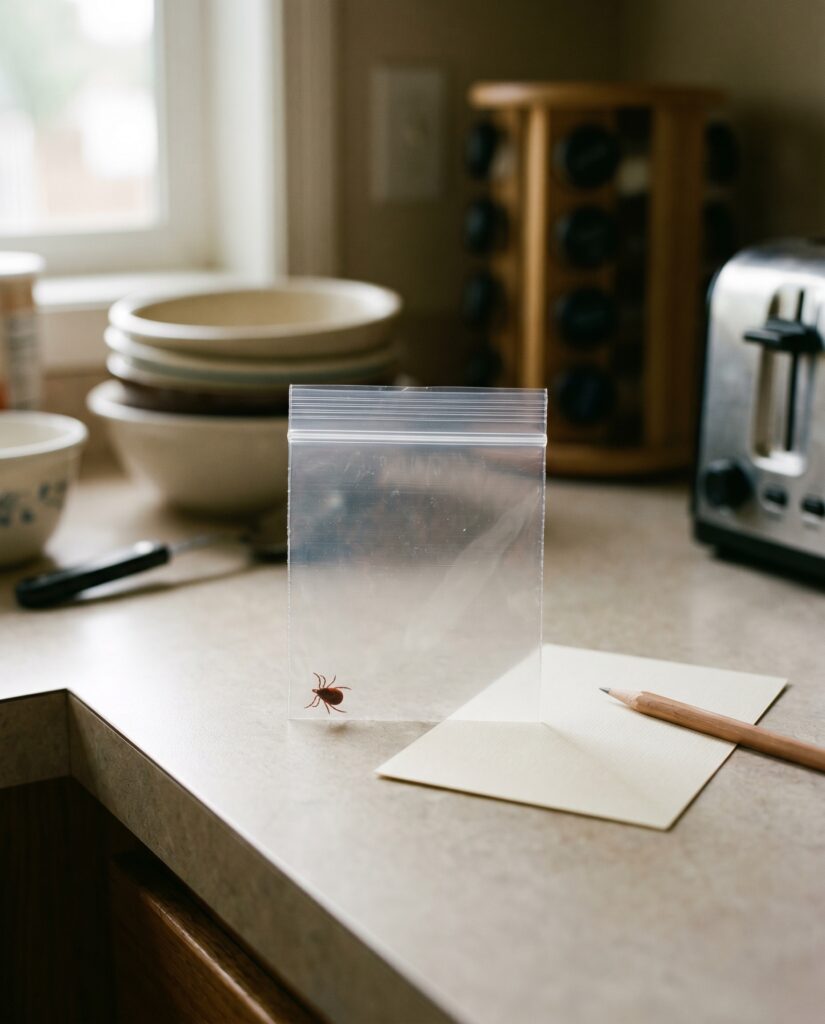
- Place it in a sealed bag or small container if you may want ID later.
-
Vacuum strategically (not casually)
- Focus on rugs, carpet edges, pet bedding areas, and under furniture.
- Empty the canister outside, or seal and discard the bag outdoors right away.
-
Heat-treat clothing and washable items
- Put worn outdoor clothes straight into the dryer on high heat for at least 10 minutes before washing. Heat is what kills ticks reliably; washing alone can fail.
-
Treat pets correctly
- If your pet is the likely source, prevention must be consistent. Start with our evidence-based guide to tick prevention for pets, then talk with your veterinarian about the best product for your animal’s health profile.
-
Monitor for 2-3 weeks
- Because some ticks can survive weeks indoors, recheck hotspot areas weekly.
What about sprays and chemicals indoors?
Indoor pesticide use should be targeted, not blanket. For most single-tick events, vacuuming + heat + pet prevention solves the problem.
If you suspect brown dog ticks or repeated sightings, a professional may recommend a targeted indoor treatment paired with pet treatment. When choosing methods, follow public-health guidance like the CDC tick prevention recommendations and product labels carefully.
Quick decision guide: DIY vs call a pro
| Situation | Likely cause | Best next step |
|---|---|---|
| One tick after hike | Hitchhiker | Vacuum + heat-dry clothes + monitor |
| Ticks repeatedly on dog | Pet source or brown dog tick | Vet plan + home treatment + consider pro |
| Ticks on walls/baseboards | Brown dog tick possible | Professional inspection recommended |
| Cabin bites at night | Soft ticks possible | Local public health guidance + rodent control |
Actionable takeaway: If you see ticks in multiple rooms, or multiple life stages (tiny and larger), don’t wait. That pattern often means eggs and molting are happening indoors.

Preventing ticks from coming back: a simple indoor-outdoor strategy
The most effective long-term plan treats your home like a “checkpoint” between outdoors and your living space. You reduce tick pressure outside, then stop hitchhikers at the door.
Indoor habits that make a big difference
- Create a “gear drop zone” near the entryway. Keep backpacks and outdoor clothing off beds and sofas.
- Do a 30-second tick check after yard work: ankles, behind knees, waistband, and hairline.
- Brush pets daily during peak season (often April through September in many regions, though ticks can be active any month during mild weather).
Here’s a simple weekly routine:
| Weekly task | Time | Why it works |
|---|---|---|
| Vacuum entry rugs + pet resting areas | 10 min | Removes ticks before they reattach |
| Wash pet bedding on hot, dry on high | 20-40 min | Heat kills hidden ticks |
| Lint-roll couch seams and pet nap zones | 3 min | Fast detection tool |
| Inspect dog collar area and ears | 2 min | Common attachment sites |
Actionable takeaway: Consistency beats intensity. A short weekly routine prevents most repeat indoor tick events.
Yard steps that lower indoor risk
Even though this article focuses on indoor ticks, the yard is usually the “source reservoir.”
- Keep grass short and remove leaf litter.
- Create a dry barrier between woods and lawn (gravel or wood chips).
- Discourage deer and rodents near the foundation.
- Keep bird feeders away from doors and patios to reduce rodent traffic.
Don’t ignore the health side: bites and disease risk
Ticks are not guaranteed to transmit disease, but they can. If you’ve had an attachment, learn the symptoms and timelines for common infections in your area. Our overview of tick-borne diseases explains what to watch for and when to call a clinician.
Actionable takeaway: If a rash, fever, unusual fatigue, or muscle aches appear after a tick bite, seek medical advice and mention the tick exposure.
Conclusion
Ticks indoors are more than a myth. Research shows some species can survive for days to weeks on household surfaces, especially carpet and pet areas, and brown dog ticks can even reproduce inside homes. The practical fix is straightforward: stop ticks at the entry points, use heat and targeted vacuuming to remove stragglers, and keep pets on consistent prevention.
Next step: review the tick identification guide to confirm what you’re seeing, then bookmark how to remove a tick safely so you’re ready if another one turns up.
As an Amazon Associate, I earn from qualifying purchases. Product recommendations are based on real reviews and independent research.