If you want to attract pollinators to your garden, think like a hungry insect on a tight schedule. Bees, wasps, butterflies, and flies are constantly balancing food, safety, and nesting sites. The good news is you do not need a big property or a perfect landscape to help them. With the right plants, a few “messy” corners, and smarter pest control, even a small yard can become a reliable stopover from spring through fall. This guide focuses on bees and wasps because they are both effective pollinators and, often, helpful pest hunters.
Quick Answer: How to attract pollinators fast (bees + wasps)
To attract pollinators, you need three things working together: flowers (food), habitat (nesting and shelter), and safety (low pesticide exposure).
Do these first for the biggest impact:
- Plant in clumps: group 3-7+ of the same flower to make foraging efficient.
- Aim for season-long bloom: early spring + summer + late fall flowers.
- Choose mostly native, single-flowered plants: many double blooms have little accessible nectar or pollen.
- Leave nesting spots: a few patches of bare soil, hollow stems, and leaf litter.
- Provide shallow water: a dish with pebbles, refreshed every 1-2 days.
- Skip broad-spectrum insecticides: especially during bloom; use least-toxic spot treatments only if needed.
Mini checklist (snippet-friendly):
| Pollinator need | What to add | Quick example |
|---|---|---|
| Nectar + pollen | Diverse flowers | asters + goldenrod + coneflower |
| Nesting sites | Bare soil + stems | 1-2 sq ft unmulched sunny soil |
| Safety | Fewer sprays | hand-pick pests, use soap/oil if needed |
| Water | Shallow station | saucer + stones + fresh water |
Why pollinators show up – and why bees and wasps matter
Gardeners often notice pollinators “suddenly” appearing when a patch of flowers hits peak bloom. What’s actually happening is more like a neighborhood food map. Insects learn routes, revisit reliable plants, and recruit nestmates (in social species) to good forage.
Research synthesized by the IPBES global pollinator assessment reports that nearly 90% of wild flowering plants and 75% of leading food crops benefit from animal pollination, contributing substantially to global crop output and value. That’s the big picture. At garden scale, pollinators improve fruit set, seed production, and the overall “liveliness” of a yard.
Bees: the headline pollinators (but not just honey bees)
There are roughly 20,000 bee species worldwide, and many are solitary. Studies such as Garibaldi et al. in Science show wild pollinators can match or exceed managed honey bees in many crop systems. In a home garden, that often looks like:
- Mason bees working fruit trees in cool spring weather
- Bumble bees vibrating tomato flowers (buzz pollination)
- Sweat bees and mining bees covering small blooms you might overlook
If you’re considering managed bees, read How to Start Beekeeping: Your Complete Beginner's Guide first. Many gardens do better by supporting wild bees before adding a hive.
Wasps: pollinators plus built-in pest control
Wasps have a reputation problem, mostly because a small number of social species defend nests near people. Ecologically, they do much more. A review in Biological Reviews on wasps’ roles describes them as both pollinators (nectar visitors) and predators that help regulate caterpillars, flies, and other garden pests.
Quick visual: Bees vs. wasps in the garden
| Trait | Bees | Wasps |
|---|---|---|
| Main reason they visit flowers | Pollen + nectar | Mostly nectar (adults) |
| Body hair | Usually fuzzy | Usually smoother, less hairy |
| Pest control | Indirect | Often direct (hunt insects) |
| Stinging risk | Most solitary species rarely sting | Highest near social nests |
Actionable takeaway: If you want fewer pest outbreaks, do not design your garden for bees only. Open, shallow flowers (like dill and yarrow) help nectar-feeding wasps that hunt pests.
How to attract pollinators with the right plants (and bloom timing)
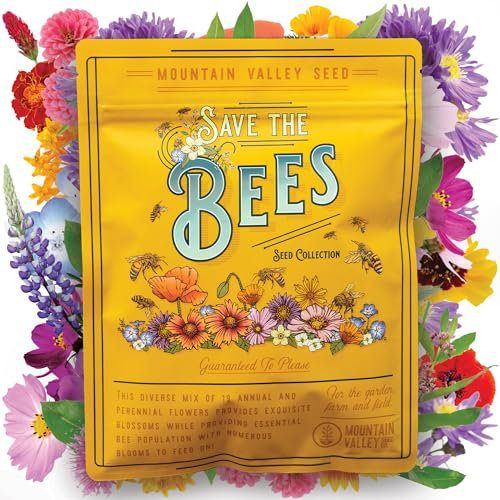
Wildflower Seeds Bulk, 2 Oz. 80,000+ Seeds – Save the Bees Mix with 19 Non-GMO Varieties – Bee Friendly & Pollinator Wildflower Seed for Planting
This seed mix is specifically designed to attract pollinators, providing a variety of flowers that bloom throughout the season, which aligns perfectly with the article’s tips on planting for pollinators.
Most “pollinator garden” failures come down to two issues: not enough flowers at the right times, and too many showy blooms that offer little food. Entomologists and conservation groups consistently recommend overlapping bloom periods from early spring through late fall, planted in visible clumps. Guidance from the U.S. Fish and Wildlife Service pollinator garden resources and similar agency materials emphasizes exactly that.
A simple 3-season planting plan (works in many temperate regions)
Instead of hunting for one perfect plant list, build a calendar. Your goal is to avoid gaps longer than 1-2 weeks without something blooming.
Early spring (March to May) – “wake-up fuel”
- Trees/shrubs: willow (Salix), maple (Acer), redbud (Cercis canadensis), serviceberry
- Flowers: crocus, snowdrops, lungwort (Pulmonaria), wild columbine (Aquilegia canadensis)
Summer (June to August) – “high traffic season”
- Bee favorites: bee balm (Monarda), coneflower (Echinacea), milkweeds (Asclepias)
- Herbs that pull in bees and beneficial wasps: oregano, thyme, basil (let some flower), borage
Late season (September to October) – “winter prep”
- Goldenrods (Solidago), asters (Symphyotrichum), Joe-Pye weed (Eutrochium), sunflowers (Helianthus)
Plant traits that actually attract insects
Color helps, but structure matters more. Many bees prefer flowers with easy landing platforms and accessible pollen. Wasps often favor small, open blooms where they can sip quickly.
Use this quick “plant chooser” chart:
| Flower type | Best for | Examples |
|---|---|---|
| Daisy-like composites | Many bees + late-season support | coneflower, aster, goldenrod |
| Umbel-shaped clusters | Beneficial wasps + hoverflies | dill, fennel, parsley, yarrow |
| Tubular blooms | Bumble bees, hummingbirds | bee balm, penstemon |
| Flowering herbs | Wide variety of pollinators | thyme, oregano, sage |
Avoid the common trap: double flowers and sterile hybrids
Many double-flowered ornamentals replace pollen-bearing parts with extra petals. They can look full, but function like a closed restaurant.
Actionable takeaway: When shopping, look for “single” forms and watch for visible stamens and pollen. For more targeted options, see our roundup of Essential Tips on How to Attract Pollinators to Your Garden.
Nesting and shelter: the missing half of most pollinator gardens
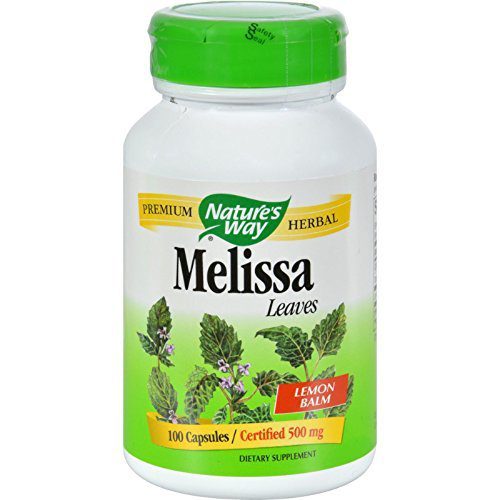
Natures Way Melissalemon Balm
This product is a natural way to attract bees and other pollinators to your garden, supporting the article’s emphasis on creating a pollinator-friendly environment.
Flowers are only the food court. If nesting sites are missing, pollinators visit but do not stay. This is especially true for native bees, since many species nest in soil or plant stems rather than in hives.
According to guidance from the USDA Forest Service pollinator conservation materials and extension recommendations like the University of Maryland Extension pollinator garden resources, nesting habitat often limits local bee populations more than flower abundance does.
1) Ground-nesting bees: leave some soil alone
A large share of native bees nest in the ground, often in sunny, well-drained spots. If every inch is thick mulch or landscape fabric, you’ve blocked them out.
What to do (easy and measurable):
- Leave 1-3 patches of bare or lightly vegetated soil.
- Each patch can be small – 1-2 square feet is a helpful start.
- Place in sun with good drainage; avoid areas that stay soggy.
Signs it’s working: tiny pencil-width holes in soil, often with a small mound. These are usually solitary bees, not ants.
2) Cavity nesters: stems, dead wood, and “bee hotels” (done right)
Cavity-nesting bees and some solitary wasps use hollow stems and beetle tunnels in wood. You can support them by leaving stems standing and adding nest blocks.
Best practices checklist:
- Leave some perennial stems 8-24 inches tall through winter.
- Add a bee house with varied tunnel sizes (roughly 2-9 mm).
- Keep it dry with an overhang, mounted facing morning sun.
If you want to buy one, start here: Best Bee Houses and Mason Bee Kits. The key is maintenance – replace liners or clean annually to reduce parasites.
3) Overwintering habitat: the “messy corner” strategy
Many beneficial insects overwinter in leaf litter, hollow stems, and dead wood. If you do a hard cleanup in fall, you remove next year’s pollinators.
A practical compromise:
- Leave leaves under shrubs and trees.
- Wait until mid to late spring to cut back stems, after several warm weeks.
- Keep “messy” habitat away from doorways and high-traffic areas.
4) Wasps: encourage them safely
You can support beneficial wasps without inviting conflict.
Safer placement rules:
- Plant nectar sources away from patios and play areas.
- Keep eaves and high-traffic corners monitored for social nests.
- If a nest forms too close to people, relocation or professional help can be the best option.
Actionable takeaway: Most solitary wasps are not aggressive and help by hunting pests. Treat them like garden allies, not automatic threats.
Pollinator-safe pest control (so your garden doesn’t become a trap)
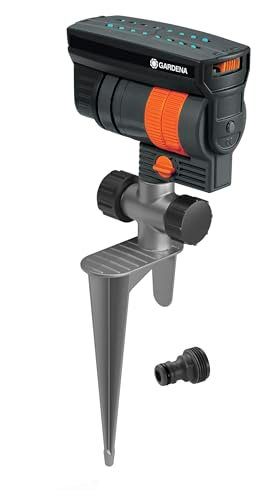
GARDENA 20575 | Up to 2300 sq ft – ZoomMaxx Adjustable Oscillating Sprinkler on Metal Step Spike for Watering Large Area Lawn with US Hose Threads, Yard and Garden. Gardena Quick Connects
Providing shallow water sources is essential for attracting pollinators, and this watering can allows you to easily refresh water stations in your garden.
A garden can look perfect and still be dangerous to pollinators if insecticides are used at the wrong time or in the wrong way. Research has linked certain insecticides – especially neonicotinoids – with harmful effects on bees at realistic exposure levels, including navigation and reproduction problems, as summarized in reviews like Goulson in the Journal of Applied Ecology.
The goal is not to “never control pests.” It’s to control them without turning blooms into a hazard.
The pollinator-safe decision ladder (use this before spraying)
Think of this like a step-down plan. Start with the least disruptive option.
-
Confirm the pest
- Many “pests” are harmless or short-lived. Identify first.
-
Use physical control
- Hand-pick caterpillars, prune infested tips, blast aphids with water.
-
Support natural enemies
- Plant small, nectar-rich flowers (dill, alyssum, yarrow) to feed predatory wasps and hoverflies.
-
Use least-toxic products (spot treatments only)
- Insecticidal soap or horticultural oil for soft-bodied pests
- Bacillus thuringiensis (Bt) for specific caterpillars on non-blooming plants
-
Avoid high-risk applications
- Do not spray open flowers.
- If treatment is unavoidable, apply at dusk when most pollinators are inactive, following conservation guidance like the U.S. Fish and Wildlife Service pollinator protection recommendations.
A quick “do vs don’t” chart
| Do | Don’t |
|---|---|
| Treat only the affected plant | Broadcast spray the whole yard |
| Spray at dusk when needed | Spray during peak bloom |
| Read labels for bee hazard warnings | Assume “garden safe” means pollinator safe |
| Accept minor leaf damage | Chase a perfect, spotless garden |
Special note: carpenter bees
If you’re improving habitat, you may notice carpenter bees around wooden structures. They are effective pollinators, and problems are usually preventable without killing them. If they’re drilling into your home, use a targeted approach from Get Rid of Carpenter Bees Without Killing Them.
Actionable takeaway: The fastest way to lose pollinators is spraying during bloom. The fastest way to keep your harvest is combining plant diversity with spot-only controls.
Simple upgrades: water, micro-habitats, and “small garden” wins
Pollinators do not just need flowers. They also need water, minerals, sun-warmed resting spots, and safe corridors between yards. This is where small gardens punch above their weight. Studies show urban gardens can host high bee diversity, sometimes comparable to surrounding farmland, as reported in research like Baldock et al. in Proceedings of the Royal Society B.
Build a pollinator water station in 3 minutes
Bees and wasps regularly collect water, and some species use mud for nesting. A safe water source prevents drownings and reduces the chance they seek water at pet bowls or pools.
What to use:
- A shallow saucer or plant tray (8-12 inches wide)
- Pebbles, marbles, or flat stones
- Clean water
Steps:
- Fill the saucer with stones.
- Add water until stone tops stay above the surface.
- Place in partial shade.
- Refresh every 1-2 days to prevent mosquito breeding.
Add a “mud bar” for mason bees and mud daubers
If your soil is always dry, offer a small damp patch.
Easy option: keep a 6-12 inch area of bare soil lightly moist during warm months.
Reduce mowing strategically (without giving up your yard)
You do not need to convert your whole lawn. Even a few changes help:
- Let clover, violets, or dandelions bloom in a corner (where acceptable).
- Mow less often during peak bloom weeks.
- Create a small “no-mow strip” along a fence and seed it with native flowers.
Common misconceptions (and what to do instead)
“Only honey bees matter.”
Wild bees, flies, butterflies, beetles, and wasps all contribute. Plant variety supports variety.
“Wasps should be eliminated.”
Most are beneficial. Manage nest location, not the entire group.
“More flowers is always better.”
Flower type matters. Choose nectar- and pollen-accessible plants, not just showy petals.
“Bee hotels alone will save bees.”
Hotels help some species, but ground nesters need bare soil and undisturbed habitat too.
Actionable takeaway: If you only have space for one upgrade, add late-season flowers plus a shallow water station. That combination often boosts visits within days.
Conclusion: a garden that feeds pollinators also feeds your harvest
To attract pollinators reliably, combine three ingredients: clumps of nectar- and pollen-rich flowers across seasons, nesting and overwintering habitat, and pest control that avoids harming visitors. Bees bring consistent pollination. Wasps add both pollination and pest hunting, which many gardens need.
Your next step: pick three plants that bloom in different seasons, plant them in clumps, and leave one small patch of soil unmulched. Then add a pebble-filled water dish.
For more help building a pollinator-friendly setup, see Essential Tips on How to Attract Pollinators to Your Garden and our guide to Best Bee Houses and Mason Bee Kits.
As an Amazon Associate, I earn from qualifying purchases. Product recommendations are based on real reviews and independent research.