
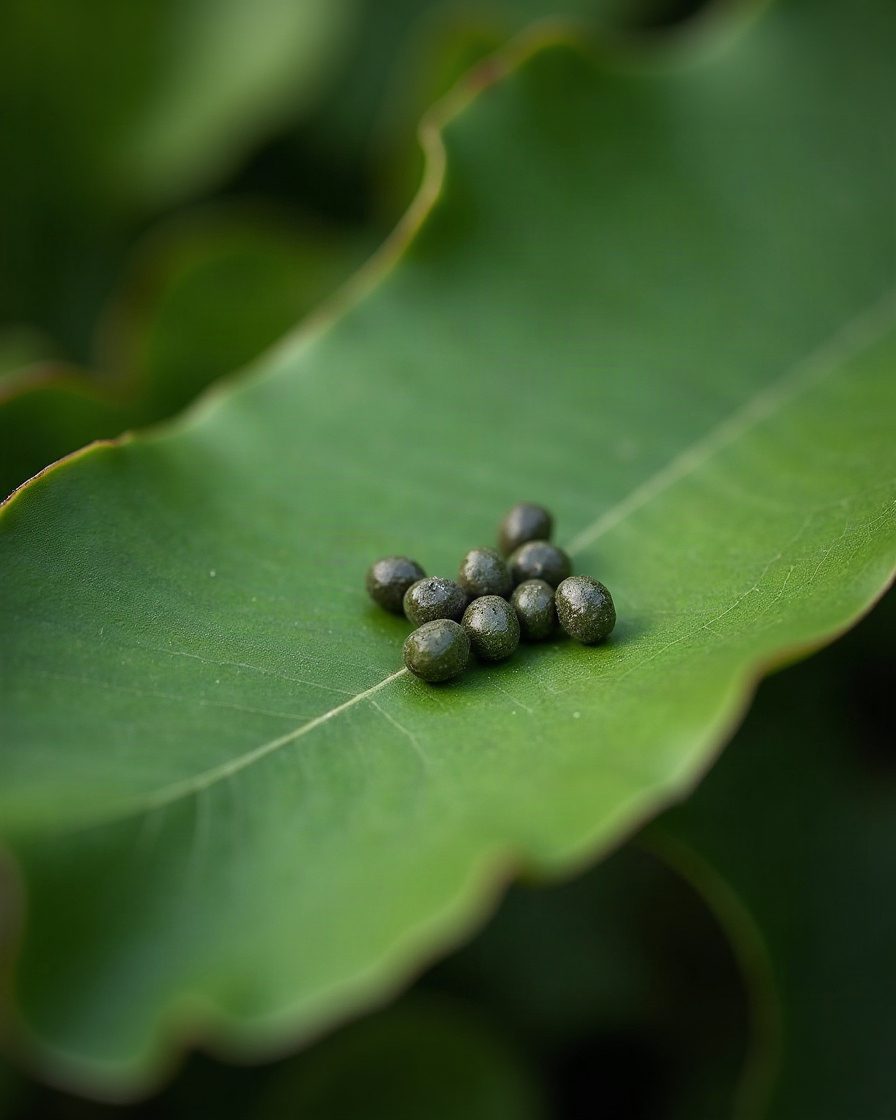
Caterpillar frass is a small barrel-shaped pellet with ridges running along it, green when the feeding is fresh and darkening to brown or black as it dries. It falls straight down, so it is a locator: whatever produced it is on the plant directly above, usually on a leaf underside or tucked into a stem junction. Pellet size scales with the caterpillar, so a 4 mm pellet means something substantial and a 1 mm pellet means something you will struggle to see.
- Look up from the pellet, not around it. Frass falls vertically.
- Size estimates the feeder. Big pellets, big caterpillar, and not far away.
- Ridged and barrel shaped separates it from soil, seed and bird droppings.
Caterpillars are unusually good at not being seen. They rest on leaf undersides, match the plant, and in many species feed at night. The frass does not hide, and once you know what it means it is a faster route to the animal than searching the foliage.
What it looks like
Shape. Roughly cylindrical or barrel shaped with longitudinal ridges or grooves, giving a faceted look at close range. The ends are flat rather than pointed.
Size. From under 1 mm for a newly hatched larva to 5 mm or more for a large hawkmoth caterpillar. Size is proportional to the animal, and it increases visibly as a caterpillar grows through its instars, so a scatter of mixed sizes means it has been feeding there for a while.
Colour. Green when fresh, because it is essentially compressed leaf, and browning to near black within a day or two. Bright green pellets mean feeding within the last day.
Quantity. Larger than people expect. A single large caterpillar produces a conspicuous amount, which is why a heavy scatter does not necessarily mean many animals.
Reading the position
The rule is simple: frass falls straight down. Whatever produced it was directly above where it landed.
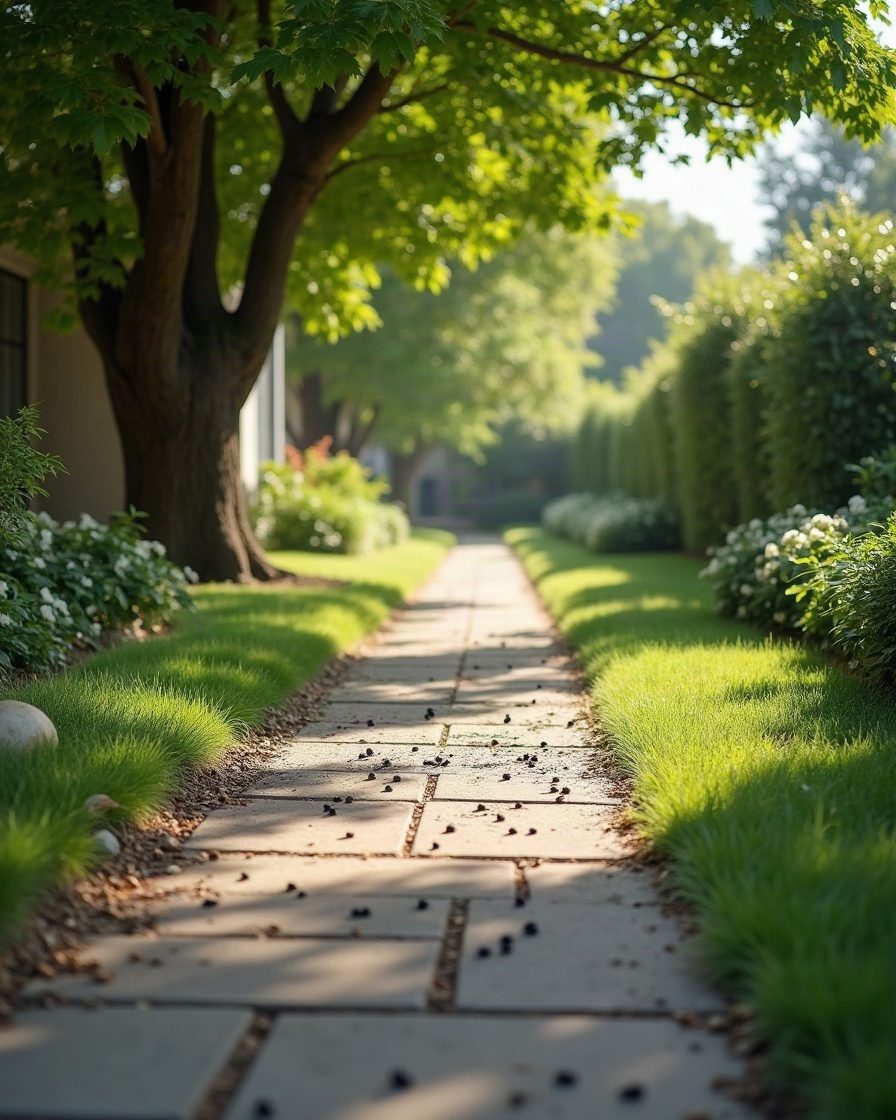
On a shrub, pellets caught on a lower leaf point at the leaf immediately above. On a tree, frass on a path or a patio table beneath the canopy indicates feeding overhead, and a steady accumulation on paving over several days indicates a substantial population.
Indoors on a houseplant, frass on the pot rim or on the surface of the compost is the same signal, and the same instruction: look at the undersides of the leaves above it.
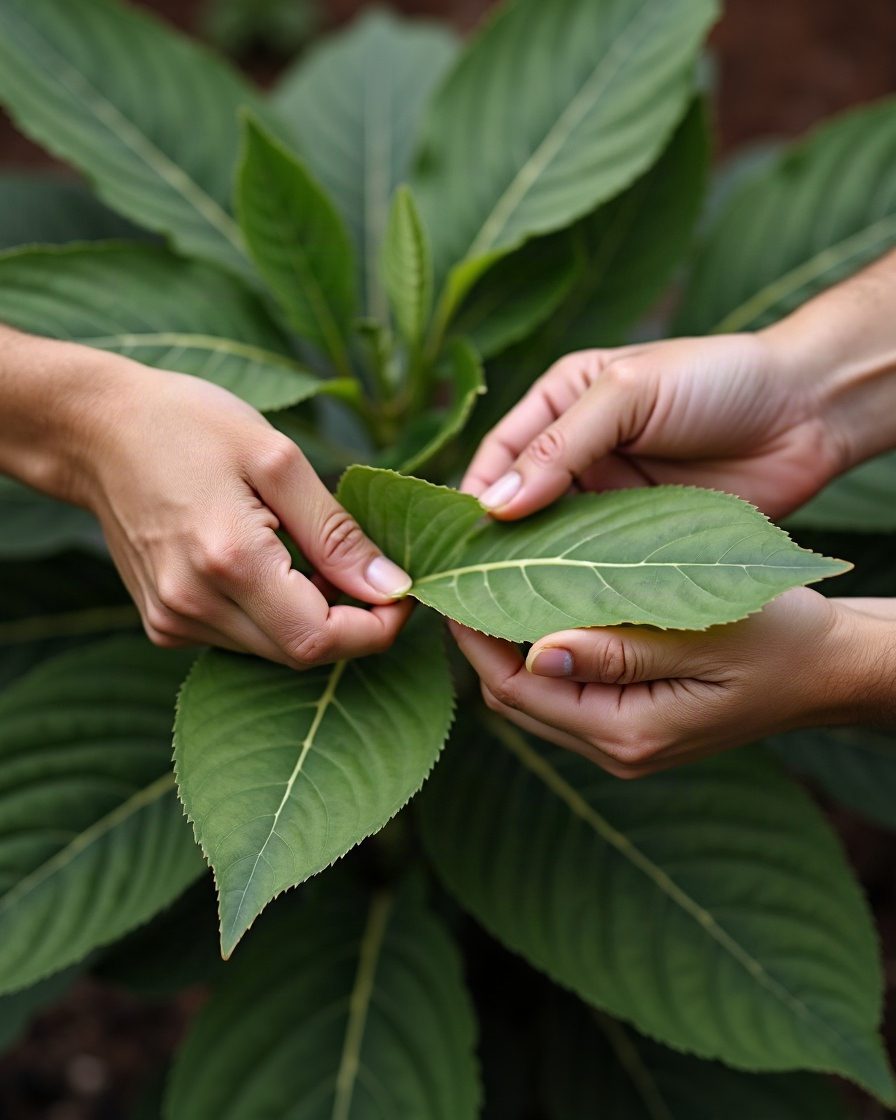
The search itself: leaf undersides first, then stem junctions and leaf axils, then the growing tip, then rolled or tied leaves. Many species tie leaves together with silk and feed inside, so a leaf that will not unfold is worth opening. If the plant is a houseplant and there is no caterpillar to be found, what lives in houseplant soil covers what else produces debris on a pot surface.
What it is not
Bird droppings. No pellet shape, chalky white component, splashed rather than dropped as discrete units. Worth mentioning because several caterpillar species mimic bird droppings deliberately, so the confusion runs in both directions.
Aphid honeydew. Sticky, clear to amber, and it coats rather than falls as particles. Often followed by black sooty mould growing on the residue. That is a completely different problem, covered by UC IPM’s guide to aphids, and by our page on types of aphids.
Slug and snail droppings. Longer, thinner, more sinuous, often with a slime trail nearby.
Soil, seed cases and spent flower parts. Irregular, which the uniformity test catches. The droppings chart covers the wider comparison.
Sawfly larvae produce very similar frass and look like caterpillars. Count the fleshy prolegs on the abdomen: caterpillars have five pairs or fewer, sawfly larvae have six or more. It matters because they are not moths and are not affected by the same biological controls.
What the damage says alongside it
Frass tells you something is feeding. The leaf damage narrows what.
Large irregular holes and chewed leaf edges with frass below: a caterpillar or a sawfly larva.
Skeletonised leaves, veins left as a lace: often young larvae feeding in groups.
A leaf mine, a pale winding track within the leaf: a leaf-mining larva, and the frass is inside the mine rather than below it.
Rolled or tied leaves with frass inside: a leaf-roller.
Holes in leaves covers the full set, and types of caterpillars covers the animals themselves.
What to do, which is often nothing
Most caterpillar feeding on an established garden plant is cosmetic. Plants tolerate substantial leaf loss without harm, and the caterpillars are the larval stage of moths and butterflies that most gardeners want. Removing them by hand where they are genuinely damaging a crop, and leaving them where they are not, is the proportionate response, and it is the spirit of the EPA’s point about whether a pesticide is needed at all.
Where intervention is warranted, on vegetables or on a young tree that cannot afford defoliation, hand removal is effective because the frass has already told you where to look. Broad-spectrum insecticide is the poor choice here: it removes the parasitic wasps and predatory beetles that are the main natural control, and caterpillar populations rebound faster than their predators do.
One case is different. Some species carry irritant hairs, and in parts of Europe processionary moth caterpillars in oak and pine are a genuine health matter and a notifiable one in some regions. Do not handle a hairy caterpillar in a communal nest with bare hands, and do not attempt to remove such a nest yourself.
Common questions
How fresh is it? Bright green means within about a day. Brown or black means older, though frass persists for a long time in dry weather.
There is frass but no caterpillar anywhere. Check at night with a torch. A large share of species feed nocturnally and rest lower down or in leaf litter by day.
Frass on a windowsill indoors. Usually a caterpillar that came in on cut flowers or on a plant, or occasionally a pantry moth larva that has wandered. Insect larvae in the house covers the indoor set.
Is the plant going to survive? Almost always. Established plants regrow after complete defoliation more often than not.
The bottom line
Ridged barrel-shaped pellets, green when fresh, mean a caterpillar directly above. Use the size to estimate how large it is, look at leaf undersides and stem junctions rather than at the tops of leaves, and then decide whether it needs doing anything about. On an ornamental plant in a garden, the honest answer is usually that it does not.
Pingback: Holes in Leaves: Reading Garden Damage