Finding yourself with an unexpected insect bite or sting can quickly turn a pleasant day outdoors into a moment of discomfort and concern. Whether it's the itchy welt of a mosquito, the sharp pain of a bee sting, or the subtle irritation of a flea bite, knowing the proper insect bite treatment is essential for quick relief and preventing complications. This comprehensive guide will walk you through the immediate first aid steps, explain when to seek medical attention, and debunk common myths, ensuring you're prepared to handle most encounters with confidence.
Bottom line: Treat most minor bites and stings by washing the area, removing any stinger or tick correctly, using cold therapy, and controlling itch without scratching.
- Call emergency services for breathing trouble, throat tightness, faintness, or swelling of the lips, tongue, or face.
- Use tweezers for ticks; do not burn or smother them.
- Watch for infection over the next 24-72 hours.

What to do first:
For most common insect bites and stings, immediate action focuses on pain relief and preventing infection. Start by moving to a safe area away from the insect. If a stinger is visible, remove it quickly. Then, wash the affected area thoroughly with soap and water, and apply a cold pack to reduce swelling and pain. Monitor the site closely for any signs of worsening symptoms or allergic reaction.
Bites vs stings
Insect bites and stings are incredibly common, with most people experiencing several throughout their lifetime. While often just a minor nuisance, understanding what happens when an insect interacts with your skin is the first step toward effective relief.
When an insect bites, like a mosquito or a flea, it typically injects saliva into the skin. This saliva contains compounds that prevent blood clotting and can trigger an immune response, leading to the characteristic itching and swelling. On the other hand, stinging insects such as bees, wasps, hornets, and fire ants inject venom. This venom is a complex mix of proteins and chemicals designed to cause pain and local tissue injury, and in some individuals, it can provoke a severe allergic reaction.
According to the Centers for Disease Control and Prevention (CDC), insect stings are a significant cause of anaphylaxis treated outside of hospitals in the U.S., with an average of 62 deaths per year from hornet, wasp, and bee stings between 2000 and 2017. While these severe reactions are less common, up to 3% of adults may experience systemic allergic reactions to insect stings, with a smaller percentage facing life-threatening anaphylaxis. Even without a severe allergy, large local reactions, characterized by extensive swelling around the sting site, can occur in up to 10% of sting victims and may last for days.
Factors that increase the risk of a more serious reaction include a known insect sting allergy, existing conditions like asthma, or receiving multiple simultaneous stings. While children often exhibit more dramatic local swelling, they are statistically less prone to fatal anaphylaxis from stings compared to adults, as noted by the American Academy of Allergy, Asthma & Immunology (AAAAI). Most uncomplicated bites and stings, however, result in local pain, redness, and swelling that peaks within a few hours and resolves within a few days. For more specific guidance on common biters, explore our comprehensive mosquito bite treatment guide.
First aid steps
Effective insect bite treatment and sting first aid primarily aim to alleviate discomfort, reduce swelling, and prevent secondary infections. These general steps apply to most common insect encounters, from mosquito bites to mild bee stings.
Here's a step-by-step guide to providing immediate care:
- Get to a Safe Area: Your first priority is to move away from the source of the bite or sting. This prevents additional stings or bites, especially if you've encountered a nest or swarm. The Mayo Clinic emphasizes this crucial initial step.
- Remove the Stinger Quickly: If a stinger is embedded in the skin (most commonly from honey bees), remove it as soon as possible. Speed is more important than the exact technique. You can scrape it out with a fingernail, the edge of a credit card, or grasp it with fine-tipped tweezers. The goal is to get it out without delay, as the venom sac can continue to pump venom for a short time. This advice is supported by the Red Cross and the NHS. For a deep dive into bee sting care, see our guide on how to treat a bee sting effectively.
- Wash the Area Thoroughly: Cleanse the bite or sting site with soap and water. This helps remove any remaining venom or insect saliva and significantly reduces the risk of bacterial infection. The University of Iowa Hospitals & Clinics highlights this as a key preventive measure.
- Apply a Cold Pack: Place a cold compress or ice wrapped in a thin cloth on the affected area for 10-20 minutes. Remove it for at least 10 minutes, then reapply as needed. Cold therapy helps constrict blood vessels, which reduces pain, swelling, and inflammation.
- Elevate the Affected Limb: If the bite or sting is on an arm or leg, elevating it above heart level can further help to decrease swelling.
- Use Topical Treatments for Itch and Swelling:
- Calamine lotion: This classic remedy can soothe the skin and help dry out weeping blisters.
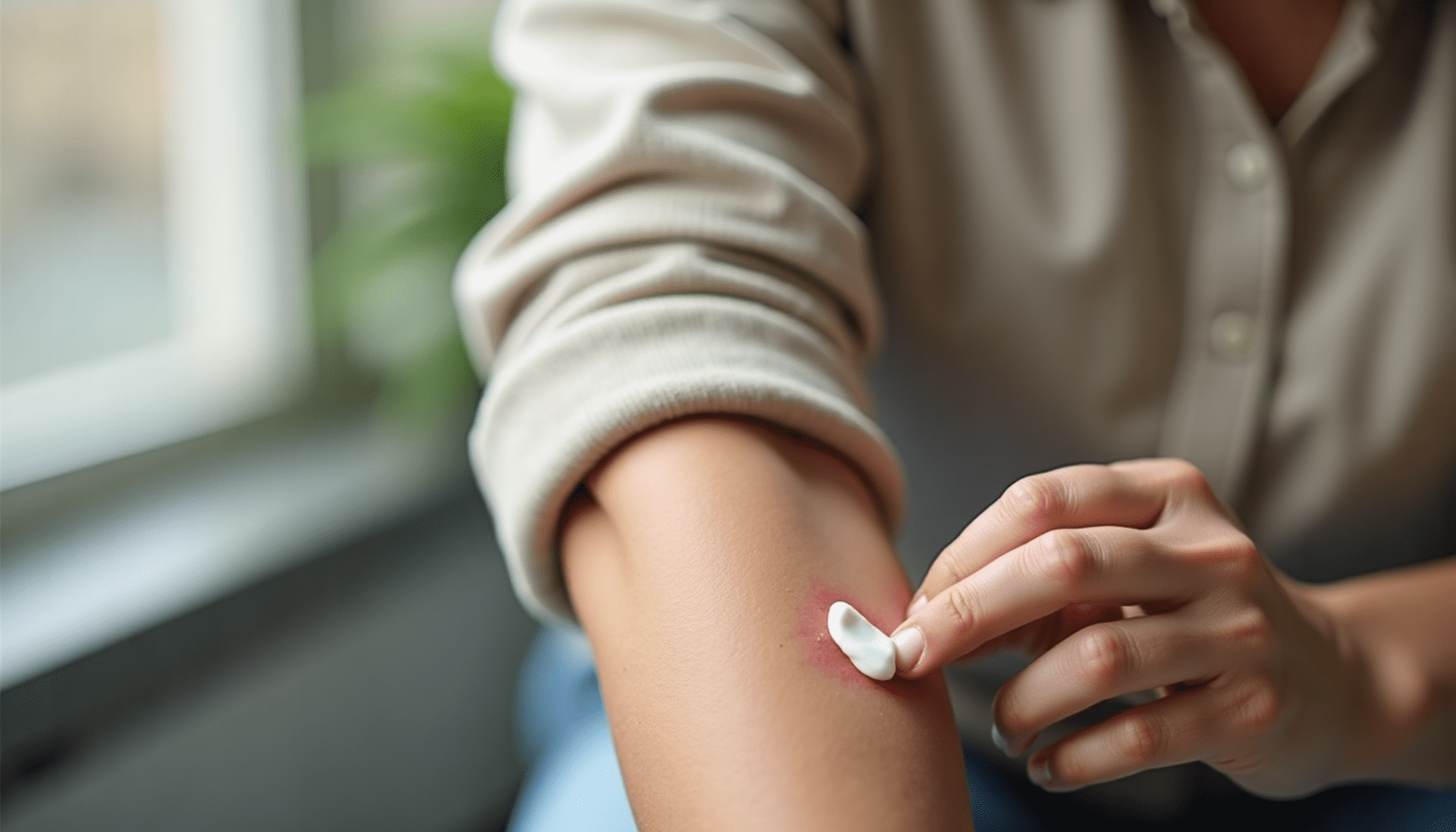
- Hydrocortisone cream (0.5-1%): Apply a thin layer 1-2 times daily for short periods to reduce itching and inflammation.
- Baking soda paste: Some sources, like the Mayo Clinic, suggest a paste of baking soda and water for relief, though the NHS generally advises against home remedies.
- Consider Oral Medications:
- Antihistamines: Oral antihistamines like cetirizine, loratadine, or fexofenadine can effectively reduce itching. Second-generation antihistamines are generally preferred due to their non-drowsy nature.
- Pain Relievers: Over-the-counter pain medications such as ibuprofen or acetaminophen can help manage pain and discomfort.
- Avoid Scratching: While tempting, scratching can break the skin, increasing the risk of secondary bacterial infections like impetigo or cellulitis, and potentially leading to scarring. The Cleveland Clinic emphasizes this important point.
- Monitor for Changes: Keep a close eye on the bite or sting site. Watch for any signs of worsening infection (increased redness, warmth, pain, pus, fever) or signs of a more serious allergic reaction, which we'll discuss next.

Emergency signs
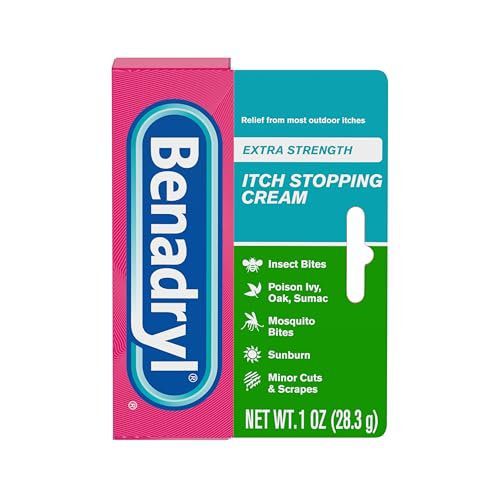
A topical diphenhydramine cream for short-term itch relief on small areas. Avoid overuse and do not apply to broken skin.
- Provides fast, effective relief from itching and pain caused by mosquito and other insect bites, poison ivy/oak/sumac, and minor skin irritations
- Extra strength 2% diphenhydramine formula is noticeably stronger and more effective than the original 1% Benadryl itch cream for many users
- Non-greasy cream that absorbs quickly, is easy to apply, and can be used on both adults and kids over age 2
- Relief is temporary and needs to be reapplied several times a day, which some users find inconvenient
- Contains parabens and other preservatives that a subset of users dislike or try to avoid for sensitive skin or ingredient-preference reasons
While most insect bites and stings result in mild local reactions, some individuals can experience a severe, life-threatening allergic reaction called anaphylaxis. Recognizing the signs and acting quickly is paramount.
Signs and symptoms that require immediate emergency care (call your local emergency number):
- Respiratory Distress: Difficulty breathing, wheezing, gasping, very fast breathing, or a tight/closing sensation in the throat.
- Swelling: Sudden swelling of the lips, tongue, face, or throat.
- Skin Reactions: Generalized hives, flushing, or an extensive rash that spreads beyond the immediate sting site.
- Circulatory Problems: Dizziness, confusion, fainting, or loss of consciousness; chest pain, a rapid or weak pulse, or a severe drop in blood pressure (shock).
- Gastrointestinal Issues: Severe nausea, vomiting, or abdominal pain.
These symptoms can appear rapidly, often within minutes of a sting. For more on this, refer to our article on mosquito bite allergic reactions and when to seek medical attention.
Immediate Actions for Suspected Anaphylaxis:
- Call Emergency Services Immediately: This is the most critical step. Do not delay.
- Use an Epinephrine Auto-Injector (if available and trained): If the person has a prescribed epinephrine auto-injector (e.g., EpiPen), administer it without hesitation at the first sign of a systemic reaction. Inject it into the outer mid-thigh, holding it in place according to the device's instructions (typically 3-10 seconds). Epinephrine (adrenaline) is the first-line treatment for anaphylaxis, as it rapidly reverses airway swelling and circulatory problems. Antihistamines and corticosteroids are not substitutes. This guidance is strongly supported by the AAAAI and the World Allergy Organization (WAO).
- Position the Person: Lay the person down flat and elevate their legs, unless they are having trouble breathing, in which case allow them to sit slightly upright.
- Monitor and Support: Stay with the person, monitor their breathing and responsiveness, and be prepared to perform CPR if they stop breathing or lose a pulse.
- Administer Oral Antihistamine (After Epinephrine): If the person is conscious and able to swallow, an oral antihistamine (like diphenhydramine) can be given after epinephrine, but it is a supportive measure and not a replacement for epinephrine.
Anyone who receives epinephrine or has suspected anaphylaxis should be transported to a medical facility for evaluation. This is because symptoms can recur hours later, a phenomenon known as a biphasic reaction.
Special cases
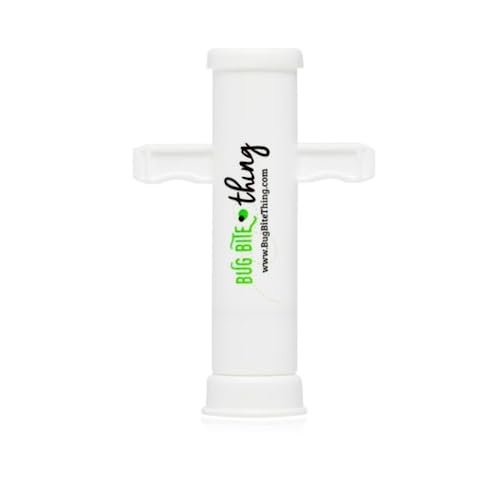
A simple suction tool for fresh, minor bites when you want a drug-free comfort option. Use it gently and do not use it on ticks, wounds, or severe reactions.
- Effectively reduces or eliminates itching, pain, and swelling from many common insect bites and stings when used promptly
- Reusable, compact, and chemical‑free, making it convenient to carry and safe for kids and adults with sensitive skin or allergies to topical treatments
- Easy-to-use mechanical design with reversible cap and scraper features that can also help with small splinters and bee stinger removal
- Does not work for everyone or for every type/timing of bite or sting, and may require multiple uses to see benefit
- Some users report temporary marks, bruising, or discomfort from the suction, especially if too much pressure is applied or if used on delicate skin
While general first aid covers most common insect encounters, some specific pests and environments require tailored insect bite treatment approaches.
Tick Bites
Tick bites carry the risk of transmitting diseases like Lyme disease. Prompt and correct removal is crucial.
- Remove the Tick Promptly and Correctly: Use fine-tipped tweezers or a specialized tick-removal tool. Grasp the tick as close to the skin's surface as possible and pull upwards with a steady, even pressure. Avoid twisting or jerking, which can cause the mouthparts to break off and remain in the skin. Do not crush the tick's body, and avoid "home remedies" like burning the tick or applying petroleum jelly, as these can irritate the tick and cause it to release more saliva or venom. The NHS provides clear guidelines on this.
- Clean the Area: After removal, wash the bite site thoroughly with soap and water or an antiseptic.
- Monitor for Disease Symptoms: Keep an eye on the bite area and your general health for several weeks. Look for a spreading red rash, often round or oval, sometimes with a clear center (the classic "bull's-eye" rash), which appears 3-30 days after the bite. Also watch for flu-like symptoms such as fever, fatigue, headache, and muscle or joint aches. If these symptoms appear, or if you are in a Lyme-endemic region, seek medical care. For more information, read our guide on tick bite symptoms and when to consult a doctor.
Caterpillars and Urticating Hairs
Some caterpillars, like processionary caterpillars, possess irritating hairs or spines that can cause a rash, itching, and irritation upon contact.
- Careful Removal: Gently lift the caterpillar off the skin using tweezers or a stick, trying not to disturb it further to prevent the release of more hairs.
- Rinse and Dry: Rinse the affected skin with running water and allow it to air dry.
- Use Sticky Tape: Press adhesive tape onto the area and then pull it away to remove any remaining irritating hairs.
- Treat Symptoms: Apply a cold compress and take oral antihistamines for itching and swelling. The NHS advises against topical antihistamine creams if hairs were present, due to the risk of sensitization. Seek medical care if there is eye involvement, difficulty breathing, or a widespread reaction.
Marine and Other Special Venomous Stings
Certain marine creatures and other venomous animals require specific first aid protocols, often dependent on the region. These generally do not apply to common land insect bites.
- Bluebottle / Portuguese Man-o'-War: Carefully remove any visible tentacles (gloves recommended). Rinse the stung area with seawater (not fresh water, which can activate more stinging cells), then immerse the affected area in hot water (around 40-45°C or 104-113°F) for 20 minutes. This helps denature the venom and reduce pain, as advised by St John Ambulance Australia.
- Box Jellyfish and Some Other Tropical Species: Immediately flood the area with vinegar for at least 30 seconds to inactivate stinging cells before managing pain with cold packs.
- Stingray, Stonefish, Cone Shell, Some Fish Stings: Similar to bluebottle stings, immersion in hot water (40-45°C) is often recommended to relieve pain and potentially denature the venom. The Better Health Channel Victoria provides detailed guidance for these.
Common myths
Misinformation can sometimes lead to ineffective or even harmful practices when dealing with insect bites and stings. Let's clarify some common myths.
- Myth 1: "Only bee stings are dangerous."
- Fact: While bee stings can be serious, stings from other Hymenoptera insects like wasps, hornets, yellow jackets, and fire ants can also cause severe or fatal anaphylaxis. Certain ticks, spiders, and caterpillars can also cause serious reactions or transmit diseases.
- Myth 2: "You should always scrape, never tweeze, a stinger."
- Fact: The most critical factor for bee stinger removal is speed. While older advice favored scraping, newer evidence and major first aid organizations like the Red Cross and NHS agree that rapidly removing the stinger, whether by scraping or tweezing, is more important than the specific technique. Delaying removal to find the "perfect" tool is more harmful.
- Myth 3: "Antihistamines or steroids can replace epinephrine in anaphylaxis."
- Fact: They cannot. Epinephrine is the only first-line treatment that rapidly reverses the life-threatening airway and circulatory problems of anaphylaxis. Antihistamines and steroids are supportive treatments, not substitutes. This is a key teaching from the AAAAI.
- Myth 4: "You should cut the wound or suck out venom."
- Fact: Cutting, sucking, or using a tourniquet on a bite or sting is not recommended. These methods are ineffective and can cause more harm, such as infection or tissue damage. Specialized pressure immobilization techniques are only for specific venomous bites (like some Australian snakes or spiders) and require specific training.
- Myth 5: "If swelling is large, it must be anaphylaxis."
- Fact: Large local reactions, which involve extensive swelling around the bite or sting site, can be very dramatic but are usually not systemic and do not necessarily indicate anaphylaxis. True anaphylaxis involves widespread symptoms affecting breathing, circulation, or generalized skin reactions beyond the local area.
- Myth 6: "All bug bites need antibiotics."
- Fact: Most bites and stings do not require antibiotics. They are only necessary if there is clear evidence of a secondary bacterial infection, such as increasing redness, warmth, pain, pus, or fever. The NHS advises against routine antibiotic use.
- Myth 7: "If you didn't react severely the first time, you never will."
- Fact: Sensitization can develop after repeated stings, meaning individuals can have worse reactions with later exposures. A previously mild reaction does not guarantee future safety, as highlighted by Dr. David Golden in the New England Journal of Medicine.
- Myth 8: "Topical anesthetic or antihistamine creams are always safe."
- Fact: Overuse or application on broken skin can lead to contact dermatitis or systemic absorption. Some guidelines, including the NHS, caution against topical antihistamine creams, especially on children or where caterpillar hairs were present, due to the risk of sensitization and local reactions.
Final take
Being prepared with the right insect bite treatment knowledge can make a significant difference in managing discomfort and ensuring safety after an encounter with an insect. For most common bites and stings, simple first aid steps like quick stinger removal, washing the area, and applying cold therapy will provide effective relief. Always remain vigilant for signs of infection or, more critically, a severe allergic reaction, and do not hesitate to seek emergency medical care if anaphylaxis is suspected. By understanding the science behind bites and stings and dispelling common myths, you can confidently navigate the outdoors and keep yourself and your loved ones safe.
For further reading on specific insect issues, explore our articles on flea bites on humans, including identification and treatment and tick bite symptoms and when to consult a doctor.
If you are still not sure what you are looking at, our What bit me? wizard works through it in four questions.
![McKesson Instant Cold Packs 5" x 7" [24 Pack] - Instant Ice Packs for Injuries Disposable, Pain Relief, Swelling, Sprains - Travel Cold Compress for Sports, First Aid, Toothache](https://insectoguide.com/wp-content/uploads/2026/05/amazon-B07K338G1Y.jpg)
Disposable cold packs for the first 10-15 minutes after painful stings or swollen bites when ice is not available.
- Provides quick, effective cold therapy for minor injuries, pain, and swelling
- Convenient single‑use design that’s easy to activate and keep in first aid kits, cars, or sports bags
- Good size (5" x 7") and flexible enough to conform to various body areas
- Some users report difficulty fully breaking the inner pouch to activate the pack
- Cold effect may not last as long as reusable gel packs for extended therapy sessions
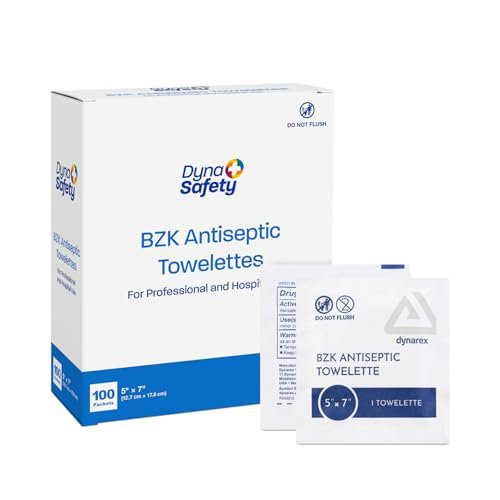
Fragrance-free antiseptic wipes for cleaning intact skin around minor bites and stings before applying other relief steps.
- Alcohol-free and fragrance-free, so it’s gentle and less likely to sting on minor cuts, scrapes, or sensitive skin
- Individually wrapped, sterile single-use packets that are convenient for first-aid kits, workplaces, and travel
- Effective antiseptic cleansing with benzalkonium chloride for helping clean skin without soap and water
- Some users may find the wipes small or thin compared with larger cleansing pads
- Packaging/quantity can be inconvenient for some buyers if they only need a small amount or prefer bulk alternatives
As an Amazon Associate, I earn from qualifying purchases. Product recommendations are based on real reviews and independent research.