nnn
Every head lice protocol, the second treatment, the combing every few days, the advice not to fumigate the house, comes straight from the insect’s biology. A head louse lives on a clock: about 8 to 9 days as an egg glued to a hair, about a week as a growing nymph, then up to a month as an egg-laying adult that dies within a day or two off a head. Read that clock and the treatment box stops feeling arbitrary, which makes it far easier to do the one thing that ends an infestation: staying on schedule.
nn
n
Head lice cycle through three stages: eggs (nits) that hatch in roughly 8 to 9 days, nymphs that mature in about a week, and adults that live up to 30 days on a head but die within 1 to 2 days off it.
n
- n
- Why timing matters: Treatments work best on hatched lice, so rechecks and second applications are timed to catch eggs that hatch after day one.
- Reading nits: Fresh eggs sit within a quarter inch of the scalp; a nit far down the hair shaft is weeks old and usually empty.
- What lice cannot do: They crawl only, never jump or fly, and pets play no part in spreading them.
n
n
n
n
nn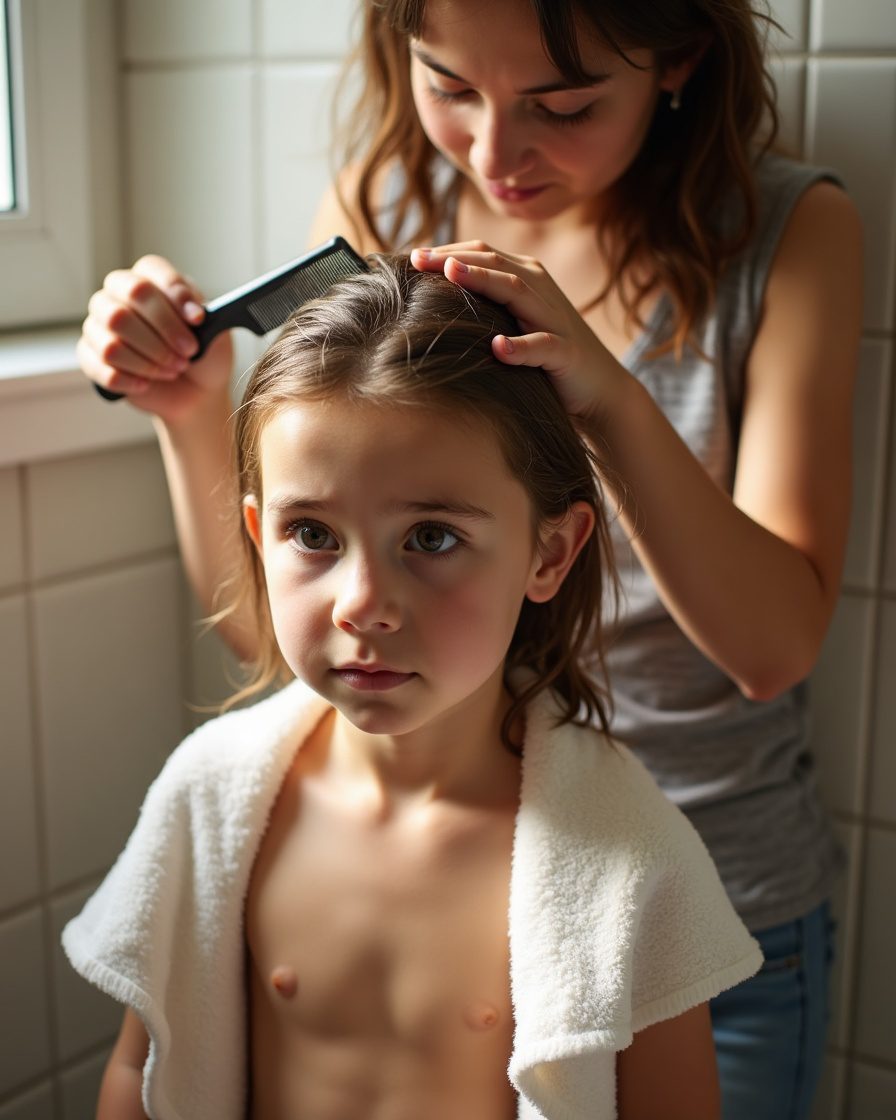 nn
nn
The three stages at a glance
nn
Head lice never leave their host on purpose. The University of Kentucky’s entomologists describe all head lice life stages as ectoparasitic, feeding on human blood while staying on the outside of the body. There is no soil stage, no cocoon in the carpet, no reservoir in the family dog. Everything happens on a human head, so the fight is won or lost there too.
nn
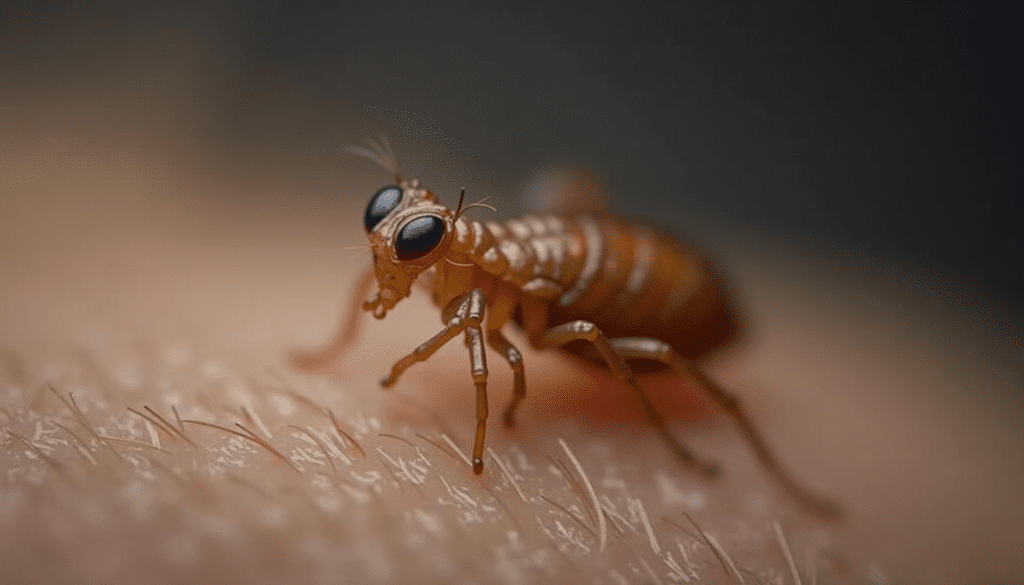
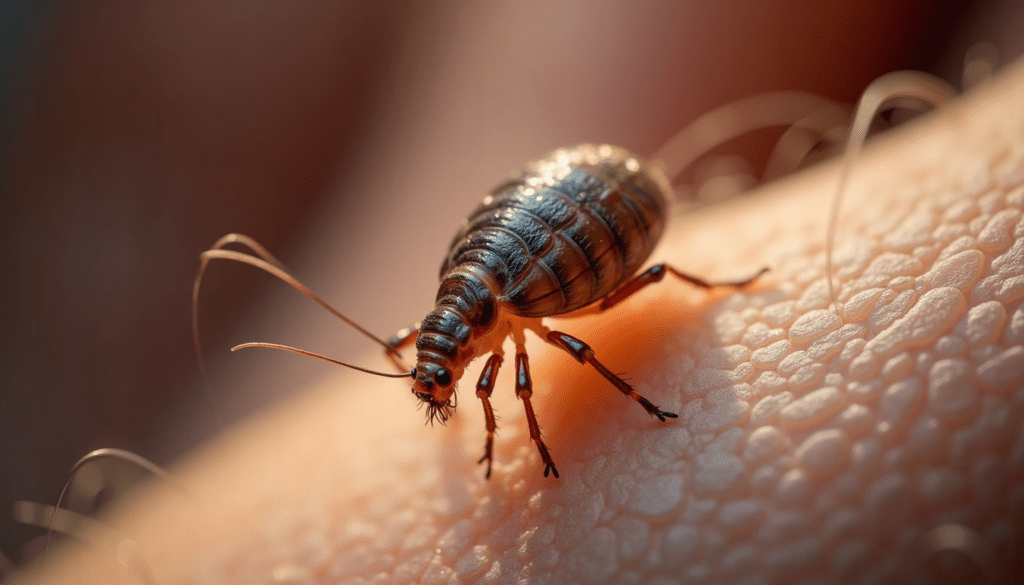
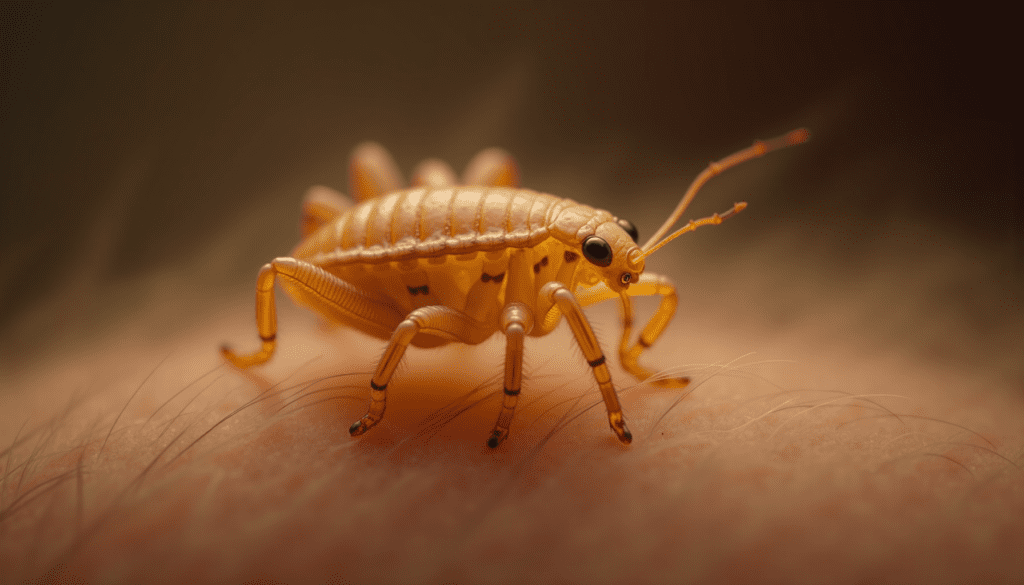
The stages are easy to tell apart by size. The egg, or nit, is about the size of a grain of sand, tan and oval, cemented to a hair shaft near the scalp. The nymph is a pinhead-sized miniature adult. The adult is around an eighth of an inch, comparable to a sesame seed, with six clawed legs built for gripping hair. If you cannot decide whether a fleck is an egg or something harmless, our guide to telling lice from dandruff covers the test that settles it: dandruff flicks away, a nit stays glued.
Bugs that look like lice is the fuller treatment of why a nit is not a diagnosis.
nn
Stage one: the egg and its 8 to 9 day clock
nn
A female louse glues each egg to a hair shaft close to the scalp, where body heat keeps it warm. The cement is why nits do not brush out, wash out, or blow away, and why they get mistaken for dandruff or shampoo residue. Inside the shell, the embryo develops for roughly a week, with 8 to 9 days the commonly cited hatch window.
nn
That window is the most important number in lice control. Treatments kill hatched lice far better than unhatched eggs; as the Kentucky entomology fact sheet puts it, louse shampoo typically does not target nits, so the nits need to be removed manually with a fine-tooth comb. After a treatment on day zero, the crawling lice die, but eggs laid over the previous week keep incubating and hatch into a fresh wave of nymphs. A family that treats once and declares victory has often handed the infestation to the next generation. That is the entire logic behind the second application on treatment labels and the combing schedule that continues for weeks.
nn
Eggs are also patient. MedlinePlus notes that lice eggs can live for more than 2 weeks, which is why thorough nit removal is worth the tedium even when every crawling louse seems gone.
nn
Stage two: the nymph, the week that decides everything
nn
A newly hatched nymph is tiny, hungry, and harmless in one specific way: it cannot lay eggs yet. It feeds, molts through immature stages, and per the University of Kentucky becomes an adult about 7 days after molting. That week is your best tactical opening.
nn
Any nymph you remove before it matures is a louse that never reproduces, which is why combing works as more than cleanup. MedlinePlus advises checking the hair for lice and nits every 2 to 3 days, and continuing for 2 to 3 weeks, a schedule built to intercept hatchlings during the maturation window. Comb on that rhythm and every egg that slipped past treatment gets pulled out before it can restart the cycle. Skip a week and some nymphs graduate into egg-laying adults, resetting the clock. Our step-by-step checking guide for parents shows how to section hair so the pass takes minutes.
nn
Stage three: the adult, on the head and off it
nn
An adult female spends her lifespan feeding and gluing new eggs near the scalp. The Kentucky fact sheet states that adult lice can live up to 30 days on a human host but must feed on blood several times a day, and die within 1 to 2 days without blood meals. Those two numbers explain why an untreated infestation snowballs for a month, and why your house is not the battlefield.
nn
Because an adult starved of blood dies within a day or two, the lice population in your home is, in practice, the population on heads. The same fact sheet notes that lice linger on bedding and furniture only briefly, and that transmission through pillowcases and bedding is extremely unlikely. Sensible cleanup is still worth doing, and our checklist for laundry and bedding after lice keeps it proportionate: hot-wash and high-heat dry recent bedding, hats, and hair tools, and stop there. Marathon cleaning sprees fight an enemy that has already died of hunger.
nn
The off-head weakness also separates head lice from their cousins. MedlinePlus explains that body lice live in the seams and folds of clothing, persisting there for weeks and moving to skin only to feed, so the two infestations are managed in almost opposite ways.
nn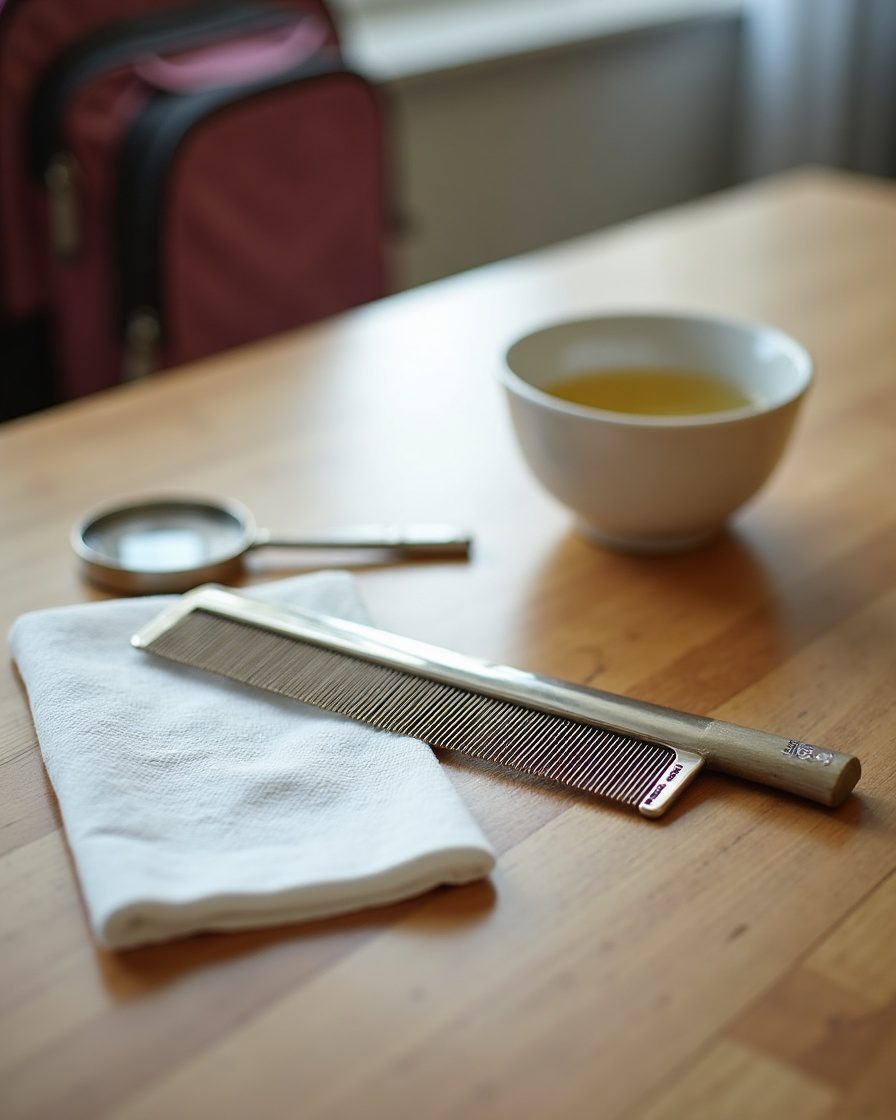 nn
nn
The timeline, keyed to treatment decisions
nn
Here is the cycle as a schedule, with day zero as your first treatment or full combing session.
nn
| Stage | Typical timing | The treatment decision it drives |
|---|---|---|
| Egg (nit) | Roughly 8 to 9 days from laying to hatch | One treatment cannot end an infestation; plan the follow-up before you start, and comb nits out manually |
| Nymph | About 7 days from hatching to egg-laying adult | Comb every 2 to 3 days so hatchlings are removed before they can reproduce |
| Adult | Up to 30 days on the head, feeding several times a day | Check all close contacts the same day; every infested person must be treated for the cycle to end |
| Any louse off the head | Dies within 1 to 2 days without blood meals | Targeted laundry of recent bedding and hats is enough; whole-house fumigation is wasted effort |
| Follow-up window | Recheck 8 to 12 hours after treating; comb again in 7 to 10 days; keep checking for 2 to 3 weeks | The 7 to 10 day pass lands after straggler eggs hatch but before hatchlings mature |
nn
The follow-up row is not arbitrary. MedlinePlus recommends checking for lice and nits 8 to 12 hours after treatment and combing for nits again in 7 to 10 days. That return visit is aimed at the hatch window: surviving eggs have hatched by then, and the new nymphs are still days from laying. Work inside that gap and you break the cycle. Our full head lice removal guide turns this into a day-by-day plan.
nn
What a nit’s position on the hair tells you
nn
Hair grows roughly half an inch a month, and a nit is cemented in place the day it is laid, so every nit is a timestamp. Freshly laid eggs sit within about a quarter inch of the scalp, where the warmth they need is. A nit an inch or more down the shaft was laid weeks ago and is usually an empty shell riding the growing hair away from the scalp.
nn
This is useful triage. Shells far from the scalp with no live lice and no eggs near the roots often mean an old, resolved infestation. Eggs glued tight against the scalp mean an adult female is laying now. Since eggs can stay viable for more than two weeks, comb out every nit you find, but let the near-scalp eggs, not the distant shells, drive your alarm level and retreatment decisions.
nn
What the life cycle says about the myths
nn
Most lice folklore dissolves against the biology. Lice have no wings and no jumping legs; MedlinePlus is plain that lice move by crawling, cannot hop or fly, and spread by close person-to-person contact. That is why children ages 3 to 11 get them most, since young heads touch constantly during play. Shared combs and hats can move a louse occasionally, but head-to-head contact does the overwhelming share of the work.
nn
Pets are innocent for the same structural reason. Head lice are human parasites at every stage; every blood meal comes from a human scalp, so the family dog or cat can neither catch them nor pass them along. Clean hair offers no protection either. MedlinePlus states flatly that personal hygiene and cleanliness have nothing to do with getting head lice, so an infestation reflects a child’s social calendar, never a family’s housekeeping.
nn
Kitchen-cabinet remedies fare no better. Suffocating lice under mayonnaise, olive oil, or similar coatings has no clear scientific evidence behind it, per MedlinePlus. We weigh the evidence in our review of natural lice remedies like tea tree and coconut oil; the short version is that a comb and a properly used treatment outperform the pantry.
nn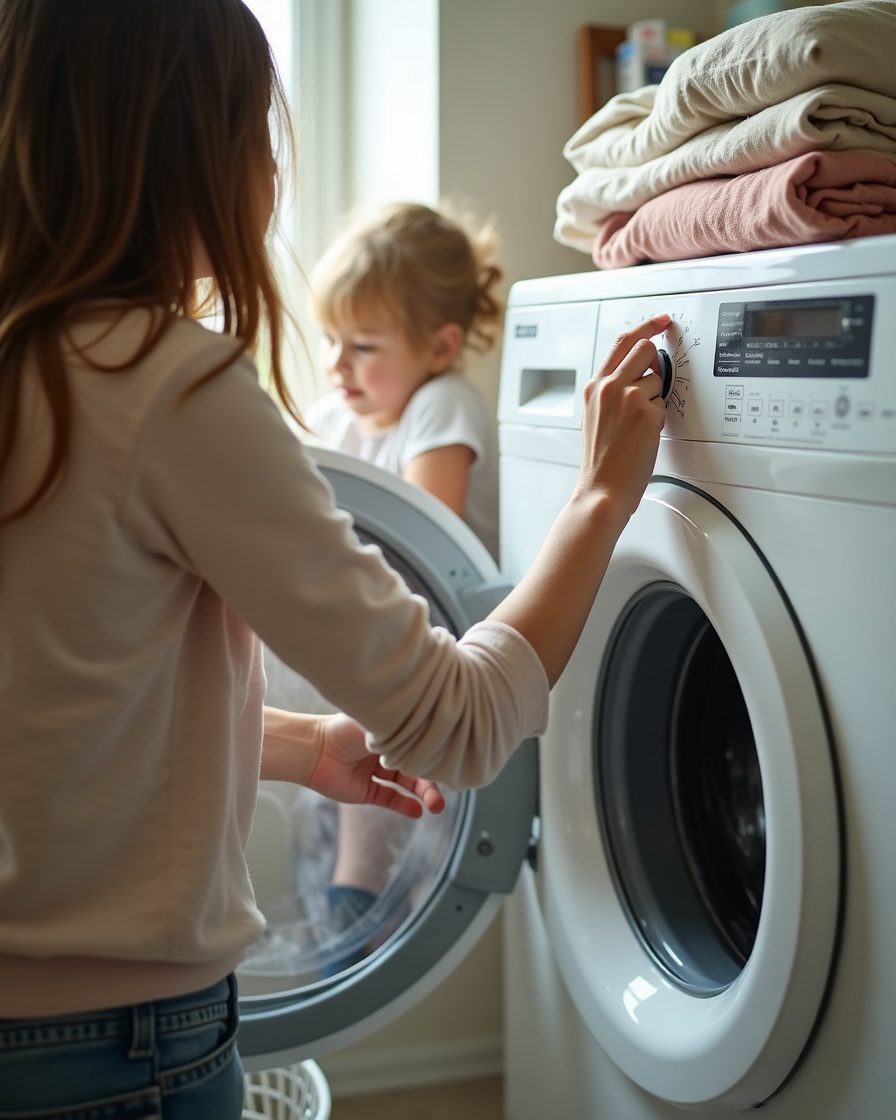 nn
nn
Treatments, retreatment, and when to call in help
nn
Over-the-counter lice treatments are built around two active ingredient classes, permethrin 1% and pyrethrins, and the University of Kentucky notes that most formulated lice shampoos contain one or the other. The label is the whole instruction set: how long to leave the product on, when to apply a second time, and who should not use it. Follow it exactly, and pair every treatment with fine-tooth combing, since the products control crawling lice rather than eggs.
nn
Some situations belong with a clinician or pharmacist rather than the shampoo aisle. Ask before treating a child under 2, and check with a provider first if you are pregnant or nursing. See a clinician if the scalp shows infection signs from scratching, such as spreading redness, warmth, oozing sores, or fever. And if you followed the label, retreated on schedule, combed on rhythm, and live lice still turn up, stop repeating the same product. Failures come from missed timeline steps or from lice with reduced susceptibility to the usual ingredients, the so-called super lice covered in our guide to identifying and treating super lice. In that case a clinician can prescribe a different treatment, the same point MedlinePlus makes when over-the-counter products fail.
nn
Common questions
nnHow long is the full head lice life cycle?n
From egg to egg takes a little over two weeks: roughly 8 to 9 days to hatch, then about a week for the nymph to mature and start laying. The adult can then live up to 30 days on the head.
nnCan a nit far from the scalp still hatch?n
Usually not. Eggs are laid close to the scalp and ride outward as hair grows, so a nit an inch away is weeks old and most often empty. Comb out everything, but judge activity by the eggs nearest the scalp.
nnWhy do treatments require a second application?n
Because most products kill crawling lice far better than unhatched eggs. Eggs laid before treatment keep hatching for up to 8 or 9 days, so the label-timed follow-up and the 7 to 10 day combing catch stragglers before they mature.
nnHow long can lice live on pillows, hats, or furniture?n
Not long. Away from a scalp, a louse loses its blood meals and dies within 1 to 2 days. Transmission from bedding is considered very unlikely, so a hot wash of recently used items is enough.
nnMy child keeps getting lice. What is going wrong?n
The usual culprits are timeline gaps: a skipped second application, combing that stopped too soon, or an unchecked close contact reseeding the infestation. Every infested household member needs treatment at the same time. If the schedule was airtight, involve a clinician.
nn
Final verdict
nn
The head lice life cycle is short, rigid, and entirely on your side once you use it. Eggs hatch on an 8 to 9 day clock, nymphs need about a week before they can reproduce, and adults die within a day or two anywhere but a head. Every rule in a good plan falls out of those numbers: treat, recheck within hours, comb every 2 to 3 days, return for the 7 to 10 day pass, and keep watching for 2 to 3 weeks. Read nits by their distance from the scalp, save your energy for heads instead of houses, and bring in a clinician for babies, pregnancy, infected scalps, or failed treatments. Lice cannot jump, fly, or outwait you. They can only hope you lose track of the calendar.
nnThis article is for information only and is not medical advice.n