\\\
\\\
Waking up with a stuffy nose, itchy eyes, or a persistent cough can often point to an unseen culprit in your own bed: dust mites. These microscopic arachnids are a leading cause of indoor allergies and asthma symptoms worldwide. Fortunately, creating a barrier between yourself and these allergens is simpler than you might think. High-quality dust mite covers for your mattress, pillows, and box spring are a cornerstone of an effective allergy management strategy, trapping existing allergens and preventing new ones from accumulating. This guide will help you understand why these specialized protectors are essential and how to choose the best ones for a healthier sleep environment.
\\\
Bottom line: Dust mite covers are zippered encasements for mattresses, pillows, and box springs made from tightly woven or membrane-backed fabric with a pore size of 10 microns or less. They physically block dust mites and their microscopic allergen particles, significantly reducing exposure and alleviating allergy and asthma symptoms.
\\\
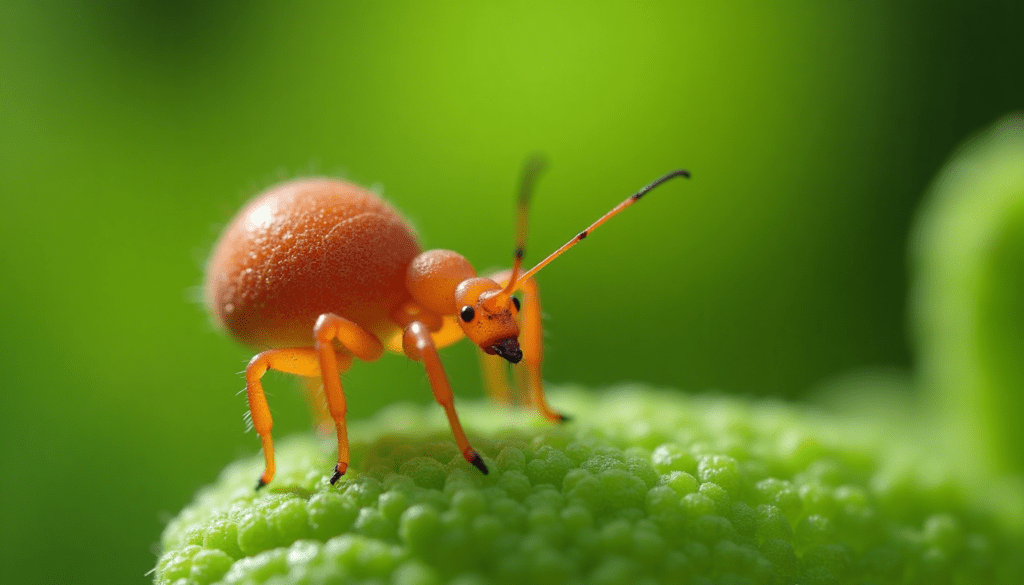
The companion piece to this one is How to Get Rid of Spider Mites on Indoor Plants.
Understanding Dust Mites and Their Impact
\\\
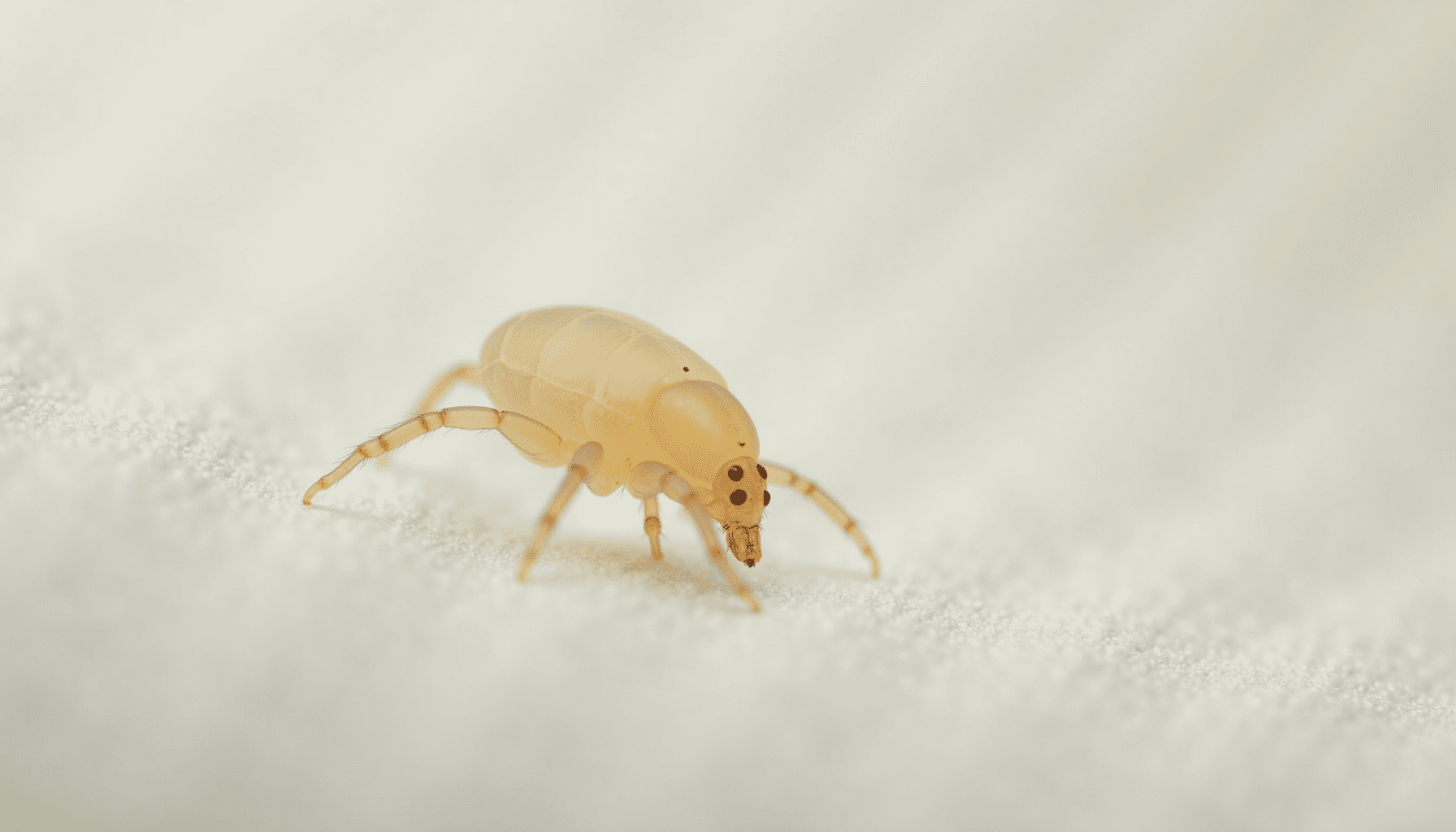
Dust mites are tiny, eight-legged creatures, barely visible to the naked eye, that thrive in our homes. They are not parasites and do not bite, but their fecal pellets and decaying body fragments are potent allergens for many people. These allergens become airborne when disturbed and are easily inhaled, triggering a range of symptoms.
\\\
Research from the American Academy of Allergy, Asthma & Immunology (AAAAI) highlights that dust mites are among the most common triggers for year-round allergic rhinitis and asthma. Population studies suggest that 20–30% of people with allergies are sensitized to dust mites in many industrialized countries, with even higher rates among asthmatics.
\\\
Dust mites flourish in warm, humid environments, ideally with humidity above 50% and temperatures between 68–77°F (20–25°C). They feed primarily on shed human and animal skin flakes. Their favorite habitats include:
\\\
- \\\
- Mattresses, pillows, and box springs
- Upholstered furniture
- Carpets and rugs
- Curtains and other soft furnishings
\\\
\\\
\\\
\\\
\\\
Beds are particularly problematic because they offer the perfect combination of warmth, humidity, food sources, and prolonged human contact, making them prime reservoirs for mite populations and allergen accumulation.
\\\
 \\\
\\\\\\
How Dust Mite Covers Work
\\\
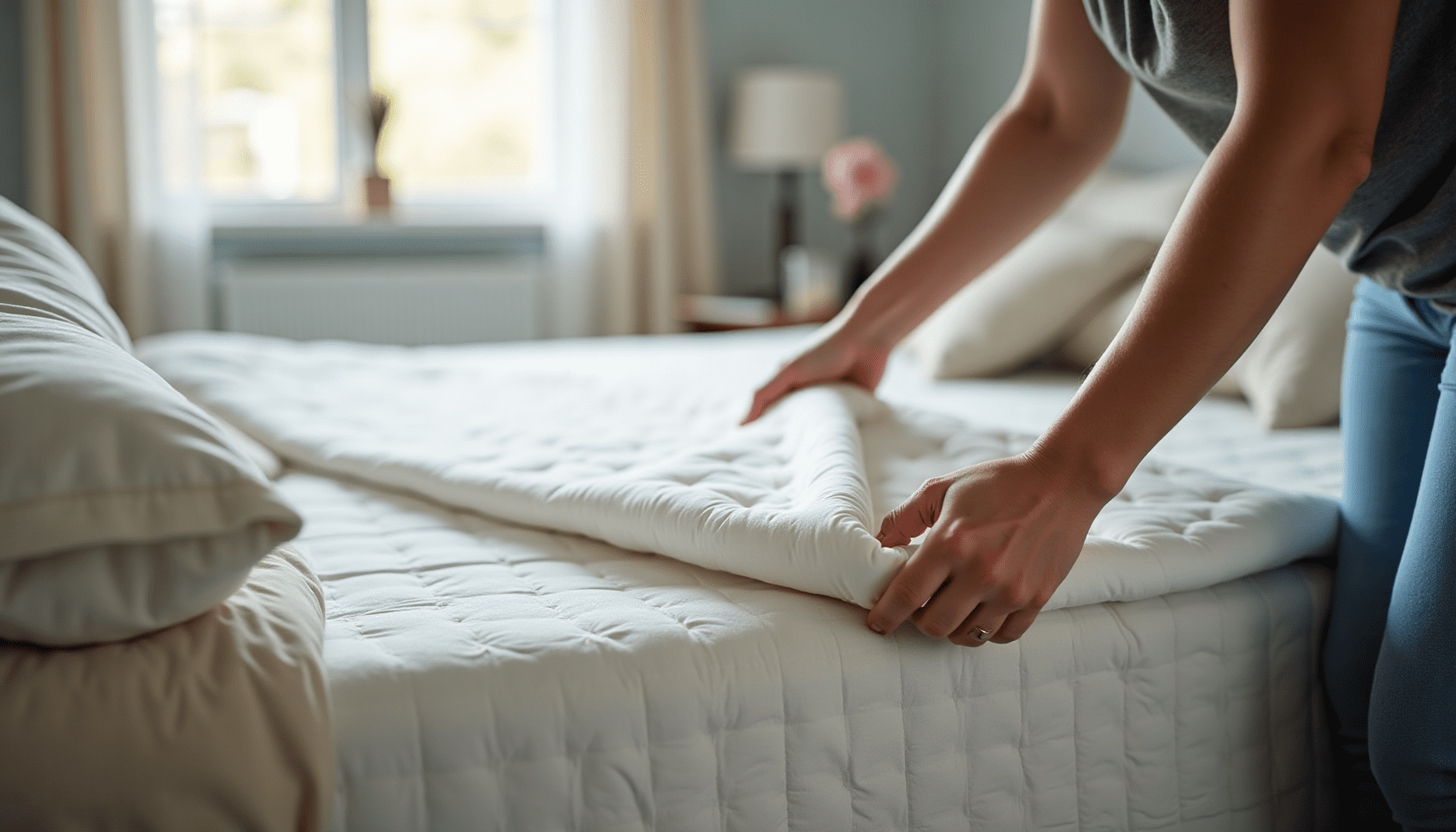
Dust mite covers, also known as allergy encasements or dust mite protectors, are specially designed to create a physical barrier between you and the allergens harbored within your bedding. Unlike regular mattress protectors that might only guard against spills, true dust mite covers are engineered to block microscopic allergen particles.
\\\
These covers are typically zippered encasements that fully enclose your mattress, pillow, or box spring on all six sides. The fabric is either very tightly woven or features a membrane backing. This construction prevents dust mites and their tiny allergen particles (which are roughly 10 micrometers or less) from passing through the cover. While dust mites themselves are larger (200–300 µm), it's their much smaller waste products that cause allergic reactions. Therefore, the critical feature is a fabric pore size of 10 micrometers (µm) or less, with some experts recommending ≤ 6 µm for the most stringent protection, as noted by specialized retailers like Mission: Allergy.
\\\
The primary mechanism is simple:
\\\
- \\\
- Barrier Function: The fine weave or membrane acts as a physical shield, trapping existing mites and allergens inside your bedding and preventing them from reaching the surface where they can be inhaled.
- Preventing Colonization: For new bedding, the cover prevents mites from ever colonizing the mattress or pillow interior, keeping it allergen-free from the start.
\\\
\\\
\\\
Clinical studies consistently support the effectiveness of these encasements. A controlled trial on mite-impermeable bed covers in children with asthma, published in Pediatric Allergy and Immunology, showed significant reductions in bed dust allergen levels. Similarly, the Global Initiative for Asthma (GINA) and the Mayo Clinic endorse their use as a key part of environmental control for dust mite allergy sufferers.
\\\
Beyond allergen control, many modern dust mite covers offer secondary benefits. Their tight weave and secure zippers can also act as a barrier against bed bugs, a topic explored in our guide on how mattress encasements work. Some also feature waterproof layers, protecting your bedding from spills, sweat, and other fluids.
\\\
Choosing the Right Dust Mite Covers
\\\
Selecting the best dust mite covers involves understanding several key features to ensure effective protection and comfort. Not all protectors are created equal, so knowing what to look for is important.
\\\
Type of Cover
\\\
- \\\
- Mattress Encasement: This is the most critical item. A zippered, six-sided encasement fully seals the mattress, trapping allergens inside and preventing new ones from entering.
- Pillow Encasements: Pillows are directly under your nose and mouth for hours each night, making them high-yield targets for encasing.
- Box Spring Encasement: Especially important for older, fabric-covered box springs, which can harbor as many mites as the mattress itself.
\\\
\\\
\\\
\\\
Fabric and Pore Size
\\\
Look for labels that explicitly state "allergen-proof," "dust mite proof," or "allergy encasement." The most crucial specification is the pore size, which should be 10 micrometers (µm) or less, ideally ≤ 6 µm, to effectively block mite allergens. Common fabric types include:
\\\
- \\\
- Tightly Woven Fabrics: These are often cotton or cotton-polyester blends with an extremely dense weave. Brands like AllergyControl.com specialize in these "allergy barrier" fabrics.
- Microfiber or Polyester Micro-weave: These synthetic options can also achieve very small pore sizes.
- Membrane-Backed Fabrics: These feature a thin layer of polyurethane laminate, providing a waterproof and allergen-impermeable barrier.
\\\
\\\
\\\
\\\
Breathability and Comfort
\\\
Older allergen covers sometimes felt plasticky or crinkly. Modern designs prioritize comfort:
\\\
- \\\
- Look for covers made from breathable, moisture-wicking fabrics like cotton terry tops with a thin, breathable polyurethane backing, as recommended by Tom's Guide.
- Ensure the cover is quiet to avoid disrupting sleep.
\\\
\\\
\\\
Waterproof vs. Non-Waterproof
\\\
- \\\
- Waterproof Allergen Covers: Ideal for children, individuals with incontinence, or those who sweat heavily, offering protection against spills and moisture.
- Non-Waterproof, Tightly Woven Covers: Often cooler and more breathable, but provide no liquid protection.
\\\
\\\
\\\
Size and Fit
\\\
Measure your mattress depth and pillow dimensions carefully. Choose an encasement that fits snugly without excessive strain, which could damage zippers or seams.
\\\
Closure and Construction
\\\
High-quality covers feature sturdy zippers that fully close, often with a fabric flap or "zipper lock" to prevent gaps where mites or bed bugs could enter. Reinforced, double-stitched seams are a sign of durability.
\\\
Certification and Testing
\\\
Some brands provide claims of independent laboratory testing for allergen permeability or carry medical endorsements. While not always mandatory, these can offer added assurance.
\\\
Care Instructions
\\\
Most covers are machine washable. For effective mite elimination, wash them in hot water (130°F / 54°C or above) and dry on a medium-to-hot setting, following manufacturer guidelines.
\\\
 \\\
\\\\\\
\\\
Maximizing the Effectiveness of Your Covers
\\\
While dust mite covers are a powerful tool, they are most effective when integrated into a broader strategy for allergen control. Think of them as one crucial layer in your defense against these microscopic pests.
\\\
Encasing Strategy
\\\
For optimal protection, encase all key bedding items:
\\\
- \\\
- Mattress: Begin with a full, zippered mattress encasement.
- Pillow(s): Each pillow should have its own zippered allergen cover.
- Box Spring: If your box spring is fabric-covered, an encasement is highly recommended.
\\\
\\\
\\\
\\\
Once encasements are in place, you can put your regular sheets, pillowcases, and duvet covers over them. These outer layers should be washed frequently.
\\\
Washing Routine
\\\
Consistency in washing is vital for reducing allergen levels:
\\\
- \\\
- Sheets and Pillowcases: Wash these weekly in hot water (at least 130°F / 54°C) to kill dust mites and remove allergens, as advised by the Centers for Disease Control and Prevention (CDC).
- Encasements: Wash your dust mite covers every 1–3 months, or more frequently if there are spills or accidents. Always follow the manufacturer's specific care instructions to maintain the integrity of the barrier fabric.
\\\
\\\
\\\
Humidity and Environment Control
\\\
Dust mites thrive in high humidity. Keeping indoor relative humidity below 50% is one of the most impactful steps you can take to discourage their growth.
\\\
- \\\
- Use a dehumidifier in damp areas or humid climates.
- Run air conditioning during humid seasons to both cool and dry the air.
- Regularly vacuum carpets and upholstered furniture with a HEPA-filter vacuum to capture allergens.
- Damp dust hard surfaces to prevent allergens from becoming airborne.
- Consider replacing carpets with hard flooring, especially in bedrooms, if dust mite allergies are severe.
\\\
\\\
\\\
\\\
\\\
\\\
Who Benefits Most
\\\
Dust mite covers are particularly beneficial for:
\\\
- \\\
- Individuals with confirmed dust mite sensitization through allergy testing.
- Those experiencing perennial allergic rhinitis (year-round nasal symptoms).
- People with asthma that is triggered or worsened by indoor allergens.
- Individuals with atopic dermatitis (eczema) aggravated by dust mites.
\\\
\\\
\\\
\\\
\\\
Even for those without a formal diagnosis, using hypoallergenic bedding can contribute to a generally healthier indoor environment and may help in preventing issues from bed-dwelling pests by creating a less hospitable environment for various unwelcome guests.
\\\
Common Myths About Dust Mite Covers
\\\
Misconceptions about dust mite covers can prevent people from adopting this effective allergy management tool. Let's clarify some common misunderstandings.
\\\
Myth 1: "A regular mattress protector is the same as a dust mite cover."
\\\
Reality: Many standard mattress protectors are designed primarily for spill and stain protection. They often lack the specific tight weave or membrane backing and certified pore size necessary to block microscopic dust mite allergens. True dust mite covers are specifically engineered and often tested for allergen impermeability.
\\\
Myth 2: "If I vacuum my mattress, I don’t need a mite cover."
\\\
Reality: While vacuuming can remove some surface dust, it rarely penetrates deep into a mattress to effectively eliminate dust mites and their embedded allergens. Encasements act as a continuous, passive barrier, trapping existing allergens inside and preventing new accumulation, offering far more consistent protection than occasional vacuuming.
\\\
Myth 3: "Covers will cure my allergies or asthma by themselves."
\\\
Reality: Dust mite covers significantly reduce allergen exposure in the bed, which is a major step. However, they are part of a comprehensive strategy. Symptom improvement is typically best when covers are combined with other measures like humidity control, hot water washing of bedding, and managing other household allergens (pets, pollen, mold). The Global Initiative for Asthma (GINA) emphasizes this multi-faceted approach.
\\\
Myth 4: "Allergy covers are hot, noisy, and uncomfortable."
\\\
Reality: This might have been true for older, plastic-like covers. Modern dust mite covers are made from advanced fabrics such as soft cotton, microfiber, or breathable membrane-backed materials. Many are designed to feel like normal bedding—quiet, soft, and comfortable—while still providing effective allergen protection. Companies like AllerEase and Mission: Allergy focus on comfort alongside protection.
\\\
Myth 5: "If I’m not diagnosed with dust mite allergy, dust mite covers are pointless."
\\\
Reality: While most beneficial for diagnosed individuals, dust mite covers can still be useful for general hypoallergenic bedding, protecting new mattresses, or even as a preventative measure for children at high risk of developing allergies. Furthermore, their ability to act as a barrier against other pests, as discussed in our guide to best bed bug mattress encasements, adds to their value.
\\\
Myth 6: "Synthetic pillows are hypoallergenic, so I don’t need covers."
\\\
Reality: The term "hypoallergenic" often means a product is less likely to cause irritation or harbor certain allergens, but synthetic pillows can still accumulate dust mites, their waste, and other allergens over time. True allergen protection for any pillow, regardless of its fill, comes from encasing it in an allergen-proof cover.
\\\
 \\\
\\\\\\
\\\
Beyond the Bed: A Holistic Approach to Dust Mite Control
\\\
Understanding dust mite covers is a significant step, but effective long-term management of dust mite allergies involves a broader approach to your home environment. By combining the use of specialized bedding with other control measures, you can create a much healthier living space.
\\\
Dust mites (Dermatophagoides pteronyssinus and D. farinae are the most common species) thrive on shed skin flakes and require specific humidity levels to survive and reproduce. Their life cycle is relatively short, but their populations can explode quickly under ideal conditions. By disrupting these conditions, we can significantly reduce their numbers and the allergen load in our homes.
\\\
A comprehensive dust mite avoidance strategy extends beyond just bedding:
\\\
- \\\
- Flooring Choices: Where possible, replace carpets with hard flooring (wood, tile, laminate), especially in bedrooms. Carpets are major reservoirs for dust mites.
- Curtains and Soft Furnishings: Opt for washable curtains or blinds instead of heavy drapes. Wash throw blankets and decorative pillows regularly in hot water.
- Stuffed Toys: These can also harbor mites. Wash them frequently in hot water or place them in a plastic bag and freeze them for 24 hours to kill mites.
- HEPA Filtration: Use a vacuum cleaner with a HEPA (High-Efficiency Particulate Air) filter to trap microscopic allergens when cleaning. Consider a HEPA air purifier for bedrooms, though its effectiveness is less pronounced than source control.
- Humidity Control: As mentioned, maintaining indoor relative humidity below 50% is paramount. Dehumidifiers and air conditioning are your allies.
\\\
\\\
\\\
\\\
\\\
\\\
For individuals with severe dust mite allergies, medical interventions might also be necessary. This can include pharmacotherapy (antihistamines, nasal steroids, inhalers) or allergen immunotherapy (allergy shots or sublingual tablets), which can desensitize the immune system to dust mite allergens over time, as detailed by the American Academy of Allergy, Asthma & Immunology (AAAAI). Understanding these clinical aspects, alongside environmental controls, offers a complete picture of managing dust mite allergies.
\\\
This holistic approach not only addresses dust mites but also contributes to a generally healthier indoor environment, reducing exposure to other potential irritants and improving overall well-being. It's about creating a home that supports your health, minimizing the hidden triggers that can exacerbate conditions like asthma and eczema, and helping you avoid understanding allergic reactions to insect irritants in your own home.
\\\
Conclusion
\\\
Dust mite covers are a simple yet powerful tool in the fight against indoor allergens, providing a critical barrier that significantly reduces your exposure to dust mites and their allergenic particles. By choosing high-quality, properly fitted encasements for your mattress, pillows, and box spring, you can transform your sleeping environment into a sanctuary from allergy and asthma triggers.
\\\
Remember, the most effective strategy involves combining these specialized covers with consistent hot water washing of other bedding, vigilant humidity control, and regular cleaning practices. While dust mite covers won't "cure" allergies, they are an indispensable component of a comprehensive plan to manage symptoms and improve your quality of life. Take the proactive step to protect your bed, and breathe easier knowing you've taken control of your indoor environment. For more insights into creating a pest-free and healthy home, explore our guides on preventing issues from bed-dwelling pests and how mattress encasements work.
\\\
Recommended Products
\\\
\\\
Top Pick\\\
\\\
\\\
 \\\
\\\\\\
\\\
\\\
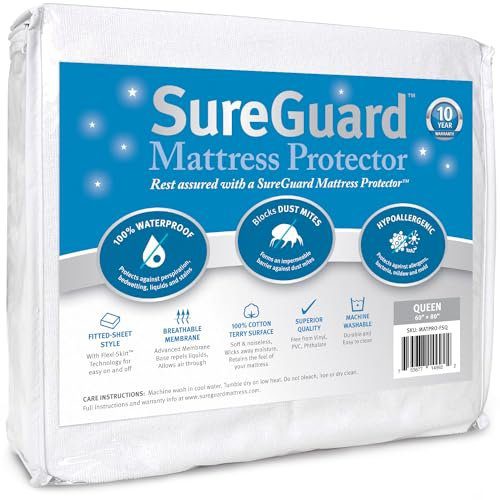
This mattress protector is specifically designed to be 100% waterproof, hypoallergenic, and dust mite proof, creating an essential barrier for the largest surface area of your bed where dust mites thrive. It directly addresses the core problem outlined in the article.
\\\
- Effectively waterproof and protects the mattress from spills, sweat, and bedwetting without leaks
- Soft, thin cotton terry surface that is generally comfortable and doesn’t significantly change the feel of the mattress
- Hypoallergenic, breathable, and machine‑washable with a durable, fitted-sheet style design and long (10‑year) warranty
\\\
- Not completely noiseless; some users notice a slight crinkling or rustling sound
- Fit and durability issues for a minority of users, such as loosening, stretching, or occasional leakage after extended use or improper care
\\\
Check Price on Amazon →\\\
\\\
\\\
\\\
\\\
Pick #3\\\
\\\
\\\
 \\\
\\\\\\
\\\
\\\
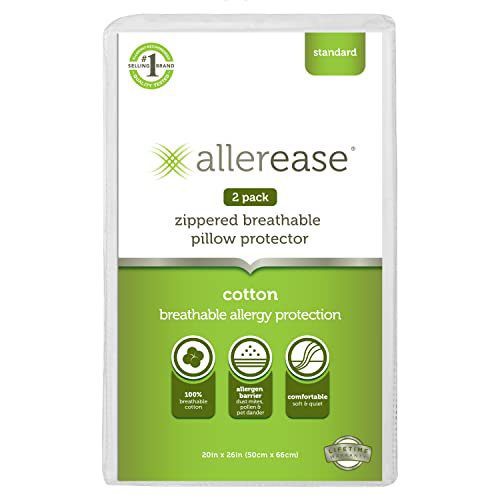
Pillows are a prime habitat for dust mites due to their warmth and proximity to the face. These pillow protectors offer a crucial hypoallergenic and dust mite-proof barrier, significantly reducing allergen exposure during sleep.
\\\
- Effectively helps reduce allergy symptoms from dust mites and other allergens when used consistently
- Breathable 100% cotton fabric that feels comfortable and does not significantly change pillow feel
- Good fit and construction quality, with durable zippered encasement that holds up to repeated washing
\\\
- Some users report the cotton fabric is not as soft or quiet as expected and can feel slightly noisy or stiff
- A portion of reviewers experience sizing or fit issues on thicker or overstuffed pillows
\\\
Check Price on Amazon →\\\
\\\
\\\
\\\
\\\
Pick #4\\\
\\\
\\\
 \\\
\\\\\\
\\\
\\\
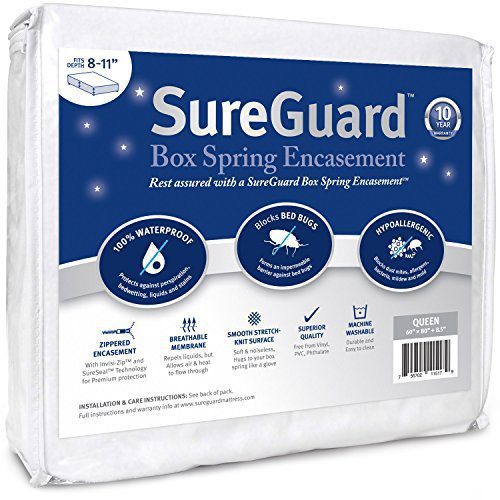
Completing the bed’s protection, this box spring encasement prevents dust mites from harboring within the box spring, which is often overlooked but can be a significant reservoir for allergens. It ensures comprehensive protection as recommended by the article.
\\\
- Effectively protects box springs from bed bugs, dust mites, and allergens with a fully zippered six-sided encasement
- 100% waterproof protection that holds up well to spills and stains while remaining breathable
- Good quality construction and materials that wash and dry easily without shrinking when laundered as directed
\\\
- Some users find the fit tight or difficult to get onto thicker box springs within the stated depth range
- A few reviewers report zipper issues over time, such as snagging or breaking with frequent use
\\\
Check Price on Amazon →\\\
\\\
\\\
\\\
As an Amazon Associate, I earn from qualifying purchases. Product recommendations are based on real reviews and independent research.