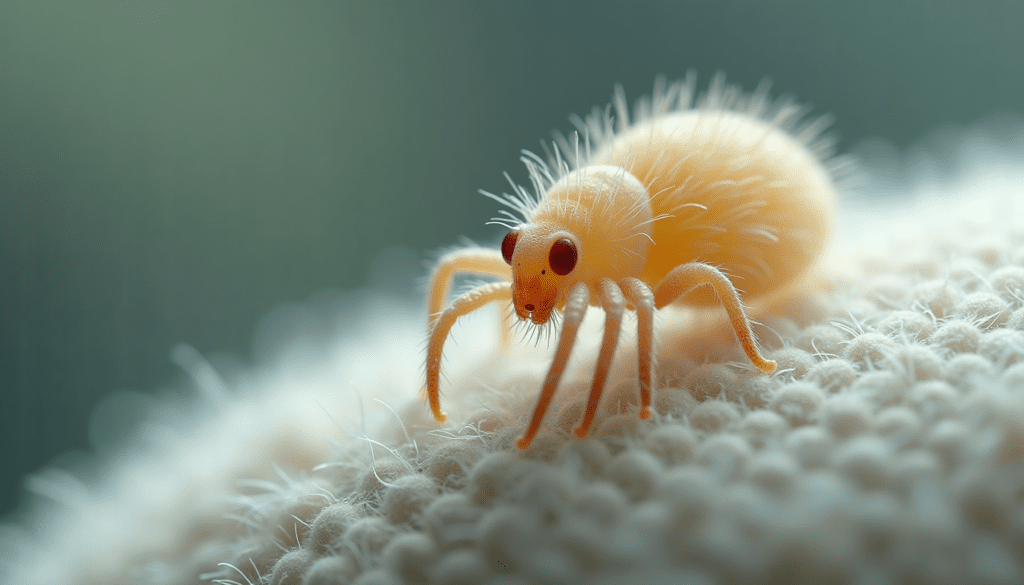
Dust mites are microscopic creatures that can turn your home into a source of year-round allergy and asthma symptoms. If you're searching for effective ways to reduce these invisible pests, dust mite sprays often come to mind as a quick solution for beds and furniture. While these sprays can play a helpful role, the most successful approach involves a combination of strategies to truly minimize dust mite populations and their allergenic proteins, ensuring a healthier living environment. This guide will explore how dust mite sprays work, what to look for, and how to integrate them into a comprehensive plan for lasting relief.
Bottom line:
Dust mite sprays can be a useful tool, but they are most effective when used as part of a broader dust mite control strategy. For best results, combine sprays with:
- Allergen-proof encasements for mattresses and pillows.
- Weekly washing of bedding in hot water.
- Maintaining indoor humidity below 50%.
- Regular HEPA vacuuming of carpets and upholstery.
- Minimizing dust-collecting clutter.
Quick Answer: Understanding Dust Mite Sprays
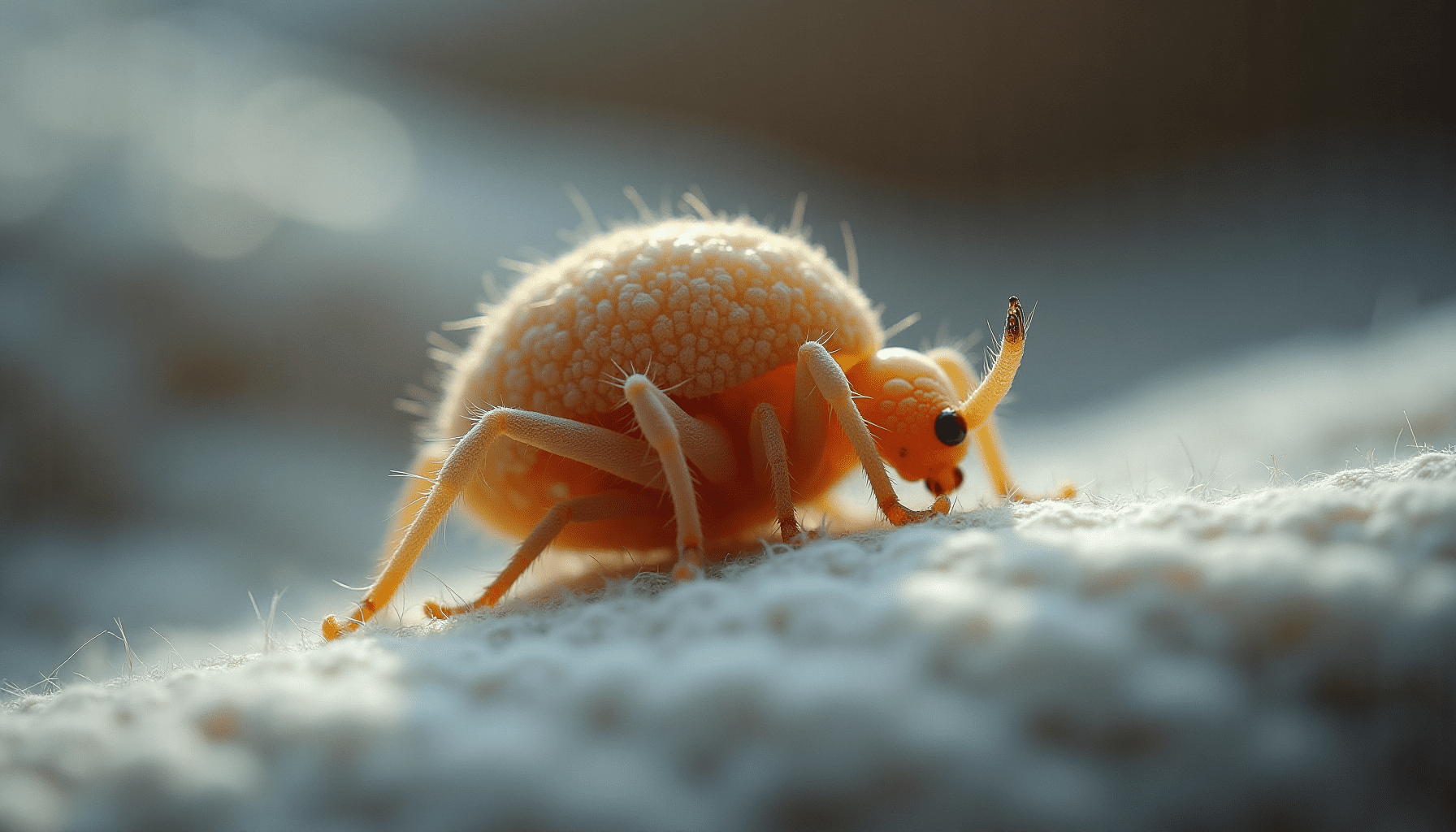
When considering dust mite sprays for your home, it's important to understand their role. These products are designed to either kill dust mites (miticides) or neutralize the allergenic proteins found in their feces and decaying bodies. While no single spray can eliminate a dust mite problem entirely, the best dust mite sprays can significantly reduce mite populations and allergen levels on treated surfaces like mattresses, pillows, upholstered furniture, and carpets. They serve as a valuable adjunct to core environmental controls, helping to manage symptoms for those affected by dust mite allergies. Always check product labels for specific active ingredients, application instructions, and safety precautions, especially if you have pets or sensitive individuals in your household.
What Are Dust Mites and Why Do They Matter?
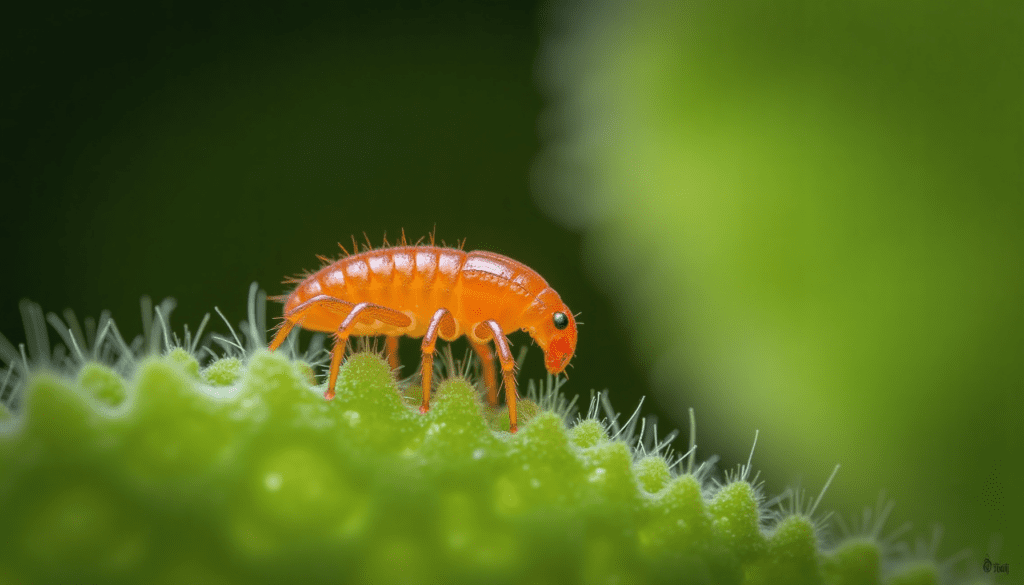
Dust mites (Dermatophagoides pteronyssinus and D. farinae) are tiny, eight-legged arachnids, too small to be seen with the naked eye, that thrive in our homes. Unlike bed bugs, dust mites do not bite people or feed on blood. Instead, they primarily consume shed human and animal skin flakes, which are abundant in bedding, upholstered furniture, carpets, and stuffed toys. The real concern with dust mites isn't the mites themselves, but the microscopic proteins found in their feces, urine, and decaying body parts. These proteins are potent allergens that can trigger a range of symptoms in sensitive individuals.
According to the Asthma and Allergy Foundation of America (AAFA), dust mites are a leading cause of year-round indoor allergy and asthma symptoms. When inhaled, these allergen proteins can lead to sneezing, runny nose, itchy eyes, nasal congestion, eczema flare-ups, and even asthma attacks. Managing dust mite populations is crucial for creating a healthier indoor environment, especially for those with respiratory sensitivities.
Dust mites flourish in warm, humid environments. They thrive when relative humidity is consistently above 60-70% and struggle to survive when humidity is kept below 50%. This makes areas like bedrooms, where warmth and moisture from human respiration are common, prime habitats. Understanding these conditions is the first step in effective management. While dust mites don't leave visible bites like bed bugs, recognizing the signs of dust mite allergy is key to addressing the problem. If you're unsure whether your symptoms are from mites or other pests, it's helpful to understand the signs of bed bugs to rule out other culprits.
Key Facts About Dust Mites:
- Microscopic: Invisible to the naked eye.
- Non-biting: They feed on dead skin flakes, not blood.
- Allergenic: Their waste and body fragments cause allergies and asthma.
- Humidity-dependent: Thrive in high humidity (above 60%), struggle below 50%.
- Common habitats: Mattresses, pillows, bedding, upholstered furniture, carpets, stuffed toys.
Types of Dust Mite Sprays and How They Work
When you're looking for a dust mite treatment spray, you'll encounter a few different types, each with a distinct mechanism of action. Understanding these differences is key to choosing the right product for your needs and setting realistic expectations for its effectiveness.
1. Miticide Sprays (Mite Killers)
These sprays contain active ingredients designed to kill dust mites on contact or through residual action. Common active ingredients might include permethrin, benzyl benzoate, or other synthetic chemicals. When applied to surfaces like carpets, mattresses, or upholstery, these chemicals target the mites directly. While effective at reducing live mite populations, it's crucial to remember that killing mites doesn't immediately remove the allergens. Dead mites and their fecal matter still contain allergenic proteins, which need to be physically removed through vacuuming or washing. Always follow label directions carefully for these products, as some may require specific ventilation or drying times.
2. Allergen Neutralizing Sprays
These products don't necessarily kill the mites but instead work by denaturing or breaking down the proteins that cause allergic reactions. They often contain tannic acid or other compounds that chemically alter the allergen structure, rendering it harmless to allergy sufferers. These sprays are particularly useful for items that cannot be easily washed, such as large upholstered furniture, carpets, or curtains. The goal here is to reduce the allergenic load, even if some mites remain. After application, it's still advisable to vacuum the treated area to remove the neutralized particles.
3. Essential Oil-Based and "Natural" Sprays
A growing number of bed mite spray products market themselves as natural, often containing essential oils like eucalyptus, peppermint, clove, or thyme. While some laboratory studies suggest certain essential oils may have miticidal or repellent properties, the evidence for their effectiveness in real-world home environments is generally weaker compared to chemical miticides or allergen neutralizers. Furthermore, "natural" doesn't always mean safer, especially for individuals with sensitivities. Fragrances and essential oils can sometimes irritate sensitive airways or skin, potentially worsening allergy or asthma symptoms for some users. If considering these, look for products with clear efficacy data and always test a small, inconspicuous area first.
Choosing the right dust mite killer spray depends on your specific goals—whether you want to reduce live mites or neutralize existing allergens—and your comfort level with different ingredients. Remember that any spray should be integrated into a broader strategy for optimal results. For those dealing with other pests, understanding the options for effective bed bug sprays can provide a useful comparison in pest management approaches.
Comparison of Dust Mite Spray Types:
- Miticides:
- Action: Kills live dust mites.
- Best for: Reducing mite populations.
- Considerations: Still requires physical removal of allergens; chemical exposure.
- Allergen Neutralizers:
- Action: Denatures allergenic proteins.
- Best for: Reducing allergen load on non-washable items.
- Considerations: Doesn't kill mites; still requires physical removal of neutralized allergens.
- Essential Oil-Based:
- Action: May repel or kill mites (variable efficacy).
- Best for: Those preferring natural alternatives (with caution).
- Considerations: Weaker evidence; potential for irritation; fragrance concerns.
How to Effectively Use Dust Mite Sprays
To get the most out of dust mite sprays and ensure safety, proper application is crucial. These products are designed to complement, not replace, other dust mite control measures. Here's a practical guide to using them effectively on your beds and furniture.
Preparation and Application Steps:
- Vacuum Thoroughly First: Before applying any spray, vacuum the target area (mattress, upholstered furniture, carpet) using a vacuum cleaner equipped with a HEPA filter. This removes surface dust, skin flakes, and some existing allergens, allowing the spray to penetrate more effectively.
- Read the Label Carefully: Every product is different. Pay close attention to the manufacturer's instructions regarding:
- Intended Surfaces: Is it safe for mattresses, carpets, upholstery, or all?
- Active Ingredients: What does it contain?
- Application Rate: How much to use per square foot.
- Drying Time: How long before the area can be used again.
- Ventilation Requirements: Is good airflow needed during and after application?
- Safety Precautions: For children, pets, and individuals with allergies or asthma.
- Test in an Inconspicuous Area: Before widespread application, spray a small, hidden spot on the fabric to check for discoloration or damage.
- Apply Evenly: Hold the spray bottle at the recommended distance and apply a fine mist evenly over the entire surface. Avoid saturating the fabric.
- Allow to Dry Completely: Ensure the treated area is fully dry before putting sheets back on a bed, sitting on furniture, or allowing pets or children near it. This can take several hours. Good ventilation can speed up drying.
- Reapply as Directed: Most sprays require reapplication, typically every 1-3 months, to maintain effectiveness.
Best Places to Focus Your Efforts:
Prioritize areas where dust mites are most likely to accumulate and where you spend the most time:
- Mattresses and Pillows: These are primary habitats. After spraying, consider using protective mattress covers and pillow encasements that are allergen-proof.
- Upholstered Couches and Chairs: Soft furnishings are significant dust mite reservoirs.
- Carpets and Rugs: Especially in bedrooms.
- Stuffed Toys and Throw Blankets: If they cannot be washed in hot water.
When selecting a product, look for clear indications on the label that it's safe for indoor use on fabrics and that it's either a mite killer or an allergen neutralizer. The Environmental Protection Agency (EPA) emphasizes the importance of reading product labels thoroughly for safe and effective use of any pest control product in your home.
The Comprehensive Dust Mite Treatment Plan
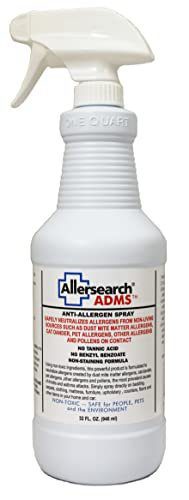
This product directly addresses the article’s main topic by offering a spray specifically designed to neutralize dust mite allergens on various surfaces like mattresses, upholstery, and carpets.
- Effectively neutralizes common indoor allergens like dust mite matter, pet dander, pollen, and mold on carpets and upholstery
- Fragrance-free or very mild, non-overpowering scent that is better tolerated by people with asthma or chemical sensitivities
- Safe for use on most water-fast surfaces including mattresses, carpets, upholstery, and light-colored fabrics without causing yellowing
- Needs relatively frequent reapplication (about every 30 days) compared with ADS, which some users find inconvenient
- Some users report issues with the spray nozzle reliability and performance
While dust mite sprays are a helpful component, they are just one piece of a much larger puzzle. The most effective and sustainable way to control dust mites and their allergens is through a multi-faceted approach that targets their environment and lifecycle. Relying solely on a spray is a common misconception; dust mite control is an ongoing process that requires consistent effort.
Core Strategies for Long-Term Control:
- Humidity Control: This is perhaps the most critical step. Dust mites thrive in high humidity. Use a dehumidifier or air conditioning to keep indoor relative humidity below 50%, ideally between 30-50%. A hygrometer can help you monitor humidity levels.
- Allergen-Proof Encasements: Cover mattresses, box springs, and pillows with zippered, allergen-proof covers. These create a barrier that prevents mites from colonizing your bedding and traps existing allergens, preventing them from becoming airborne.
- Hot Water Washing: Wash all sheets, pillowcases, blankets, and comforters weekly in hot water (at least 130°F or 54°C). This temperature effectively kills dust mites and washes away allergens. If items cannot withstand hot water, dry them on high heat for at least 15-20 minutes.
- HEPA Vacuuming: Regularly vacuum carpets, rugs, and upholstered furniture using a vacuum cleaner equipped with a HEPA (High-Efficiency Particulate Air) filter. HEPA filters trap microscopic particles, including dust mite allergens, preventing them from being recirculated into the air.
- Minimize Dust Reservoirs: Reduce clutter, especially in bedrooms. Consider replacing carpets with hard flooring (wood, tile, laminate) where possible, as hard surfaces are easier to clean and harbor fewer mites. Wash curtains and drapes regularly.
- Clean Stuffed Toys: Wash stuffed animals in hot water, or place them in a plastic bag and freeze them for 24 hours to kill mites, then wash to remove allergens.
Addressing Common Misconceptions:
- "If I spray once, the problem is gone." Dust mite control is continuous. Sprays offer temporary relief; environmental factors must be managed for lasting results.
- "All dust mite sprays work the same." As discussed, they vary widely in their active ingredients and mechanisms (killing vs. neutralizing).
- "Natural = safer and better." While appealing, essential oil-based products often lack robust scientific evidence for efficacy and can still cause irritation in sensitive individuals. Always prioritize fragrance-free and dye-free options if you have allergies or asthma, as recommended by the Centers for Disease Control and Prevention (CDC) for indoor allergen control.
- "Sprays remove all allergens." Even if a spray kills mites, dead mites and their fecal matter still contain allergens. Physical removal through washing and vacuuming is essential.
By combining the strategic use of dust mite treatment sprays with these foundational environmental controls, you can significantly reduce dust mite populations and allergen levels, leading to a noticeable improvement in allergy and asthma symptoms. This holistic approach is far more effective than any single product or method alone. For general home pest management, understanding comprehensive strategies like how to get rid of bed bugs can offer broader insights into integrated pest management.
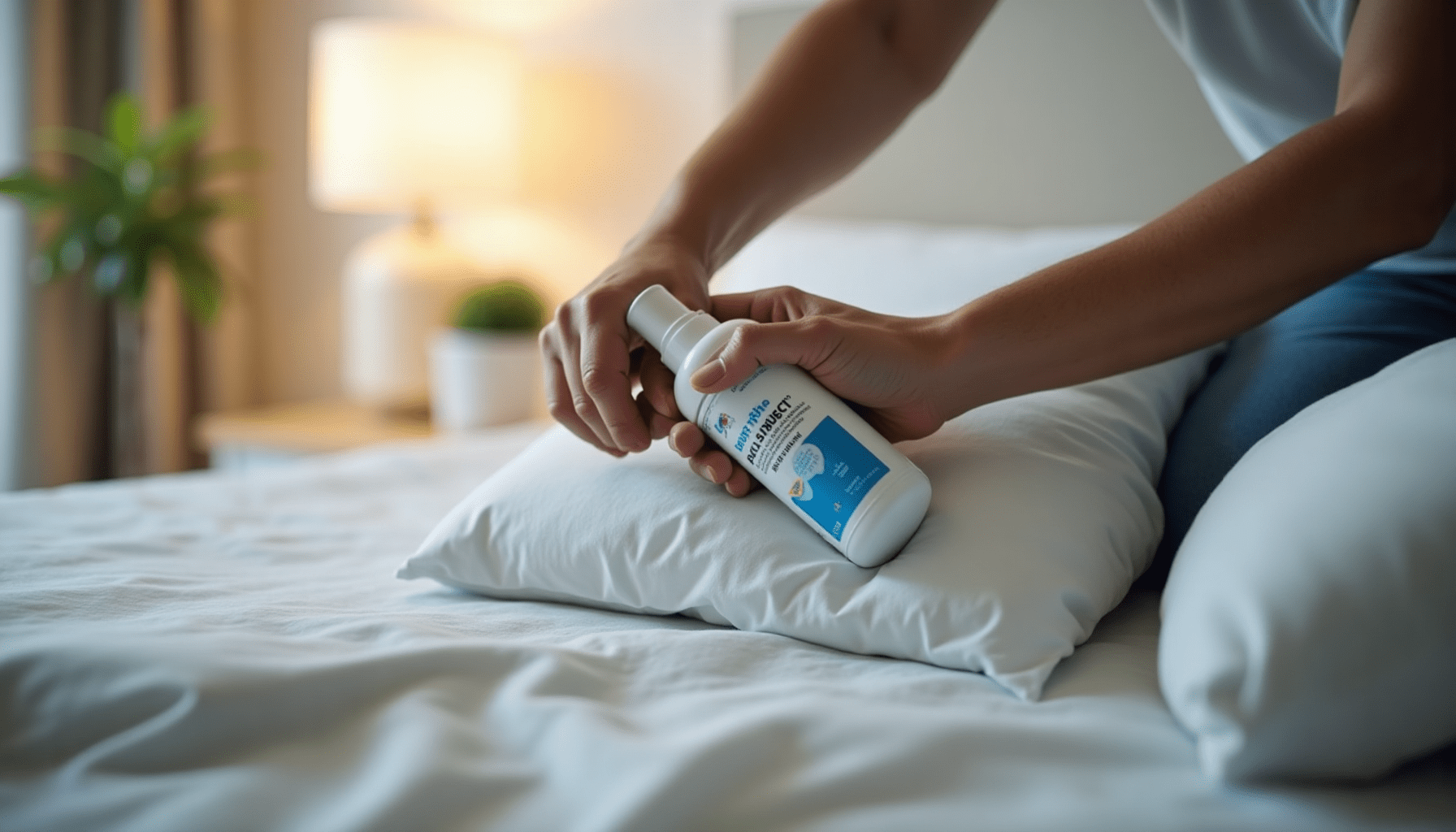
Your Comprehensive Dust Mite Control Checklist:
- Control Humidity: Keep indoor humidity below 50%.
- Encase Bedding: Use allergen-proof covers on mattresses and pillows.
- Wash Hot: Launder bedding weekly in hot water (130°F/54°C).
- Vacuum with HEPA: Regularly clean carpets and upholstery with a HEPA filter vacuum.
- Reduce Clutter: Minimize textiles and items that collect dust.
- Consider Sprays: Use a targeted dust mite spray as an additional step on non-washable items.
Conclusion
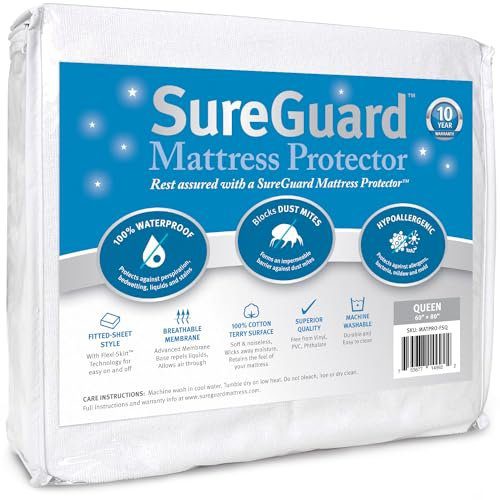
The article explicitly recommends ‘Allergen-proof encasements for mattresses and pillows’ as a crucial part of a broader dust mite control strategy. This product provides an effective barrier against dust mites and their allergens.
- 100% waterproof protection that helps keep mattresses dry from spills, sweat, and bedwetting
- Soft, quiet cotton terry surface that reviewers say feels comfortable under sheets
- Hypoallergenic design that blocks dust mites, pollen, pet dander, mildew, and mold
- Some reviewers note it is not completely noiseless and can make a slight crinkly sound
- A few users mention the fit can be tricky on very deep mattresses or that sizing may vary by mattress depth
Effectively managing dust mites in your home requires a strategic and consistent effort. While dust mite sprays can be a valuable tool in your arsenal, particularly for treating beds and furniture that can't be regularly washed, they are most impactful when integrated into a broader environmental control plan. Focusing on humidity control, using allergen-proof encasements, practicing regular hot water washing of bedding, and employing HEPA vacuuming are the cornerstones of a truly effective dust mite treatment.
By understanding what dust mites are, how they thrive, and the different ways to combat them, you can significantly reduce allergen exposure and create a healthier, more comfortable living space. Remember, consistency is key—ongoing vigilance will yield the best results in keeping these microscopic pests and their allergens at bay. For further reading on related pest control, explore our guides on protective mattress covers and comprehensive strategies for a pest-free home.
Recommended Products
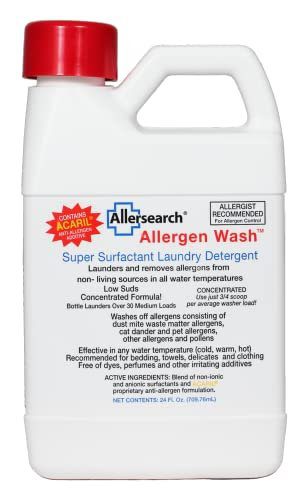
The article emphasizes ‘Weekly washing of bedding in hot water’ as a key strategy. This specialized laundry additive is designed to effectively remove dust mite allergens from bedding and other washable items, enhancing the effectiveness of the washing process.
- Effectively removes or neutralizes common allergens like dust mite debris, pet dander, pollen, and mold from fabrics, even at cold or warm wash temperatures
- Free of perfumes, dyes, and other common irritants, making it suitable for many people with asthma, allergies, or sensitive skin
- Highly concentrated formula that requires a relatively small amount per load and is compatible with both standard and high-efficiency washers
- Some users feel it is expensive compared with regular laundry detergents, especially for large households using it frequently
- A few customers report needing to adjust the recommended dose or pre-treat heavily soiled items to achieve their preferred level of cleaning or odor removal
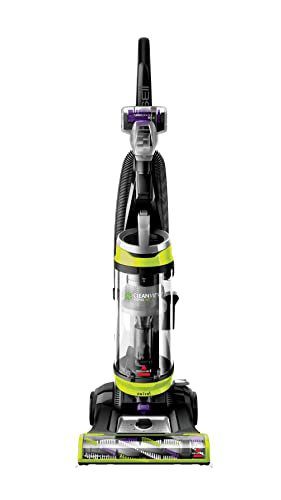
The article recommends ‘Regular HEPA vacuuming of carpets and upholstery’ for effective dust mite removal. This vacuum cleaner features a HEPA filter, making it suitable for capturing microscopic dust mite allergens.
- Strong suction and Triple Action brush roll that pick up pet hair and embedded dirt effectively on carpets and hard floors
- Swivel steering and relatively light weight make it easy to maneuver around furniture and tight spaces
- Large, easy‑to‑empty dirt tank with bagless design that is convenient and cost‑saving over time
- Can be fairly loud and somewhat plasticky in build, giving it a less premium feel
- No brush‑roll on/off control and mixed performance on high‑pile rugs or thick carpets, with some users reporting hair tangling in the brush roll
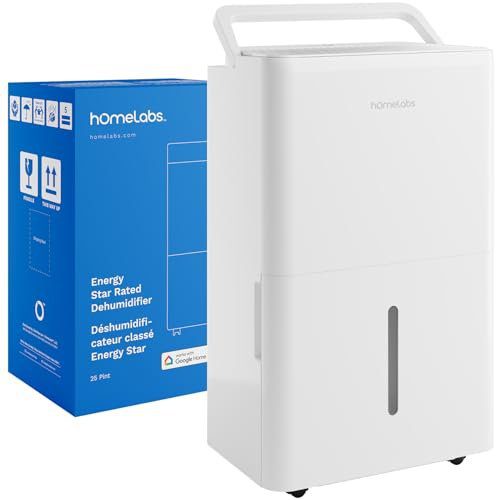
The article highlights ‘Maintaining indoor humidity below 50%’ as essential for controlling dust mite populations. A dehumidifier directly addresses this environmental control recommendation, creating an inhospitable environment for dust mites.
- Wi-Fi connectivity and app/smart-home control are frequently praised for convenience
- Quiet operation is commonly highlighted, especially for bedrooms, basements, and living spaces
- Effective moisture removal and reliable auto shut-off/continuous drainage features are often mentioned positively
- Water tank can fill quickly, requiring frequent emptying when not using the drain hose
- Some reviewers report the unit is bulkier/heavier than expected for moving between rooms
As an Amazon Associate, I earn from qualifying purchases. Product recommendations are based on real reviews and independent research.