
Are you constantly battling a stuffy nose, itchy eyes, or unexplained sneezing, especially when you're at home? You might be dealing with dust mites, microscopic creatures that are a common trigger for indoor allergies. These tiny arachnids thrive in our homes, feeding on shed skin cells and leaving behind allergens that can significantly impact your quality of life. Understanding what dust mites are and how to effectively manage them is the first step toward lasting allergy relief. This guide will help you identify the signs of a dust mite problem and provide actionable strategies to reclaim your home from these invisible invaders.
Bottom line:
Dust mites are microscopic arachnids found in most homes, feeding on dead skin cells. They are a major cause of year-round allergies, triggering symptoms like sneezing, runny nose, and asthma. Effective control involves a multi-pronged approach:
- Reduce humidity below 50%.
- Remove sources by washing bedding in hot water (≥130°F/54°C) weekly, using a HEPA vacuum, and minimizing carpets.
- Block exposure with allergen-proof encasements on mattresses and pillows.
Implementing these steps can significantly reduce dust mite populations and provide substantial allergy relief.
For the neighbouring question, see How to Get Rid of Spider Mites on Indoor Plants.
What Are Dust Mites?
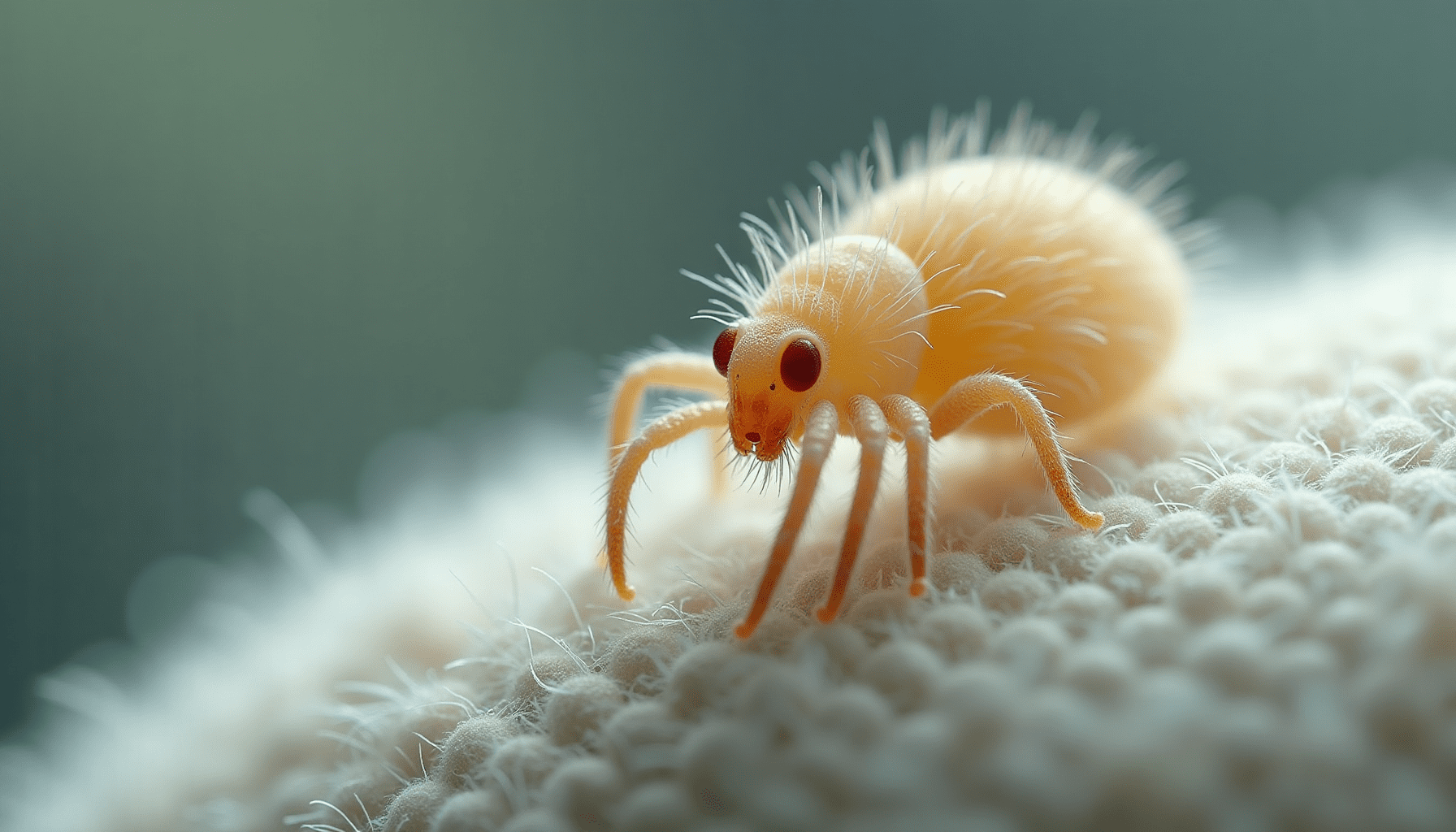
Dust mites are minuscule, eight-legged creatures, closely related to spiders and ticks, yet invisible to the naked eye. Measuring about 0.2-0.3 millimeters, they are a ubiquitous presence in homes worldwide, particularly in warm, humid environments. They belong to the family Pyroglyphidae, with Dermatophagoides pteronyssinus and D. farinae being the most common species found indoors, often abbreviated as Der p and Der f. These tiny arachnids do not bite or sting humans, nor do they carry diseases. Instead, their primary impact on human health stems from their droppings and body fragments, which contain potent allergens.
Dust mites flourish in conditions where temperatures range from 68–77°F (20–25°C) and relative humidity exceeds 50%. They sustain themselves by feeding on shed human and animal skin scales, which are abundant in household dust. This makes areas like bedding, mattresses, upholstered furniture, carpets, and soft toys prime habitats. Research indicates that up to 80% of homes in temperate climates can have significant levels of dust mite allergens in beds and bedroom floors, as highlighted in a review by Portnoy et al. (2013). Their microscopic allergens become airborne when disturbed, easily inhaled, and are a leading trigger for allergic reactions.
Recognizing Dust Mite Allergy Symptoms
Dust mite allergy is an IgE-mediated hypersensitivity, meaning the immune system overreacts to mite allergens by producing specific antibodies. When a sensitized individual inhales these microscopic particles, their immune system triggers a cascade of reactions, leading to classic allergy symptoms. Because dust mites are present indoors year-round, symptoms often persist throughout the year, tending to worsen at night or upon waking due after prolonged exposure in bed, according to the Mayo Clinic.
The health outcomes linked to dust mite exposure are varied and can range from mild discomfort to severe respiratory issues. Common symptoms include:
- Allergic Rhinitis: Persistent sneezing, a runny or stuffy nose, and an itchy nose or throat. Many people mistake these symptoms for a "permanent cold" or chronic sinus problems.
- Asthma: Dust mite allergens are a major trigger for asthma symptoms and exacerbations, particularly in children. Long-term exposure can intensify airway inflammation and bronchial hyper-responsiveness, as noted in research by Portnoy et al. (2013). Symptoms include wheezing, chest tightness, and shortness of breath.
- Atopic Dermatitis (Eczema): Sensitization to dust mites is often associated with more severe eczema. Environmental mite control can sometimes be integrated into eczema management plans.
- Conjunctivitis: Itchy, red, and watery eyes often accompany allergic rhinitis, improving when allergen exposure is reduced.
If you suspect a dust mite allergy, an allergist can provide a diagnosis through a detailed history, physical exam, and specific tests like skin-prick testing or blood tests (specific IgE) for dust mite allergens. Early diagnosis and intervention are crucial for effective management and improving quality of life.
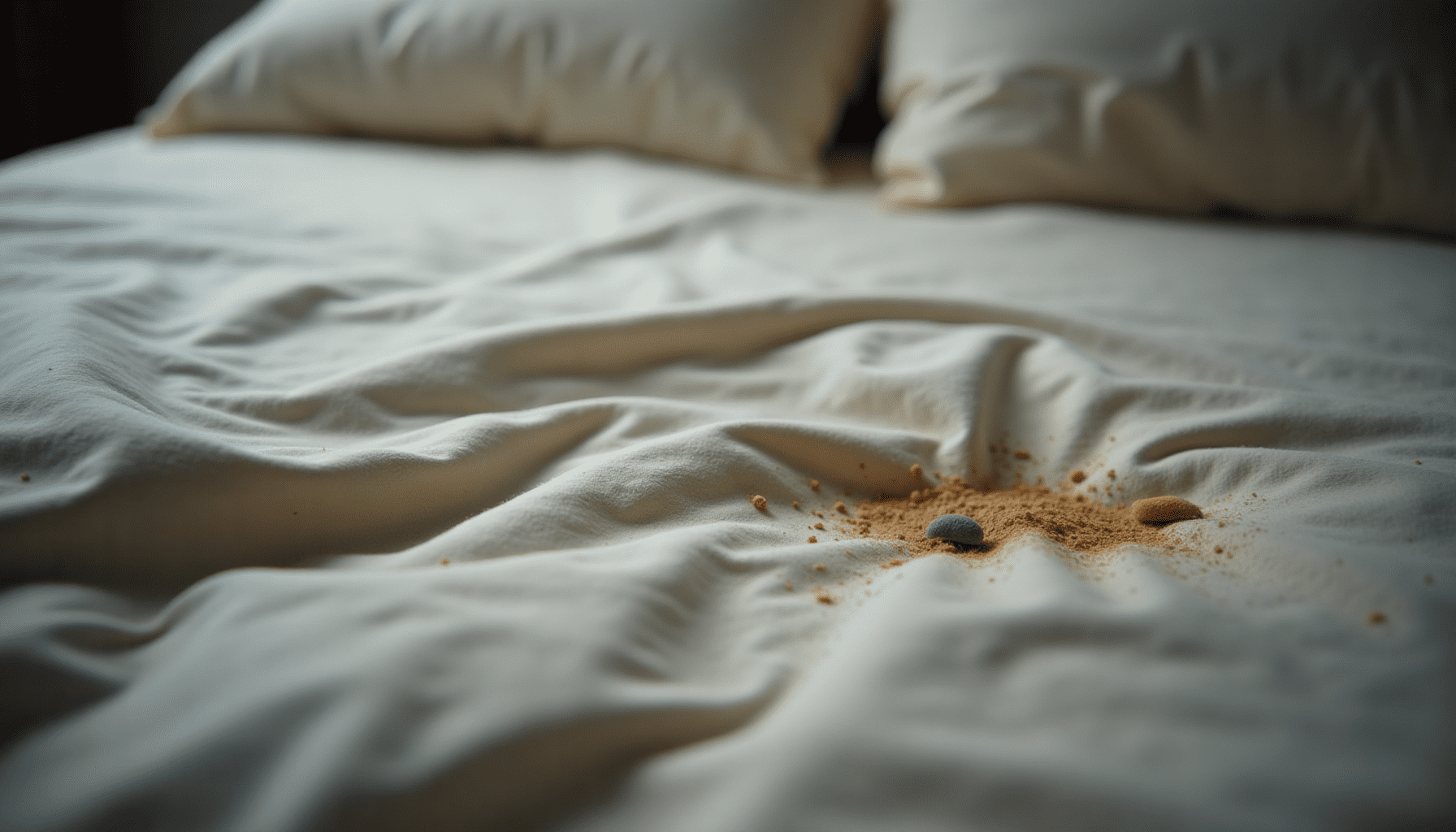
How to Get Rid of Dust Mites: The "Reduce, Remove, Block" Method
Effectively managing dust mites and finding allergy relief requires a comprehensive approach. Think of it as a three-pronged strategy: Reduce the conditions that allow mites to thrive, Remove mites and their allergens from your home, and Block any remaining exposure. This multi-component program is often more effective than any single measure alone, especially for moderate-to-severe dust mite allergies, as reinforced by the American Lung Association.
Reduce: Make Your Home Less Friendly
The first step is to create an environment where dust mites struggle to survive. Their reliance on warmth and humidity makes these factors key targets.
-
Control Indoor Humidity: Dust mites need high humidity to live. Aim to keep your indoor relative humidity between 30–50%. Mites cannot survive when humidity consistently stays below 50%, according to CVS Health.
- Monitor: Use a hygrometer to track humidity levels, especially in bedrooms and basements.
- Dehumidify: Employ dehumidifiers, particularly during warm, humid months. Air conditioning also helps reduce humidity.
- Ventilate: Run exhaust fans in bathrooms and kitchens. Open windows when outdoor air is dry and pollen levels are low.
- Avoid: Steer clear of indoor clothes drying and evaporative coolers in humid climates, as these add moisture to the air.
-
Choose Low-Dust Furnishings and Surfaces: Hard, smooth surfaces are easier to clean and accumulate less dust than fabric.
- Flooring: Opt for hard flooring like wood, tile, or vinyl, especially in bedrooms, over wall-to-wall carpets.
- Furniture: Select furniture made of wood, plastic, leather, or vinyl instead of upholstered pieces, which can harbor mites.
- Window Treatments: Use blinds or washable shades instead of heavy curtains. If curtains are necessary, choose machine-washable ones and clean them regularly.
- Declutter: Minimize decorative items, stacks of books, and fabric items that collect dust.
-
Limit Dust Collectors in Bedrooms: The bedroom is often the most critical area for dust mite control due to the significant time spent there.
- Stuffed Animals: Keep stuffed animals, extra pillows, and fabric décor to a minimum, especially on the bed. Store spare plush toys in closed bins.
- Under the Bed: Avoid storing items under the bed, or use closed, wipeable containers.
Remove: Clean to Reduce Mite & Allergen Load
Once you've made your home less hospitable, the next step is to actively remove existing dust mites and their allergens. Regular, targeted cleaning is essential.
-
Bedding and Fabrics: Your bed is a primary habitat for dust mites.
- Wash Weekly: Wash sheets and pillowcases weekly in hot water, at least 130°F (54–60°C). This temperature is crucial for killing mites and denaturing allergens, as recommended by the Mayo Clinic.
- Duvets and Blankets: Clean mattress covers, blankets, and duvets every 1–2 months using hot water.
- High Heat Drying: Dry items on high heat for at least 30 minutes after they are dry to ensure any remaining mites are killed. For more tips on thoroughly cleaning fabrics, see our guide on washing bedding and fabrics in hot water.
- Cold Water Options: If hot washing isn't possible, some sources suggest using commercial laundry additives with essential oils like tea tree or eucalyptus, or considering dry-cleaning (which kills mites but may not fully remove allergens).
-
Stuffed Toys and Small Items: These can be significant dust mite reservoirs for children.
- Hot Wash: Wash stuffed toys in hot water weekly if possible.
- Freezer Trick: For items that can't be hot-washed, seal them in a plastic bag and freeze for 24 hours to kill mites, a method often recommended by allergists like DMV Allergy. However, remember that freezing kills mites but doesn't remove the allergen, so the item should be vacuumed or washed afterward.
-
Vacuuming and Dusting: Regular cleaning is vital, but the method matters.
- HEPA Vacuum: Always use a vacuum cleaner equipped with a HEPA filter. These filters are designed to capture 99.97% of airborne particles 0.3 micrometers or larger, effectively trapping fine dust mite allergens, as explained by CVS Health.
- Frequency: Vacuum carpets, rugs, upholstered furniture, and under beds at least once or twice per week.
- Precautions: If you have severe allergies, wear a mask while vacuuming or ask someone else to do it. Wait about 20 minutes after vacuuming before re-entering the area to allow airborne dust and allergens to settle.
- Damp Dusting: Dust surfaces weekly using a damp cloth or a microfiber/electrostatic cloth that traps dust instead of scattering it. Avoid feather dusters.
-
Carpets and Upholstered Furniture: These items can be challenging to keep mite-free.
- Steam Cleaning: If carpets are retained, vacuum frequently with a HEPA vacuum and consider periodic steam cleaning or hot-water extraction, as the heat helps kill mites.
- Baking Soda: For a natural approach, sprinkling baking soda onto carpets, letting it sit for about 20 minutes, and then vacuuming slowly with a HEPA vacuum can help freshen and remove some allergens. While not a primary mite killer, it can aid in allergen reduction. For broader pest control, some people also use diatomaceous earth, though its efficacy specifically against dust mites in fabrics is limited.
- Crevices: Regularly vacuum the seams and crevices of mattresses and upholstered furniture.
Block: Prevent Exposure Where Mites Remain
Even with thorough cleaning, some allergens may persist. Physical barriers and air filtration can help prevent exposure.
-
Use Dust-Mite-Proof Encasements: This is one of the most effective strategies for bedding.
- Barrier: Cover mattresses, pillows, and duvets with zippered, dust-mite-proof encasements. These are made of tightly woven fabric or plastic that acts as a physical barrier, preventing mites and their allergens from entering or exiting. For more details on effective barriers, you can explore guides on allergen-proof mattress encasements.
- Maintenance: Wash encasements every 1–2 months according to the manufacturer's directions.
-
Air Purifiers & Filters: These can reduce airborne allergens.
- Room Purifiers: Use room air purifiers with sealed HEPA filters in bedrooms or other rooms where allergic individuals spend significant time.
- Filter Changes: Change filters as recommended by the manufacturer, typically every three months for HEPA filters in purifiers.
- HVAC Systems: If you have a central heating, ventilation, and air conditioning (HVAC) system, use high-quality filters (MERV 11–13 or better, if compatible with your system) and change them regularly to reduce airborne allergen load throughout your home.
-
Pets and Mixed Allergens: Dust mites often coexist with pet dander, and control measures can overlap.
- Pet-Free Zone: Keep pets out of the bedroom of anyone with dust mite or pet allergies.
- Pet Bedding: Wash pet bedding in hot water regularly. For broader pest management and allergen reduction, consider strategies for getting rid of common household pests that contribute to indoor allergens.

Medical Management for Dust Mite Allergy Relief
While environmental control is foundational for managing dust mite allergies, medical treatments can provide significant symptom relief, especially for persistent or severe cases. It's important to consult with a healthcare professional, such as an allergist, to determine the best course of action for your specific needs.
Here are common medical approaches:
-
Over-the-Counter (OTC) Options:
- Oral Antihistamines: Non-sedating oral antihistamines like cetirizine (Zyrtec), loratadine (Claritin), or fexofenadine (Allegra) can effectively relieve sneezing, runny nose, and itching.
- Intranasal Corticosteroid Sprays: Sprays containing fluticasone (Flonase) or mometasone (Nasonex) are highly effective for reducing nasal inflammation and are often recommended as a first-line treatment for persistent symptoms.
- Saline Nasal Irrigation: Using a neti pot or saline spray can help flush out allergens and mucus from the nasal passages, providing temporary relief.
-
Prescription Medications:
- Leukotriene Modifiers: Medications like montelukast (Singulair) can help block certain immune system chemicals that cause allergy symptoms.
- Cromolyn Sodium Nasal Spray: This can help prevent the release of allergy-causing chemicals and may be used before exposure to allergens.
-
Allergy Immunotherapy:
- Allergy Shots (Subcutaneous Immunotherapy – SCIT): This long-term treatment involves a series of injections with increasing doses of allergens. Over time, it can desensitize your immune system to dust mites, reducing the severity of your allergic reactions.
- Sublingual Immunotherapy (SLIT): For some, allergen tablets placed under the tongue can offer a needle-free alternative to allergy shots.
A proper diagnosis from an allergist, typically involving skin-prick testing or blood tests, is crucial before starting any specific medical treatment for dust mite allergies. They can help you create a personalized plan that combines environmental control with appropriate medical therapies.
Conclusion
Living with dust mite allergies can be a constant challenge, but with a strategic approach, you can significantly reduce your symptoms and improve your indoor environment. By understanding the lifecycle and preferred habitats of dust mites, you can implement effective control measures. Remember the "Reduce, Remove, Block" strategy: lower humidity, thoroughly clean with hot water and HEPA filters, and use allergen-proof barriers on bedding.
While these environmental controls are your first line of defense, consulting with an allergist can provide additional relief through medical management. Taking these steps not only helps alleviate allergy symptoms but also contributes to a healthier, more comfortable home for everyone. Don't let these microscopic pests dictate your comfort; take action today for lasting allergy relief.
Recommended Products
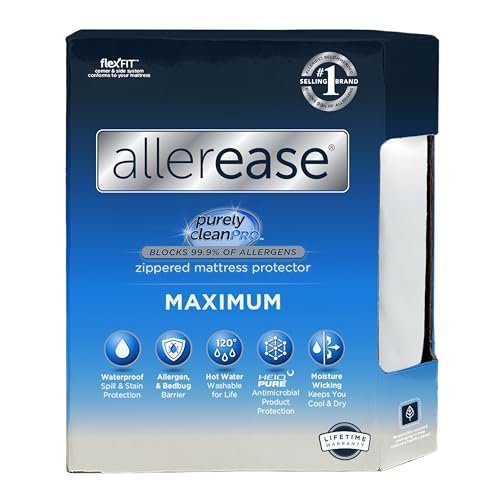
This product directly addresses the recommendation to ‘Block exposure with allergen-proof encasements on mattresses,’ which is a crucial step in reducing dust mite exposure and allergy symptoms.
- Effectively blocks allergens and bed bugs, providing noticeable relief for allergy sufferers and peace of mind against infestations
- Fully zippered, waterproof encasement that protects the mattress from spills and stains while still being breathable
- Soft, relatively quiet fabric that fits snugly on deep mattresses and holds up well to repeated machine washing
- Some users report the material can feel warm or less breathable than a regular mattress surface, especially for hot sleepers
- Occasional complaints about zipper durability or difficulty installing/removing the encasement on larger or thicker mattresses
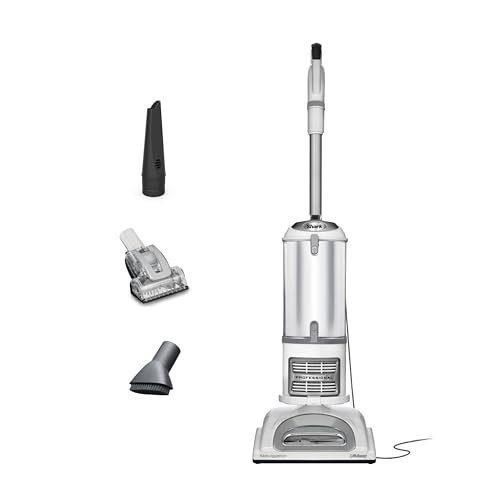
The article explicitly recommends ‘using a HEPA vacuum’ to remove dust mite sources. This vacuum features a HEPA filter, making it ideal for capturing microscopic dust mite allergens.
- Lift-Away design makes it easy to detach the canister for stairs, furniture, and above-floor cleaning
- Strong suction and effective pickup on carpets and hard floors, including pet hair
- HEPA/Anti-Allergen Complete Seal and swivel steering are commonly appreciated for allergen control and maneuverability
- Can feel heavy or awkward to use compared with lighter vacuums
- Dust cup/bin and filters require regular emptying and maintenance
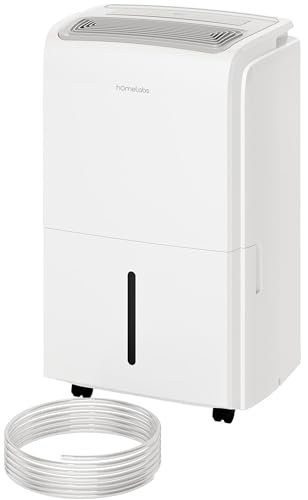
A key strategy outlined is to ‘Reduce humidity below 50%,’ as dust mites thrive in humid environments. A powerful dehumidifier helps maintain optimal indoor humidity levels to inhibit mite growth.
- Very effective at removing moisture and keeping large areas (up to around 6,000 sq ft) comfortable and dry, including basements
- Built‑in pump and included drain hose make continuous drainage convenient and reduce the need to manually empty the tank
- User‑friendly features such as auto shut‑off, multiple modes (e.g., comfort/turbo), 24‑hour timer, and casters for easy mobility
- Some users report that the unit or its pump can become noisy over time or louder than expected
- A portion of reviewers mention durability or reliability issues after months of use, including pump failures or error codes
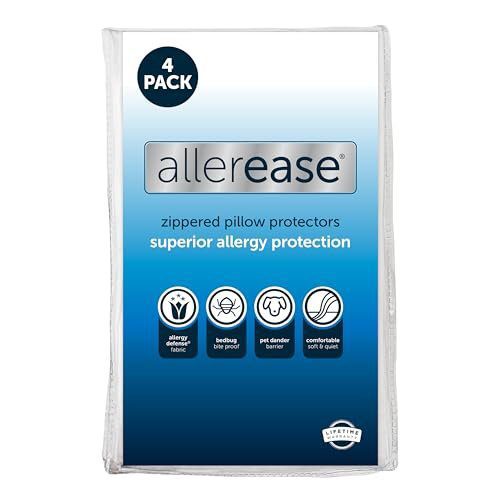
Similar to mattress encasements, allergen-proof pillow protectors are essential for ‘Block[ing] exposure’ to dust mites, which commonly inhabit pillows and contribute significantly to nighttime allergy symptoms.
- Provides effective allergy protection by preventing dust mites, pollen, and pet dander from collecting in the pillow
- Breathable, moisture‑wicking fabric that helps keep pillows cool and comfortable without changing their feel
- Durable, fully zippered encasement that is machine washable and backed by a lifetime limited warranty
- Some users may find the polyester fabric less soft or luxurious compared to high‑end cotton or knit protectors
- Zippered encasement style can be slightly more cumbersome to put on and remove than simple slip‑on covers
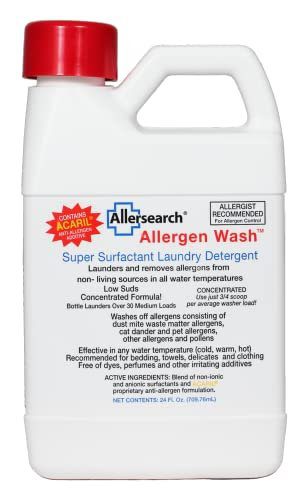
The guide advises ‘washing bedding in hot water (≥130°F/54°C) weekly.’ This specialized laundry detergent is formulated to neutralize dust mite allergens, even in cooler water temperatures, providing an effective solution for allergy sufferers.
- Effectively removes or neutralizes common allergens like dust mite debris, pet dander, pollen, and mold from fabrics, often reducing allergy and asthma symptoms.
- Fragrance‑free, dye‑free, and generally non‑irritating formula that many sensitive users can tolerate better than regular detergents.
- Highly concentrated detergent that works in cold, warm, or hot water and is compatible with both standard and high‑efficiency washers.
- Significantly more expensive per load than regular laundry detergents, which some users feel is not justified by the benefits.
- A few users report minimal or no noticeable improvement in their allergy symptoms despite consistent use.
As an Amazon Associate, I earn from qualifying purchases. Product recommendations are based on real reviews and independent research.



Pingback: When Lint or Dust Turns Out to Be Alive