
n
n
n
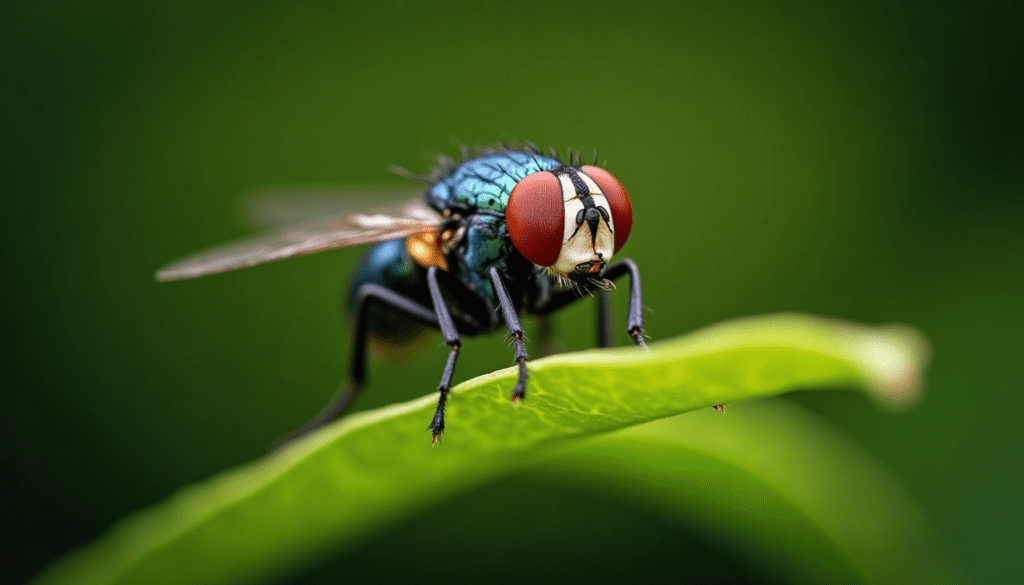
If house flies keep showing up no matter how many you swat, the real problem is not the flies in the air; it is whatever they are breeding in. House flies are a sanitation problem wearing wings. They lay eggs in moist, rotting organic matter, like a full trash can, pet waste in the yard, a compost pile, a forgotten spill under the fridge, or the gunk built up in a drain, and they go from egg to adult in about a week. That speed is why swatting and spraying the adults never ends. The fix is to find and remove every breeding source, seal and take out the trash, clean up after pets, then keep the rest out with screens and door sweeps. Traps and swatters only mop up the stragglers once the source is gone.
nn
n
You cannot kill your way out of a house fly problem because they breed faster than you can swat them; find and remove the moist rotting matter they are laying eggs in, then screen and seal the house so new ones cannot get in.
n
- n
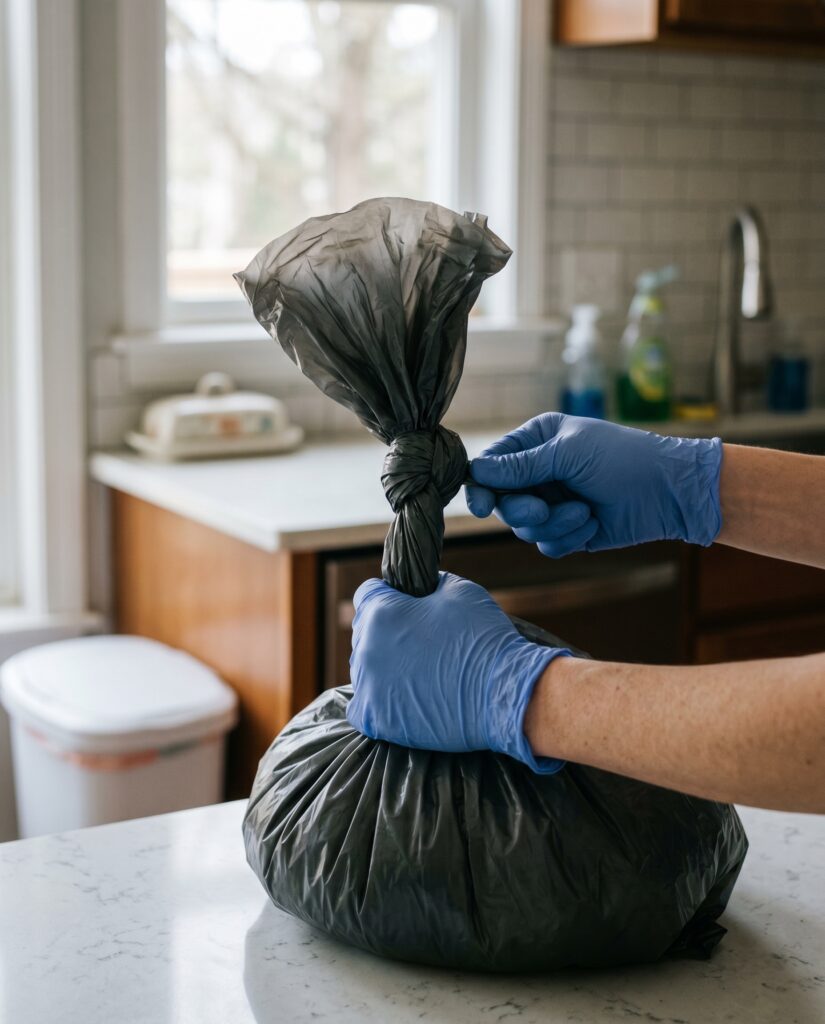
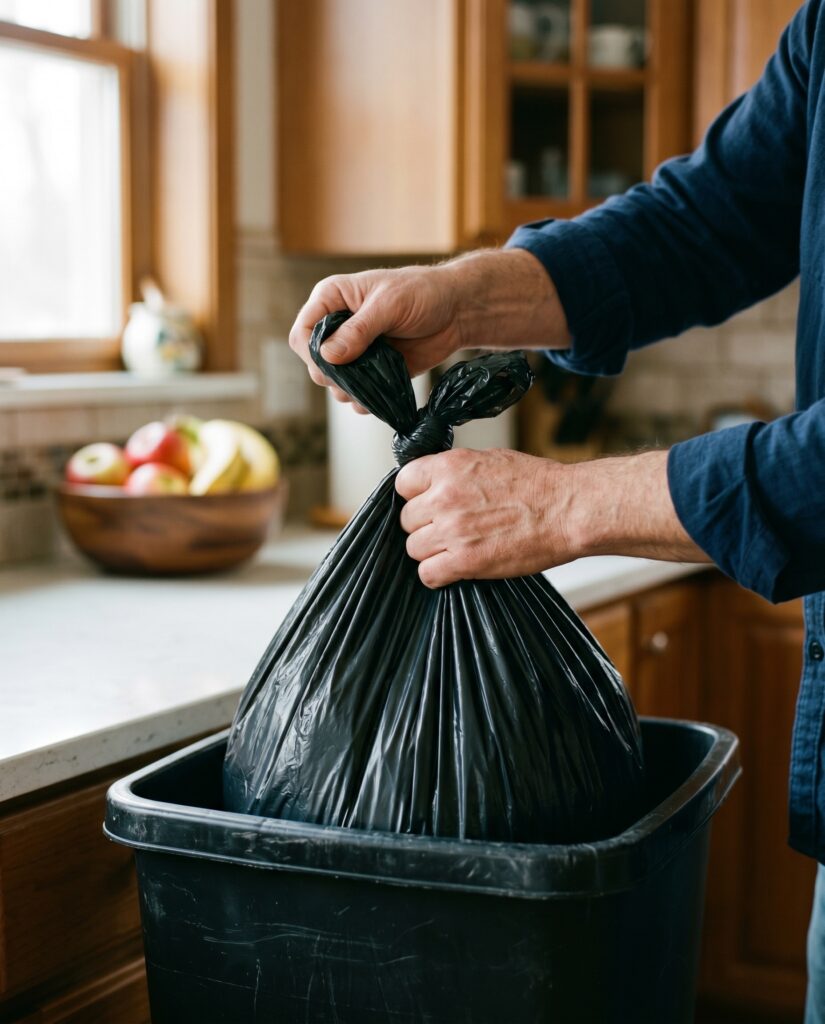
- Do first (free): Hunt down and remove the breeding source, then take out the trash in a sealed bag and clean up pet waste, spills, and drains.
- Best for the common case: Tight-fitting can lids, intact window screens, and a door sweep, plus a few sticky strips or a light trap indoors to catch the leftovers.
- Skip: Outdoor bug zappers; they mostly kill harmless insects and barely touch house flies.
n
n
n
n
nn
nn
Why you cannot swat your way out
nn
People try to win this with a swatter or a can of spray, and it feels productive, but the math is against you. A house fly is a breeding machine, and the adults buzzing around the kitchen are the small visible end of a much bigger operation happening in something rotting nearby. According to UC IPM, house flies breed in moist decaying organic matter, which means garbage, manure, pet waste, compost, carrion, and the slime layer inside a neglected drain. Wherever that material sits warm and wet, eggs are going in.
nn
Then the clock runs fast. Penn State Extension notes that house flies go from egg to adult in about a week in warm weather, and that a single female can lay several hundred eggs over her life. Do that quick multiplication and you can see why a swatter loses. Every adult you kill has already left behind a replacement batch in the breeding site, so as long as that site exists, the population refills itself. That is the whole reason the plan starts with finding the source, not stocking up on spray.
nn
Find the breeding source
nn
This is the step that actually clears the problem, so spend your effort here before anything else. Walk the house and yard looking for anything wet and rotting, because that is the nursery. The usual suspects, in rough order of how often they are the culprit: the kitchen trash can and the bin under the sink, the recycling with sticky containers in it, pet waste in the yard or an indoor litter box, a compost pile or bin near the door, fruit going soft on the counter, a spill that ran under the stove or fridge, and the organic gunk coating the inside of a floor or sink drain.
The detail on the leak the insects are reporting sits in what lives under a kitchen sink.
nn
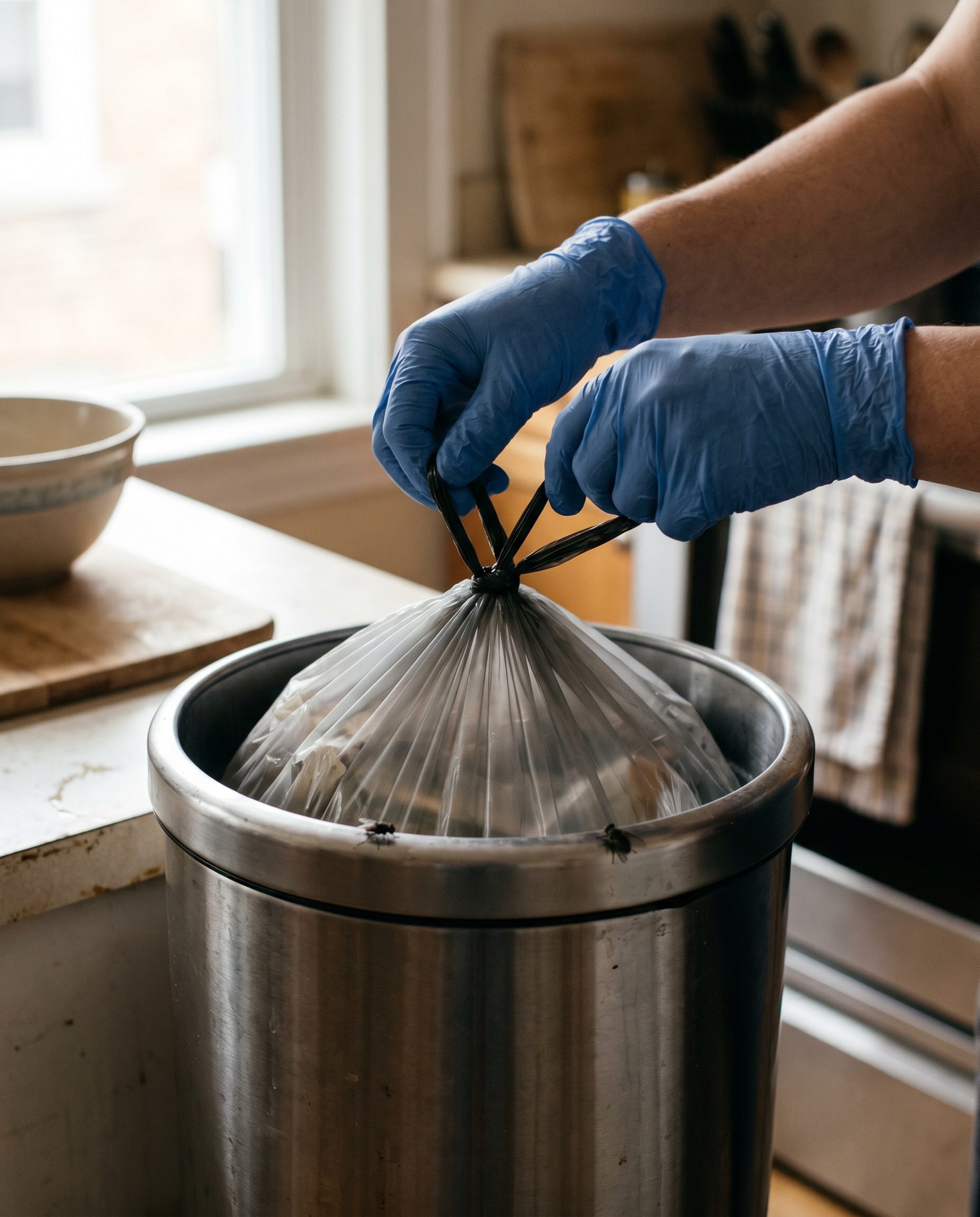
Take the trash out, and from now on keep it in a can with a tight lid and a liner you tie off and remove regularly. Scoop the yard and empty the litter box daily. Wipe up spills the same day and clean under appliances where crumbs and liquid collect. The University of Kentucky is blunt that source reduction and sanitation are the primary control, with everything else secondary, and that matches the EPA’s integrated, sanitation-first approach to pest control. If you are still not sure where they are coming from, our walkthrough of why there are suddenly so many flies in your house covers the less obvious sources, and the fly life cycle and how fast they breed shows why one missed site refills the room.
nn
nn
Don’t skip the drains
nn
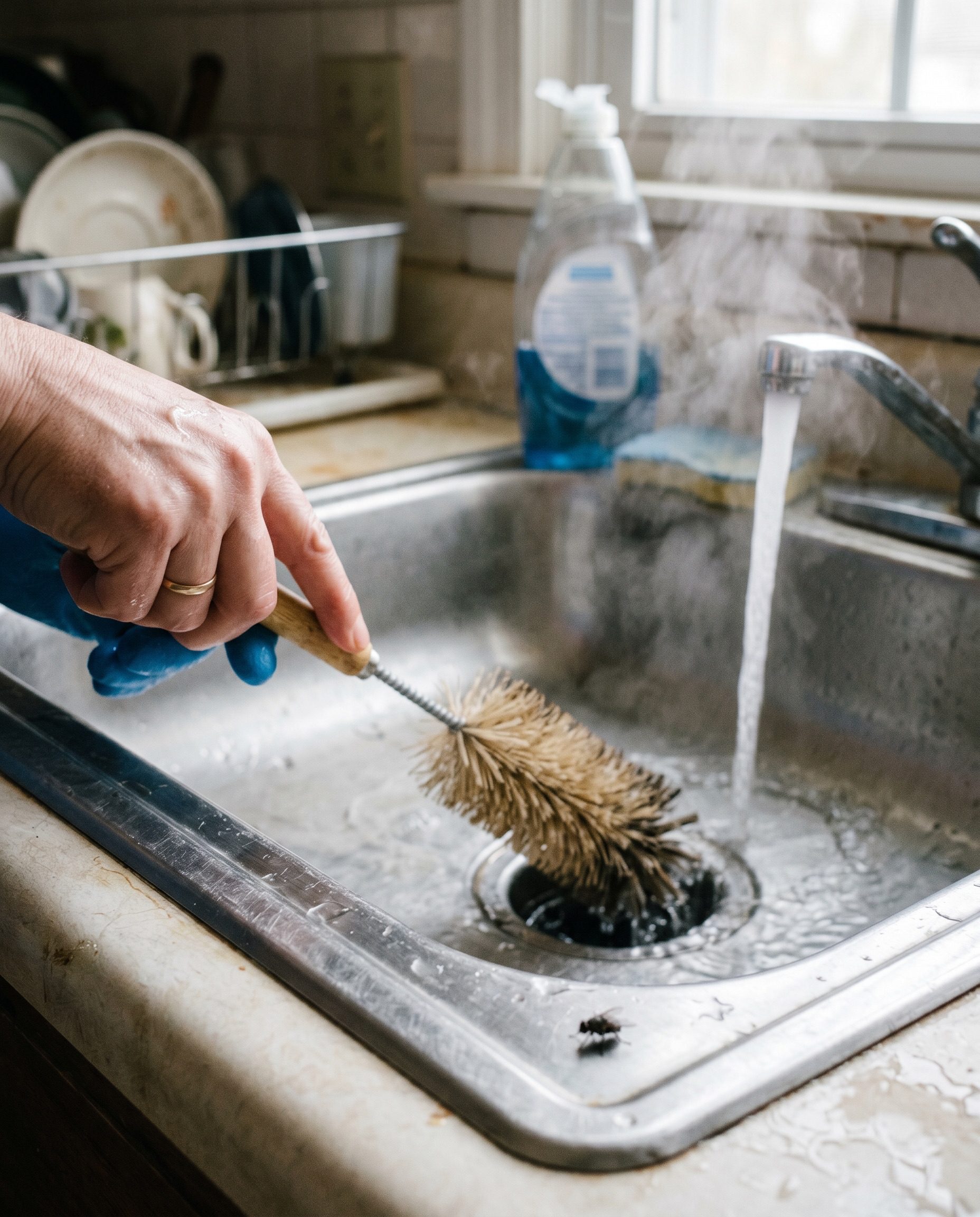
Drains are the source people overlook the longest, because the breeding is happening out of sight. A film of grease, food slime, and organic muck builds up inside the pipe and on the underside of the stopper, and small flies will breed in it happily while you tear the kitchen apart looking elsewhere. If the flies seem to come from nowhere near a sink or floor drain, the drain is suspect number one.
nn
The test is simple: tape a clear plastic bag loosely over the drain overnight and check in the morning for flies stuck inside. If you catch some, scrub the inside of the pipe with a stiff brush to physically remove the film, then flush it. The scrubbing is what matters; pouring chemicals down without scraping the wall of the drain usually leaves the breeding layer intact. Boiling water and a long bottle brush handle most kitchen drains. Keep at it every few days until the bag test comes up empty, and you have removed a source that no amount of spraying in the air would ever have touched.
nn
Seal the house so they can’t get in
nn
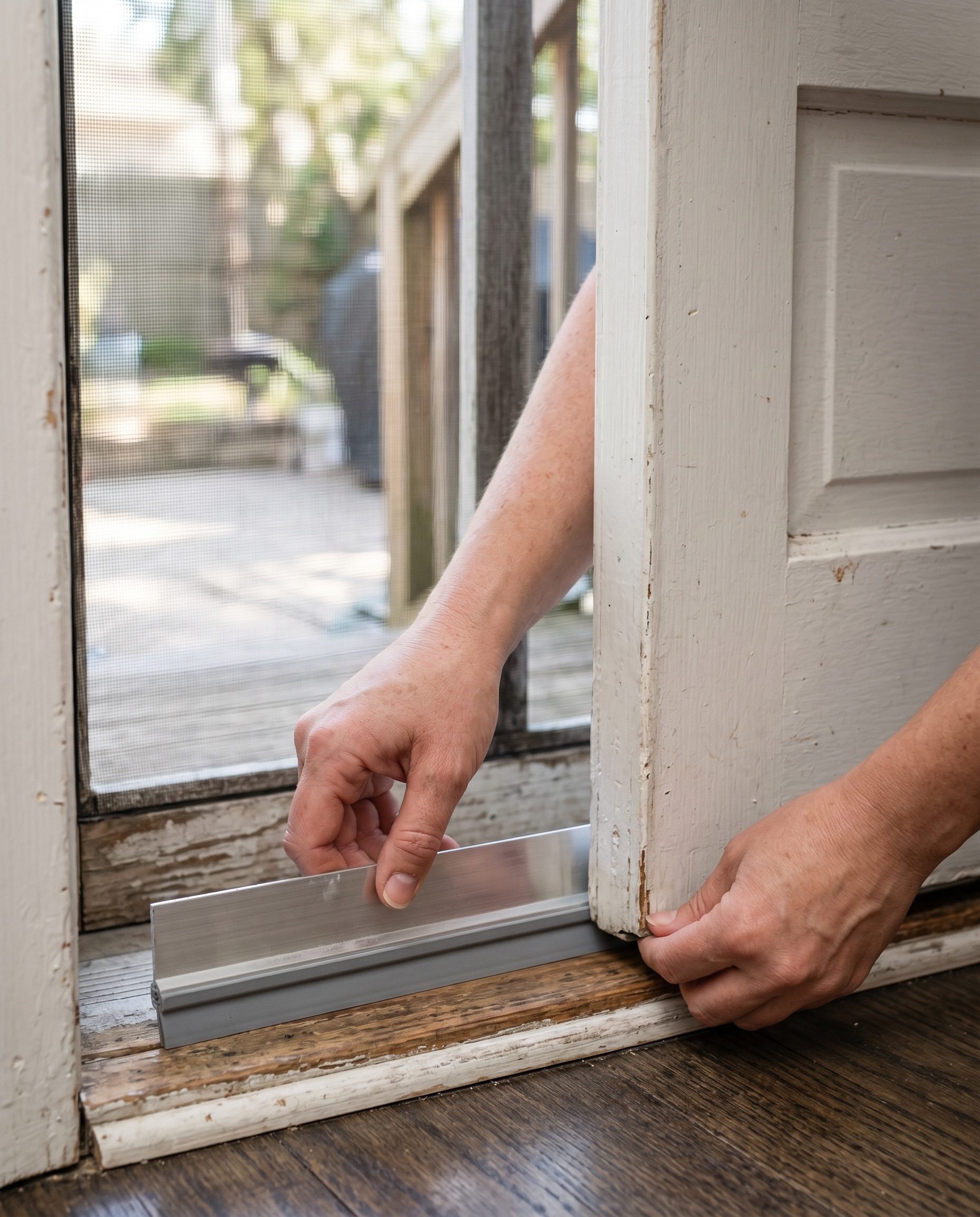
Once the breeding sites are gone, the remaining job is keeping new flies from wandering in. This is cheap, durable work, and it pays off long after the trash is taken out. Check every window and door screen for holes and tears and patch or replace them, because a screen with a quarter-inch gap is an open invitation. Fit a door sweep on any door that shows daylight at the bottom, and weatherstrip the sides if they leak. Flies follow the gaps you cannot see at a glance, so close them.
nn
Outside, move the things that draw flies away from your entry points. Keep the trash can and compost bin away from the back door, not beside it, and rinse cans and recycling before they sit. If you want a chemical-free maintenance layer, our notes on keeping flies away naturally cover fans, herbs, and placement tricks that help at a doorway. A box fan blowing across a patio table or an open doorway is genuinely effective, because house flies are weak fliers and a steady breeze keeps them off you and out of the gap.
nn
nn
Mop up the stragglers
nn
After the source is removed and the house is sealed, you will still have a few flies that came in before you closed up, and now is when traps and swatters finally earn their place. Match the tool to where you are dealing with them.
nn
| Where | Best tool | Skip |
|---|---|---|
| Inside the kitchen | Window sticky strips and a plug-in light trap on a counter | Aerosol spray over food surfaces |
| Far edge of the yard | A disposable baited fly bag, hung well away from doors and seating | An outdoor bug zapper |
| Patio or open doorway | A box fan moving air across the space | Misting the whole patio with insecticide |
nn
A plug-in light trap or a few discreet sticky strips will quietly pull down the indoor leftovers without you doing anything. A baited disposable fly bag works, but it stinks, so hang it at the far end of the yard, never near a door or where you sit, or you will draw flies toward the house instead of away. Two honest call-outs on the things people waste money on: an outdoor bug zapper mostly kills moths and beneficial insects and barely dents house flies, so it is not a fly solution; and a fogger is a last resort that only knocks down adults in the air and leaves no barrier a fly cares about. For category logic on what actually catches them indoors versus out, see our comparison of the best fly traps for indoor and outdoor use.
nn
If you do reach for any registered insecticide indoors, treat the label as the rule: follow the product label, because under federal law the label is the law, keep it off food-prep surfaces and pet bowls, and keep children and pets off treated areas until everything is dry.
nn
Common questions
nnWhat is the fastest way to get rid of house flies?n
The fastest real fix is to find and remove what they are breeding in, because that stops new flies at the source within days. Killing adults feels fast but does nothing about the eggs already in the trash or drain. Take out the trash in a sealed bag, scoop pet waste, clean the drains, then catch the leftovers with sticky strips or a light trap.
nnDo bug zappers work on house flies?n
Not really. Outdoor zappers are drawn to insects attracted by ultraviolet light, which is mostly moths and harmless beetles, not house flies, and they kill a lot of beneficial insects in the process. You will hear it crackle all night and still have flies in the kitchen. Put the money toward screens, a door sweep, and sanitation instead.
nnWill house flies bite me?n
The common house fly does not bite. It has sponging mouthparts and feeds on liquids, so it cannot pierce skin. If something that looks like a house fly is biting you, it is almost certainly the stable fly, a look-alike that does bite. Either way, the breeding-source and exclusion plan is the same.
nnAre house flies actually dangerous?n
They are a real sanitation concern more than a direct threat. House flies move between filth and your food, spreading germs by mechanical contamination from filth to food by landing on garbage or waste and then on your counter. That is the practical reason to keep them off food and to remove what they breed in, rather than just swatting them.
nnWhy do I suddenly have so many flies?n
A sudden swarm almost always means a fresh breeding site appeared, often a missed spill, a full bin, an animal carcass in a wall or attic, or warm weather speeding up the cycle. Hunt the source first. A burst of flies at one window can also be a different species, so confirm what you have before you treat.
nn
Final verdict
nn
You will not swat or spray your way out of a house fly problem, because the adults are just the visible end of something rotting nearby that refills the room in about a week. Do the free work first: find and remove the breeding source, take the trash out in a sealed bag, scoop pet waste, wipe spills, and scrub the drains. Then seal the house with intact screens and a door sweep so new flies cannot get in. Only after that do traps, sticky strips, a light trap, and a fan finally do their job, mopping up the stragglers. Skip the bug zapper; it kills the wrong insects and ignores the ones you care about. Remove the source, close the gaps, and the flies have nowhere left to come from.
nn
Next steps:
nn
– Pin down where yours are breeding with our guide to why there are suddenly so many flies in your house.
n
– Understand the clock you are fighting in the fly life cycle and how fast they breed.
n
– Pick the right cleanup tool with the best fly traps for indoor and outdoor use.
nn

Pingback: Best Electric Fly Zappers and Swatters