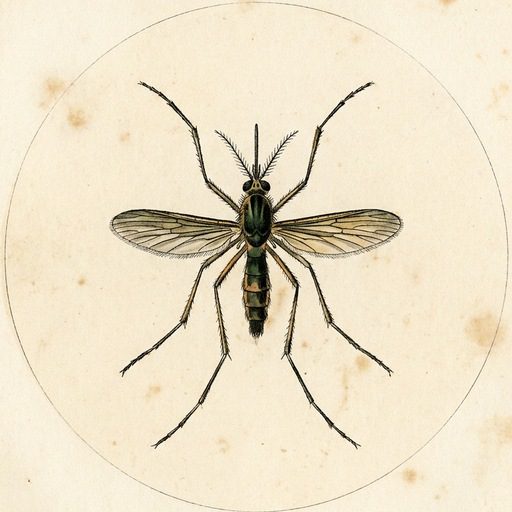
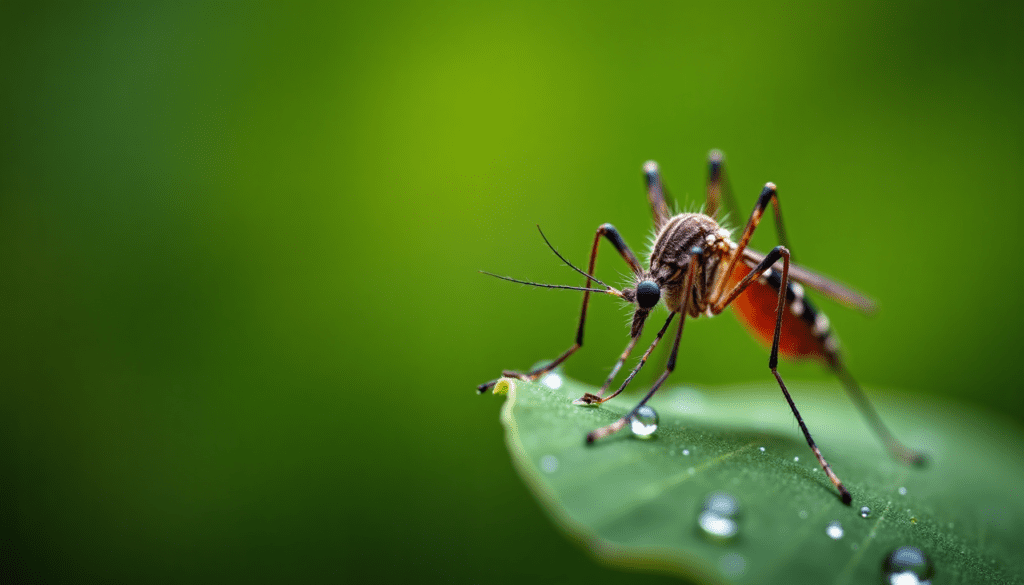
One itchy bump and no bug anywhere is one of the most common skin mysteries, and the honest answer is that nobody can reliably name the culprit from a single bite, not even a clinician. The context around the bite, where you were, the season, and who else itches, is far better evidence than the bump itself.
- Most likely: A mosquito, biting fly, or flea that fed and left, usually picked up outdoors or from a pet, in the warm months.
- Usually not: Bed bugs and spiders. Bed bugs tend to leave repeated bites over nights, and confirmed spider bites are genuinely rare.
- The red flags: Spreading redness, warmth, pus, red streaks, or fever mean see a clinician; trouble breathing or widespread swelling means emergency care right away.

Why a single bite is almost impossible to attribute
A bite mark is not a fingerprint. The University of Kentucky’s entomology department, which fields this question constantly, is blunt that bug bites are difficult to diagnose even for physicians, and that pinning a lesion on a specific creature without a captured specimen is close to guesswork. Skin has a limited vocabulary. It answers almost every insult, from a mosquito’s saliva to a splinter of fiberglass, with the same red, itchy bump.
Two things make a solitary bite even harder than a cluster. First, timing: many bite reactions are delayed by hours or even a day or two, so the bump you found this morning may have nothing to do with where you were this morning. Second, sample size: a pattern of bites carries information, such as a line of three along a sock band, while one bump carries almost none. That is why the useful question is not “what does this look like” but “where was I, what season is it, and is anything else going on.”
That does not mean shrugging it off entirely. It means reasoning like an investigator rather than an anxious pattern-matcher, which is what the rest of this guide does. I describe patterns and likelihoods here, never diagnoses.
What the bump itself can still tell you
First, wring what little evidence the lesion offers. A classic arthropod bite is a firm, red, itchy papule, sometimes with a tiny central point where the mouthparts pierced, sometimes surrounded by a pale or swollen halo. The clinical literature notes that most bites produce nonspecific reactions, red papules or hive-like wheals that look much alike from species to species.
A few features nudge the odds. A soft, puffy wheal that rose within minutes and faded within hours leans mosquito. A small hard bump with a visible central punctum on a lower leg leans flea. Intense itch that peaked many hours after a day in grass, at a waistband or sock line, leans chigger. A painful rather than itchy spot leans ant, biting fly, or a non-insect cause altogether. Our insect bite identification chart lays out the classic looks side by side, with the same caveat: a visual match is a probability, never a verdict.
Also note what the bump does over days. Ordinary bites fade over one to two weeks and stay put; a lesion that keeps growing or develops an expanding ring belongs in the red-flag section below.
The realistic culprit shortlist
When a single bite does have an insect behind it, the suspect pool is smaller than the internet suggests. Ranked roughly by everyday likelihood for one isolated bite:
| Likely culprit | Typical look | Context clue that raises the odds |
|---|---|---|
| Mosquito | Puffy pale wheal, then a firm itchy bump | Warm evening outdoors, exposed skin, itch started fast |
| Biting fly or gnat | Red bump, often more painful than itchy | Daytime outdoors near water, gardens, or animals |
| Flea | Small hard papule, sometimes a central point | Ankle or lower leg, pets or wildlife around the home |
| Chigger | Intensely itchy welt, delayed by hours | Grass or brush earlier that day, waistband or sock line |
| Ant | Painful spot, sometimes a small blister | Bare feet outdoors, gardening, visible ant activity |
| Spider | Sting-like red bump, mild in almost all cases | Rare; usually a spider was pressed against skin |
Fleas are a live possibility even with no pet, since wildlife can seed a yard or crawl space; Kentucky’s flea guidance describes the simple white-sock walk test, where adult fleas show up plainly against high white socks, as a fast way to confirm or clear them. Chiggers, for their part, attach where clothing fits tightly against thin skin and their itch typically surfaces four to eight hours after they latch on, which is exactly the kind of delay that makes a bite feel like it came from nowhere.
Ranking the odds by season and context
Season is the single most useful filter you have. In late spring through early fall, outdoor biters dominate: mosquitoes at dusk, gnats and biting flies by day, chiggers in grass and brush, fleas anywhere pets and wildlife overlap. A solitary summer bite on exposed skin is, statistically, an outdoor insect that fed and left.
In winter, the math flips. Most outdoor biters are gone in cold climates, so a new “bite” in January should push you toward the non-insect causes below, especially dry skin. The indoor possibilities that persist year-round are fleas in a home with animals, and bed bugs, which brings us to the next section.
Context beats season when the two disagree. If you spent yesterday clearing brush, think chigger. If you unpacked luggage from a trip last week, keep bed bugs on the list and inspect rather than guess. If a new medication, detergent, or hobby material entered your life the same week as the bump, weight those accordingly. One bite is a weak signal; context is the strong one.
What it is probably not
Two culprits get blamed far beyond their actual base rates, and clearing them properly saves real money and real anxiety.
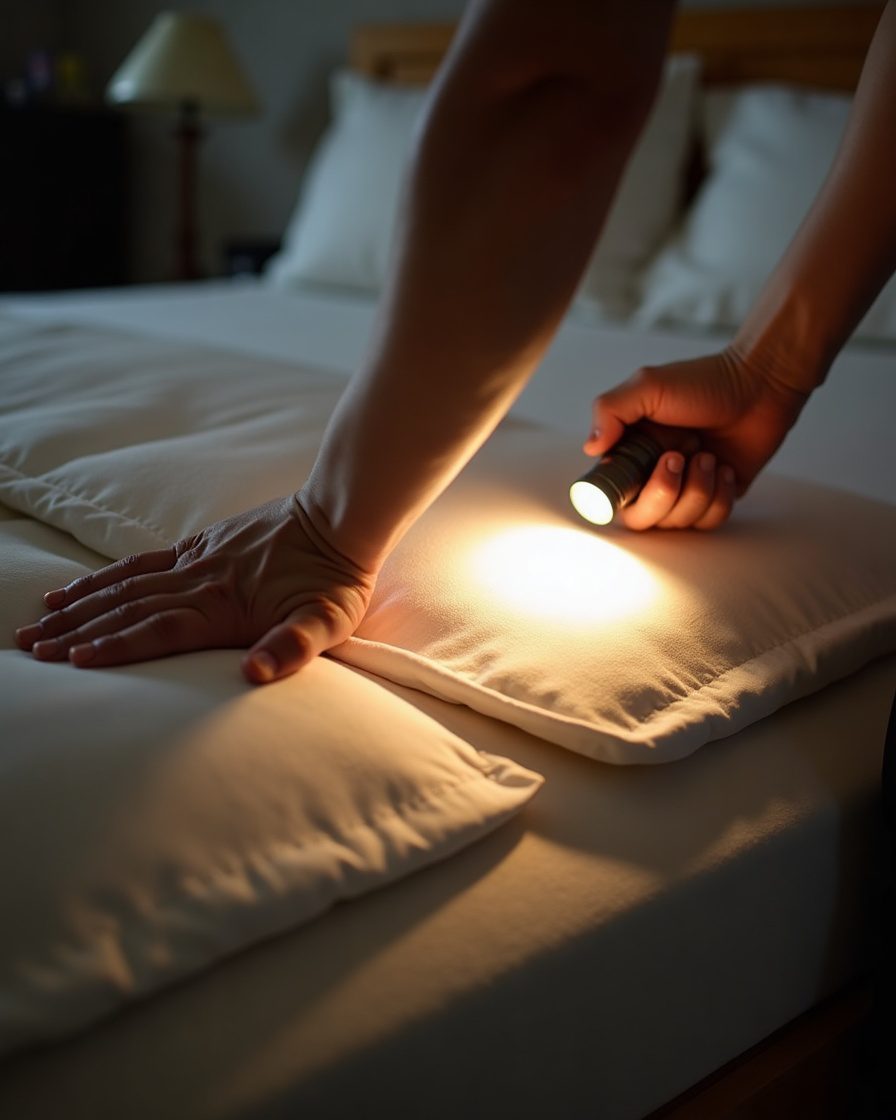
Bed bugs are the reflex fear, but a single bite with no follow-up is a poor fit for them. An established infestation produces repeated bites over successive nights on skin exposed during sleep, and reactions vary so much from person to person that welts alone prove nothing; Kentucky’s bed bug guidance states plainly that confirmation requires finding the bugs or their signs, and notes that roughly a third of people do not react to bites at all. So inspect instead of spiraling: check mattress seams, the box spring, the headboard, and nearby crevices for live bugs, shed skins, and pepper-dot staining. A careful look that finds nothing, plus no new bites on later mornings, argues strongly against bed bugs. Our comparison of bed bug bites versus flea and mosquito bites shows why the arrangement of multiple bites, not any single welt, carries the information.
Spiders are the other over-blamed suspect. Real spider bites are uncommon, defensive events, the kind of thing that happens when a spider is trapped against skin in a shoe or sleeve, and most spider bites are harmless, resembling a bee sting in feel. The Kentucky review makes the sharper point: attributing a lesion to a spider from the wound alone is extremely difficult, and many “spider bites” turn out to be other skin problems entirely. If you never saw a spider, a spider is one of the least likely explanations, not the leading one. When a bite came with a spider you actually saw, our guide to spider bite identification and when to worry covers the two species of genuine medical concern.
The non-insect checklist
This is the section most bite articles skip, and where the Kentucky review earns its keep: when no bug is ever found, non-insect causes of bite-like irritation are often the real answer. Run this list honestly before concluding an insect got you:
– Dry skin. Low winter humidity and hot showers produce itchy patches that people routinely read as bites; this is the most common cold-season explanation.
– Fibers and particles. Tiny slivers of insulation, paper, cardboard, or carpet fiber can prick and irritate skin, especially where static makes them cling.
– Household products. A changed detergent, soap, cosmetic, or newly treated garment can raise isolated itchy spots that mimic a bite.
– Health factors. Skin symptoms can accompany pregnancy, diabetes, thyroid conditions, and some medications, and stress alone can amplify normal skin sensations into something that feels like being bitten.
– Everyday skin events. An irritated hair follicle or a small local skin reaction can look remarkably like a bite, complete with redness and a central point.
The practical test is simple: a true bite is usually a discrete event that heals on schedule, while irritant and internal causes tend to recur, migrate, or persist. If bite-like symptoms keep appearing and careful inspection, flashlight checks and glue traps included, never turns up an arthropod, the Kentucky guidance is to stop spraying pesticides at an unproven enemy and involve a dermatologist instead. That is good advice, and the honest end point of an investigation that stays empty-handed.

Self-care that actually works
Home care for an ordinary bite is short and boring, which is a feature. Wash the area with soap and water. Then follow the standard first-aid playbook that MedlinePlus lays out for bites and stings: cold compresses in roughly ten-minute stretches, an over-the-counter anti-itch cream such as hydrocortisone or calamine, and an oral antihistamine if itching interferes with sleep. Use every product exactly as its label directs, nothing beyond the label. Our bite and sting first aid guide covers the full sequence, including stings.
The main job after that is to leave the bite alone. Scratching is how a trivial bump becomes a medical problem: broken skin invites bacterial infection, the most common complication of any bite. Keep nails short, cover the spot if you cannot stop picking at it, and expect one to two unremarkable weeks of fading.
If your context points outdoors, an EPA-registered repellent such as DEET, picaridin, or oil of lemon eucalyptus, applied per the label, makes the next mystery bite less likely.
See a clinician if
Most solitary bites need nobody but you. See a clinician promptly if any of the following shows up, because these point to infection or something that was never a simple bite:
– Spreading redness or warmth that enlarges over a day or two instead of shrinking
– Pus, crusting, or an open sore at the site
– Red streaks tracking away from the bump
– Fever or chills alongside the skin change
– An expanding ring or bull’s-eye pattern, or a lesion still growing after several days
– A bite-like sore that refuses to heal over a few weeks
Treat the following as an emergency and get emergency medical help immediately: trouble breathing or wheezing, swelling of the face, lips, or throat, widespread hives, dizziness, or fainting after any bite or sting. Those are signs of a severe allergic reaction, and minutes matter. For the milder end of the worry spectrum, our guide to infected bite signs and treatment shows what early infection actually looks like.
One special case: a small brown or black speck attached to the skin rather than a loose bump is potentially a tick, not a mystery, with its own removal and watch-list rules, covered in our guide to tick bite symptoms and when to see a doctor.
Common questions
Can a doctor tell what bit me by looking at the bite?
Usually not with certainty. Clinicians reason from the lesion’s look, its location, your history, and the season, and extension entomologists are open that bite lesions are hard to attribute even for physicians. A captured specimen is the only solid identification.
Why is there only one bite?
Because most outdoor biters are opportunists. A mosquito, gnat, or stray flea feeds once, is brushed off or flies away, and leaves exactly one mark. Single bites are the normal output of casual outdoor exposure; repeated, patterned bites are what should prompt a home search.
Should I spray my house after finding one bite?
No. Spraying without a confirmed target is the specific mistake the Kentucky mystery-bite guidance warns against. Inspect first, use glue traps if symptoms continue, and treat only what you actually find.
Final verdict
A single bug bite with no bug in sight is usually exactly what it appears to be: a brief visit from a mosquito, fly, flea, or chigger that ended long before you noticed the welt. The bump itself cannot name the culprit, and it does not need to, because treatment is the same either way: wash it, cool it, calm the itch with label-directed OTC care, and keep your fingernails out of it. Spend your detective energy on context instead of the lesion, clear the two over-blamed suspects with an actual inspection rather than fear, and take the non-insect checklist seriously in winter. When one bite becomes many, when a lesion spreads, weeps, or comes with fever, or when bite-like symptoms persist with no arthropod ever found, that is the moment to bring in a clinician. Until then, the mystery is allowed to stay unsolved, and almost always, it safely does.
This article is for information only and is not medical advice.