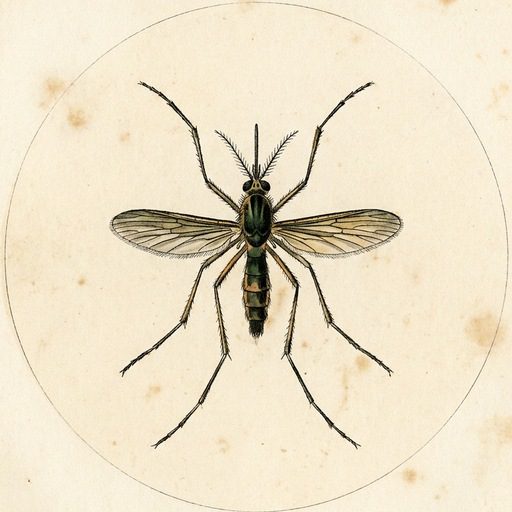
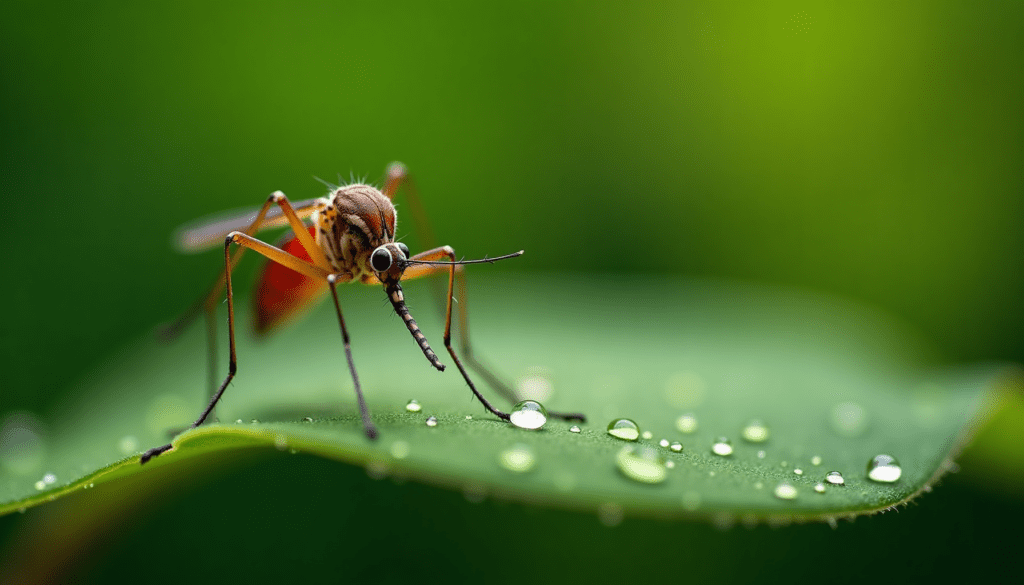
Two red dots close together are almost always two separate bites, usually from a flea, a bed bug, or a mosquito that was disturbed mid-meal and fed again a short distance away. They are rarely spider fang marks, which in real bites are seldom visible at all. No one, including a physician, can reliably name the culprit from the marks alone.
- What is normal: Two itchy red bumps that stay small, calm down over several days, and respond to washing, a cool compress, and over-the-counter anti-itch cream.
- The red flag: Spreading redness, growing pain, pus, warmth, or fever suggests infection, so see a clinician.
- The emergency: Trouble breathing or swelling of the face, lips, or throat after any bite means get emergency medical help right away.

You found two small red dots close together on your arm or leg, searched the pattern, and the internet immediately suggested fangs. Take a breath. The two-dot pattern feels specific and sinister, but it is one of the least reliable clues in bite identification. Here is what it usually means, which culprits are plausible, and which dramatic explanations you can set aside.
Why two red dots almost never mean fangs
The fang story assumes that a biting animal leaves a neat imprint of its mouthparts, the way a movie vampire does. Skin does not work that way. What you see on the surface is your immune reaction, a raised red bump built by histamine and inflammation, not a mold of whatever pierced you. Two dots side by side simply means the skin reacted in two nearby spots.
The far more ordinary explanation is two separate feeding attempts. A flea or bed bug that gets interrupted, or that fails to find a good blood vessel on the first try, often probes again a short distance away, which leaves two or sometimes three marks in a tight line or pair. Clinical references describe bed bug bites arranged in linear or grouped clusters of red papules, and that geometry is exactly what most people are looking at when they count two dots. If you want to compare your marks against the full range of common patterns, our insect bite identification chart lays them out side by side.
One honesty point shapes this whole article. The University of Kentucky’s entomology program, in its well-known work on unexplained bites, is blunt that bite-like reactions are difficult to diagnose even for physicians. The bump alone does not name the bug. Pattern, location, timing, and what you find in your home are the real evidence, and even then the answer is a probability, not a verdict. I describe likelihoods here; I cannot diagnose your skin, and neither can anyone else online.
The realistic culprit shortlist
Start with where the dots are and when they appeared; those two facts narrow the field fast.
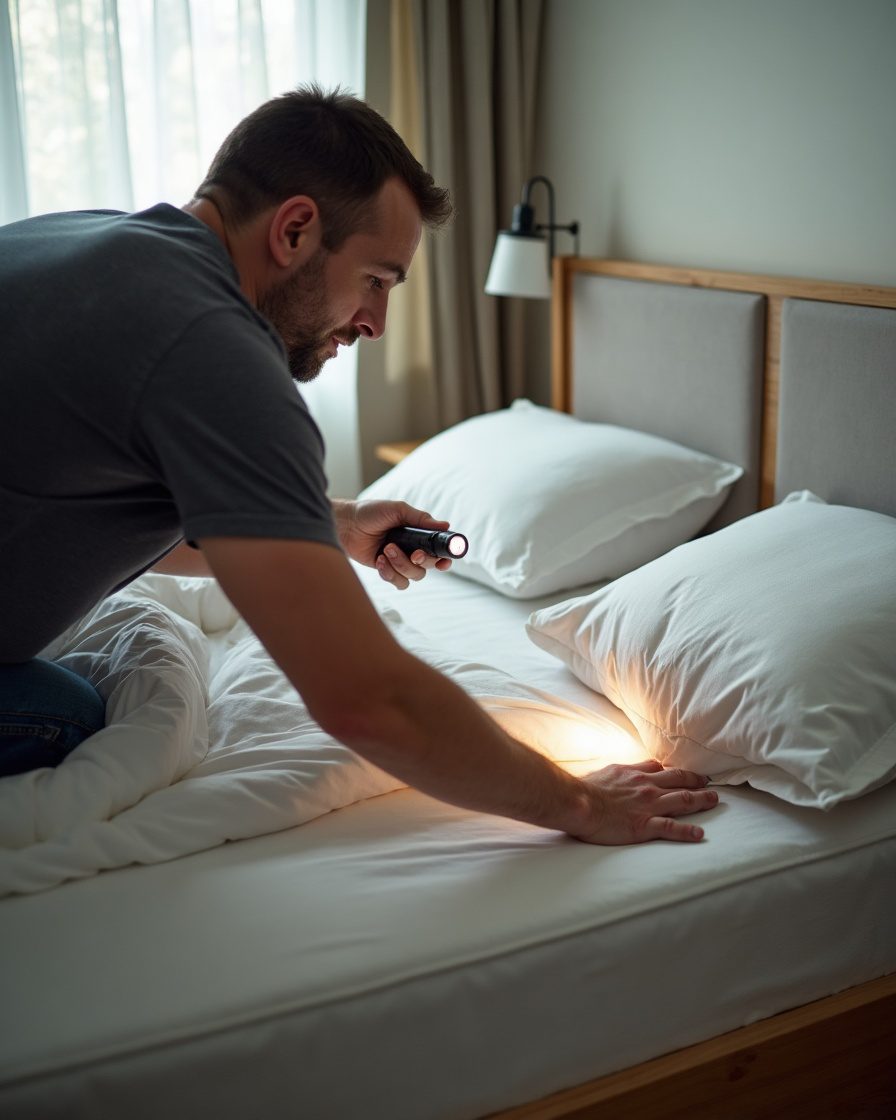
Bed bugs are the leading suspect when the marks appear on skin that was exposed while you slept, such as the face, neck, shoulders, arms, or lower legs, and when you never felt the bite happen. The University of Kentucky notes that many people develop an itchy red welt within a day or so of a bed bug bite, while others react late or not at all, which makes it hard to pin down when the bite occurred. Pairs and short rows are common because the bug may feed at more than one point. Bites alone cannot confirm an infestation, so check the mattress seams and bed frame for live bugs, dark droppings, or shed skins. Our guide to bed bug bites and what to do about them covers the inspection step by step.
Fleas are the leading suspect when the dots sit on the ankles or lower legs, especially if you have pets or recently walked through tall grass. Flea bites tend to be small red welts that cause intense itching and irritation, and fleas readily bite twice in quick succession, which produces close-set pairs and small clusters near the sock line. If the location fits, our piece on flea bites on humans shows how to confirm fleas at the source, which is usually a pet or its bedding.
Mosquitoes produce single puffy welts most of the time, but one that is brushed away and returns, or probes without finding a vessel, can leave two bumps near each other. Mosquito pairs itch immediately and appear on skin that was uncovered outdoors.
Mites from birds or rodents are a less common but real cause of scattered bite-like bumps, particularly after a nest is disturbed near a window, attic, or air conditioner. The University of Kentucky lists parasitic mites among the frequent answers in mystery-bite investigations, so consider them when neither fleas nor bed bugs fit.
| Culprit | Where the pair usually sits | Timing clue |
|---|---|---|
| Bed bug | Skin exposed during sleep: arms, shoulders, neck, face | Found on waking; reaction may be delayed a day or more |
| Flea | Ankles and lower legs, near the sock line | Itches fast; pets or tall grass in the picture |
| Mosquito | Any uncovered skin, often arms and legs | Felt or seen outdoors, itches within minutes |
| Bird or rodent mite | Scattered, no strong pattern | Nest activity near the home; bumps keep appearing indoors |
Spider fang marks: what actually shows up on skin
Here is the part the search results get wrong. Spiders do have paired fangs, but a visible pair of puncture marks is rarely what a real spider bite looks like. Most spider bites in the United States produce a single red, slightly swollen, sting-like bump, and MedlinePlus notes that a typical bite causes redness, pain, and swelling much like a bee sting, with most bites being harmless. The tidy two-hole imprint people expect is an artifact of diagrams, not something clinicians count on seeing.
Behavior matters as much as anatomy. Spiders do not hunt people, and the Kentucky entomologists point out that the rare genuine bites usually happen when a spider is pressed or crushed against skin, inside a shoe, a glove, or bedding. The two medically significant species, the black widow and the brown recluse, announce themselves with escalating symptoms such as strong pain, cramping, or a wound that worsens over days, not with a neat pair of dots. If a spider is genuinely on your suspect list, our guide to spider bite identification and when to worry walks through the honest signs, and any bite with severe pain or a spreading wound belongs in front of a clinician.
The snake question, answered quickly
Some readers land here worried about the classic two-puncture snakebite. That scenario rules itself out fast. A venomous snakebite is an event you notice: it happens outdoors, you usually see or hear the animal, and significant pain and swelling build at the site rather than a mild itch. Two small itchy dots discovered hours later on skin that was indoors or under clothing are not a snakebite story.
If you actually were struck by a snake, or you have escalating pain, swelling, nausea, or faintness after an outdoor puncture you cannot explain, stop reading identification articles. Treat it as an emergency and get emergency medical care right away.
Lookalikes that are not bites at all
The Kentucky mystery-bites work exists because a large share of “bite” outbreaks turn out to have no insect behind them, and paired red dots are no exception. Before you fumigate anything, run through the non-bite explanations.
Fibers and fragments are the big one. Fiberglass insulation, worn carpet fibers, and paper fragments can irritate skin into small red bumps that itch like bites, and static electricity makes those particles cling to arms and ankles. Recent insulation work or a freshly disturbed attic is a better lead than any bug.
Skin conditions can also imitate bites. Dry skin, contact dermatitis from a detergent or plant, and folliculitis, an irritated hair follicle, all produce red itchy papules, and follicles often sit close enough together to form convincing pairs. The University of Kentucky notes that medical conditions and some medications can trigger bite-like symptoms with no arthropod involved at all.
Blister beetle contact deserves its own line because it is the strangest lookalike. These beetles do not bite; brushing or crushing one against skin transfers a defensive chemical that raises a soft blister hours later, often overnight, with little pain at first. If your two red dots are turning into fluid-filled bumps, a chemical or contact cause is worth considering alongside bites, and our explainer on insect bites that blister sorts out which blisters matter. Clinical references note that a handful of arthropod exposures produce blistering lesions, so a blister alone does not prove a bite either.

Home care that actually helps
Whatever left the two dots, the care is nearly identical, because you are treating an inflamed itch, not the animal. Start by washing the area with soap and water, which lowers the chance of infection and removes any irritant still on the skin. MedlinePlus first-aid guidance for bites is to wash the site and apply ice in ten-minute intervals to take down swelling and dull the itch.
For the itch itself, an over-the-counter hydrocortisone cream or calamine lotion on the bumps, or an oral antihistamine if itching disturbs sleep, is the standard approach; clinical guidance for insect bites centers on topical corticosteroids and antihistamines to control itching. Use only the dose and schedule printed on the label. I will not suggest anything beyond the label, and neither should anyone else online.
The most valuable thing you can do costs nothing: do not scratch. Broken skin from scratching is how a trivial bite becomes an infected one. Keep nails short and expect the marks to settle over several days to two weeks. If new pairs keep appearing, shift from cream to detective work at the bed and the pets, and prevent the next round outdoors with an EPA-registered insect repellent applied according to its label.
See a clinician if
Most paired bites are a nuisance that home care handles. See a clinician promptly if any of the following shows up, since these point to infection. Our guide to infected insect bite signs covers what the visit typically involves.
- Spreading redness or a red streak moving away from the bite
- Increasing pain, warmth, or swelling after the first day or two, instead of steady improvement
- Pus or an open sore that will not close
- Fever or chills alongside any bite
- A wound that keeps enlarging or darkening over several days
And treat the following as an emergency, not an appointment: trouble breathing, tightness in the throat, swelling of the face, lips, or tongue, widespread hives, or feeling faint after a bite or sting. Those are signs of a severe allergic reaction. Use prescribed epinephrine if you have it and get emergency medical help immediately.
Common questions
Are two red dots always fang marks?
No. Real spider bites rarely show visible paired punctures, and most produce a single sting-like bump. Two dots close together are far more likely two separate bites from one insect that fed twice, or from two insects feeding near each other.
Why do bug bites show up in pairs or lines?
Because many biters probe more than once. A flea or bed bug that is disturbed, or fails to reach a blood vessel, moves a short distance and tries again, leaving tight pairs or short rows. Clinical descriptions of bed bug bites specifically mention linear arrangements.
Can a doctor tell what bit me by looking at the marks?
Usually not with certainty. Bite-like lesions are hard to attribute even for physicians. Location, timing, and physical evidence such as fleas on a pet or bed bugs in a seam are what actually identify a culprit.
Could two red dots be from something other than a bug?
Yes, and this is common. Fiberglass or fabric fibers, dry skin, contact dermatitis, and irritated hair follicles all create paired red bumps that itch like bites. If no insect evidence turns up, consider irritants and skin conditions before pesticides.
When should I worry about a bite with two red dots?
Worry about behavior, not geometry. Bumps that shrink and fade are fine. Spreading redness, worsening pain, pus, fever, or a growing wound needs a clinician, and any trouble breathing or facial swelling means emergency care right away.
Final verdict
Two red dots on a bug bite are a pattern, not a signature. The realistic reading is two feeding attempts by an ordinary suspect: a bed bug if the marks appeared overnight, a flea if they sit at the ankle, a mosquito if you were outdoors, with fibers, follicles, and other non-bite irritants close behind. Visible spider fang marks are mostly a myth, and no honest source can name your biter from the marks alone. Wash the spot, cool it, calm the itch with label-dose care, and let the pattern guide a calm search of the bed, the pets, and the yard. Save your concern for the signs that earn it: spreading redness, fever, pus, or any hint of an allergic emergency.
This article is for information only and is not medical advice.