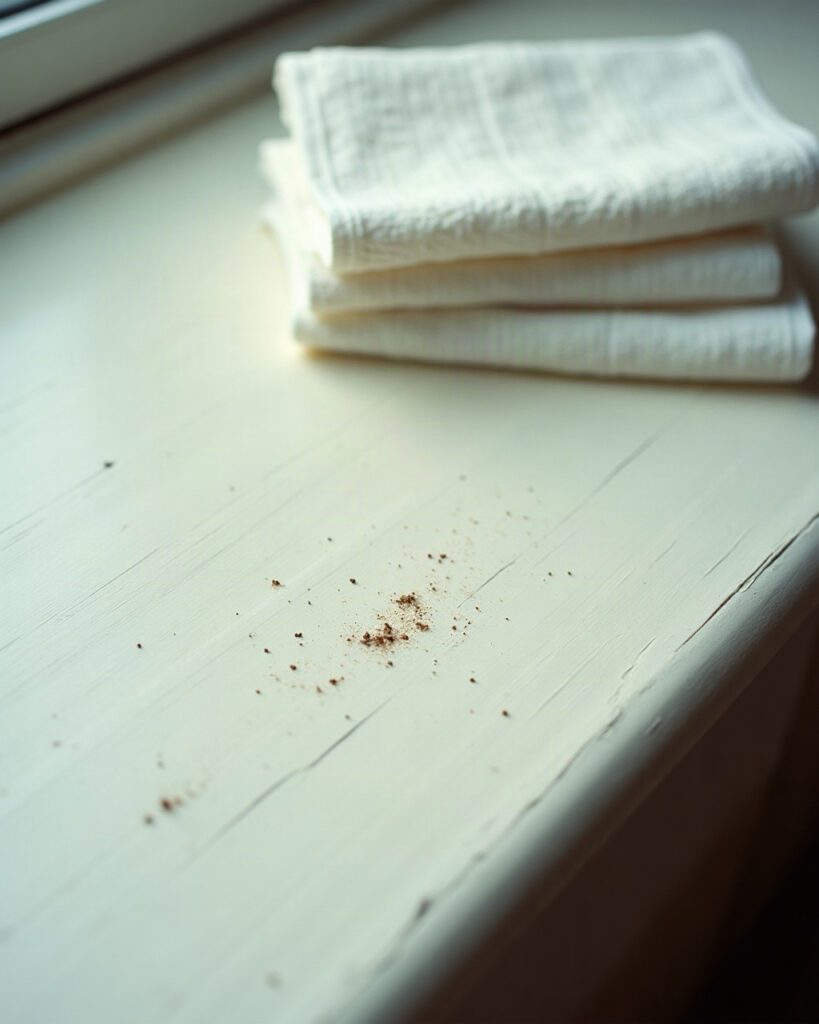
Silverfish eggs are under a millimetre, soft, oval and whitish, laid singly or in small groups pushed deep into cracks. You will almost certainly never see one. The young are more useful to know: they hatch looking like small pale adults rather than as grubs, which is unusual and means an unfamiliar small silverfish is simply a young one rather than a different species.
- Eggs are hidden by design, wedged into cracks, crevices and behind skirting.
- No grub stage: hatchlings are miniature adults, pale at first and darkening with each moult.
- Development takes months to years, which is why a population builds so quietly.
Silverfish are among the most recognisable household insects and among the least often seen breeding. The reason is in the biology, and it explains the thing people find strange about them: a problem that seems to appear from nowhere after years in the same house.
The eggs
Under a millimetre, oval, soft-shelled and whitish when fresh, yellowing as they develop. A female lays them a few at a time rather than in a mass, and she pushes them into whatever crack is available: behind skirting, under a loose floorboard, in the binding of a book, in the gap behind a bath panel.
They are not glued in obvious places and there is no visible egg case. In practice, finding silverfish eggs is a matter of luck rather than searching.
They also need humidity to develop, which is the single most useful fact on this page: in a dry room they simply fail.
The young, which is the useful part
Silverfish are ametabolous, which means they do not metamorphose at all. There is no larva, no pupa and no grub.
A hatchling emerges as a miniature version of the adult: same tapered shape, same three tail filaments, same movement. It is pale and lacks the silvery scales at first, developing them after a few moults.
That has a practical consequence worth knowing. A small pale wriggling thing in a bathroom that looks like a silverfish but is not quite right is usually a young silverfish, not a different insect. Our look-alike guide covers the things that genuinely are different, and the tail filaments are the check.
They also keep moulting as adults, which is unusual, so shed skins accumulate wherever a population lives.

Why the timeline explains everything
Silverfish take months to a few years to reach maturity depending on temperature and humidity, and adults live for years afterwards, continuing to moult and lay.
That slow, long cycle explains the two things people report.
A population builds quietly. Unlike ants or cockroaches, there is no visible explosion. Numbers creep up over a year or two, and then someone starts noticing one a week.
A single sighting is normal. Because they are solitary in habit and long-lived, seeing one every so often over months usually means a small established population rather than a new arrival.
Our silverfish identification guide covers the biology, and the long thin bugs guide covers the shape group they sit in.
Where they breed, which is where to act
Eggs need humidity and the young need food, which for silverfish means starch: paper, book bindings, wallpaper paste, cardboard, dried food residue, and some fabrics.
So the breeding sites are the intersection of damp and stored paper:
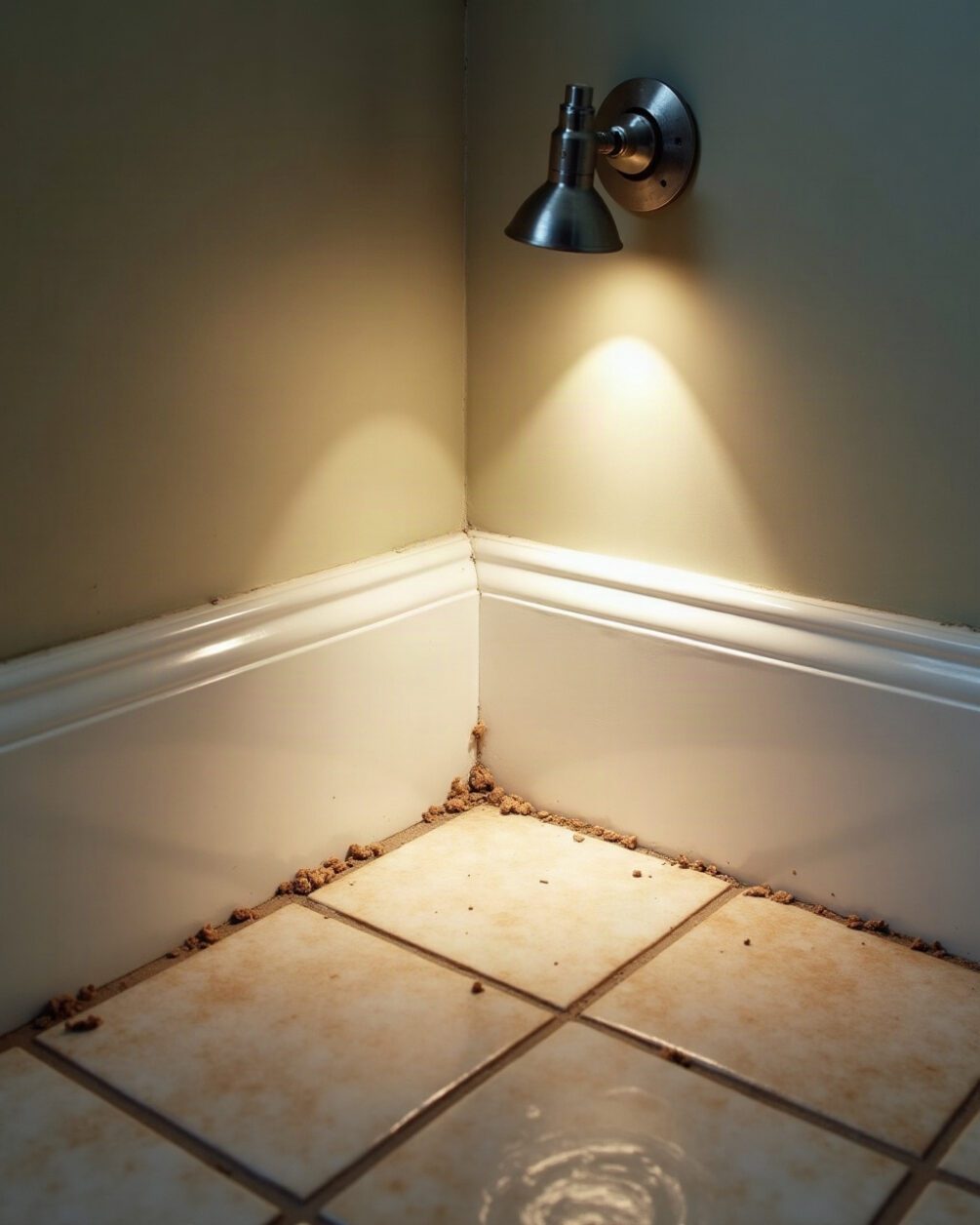
Behind skirting in a bathroom or a room on a cold external wall.
Under a bath panel or behind a cistern, where a slow leak keeps humidity high.
Cardboard boxes stored on a floor, particularly in a basement, a garage or under a sink.
Bookshelves against an external wall, where the wall is cool and the bindings supply the food.
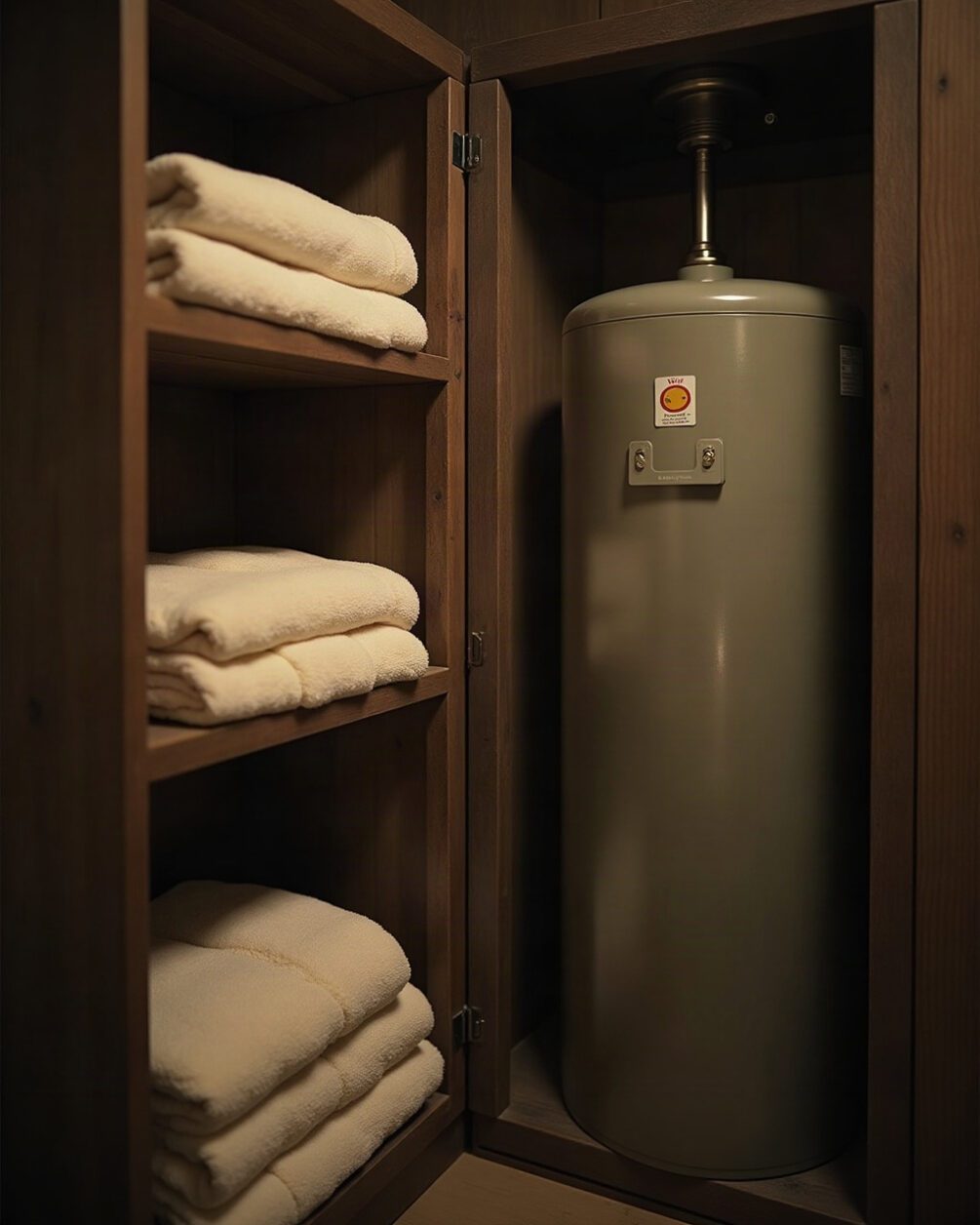
Airing cupboards, which is where the close relative belongs. Firebrats want hot and dry rather than cool and damp, and our silverfish versus firebrats guide covers telling them apart by room rather than by appearance.
Kentucky’s note that damp-dependent household arrivals require moist conditions to survive applies to the whole group, and Penn State’s description of moisture-loving organisms feeding on mould and decaying material covers the springtails that turn up in the same places.
What to do, given you cannot target the eggs
Because the eggs are inaccessible and long-lived, the approach is environmental rather than targeted.
Bring the humidity down. Ventilation, an extractor that runs long enough, a dehumidifier in a persistently damp room. This is the lever that stops eggs developing at all.
Get paper and cardboard off the floor and out of damp rooms. Store in plastic rather than card. Our guide to protecting books and paper covers it.
Fix the leak. A weeping trap under a sink or behind a bath sustains a population indefinitely, and our under-sink guide covers finding it.
Seal the cracks behind skirting and around pipe penetrations, which removes the egg-laying sites themselves.
Be patient. Given the life cycle, a population does not disappear in a fortnight. Our guide to what attracts silverfish covers the conditions and the removal guide covers the sequence.
Common questions
I found a tiny white silverfish. Is that a baby?
Almost certainly. Hatchlings are pale and gain the silvery scales over several moults. It also tells you they are breeding rather than wandering in.
Do they bite?
No. Our guide to whether silverfish are harmful covers the question, and the answer is that the damage is to paper and fabric rather than to people.
How many eggs does one lay?
Modest numbers over a long life rather than large batches. That slow accumulation is exactly why the problem creeps rather than explodes.
Final verdict
You will not find the eggs; they are wedged into cracks by design and there is nothing to see. What is worth knowing is that there is no grub stage at all, so a small pale silverfish is a young silverfish, and finding one means breeding rather than a visitor. The eggs need humidity to develop, which makes ventilation the treatment, and the long life cycle means the result takes months rather than days.