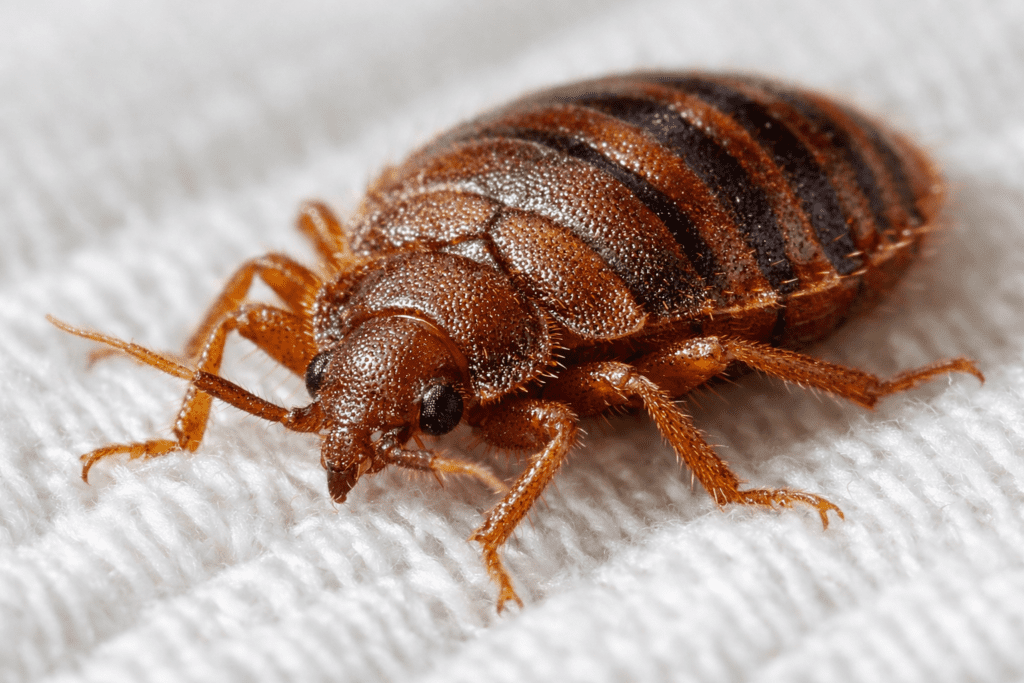
Six insects account for most bed bug false alarms: carpet beetle larvae, spider beetles, bat bugs, booklice, cockroach nymphs and ticks. The fastest way through is not comparing photographs but checking three physical features and then looking for evidence. A real bed bug is flat, broad and reddish brown, stays close to where people sleep, and leaves dark spotting and shed tan skins on seams.
- Flatness settles most of it: bed bugs are flattened top to bottom. Beetles are domed. Fleas are flattened side to side.
- Evidence beats sightings: no dark spotting and no shed skins on the seams usually means no bed bugs.
- The one genuine twin is a bat bug, which needs a magnifier and usually a roost in the roof.

This is an anxious search and it deserves to be settled quickly rather than dragged out. Kentucky describes adult bed bugs as brownish, oval and flattened, roughly the size of an apple seed, with nymphs smaller and paler. Work from that description rather than from a gallery of alarming photographs.
The three checks that do the work
Profile. Look at it from the side, not from above. A bed bug is genuinely flat, like a seed pressed under a book. A beetle is domed and hard-shelled. This is the single most useful test and the photograph everyone takes, from directly above, is the one that hides it.
Colour. Reddish brown, sometimes tan when unfed. Truly black is usually something else, with the exception of a recently fed or squashed bed bug, which darkens.
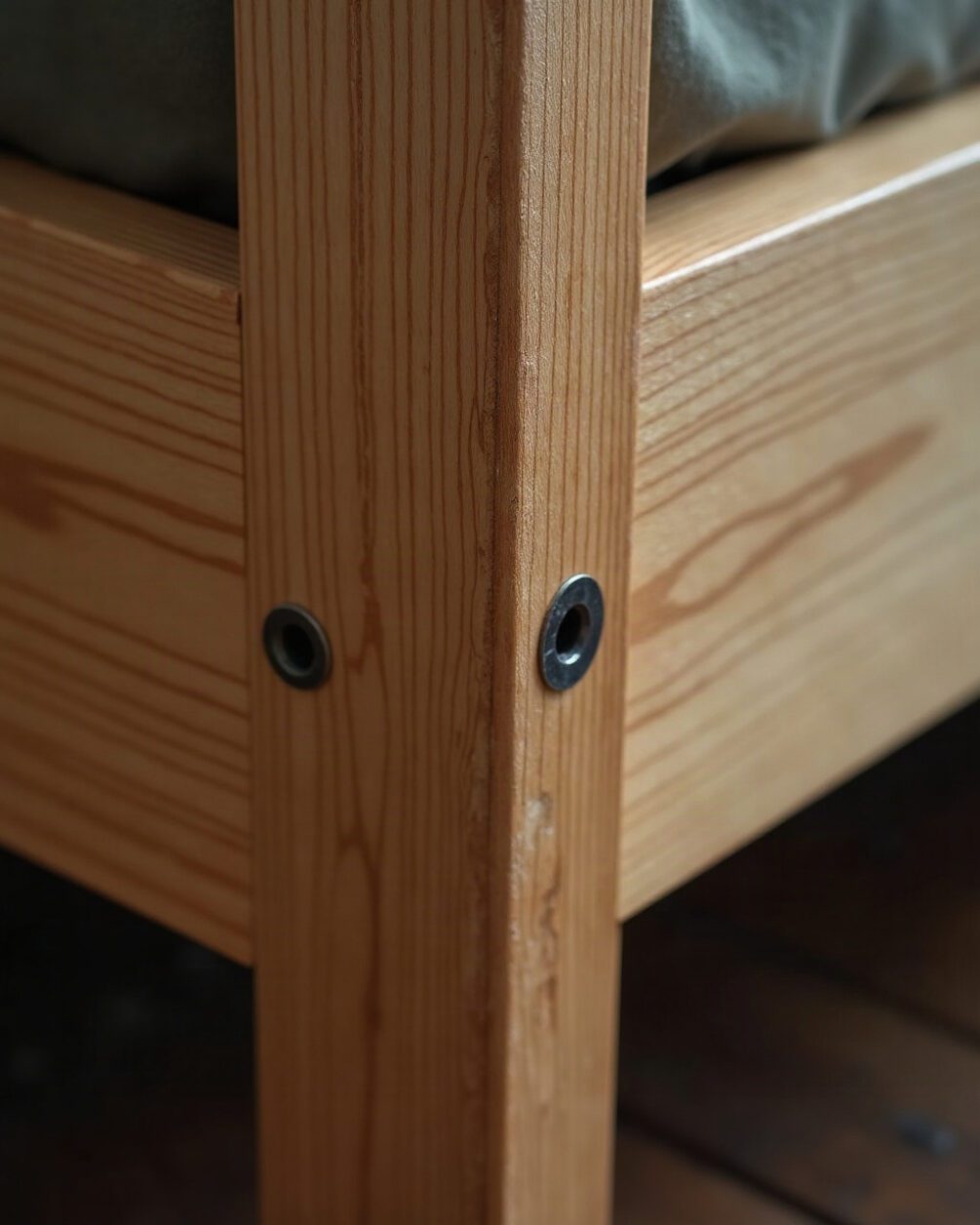
Location discipline. Bed bugs stay near a sleeping host. Mattress seams, box spring edges, bed frame joints, screw holes, headboard backs, and the seams of a sofa people nap on. Something found in a kitchen cupboard, a bathroom or a plant pot is not a bed bug.
The six impostors
Carpet beetle larvae are the most common by a distance. Three to five millimetres, tapered, and covered in short bristles that give a fuzzy or banded appearance. They creep and curl rather than crawl purposefully. Kentucky notes they feed on wool, fur, feathers and other animal products, which is why bedding and wardrobes are where people meet them. They do not bite, though the bristles cause a contact rash that gets misread as bites for months. Our dedicated comparison covers this pair in detail.
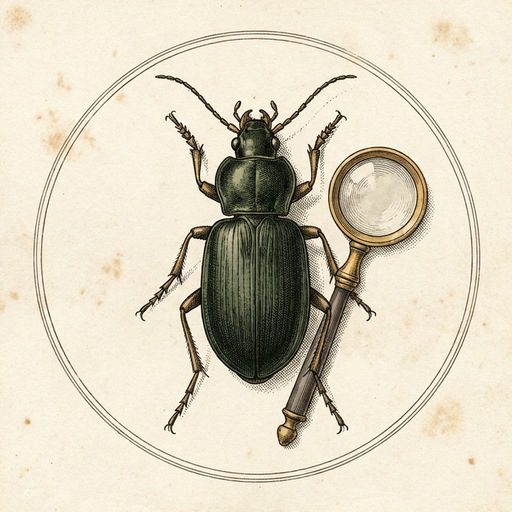
Spider beetles are round, shiny and long-legged, which reads as a tiny spider more than as a bed bug, but they turn up in the same places and cause the same alarm. Harmless scavengers on dried organic material.
Bat bugs are the genuine twin and the reason a confident identification sometimes needs a specialist. They are close relatives, nearly identical to the naked eye, and separated by the length of the hairs on the thorax under magnification. The context is the giveaway: bat bugs come from a bat roost in a loft, chimney or wall cavity, and they appear when the bats leave. If the property has had bats, mention it to whoever you call.
Booklice are under two millimetres, pale, soft and slow, and live on damp surfaces feeding on mould. Despite the name they are unrelated to lice and cannot live on people. A booklouse problem is a humidity problem.
Cockroach nymphs are small and brown and get mistaken for bed bugs regularly, but they run fast and head for cover the moment a light comes on, which no bed bug does. Our baby cockroach guide shows the stages.
Ticks are flat, brown and roughly the right size, and they end up in beds after arriving on a person or a dog. The difference is legs: ticks have eight, bed bugs have six. Our tick identification guide covers the species, and if one has been attached, the removal guide matters more than the identification.
The evidence that settles it
Identification from a single insect is genuinely hard, even for people who do it professionally. Evidence is easier and more reliable, and it is what an inspection actually looks for.
Dark spotting. Small dark marks on fabric that look like a marker pen dot bleeding slightly into the weave, concentrated along mattress piping, seam lines, frame joints and the back of a headboard.
Shed skins. Bed bugs moult five times, so an established population leaves translucent tan husks that hold the shape of the insect. These are often easier to find than live bugs.
Location clustering. Evidence concentrated within a metre or two of where a person sleeps, rather than scattered around a room.
If all three are absent after a proper look, a single dark insect is very unlikely to be a bed bug. Our inspection guide walks the search in order, and our guide to black bugs in a bed covers the colour question specifically.
Why the bites will not tell you
People try to work backwards from skin, and it does not work well enough to rely on. Reactions vary enormously, a substantial share of people show no reaction at all, and reactions can be delayed by days, so a partner with clear skin proves nothing.
Two other things get mistaken for bites: contact irritation from carpet beetle larvae, covered in our rash guide, and ordinary skin conditions. Dust mites are worth ruling out of the conversation entirely, since Kentucky notes house dust mites are microscopic and do not bite. Our comparison of the two covers why that matters for allergy sufferers.
For what genuine bed bug reactions look like, our bed bug bites guide is the detailed version, and the bite identification chart compares the common patterns.
Common questions
I found one insect and nothing else. Is that an infestation?
Almost certainly not. Bed bug problems do not present as a single insect on a single occasion with no spotting and no shed skins. Check the seams once, properly, and then stop worrying.
Can I identify it from a phone photo?
Sometimes, if the photo is from the side rather than above and is in focus. Flatness and leg count are the two features that carry most of the information, and both are lost in a top-down blur.
Should I throw out the mattress?
Not on suspicion. Even confirmed cases are usually treated rather than discarded, and disposing of a mattress without wrapping it risks spreading the problem through the building.
Final verdict
Look at it from the side. Flat and broad and reddish brown, near where somebody sleeps, is worth a proper inspection. Domed and hard-shelled is a beetle. Bristly and curling is a carpet beetle larva. Eight legs is a tick. Fast and light-shy is a cockroach nymph. Pale and slow on damp plaster is a booklouse. Then stop identifying and start looking for dark spotting and shed skins on the seams, because that is what actually decides it.